

How to Implement Microgrid Revenue Models for ROI
MAR 18, 20269 MIN READ
Generate Your Research Report Instantly with AI Agent
PatSnap Eureka helps you evaluate technical feasibility & market potential.
Microgrid Revenue Model Background and Objectives
Microgrids have emerged as a transformative solution in the evolving energy landscape, representing decentralized energy systems that can operate independently or in conjunction with the traditional electrical grid. The concept originated from the need to enhance energy security, improve reliability, and integrate renewable energy sources more effectively. As global energy demands continue to rise and environmental concerns intensify, microgrids offer a pathway toward sustainable and resilient energy infrastructure.
The historical development of microgrids can be traced back to early isolated power systems in remote locations, but modern microgrid technology has evolved significantly with advances in distributed generation, energy storage, and smart grid technologies. The integration of solar photovoltaics, wind turbines, battery storage systems, and sophisticated control mechanisms has enabled microgrids to become economically viable alternatives to traditional centralized power systems.
Current market drivers for microgrid adoption include increasing frequency of extreme weather events, aging grid infrastructure, declining costs of renewable energy technologies, and growing demand for energy independence. Organizations across various sectors, including commercial buildings, industrial facilities, military installations, and residential communities, are recognizing the strategic value of microgrid investments beyond mere energy cost savings.
The primary objective of implementing effective microgrid revenue models centers on achieving sustainable return on investment while maximizing the multiple value streams that microgrids can provide. These value propositions extend beyond simple energy arbitrage to include grid services, demand charge reduction, backup power provision, and participation in various energy markets. The challenge lies in quantifying and monetizing these diverse benefits to create compelling business cases for stakeholders.
Revenue model development must address the complex interplay between capital expenditure requirements, operational costs, regulatory frameworks, and market opportunities. Successful implementation requires comprehensive understanding of local utility rate structures, grid service compensation mechanisms, and emerging market opportunities such as frequency regulation, capacity markets, and peer-to-peer energy trading platforms.
The ultimate goal is to establish financially sustainable microgrid operations that deliver measurable returns while contributing to broader energy system resilience and environmental objectives. This requires innovative approaches to revenue optimization, risk management, and stakeholder alignment across the entire microgrid ecosystem.
The historical development of microgrids can be traced back to early isolated power systems in remote locations, but modern microgrid technology has evolved significantly with advances in distributed generation, energy storage, and smart grid technologies. The integration of solar photovoltaics, wind turbines, battery storage systems, and sophisticated control mechanisms has enabled microgrids to become economically viable alternatives to traditional centralized power systems.
Current market drivers for microgrid adoption include increasing frequency of extreme weather events, aging grid infrastructure, declining costs of renewable energy technologies, and growing demand for energy independence. Organizations across various sectors, including commercial buildings, industrial facilities, military installations, and residential communities, are recognizing the strategic value of microgrid investments beyond mere energy cost savings.
The primary objective of implementing effective microgrid revenue models centers on achieving sustainable return on investment while maximizing the multiple value streams that microgrids can provide. These value propositions extend beyond simple energy arbitrage to include grid services, demand charge reduction, backup power provision, and participation in various energy markets. The challenge lies in quantifying and monetizing these diverse benefits to create compelling business cases for stakeholders.
Revenue model development must address the complex interplay between capital expenditure requirements, operational costs, regulatory frameworks, and market opportunities. Successful implementation requires comprehensive understanding of local utility rate structures, grid service compensation mechanisms, and emerging market opportunities such as frequency regulation, capacity markets, and peer-to-peer energy trading platforms.
The ultimate goal is to establish financially sustainable microgrid operations that deliver measurable returns while contributing to broader energy system resilience and environmental objectives. This requires innovative approaches to revenue optimization, risk management, and stakeholder alignment across the entire microgrid ecosystem.
Market Demand Analysis for Microgrid Investment Returns
The global microgrid market is experiencing unprecedented growth driven by increasing demand for energy resilience, sustainability goals, and grid modernization initiatives. Commercial and industrial sectors represent the largest market segments, seeking energy independence and cost reduction through localized power generation and storage systems. Healthcare facilities, educational institutions, military installations, and critical infrastructure operators are prioritizing microgrid investments to ensure uninterrupted power supply during grid outages.
Regulatory frameworks worldwide are evolving to support distributed energy resources and microgrid deployment. Net metering policies, renewable energy certificates, and grid services compensation mechanisms create multiple revenue opportunities for microgrid operators. The integration of artificial intelligence and advanced energy management systems enables sophisticated demand response capabilities, allowing microgrids to participate in ancillary services markets and optimize energy trading strategies.
Investment patterns reveal strong interest from both private equity and institutional investors in microgrid projects with proven revenue models. The total addressable market encompasses utility-scale microgrids, community energy systems, and behind-the-meter installations across residential, commercial, and industrial applications. Geographic hotspots include regions with aging grid infrastructure, high electricity costs, frequent power outages, or aggressive renewable energy mandates.
Market drivers include declining costs of solar photovoltaic systems, battery energy storage technologies, and power electronics components. The convergence of electrification trends, electric vehicle adoption, and distributed energy resources creates new value propositions for microgrid investments. Demand response programs and virtual power plant aggregation models offer additional revenue streams beyond traditional energy arbitrage and backup power services.
Financial institutions are developing specialized lending products and investment vehicles tailored to microgrid projects, recognizing the stable cash flows and long-term contracts typical of successful implementations. The emergence of energy-as-a-service business models reduces upfront capital requirements for end customers while providing predictable returns for microgrid developers and operators through long-term service agreements.
Regulatory frameworks worldwide are evolving to support distributed energy resources and microgrid deployment. Net metering policies, renewable energy certificates, and grid services compensation mechanisms create multiple revenue opportunities for microgrid operators. The integration of artificial intelligence and advanced energy management systems enables sophisticated demand response capabilities, allowing microgrids to participate in ancillary services markets and optimize energy trading strategies.
Investment patterns reveal strong interest from both private equity and institutional investors in microgrid projects with proven revenue models. The total addressable market encompasses utility-scale microgrids, community energy systems, and behind-the-meter installations across residential, commercial, and industrial applications. Geographic hotspots include regions with aging grid infrastructure, high electricity costs, frequent power outages, or aggressive renewable energy mandates.
Market drivers include declining costs of solar photovoltaic systems, battery energy storage technologies, and power electronics components. The convergence of electrification trends, electric vehicle adoption, and distributed energy resources creates new value propositions for microgrid investments. Demand response programs and virtual power plant aggregation models offer additional revenue streams beyond traditional energy arbitrage and backup power services.
Financial institutions are developing specialized lending products and investment vehicles tailored to microgrid projects, recognizing the stable cash flows and long-term contracts typical of successful implementations. The emergence of energy-as-a-service business models reduces upfront capital requirements for end customers while providing predictable returns for microgrid developers and operators through long-term service agreements.
Current Microgrid Revenue Challenges and Barriers
Microgrid revenue generation faces significant regulatory uncertainties that create substantial barriers to investment and deployment. The lack of standardized frameworks across different jurisdictions makes it challenging for developers to predict long-term revenue streams. Regulatory bodies often struggle to classify microgrids within existing utility frameworks, leading to ambiguous rules regarding grid interconnection, energy trading, and compensation mechanisms.
Market structure limitations present another critical challenge, as traditional electricity markets were not designed to accommodate distributed energy resources at the microgrid scale. Many regions lack proper market mechanisms for microgrids to monetize their full value proposition, including ancillary services, grid stability support, and resilience benefits. The absence of standardized pricing models for these services creates revenue uncertainty and complicates business case development.
Technical integration barriers significantly impact revenue potential, particularly regarding grid interconnection standards and communication protocols. Microgrids often face costly and time-consuming interconnection processes that can delay revenue generation by months or years. The lack of standardized technical requirements across utilities creates additional complexity and increases development costs, directly affecting return on investment calculations.
Financial and economic challenges compound these technical barriers, as traditional financing models are poorly suited to microgrid projects. The relatively small scale of many microgrids makes them less attractive to large institutional investors, while the complexity of revenue streams makes risk assessment difficult for lenders. High upfront capital costs combined with uncertain revenue projections create significant hurdles for project financing.
Stakeholder coordination presents ongoing operational challenges that can impact revenue optimization. Microgrids typically involve multiple parties including utilities, regulators, customers, and technology providers, each with different priorities and timelines. Misaligned incentives among stakeholders can lead to suboptimal system design and operation, reducing overall revenue potential.
Data management and cybersecurity concerns create additional barriers, as revenue optimization requires sophisticated monitoring and control systems that may be vulnerable to cyber threats. The cost of implementing robust cybersecurity measures can significantly impact project economics, while data privacy concerns may limit the ability to optimize operations across multiple customer segments.
Market structure limitations present another critical challenge, as traditional electricity markets were not designed to accommodate distributed energy resources at the microgrid scale. Many regions lack proper market mechanisms for microgrids to monetize their full value proposition, including ancillary services, grid stability support, and resilience benefits. The absence of standardized pricing models for these services creates revenue uncertainty and complicates business case development.
Technical integration barriers significantly impact revenue potential, particularly regarding grid interconnection standards and communication protocols. Microgrids often face costly and time-consuming interconnection processes that can delay revenue generation by months or years. The lack of standardized technical requirements across utilities creates additional complexity and increases development costs, directly affecting return on investment calculations.
Financial and economic challenges compound these technical barriers, as traditional financing models are poorly suited to microgrid projects. The relatively small scale of many microgrids makes them less attractive to large institutional investors, while the complexity of revenue streams makes risk assessment difficult for lenders. High upfront capital costs combined with uncertain revenue projections create significant hurdles for project financing.
Stakeholder coordination presents ongoing operational challenges that can impact revenue optimization. Microgrids typically involve multiple parties including utilities, regulators, customers, and technology providers, each with different priorities and timelines. Misaligned incentives among stakeholders can lead to suboptimal system design and operation, reducing overall revenue potential.
Data management and cybersecurity concerns create additional barriers, as revenue optimization requires sophisticated monitoring and control systems that may be vulnerable to cyber threats. The cost of implementing robust cybersecurity measures can significantly impact project economics, while data privacy concerns may limit the ability to optimize operations across multiple customer segments.
Existing Microgrid ROI Optimization Solutions
01 Energy trading and transaction systems for microgrids
Microgrid revenue models can be enhanced through sophisticated energy trading platforms that enable peer-to-peer energy transactions and market participation. These systems allow microgrid operators to buy and sell electricity based on real-time pricing, demand response programs, and grid conditions. Advanced transaction management systems facilitate automated bidding, settlement processes, and financial tracking to optimize revenue streams. The implementation of blockchain and smart contract technologies can further streamline transactions and reduce operational costs, thereby improving overall ROI.- Energy trading and transaction systems for microgrids: Microgrid revenue models can be enhanced through sophisticated energy trading platforms that enable peer-to-peer transactions and market participation. These systems allow microgrid operators to buy and sell electricity based on real-time pricing, demand response programs, and grid conditions. Advanced transaction management systems facilitate automated bidding, settlement processes, and financial tracking to optimize revenue streams. The implementation of blockchain and smart contract technologies can further streamline transactions and reduce operational costs, thereby improving overall ROI.
- Demand response and load management optimization: Revenue generation in microgrids can be significantly improved through intelligent demand response programs and load management strategies. These systems analyze consumption patterns, predict peak demand periods, and automatically adjust energy distribution to maximize economic benefits. By participating in utility demand response programs, microgrids can generate additional revenue through capacity payments and incentive programs. Advanced forecasting algorithms and machine learning techniques enable operators to optimize energy storage utilization and reduce operational costs while maintaining service reliability.
- Renewable energy integration and optimization: Maximizing ROI in microgrids involves optimal integration of renewable energy sources such as solar and wind power. Advanced control systems manage the variability of renewable generation while ensuring grid stability and maximizing energy capture. These systems incorporate weather forecasting, predictive analytics, and real-time optimization algorithms to balance generation with demand. Revenue enhancement is achieved through renewable energy credits, feed-in tariffs, and reduced reliance on expensive grid electricity. Energy storage systems are coordinated with renewable sources to capture excess generation and deploy it during high-value periods.
- Financial modeling and investment analysis tools: Comprehensive financial modeling tools are essential for evaluating microgrid ROI and supporting investment decisions. These systems incorporate capital expenditure analysis, operational cost projections, revenue forecasting, and risk assessment methodologies. Advanced analytics platforms enable stakeholders to model various scenarios, including different tariff structures, financing options, and technology configurations. The tools calculate key performance indicators such as net present value, internal rate of return, and payback periods. Integration with real-time operational data allows for continuous refinement of financial projections and performance tracking against initial investment assumptions.
- Grid services and ancillary revenue streams: Microgrids can generate additional revenue by providing ancillary services to the main grid, including frequency regulation, voltage support, and backup capacity. These services are increasingly valuable as grid operators seek flexible resources to maintain system stability. Advanced control systems enable microgrids to respond rapidly to grid signals and participate in ancillary service markets. Revenue optimization is achieved through strategic participation in multiple service markets simultaneously while maintaining local energy security. Sophisticated metering and verification systems ensure accurate compensation for services provided, while predictive maintenance and reliability management maximize service availability and revenue potential.
02 Demand response and load management optimization
Revenue generation in microgrids can be significantly improved through intelligent demand response programs and load management strategies. These systems analyze consumption patterns, predict peak demand periods, and automatically adjust energy distribution to maximize economic benefits. By participating in utility demand response programs, microgrids can receive financial incentives for load reduction during peak hours. Advanced algorithms optimize the balance between self-consumption, grid export, and storage utilization to ensure maximum return on investment while maintaining reliable power supply.Expand Specific Solutions03 Renewable energy integration and storage optimization
Maximizing ROI in microgrids involves optimal integration of renewable energy sources with energy storage systems. Advanced control systems manage the charging and discharging cycles of batteries based on electricity prices, renewable generation forecasts, and consumption patterns. These systems enable microgrids to store excess renewable energy during low-price periods and discharge during high-price periods, creating arbitrage opportunities. Predictive analytics and machine learning algorithms enhance forecasting accuracy for renewable generation, allowing better planning and increased revenue from energy sales.Expand Specific Solutions04 Ancillary services and grid support revenue streams
Microgrids can generate additional revenue by providing ancillary services to the main power grid, including frequency regulation, voltage support, and spinning reserves. These services help maintain grid stability and power quality, for which grid operators provide compensation. Advanced control systems enable microgrids to respond rapidly to grid signals and participate in ancillary service markets. The ability to provide multiple grid services simultaneously while maintaining local power reliability creates diverse revenue streams that significantly enhance the overall financial performance and ROI of microgrid investments.Expand Specific Solutions05 Performance monitoring and financial analytics systems
Comprehensive monitoring and analytics platforms are essential for tracking microgrid financial performance and optimizing ROI. These systems collect and analyze data on energy production, consumption, storage operations, and revenue generation from various sources. Real-time dashboards provide visibility into key performance indicators, cost savings, and revenue streams. Advanced analytics identify optimization opportunities, predict maintenance needs, and support investment decisions. Integration with billing systems and financial software enables accurate tracking of operational expenses, revenue attribution, and return on investment calculations for stakeholders.Expand Specific Solutions
Major Players in Microgrid Revenue Implementation
The microgrid revenue model implementation sector represents an emerging market in the early growth stage, driven by increasing demand for distributed energy resilience and grid modernization. The market demonstrates significant expansion potential as utilities and enterprises seek sustainable energy solutions with viable return on investment frameworks. Technology maturity varies considerably across market participants, with established utilities like State Grid Corp. of China, Guangdong Power Grid Co., and Korea Electric Power Corp. leveraging traditional grid expertise while transitioning to advanced microgrid technologies. Specialized technology companies such as Xendee Corp. and Electricfish Energy represent high maturity in software optimization and energy storage integration, while industrial giants like Caterpillar and Generac Power Systems bring mature hardware solutions. IT leaders including IBM and ServiceNow contribute advanced analytics and automation capabilities. The competitive landscape shows convergence between traditional power companies, innovative technology firms, and academic institutions, creating a dynamic ecosystem where revenue model optimization increasingly relies on sophisticated software platforms, energy storage integration, and data-driven decision support systems.
State Grid Corp. of China
Technical Solution: State Grid implements large-scale microgrid revenue models through their integrated smart grid infrastructure, focusing on distributed energy resource aggregation and market participation mechanisms. Their approach utilizes advanced metering infrastructure and big data analytics to optimize revenue streams from renewable energy integration, demand response programs, and ancillary services provision. The system incorporates sophisticated pricing algorithms that enable dynamic tariff structures and peer-to-peer energy trading within microgrid communities. Their revenue optimization framework includes carbon trading mechanisms, grid stability services monetization, and energy storage arbitrage strategies, supported by comprehensive data analytics platforms that ensure maximum ROI through coordinated operation of distributed energy resources.
Strengths: Massive scale implementation experience with comprehensive grid integration capabilities and regulatory support. Weaknesses: Solutions primarily designed for utility-scale applications with limited flexibility for smaller commercial microgrids.
Xendee Corp.
Technical Solution: Xendee provides comprehensive microgrid design and optimization software that incorporates advanced revenue modeling capabilities for ROI analysis. Their platform utilizes machine learning algorithms to optimize energy dispatch strategies, considering multiple revenue streams including demand charge reduction, energy arbitrage, and ancillary services participation. The system performs real-time economic optimization by analyzing electricity pricing patterns, load forecasting, and renewable energy generation predictions. Their revenue model framework includes peer-to-peer energy trading mechanisms, grid services monetization, and resilience value quantification, enabling microgrid operators to maximize financial returns through diversified income sources and operational efficiency improvements.
Strengths: Specialized microgrid software with integrated financial modeling and real-time optimization capabilities. Weaknesses: Limited to software solutions without hardware integration expertise.
Core Revenue Stream Innovations for Microgrids
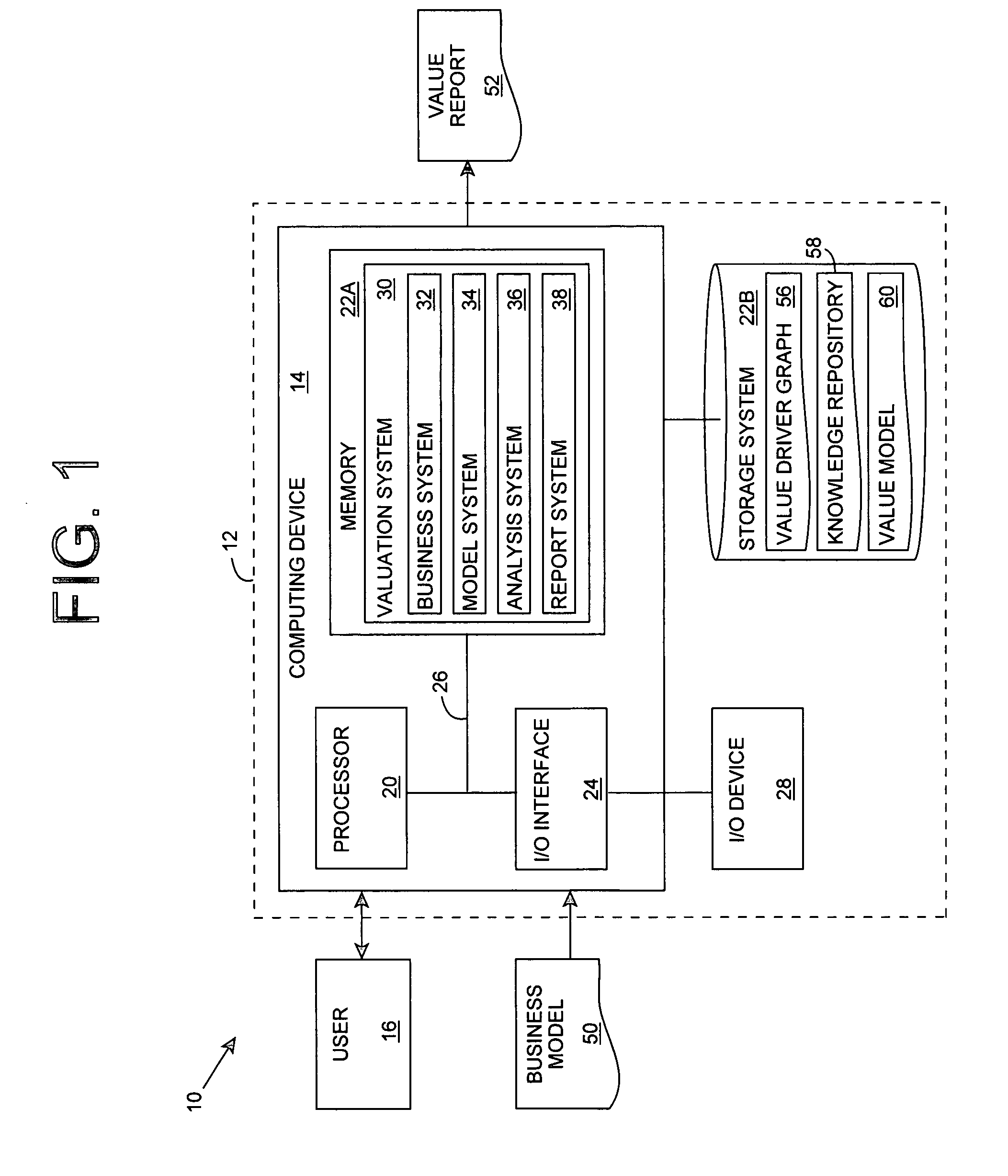
Method and apparatus for a value framework and return on investment model
PatentInactiveUS20050137950A1
Innovation
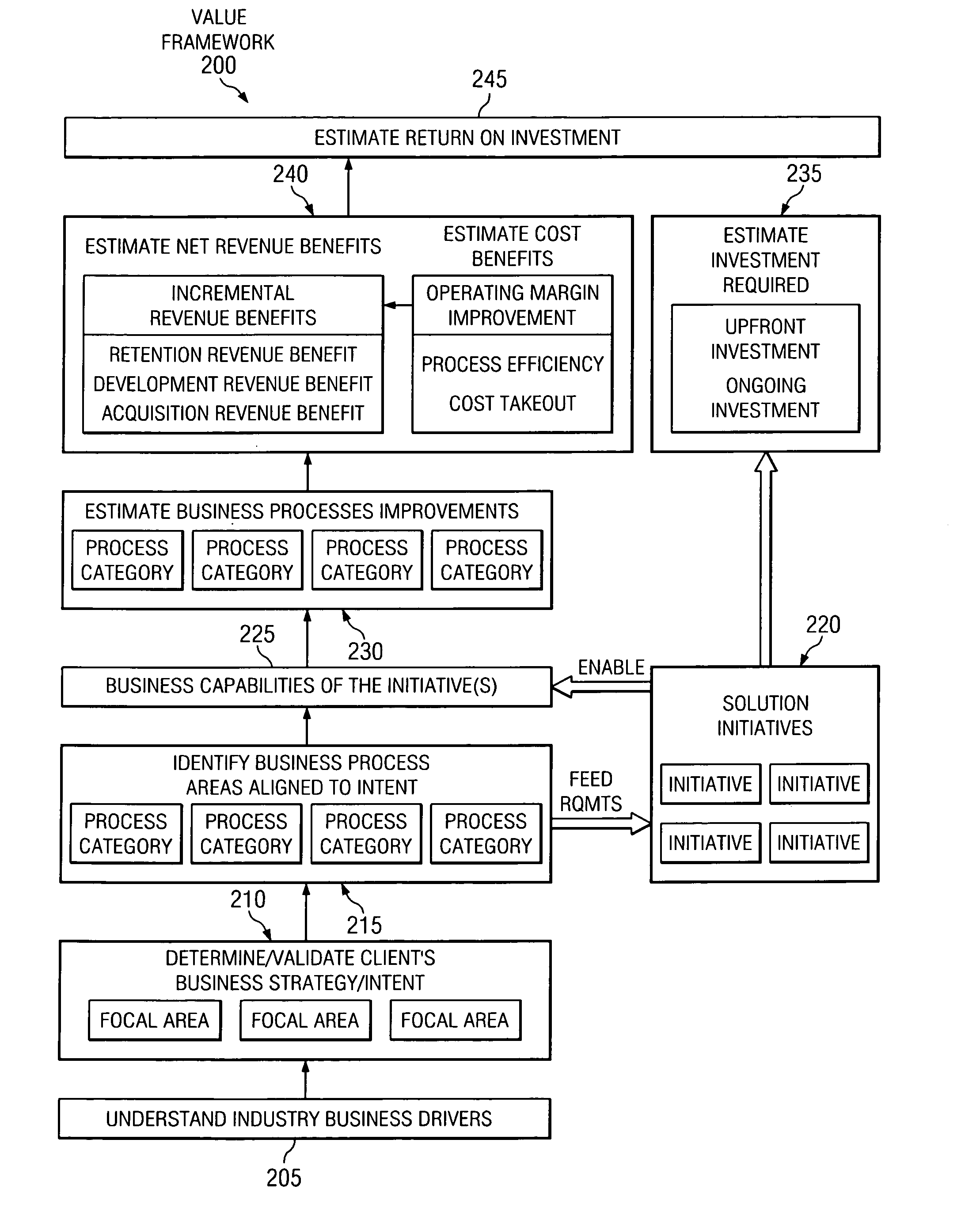
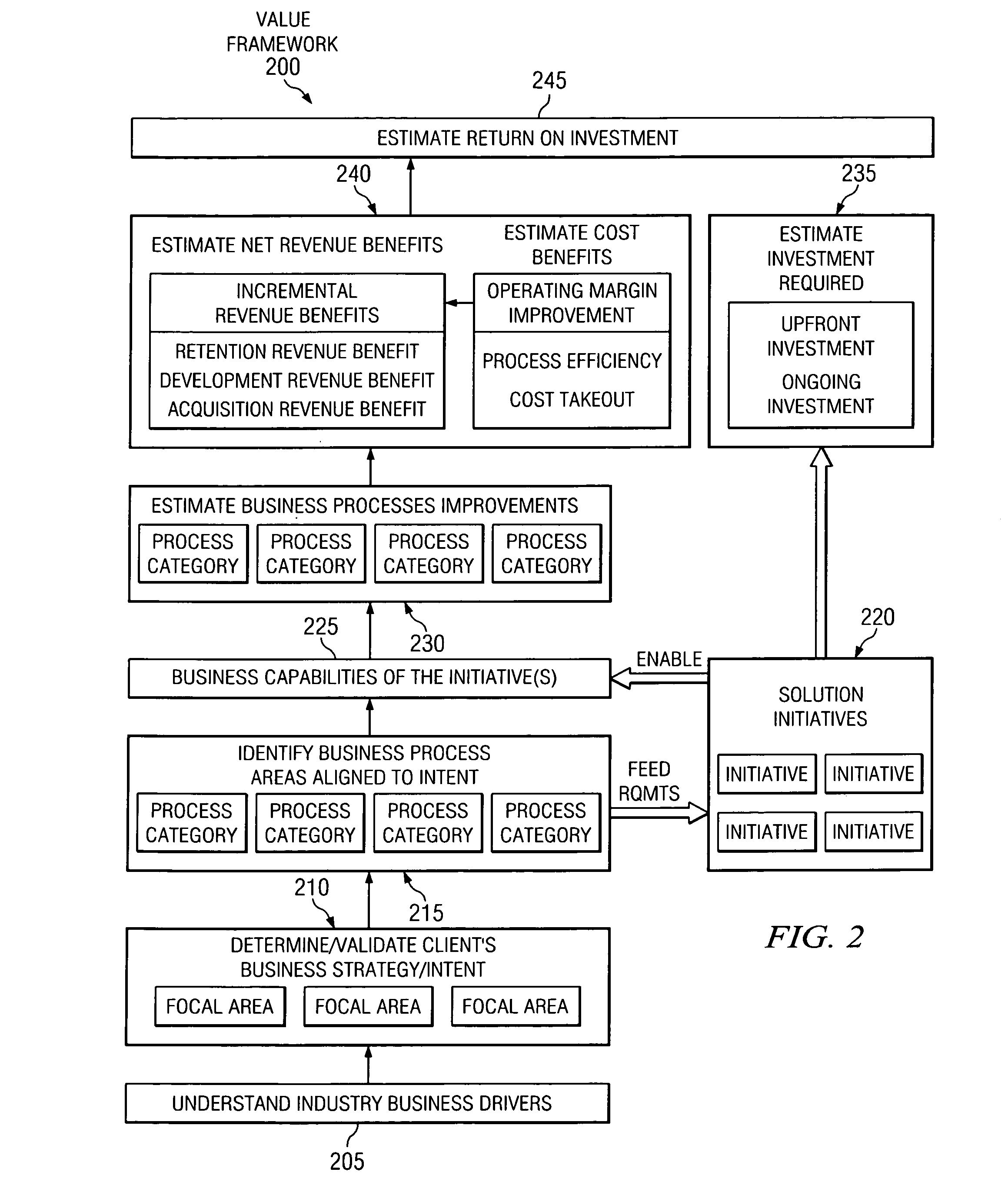
- A data processing system and method that provides a unique framework for calculating ROI, incorporating client strategic drivers, key business process areas, and financial impact estimation, using a seven-step approach within a Microsoft Excel-based model to quantify the benefits of proposed solutions.

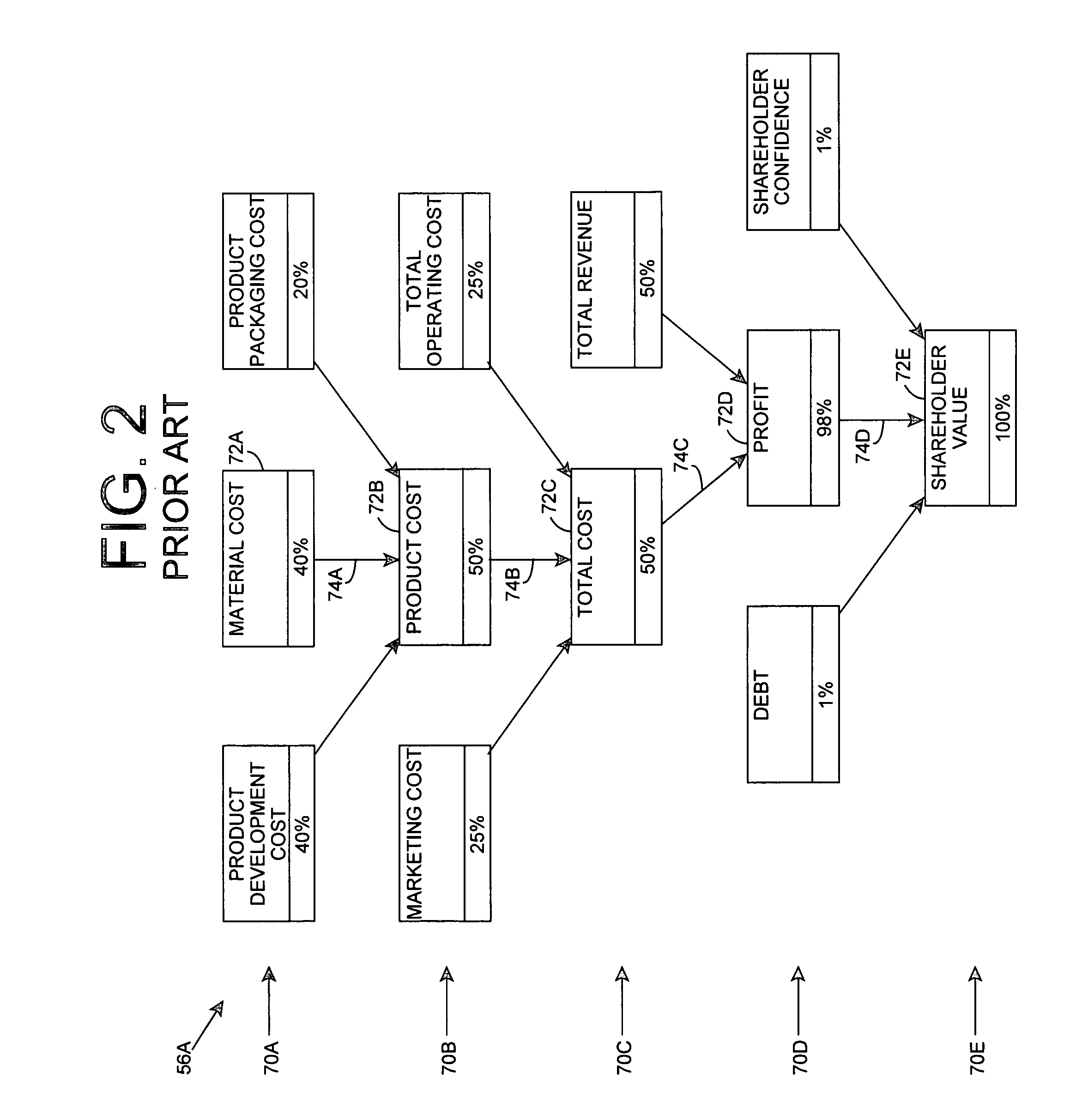
Value model
PatentInactiveUS20070038465A1
Innovation
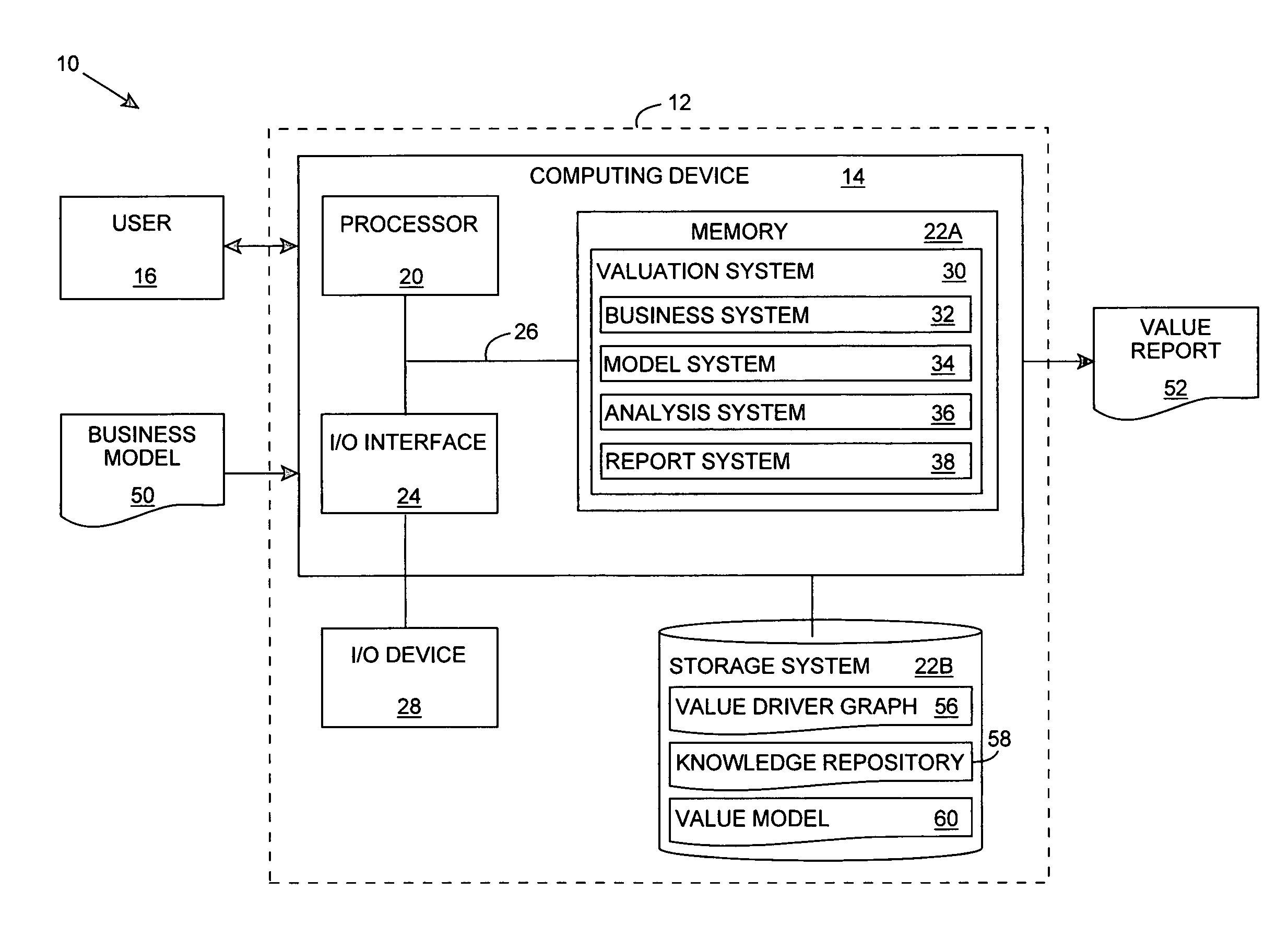
- A value model is introduced that includes enterprise function nodes and driver metric nodes, allowing for the determination of value impact through relationships, with uncertainty ranges and aggregate data to account for dependencies, enabling flexible and comprehensive valuation of enterprise functions.

Regulatory Framework for Microgrid Revenue Models
The regulatory framework governing microgrid revenue models represents a complex landscape of federal, state, and local policies that directly impact the financial viability and return on investment potential of microgrid projects. At the federal level, the Federal Energy Regulatory Commission (FERC) has established foundational rules through orders such as FERC Order 2222, which enables distributed energy resources, including microgrids, to participate in wholesale electricity markets. This regulatory milestone creates new revenue opportunities by allowing microgrids to provide ancillary services, capacity, and energy to regional transmission organizations and independent system operators.
State-level regulations vary significantly across jurisdictions, creating a patchwork of opportunities and constraints for microgrid developers. Progressive states like California, New York, and Massachusetts have implemented comprehensive frameworks that support microgrid development through streamlined interconnection procedures, net metering policies, and virtual power plant regulations. These states often provide clear guidelines for revenue stacking, allowing microgrids to simultaneously participate in multiple value streams including demand response programs, time-of-use rate optimization, and grid services provision.
Interconnection standards represent a critical regulatory component that directly affects microgrid economics. IEEE 1547 standards and state-specific interconnection procedures determine the technical requirements and associated costs for connecting microgrids to the utility grid. Simplified interconnection processes for smaller systems and expedited review procedures can significantly reduce development costs and improve project economics.
Utility rate structures and net metering policies fundamentally shape microgrid revenue potential. Regulatory frameworks that support fair compensation for exported energy, demand charge management, and standby service rates directly influence the financial attractiveness of microgrid investments. Some jurisdictions have implemented microgrid-specific tariffs that recognize the unique value proposition these systems provide to grid resilience and stability.
Emerging regulatory trends include the development of transactive energy frameworks and blockchain-enabled peer-to-peer energy trading regulations. These forward-looking policies create new revenue opportunities for microgrid operators to monetize excess generation and storage capacity through direct market participation. However, regulatory uncertainty in many jurisdictions continues to pose risks to long-term revenue projections and investment decisions.
State-level regulations vary significantly across jurisdictions, creating a patchwork of opportunities and constraints for microgrid developers. Progressive states like California, New York, and Massachusetts have implemented comprehensive frameworks that support microgrid development through streamlined interconnection procedures, net metering policies, and virtual power plant regulations. These states often provide clear guidelines for revenue stacking, allowing microgrids to simultaneously participate in multiple value streams including demand response programs, time-of-use rate optimization, and grid services provision.
Interconnection standards represent a critical regulatory component that directly affects microgrid economics. IEEE 1547 standards and state-specific interconnection procedures determine the technical requirements and associated costs for connecting microgrids to the utility grid. Simplified interconnection processes for smaller systems and expedited review procedures can significantly reduce development costs and improve project economics.
Utility rate structures and net metering policies fundamentally shape microgrid revenue potential. Regulatory frameworks that support fair compensation for exported energy, demand charge management, and standby service rates directly influence the financial attractiveness of microgrid investments. Some jurisdictions have implemented microgrid-specific tariffs that recognize the unique value proposition these systems provide to grid resilience and stability.
Emerging regulatory trends include the development of transactive energy frameworks and blockchain-enabled peer-to-peer energy trading regulations. These forward-looking policies create new revenue opportunities for microgrid operators to monetize excess generation and storage capacity through direct market participation. However, regulatory uncertainty in many jurisdictions continues to pose risks to long-term revenue projections and investment decisions.
Financial Risk Assessment in Microgrid Investments
Financial risk assessment represents a critical component in microgrid investment decisions, as these distributed energy systems involve substantial capital commitments with complex revenue dependencies. The inherent volatility of energy markets, regulatory uncertainties, and technological evolution create multifaceted risk profiles that require comprehensive evaluation frameworks to ensure sustainable returns on investment.
Market volatility poses the primary financial risk category for microgrid investments. Energy price fluctuations directly impact revenue streams from grid services, demand response programs, and energy arbitrage opportunities. Historical data indicates that wholesale electricity prices can vary by 200-300% within annual cycles, significantly affecting projected cash flows. Additionally, renewable energy certificate values and capacity market prices demonstrate considerable instability, creating revenue uncertainty for microgrid operators relying on these income sources.
Regulatory risk emerges as another substantial concern, particularly given the evolving nature of distributed energy resource policies. Changes in net metering regulations, interconnection standards, and utility rate structures can dramatically alter microgrid economics. Recent policy shifts in several jurisdictions have reduced compensation rates for distributed generation by 15-40%, highlighting the vulnerability of revenue models to regulatory modifications.
Technology risk encompasses both performance degradation and obsolescence concerns. Battery storage systems, representing 30-50% of typical microgrid capital costs, face capacity fade rates of 2-3% annually, directly impacting revenue generation capabilities. Furthermore, rapid technological advancement creates obsolescence risks, potentially reducing asset values and competitive positioning within 5-7 year timeframes.
Credit and counterparty risks arise from revenue dependencies on utility payments, commercial customers, and government incentive programs. Utility financial stability, customer payment reliability, and government budget constraints can significantly impact cash flow predictability. Default rates in commercial power purchase agreements have historically ranged from 3-8%, necessitating careful counterparty evaluation.
Operational risks include equipment failures, maintenance cost escalation, and performance shortfalls. Unplanned outages can result in revenue losses of $10,000-50,000 per day for commercial microgrids, while maintenance costs typically escalate 3-5% annually above inflation rates. These factors require robust financial modeling incorporating probabilistic scenarios and contingency reserves to maintain investment viability.
Market volatility poses the primary financial risk category for microgrid investments. Energy price fluctuations directly impact revenue streams from grid services, demand response programs, and energy arbitrage opportunities. Historical data indicates that wholesale electricity prices can vary by 200-300% within annual cycles, significantly affecting projected cash flows. Additionally, renewable energy certificate values and capacity market prices demonstrate considerable instability, creating revenue uncertainty for microgrid operators relying on these income sources.
Regulatory risk emerges as another substantial concern, particularly given the evolving nature of distributed energy resource policies. Changes in net metering regulations, interconnection standards, and utility rate structures can dramatically alter microgrid economics. Recent policy shifts in several jurisdictions have reduced compensation rates for distributed generation by 15-40%, highlighting the vulnerability of revenue models to regulatory modifications.
Technology risk encompasses both performance degradation and obsolescence concerns. Battery storage systems, representing 30-50% of typical microgrid capital costs, face capacity fade rates of 2-3% annually, directly impacting revenue generation capabilities. Furthermore, rapid technological advancement creates obsolescence risks, potentially reducing asset values and competitive positioning within 5-7 year timeframes.
Credit and counterparty risks arise from revenue dependencies on utility payments, commercial customers, and government incentive programs. Utility financial stability, customer payment reliability, and government budget constraints can significantly impact cash flow predictability. Default rates in commercial power purchase agreements have historically ranged from 3-8%, necessitating careful counterparty evaluation.
Operational risks include equipment failures, maintenance cost escalation, and performance shortfalls. Unplanned outages can result in revenue losses of $10,000-50,000 per day for commercial microgrids, while maintenance costs typically escalate 3-5% annually above inflation rates. These factors require robust financial modeling incorporating probabilistic scenarios and contingency reserves to maintain investment viability.
Unlock deeper insights with PatSnap Eureka Quick Research — get a full tech report to explore trends and direct your research. Try now!
Generate Your Research Report Instantly with AI Agent
Supercharge your innovation with PatSnap Eureka AI Agent Platform!