

Improve Microgrid Generation Mix with Renewable Prioritization
MAR 18, 20269 MIN READ
Generate Your Research Report Instantly with AI Agent
PatSnap Eureka helps you evaluate technical feasibility & market potential.
Microgrid Renewable Integration Background and Objectives
The global energy landscape has undergone a fundamental transformation over the past two decades, driven by the urgent need to decarbonize power systems and enhance energy security. Microgrids have emerged as a critical infrastructure solution, representing localized energy networks capable of operating independently or in conjunction with the main electrical grid. These systems have evolved from simple backup power solutions to sophisticated energy management platforms that can seamlessly integrate multiple generation sources, storage systems, and intelligent load management capabilities.
The evolution of microgrid technology has been particularly accelerated by the dramatic cost reductions in renewable energy technologies. Solar photovoltaic costs have declined by over 80% since 2010, while wind energy costs have decreased by approximately 70% during the same period. This economic shift has fundamentally altered the value proposition of microgrids, making renewable-prioritized generation mixes not only environmentally beneficial but also economically advantageous in many applications.
Current microgrid deployments face significant challenges in optimizing generation mix composition, particularly when prioritizing renewable energy sources. The intermittent nature of solar and wind resources creates complex operational challenges that require sophisticated forecasting, energy storage integration, and real-time control systems. Traditional microgrid control algorithms often struggle to balance renewable energy maximization with system reliability and power quality requirements.
The primary objective of improving microgrid generation mix with renewable prioritization centers on developing advanced optimization algorithms and control strategies that can dynamically adjust generation dispatch based on renewable resource availability, load demand patterns, and grid stability requirements. This involves creating intelligent systems capable of predicting renewable energy output with high accuracy, optimizing energy storage utilization, and seamlessly coordinating multiple generation sources to maintain system reliability while maximizing clean energy utilization.
Secondary objectives include enhancing grid resilience through improved islanding capabilities, reducing operational costs through optimized fuel consumption and maintenance scheduling, and enabling greater penetration of distributed energy resources. The ultimate goal is to achieve generation mixes that can operate with renewable energy contributions exceeding 70% while maintaining power quality standards and system reliability metrics comparable to conventional grid-tied operations.
The evolution of microgrid technology has been particularly accelerated by the dramatic cost reductions in renewable energy technologies. Solar photovoltaic costs have declined by over 80% since 2010, while wind energy costs have decreased by approximately 70% during the same period. This economic shift has fundamentally altered the value proposition of microgrids, making renewable-prioritized generation mixes not only environmentally beneficial but also economically advantageous in many applications.
Current microgrid deployments face significant challenges in optimizing generation mix composition, particularly when prioritizing renewable energy sources. The intermittent nature of solar and wind resources creates complex operational challenges that require sophisticated forecasting, energy storage integration, and real-time control systems. Traditional microgrid control algorithms often struggle to balance renewable energy maximization with system reliability and power quality requirements.
The primary objective of improving microgrid generation mix with renewable prioritization centers on developing advanced optimization algorithms and control strategies that can dynamically adjust generation dispatch based on renewable resource availability, load demand patterns, and grid stability requirements. This involves creating intelligent systems capable of predicting renewable energy output with high accuracy, optimizing energy storage utilization, and seamlessly coordinating multiple generation sources to maintain system reliability while maximizing clean energy utilization.
Secondary objectives include enhancing grid resilience through improved islanding capabilities, reducing operational costs through optimized fuel consumption and maintenance scheduling, and enabling greater penetration of distributed energy resources. The ultimate goal is to achieve generation mixes that can operate with renewable energy contributions exceeding 70% while maintaining power quality standards and system reliability metrics comparable to conventional grid-tied operations.
Market Demand for Renewable-Priority Microgrids
The global energy landscape is experiencing a fundamental shift toward decentralized power generation systems, with renewable-priority microgrids emerging as a critical solution for energy security and sustainability challenges. This transformation is driven by increasing concerns over climate change, grid resilience requirements, and the need for energy independence across various sectors including residential communities, commercial facilities, industrial complexes, and remote installations.
Market demand for renewable-priority microgrids is accelerating across multiple segments, particularly in regions with unreliable grid infrastructure or high electricity costs. Remote communities and island nations represent significant early adopters, seeking energy independence while reducing reliance on diesel generators and fossil fuel imports. Military installations and critical infrastructure facilities are increasingly investing in these systems to ensure operational continuity during grid outages and natural disasters.
The commercial and industrial sector demonstrates substantial growth potential, driven by corporate sustainability commitments and economic incentives. Manufacturing facilities, data centers, hospitals, and educational institutions are actively pursuing microgrid solutions that prioritize renewable energy sources while maintaining operational reliability. These entities recognize the dual benefits of reduced carbon footprint and long-term cost savings through optimized energy management.
Residential microgrid adoption is gaining momentum in developed markets, particularly in areas prone to extreme weather events or experiencing frequent power outages. Community-scale implementations are becoming increasingly viable as technology costs decline and financing mechanisms improve. The integration of electric vehicle charging infrastructure further enhances the value proposition for residential renewable-priority microgrids.
Regulatory frameworks worldwide are evolving to support microgrid deployment, with many jurisdictions implementing favorable policies, incentives, and interconnection standards. Net metering programs, renewable energy certificates, and carbon pricing mechanisms create additional economic drivers for renewable-priority configurations. Utility companies are transitioning from viewing microgrids as competitive threats to recognizing them as valuable grid assets that enhance overall system flexibility and resilience.
The market is also responding to technological convergence, where advances in battery storage, smart inverters, and artificial intelligence-driven energy management systems make renewable prioritization more technically feasible and economically attractive. This technological maturation is expanding addressable markets and enabling more sophisticated optimization strategies for generation mix management.
Market demand for renewable-priority microgrids is accelerating across multiple segments, particularly in regions with unreliable grid infrastructure or high electricity costs. Remote communities and island nations represent significant early adopters, seeking energy independence while reducing reliance on diesel generators and fossil fuel imports. Military installations and critical infrastructure facilities are increasingly investing in these systems to ensure operational continuity during grid outages and natural disasters.
The commercial and industrial sector demonstrates substantial growth potential, driven by corporate sustainability commitments and economic incentives. Manufacturing facilities, data centers, hospitals, and educational institutions are actively pursuing microgrid solutions that prioritize renewable energy sources while maintaining operational reliability. These entities recognize the dual benefits of reduced carbon footprint and long-term cost savings through optimized energy management.
Residential microgrid adoption is gaining momentum in developed markets, particularly in areas prone to extreme weather events or experiencing frequent power outages. Community-scale implementations are becoming increasingly viable as technology costs decline and financing mechanisms improve. The integration of electric vehicle charging infrastructure further enhances the value proposition for residential renewable-priority microgrids.
Regulatory frameworks worldwide are evolving to support microgrid deployment, with many jurisdictions implementing favorable policies, incentives, and interconnection standards. Net metering programs, renewable energy certificates, and carbon pricing mechanisms create additional economic drivers for renewable-priority configurations. Utility companies are transitioning from viewing microgrids as competitive threats to recognizing them as valuable grid assets that enhance overall system flexibility and resilience.
The market is also responding to technological convergence, where advances in battery storage, smart inverters, and artificial intelligence-driven energy management systems make renewable prioritization more technically feasible and economically attractive. This technological maturation is expanding addressable markets and enabling more sophisticated optimization strategies for generation mix management.
Current Microgrid Generation Mix Challenges and Constraints
Current microgrid generation systems face significant challenges in achieving optimal renewable energy integration while maintaining grid stability and reliability. Traditional microgrids often rely heavily on conventional fossil fuel-based generators as primary power sources, with renewable energy sources serving as supplementary components. This configuration creates inherent limitations in maximizing clean energy utilization and achieving sustainability goals.
One of the primary constraints lies in the intermittent nature of renewable energy sources, particularly solar photovoltaic and wind generation systems. These sources exhibit unpredictable output variations due to weather conditions, seasonal changes, and daily cycles. Conventional microgrid control systems struggle to accommodate these fluctuations while maintaining consistent power quality and frequency stability, often defaulting to fossil fuel generators during periods of renewable energy uncertainty.
Energy storage integration presents another critical challenge in current microgrid architectures. Many existing systems lack adequate battery storage capacity or sophisticated energy management systems capable of effectively buffering renewable energy intermittency. Without proper storage solutions, microgrids cannot capitalize on excess renewable generation during peak production periods or maintain power supply during renewable energy shortfalls.
Grid synchronization and power quality management represent additional technical constraints. Current generation mix configurations often prioritize dispatchable conventional generators for frequency regulation and voltage control, relegating renewable sources to secondary roles. This approach limits renewable energy penetration rates and prevents optimal utilization of available clean energy resources.
Economic factors further compound these technical challenges. Many microgrid operators face financial constraints that limit investment in advanced renewable energy technologies and sophisticated control systems. The higher upfront costs associated with renewable energy infrastructure and energy storage systems create barriers to transitioning away from conventional generation sources.
Regulatory and interconnection standards also impose constraints on renewable energy integration. Existing grid codes and operational requirements often favor traditional generation technologies, creating regulatory hurdles for implementing renewable-prioritized generation strategies. These standards may require extensive modifications to accommodate higher renewable energy penetration levels while maintaining system reliability and safety requirements.
One of the primary constraints lies in the intermittent nature of renewable energy sources, particularly solar photovoltaic and wind generation systems. These sources exhibit unpredictable output variations due to weather conditions, seasonal changes, and daily cycles. Conventional microgrid control systems struggle to accommodate these fluctuations while maintaining consistent power quality and frequency stability, often defaulting to fossil fuel generators during periods of renewable energy uncertainty.
Energy storage integration presents another critical challenge in current microgrid architectures. Many existing systems lack adequate battery storage capacity or sophisticated energy management systems capable of effectively buffering renewable energy intermittency. Without proper storage solutions, microgrids cannot capitalize on excess renewable generation during peak production periods or maintain power supply during renewable energy shortfalls.
Grid synchronization and power quality management represent additional technical constraints. Current generation mix configurations often prioritize dispatchable conventional generators for frequency regulation and voltage control, relegating renewable sources to secondary roles. This approach limits renewable energy penetration rates and prevents optimal utilization of available clean energy resources.
Economic factors further compound these technical challenges. Many microgrid operators face financial constraints that limit investment in advanced renewable energy technologies and sophisticated control systems. The higher upfront costs associated with renewable energy infrastructure and energy storage systems create barriers to transitioning away from conventional generation sources.
Regulatory and interconnection standards also impose constraints on renewable energy integration. Existing grid codes and operational requirements often favor traditional generation technologies, creating regulatory hurdles for implementing renewable-prioritized generation strategies. These standards may require extensive modifications to accommodate higher renewable energy penetration levels while maintaining system reliability and safety requirements.
Existing Solutions for Optimizing Renewable Generation Mix
01 Microgrid energy management and control systems
Advanced control systems for microgrids that manage the generation mix by coordinating multiple distributed energy resources. These systems optimize power flow, balance supply and demand, and ensure stable operation through intelligent algorithms and real-time monitoring. The control architecture enables seamless integration of various generation sources while maintaining grid stability and power quality.- Microgrid energy management and control systems: Advanced control systems and energy management strategies are employed to optimize the operation of microgrids with diverse generation sources. These systems coordinate multiple distributed energy resources, manage power flow, and ensure stable operation through intelligent algorithms and real-time monitoring. The control architecture enables seamless integration of various generation technologies while maintaining grid stability and power quality.
- Hybrid renewable energy integration in microgrids: Microgrids incorporate multiple renewable energy sources such as solar, wind, and other clean energy technologies to create a diversified generation portfolio. This approach enhances reliability and sustainability by combining complementary generation characteristics. The integration methodology addresses intermittency challenges and optimizes the utilization of available renewable resources through coordinated operation strategies.
- Energy storage integration for generation mix optimization: Energy storage systems are integrated with microgrid generation assets to balance supply and demand, smooth output variations, and provide backup power. Storage technologies work in conjunction with diverse generation sources to enhance overall system flexibility and reliability. The integration enables better utilization of intermittent renewable sources and improves the economic performance of the generation mix.
- Grid-connected and islanded operation modes: Microgrids are designed to operate in both grid-connected and islanded modes, allowing flexible interaction with the main power grid while maintaining autonomous operation capability. The generation mix is configured to support seamless transitions between operating modes and ensure continuous power supply. Control strategies manage the coordination of multiple generation sources during mode transitions and maintain system stability under various operating conditions.
- Optimization algorithms for generation dispatch and scheduling: Sophisticated optimization algorithms are implemented to determine the optimal dispatch and scheduling of various generation sources within the microgrid. These algorithms consider factors such as generation costs, renewable availability, load demand patterns, and operational constraints to maximize efficiency and minimize operating costs. The optimization framework enables dynamic adjustment of the generation mix in response to changing conditions and requirements.
02 Hybrid renewable energy integration in microgrids
Methods for integrating multiple renewable energy sources such as solar, wind, and other clean energy technologies into a unified microgrid system. These approaches address the intermittency challenges of renewable sources through complementary generation profiles and coordinated operation strategies. The integration techniques enable higher renewable penetration while maintaining reliability and reducing dependence on conventional generation.Expand Specific Solutions03 Energy storage systems for generation mix optimization
Implementation of energy storage technologies to balance variable generation sources within microgrids. Storage systems provide buffering capacity to smooth out fluctuations from intermittent sources and enable time-shifting of energy production. These solutions enhance the flexibility of the generation mix and improve overall system efficiency and reliability.Expand Specific Solutions04 Distributed generation coordination and dispatch
Techniques for coordinating multiple distributed generators of different types within a microgrid to optimize the overall generation mix. These methods include dispatch algorithms that consider the characteristics of each generation source, economic factors, and operational constraints. The coordination strategies ensure efficient utilization of available resources while meeting load requirements and maintaining system stability.Expand Specific Solutions05 Grid-connected and islanded operation modes
Systems and methods enabling microgrids to operate in both grid-connected and islanded modes with appropriate generation mix adjustments. These capabilities allow seamless transition between operating modes while maintaining power quality and reliability. The dual-mode operation provides flexibility in managing diverse generation sources and ensures continuous power supply during grid disturbances or intentional disconnection.Expand Specific Solutions
Key Players in Microgrid and Renewable Energy Sector
The microgrid renewable prioritization technology is in a rapidly evolving growth phase, driven by increasing demand for distributed energy solutions and grid resilience. The market demonstrates significant expansion potential as utilities and enterprises seek to integrate higher renewable penetration while maintaining grid stability. Technology maturity varies considerably across market participants, with established infrastructure companies like State Grid Corp. of China, ABB Ltd., and Mitsubishi Electric Corp. leading in grid integration capabilities, while specialized firms such as Bloom Energy Corp., Causam Energy, and Merit SI LLC focus on advanced control systems and energy management platforms. Academic institutions including Tsinghua University, Southeast University, and Indian Institutes of Technology contribute fundamental research in optimization algorithms and smart grid technologies. The competitive landscape shows a convergence between traditional power equipment manufacturers expanding into intelligent microgrid solutions and emerging technology companies developing AI-driven energy management systems, indicating a maturing but still rapidly innovating sector.
State Grid Corp. of China
Technical Solution: State Grid has developed comprehensive microgrid solutions that integrate renewable energy sources through advanced energy management systems and smart grid technologies. Their approach focuses on optimizing the generation mix by implementing intelligent dispatch algorithms that prioritize renewable sources like solar and wind power while maintaining grid stability. The company utilizes sophisticated forecasting models to predict renewable energy output and automatically adjusts conventional generation accordingly. Their microgrid systems incorporate energy storage solutions and demand response mechanisms to handle renewable intermittency, ensuring reliable power supply while maximizing clean energy utilization across distributed networks.
Strengths: Extensive grid infrastructure experience, strong government support, advanced smart grid technology integration. Weaknesses: Heavy reliance on centralized control systems, slower adaptation to distributed energy paradigms.
Bloom Energy Corp.
Technical Solution: Bloom Energy provides fuel cell-based microgrid solutions that complement renewable energy sources through their Energy Server technology. Their approach involves deploying solid oxide fuel cells as reliable baseload power that can seamlessly integrate with solar and wind installations. The system uses intelligent controls to prioritize renewable generation when available, automatically ramping fuel cell output up or down based on renewable availability and load demands. Their microgrid platform includes advanced energy management software that optimizes the generation mix in real-time, reducing reliance on grid power and maximizing renewable energy utilization while ensuring continuous power availability for critical applications.
Strengths: Reliable baseload power generation, excellent renewable integration capabilities, proven commercial deployment track record. Weaknesses: Higher initial capital costs, requires natural gas supply infrastructure for optimal operation.
Core Technologies in Smart Microgrid Energy Management
Systems and methods for microgrid metering and energy allocation
PatentActiveUS20230187933A1
Innovation
- A system comprising computer processors configured to store priorities for consumer loads, forecast energy availability from renewable and energy storage systems, and allocate energy based on priority, directing energy from renewable energy systems or energy storage to consumer loads to ensure reliable energy distribution without the need for supplemental sources.


Power generation optimization in microgrid including renewable power source
PatentActiveUS9026259B2
Innovation
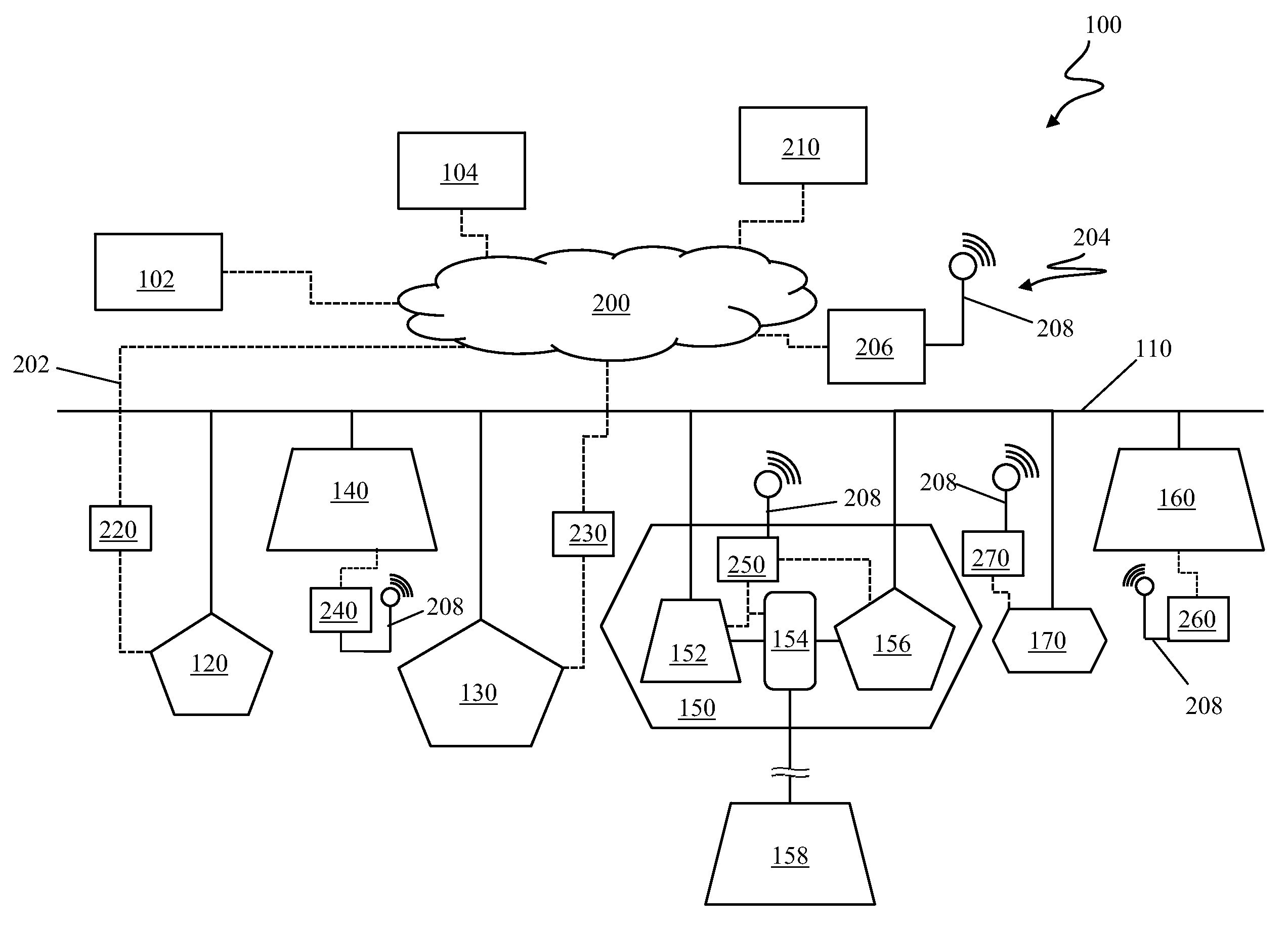
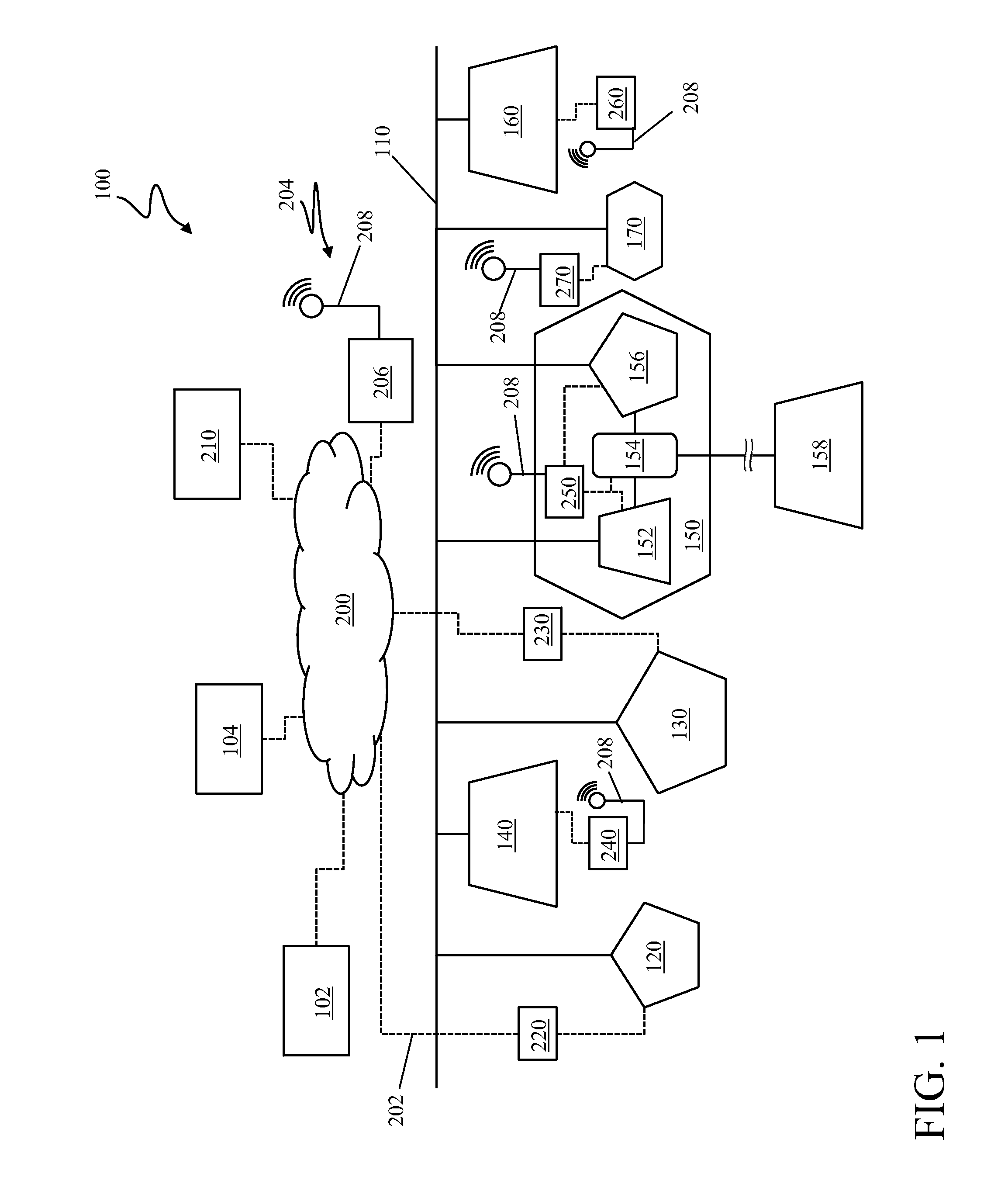
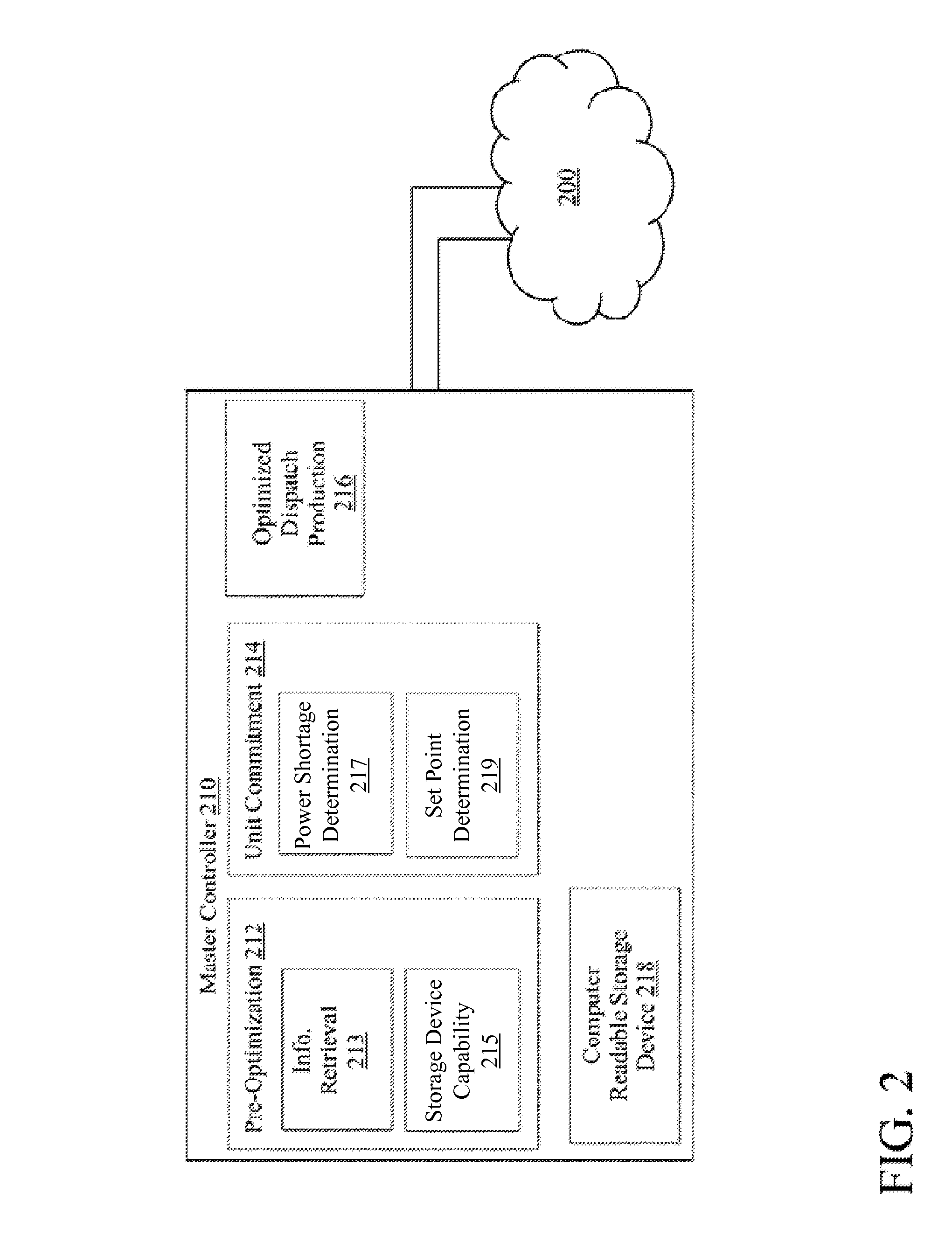
- A dispatch controller system that treats less-intermittent renewable sources as isochronous sources by using a 'renewable capability' parameter to adjust their power rating, allowing for a decomposed optimization formulation that considers these sources in real-time, thereby optimizing power generation and storage utilization.

Policy Framework for Renewable Energy Integration
The regulatory landscape for renewable energy integration in microgrids has evolved significantly over the past decade, driven by climate commitments and energy security concerns. At the federal level, policies such as the Investment Tax Credit (ITC) and Production Tax Credit (PTC) have provided crucial financial incentives for renewable energy deployment. The Federal Energy Regulatory Commission (FERC) has also established frameworks for distributed energy resource participation in wholesale markets, enabling microgrids to contribute to grid stability while prioritizing clean generation sources.
State-level policies demonstrate considerable variation in their approach to microgrid renewable integration. Renewable Portfolio Standards (RPS) in over 30 states mandate specific percentages of electricity generation from renewable sources, creating market demand for clean energy microgrids. Net metering policies allow microgrid operators to sell excess renewable generation back to the utility grid, improving project economics. California's Self-Generation Incentive Program and New York's REV initiative exemplify progressive state frameworks that actively promote distributed renewable energy systems.
Local jurisdictions play an increasingly important role in facilitating renewable-prioritized microgrids through zoning regulations, permitting processes, and building codes. Many municipalities have streamlined approval procedures for renewable energy installations and established green building requirements that favor clean energy systems. Some cities have implemented carbon pricing mechanisms or renewable energy mandates for large commercial buildings, creating additional drivers for microgrid adoption.
International policy frameworks provide valuable benchmarks for domestic renewable integration strategies. The European Union's Clean Energy Package establishes comprehensive rules for energy communities and collective self-consumption, enabling innovative microgrid business models. Germany's Renewable Energy Act demonstrates how feed-in tariffs can accelerate renewable deployment, while Denmark's energy island projects showcase large-scale renewable integration approaches.
Emerging policy trends focus on grid modernization, energy storage integration, and resilience planning. Recent legislation emphasizes the importance of critical infrastructure protection and community resilience, positioning renewable-prioritized microgrids as essential components of national energy security. Carbon border adjustments and environmental justice considerations are also shaping policy development, ensuring that renewable energy benefits reach underserved communities while maintaining competitive market dynamics.
State-level policies demonstrate considerable variation in their approach to microgrid renewable integration. Renewable Portfolio Standards (RPS) in over 30 states mandate specific percentages of electricity generation from renewable sources, creating market demand for clean energy microgrids. Net metering policies allow microgrid operators to sell excess renewable generation back to the utility grid, improving project economics. California's Self-Generation Incentive Program and New York's REV initiative exemplify progressive state frameworks that actively promote distributed renewable energy systems.
Local jurisdictions play an increasingly important role in facilitating renewable-prioritized microgrids through zoning regulations, permitting processes, and building codes. Many municipalities have streamlined approval procedures for renewable energy installations and established green building requirements that favor clean energy systems. Some cities have implemented carbon pricing mechanisms or renewable energy mandates for large commercial buildings, creating additional drivers for microgrid adoption.
International policy frameworks provide valuable benchmarks for domestic renewable integration strategies. The European Union's Clean Energy Package establishes comprehensive rules for energy communities and collective self-consumption, enabling innovative microgrid business models. Germany's Renewable Energy Act demonstrates how feed-in tariffs can accelerate renewable deployment, while Denmark's energy island projects showcase large-scale renewable integration approaches.
Emerging policy trends focus on grid modernization, energy storage integration, and resilience planning. Recent legislation emphasizes the importance of critical infrastructure protection and community resilience, positioning renewable-prioritized microgrids as essential components of national energy security. Carbon border adjustments and environmental justice considerations are also shaping policy development, ensuring that renewable energy benefits reach underserved communities while maintaining competitive market dynamics.
Grid Stability and Reliability Considerations
Grid stability and reliability represent fundamental challenges when implementing renewable prioritization strategies in microgrid generation mixes. The inherent variability and intermittency of renewable energy sources create significant operational complexities that must be carefully managed to maintain system integrity and ensure continuous power supply to connected loads.
The integration of high renewable penetration levels introduces voltage and frequency fluctuations that can compromise grid stability. Solar photovoltaic systems exhibit rapid power output variations due to cloud cover changes, while wind generation experiences similar volatility based on meteorological conditions. These fluctuations can cause voltage deviations beyond acceptable operational limits, potentially triggering protective relay operations and system disconnections.
Frequency regulation becomes increasingly challenging as renewable generation displaces conventional synchronous generators that traditionally provide system inertia. Reduced rotational inertia results in faster frequency deviations following load-generation imbalances, requiring more responsive control mechanisms and energy storage systems to maintain frequency within operational tolerances. The rate of change of frequency can exceed acceptable limits during sudden renewable output variations or load changes.
Power quality issues emerge as critical reliability concerns in renewable-prioritized microgrids. Harmonic distortion from inverter-based renewable systems can affect sensitive loads and equipment performance. Additionally, voltage unbalance and flicker may occur due to single-phase solar installations or asymmetric wind generation patterns, potentially causing equipment malfunction or reduced operational lifespan.
System reliability is further challenged by the need for adequate backup generation capacity and energy storage resources. Renewable forecasting uncertainties require maintaining sufficient spinning reserves or fast-responding storage systems to compensate for prediction errors. The coordination between renewable generation, energy storage, and conventional backup systems becomes crucial for maintaining reliable operation during extended periods of low renewable availability.
Advanced control systems and protection schemes must be implemented to address these stability and reliability challenges. Real-time monitoring, predictive analytics, and adaptive control algorithms are essential for managing the complex interactions between renewable sources, storage systems, and loads while maintaining grid stability parameters within acceptable ranges.
The integration of high renewable penetration levels introduces voltage and frequency fluctuations that can compromise grid stability. Solar photovoltaic systems exhibit rapid power output variations due to cloud cover changes, while wind generation experiences similar volatility based on meteorological conditions. These fluctuations can cause voltage deviations beyond acceptable operational limits, potentially triggering protective relay operations and system disconnections.
Frequency regulation becomes increasingly challenging as renewable generation displaces conventional synchronous generators that traditionally provide system inertia. Reduced rotational inertia results in faster frequency deviations following load-generation imbalances, requiring more responsive control mechanisms and energy storage systems to maintain frequency within operational tolerances. The rate of change of frequency can exceed acceptable limits during sudden renewable output variations or load changes.
Power quality issues emerge as critical reliability concerns in renewable-prioritized microgrids. Harmonic distortion from inverter-based renewable systems can affect sensitive loads and equipment performance. Additionally, voltage unbalance and flicker may occur due to single-phase solar installations or asymmetric wind generation patterns, potentially causing equipment malfunction or reduced operational lifespan.
System reliability is further challenged by the need for adequate backup generation capacity and energy storage resources. Renewable forecasting uncertainties require maintaining sufficient spinning reserves or fast-responding storage systems to compensate for prediction errors. The coordination between renewable generation, energy storage, and conventional backup systems becomes crucial for maintaining reliable operation during extended periods of low renewable availability.
Advanced control systems and protection schemes must be implemented to address these stability and reliability challenges. Real-time monitoring, predictive analytics, and adaptive control algorithms are essential for managing the complex interactions between renewable sources, storage systems, and loads while maintaining grid stability parameters within acceptable ranges.
Unlock deeper insights with PatSnap Eureka Quick Research — get a full tech report to explore trends and direct your research. Try now!
Generate Your Research Report Instantly with AI Agent
Supercharge your innovation with PatSnap Eureka AI Agent Platform!