
How to Compare Edge Intelligence Architectures for Multi-Agent Coordination
MAY 21, 20269 MIN READ
Generate Your Research Report Instantly with AI Agent
Patsnap Eureka helps you evaluate technical feasibility & market potential.
Edge Intelligence Multi-Agent Background and Objectives
Edge intelligence represents a paradigm shift in distributed computing, where artificial intelligence capabilities are deployed at the network edge rather than centralized cloud infrastructures. This approach brings computational intelligence closer to data sources and end-users, enabling real-time decision-making with reduced latency and bandwidth requirements. The convergence of edge computing and AI has created new opportunities for autonomous systems that can operate efficiently in resource-constrained environments while maintaining high performance standards.
Multi-agent coordination within edge intelligence architectures has emerged as a critical research domain, addressing the complex challenges of orchestrating multiple intelligent agents across distributed edge nodes. These agents must collaborate effectively to achieve common objectives while operating under constraints such as limited computational resources, intermittent connectivity, and varying network conditions. The coordination mechanisms enable agents to share information, distribute tasks, and make collective decisions that optimize overall system performance.
The evolution of edge intelligence architectures has been driven by the proliferation of Internet of Things devices, autonomous vehicles, smart city infrastructure, and industrial automation systems. These applications demand intelligent coordination capabilities that can adapt to dynamic environments and handle heterogeneous agent populations with varying capabilities and objectives. Traditional centralized coordination approaches prove inadequate for edge scenarios due to communication delays and single points of failure.
Current technological objectives focus on developing robust comparison frameworks for evaluating different edge intelligence architectures in multi-agent coordination scenarios. Key performance metrics include coordination efficiency, scalability, fault tolerance, resource utilization, and adaptability to changing conditions. The challenge lies in establishing standardized evaluation methodologies that can accurately assess architecture performance across diverse application domains and operational contexts.
The primary technical goals encompass creating comprehensive benchmarking systems that enable fair comparison of coordination algorithms, communication protocols, and distributed decision-making strategies. These frameworks must account for the unique characteristics of edge environments, including heterogeneous hardware platforms, variable network topologies, and dynamic agent populations. Additionally, the objectives include developing metrics that capture both individual agent performance and collective system behavior.
Future research directions aim to establish unified evaluation standards that facilitate architecture comparison while considering real-world deployment constraints. This includes developing simulation environments that accurately model edge network conditions, creating standardized datasets for benchmarking coordination algorithms, and establishing performance baselines that enable meaningful comparisons across different architectural approaches and implementation strategies.
Multi-agent coordination within edge intelligence architectures has emerged as a critical research domain, addressing the complex challenges of orchestrating multiple intelligent agents across distributed edge nodes. These agents must collaborate effectively to achieve common objectives while operating under constraints such as limited computational resources, intermittent connectivity, and varying network conditions. The coordination mechanisms enable agents to share information, distribute tasks, and make collective decisions that optimize overall system performance.
The evolution of edge intelligence architectures has been driven by the proliferation of Internet of Things devices, autonomous vehicles, smart city infrastructure, and industrial automation systems. These applications demand intelligent coordination capabilities that can adapt to dynamic environments and handle heterogeneous agent populations with varying capabilities and objectives. Traditional centralized coordination approaches prove inadequate for edge scenarios due to communication delays and single points of failure.
Current technological objectives focus on developing robust comparison frameworks for evaluating different edge intelligence architectures in multi-agent coordination scenarios. Key performance metrics include coordination efficiency, scalability, fault tolerance, resource utilization, and adaptability to changing conditions. The challenge lies in establishing standardized evaluation methodologies that can accurately assess architecture performance across diverse application domains and operational contexts.
The primary technical goals encompass creating comprehensive benchmarking systems that enable fair comparison of coordination algorithms, communication protocols, and distributed decision-making strategies. These frameworks must account for the unique characteristics of edge environments, including heterogeneous hardware platforms, variable network topologies, and dynamic agent populations. Additionally, the objectives include developing metrics that capture both individual agent performance and collective system behavior.
Future research directions aim to establish unified evaluation standards that facilitate architecture comparison while considering real-world deployment constraints. This includes developing simulation environments that accurately model edge network conditions, creating standardized datasets for benchmarking coordination algorithms, and establishing performance baselines that enable meaningful comparisons across different architectural approaches and implementation strategies.
Market Demand for Edge-Based Multi-Agent Systems
The proliferation of Internet of Things devices and the exponential growth of data generation at network edges have created unprecedented demand for distributed intelligence systems. Organizations across industries are increasingly recognizing the limitations of centralized cloud computing architectures, particularly in scenarios requiring real-time decision-making and low-latency responses. This shift has catalyzed significant interest in edge-based multi-agent systems that can process data locally while coordinating intelligently across distributed nodes.
Industrial automation represents one of the most compelling application domains for edge-based multi-agent coordination. Manufacturing facilities require real-time monitoring and control of production lines, where millisecond-level response times are critical for maintaining operational efficiency and safety standards. Traditional cloud-based approaches introduce unacceptable latency delays that can compromise production quality and worker safety. Edge intelligence architectures enable autonomous coordination between robotic systems, quality control sensors, and production management systems without relying on constant cloud connectivity.
Smart city infrastructure development has emerged as another major driver of market demand. Traffic management systems, emergency response coordination, and utility grid optimization all benefit from distributed intelligence that can operate independently while maintaining system-wide coordination. Municipal governments and infrastructure providers are actively seeking solutions that can reduce bandwidth costs while improving service reliability and response times.
The autonomous vehicle industry presents substantial market opportunities for edge-based multi-agent systems. Vehicle-to-vehicle communication, traffic signal coordination, and pedestrian safety systems require instantaneous data processing and decision-making capabilities that cannot tolerate cloud communication delays. Automotive manufacturers and technology companies are investing heavily in edge intelligence platforms that enable seamless coordination between multiple autonomous agents in dynamic traffic environments.
Healthcare applications, particularly in remote patient monitoring and emergency response systems, demonstrate growing demand for distributed intelligence architectures. Medical devices must coordinate patient care activities while maintaining data privacy and ensuring continuous operation even during network disruptions. Edge-based multi-agent systems provide the reliability and privacy protection that healthcare providers require.
Supply chain and logistics operations increasingly rely on distributed coordination between warehouses, transportation systems, and inventory management platforms. The complexity of modern global supply chains demands intelligent coordination capabilities that can adapt to disruptions and optimize operations across multiple geographic locations simultaneously.
Industrial automation represents one of the most compelling application domains for edge-based multi-agent coordination. Manufacturing facilities require real-time monitoring and control of production lines, where millisecond-level response times are critical for maintaining operational efficiency and safety standards. Traditional cloud-based approaches introduce unacceptable latency delays that can compromise production quality and worker safety. Edge intelligence architectures enable autonomous coordination between robotic systems, quality control sensors, and production management systems without relying on constant cloud connectivity.
Smart city infrastructure development has emerged as another major driver of market demand. Traffic management systems, emergency response coordination, and utility grid optimization all benefit from distributed intelligence that can operate independently while maintaining system-wide coordination. Municipal governments and infrastructure providers are actively seeking solutions that can reduce bandwidth costs while improving service reliability and response times.
The autonomous vehicle industry presents substantial market opportunities for edge-based multi-agent systems. Vehicle-to-vehicle communication, traffic signal coordination, and pedestrian safety systems require instantaneous data processing and decision-making capabilities that cannot tolerate cloud communication delays. Automotive manufacturers and technology companies are investing heavily in edge intelligence platforms that enable seamless coordination between multiple autonomous agents in dynamic traffic environments.
Healthcare applications, particularly in remote patient monitoring and emergency response systems, demonstrate growing demand for distributed intelligence architectures. Medical devices must coordinate patient care activities while maintaining data privacy and ensuring continuous operation even during network disruptions. Edge-based multi-agent systems provide the reliability and privacy protection that healthcare providers require.
Supply chain and logistics operations increasingly rely on distributed coordination between warehouses, transportation systems, and inventory management platforms. The complexity of modern global supply chains demands intelligent coordination capabilities that can adapt to disruptions and optimize operations across multiple geographic locations simultaneously.
Current State of Edge Intelligence Architecture Challenges
Edge intelligence architectures for multi-agent coordination face significant computational and communication constraints that fundamentally limit their effectiveness in real-world deployments. The primary challenge stems from the inherent trade-off between processing capabilities and power consumption at edge devices, where agents must make autonomous decisions while maintaining coordination with distributed peers under strict resource limitations.
Communication latency represents a critical bottleneck in current edge intelligence implementations. Multi-agent systems require frequent information exchange to maintain coordination, yet edge environments often suffer from intermittent connectivity, variable bandwidth, and high latency to central coordination points. This creates scenarios where agents must operate with outdated or incomplete information, leading to suboptimal collective decision-making and potential coordination failures.
Scalability issues plague existing architectures when the number of coordinating agents increases beyond modest thresholds. Current solutions typically rely on centralized or hierarchical coordination mechanisms that become communication bottlenecks as agent populations grow. The quadratic increase in inter-agent communication requirements often overwhelms available network resources, forcing architects to implement aggressive pruning strategies that compromise coordination quality.
Heterogeneity across edge devices presents another fundamental challenge. Multi-agent coordination systems must accommodate varying computational capabilities, sensor configurations, and communication interfaces across different edge platforms. This diversity complicates the development of unified coordination protocols and often results in lowest-common-denominator approaches that underutilize more capable devices while potentially overwhelming resource-constrained nodes.
Real-time decision-making requirements conflict with the distributed nature of edge intelligence architectures. Many multi-agent coordination scenarios demand sub-second response times, yet current architectures struggle to balance the computational overhead of coordination algorithms with strict timing constraints. The situation becomes more complex when considering fault tolerance requirements, as redundancy mechanisms typically increase both computational and communication overhead.
Security and privacy concerns add additional layers of complexity to edge intelligence architectures. Multi-agent coordination inherently requires information sharing, yet edge deployments often handle sensitive data that cannot be freely transmitted. Current approaches struggle to implement effective privacy-preserving coordination mechanisms without significantly degrading performance or introducing prohibitive computational overhead that exceeds edge device capabilities.
Communication latency represents a critical bottleneck in current edge intelligence implementations. Multi-agent systems require frequent information exchange to maintain coordination, yet edge environments often suffer from intermittent connectivity, variable bandwidth, and high latency to central coordination points. This creates scenarios where agents must operate with outdated or incomplete information, leading to suboptimal collective decision-making and potential coordination failures.
Scalability issues plague existing architectures when the number of coordinating agents increases beyond modest thresholds. Current solutions typically rely on centralized or hierarchical coordination mechanisms that become communication bottlenecks as agent populations grow. The quadratic increase in inter-agent communication requirements often overwhelms available network resources, forcing architects to implement aggressive pruning strategies that compromise coordination quality.
Heterogeneity across edge devices presents another fundamental challenge. Multi-agent coordination systems must accommodate varying computational capabilities, sensor configurations, and communication interfaces across different edge platforms. This diversity complicates the development of unified coordination protocols and often results in lowest-common-denominator approaches that underutilize more capable devices while potentially overwhelming resource-constrained nodes.
Real-time decision-making requirements conflict with the distributed nature of edge intelligence architectures. Many multi-agent coordination scenarios demand sub-second response times, yet current architectures struggle to balance the computational overhead of coordination algorithms with strict timing constraints. The situation becomes more complex when considering fault tolerance requirements, as redundancy mechanisms typically increase both computational and communication overhead.
Security and privacy concerns add additional layers of complexity to edge intelligence architectures. Multi-agent coordination inherently requires information sharing, yet edge deployments often handle sensitive data that cannot be freely transmitted. Current approaches struggle to implement effective privacy-preserving coordination mechanisms without significantly degrading performance or introducing prohibitive computational overhead that exceeds edge device capabilities.
Existing Edge Intelligence Architecture Solutions
01 Distributed edge computing architectures for intelligent processing
Edge intelligence architectures that distribute computational capabilities across multiple edge nodes to enable intelligent processing closer to data sources. These architectures optimize resource allocation and reduce latency by performing AI inference and data processing at the network edge rather than relying solely on centralized cloud computing.- Distributed edge computing architectures for intelligent processing: Edge intelligence architectures that distribute computational tasks across multiple edge nodes to enable real-time processing and decision-making closer to data sources. These architectures optimize resource allocation and reduce latency by processing data locally rather than sending it to centralized cloud servers. The distributed approach enhances system scalability and reliability while maintaining intelligent processing capabilities at the network edge.
- Machine learning inference optimization at edge devices: Architectures designed to optimize machine learning model inference on resource-constrained edge devices. These systems implement techniques for model compression, quantization, and efficient neural network execution to enable artificial intelligence capabilities on devices with limited computational power and memory. The optimization focuses on balancing accuracy with performance requirements for real-time intelligent applications.
- Federated learning frameworks for edge intelligence: Architectures that enable collaborative machine learning across distributed edge devices without centralizing raw data. These frameworks allow multiple edge nodes to participate in training global models while keeping sensitive data local. The approach addresses privacy concerns and bandwidth limitations while leveraging collective intelligence from distributed edge computing resources.
- Edge-cloud hybrid intelligence architectures: Hybrid architectures that seamlessly integrate edge computing capabilities with cloud-based intelligence services. These systems dynamically balance workloads between edge devices and cloud infrastructure based on computational requirements, network conditions, and latency constraints. The hybrid approach enables flexible deployment of intelligent applications across the computing continuum.
- Real-time data processing and analytics at network edge: Architectures focused on enabling real-time data processing and analytics capabilities at the network edge for time-sensitive applications. These systems implement stream processing, event-driven architectures, and low-latency data pipelines to support applications requiring immediate responses. The architectures are designed to handle high-velocity data streams while maintaining intelligent processing capabilities.
02 Edge-cloud hybrid intelligence frameworks
Hybrid architectures that seamlessly integrate edge computing capabilities with cloud infrastructure to provide scalable intelligent services. These frameworks enable dynamic workload distribution between edge devices and cloud resources based on computational requirements, network conditions, and real-time constraints.Expand Specific Solutions03 Real-time data processing and analytics at the edge
Architectures designed for real-time data collection, processing, and analytics at edge locations to support time-sensitive applications. These systems enable immediate decision-making and response capabilities by processing streaming data locally without the need for round-trip communication to centralized servers.Expand Specific Solutions04 Machine learning inference optimization for edge devices
Specialized architectures that optimize machine learning model deployment and inference on resource-constrained edge devices. These solutions include model compression techniques, hardware acceleration, and adaptive algorithms to enable efficient AI processing within the limitations of edge computing environments.Expand Specific Solutions05 Secure and privacy-preserving edge intelligence systems
Edge intelligence architectures that incorporate security mechanisms and privacy protection features to ensure safe processing of sensitive data at edge locations. These systems implement encryption, access control, and federated learning approaches to maintain data confidentiality while enabling intelligent edge computing capabilities.Expand Specific Solutions
Key Players in Edge Intelligence and Multi-Agent Platforms
The edge intelligence architectures for multi-agent coordination field represents an emerging technology sector in early development stages, characterized by significant growth potential but limited market maturity. The market remains fragmented with diverse players ranging from telecommunications giants like Ericsson, Huawei Technologies, T-Mobile US, and NTT Docomo driving network infrastructure development, to technology leaders including IBM, Samsung Electronics, and Bosch focusing on AI-enabled coordination systems. Research institutions such as Carnegie Mellon University, Xidian University, and Electronics & Telecommunications Research Institute contribute foundational innovations, while specialized firms like PostQ and automotive companies like Great Wall Motor explore domain-specific applications. Technology maturity varies significantly across implementations, with basic edge computing capabilities well-established but sophisticated multi-agent coordination algorithms still evolving, creating opportunities for breakthrough innovations in distributed intelligence architectures.
Telefonaktiebolaget LM Ericsson
Technical Solution: Ericsson's edge intelligence architecture for multi-agent coordination is built around their 5G Edge Cloud platform, designed specifically for telecommunications and industrial automation applications. The solution implements distributed consensus algorithms that enable multiple agents to coordinate decisions across geographically dispersed edge locations with guaranteed consistency. Ericsson's architecture features network slicing capabilities that provide dedicated bandwidth and computational resources for different classes of multi-agent applications. Their approach includes advanced orchestration tools that automatically deploy and scale agent coordination services based on network traffic patterns and application demands. The platform supports both synchronous and asynchronous coordination models with built-in quality-of-service guarantees for mission-critical applications.
Strengths: Deep telecommunications expertise, robust 5G infrastructure, proven network orchestration capabilities. Weaknesses: Primarily focused on telecom sector, limited general-purpose application development tools.
Robert Bosch GmbH
Technical Solution: Bosch's edge intelligence architecture for multi-agent coordination is tailored for industrial IoT and automotive applications, emphasizing safety-critical multi-agent systems. Their solution implements deterministic coordination protocols that ensure predictable response times for safety-critical scenarios such as autonomous vehicle coordination and industrial automation. The architecture features distributed edge nodes running Bosch's proprietary real-time operating system, enabling microsecond-level coordination between agents. Their approach includes advanced sensor fusion capabilities that allow multiple agents to share and correlate sensor data in real-time for enhanced situational awareness. Bosch's platform incorporates functional safety standards (ISO 26262) and provides formal verification tools for validating multi-agent coordination behaviors before deployment.
Strengths: Strong automotive and industrial expertise, safety-critical system experience, robust sensor integration capabilities. Weaknesses: Limited cloud-native features, primarily focused on specific vertical markets rather than general-purpose applications.
Core Technologies in Multi-Agent Coordination Frameworks
Distributed intelligent node and distributed group intelligent system deployment method
PatentActiveCN110266771A
Innovation
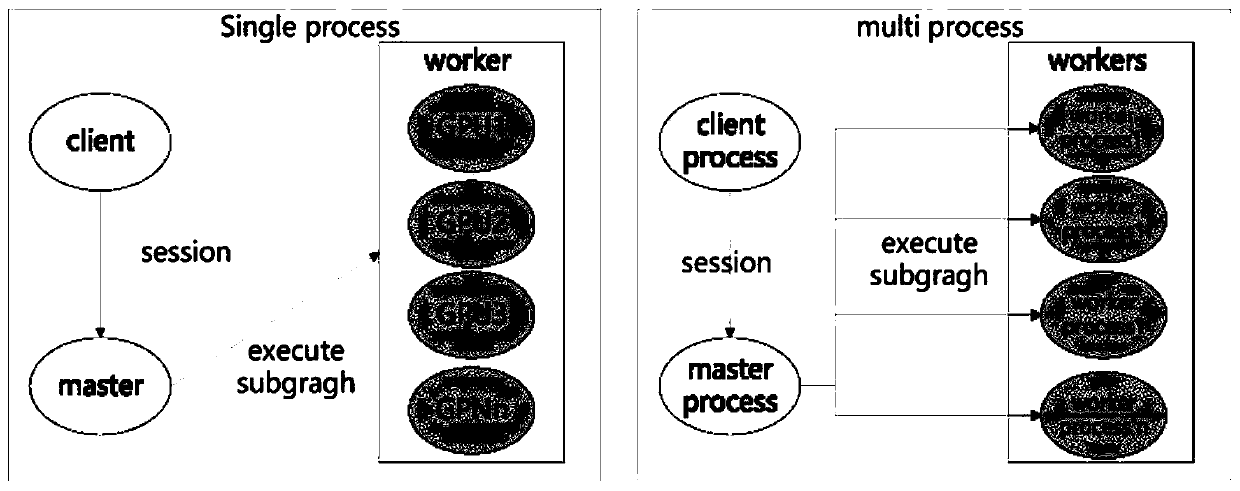
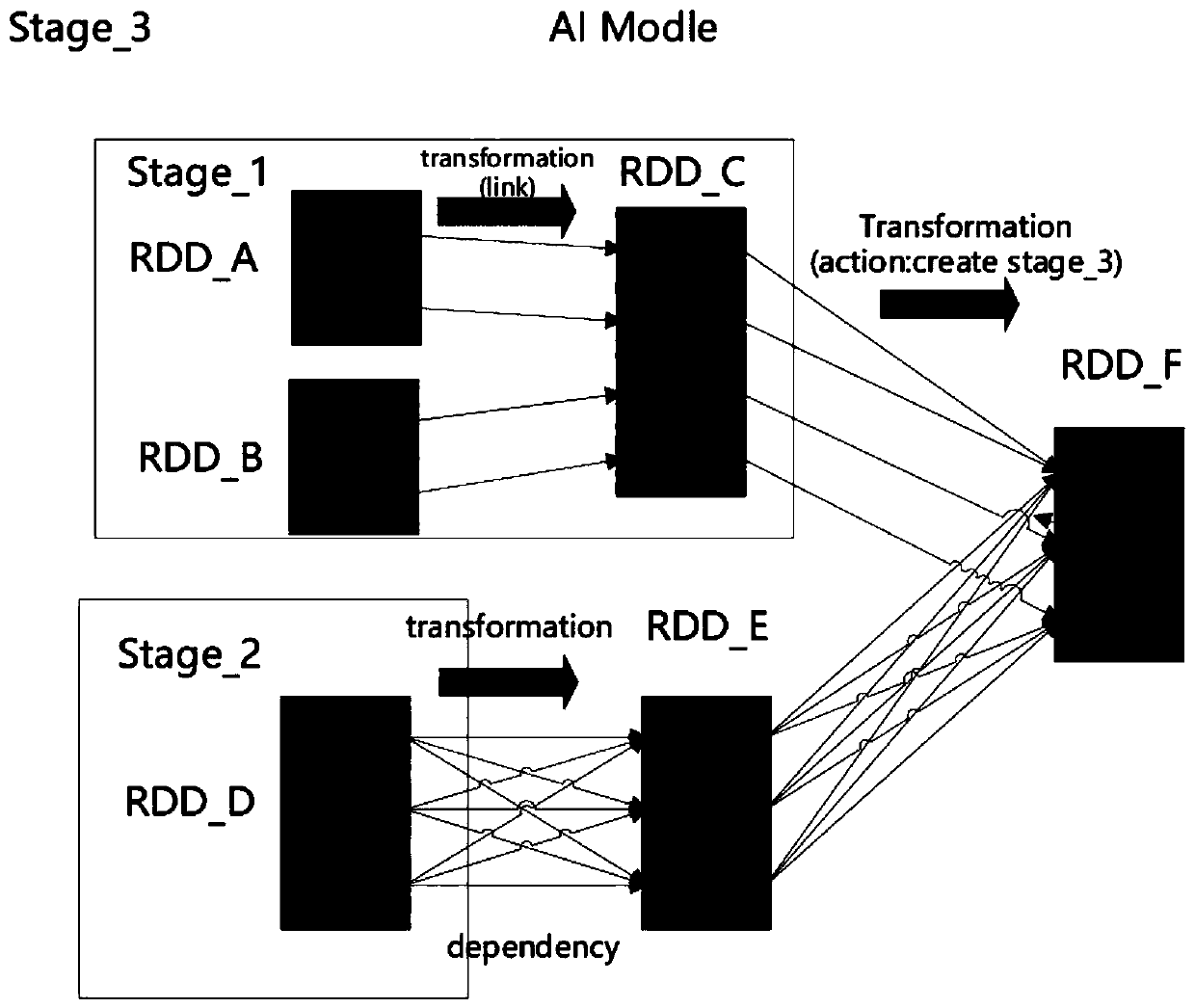
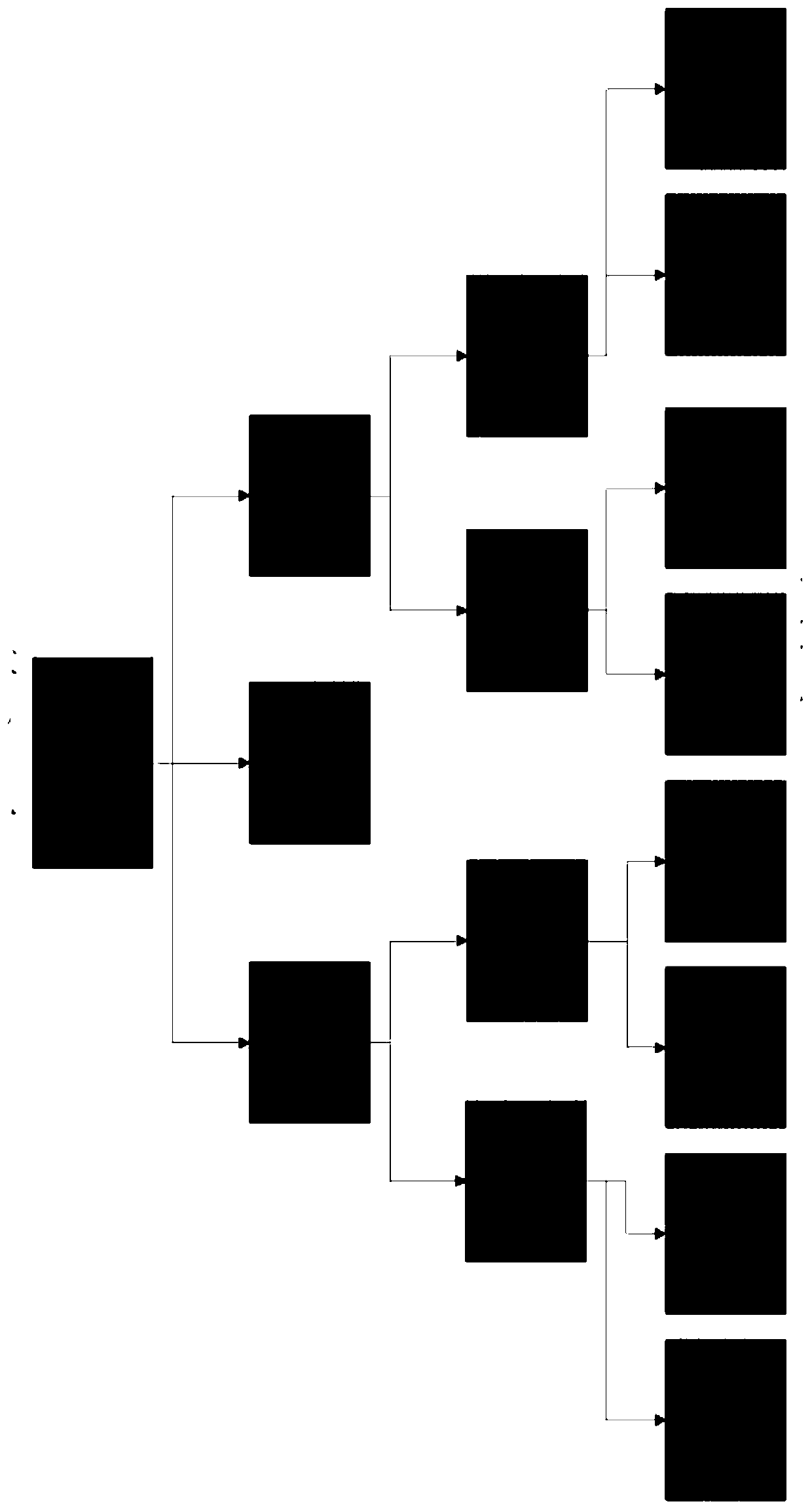
- A distributed intelligent node is designed, which is connected to each other through HLA, DDS and Multi-Agent systems to form a distributed network, supports the combination of multiple distributed systems, realizes task distribution, data synchronization and model updating, and provides flexible group intelligence The decision-making and computing model adapts to complex application scenarios and simplifies data synchronization and computing layer processing through agent agents.

Multi-agent coordination method and apparatus
PatentActiveUS11948079B2
Innovation
- An unsupervised multi-agent coordination mechanism that allows agents to spontaneously explore environments and form different coordination patterns without any reward, using a system with neural networks, sensors, executors, local and global discriminators, and a central controller to determine pseudo rewards and optimize neural networks through reinforcement learning.


Performance Benchmarking Methodologies for Edge Systems
Performance benchmarking methodologies for edge intelligence architectures in multi-agent coordination environments require specialized evaluation frameworks that address the unique characteristics of distributed edge computing systems. Traditional centralized benchmarking approaches prove inadequate when assessing edge-based multi-agent systems due to their inherent distributed nature, varying computational capabilities, and dynamic network conditions.
Standardized benchmarking frameworks for edge systems typically incorporate multiple performance dimensions including computational latency, communication overhead, energy consumption, and coordination efficiency. These frameworks must account for the heterogeneous nature of edge devices, ranging from resource-constrained IoT sensors to more powerful edge servers, each contributing differently to the overall system performance.
Synthetic workload generation represents a critical component of edge system benchmarking, requiring realistic simulation of multi-agent coordination tasks such as distributed decision-making, consensus algorithms, and collaborative sensing scenarios. These synthetic workloads must capture the temporal dynamics and spatial distribution patterns characteristic of real-world edge deployments while maintaining reproducibility across different testing environments.
Real-world dataset integration enhances benchmarking validity by incorporating actual traffic patterns, sensor data streams, and coordination scenarios from deployed edge systems. Industry-standard datasets from domains such as autonomous vehicle coordination, smart city management, and industrial IoT provide realistic performance baselines for comparative analysis.
Scalability testing methodologies focus on evaluating system performance under varying agent populations, network topologies, and computational loads. These approaches examine how coordination architectures maintain performance as the number of participating agents increases and network conditions fluctuate, providing insights into system limitations and optimal deployment configurations.
Standardization efforts across the industry aim to establish common benchmarking protocols that enable fair comparison between different edge intelligence architectures. These initiatives involve defining consistent metrics, testing procedures, and reporting formats that facilitate objective performance evaluation and support informed architectural selection decisions for specific deployment scenarios.
Standardized benchmarking frameworks for edge systems typically incorporate multiple performance dimensions including computational latency, communication overhead, energy consumption, and coordination efficiency. These frameworks must account for the heterogeneous nature of edge devices, ranging from resource-constrained IoT sensors to more powerful edge servers, each contributing differently to the overall system performance.
Synthetic workload generation represents a critical component of edge system benchmarking, requiring realistic simulation of multi-agent coordination tasks such as distributed decision-making, consensus algorithms, and collaborative sensing scenarios. These synthetic workloads must capture the temporal dynamics and spatial distribution patterns characteristic of real-world edge deployments while maintaining reproducibility across different testing environments.
Real-world dataset integration enhances benchmarking validity by incorporating actual traffic patterns, sensor data streams, and coordination scenarios from deployed edge systems. Industry-standard datasets from domains such as autonomous vehicle coordination, smart city management, and industrial IoT provide realistic performance baselines for comparative analysis.
Scalability testing methodologies focus on evaluating system performance under varying agent populations, network topologies, and computational loads. These approaches examine how coordination architectures maintain performance as the number of participating agents increases and network conditions fluctuate, providing insights into system limitations and optimal deployment configurations.
Standardization efforts across the industry aim to establish common benchmarking protocols that enable fair comparison between different edge intelligence architectures. These initiatives involve defining consistent metrics, testing procedures, and reporting formats that facilitate objective performance evaluation and support informed architectural selection decisions for specific deployment scenarios.
Security and Privacy in Distributed Edge Architectures
Security and privacy concerns represent critical challenges in distributed edge architectures designed for multi-agent coordination. The distributed nature of edge computing environments creates multiple attack surfaces and vulnerabilities that traditional centralized security models cannot adequately address. Edge nodes, often deployed in physically accessible locations with limited security controls, face increased risks of tampering, unauthorized access, and data interception.
Data privacy protection becomes particularly complex when multiple agents coordinate across distributed edge nodes. Sensitive information must traverse various network segments and processing units, creating potential exposure points throughout the coordination pipeline. The challenge intensifies when agents from different organizations or security domains need to collaborate while maintaining strict data isolation and access controls.
Authentication and authorization mechanisms in multi-agent edge environments require sophisticated approaches beyond conventional methods. Traditional certificate-based systems may prove inadequate due to the dynamic nature of agent interactions and the potential for network partitioning. Distributed identity management systems must ensure that agents can verify each other's authenticity even when central authorities are temporarily unreachable.
Secure communication protocols for agent coordination face unique constraints in edge environments, including limited computational resources and intermittent connectivity. End-to-end encryption must balance security requirements with performance considerations, particularly when real-time coordination is essential. The implementation of secure multicast protocols becomes crucial when multiple agents need to share coordination information simultaneously.
Trust establishment and maintenance present ongoing challenges in distributed edge architectures. Agents must dynamically assess the trustworthiness of their peers based on behavior patterns, reputation systems, and cryptographic proofs. The absence of centralized trust authorities necessitates distributed consensus mechanisms that can operate reliably across heterogeneous edge infrastructure.
Privacy-preserving computation techniques, such as federated learning and secure multi-party computation, offer promising solutions for maintaining data confidentiality during collaborative tasks. However, these approaches introduce additional computational overhead and complexity that must be carefully managed within resource-constrained edge environments to ensure practical viability for multi-agent coordination scenarios.
Data privacy protection becomes particularly complex when multiple agents coordinate across distributed edge nodes. Sensitive information must traverse various network segments and processing units, creating potential exposure points throughout the coordination pipeline. The challenge intensifies when agents from different organizations or security domains need to collaborate while maintaining strict data isolation and access controls.
Authentication and authorization mechanisms in multi-agent edge environments require sophisticated approaches beyond conventional methods. Traditional certificate-based systems may prove inadequate due to the dynamic nature of agent interactions and the potential for network partitioning. Distributed identity management systems must ensure that agents can verify each other's authenticity even when central authorities are temporarily unreachable.
Secure communication protocols for agent coordination face unique constraints in edge environments, including limited computational resources and intermittent connectivity. End-to-end encryption must balance security requirements with performance considerations, particularly when real-time coordination is essential. The implementation of secure multicast protocols becomes crucial when multiple agents need to share coordination information simultaneously.
Trust establishment and maintenance present ongoing challenges in distributed edge architectures. Agents must dynamically assess the trustworthiness of their peers based on behavior patterns, reputation systems, and cryptographic proofs. The absence of centralized trust authorities necessitates distributed consensus mechanisms that can operate reliably across heterogeneous edge infrastructure.
Privacy-preserving computation techniques, such as federated learning and secure multi-party computation, offer promising solutions for maintaining data confidentiality during collaborative tasks. However, these approaches introduce additional computational overhead and complexity that must be carefully managed within resource-constrained edge environments to ensure practical viability for multi-agent coordination scenarios.
Unlock deeper insights with Patsnap Eureka Quick Research — get a full tech report to explore trends and direct your research. Try now!
Generate Your Research Report Instantly with AI Agent
Supercharge your innovation with Patsnap Eureka AI Agent Platform!