
How to Implement Edge Intelligence for Precise Geospatial Analytics
MAY 21, 202610 MIN READ
Generate Your Research Report Instantly with AI Agent
Patsnap Eureka helps you evaluate technical feasibility & market potential.
Edge Intelligence Geospatial Analytics Background and Objectives
Edge intelligence represents a paradigm shift in computational architecture, moving processing capabilities from centralized cloud infrastructures to distributed edge nodes positioned closer to data sources. This technological evolution has emerged as a critical enabler for real-time data processing, particularly in scenarios where latency, bandwidth constraints, and privacy concerns limit traditional cloud-based approaches. The convergence of edge computing with artificial intelligence capabilities has created unprecedented opportunities for localized decision-making and autonomous system operations.
Geospatial analytics, encompassing the collection, processing, and interpretation of location-based data, has experienced exponential growth driven by the proliferation of GPS-enabled devices, satellite imagery, IoT sensors, and mobile applications. Traditional geospatial processing workflows have relied heavily on centralized computing resources, creating bottlenecks in data transmission and introducing significant latency in time-sensitive applications such as autonomous navigation, disaster response, and precision agriculture.
The integration of edge intelligence with geospatial analytics addresses fundamental challenges in modern spatial data processing. Current limitations include network bandwidth constraints when transmitting large geospatial datasets, latency issues affecting real-time decision-making, privacy concerns related to sensitive location data, and scalability challenges in processing distributed sensor networks. These constraints have become increasingly problematic as applications demand higher precision, faster response times, and greater autonomy.
The primary objective of implementing edge intelligence for precise geospatial analytics is to establish a distributed computing framework capable of performing sophisticated spatial analysis at the network edge. This involves developing lightweight machine learning models optimized for resource-constrained environments, creating efficient data fusion algorithms for multi-source geospatial inputs, and establishing robust communication protocols for coordinated edge node operations.
Key technical goals include achieving sub-second response times for spatial queries, maintaining analytical precision comparable to cloud-based solutions, enabling offline operation capabilities, and supporting scalable deployment across diverse edge infrastructure. The implementation must also address data synchronization challenges, ensure consistent spatial reference systems across distributed nodes, and provide mechanisms for dynamic load balancing based on computational demands and network conditions.
Success metrics encompass reduced latency in geospatial processing pipelines, improved accuracy in location-based predictions, enhanced system resilience through distributed redundancy, and decreased dependency on continuous cloud connectivity. These objectives align with broader industry trends toward autonomous systems, smart city initiatives, and precision-driven applications requiring immediate spatial intelligence.
Geospatial analytics, encompassing the collection, processing, and interpretation of location-based data, has experienced exponential growth driven by the proliferation of GPS-enabled devices, satellite imagery, IoT sensors, and mobile applications. Traditional geospatial processing workflows have relied heavily on centralized computing resources, creating bottlenecks in data transmission and introducing significant latency in time-sensitive applications such as autonomous navigation, disaster response, and precision agriculture.
The integration of edge intelligence with geospatial analytics addresses fundamental challenges in modern spatial data processing. Current limitations include network bandwidth constraints when transmitting large geospatial datasets, latency issues affecting real-time decision-making, privacy concerns related to sensitive location data, and scalability challenges in processing distributed sensor networks. These constraints have become increasingly problematic as applications demand higher precision, faster response times, and greater autonomy.
The primary objective of implementing edge intelligence for precise geospatial analytics is to establish a distributed computing framework capable of performing sophisticated spatial analysis at the network edge. This involves developing lightweight machine learning models optimized for resource-constrained environments, creating efficient data fusion algorithms for multi-source geospatial inputs, and establishing robust communication protocols for coordinated edge node operations.
Key technical goals include achieving sub-second response times for spatial queries, maintaining analytical precision comparable to cloud-based solutions, enabling offline operation capabilities, and supporting scalable deployment across diverse edge infrastructure. The implementation must also address data synchronization challenges, ensure consistent spatial reference systems across distributed nodes, and provide mechanisms for dynamic load balancing based on computational demands and network conditions.
Success metrics encompass reduced latency in geospatial processing pipelines, improved accuracy in location-based predictions, enhanced system resilience through distributed redundancy, and decreased dependency on continuous cloud connectivity. These objectives align with broader industry trends toward autonomous systems, smart city initiatives, and precision-driven applications requiring immediate spatial intelligence.
Market Demand for Real-time Geospatial Edge Computing
The global demand for real-time geospatial edge computing has experienced unprecedented growth driven by the proliferation of IoT devices, autonomous systems, and location-based services. Industries ranging from transportation and logistics to smart cities and precision agriculture are increasingly requiring immediate processing of spatial data at the network edge to enable rapid decision-making and reduce latency-sensitive operations.
Transportation and logistics sectors represent one of the most significant demand drivers, where fleet management systems require instantaneous route optimization, traffic pattern analysis, and predictive maintenance based on real-time location data. Autonomous vehicles particularly demand sub-millisecond processing of geospatial information for navigation, obstacle detection, and path planning, creating substantial market pressure for edge-based solutions that can process high-resolution mapping data locally.
Smart city initiatives worldwide are generating massive demand for real-time geospatial analytics to manage urban infrastructure, monitor environmental conditions, and optimize resource allocation. Municipal governments seek edge computing solutions that can process data from thousands of sensors, cameras, and monitoring devices distributed across urban areas without overwhelming centralized data centers or experiencing network delays.
The precision agriculture market has emerged as another critical demand source, where farmers require real-time analysis of crop conditions, soil moisture, and weather patterns to optimize irrigation, fertilization, and harvesting operations. Edge-based geospatial analytics enable immediate responses to changing field conditions, directly impacting crop yields and operational efficiency.
Emergency response and disaster management applications create urgent demand for real-time geospatial edge computing capabilities. First responders need immediate access to location-based intelligence, evacuation route optimization, and resource deployment strategies that cannot afford the delays associated with cloud-based processing.
The telecommunications industry faces increasing pressure to support location-aware services and applications that require real-time processing of user location data while maintaining privacy and regulatory compliance. Edge computing solutions enable service providers to deliver enhanced location-based services without transmitting sensitive geospatial data to remote data centers.
Market growth is further accelerated by regulatory requirements for data sovereignty and privacy protection, particularly in sectors handling sensitive location information. Organizations increasingly prefer edge-based solutions that maintain geospatial data within specific geographic boundaries while still enabling real-time analytics capabilities.
Transportation and logistics sectors represent one of the most significant demand drivers, where fleet management systems require instantaneous route optimization, traffic pattern analysis, and predictive maintenance based on real-time location data. Autonomous vehicles particularly demand sub-millisecond processing of geospatial information for navigation, obstacle detection, and path planning, creating substantial market pressure for edge-based solutions that can process high-resolution mapping data locally.
Smart city initiatives worldwide are generating massive demand for real-time geospatial analytics to manage urban infrastructure, monitor environmental conditions, and optimize resource allocation. Municipal governments seek edge computing solutions that can process data from thousands of sensors, cameras, and monitoring devices distributed across urban areas without overwhelming centralized data centers or experiencing network delays.
The precision agriculture market has emerged as another critical demand source, where farmers require real-time analysis of crop conditions, soil moisture, and weather patterns to optimize irrigation, fertilization, and harvesting operations. Edge-based geospatial analytics enable immediate responses to changing field conditions, directly impacting crop yields and operational efficiency.
Emergency response and disaster management applications create urgent demand for real-time geospatial edge computing capabilities. First responders need immediate access to location-based intelligence, evacuation route optimization, and resource deployment strategies that cannot afford the delays associated with cloud-based processing.
The telecommunications industry faces increasing pressure to support location-aware services and applications that require real-time processing of user location data while maintaining privacy and regulatory compliance. Edge computing solutions enable service providers to deliver enhanced location-based services without transmitting sensitive geospatial data to remote data centers.
Market growth is further accelerated by regulatory requirements for data sovereignty and privacy protection, particularly in sectors handling sensitive location information. Organizations increasingly prefer edge-based solutions that maintain geospatial data within specific geographic boundaries while still enabling real-time analytics capabilities.
Current State and Challenges of Edge Geospatial Processing
Edge geospatial processing has emerged as a critical technology domain, driven by the exponential growth of location-based services and the increasing demand for real-time spatial analytics. Currently, the field encompasses various computational approaches including distributed spatial databases, edge-based geographic information systems, and localized mapping services. Major cloud providers and GIS companies have developed preliminary solutions, yet the technology remains in its nascent stages with significant room for advancement.
The computational complexity of geospatial algorithms presents one of the most significant challenges in edge deployment. Traditional spatial operations such as polygon intersection, buffer analysis, and spatial joins require substantial processing power and memory resources. Edge devices typically operate under severe resource constraints, with limited CPU capabilities, restricted memory, and constrained storage capacity. This creates a fundamental mismatch between the computational demands of precise geospatial analytics and the available hardware resources at the network edge.
Data synchronization and consistency represent another critical challenge area. Geospatial datasets are inherently large and frequently updated, requiring sophisticated mechanisms to maintain data coherence across distributed edge nodes. The challenge intensifies when considering real-time applications that demand immediate access to the most current spatial information while operating in environments with intermittent connectivity.
Network bandwidth limitations significantly impact the feasibility of edge geospatial processing. High-resolution satellite imagery, LiDAR point clouds, and detailed vector datasets often exceed the transmission capabilities of edge networks. This constraint necessitates innovative approaches to data compression, selective data transmission, and intelligent caching strategies that can maintain analytical precision while operating within bandwidth restrictions.
Accuracy degradation emerges as a persistent concern when transitioning from centralized to distributed processing architectures. Edge devices may lack access to comprehensive reference datasets, leading to potential errors in coordinate transformations, projection calculations, and spatial relationship determinations. The challenge becomes more pronounced in applications requiring sub-meter precision, where even minor computational shortcuts can result in significant positional errors.
Standardization gaps across different edge platforms and geospatial data formats create interoperability challenges. The absence of unified protocols for spatial data exchange and processing workflows complicates the development of scalable edge geospatial solutions. This fragmentation limits the potential for creating robust, vendor-agnostic systems that can operate seamlessly across diverse edge computing environments.
Security and privacy concerns add another layer of complexity, particularly when processing sensitive location data at distributed edge points. Ensuring data protection while maintaining processing efficiency requires sophisticated encryption and access control mechanisms that must operate within the resource constraints of edge devices.
The computational complexity of geospatial algorithms presents one of the most significant challenges in edge deployment. Traditional spatial operations such as polygon intersection, buffer analysis, and spatial joins require substantial processing power and memory resources. Edge devices typically operate under severe resource constraints, with limited CPU capabilities, restricted memory, and constrained storage capacity. This creates a fundamental mismatch between the computational demands of precise geospatial analytics and the available hardware resources at the network edge.
Data synchronization and consistency represent another critical challenge area. Geospatial datasets are inherently large and frequently updated, requiring sophisticated mechanisms to maintain data coherence across distributed edge nodes. The challenge intensifies when considering real-time applications that demand immediate access to the most current spatial information while operating in environments with intermittent connectivity.
Network bandwidth limitations significantly impact the feasibility of edge geospatial processing. High-resolution satellite imagery, LiDAR point clouds, and detailed vector datasets often exceed the transmission capabilities of edge networks. This constraint necessitates innovative approaches to data compression, selective data transmission, and intelligent caching strategies that can maintain analytical precision while operating within bandwidth restrictions.
Accuracy degradation emerges as a persistent concern when transitioning from centralized to distributed processing architectures. Edge devices may lack access to comprehensive reference datasets, leading to potential errors in coordinate transformations, projection calculations, and spatial relationship determinations. The challenge becomes more pronounced in applications requiring sub-meter precision, where even minor computational shortcuts can result in significant positional errors.
Standardization gaps across different edge platforms and geospatial data formats create interoperability challenges. The absence of unified protocols for spatial data exchange and processing workflows complicates the development of scalable edge geospatial solutions. This fragmentation limits the potential for creating robust, vendor-agnostic systems that can operate seamlessly across diverse edge computing environments.
Security and privacy concerns add another layer of complexity, particularly when processing sensitive location data at distributed edge points. Ensuring data protection while maintaining processing efficiency requires sophisticated encryption and access control mechanisms that must operate within the resource constraints of edge devices.
Current Edge-based Geospatial Processing Solutions
01 Edge computing architectures for intelligent processing
Systems and methods for implementing distributed computing architectures at network edges to enable intelligent data processing closer to data sources. These architectures optimize computational resources and reduce latency by performing complex analytics and decision-making processes at edge nodes rather than centralized cloud servers.- Edge computing architectures for intelligent processing: Systems and methods for implementing distributed computing architectures at network edges to enable intelligent data processing closer to data sources. These architectures optimize computational resources and reduce latency by performing complex analytics and decision-making processes at edge nodes rather than centralized cloud servers.
- Machine learning algorithms for edge intelligence optimization: Advanced machine learning and artificial intelligence algorithms specifically designed for deployment in edge computing environments. These algorithms are optimized for resource-constrained devices while maintaining high precision in data analysis, pattern recognition, and predictive modeling capabilities.
- Real-time data processing and analytics systems: Technologies for enabling real-time data collection, processing, and analytics at edge locations with high precision and minimal latency. These systems incorporate advanced filtering, aggregation, and computational techniques to deliver immediate insights and responses for time-critical applications.
- Precision measurement and sensor integration: Methods and systems for integrating high-precision sensors and measurement devices with edge intelligence platforms. These solutions focus on accurate data acquisition, calibration techniques, and sensor fusion algorithms to ensure reliable and precise measurements in distributed computing environments.
- Network optimization and communication protocols: Communication protocols and network optimization techniques designed to enhance the precision and reliability of data transmission in edge intelligence systems. These technologies address bandwidth limitations, network congestion, and data synchronization challenges while maintaining high-quality service delivery.
02 Machine learning algorithms for edge intelligence optimization
Advanced machine learning and artificial intelligence algorithms specifically designed for deployment in edge computing environments. These algorithms are optimized for resource-constrained devices while maintaining high accuracy and precision in real-time decision making and pattern recognition tasks.Expand Specific Solutions03 Precision measurement and sensing systems
High-precision sensing technologies and measurement systems that leverage edge intelligence for accurate data collection and analysis. These systems incorporate advanced sensors, calibration methods, and real-time processing capabilities to achieve enhanced measurement accuracy in various applications.Expand Specific Solutions04 Real-time data processing and analytics frameworks
Frameworks and methodologies for processing and analyzing data in real-time at edge locations with high precision and efficiency. These systems enable immediate insights and responses by implementing sophisticated analytics engines that can handle streaming data with minimal computational overhead.Expand Specific Solutions05 Adaptive precision control mechanisms
Control systems and mechanisms that dynamically adjust precision parameters based on real-time conditions and requirements. These adaptive systems optimize performance by balancing computational resources, energy consumption, and accuracy requirements while maintaining system reliability and responsiveness.Expand Specific Solutions
Key Players in Edge Computing and Geospatial Analytics
The edge intelligence for precise geospatial analytics market is in a rapid growth phase, driven by increasing demand for real-time spatial data processing across telecommunications, agriculture, and smart infrastructure sectors. The market demonstrates significant expansion potential as organizations seek to minimize latency and enhance decision-making capabilities at network edges. Technology maturity varies considerably among key players: established telecommunications giants like Ericsson, Qualcomm, and China Mobile provide robust infrastructure foundations, while specialized firms such as Ubotica Technologies and AI Clearing offer cutting-edge AI-driven solutions. Academic institutions including Beijing University of Technology and IIT Patna contribute essential research advancements. Industrial leaders like Deere & Company and IBM integrate edge intelligence into operational systems, while emerging companies like Micatu and Maps and Data focus on niche applications. This diverse ecosystem indicates a maturing but still evolving technological landscape with substantial innovation opportunities.
China Mobile Communications Group Co., Ltd.
Technical Solution: China Mobile implements edge intelligence for geospatial analytics through their 5G edge computing infrastructure combined with IoT sensors and AI processing capabilities. Their solution deploys edge nodes at base stations to process geospatial data from mobile devices, vehicles, and IoT sensors in real-time. The system utilizes machine learning algorithms for location prediction, traffic pattern analysis, and spatial anomaly detection. Their platform supports massive IoT deployments with precise indoor and outdoor positioning services, enabling smart city applications, autonomous vehicle navigation, and location-based emergency services through distributed edge computing architecture.
Strengths: Extensive 5G network infrastructure, massive scale deployment capability, strong government support. Weaknesses: Limited global reach, regulatory constraints, technology transfer restrictions.
Deere & Co.
Technical Solution: Deere implements edge intelligence for precision agriculture through their John Deere Operations Center and machine learning-enabled equipment. Their solution combines GPS-guided machinery with edge computing devices that process geospatial data for precision farming applications. The system analyzes soil conditions, crop health, and field boundaries in real-time using computer vision and spatial analytics. Their edge devices collect and process multispectral imagery, elevation data, and sensor readings to optimize planting patterns, fertilizer application, and harvest operations. The platform enables autonomous field operations with centimeter-level accuracy while maintaining operational efficiency in remote agricultural environments.
Strengths: Domain expertise in precision agriculture, proven field-tested solutions, integrated hardware-software approach. Weaknesses: Limited to agricultural applications, high equipment costs, dependency on rural connectivity infrastructure.
Core Technologies for Precise Edge Geospatial Intelligence
Edge intelligence platform, and internet of things sensor streams system
PatentActiveUS10007513B2
Innovation
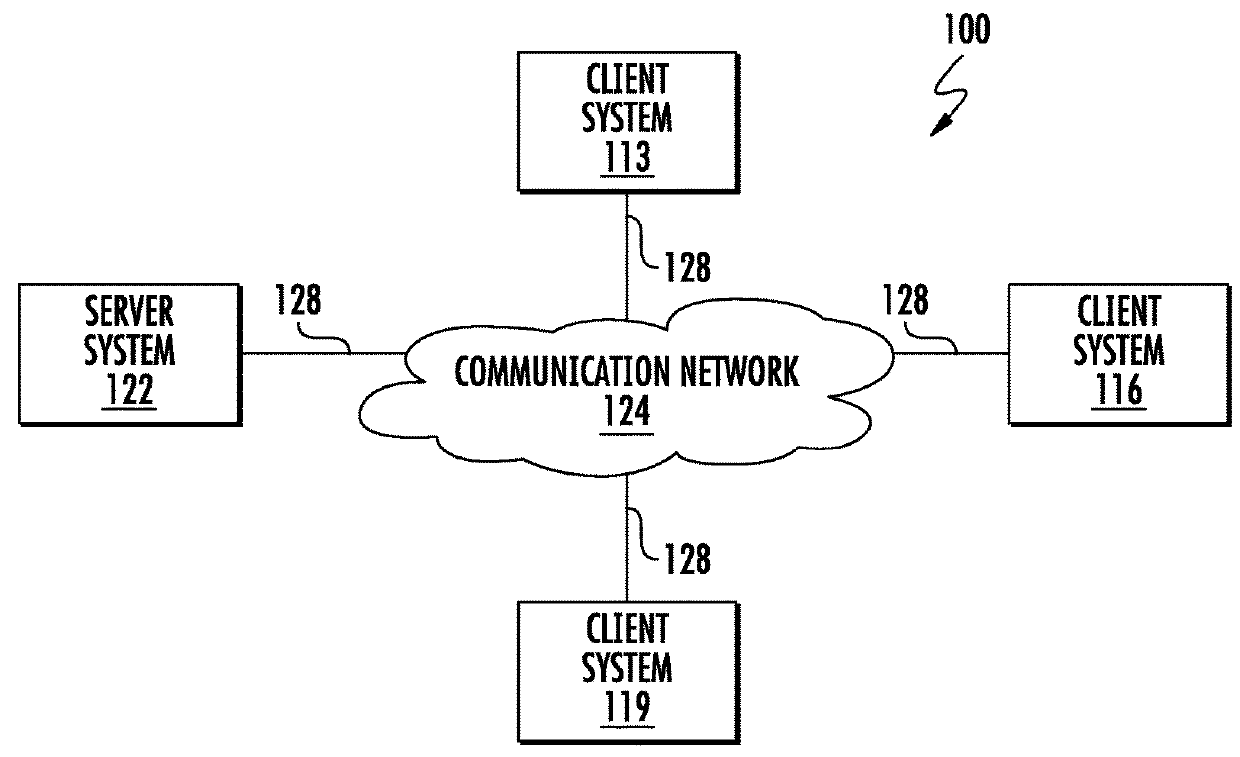
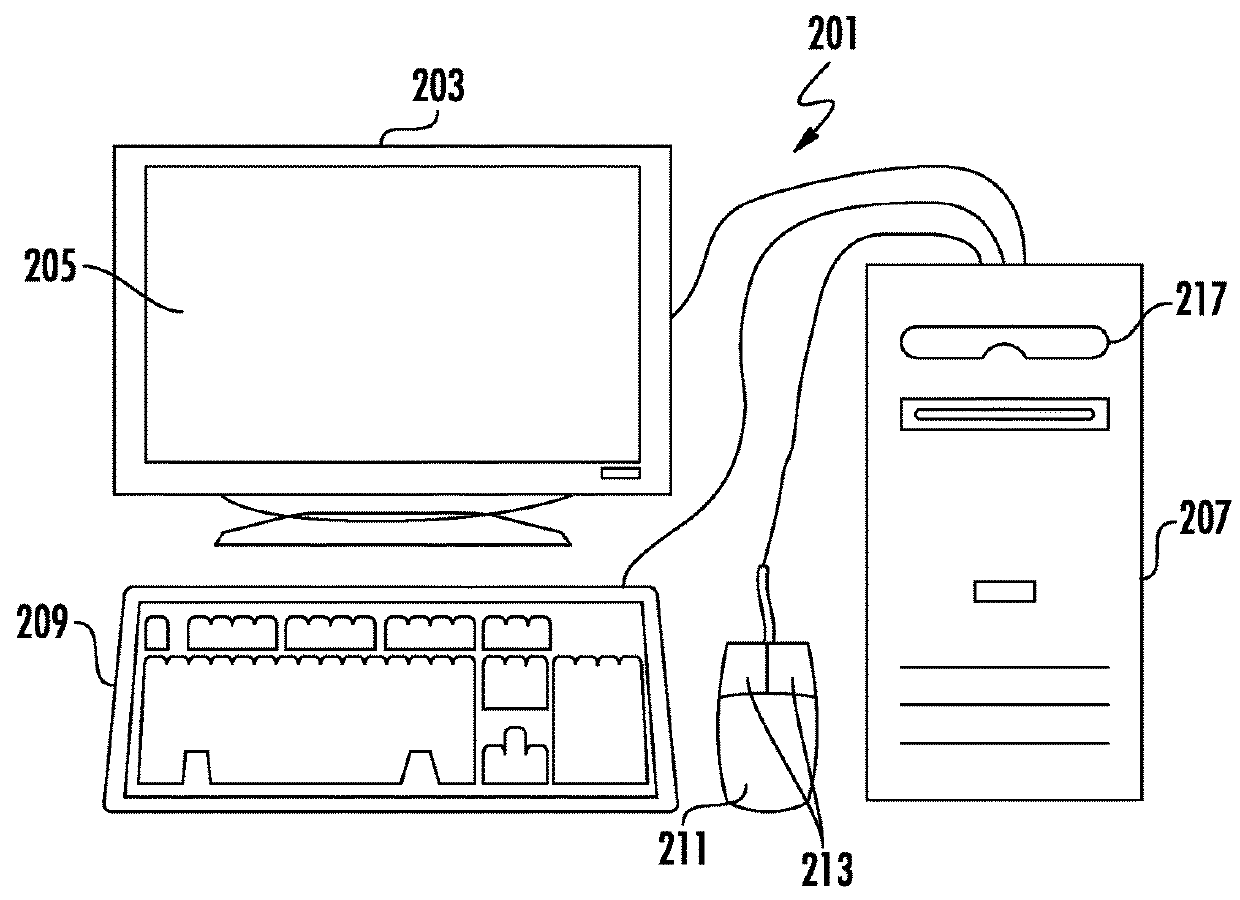
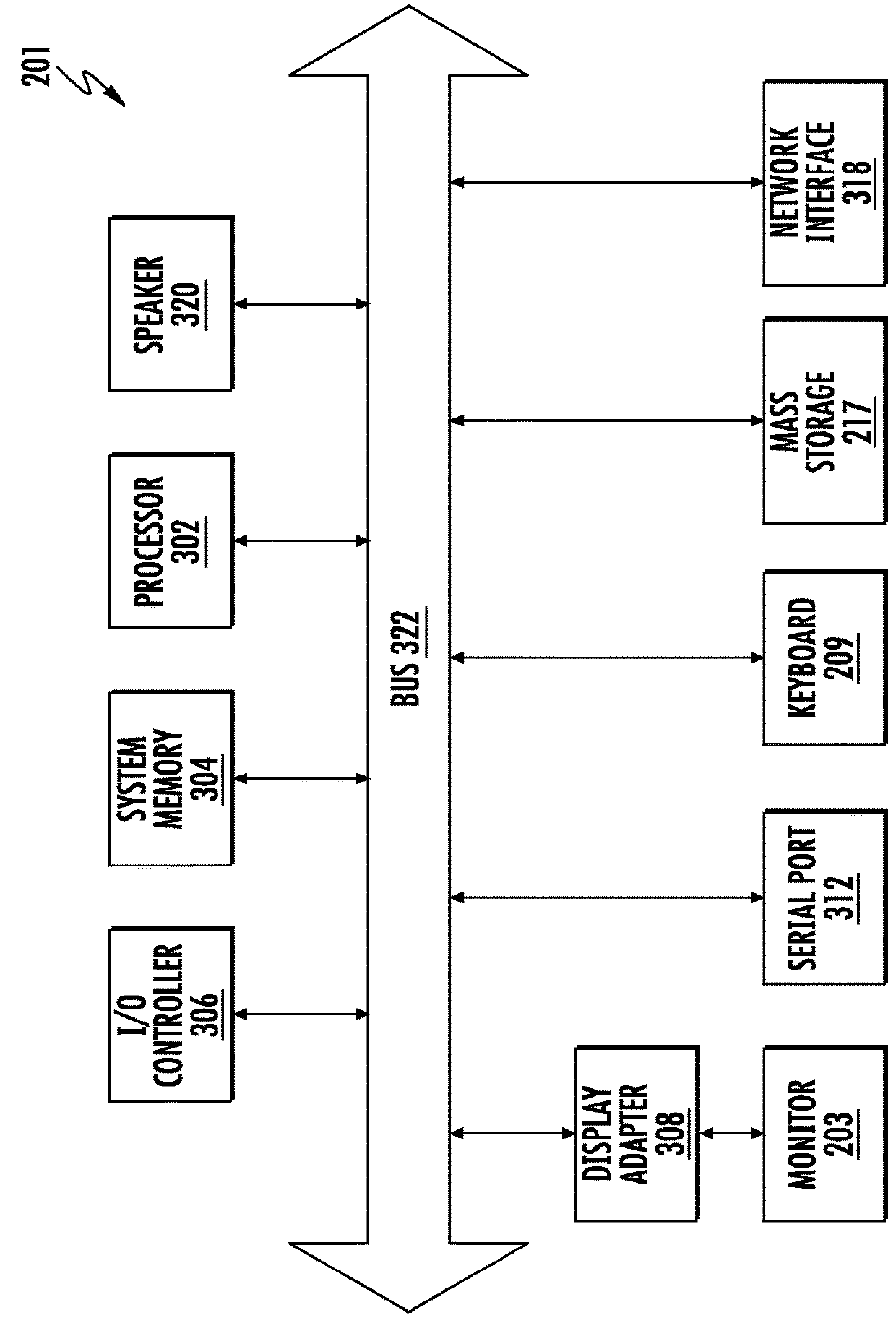
- The implementation of an edge computing platform that processes and analyzes data closer to the source using a software layer hosted on gateway devices or embedded systems, enabling real-time analytics and automated responses through a highly expressive computer language and a complex event processing engine, while also allowing data to be published to the cloud for further machine learning.

Precision mapping and surveying edge device with real-time analytics & app integration with cloud
PatentPendingIN202311064215A
Innovation
- A Precision Mapping and Surveying Edge Device integrating a Raspberry Pi processing board, RTK receiver unit, IMU unit, camera unit, and rechargeable battery power supply, enabling real-time analytics and seamless cloud integration for enhanced data accuracy and accessibility.

Data Privacy and Security in Edge Geospatial Systems
Edge geospatial systems face unprecedented data privacy and security challenges due to their distributed nature and the sensitive location-based information they process. The deployment of intelligence capabilities at network edges creates multiple attack vectors and privacy vulnerabilities that traditional centralized security models cannot adequately address. These systems must protect not only raw geospatial data but also the analytical models and derived insights that could reveal sensitive patterns about individuals, organizations, or critical infrastructure.
The distributed architecture of edge geospatial systems introduces unique security complexities. Each edge node represents a potential entry point for malicious actors, requiring robust authentication mechanisms and secure communication protocols. The challenge is compounded by the heterogeneous nature of edge devices, which often have limited computational resources for implementing comprehensive security measures. Additionally, the real-time processing requirements of geospatial analytics create tension between security overhead and performance optimization.
Privacy preservation in edge geospatial systems requires sophisticated approaches beyond traditional anonymization techniques. Differential privacy mechanisms must be carefully calibrated to maintain analytical accuracy while protecting individual location privacy. Homomorphic encryption and secure multi-party computation offer promising solutions for performing geospatial analytics on encrypted data, though computational overhead remains a significant constraint for resource-limited edge devices.
Data governance frameworks for edge geospatial systems must address cross-jurisdictional compliance requirements, particularly given the global nature of many geospatial applications. The European Union's GDPR, California's CCPA, and emerging data localization laws create complex regulatory landscapes that edge systems must navigate. Implementing privacy-by-design principles becomes critical, requiring built-in data minimization, purpose limitation, and user consent management capabilities.
Emerging security technologies show promise for addressing these challenges. Zero-trust network architectures provide granular access control for distributed edge environments. Blockchain-based solutions offer immutable audit trails for data provenance and access logging. Federated learning approaches enable collaborative model training while keeping sensitive geospatial data localized at edge nodes, reducing privacy risks associated with data centralization.
The integration of artificial intelligence for threat detection and response represents another frontier in edge geospatial security. Machine learning models can identify anomalous access patterns and potential data exfiltration attempts in real-time. However, these AI-driven security systems themselves introduce new vulnerabilities, including adversarial attacks and model poisoning, requiring additional protective measures and continuous monitoring capabilities.
The distributed architecture of edge geospatial systems introduces unique security complexities. Each edge node represents a potential entry point for malicious actors, requiring robust authentication mechanisms and secure communication protocols. The challenge is compounded by the heterogeneous nature of edge devices, which often have limited computational resources for implementing comprehensive security measures. Additionally, the real-time processing requirements of geospatial analytics create tension between security overhead and performance optimization.
Privacy preservation in edge geospatial systems requires sophisticated approaches beyond traditional anonymization techniques. Differential privacy mechanisms must be carefully calibrated to maintain analytical accuracy while protecting individual location privacy. Homomorphic encryption and secure multi-party computation offer promising solutions for performing geospatial analytics on encrypted data, though computational overhead remains a significant constraint for resource-limited edge devices.
Data governance frameworks for edge geospatial systems must address cross-jurisdictional compliance requirements, particularly given the global nature of many geospatial applications. The European Union's GDPR, California's CCPA, and emerging data localization laws create complex regulatory landscapes that edge systems must navigate. Implementing privacy-by-design principles becomes critical, requiring built-in data minimization, purpose limitation, and user consent management capabilities.
Emerging security technologies show promise for addressing these challenges. Zero-trust network architectures provide granular access control for distributed edge environments. Blockchain-based solutions offer immutable audit trails for data provenance and access logging. Federated learning approaches enable collaborative model training while keeping sensitive geospatial data localized at edge nodes, reducing privacy risks associated with data centralization.
The integration of artificial intelligence for threat detection and response represents another frontier in edge geospatial security. Machine learning models can identify anomalous access patterns and potential data exfiltration attempts in real-time. However, these AI-driven security systems themselves introduce new vulnerabilities, including adversarial attacks and model poisoning, requiring additional protective measures and continuous monitoring capabilities.
Performance Optimization for Edge Geospatial Workloads
Performance optimization for edge geospatial workloads represents a critical engineering challenge that directly impacts the effectiveness of distributed spatial analytics systems. The computational constraints inherent in edge environments necessitate sophisticated optimization strategies that balance processing efficiency with analytical precision. Edge devices typically operate under strict resource limitations including limited CPU cores, constrained memory bandwidth, and power consumption restrictions, making traditional geospatial processing approaches inadequate for real-time applications.
Memory management optimization forms the cornerstone of efficient edge geospatial processing. Spatial data structures such as R-trees, quadtrees, and spatial hash tables must be carefully tuned to minimize memory footprint while maintaining query performance. Implementing adaptive caching mechanisms that prioritize frequently accessed spatial regions can significantly reduce I/O overhead. Memory-mapped file techniques enable efficient handling of large geospatial datasets that exceed available RAM, while spatial data compression algorithms can reduce storage requirements by 60-80% without compromising analytical accuracy.
Computational optimization strategies focus on algorithmic efficiency and parallel processing capabilities. Spatial indexing optimization through hierarchical decomposition allows for efficient range queries and nearest neighbor searches. Multi-threading implementations must carefully balance workload distribution across available cores while avoiding memory contention issues. Vectorized operations using SIMD instructions can accelerate coordinate transformations and geometric calculations by factors of 4-8x compared to scalar implementations.
Data pipeline optimization addresses the continuous flow of geospatial information through edge processing systems. Implementing streaming spatial algorithms that process data incrementally rather than in batch mode reduces latency and memory requirements. Adaptive sampling techniques can dynamically adjust data resolution based on available computational resources and analytical requirements. Spatial data partitioning strategies enable parallel processing while maintaining spatial locality for efficient cache utilization.
Network optimization considerations become crucial when edge nodes must coordinate with cloud services or peer devices. Implementing spatial data compression and delta encoding techniques minimizes bandwidth usage for synchronization operations. Edge-to-edge communication protocols optimized for geospatial data exchange can reduce network overhead through spatial-aware routing and data aggregation strategies, ensuring optimal performance across distributed geospatial analytics networks.
Memory management optimization forms the cornerstone of efficient edge geospatial processing. Spatial data structures such as R-trees, quadtrees, and spatial hash tables must be carefully tuned to minimize memory footprint while maintaining query performance. Implementing adaptive caching mechanisms that prioritize frequently accessed spatial regions can significantly reduce I/O overhead. Memory-mapped file techniques enable efficient handling of large geospatial datasets that exceed available RAM, while spatial data compression algorithms can reduce storage requirements by 60-80% without compromising analytical accuracy.
Computational optimization strategies focus on algorithmic efficiency and parallel processing capabilities. Spatial indexing optimization through hierarchical decomposition allows for efficient range queries and nearest neighbor searches. Multi-threading implementations must carefully balance workload distribution across available cores while avoiding memory contention issues. Vectorized operations using SIMD instructions can accelerate coordinate transformations and geometric calculations by factors of 4-8x compared to scalar implementations.
Data pipeline optimization addresses the continuous flow of geospatial information through edge processing systems. Implementing streaming spatial algorithms that process data incrementally rather than in batch mode reduces latency and memory requirements. Adaptive sampling techniques can dynamically adjust data resolution based on available computational resources and analytical requirements. Spatial data partitioning strategies enable parallel processing while maintaining spatial locality for efficient cache utilization.
Network optimization considerations become crucial when edge nodes must coordinate with cloud services or peer devices. Implementing spatial data compression and delta encoding techniques minimizes bandwidth usage for synchronization operations. Edge-to-edge communication protocols optimized for geospatial data exchange can reduce network overhead through spatial-aware routing and data aggregation strategies, ensuring optimal performance across distributed geospatial analytics networks.
Unlock deeper insights with Patsnap Eureka Quick Research — get a full tech report to explore trends and direct your research. Try now!
Generate Your Research Report Instantly with AI Agent
Supercharge your innovation with Patsnap Eureka AI Agent Platform!