

How to Control Plasma Parameters for Optimal Catalysis
APR 14, 20269 MIN READ
Generate Your Research Report Instantly with AI Agent
PatSnap Eureka helps you evaluate technical feasibility & market potential.
Plasma Catalysis Background and Control Objectives
Plasma catalysis represents a revolutionary approach that combines the unique properties of non-thermal plasma with traditional catalytic processes to achieve enhanced chemical transformations under mild operating conditions. This emerging technology leverages the synergistic effects between plasma-generated reactive species and catalytic surfaces to overcome the limitations of conventional thermal catalysis, particularly in terms of energy efficiency and reaction selectivity.
The fundamental principle underlying plasma catalysis involves the generation of highly reactive species, including electrons, ions, radicals, and excited molecules, through electrical discharge in gas mixtures. These species interact with catalyst surfaces and reactant molecules, creating alternative reaction pathways that can proceed at significantly lower temperatures than traditional thermal processes. This characteristic makes plasma catalysis particularly attractive for applications requiring energy-efficient chemical conversions.
Historical development of plasma catalysis can be traced back to the early 20th century when researchers first observed enhanced chemical reactions in the presence of electrical discharges. However, significant advancement occurred in the 1990s when systematic studies began investigating the coupling of non-thermal plasma with heterogeneous catalysts. The field gained substantial momentum in the 2000s as environmental regulations drove demand for efficient pollution control technologies and sustainable chemical processes.
The evolution of plasma catalysis has been marked by several key technological milestones. Initial research focused primarily on atmospheric pressure applications for volatile organic compound destruction and nitrogen oxide reduction. Subsequently, investigations expanded to include plasma-assisted reforming processes, carbon dioxide conversion, and ammonia synthesis, demonstrating the versatility of this technology across diverse chemical transformations.
Contemporary research objectives in plasma catalysis center on achieving precise control over plasma parameters to optimize catalytic performance for specific applications. Primary goals include maximizing energy efficiency by directing plasma energy toward desired reaction pathways while minimizing parasitic energy losses. Selectivity enhancement represents another critical objective, aiming to suppress unwanted side reactions and improve product yields through strategic manipulation of plasma characteristics.
Temperature control emerges as a fundamental objective, as maintaining optimal thermal conditions ensures catalyst stability while preserving the advantages of non-thermal plasma operation. Additionally, researchers seek to develop predictive models that correlate plasma parameters with catalytic outcomes, enabling systematic optimization of process conditions for industrial implementation.
The ultimate technological vision encompasses the development of intelligent plasma catalysis systems capable of real-time parameter adjustment based on process feedback, thereby achieving autonomous optimization for varying feedstock compositions and operating conditions.
The fundamental principle underlying plasma catalysis involves the generation of highly reactive species, including electrons, ions, radicals, and excited molecules, through electrical discharge in gas mixtures. These species interact with catalyst surfaces and reactant molecules, creating alternative reaction pathways that can proceed at significantly lower temperatures than traditional thermal processes. This characteristic makes plasma catalysis particularly attractive for applications requiring energy-efficient chemical conversions.
Historical development of plasma catalysis can be traced back to the early 20th century when researchers first observed enhanced chemical reactions in the presence of electrical discharges. However, significant advancement occurred in the 1990s when systematic studies began investigating the coupling of non-thermal plasma with heterogeneous catalysts. The field gained substantial momentum in the 2000s as environmental regulations drove demand for efficient pollution control technologies and sustainable chemical processes.
The evolution of plasma catalysis has been marked by several key technological milestones. Initial research focused primarily on atmospheric pressure applications for volatile organic compound destruction and nitrogen oxide reduction. Subsequently, investigations expanded to include plasma-assisted reforming processes, carbon dioxide conversion, and ammonia synthesis, demonstrating the versatility of this technology across diverse chemical transformations.
Contemporary research objectives in plasma catalysis center on achieving precise control over plasma parameters to optimize catalytic performance for specific applications. Primary goals include maximizing energy efficiency by directing plasma energy toward desired reaction pathways while minimizing parasitic energy losses. Selectivity enhancement represents another critical objective, aiming to suppress unwanted side reactions and improve product yields through strategic manipulation of plasma characteristics.
Temperature control emerges as a fundamental objective, as maintaining optimal thermal conditions ensures catalyst stability while preserving the advantages of non-thermal plasma operation. Additionally, researchers seek to develop predictive models that correlate plasma parameters with catalytic outcomes, enabling systematic optimization of process conditions for industrial implementation.
The ultimate technological vision encompasses the development of intelligent plasma catalysis systems capable of real-time parameter adjustment based on process feedback, thereby achieving autonomous optimization for varying feedstock compositions and operating conditions.
Market Demand for Plasma-Enhanced Catalytic Processes
The global market for plasma-enhanced catalytic processes is experiencing unprecedented growth driven by increasing environmental regulations and the urgent need for sustainable industrial solutions. Traditional catalytic processes often require high temperatures and pressures, leading to significant energy consumption and carbon emissions. Plasma-enhanced catalysis offers a transformative alternative by enabling reactions at lower temperatures while maintaining or improving conversion efficiency.
Chemical manufacturing industries represent the largest market segment, particularly in ammonia synthesis, methane reforming, and petrochemical processing. The ability to control plasma parameters precisely allows manufacturers to reduce energy costs while meeting stricter environmental standards. Pharmaceutical companies are increasingly adopting plasma catalysis for fine chemical synthesis, where traditional methods often produce unwanted byproducts.
Environmental remediation applications constitute another rapidly expanding market segment. Plasma-enhanced catalytic processes demonstrate exceptional effectiveness in volatile organic compound destruction, nitrogen oxide reduction, and air purification systems. Municipal and industrial waste treatment facilities are investing heavily in these technologies to comply with tightening emission standards.
The automotive industry drives substantial demand through exhaust gas treatment applications. Advanced plasma catalytic systems enable more efficient pollutant conversion at lower operating temperatures, particularly beneficial for cold-start conditions. Electric vehicle battery recycling also presents emerging opportunities for plasma-enhanced metal recovery processes.
Renewable energy integration creates additional market opportunities. Plasma catalysis enables efficient carbon dioxide conversion to valuable chemicals and fuels, supporting circular economy initiatives. Power-to-X technologies utilizing plasma-enhanced processes are gaining traction for energy storage and grid balancing applications.
Market growth is further accelerated by technological advances in plasma parameter control systems. Real-time monitoring and adjustment capabilities allow operators to optimize catalytic performance for specific applications, improving economic viability. The development of compact, energy-efficient plasma sources has expanded applications to smaller-scale operations previously considered economically unfeasible.
Regional demand patterns show strong growth in Asia-Pacific markets, driven by rapid industrialization and environmental policy implementation. European markets emphasize advanced environmental applications, while North American demand focuses on energy efficiency improvements in existing industrial processes.
Chemical manufacturing industries represent the largest market segment, particularly in ammonia synthesis, methane reforming, and petrochemical processing. The ability to control plasma parameters precisely allows manufacturers to reduce energy costs while meeting stricter environmental standards. Pharmaceutical companies are increasingly adopting plasma catalysis for fine chemical synthesis, where traditional methods often produce unwanted byproducts.
Environmental remediation applications constitute another rapidly expanding market segment. Plasma-enhanced catalytic processes demonstrate exceptional effectiveness in volatile organic compound destruction, nitrogen oxide reduction, and air purification systems. Municipal and industrial waste treatment facilities are investing heavily in these technologies to comply with tightening emission standards.
The automotive industry drives substantial demand through exhaust gas treatment applications. Advanced plasma catalytic systems enable more efficient pollutant conversion at lower operating temperatures, particularly beneficial for cold-start conditions. Electric vehicle battery recycling also presents emerging opportunities for plasma-enhanced metal recovery processes.
Renewable energy integration creates additional market opportunities. Plasma catalysis enables efficient carbon dioxide conversion to valuable chemicals and fuels, supporting circular economy initiatives. Power-to-X technologies utilizing plasma-enhanced processes are gaining traction for energy storage and grid balancing applications.
Market growth is further accelerated by technological advances in plasma parameter control systems. Real-time monitoring and adjustment capabilities allow operators to optimize catalytic performance for specific applications, improving economic viability. The development of compact, energy-efficient plasma sources has expanded applications to smaller-scale operations previously considered economically unfeasible.
Regional demand patterns show strong growth in Asia-Pacific markets, driven by rapid industrialization and environmental policy implementation. European markets emphasize advanced environmental applications, while North American demand focuses on energy efficiency improvements in existing industrial processes.
Current Plasma Parameter Control Challenges
Controlling plasma parameters for optimal catalysis presents numerous technical challenges that significantly impact the efficiency and reproducibility of plasma-catalytic processes. The inherent complexity of plasma systems, characterized by multiple interacting variables including electron density, temperature, gas composition, and electric field distribution, creates a multidimensional control problem that current technologies struggle to address comprehensively.
One of the primary challenges lies in achieving precise temporal control of plasma parameters. Plasma systems exhibit rapid fluctuations in key parameters such as electron temperature and ion density, often occurring on microsecond timescales. Conventional control systems lack the response speed necessary to maintain stable conditions, resulting in parameter drift that can significantly affect catalytic performance and product selectivity.
Spatial uniformity represents another critical challenge in plasma parameter control. Non-uniform electric field distribution across the reactor volume leads to variations in plasma density and energy distribution, creating hot spots and dead zones that compromise catalytic efficiency. This spatial heterogeneity is particularly problematic in large-scale industrial applications where maintaining consistent plasma conditions across extended reactor geometries becomes increasingly difficult.
The coupling between different plasma parameters creates additional complexity in control strategies. Changes in gas flow rates affect not only residence time but also plasma stability and electron energy distribution. Similarly, adjustments to applied voltage influence both plasma density and gas temperature, making it challenging to optimize individual parameters independently without affecting others.
Real-time monitoring and feedback control present significant technical hurdles due to the harsh plasma environment. Traditional sensors often fail under plasma conditions, while non-invasive diagnostic techniques such as optical emission spectroscopy require sophisticated interpretation algorithms and may not provide sufficient temporal resolution for effective feedback control.
Power coupling efficiency and impedance matching issues further complicate parameter control, particularly in radiofrequency and microwave plasma systems. Variations in gas composition and pressure can dramatically alter plasma impedance, leading to power reflection and unstable plasma conditions that are difficult to compensate for in real-time applications.
One of the primary challenges lies in achieving precise temporal control of plasma parameters. Plasma systems exhibit rapid fluctuations in key parameters such as electron temperature and ion density, often occurring on microsecond timescales. Conventional control systems lack the response speed necessary to maintain stable conditions, resulting in parameter drift that can significantly affect catalytic performance and product selectivity.
Spatial uniformity represents another critical challenge in plasma parameter control. Non-uniform electric field distribution across the reactor volume leads to variations in plasma density and energy distribution, creating hot spots and dead zones that compromise catalytic efficiency. This spatial heterogeneity is particularly problematic in large-scale industrial applications where maintaining consistent plasma conditions across extended reactor geometries becomes increasingly difficult.
The coupling between different plasma parameters creates additional complexity in control strategies. Changes in gas flow rates affect not only residence time but also plasma stability and electron energy distribution. Similarly, adjustments to applied voltage influence both plasma density and gas temperature, making it challenging to optimize individual parameters independently without affecting others.
Real-time monitoring and feedback control present significant technical hurdles due to the harsh plasma environment. Traditional sensors often fail under plasma conditions, while non-invasive diagnostic techniques such as optical emission spectroscopy require sophisticated interpretation algorithms and may not provide sufficient temporal resolution for effective feedback control.
Power coupling efficiency and impedance matching issues further complicate parameter control, particularly in radiofrequency and microwave plasma systems. Variations in gas composition and pressure can dramatically alter plasma impedance, leading to power reflection and unstable plasma conditions that are difficult to compensate for in real-time applications.
Existing Plasma Parameter Control Solutions
01 Plasma reactor design and configuration for catalytic processes
Various plasma reactor designs have been developed to optimize catalytic reactions. These include configurations with specific electrode arrangements, gas flow patterns, and chamber geometries that enhance plasma-catalyst interactions. The reactor designs focus on controlling plasma distribution, temperature, and energy transfer to improve catalytic efficiency. Different types of plasma sources such as dielectric barrier discharge, microwave plasma, and radio frequency plasma are utilized depending on the specific catalytic application requirements.- Plasma reactor design and configuration for catalytic processes: Various plasma reactor designs have been developed to optimize catalytic reactions. These include configurations with specific electrode arrangements, gas flow patterns, and chamber geometries that enhance plasma-catalyst interactions. The reactor designs focus on controlling plasma distribution, temperature, and energy transfer to improve catalytic efficiency and reaction selectivity.
- Control and optimization of plasma discharge parameters: The control of plasma discharge parameters such as voltage, current, frequency, and power is critical for catalytic applications. Advanced control systems and methods have been developed to regulate these parameters in real-time, enabling precise manipulation of plasma characteristics. This optimization enhances catalytic activity, improves energy efficiency, and allows for better process control in various chemical reactions.
- Plasma-assisted catalyst activation and regeneration: Plasma technology can be utilized to activate fresh catalysts or regenerate deactivated catalysts. The energetic species in plasma can modify catalyst surface properties, remove carbon deposits, and restore catalytic activity. This approach offers advantages in terms of lower temperature requirements and shorter processing times compared to conventional thermal methods.
- Integration of plasma sources with catalytic materials: The integration of plasma generation systems with various catalytic materials has been explored to enhance reaction performance. This includes the development of plasma-catalyst hybrid systems where catalytic materials are positioned in or near the plasma zone. The synergistic effects between plasma-generated active species and catalyst surfaces lead to improved conversion rates and product selectivity in chemical transformations.
- Monitoring and diagnostic systems for plasma catalytic processes: Advanced monitoring and diagnostic systems have been developed to characterize plasma parameters during catalytic processes. These systems measure key parameters such as electron density, gas temperature, species concentrations, and energy distribution. Real-time monitoring enables process optimization, quality control, and better understanding of plasma-catalyst interaction mechanisms.
02 Control and optimization of plasma parameters for catalytic reactions
Methods for controlling key plasma parameters including power, frequency, pressure, and gas composition are essential for optimizing catalytic performance. These control systems enable precise adjustment of electron density, ion concentration, and reactive species generation. Advanced monitoring and feedback mechanisms are employed to maintain optimal plasma conditions throughout the catalytic process. The parameter optimization enhances reaction selectivity, conversion rates, and energy efficiency in plasma-assisted catalysis.Expand Specific Solutions03 Plasma-catalyst material integration and surface modification
Integration techniques for combining plasma systems with catalytic materials focus on maximizing surface interactions and active site utilization. Methods include coating catalysts onto plasma electrodes, using porous catalyst supports within plasma zones, and creating hybrid plasma-catalyst structures. Surface modification through plasma treatment enhances catalyst activity by altering surface chemistry, increasing active sites, and improving reactant adsorption properties. These approaches enable synergistic effects between plasma-generated species and catalytic surfaces.Expand Specific Solutions04 Plasma-assisted catalytic conversion processes and applications
Plasma catalysis is applied to various chemical conversion processes including hydrocarbon reforming, pollutant decomposition, and synthesis reactions. The technology enables lower temperature operation compared to conventional catalysis while maintaining high conversion efficiency. Applications span environmental remediation, fuel processing, and chemical synthesis where plasma activation reduces energy barriers and enhances reaction kinetics. Process integration strategies combine plasma activation with traditional catalytic mechanisms for improved overall performance.Expand Specific Solutions05 Plasma generation systems and power supply technologies for catalysis
Specialized power supply systems and plasma generation technologies are designed to provide stable and efficient energy delivery for catalytic applications. These include pulsed power systems, high-frequency generators, and modulated power sources that optimize energy coupling to the plasma-catalyst system. The technologies focus on minimizing energy consumption while maximizing plasma reactivity and catalyst activation. Advanced power electronics enable precise control of discharge characteristics and temporal plasma behavior for enhanced catalytic performance.Expand Specific Solutions
Key Players in Plasma Catalysis Industry
The plasma parameter control for optimal catalysis field represents a rapidly evolving technological landscape currently in its growth phase, driven by increasing demand for advanced manufacturing processes and sustainable chemical production. The market demonstrates substantial expansion potential, particularly in semiconductor fabrication and industrial catalysis applications, with estimated values reaching billions globally. Technology maturity varies significantly across market segments, with established semiconductor equipment manufacturers like Applied Materials, Tokyo Electron, Lam Research, and Samsung Electronics leading in plasma processing systems for chip manufacturing. Meanwhile, emerging players such as Levidian Nanosystems and research institutions including Fraunhofer-Gesellschaft, Dublin City University, and various Chinese academies are advancing novel plasma-catalysis integration approaches. The competitive landscape shows a clear division between mature industrial applications dominated by established equipment suppliers and innovative research-driven developments in catalytic processes, indicating both technological consolidation in traditional sectors and significant innovation opportunities in emerging applications.
Applied Materials, Inc.
Technical Solution: Applied Materials develops advanced plasma control systems utilizing real-time monitoring and feedback mechanisms for semiconductor manufacturing processes. Their plasma parameter control technology incorporates multi-frequency RF power delivery systems, enabling precise control of electron density and ion energy distribution. The company's solutions feature advanced endpoint detection algorithms and in-situ plasma diagnostics, allowing for dynamic adjustment of gas flow rates, pressure, and power settings to optimize catalytic reactions in plasma-enhanced chemical vapor deposition (PECVD) and plasma etching processes.
Strengths: Industry-leading plasma diagnostics and real-time control capabilities, extensive experience in semiconductor manufacturing. Weaknesses: High cost of implementation, primarily focused on semiconductor applications rather than broader catalysis fields.
Tokyo Electron Ltd.
Technical Solution: Tokyo Electron has developed sophisticated plasma parameter control technologies for their etching and deposition equipment. Their approach focuses on multi-zone temperature control, precise gas mixture regulation, and advanced RF power modulation techniques. The company's plasma control systems utilize machine learning algorithms to predict optimal parameter settings based on process requirements, enabling consistent catalytic performance across different substrate materials and reaction conditions.
Strengths: Advanced automation and AI-driven parameter optimization, strong presence in Asian semiconductor markets. Weaknesses: Limited application beyond semiconductor processing, relatively conservative approach to emerging plasma catalysis applications.
Core Innovations in Plasma Control Systems
Method of controlling a chamber based upon predetermined concurrent behavior of selected plasma parameters as a function of selected chamber parameters
PatentInactiveUS7795153B2
Innovation
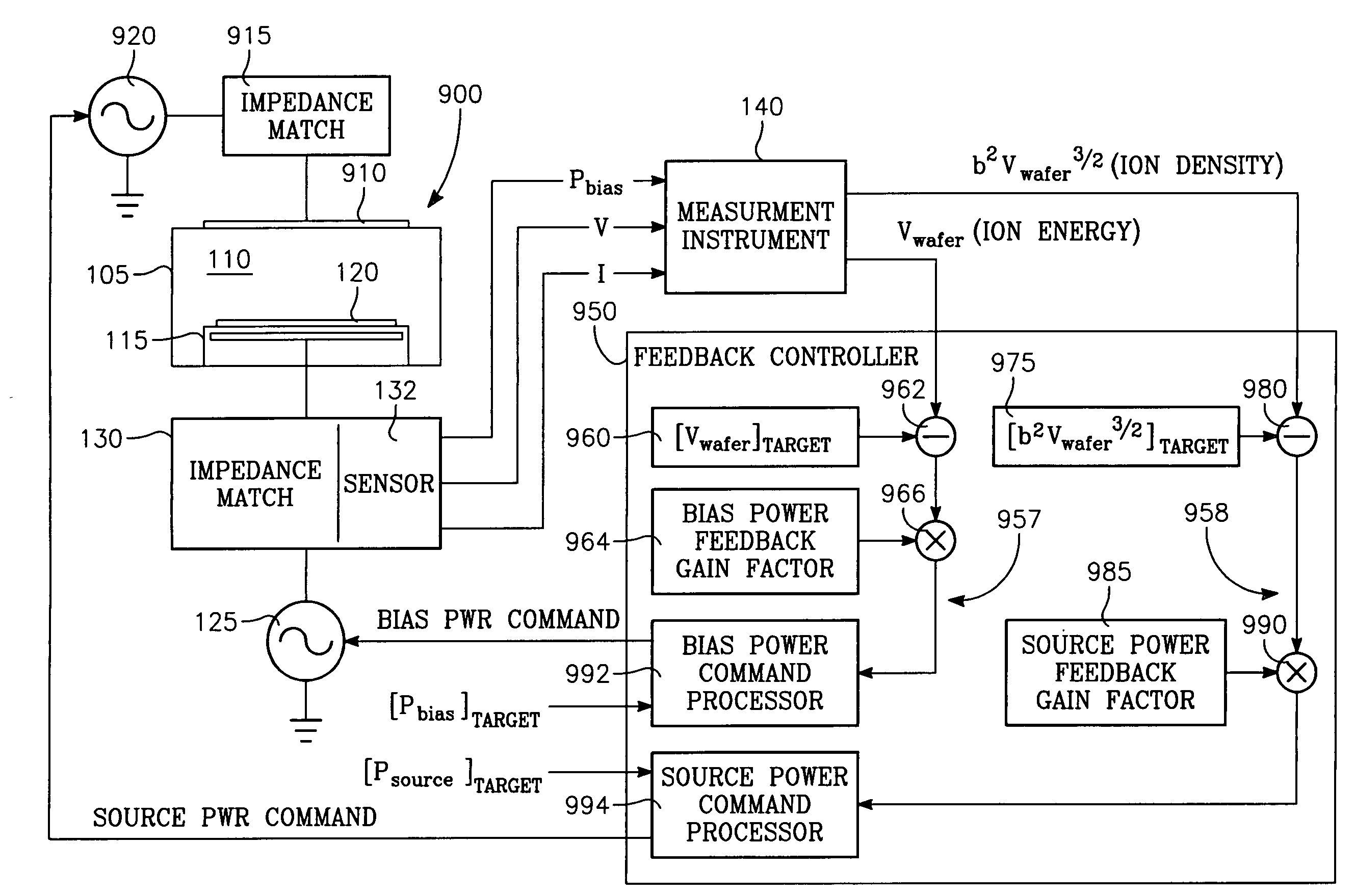
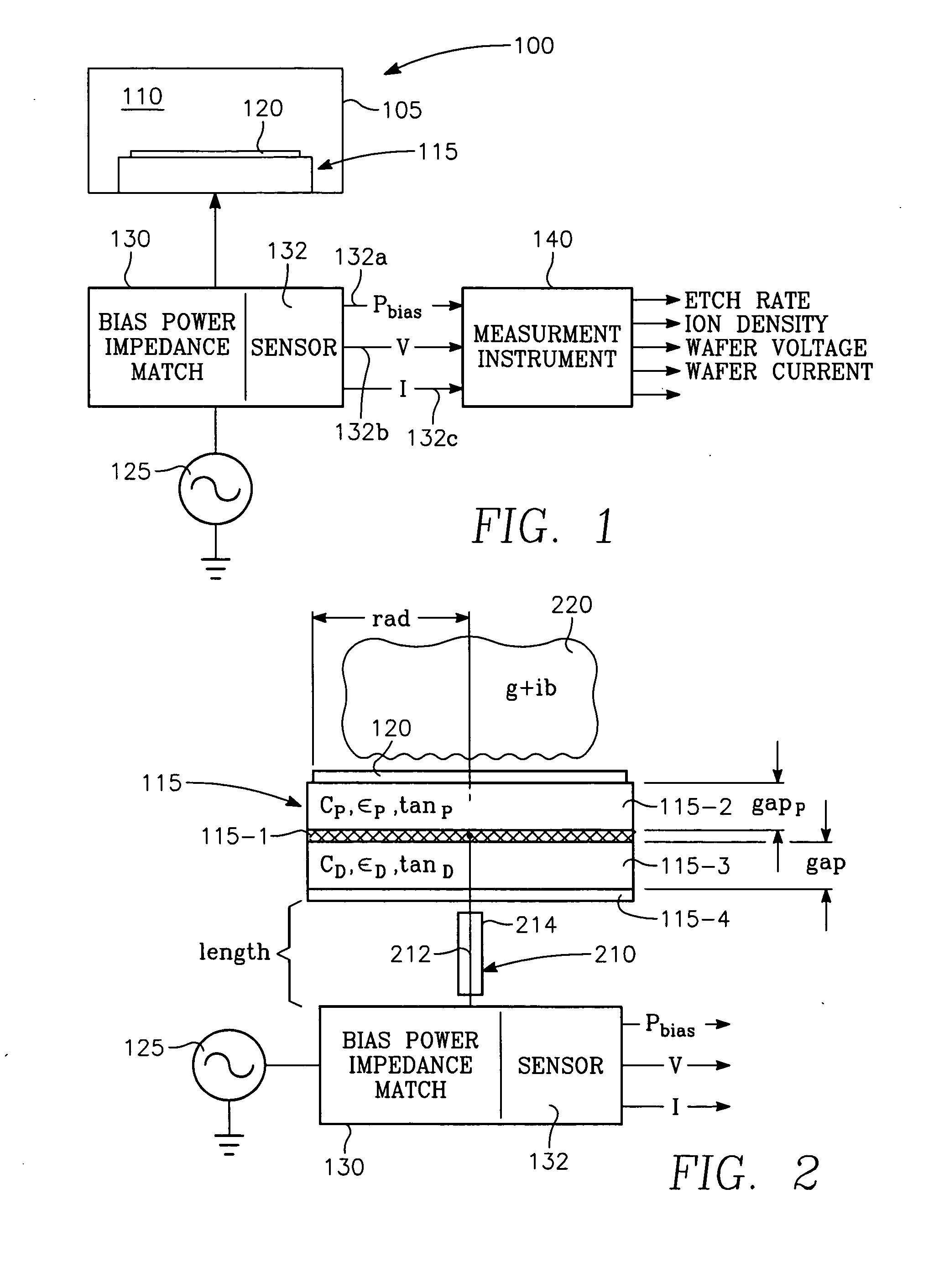
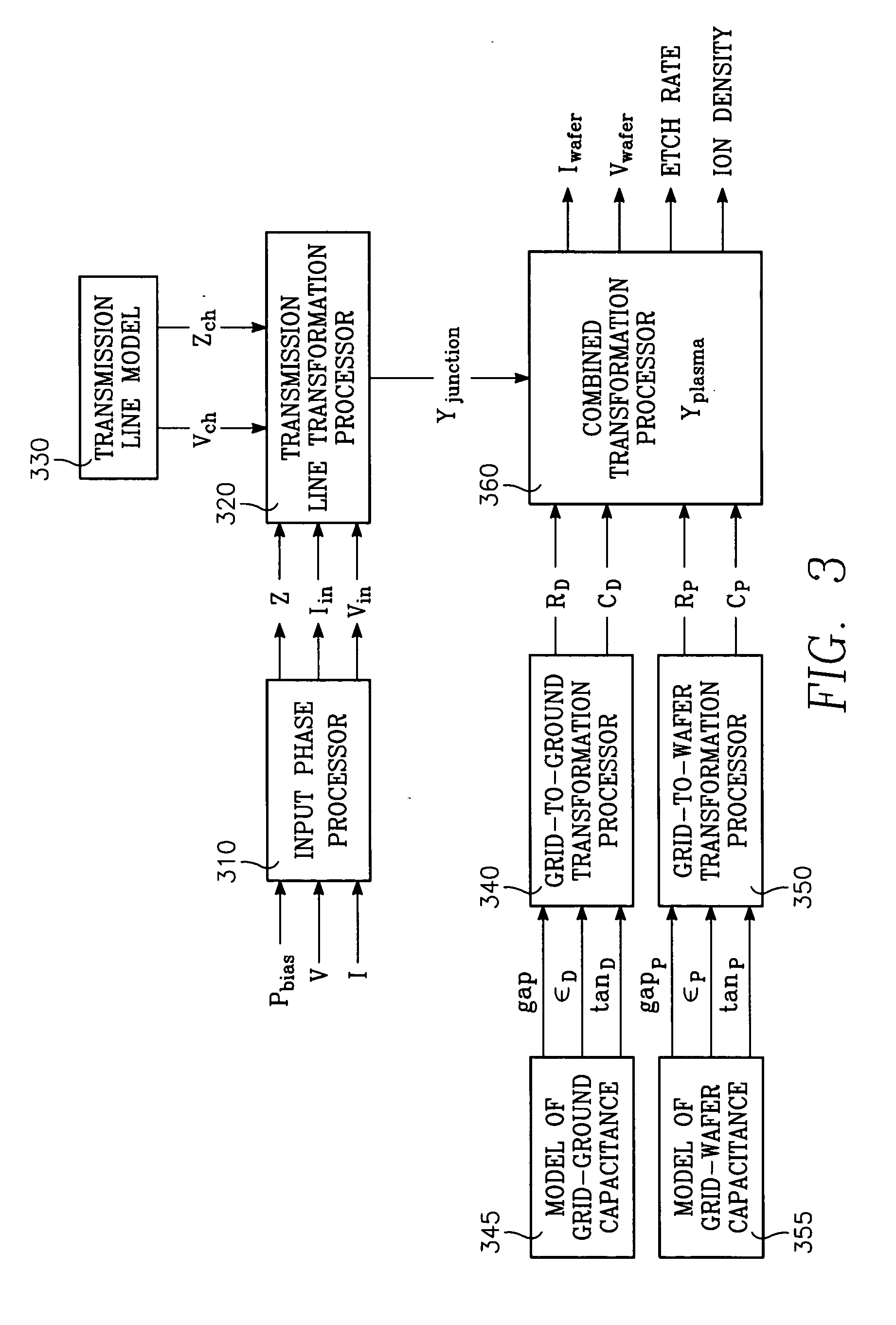
- A method involving a measurement instrument that uses conventional electrical sensors to accurately measure wafer voltage, wafer current, and ion density in real-time, allowing for separate feedback control loops for plasma source power and bias power, enabling instantaneous adjustment of target values for ion density and ion energy, and parameterizing performance parameters as functions of source power and bias power levels.


Method of controlling chamber parameters of a plasma reactor in accordance with desired values of plural plasma parameters, by translating desired values for the plural plasma parameters to control values for each of the chamber parameters
PatentInactiveUS20060278610A1
Innovation
- A measurement instrument that uses conventional electrical sensors to accurately measure wafer voltage, wafer current, and ion density in real-time, enabling separate feedback control loops for plasma source and bias power, allowing for instantaneous adjustment of target values for ion energy and ion density.

Safety Standards for Industrial Plasma Systems
Industrial plasma systems for catalytic applications operate under extreme conditions that necessitate comprehensive safety frameworks to protect personnel, equipment, and surrounding environments. The inherent risks associated with high-voltage electrical systems, reactive plasma species, and elevated temperatures demand rigorous adherence to established safety protocols and emerging industry standards.
Current safety standards for industrial plasma catalysis systems are primarily governed by international frameworks including IEC 61010 for electrical safety in laboratory and industrial equipment, and ISO 14971 for risk management in medical devices, which has been adapted for plasma applications. The IEEE Standards Association has developed specific guidelines for plasma processing equipment, emphasizing electrical isolation, emergency shutdown procedures, and containment protocols for reactive species.
Electrical safety represents the most critical aspect of plasma system operation, requiring multiple layers of protection including ground fault circuit interrupters, arc fault detection systems, and fail-safe interlocking mechanisms. Personnel protection standards mandate minimum clearance distances from high-voltage components, specialized personal protective equipment rated for electrical and chemical hazards, and comprehensive training protocols for operators handling plasma generation equipment.
Gas handling and containment standards address the management of precursor gases, reaction byproducts, and potential toxic species generated during plasma catalytic processes. Ventilation systems must comply with ACGIH guidelines for industrial hygiene, incorporating redundant exhaust systems and real-time monitoring of atmospheric contaminants. Emergency response protocols require automated gas shutoff valves, leak detection systems, and specialized fire suppression systems compatible with electrical equipment.
Emerging safety considerations focus on electromagnetic interference mitigation, as plasma systems can generate significant RF emissions that may affect nearby electronic equipment and communication systems. Shielding requirements and EMC compliance testing are becoming increasingly important as plasma catalysis systems are integrated into larger industrial processes.
The development of autonomous plasma control systems introduces new safety challenges related to cybersecurity and fail-safe operation modes. Standards are evolving to address software validation, secure communication protocols, and human-machine interface design that ensures safe manual override capabilities during automated operation sequences.
Current safety standards for industrial plasma catalysis systems are primarily governed by international frameworks including IEC 61010 for electrical safety in laboratory and industrial equipment, and ISO 14971 for risk management in medical devices, which has been adapted for plasma applications. The IEEE Standards Association has developed specific guidelines for plasma processing equipment, emphasizing electrical isolation, emergency shutdown procedures, and containment protocols for reactive species.
Electrical safety represents the most critical aspect of plasma system operation, requiring multiple layers of protection including ground fault circuit interrupters, arc fault detection systems, and fail-safe interlocking mechanisms. Personnel protection standards mandate minimum clearance distances from high-voltage components, specialized personal protective equipment rated for electrical and chemical hazards, and comprehensive training protocols for operators handling plasma generation equipment.
Gas handling and containment standards address the management of precursor gases, reaction byproducts, and potential toxic species generated during plasma catalytic processes. Ventilation systems must comply with ACGIH guidelines for industrial hygiene, incorporating redundant exhaust systems and real-time monitoring of atmospheric contaminants. Emergency response protocols require automated gas shutoff valves, leak detection systems, and specialized fire suppression systems compatible with electrical equipment.
Emerging safety considerations focus on electromagnetic interference mitigation, as plasma systems can generate significant RF emissions that may affect nearby electronic equipment and communication systems. Shielding requirements and EMC compliance testing are becoming increasingly important as plasma catalysis systems are integrated into larger industrial processes.
The development of autonomous plasma control systems introduces new safety challenges related to cybersecurity and fail-safe operation modes. Standards are evolving to address software validation, secure communication protocols, and human-machine interface design that ensures safe manual override capabilities during automated operation sequences.
Environmental Impact of Plasma Catalysis Applications
Plasma catalysis applications present significant environmental implications that must be carefully evaluated alongside their technological benefits. The environmental impact assessment encompasses both positive contributions to pollution control and potential negative effects from the technology implementation itself.
The most prominent environmental benefit of plasma catalysis lies in its capacity for air pollution remediation. Non-thermal plasma systems demonstrate exceptional effectiveness in decomposing volatile organic compounds, nitrogen oxides, and other atmospheric pollutants at relatively low temperatures. This capability positions plasma catalysis as a promising solution for industrial emission control, particularly in sectors where conventional thermal catalysis proves energy-intensive or ineffective.
Energy consumption represents a critical environmental consideration for plasma catalysis systems. While non-thermal plasma operates at lower temperatures than traditional thermal processes, the electrical energy requirements for plasma generation can be substantial. The environmental footprint largely depends on the source of electrical power, with renewable energy integration significantly reducing the overall carbon impact of plasma catalytic processes.
Ozone generation constitutes an inherent environmental concern in many plasma applications. Although ozone serves as a powerful oxidizing agent beneficial for certain catalytic reactions, its release into the atmosphere poses environmental and health risks. Advanced plasma reactor designs incorporate ozone decomposition mechanisms and careful parameter control to minimize unwanted ozone emissions while maintaining catalytic efficiency.
The production of secondary pollutants during plasma catalytic processes requires thorough environmental assessment. While primary pollutants undergo decomposition, the formation of intermediate compounds or byproducts may introduce new environmental challenges. Comprehensive monitoring and optimization of plasma parameters become essential to ensure complete mineralization of target pollutants without generating harmful secondary species.
Lifecycle environmental impact analysis reveals that plasma catalysis systems typically demonstrate favorable environmental profiles compared to conventional alternatives. The absence of high-temperature requirements reduces thermal pollution, while the potential for decentralized treatment systems minimizes transportation-related environmental impacts. However, the manufacturing and disposal of plasma generation equipment, particularly electrode materials and power electronics, contribute to the overall environmental footprint and require sustainable material selection and end-of-life management strategies.
The most prominent environmental benefit of plasma catalysis lies in its capacity for air pollution remediation. Non-thermal plasma systems demonstrate exceptional effectiveness in decomposing volatile organic compounds, nitrogen oxides, and other atmospheric pollutants at relatively low temperatures. This capability positions plasma catalysis as a promising solution for industrial emission control, particularly in sectors where conventional thermal catalysis proves energy-intensive or ineffective.
Energy consumption represents a critical environmental consideration for plasma catalysis systems. While non-thermal plasma operates at lower temperatures than traditional thermal processes, the electrical energy requirements for plasma generation can be substantial. The environmental footprint largely depends on the source of electrical power, with renewable energy integration significantly reducing the overall carbon impact of plasma catalytic processes.
Ozone generation constitutes an inherent environmental concern in many plasma applications. Although ozone serves as a powerful oxidizing agent beneficial for certain catalytic reactions, its release into the atmosphere poses environmental and health risks. Advanced plasma reactor designs incorporate ozone decomposition mechanisms and careful parameter control to minimize unwanted ozone emissions while maintaining catalytic efficiency.
The production of secondary pollutants during plasma catalytic processes requires thorough environmental assessment. While primary pollutants undergo decomposition, the formation of intermediate compounds or byproducts may introduce new environmental challenges. Comprehensive monitoring and optimization of plasma parameters become essential to ensure complete mineralization of target pollutants without generating harmful secondary species.
Lifecycle environmental impact analysis reveals that plasma catalysis systems typically demonstrate favorable environmental profiles compared to conventional alternatives. The absence of high-temperature requirements reduces thermal pollution, while the potential for decentralized treatment systems minimizes transportation-related environmental impacts. However, the manufacturing and disposal of plasma generation equipment, particularly electrode materials and power electronics, contribute to the overall environmental footprint and require sustainable material selection and end-of-life management strategies.
Unlock deeper insights with PatSnap Eureka Quick Research — get a full tech report to explore trends and direct your research. Try now!
Generate Your Research Report Instantly with AI Agent
Supercharge your innovation with PatSnap Eureka AI Agent Platform!