

Optimize Plasma-Induced Surface Reactions for Enhanced Durability
APR 14, 20269 MIN READ
Generate Your Research Report Instantly with AI Agent
PatSnap Eureka helps you evaluate technical feasibility & market potential.
Plasma Surface Treatment Background and Durability Goals
Plasma surface treatment has emerged as a pivotal technology in materials engineering, fundamentally altering surface properties through controlled ionized gas interactions. This non-thermal plasma technology operates by generating reactive species, ions, and electrons that interact with material surfaces at the molecular level, enabling precise modification of surface chemistry, morphology, and functionality without affecting bulk material properties.
The evolution of plasma surface treatment spans several decades, beginning with basic corona discharge applications in the 1960s and advancing to sophisticated atmospheric and low-pressure plasma systems. Early applications focused primarily on polymer surface activation for adhesion improvement, but the technology has since expanded to encompass metal treatment, ceramic modification, and composite material enhancement across aerospace, automotive, biomedical, and electronics industries.
Contemporary plasma treatment systems utilize various discharge mechanisms including dielectric barrier discharge, atmospheric pressure plasma jets, and radio frequency capacitive coupling. These systems generate reactive oxygen and nitrogen species, enabling surface functionalization through oxidation, nitridation, and polymer grafting reactions. The technology's versatility allows for selective surface modification while preserving substrate integrity.
Current durability enhancement goals center on achieving long-term surface stability under harsh environmental conditions. Primary objectives include extending coating adhesion lifetimes from months to years, improving corrosion resistance by orders of magnitude, and maintaining surface functionality under thermal cycling, UV exposure, and chemical attack. These goals are particularly critical in aerospace applications where component failure costs are prohibitive.
The optimization challenge lies in controlling plasma-induced reaction kinetics to create durable surface modifications. Traditional approaches often produce temporary surface activation that degrades within hours or days due to surface reconstruction and contamination. Advanced durability targets require stable covalent bonding, controlled surface roughness, and resistance to environmental degradation mechanisms.
Emerging durability goals focus on developing self-healing surface functionalities and multi-layered treatment approaches. These include creating gradient surface compositions that provide both immediate functionality and long-term stability, as well as incorporating nanostructured features that enhance mechanical interlocking and chemical bonding simultaneously.
The evolution of plasma surface treatment spans several decades, beginning with basic corona discharge applications in the 1960s and advancing to sophisticated atmospheric and low-pressure plasma systems. Early applications focused primarily on polymer surface activation for adhesion improvement, but the technology has since expanded to encompass metal treatment, ceramic modification, and composite material enhancement across aerospace, automotive, biomedical, and electronics industries.
Contemporary plasma treatment systems utilize various discharge mechanisms including dielectric barrier discharge, atmospheric pressure plasma jets, and radio frequency capacitive coupling. These systems generate reactive oxygen and nitrogen species, enabling surface functionalization through oxidation, nitridation, and polymer grafting reactions. The technology's versatility allows for selective surface modification while preserving substrate integrity.
Current durability enhancement goals center on achieving long-term surface stability under harsh environmental conditions. Primary objectives include extending coating adhesion lifetimes from months to years, improving corrosion resistance by orders of magnitude, and maintaining surface functionality under thermal cycling, UV exposure, and chemical attack. These goals are particularly critical in aerospace applications where component failure costs are prohibitive.
The optimization challenge lies in controlling plasma-induced reaction kinetics to create durable surface modifications. Traditional approaches often produce temporary surface activation that degrades within hours or days due to surface reconstruction and contamination. Advanced durability targets require stable covalent bonding, controlled surface roughness, and resistance to environmental degradation mechanisms.
Emerging durability goals focus on developing self-healing surface functionalities and multi-layered treatment approaches. These include creating gradient surface compositions that provide both immediate functionality and long-term stability, as well as incorporating nanostructured features that enhance mechanical interlocking and chemical bonding simultaneously.
Market Demand for Enhanced Surface Durability Solutions
The global market for enhanced surface durability solutions is experiencing unprecedented growth driven by increasing demands across multiple industrial sectors. Manufacturing industries are facing mounting pressure to extend equipment lifespan while reducing maintenance costs, creating substantial opportunities for plasma-induced surface treatment technologies. The aerospace sector particularly demands advanced surface modification techniques to improve component resistance against extreme environmental conditions, corrosion, and mechanical wear.
Automotive manufacturers are actively seeking surface enhancement solutions to meet stringent durability requirements for engine components, transmission systems, and exterior parts. The shift toward electric vehicles has intensified the need for specialized surface treatments that can withstand unique operational stresses and environmental exposures. Medical device manufacturers represent another significant market segment, requiring biocompatible surface modifications that enhance device longevity while maintaining safety standards.
The semiconductor industry presents substantial market potential for plasma-based surface treatments, as miniaturization trends demand precise surface modifications to improve device reliability and performance. Consumer electronics manufacturers are increasingly adopting advanced surface durability solutions to meet consumer expectations for longer-lasting products while maintaining competitive pricing structures.
Energy sector applications, including renewable energy infrastructure and traditional power generation equipment, require surface treatments capable of withstanding harsh operational environments. Wind turbine components, solar panel frameworks, and power transmission equipment represent growing market segments for enhanced durability solutions.
Market drivers include regulatory pressures for improved product longevity, sustainability initiatives promoting extended equipment lifecycles, and cost reduction strategies focused on minimizing replacement frequencies. The increasing complexity of modern manufacturing processes has created demand for more sophisticated surface treatment technologies that can address multiple durability challenges simultaneously.
Regional market dynamics show strong growth potential in Asia-Pacific manufacturing hubs, North American aerospace and automotive sectors, and European industrial equipment markets. The convergence of Industry 4.0 initiatives with advanced surface treatment technologies is creating new market opportunities for integrated durability enhancement solutions.
Automotive manufacturers are actively seeking surface enhancement solutions to meet stringent durability requirements for engine components, transmission systems, and exterior parts. The shift toward electric vehicles has intensified the need for specialized surface treatments that can withstand unique operational stresses and environmental exposures. Medical device manufacturers represent another significant market segment, requiring biocompatible surface modifications that enhance device longevity while maintaining safety standards.
The semiconductor industry presents substantial market potential for plasma-based surface treatments, as miniaturization trends demand precise surface modifications to improve device reliability and performance. Consumer electronics manufacturers are increasingly adopting advanced surface durability solutions to meet consumer expectations for longer-lasting products while maintaining competitive pricing structures.
Energy sector applications, including renewable energy infrastructure and traditional power generation equipment, require surface treatments capable of withstanding harsh operational environments. Wind turbine components, solar panel frameworks, and power transmission equipment represent growing market segments for enhanced durability solutions.
Market drivers include regulatory pressures for improved product longevity, sustainability initiatives promoting extended equipment lifecycles, and cost reduction strategies focused on minimizing replacement frequencies. The increasing complexity of modern manufacturing processes has created demand for more sophisticated surface treatment technologies that can address multiple durability challenges simultaneously.
Regional market dynamics show strong growth potential in Asia-Pacific manufacturing hubs, North American aerospace and automotive sectors, and European industrial equipment markets. The convergence of Industry 4.0 initiatives with advanced surface treatment technologies is creating new market opportunities for integrated durability enhancement solutions.
Current State and Challenges in Plasma Surface Modification
Plasma surface modification has emerged as a critical technology across multiple industries, with applications ranging from biomedical implants to aerospace components. The current state of this field demonstrates significant advancement in fundamental understanding of plasma-surface interactions, yet substantial challenges remain in achieving consistent, predictable, and durable surface modifications. Contemporary plasma systems utilize various discharge types including atmospheric pressure plasmas, low-pressure glow discharges, and pulsed plasma sources, each offering distinct advantages for specific applications.
The primary challenge facing the industry lies in controlling the complex interplay between plasma parameters and surface chemistry. Current systems often struggle with spatial uniformity across large surface areas, leading to inconsistent modification depths and chemical compositions. Temperature control represents another critical bottleneck, as excessive heating can damage substrate materials or create unwanted thermal stress patterns that compromise long-term durability.
Reproducibility issues plague many existing plasma modification processes, particularly when transitioning from laboratory-scale to industrial production. Variations in ambient conditions, electrode wear, and gas purity significantly impact reaction outcomes, making it difficult to maintain consistent surface properties across production batches. This variability directly affects the durability of modified surfaces, as non-uniform treatments create weak points susceptible to degradation.
Surface characterization and real-time monitoring capabilities remain inadequate for optimizing plasma-induced reactions. Most current systems rely on post-process analysis rather than in-situ monitoring, preventing real-time adjustments that could enhance treatment effectiveness. The lack of comprehensive understanding regarding the relationship between plasma parameters and long-term surface stability further complicates optimization efforts.
Geographically, plasma surface modification technology development is concentrated in regions with strong semiconductor and materials science industries. North America and Europe lead in fundamental research and high-end applications, while Asia-Pacific regions dominate manufacturing-scale implementations. However, knowledge transfer between research institutions and industrial applications remains fragmented, creating gaps in practical optimization strategies.
The integration of plasma modification with other surface treatment technologies presents both opportunities and challenges. While hybrid approaches show promise for enhanced durability, they introduce additional complexity in process control and quality assurance, requiring sophisticated understanding of multi-step surface chemistry interactions.
The primary challenge facing the industry lies in controlling the complex interplay between plasma parameters and surface chemistry. Current systems often struggle with spatial uniformity across large surface areas, leading to inconsistent modification depths and chemical compositions. Temperature control represents another critical bottleneck, as excessive heating can damage substrate materials or create unwanted thermal stress patterns that compromise long-term durability.
Reproducibility issues plague many existing plasma modification processes, particularly when transitioning from laboratory-scale to industrial production. Variations in ambient conditions, electrode wear, and gas purity significantly impact reaction outcomes, making it difficult to maintain consistent surface properties across production batches. This variability directly affects the durability of modified surfaces, as non-uniform treatments create weak points susceptible to degradation.
Surface characterization and real-time monitoring capabilities remain inadequate for optimizing plasma-induced reactions. Most current systems rely on post-process analysis rather than in-situ monitoring, preventing real-time adjustments that could enhance treatment effectiveness. The lack of comprehensive understanding regarding the relationship between plasma parameters and long-term surface stability further complicates optimization efforts.
Geographically, plasma surface modification technology development is concentrated in regions with strong semiconductor and materials science industries. North America and Europe lead in fundamental research and high-end applications, while Asia-Pacific regions dominate manufacturing-scale implementations. However, knowledge transfer between research institutions and industrial applications remains fragmented, creating gaps in practical optimization strategies.
The integration of plasma modification with other surface treatment technologies presents both opportunities and challenges. While hybrid approaches show promise for enhanced durability, they introduce additional complexity in process control and quality assurance, requiring sophisticated understanding of multi-step surface chemistry interactions.
Existing Plasma Optimization Methods for Durability Enhancement
01 Plasma treatment for surface modification and adhesion enhancement
Plasma treatment can be used to modify surface properties of materials to improve adhesion, wettability, and bonding characteristics. The process involves exposing surfaces to plasma-generated reactive species that create functional groups and increase surface energy. This treatment enhances the durability of subsequent coatings, adhesives, or printing by creating a more receptive surface. The plasma-induced modifications can be controlled through parameters such as gas composition, power, and treatment time to achieve desired surface characteristics.- Plasma treatment for surface modification and adhesion enhancement: Plasma treatment can be used to modify surface properties of materials to improve adhesion, wettability, and bonding characteristics. The process involves exposing surfaces to ionized gas which creates reactive species that chemically alter the surface layer. This modification enhances the durability of subsequent coatings, adhesives, or printing by creating functional groups and increasing surface energy. The treatment can be applied to various substrates including polymers, metals, and composites to achieve long-lasting surface modifications.
- Protective coating application after plasma activation: Following plasma surface activation, protective coatings can be applied to maintain the enhanced surface properties and extend durability. The plasma-treated surface provides improved anchoring sites for coatings, resulting in better mechanical interlocking and chemical bonding. These protective layers help preserve the plasma-induced modifications against environmental degradation, wear, and chemical exposure. The combination of plasma treatment and coating application creates synergistic effects for long-term surface performance.
- Atmospheric pressure plasma processing for industrial applications: Atmospheric pressure plasma systems enable continuous surface treatment without vacuum requirements, making them suitable for large-scale industrial production. These systems generate stable plasma at ambient pressure using various gas mixtures and power sources. The technology allows for inline processing of materials with consistent treatment quality and improved throughput. The durability of surface modifications achieved through atmospheric plasma depends on process parameters such as gas composition, power density, and treatment time.
- Plasma polymerization for durable functional coatings: Plasma polymerization creates thin, adherent films directly on substrate surfaces through the fragmentation and recombination of monomer molecules in plasma. These plasma-deposited coatings exhibit excellent durability due to their crosslinked structure and strong covalent bonding to the substrate. The technique enables the deposition of functional coatings with tailored properties such as barrier performance, chemical resistance, and biocompatibility. The durability of plasma-polymerized films can be controlled by adjusting deposition parameters and monomer selection.
- Stability and aging of plasma-treated surfaces: The long-term stability of plasma-treated surfaces is influenced by environmental factors including temperature, humidity, and exposure to contaminants. Surface modifications can undergo aging processes where activated functional groups gradually lose reactivity or reorient away from the surface. Strategies to improve durability include post-plasma treatments, storage conditions optimization, and the use of stabilizing agents. Understanding the aging mechanisms is crucial for maintaining the desired surface properties over extended periods in practical applications.
02 Protective coating application after plasma activation
Following plasma surface activation, protective coatings can be applied to enhance durability and resistance to environmental degradation. The plasma treatment creates reactive sites that facilitate strong chemical bonding between the substrate and coating materials. These coatings provide long-term protection against wear, corrosion, and chemical attack while maintaining the benefits of the initial plasma modification. The combination of plasma treatment and coating application results in superior performance compared to conventional surface preparation methods.Expand Specific Solutions03 Plasma polymerization for durable thin film formation
Plasma polymerization techniques enable the deposition of thin, durable polymer films directly onto substrate surfaces through plasma-induced reactions. The process creates highly crosslinked, pinhole-free coatings with excellent adhesion and chemical resistance. These plasma-polymerized films exhibit superior durability compared to conventionally applied coatings due to their dense structure and strong interfacial bonding. The technique is particularly effective for creating barrier layers and functional surfaces with long-lasting properties.Expand Specific Solutions04 Surface functionalization through plasma-assisted grafting
Plasma-assisted grafting involves using plasma to initiate chemical reactions that permanently attach functional molecules to substrate surfaces. This approach creates durable surface modifications by forming covalent bonds between the grafted species and the substrate. The resulting functionalized surfaces maintain their properties over extended periods and under harsh conditions. This method is effective for introducing specific chemical functionalities such as hydrophilicity, biocompatibility, or chemical reactivity while ensuring long-term stability.Expand Specific Solutions05 Atmospheric pressure plasma treatment for industrial durability applications
Atmospheric pressure plasma systems enable continuous, inline surface treatment for industrial applications without requiring vacuum chambers. These systems generate stable plasma at ambient pressure, allowing for cost-effective and scalable surface modification processes. The treatment improves surface durability by creating uniform activation across large areas and complex geometries. This approach is particularly suitable for high-volume manufacturing where consistent, long-lasting surface properties are required for product performance and longevity.Expand Specific Solutions
Key Players in Plasma Treatment and Surface Engineering
The plasma-induced surface reaction optimization field represents a mature technology sector experiencing steady growth, driven by increasing demand for enhanced material durability across semiconductor, automotive, and medical device industries. The market demonstrates significant scale with established players like Applied Materials, ASML Netherlands, and Taiwan Semiconductor Manufacturing leading semiconductor applications, while diversified corporations such as 3M, Corning, and Daikin Industries leverage plasma technologies for specialty materials and coatings. Technology maturity varies across applications, with companies like Advanced Micro Fabrication Equipment and Molecular Plasma Group pushing innovation boundaries in specialized plasma processing, while traditional manufacturers like Boeing, Ford Global Technologies, and LG Chem integrate established plasma surface treatments into their production workflows. Research institutions including Fraunhofer-Gesellschaft and University of Washington continue advancing fundamental plasma chemistry understanding, supporting the field's evolution toward more precise, application-specific surface modification solutions.
Fraunhofer-Gesellschaft eV
Technical Solution: Fraunhofer institutes conduct extensive research on plasma-surface interaction optimization, developing novel plasma treatment methods for enhanced material durability. Their research focuses on atmospheric pressure plasma jets, low-temperature plasma processing, and plasma-assisted surface functionalization techniques. The organization's plasma optimization strategies include tailored plasma chemistry design, pulsed plasma operation modes, and multi-parameter process control to achieve desired surface properties while minimizing thermal and ion-induced damage. Fraunhofer's plasma research encompasses surface activation, cleaning, coating, and modification processes across various industrial applications including automotive, aerospace, and medical device manufacturing.
Strengths: Comprehensive research capabilities, innovative plasma technologies, strong industry collaboration network. Weaknesses: Research-focused organization with limited commercial manufacturing scale, longer technology transfer timelines.
Applied Materials, Inc.
Technical Solution: Applied Materials develops advanced plasma processing systems with precise control over ion energy distribution and radical species generation for semiconductor manufacturing. Their plasma-enhanced chemical vapor deposition (PECVD) and atomic layer etching (ALE) technologies utilize sophisticated gas chemistry optimization and real-time plasma monitoring to minimize surface damage while maximizing process uniformity. The company's plasma systems incorporate advanced electrode designs, temperature control mechanisms, and multi-frequency power delivery to optimize plasma-surface interactions for enhanced material durability and reduced defect formation.
Strengths: Industry-leading plasma control technology, extensive R&D capabilities, strong market presence in semiconductor equipment. Weaknesses: High equipment costs, complex system integration requirements.
Core Innovations in Plasma-Surface Interaction Control
Suppression of plasma-induced surface degradation by irradiation of light
PatentWO2025252350A1
Innovation
- Irradiate plasma-facing surfaces with additional radiation of wavelengths 300 nm or more to induce photoelectric effect, releasing electrons that decelerate high-energy electrons and suppress ion-accelerating sheaths, using sources like LEDs or optical fibers.


Plasma torch for microwave induced plasmas
PatentInactiveUS20050242070A1
Innovation
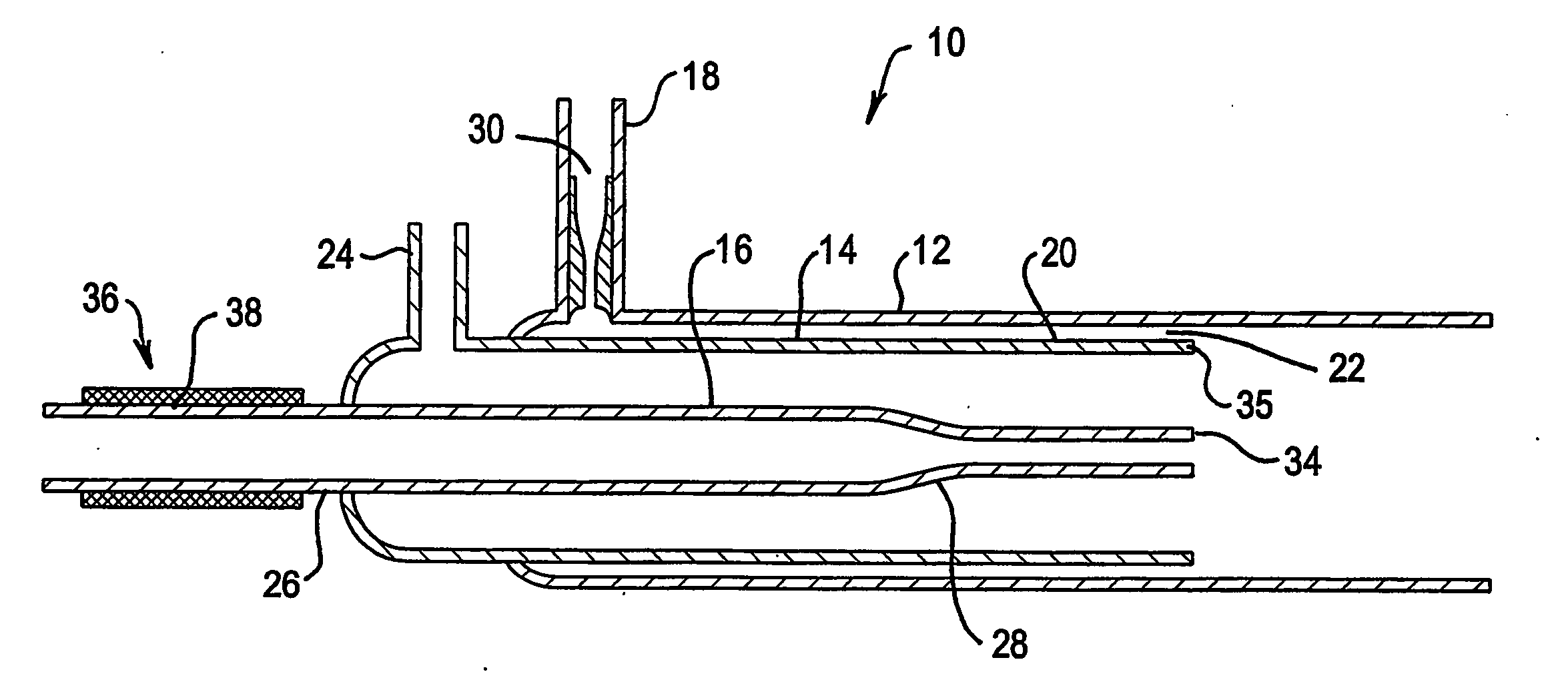
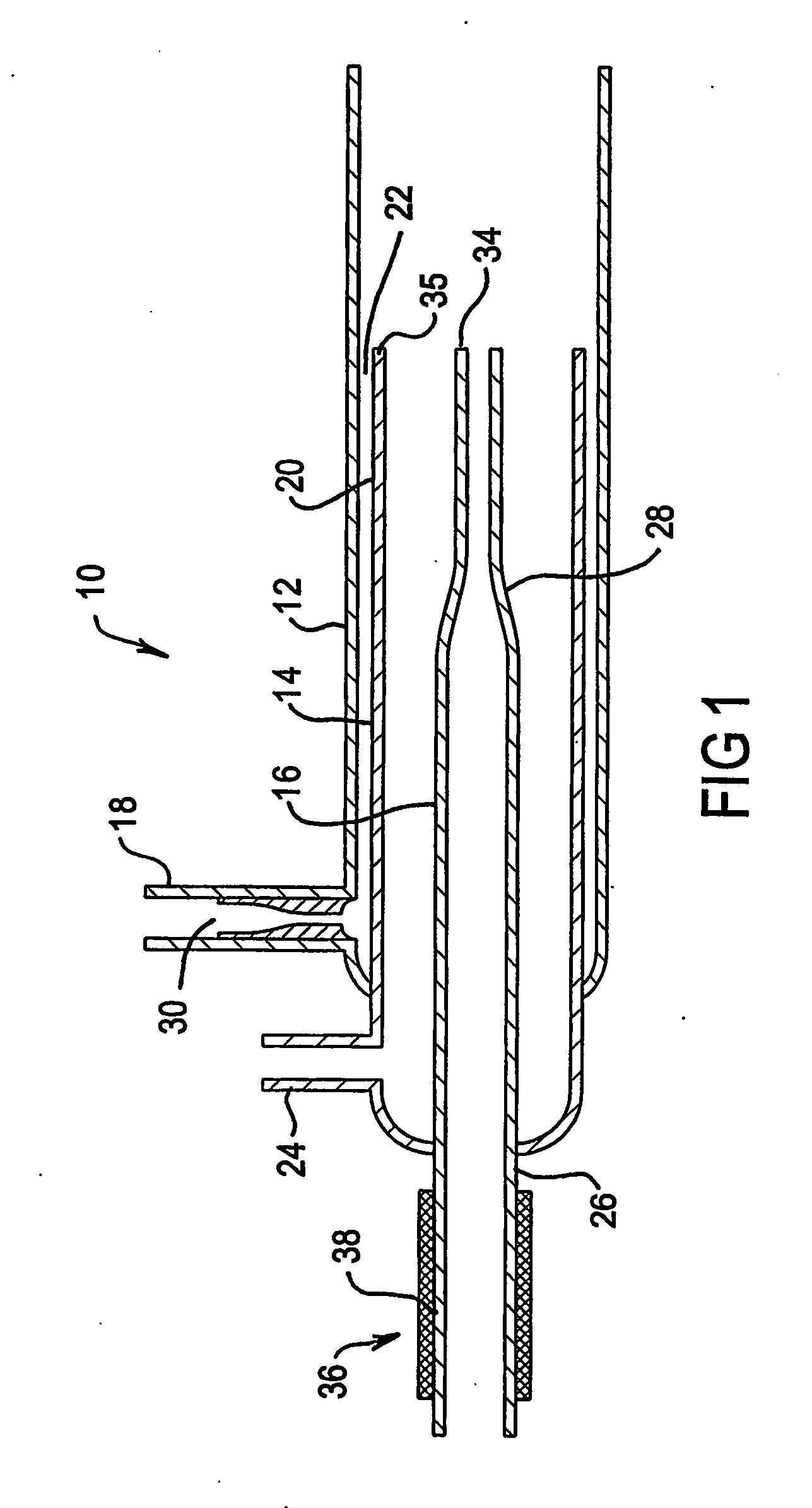
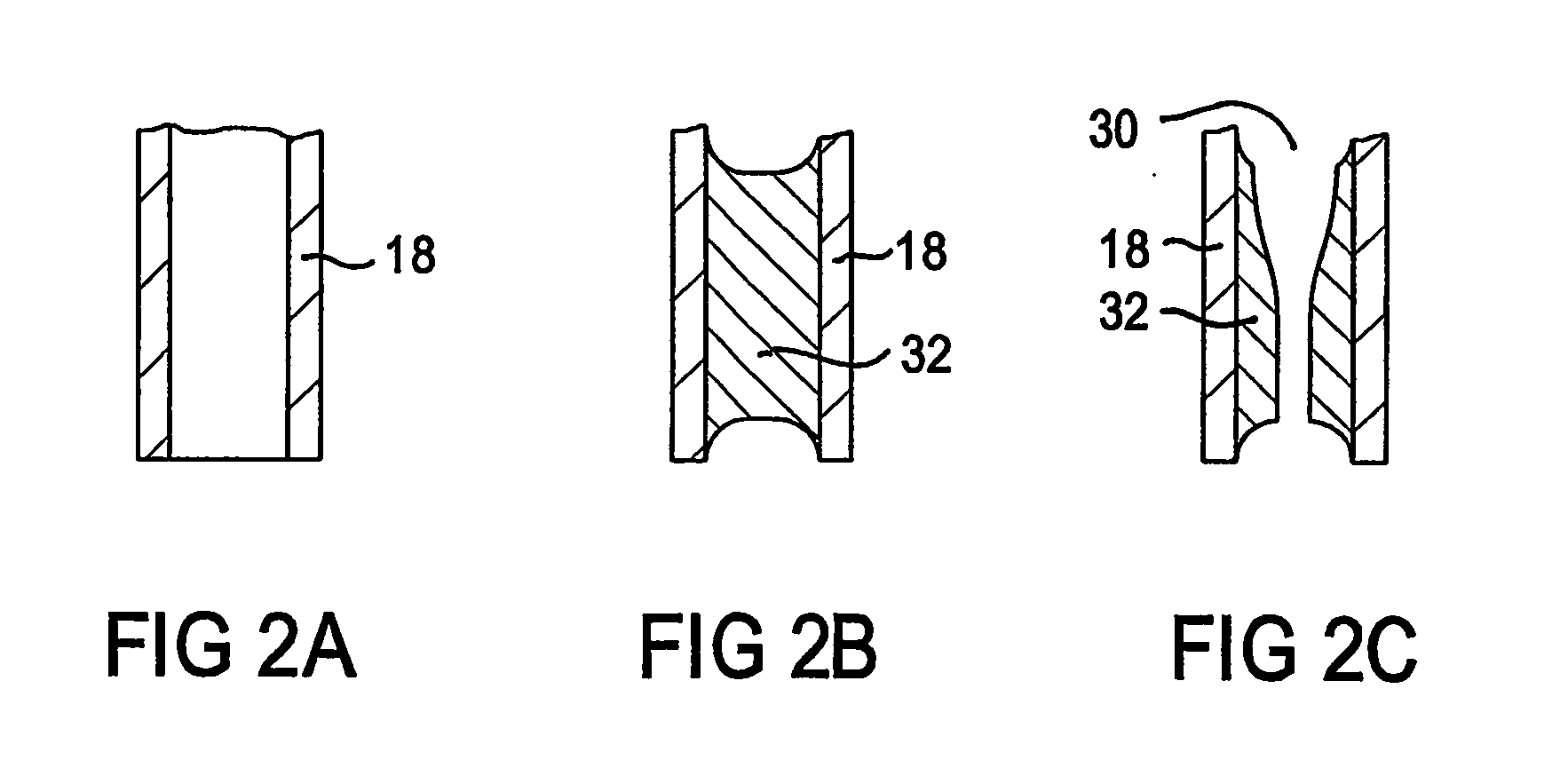
- A microwave induced plasma torch design featuring concentric tubes with an offset outer-gas inlet creating a spiral sheathing gas flow, a restriction to increase gas velocity, and a heater to evaporate sample aerosol, improving plasma confinement and stability, and reducing blockage issues with high total dissolved solids samples.
Environmental Impact Assessment of Plasma Processes
Plasma-based surface modification processes present both significant environmental opportunities and challenges that require comprehensive evaluation. The environmental impact of plasma processes varies considerably depending on the specific technology employed, operational parameters, and target applications. Cold atmospheric plasma systems generally demonstrate superior environmental profiles compared to traditional thermal plasma processes, consuming less energy and producing fewer harmful byproducts.
Energy consumption represents a primary environmental consideration in plasma surface treatment operations. Modern plasma systems typically require substantial electrical power input, with energy efficiency varying from 10-60% depending on the plasma generation method and process optimization. Radio frequency and microwave plasma systems often exhibit higher energy efficiency compared to direct current discharge systems, particularly when treating large surface areas for durability enhancement applications.
Gas consumption and emission profiles constitute critical environmental factors in plasma process assessment. Atmospheric pressure plasma systems utilizing ambient air or nitrogen demonstrate reduced environmental impact compared to vacuum-based processes requiring specialized gas mixtures. However, certain plasma treatments may generate nitrogen oxides, ozone, or other reactive species that require proper ventilation and emission control systems to prevent atmospheric release.
Waste generation from plasma surface modification processes remains relatively minimal compared to conventional chemical treatment methods. Unlike wet chemical processes, plasma treatments typically produce no liquid waste streams or hazardous chemical residues. The primary waste products consist of removed surface contaminants and modified material particles, which can often be collected through standard filtration systems.
Chemical precursor usage in plasma-enhanced processes requires careful environmental evaluation. While many plasma treatments operate without chemical additives, certain applications may incorporate organosilicon compounds, fluorinated gases, or other precursors that could pose environmental concerns if not properly managed. The selection of environmentally benign precursors and efficient utilization rates significantly influence overall process sustainability.
Life cycle assessment studies indicate that plasma surface treatments often provide net environmental benefits through enhanced product durability and extended service life. The environmental cost of plasma processing is frequently offset by reduced material replacement requirements and improved product performance over extended operational periods.
Energy consumption represents a primary environmental consideration in plasma surface treatment operations. Modern plasma systems typically require substantial electrical power input, with energy efficiency varying from 10-60% depending on the plasma generation method and process optimization. Radio frequency and microwave plasma systems often exhibit higher energy efficiency compared to direct current discharge systems, particularly when treating large surface areas for durability enhancement applications.
Gas consumption and emission profiles constitute critical environmental factors in plasma process assessment. Atmospheric pressure plasma systems utilizing ambient air or nitrogen demonstrate reduced environmental impact compared to vacuum-based processes requiring specialized gas mixtures. However, certain plasma treatments may generate nitrogen oxides, ozone, or other reactive species that require proper ventilation and emission control systems to prevent atmospheric release.
Waste generation from plasma surface modification processes remains relatively minimal compared to conventional chemical treatment methods. Unlike wet chemical processes, plasma treatments typically produce no liquid waste streams or hazardous chemical residues. The primary waste products consist of removed surface contaminants and modified material particles, which can often be collected through standard filtration systems.
Chemical precursor usage in plasma-enhanced processes requires careful environmental evaluation. While many plasma treatments operate without chemical additives, certain applications may incorporate organosilicon compounds, fluorinated gases, or other precursors that could pose environmental concerns if not properly managed. The selection of environmentally benign precursors and efficient utilization rates significantly influence overall process sustainability.
Life cycle assessment studies indicate that plasma surface treatments often provide net environmental benefits through enhanced product durability and extended service life. The environmental cost of plasma processing is frequently offset by reduced material replacement requirements and improved product performance over extended operational periods.
Cost-Benefit Analysis of Plasma Surface Treatment Systems
The economic evaluation of plasma surface treatment systems requires comprehensive assessment of both initial capital expenditures and long-term operational benefits. Initial investment costs typically range from $50,000 to $500,000 depending on system complexity, with atmospheric pressure plasma systems generally requiring lower capital investment compared to vacuum-based alternatives. Equipment costs encompass plasma generators, gas delivery systems, process chambers, and control electronics, while installation expenses include facility modifications, safety systems, and operator training programs.
Operational expenditures constitute a significant portion of total ownership costs, primarily driven by energy consumption, process gases, and maintenance requirements. Energy costs vary substantially based on plasma generation method, with dielectric barrier discharge systems consuming 0.1-1 kW per treatment area, while low-pressure plasma systems may require 2-5 kW including vacuum pumping. Process gas consumption, particularly for specialty gases like oxygen, nitrogen, or argon, can represent 15-25% of operational costs depending on treatment volume and gas recycling capabilities.
The economic benefits of plasma surface treatment manifest through multiple value streams that often justify initial investments within 12-24 months. Enhanced surface durability directly translates to reduced warranty claims, with studies indicating 30-60% reduction in coating failures and adhesion-related defects. Manufacturing efficiency improvements include elimination of wet chemical pretreatment steps, reduced processing time from hours to minutes, and decreased waste disposal costs associated with traditional surface preparation methods.
Quality improvements generate substantial cost savings through reduced rework rates and enhanced product performance. Plasma-treated surfaces demonstrate improved paint adhesion, reduced delamination rates, and enhanced biocompatibility in medical applications, leading to higher product reliability and customer satisfaction. These quality enhancements often enable premium pricing strategies, with treated products commanding 10-20% price premiums in specialized markets.
Return on investment calculations must consider both direct cost savings and indirect benefits such as reduced environmental compliance costs, improved workplace safety, and enhanced production flexibility. Payback periods typically range from 18-36 months for high-volume applications, with break-even analysis favoring plasma treatment for production volumes exceeding 10,000 units annually. Long-term economic advantages include reduced dependency on chemical suppliers, lower environmental remediation costs, and improved regulatory compliance positioning.
Operational expenditures constitute a significant portion of total ownership costs, primarily driven by energy consumption, process gases, and maintenance requirements. Energy costs vary substantially based on plasma generation method, with dielectric barrier discharge systems consuming 0.1-1 kW per treatment area, while low-pressure plasma systems may require 2-5 kW including vacuum pumping. Process gas consumption, particularly for specialty gases like oxygen, nitrogen, or argon, can represent 15-25% of operational costs depending on treatment volume and gas recycling capabilities.
The economic benefits of plasma surface treatment manifest through multiple value streams that often justify initial investments within 12-24 months. Enhanced surface durability directly translates to reduced warranty claims, with studies indicating 30-60% reduction in coating failures and adhesion-related defects. Manufacturing efficiency improvements include elimination of wet chemical pretreatment steps, reduced processing time from hours to minutes, and decreased waste disposal costs associated with traditional surface preparation methods.
Quality improvements generate substantial cost savings through reduced rework rates and enhanced product performance. Plasma-treated surfaces demonstrate improved paint adhesion, reduced delamination rates, and enhanced biocompatibility in medical applications, leading to higher product reliability and customer satisfaction. These quality enhancements often enable premium pricing strategies, with treated products commanding 10-20% price premiums in specialized markets.
Return on investment calculations must consider both direct cost savings and indirect benefits such as reduced environmental compliance costs, improved workplace safety, and enhanced production flexibility. Payback periods typically range from 18-36 months for high-volume applications, with break-even analysis favoring plasma treatment for production volumes exceeding 10,000 units annually. Long-term economic advantages include reduced dependency on chemical suppliers, lower environmental remediation costs, and improved regulatory compliance positioning.
Unlock deeper insights with PatSnap Eureka Quick Research — get a full tech report to explore trends and direct your research. Try now!
Generate Your Research Report Instantly with AI Agent
Supercharge your innovation with PatSnap Eureka AI Agent Platform!