

How to Maintain Stability in Plasma Catalyst Interfaces
APR 14, 20269 MIN READ
Generate Your Research Report Instantly with AI Agent
PatSnap Eureka helps you evaluate technical feasibility & market potential.
Plasma Catalyst Interface Stability Background and Objectives
Plasma catalysis represents a revolutionary approach to chemical processing that combines the unique properties of non-thermal plasma with heterogeneous catalysis. This hybrid technology has emerged as a promising solution for various industrial applications, including environmental remediation, fuel conversion, and chemical synthesis. The fundamental principle involves the synergistic interaction between plasma-generated reactive species and catalytic surfaces, creating enhanced reaction pathways that operate under milder conditions compared to conventional thermal catalysis.
The historical development of plasma catalysis can be traced back to the early 20th century when researchers first observed the catalytic effects of electrical discharges. However, significant advancement occurred in the 1990s with the development of non-thermal plasma technologies, which enabled precise control over plasma parameters while maintaining near-ambient temperatures. This breakthrough opened new possibilities for integrating plasma with temperature-sensitive catalytic materials.
The evolution of plasma catalyst systems has been marked by several key technological milestones. Initial research focused on simple plasma-catalyst combinations, where plasma and catalyst operated in separate zones. Subsequently, the field progressed toward in-plasma catalysis, where catalytic materials are directly exposed to plasma discharge, creating more intimate contact between reactive species and catalytic sites.
Current technological trends indicate a shift toward understanding and controlling the complex interfacial phenomena that govern plasma-catalyst interactions. The stability of these interfaces has emerged as a critical factor determining the long-term performance and commercial viability of plasma catalytic systems. Interface degradation mechanisms, including catalyst deactivation, morphological changes, and chemical poisoning, represent significant challenges that limit widespread industrial adoption.
The primary objective of maintaining plasma catalyst interface stability centers on preserving the synergistic effects between plasma-generated species and catalytic active sites over extended operational periods. This involves developing fundamental understanding of interface chemistry, identifying degradation pathways, and implementing mitigation strategies. Key technical goals include minimizing catalyst deactivation rates, maintaining surface morphology, preventing unwanted side reactions, and ensuring consistent catalytic performance.
Achieving these objectives requires interdisciplinary approaches combining plasma physics, surface science, materials engineering, and reaction kinetics. The ultimate aim is to establish design principles and operational protocols that enable stable, efficient plasma catalytic processes suitable for industrial-scale implementation across diverse application domains.
The historical development of plasma catalysis can be traced back to the early 20th century when researchers first observed the catalytic effects of electrical discharges. However, significant advancement occurred in the 1990s with the development of non-thermal plasma technologies, which enabled precise control over plasma parameters while maintaining near-ambient temperatures. This breakthrough opened new possibilities for integrating plasma with temperature-sensitive catalytic materials.
The evolution of plasma catalyst systems has been marked by several key technological milestones. Initial research focused on simple plasma-catalyst combinations, where plasma and catalyst operated in separate zones. Subsequently, the field progressed toward in-plasma catalysis, where catalytic materials are directly exposed to plasma discharge, creating more intimate contact between reactive species and catalytic sites.
Current technological trends indicate a shift toward understanding and controlling the complex interfacial phenomena that govern plasma-catalyst interactions. The stability of these interfaces has emerged as a critical factor determining the long-term performance and commercial viability of plasma catalytic systems. Interface degradation mechanisms, including catalyst deactivation, morphological changes, and chemical poisoning, represent significant challenges that limit widespread industrial adoption.
The primary objective of maintaining plasma catalyst interface stability centers on preserving the synergistic effects between plasma-generated species and catalytic active sites over extended operational periods. This involves developing fundamental understanding of interface chemistry, identifying degradation pathways, and implementing mitigation strategies. Key technical goals include minimizing catalyst deactivation rates, maintaining surface morphology, preventing unwanted side reactions, and ensuring consistent catalytic performance.
Achieving these objectives requires interdisciplinary approaches combining plasma physics, surface science, materials engineering, and reaction kinetics. The ultimate aim is to establish design principles and operational protocols that enable stable, efficient plasma catalytic processes suitable for industrial-scale implementation across diverse application domains.
Market Demand for Stable Plasma Catalytic Systems
The global plasma catalysis market is experiencing unprecedented growth driven by increasing environmental regulations and the urgent need for sustainable chemical processes. Industries are actively seeking alternatives to traditional thermal catalysis methods that require high temperatures and significant energy consumption. Plasma catalytic systems offer the potential to operate at lower temperatures while maintaining high conversion rates, making them attractive for energy-intensive sectors such as petrochemicals, pharmaceuticals, and environmental remediation.
Environmental compliance requirements are becoming increasingly stringent worldwide, particularly in regions like Europe, North America, and Asia-Pacific. Companies face mounting pressure to reduce greenhouse gas emissions and minimize their environmental footprint. Stable plasma catalytic systems present a viable solution for applications such as nitrogen oxide reduction, volatile organic compound destruction, and carbon dioxide conversion. The reliability and longevity of these systems directly impact their commercial viability and adoption rates.
The semiconductor and electronics manufacturing industries represent significant market segments demanding stable plasma catalytic solutions. These sectors require precise control over chemical processes and cannot tolerate system instabilities that could compromise product quality or yield. Surface treatment applications, including plasma-enhanced chemical vapor deposition and etching processes, necessitate consistent catalyst performance over extended operational periods.
Energy sector applications are driving substantial demand for robust plasma catalytic technologies. Hydrogen production through plasma-assisted water splitting and methane reforming requires stable catalyst interfaces to ensure economic feasibility. Similarly, synthetic fuel production and biomass conversion processes depend on reliable plasma catalytic systems to achieve consistent product quality and operational efficiency.
The automotive industry's transition toward cleaner technologies has created new market opportunities for plasma catalytic systems in exhaust gas treatment and fuel processing applications. Advanced emission control systems require catalysts that maintain stability under varying operational conditions, including temperature fluctuations and chemical exposure variations.
Market research indicates growing investment in plasma catalysis research and development across multiple industrial sectors. Companies are increasingly recognizing that interface stability directly correlates with system lifetime, maintenance costs, and overall return on investment. This recognition is driving demand for innovative solutions that address fundamental stability challenges in plasma catalyst interfaces.
Environmental compliance requirements are becoming increasingly stringent worldwide, particularly in regions like Europe, North America, and Asia-Pacific. Companies face mounting pressure to reduce greenhouse gas emissions and minimize their environmental footprint. Stable plasma catalytic systems present a viable solution for applications such as nitrogen oxide reduction, volatile organic compound destruction, and carbon dioxide conversion. The reliability and longevity of these systems directly impact their commercial viability and adoption rates.
The semiconductor and electronics manufacturing industries represent significant market segments demanding stable plasma catalytic solutions. These sectors require precise control over chemical processes and cannot tolerate system instabilities that could compromise product quality or yield. Surface treatment applications, including plasma-enhanced chemical vapor deposition and etching processes, necessitate consistent catalyst performance over extended operational periods.
Energy sector applications are driving substantial demand for robust plasma catalytic technologies. Hydrogen production through plasma-assisted water splitting and methane reforming requires stable catalyst interfaces to ensure economic feasibility. Similarly, synthetic fuel production and biomass conversion processes depend on reliable plasma catalytic systems to achieve consistent product quality and operational efficiency.
The automotive industry's transition toward cleaner technologies has created new market opportunities for plasma catalytic systems in exhaust gas treatment and fuel processing applications. Advanced emission control systems require catalysts that maintain stability under varying operational conditions, including temperature fluctuations and chemical exposure variations.
Market research indicates growing investment in plasma catalysis research and development across multiple industrial sectors. Companies are increasingly recognizing that interface stability directly correlates with system lifetime, maintenance costs, and overall return on investment. This recognition is driving demand for innovative solutions that address fundamental stability challenges in plasma catalyst interfaces.
Current Challenges in Plasma Catalyst Interface Stability
Plasma catalyst interface stability faces numerous technical challenges that significantly impact the performance and longevity of plasma-catalytic systems. The primary obstacle stems from the inherent mismatch between plasma conditions and catalyst material properties, creating a complex environment where multiple degradation mechanisms operate simultaneously.
Thermal management represents one of the most critical challenges in maintaining interface stability. Plasma discharges generate localized hot spots that can reach temperatures exceeding 1000°C within microseconds, while most catalyst materials are optimized for steady-state thermal conditions. This thermal shock leads to catalyst sintering, phase transitions, and structural collapse, particularly in supported metal catalysts where particle agglomeration becomes inevitable under repeated thermal cycling.
Chemical compatibility issues pose another significant barrier to interface stability. Plasma environments contain highly reactive species including radicals, ions, and excited molecules that can chemically attack catalyst surfaces. Oxidative species can alter the oxidation state of active metal sites, while reducing species may cause unwanted phase changes. The simultaneous presence of both oxidizing and reducing conditions creates a chemically aggressive environment that conventional catalyst design principles struggle to address.
Physical erosion and sputtering effects present additional stability challenges. High-energy ions and electrons in the plasma can physically remove catalyst material through momentum transfer processes. This is particularly problematic for thin catalyst films and supported catalysts where the active phase loading is already minimal. The erosion rate depends on plasma parameters such as electron density, ion energy, and discharge frequency, making it difficult to predict and control.
Surface reconstruction and morphological changes occur continuously at plasma catalyst interfaces due to the dynamic nature of plasma environments. The constant bombardment of energetic species causes surface atoms to migrate, leading to changes in surface area, pore structure, and active site distribution. These morphological changes often result in deactivation of catalytic sites and reduced overall system performance.
Electrical effects introduce unique challenges not encountered in conventional catalysis. The presence of electric fields and charged species can alter the electronic structure of catalyst surfaces, affecting adsorption energies and reaction pathways. Additionally, electrical breakdown and arcing can cause catastrophic damage to catalyst structures, particularly in systems operating at high voltages or in the presence of conductive deposits.
Thermal management represents one of the most critical challenges in maintaining interface stability. Plasma discharges generate localized hot spots that can reach temperatures exceeding 1000°C within microseconds, while most catalyst materials are optimized for steady-state thermal conditions. This thermal shock leads to catalyst sintering, phase transitions, and structural collapse, particularly in supported metal catalysts where particle agglomeration becomes inevitable under repeated thermal cycling.
Chemical compatibility issues pose another significant barrier to interface stability. Plasma environments contain highly reactive species including radicals, ions, and excited molecules that can chemically attack catalyst surfaces. Oxidative species can alter the oxidation state of active metal sites, while reducing species may cause unwanted phase changes. The simultaneous presence of both oxidizing and reducing conditions creates a chemically aggressive environment that conventional catalyst design principles struggle to address.
Physical erosion and sputtering effects present additional stability challenges. High-energy ions and electrons in the plasma can physically remove catalyst material through momentum transfer processes. This is particularly problematic for thin catalyst films and supported catalysts where the active phase loading is already minimal. The erosion rate depends on plasma parameters such as electron density, ion energy, and discharge frequency, making it difficult to predict and control.
Surface reconstruction and morphological changes occur continuously at plasma catalyst interfaces due to the dynamic nature of plasma environments. The constant bombardment of energetic species causes surface atoms to migrate, leading to changes in surface area, pore structure, and active site distribution. These morphological changes often result in deactivation of catalytic sites and reduced overall system performance.
Electrical effects introduce unique challenges not encountered in conventional catalysis. The presence of electric fields and charged species can alter the electronic structure of catalyst surfaces, affecting adsorption energies and reaction pathways. Additionally, electrical breakdown and arcing can cause catastrophic damage to catalyst structures, particularly in systems operating at high voltages or in the presence of conductive deposits.
Existing Solutions for Interface Stability Enhancement
01 Catalyst support materials for enhanced plasma stability
The use of specific support materials such as ceramic substrates, porous structures, and metal oxide supports can significantly improve the stability of catalyst interfaces in plasma environments. These materials provide thermal stability, mechanical strength, and resistance to plasma-induced degradation. The support materials help maintain catalyst dispersion and prevent sintering or agglomeration during plasma exposure, thereby extending catalyst lifetime and maintaining catalytic activity.- Catalyst support materials for enhanced plasma stability: The use of specific support materials such as ceramic substrates, porous structures, and metal oxide supports can significantly improve the stability of catalyst interfaces in plasma environments. These materials provide thermal stability, mechanical strength, and resistance to plasma-induced degradation. The support materials help maintain catalyst dispersion and prevent sintering or agglomeration during prolonged plasma exposure.
- Protective coating layers for catalyst interface stabilization: Application of protective coating layers on catalyst surfaces can enhance interface stability in plasma conditions. These coatings act as barriers against plasma-induced erosion, oxidation, and chemical degradation. The protective layers can be composed of various materials that maintain catalytic activity while providing physical and chemical protection to the underlying catalyst structure.
- Catalyst composition optimization for plasma resistance: Specific catalyst compositions and alloy formulations can be designed to withstand harsh plasma environments. The selection of appropriate metal combinations, dopants, and additives enhances the chemical and thermal stability of the catalyst interface. These optimized compositions demonstrate improved resistance to plasma-induced structural changes and maintain catalytic performance over extended operation periods.
- Interface engineering through surface modification techniques: Surface modification methods including plasma treatment, chemical functionalization, and nanostructuring can improve catalyst-plasma interface stability. These techniques create favorable surface properties that enhance adhesion, reduce degradation, and promote stable catalyst-support interactions. The modified interfaces exhibit improved durability and resistance to deactivation mechanisms in plasma environments.
- Thermal management strategies for plasma-catalyst systems: Implementation of thermal management approaches helps maintain stable catalyst interfaces during plasma operation. These strategies include heat dissipation structures, temperature control systems, and thermal barrier designs that prevent excessive heating and thermal stress. Effective thermal management preserves catalyst structure, prevents phase transitions, and ensures long-term stability of the catalyst-plasma interface.
02 Protective coating layers for catalyst interface stabilization
Application of protective coating layers on catalyst surfaces can enhance interface stability in plasma conditions. These coatings act as barriers against plasma-induced erosion, oxidation, and chemical degradation. The protective layers can be composed of various materials that maintain permeability for reactants while shielding the catalyst from harsh plasma conditions. This approach helps preserve catalyst structure and activity over extended operational periods.Expand Specific Solutions03 Catalyst composition optimization for plasma resistance
Specific catalyst compositions and alloy formulations can be designed to withstand plasma environments. The selection of catalytically active metals, their ratios, and the incorporation of stabilizing elements contribute to improved resistance against plasma-induced structural changes. Optimized compositions demonstrate enhanced durability, reduced deactivation rates, and maintained catalytic performance under plasma exposure conditions.Expand Specific Solutions04 Interface engineering through surface modification techniques
Surface modification methods including plasma treatment, chemical functionalization, and nanostructuring can improve catalyst-support interface stability. These techniques create stronger bonding between catalyst particles and support materials, enhance adhesion, and modify surface properties to better withstand plasma conditions. The engineered interfaces show improved resistance to catalyst migration, sintering, and detachment during plasma operation.Expand Specific Solutions05 Operational parameter control for interface stability maintenance
Controlling plasma operational parameters such as power density, gas composition, temperature, and pressure can significantly affect catalyst interface stability. Optimized operating conditions minimize thermal stress, reduce plasma-induced damage, and maintain favorable chemical environments at the catalyst interface. Proper parameter management extends catalyst lifetime and ensures consistent catalytic performance in plasma-assisted processes.Expand Specific Solutions
Key Players in Plasma Catalysis Industry
The plasma catalyst interface stability technology represents a mature yet evolving sector within the broader semiconductor and advanced materials manufacturing industry. The market demonstrates significant scale, driven by critical applications in semiconductor fabrication, display manufacturing, and energy systems, with established players commanding substantial market positions. Key industry leaders including Tokyo Electron Ltd., Lam Research Corp., and Applied Materials Inc. have developed sophisticated plasma processing technologies, while Canon Anelva Corp. and ULVAC Inc. provide specialized vacuum and deposition solutions. The technology maturity varies across applications, with semiconductor plasma etching and deposition systems reaching high commercial readiness, evidenced by companies like Taiwan Semiconductor Manufacturing Co. and Samsung SDI Co. implementing these technologies at industrial scale. However, emerging applications in energy sectors, represented by companies like Advanced Energy Industries and Eni SpA, indicate ongoing innovation opportunities. The competitive landscape shows consolidation around established equipment manufacturers, while research institutions like Nanyang Technological University and Xi'an Jiaotong University continue advancing fundamental interface stability mechanisms.
Tokyo Electron Ltd.
Technical Solution: Tokyo Electron employs sophisticated plasma source designs with advanced RF power delivery systems and real-time plasma parameter monitoring to maintain interface stability. Their approach includes pulsed plasma techniques, optimized electrode configurations, and automated feedback control systems that adjust plasma conditions dynamically to preserve catalyst activity and prevent surface degradation during processing.
Strengths: Excellent process control capabilities and strong R&D in plasma technology. Weaknesses: Limited to specific semiconductor applications and high equipment complexity.
Lam Research Corp.
Technical Solution: Lam Research focuses on plasma uniformity control through advanced chamber design, including optimized gas injection systems, temperature management, and real-time endpoint detection. Their technology utilizes plasma modeling and simulation to predict interface behavior, combined with adaptive process control algorithms that maintain stable plasma-catalyst interactions throughout extended processing cycles.
Strengths: Strong expertise in plasma etch and deposition processes with excellent uniformity control. Weaknesses: Primarily focused on semiconductor applications with limited diversification to other catalyst systems.
Core Innovations in Plasma Catalyst Interface Design
Plasma stabilization method and plasma apparatus
PatentInactiveUS20140174663A1
Innovation
- A plasma stabilization method involving the application of a direct-current magnetic field within the plasma processing chamber, generated by an air-core coil or magnet, to control electron drift and stabilize the plasma, thereby reducing reflection power fluctuations.


Stabilizing plasma and generator interactions
PatentInactiveUS7157857B2
Innovation
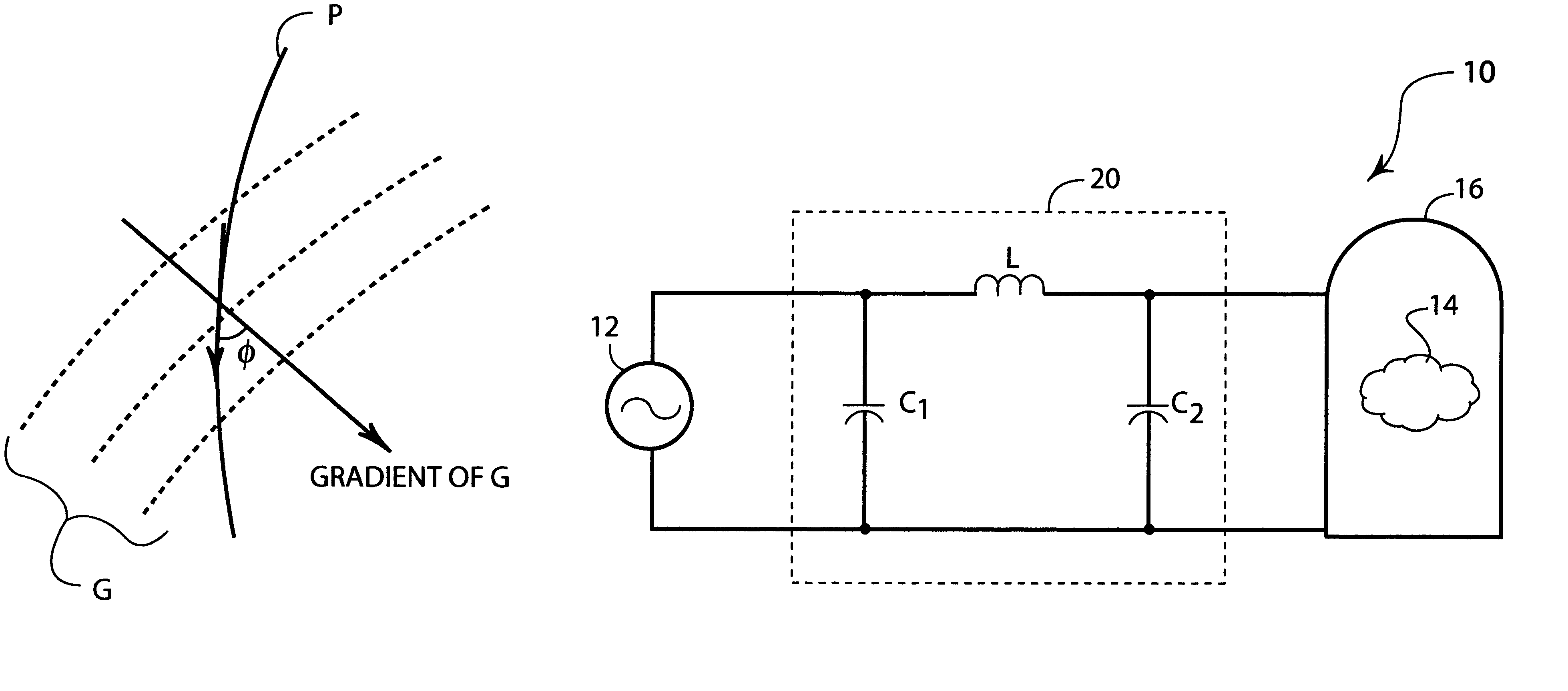
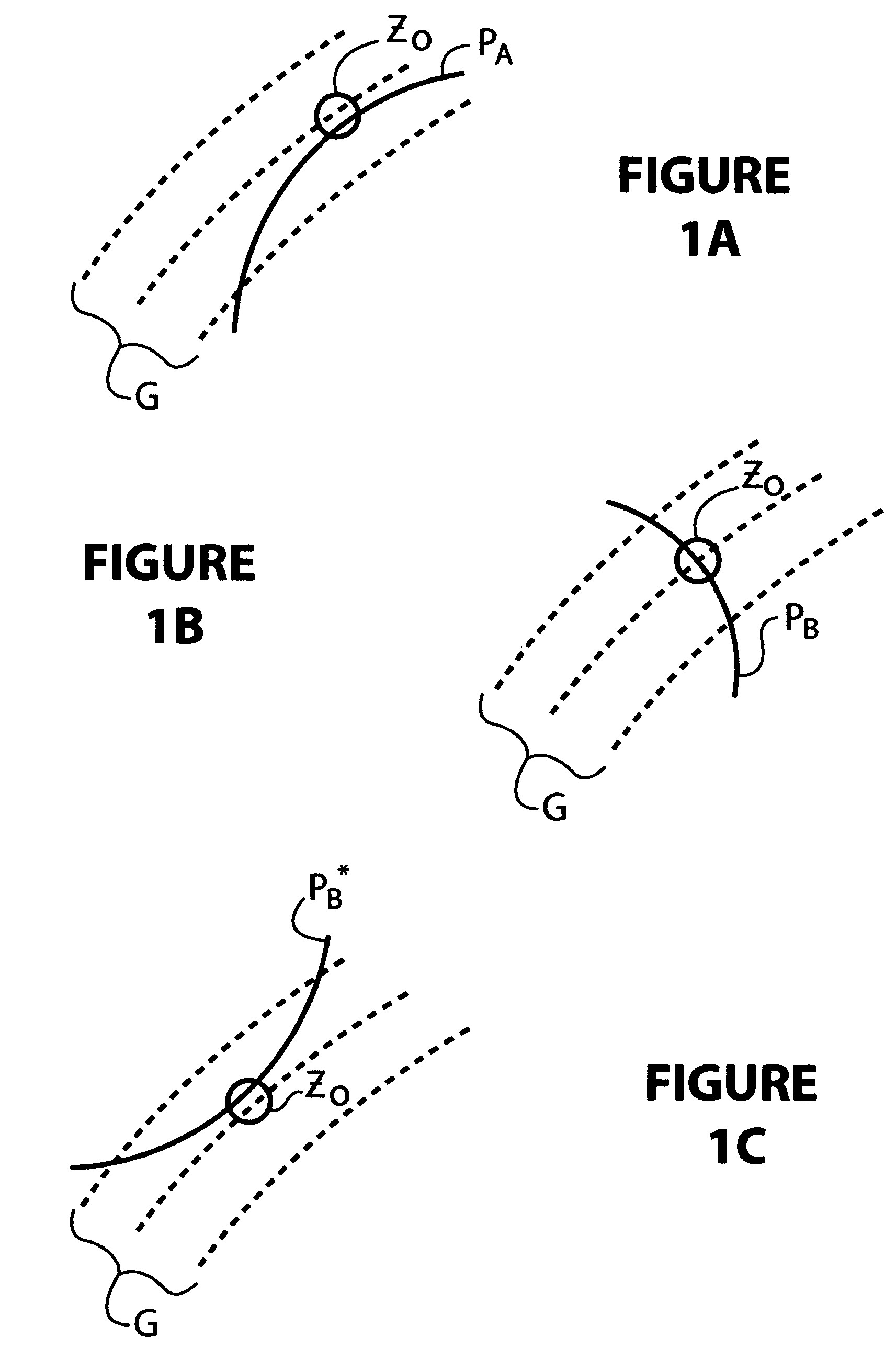
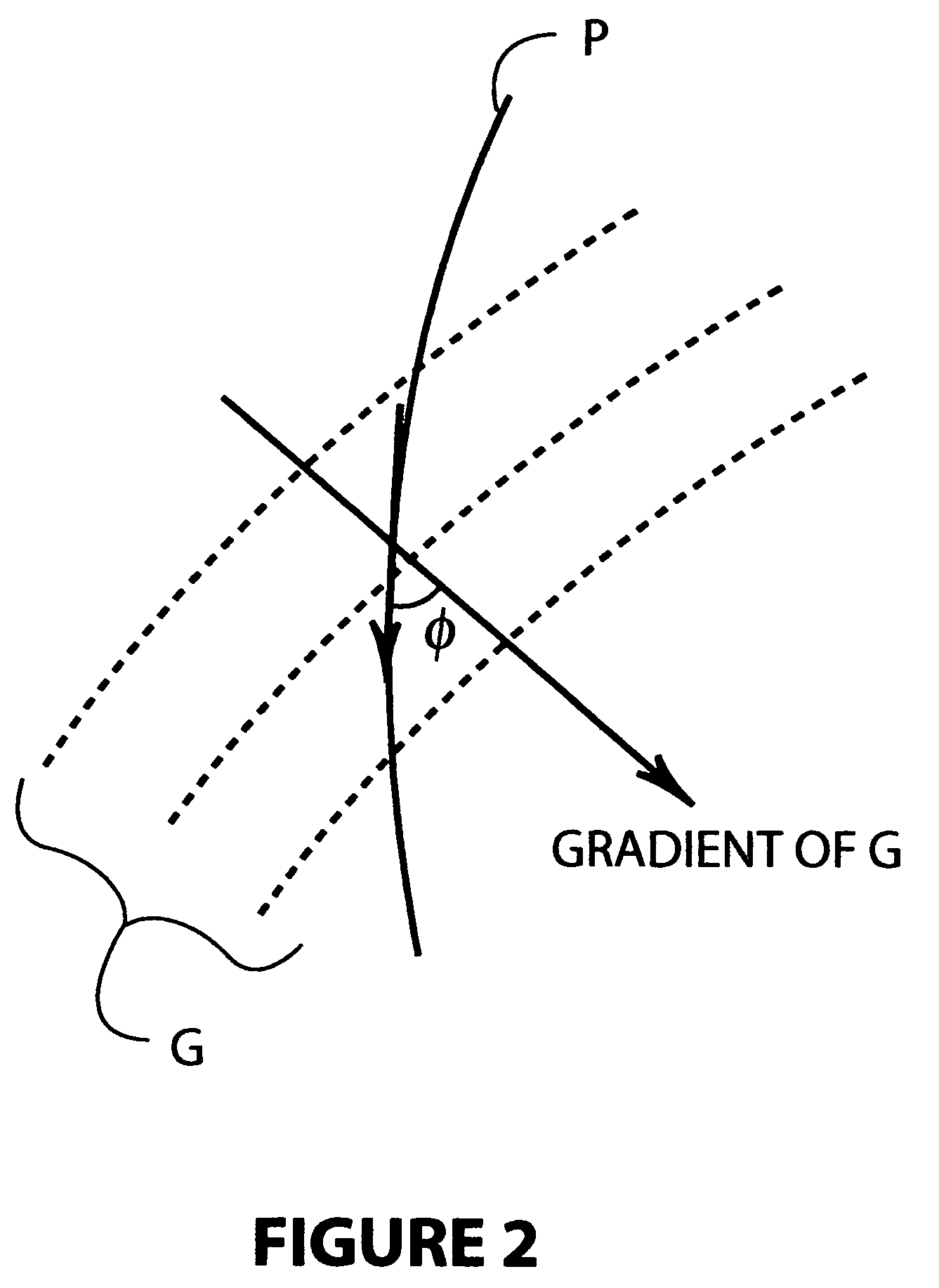
- A network of reactive circuit elements is used to align the plasma load impedance trajectory with the contours of constant power output in impedance space, reducing reinforcement or amplification of fluctuations and maintaining stable power delivery.

Safety Standards for Plasma Catalytic Systems
The development of comprehensive safety standards for plasma catalytic systems represents a critical requirement for the widespread industrial adoption of these technologies. Current regulatory frameworks primarily address conventional catalytic processes and plasma applications separately, creating significant gaps in safety protocols specifically designed for hybrid plasma-catalyst systems. The unique operational characteristics of plasma catalytic interfaces, including high-energy plasma environments, reactive surface interactions, and dynamic chemical processes, necessitate specialized safety considerations that extend beyond traditional industrial safety standards.
International standardization bodies, including the International Electrotechnical Commission (IEC) and the American Society for Testing and Materials (ASTM), have begun preliminary work on establishing safety guidelines for plasma-based industrial processes. However, specific standards addressing the dual nature of plasma catalytic systems remain in early development stages. The European Committee for Standardization (CEN) has initiated working groups focused on plasma safety in industrial applications, while the National Institute of Standards and Technology (NIST) has published preliminary guidelines for plasma system safety protocols.
Key safety considerations for plasma catalytic systems encompass electrical safety protocols for high-voltage plasma generation equipment, including proper grounding procedures, arc fault protection, and electromagnetic interference mitigation. Thermal management standards address the elevated operating temperatures typical in plasma environments, requiring specialized materials certification and thermal barrier implementations. Chemical safety protocols must account for the generation of reactive species, potential formation of hazardous byproducts, and the handling of catalyst materials under plasma conditions.
Personnel safety standards emphasize the need for specialized training programs covering plasma physics fundamentals, catalyst handling procedures, and emergency response protocols specific to plasma catalytic systems. Facility design requirements include adequate ventilation systems, electromagnetic shielding, and safety interlocks that account for both plasma and catalytic process hazards. Equipment certification standards are being developed to ensure plasma generators, catalyst support structures, and monitoring systems meet integrated safety requirements.
The establishment of comprehensive safety standards will facilitate regulatory approval processes, enable insurance coverage for plasma catalytic installations, and provide clear guidelines for system designers and operators. These standards will ultimately accelerate the commercial deployment of plasma catalytic technologies across various industrial sectors while ensuring safe and reliable operation.
International standardization bodies, including the International Electrotechnical Commission (IEC) and the American Society for Testing and Materials (ASTM), have begun preliminary work on establishing safety guidelines for plasma-based industrial processes. However, specific standards addressing the dual nature of plasma catalytic systems remain in early development stages. The European Committee for Standardization (CEN) has initiated working groups focused on plasma safety in industrial applications, while the National Institute of Standards and Technology (NIST) has published preliminary guidelines for plasma system safety protocols.
Key safety considerations for plasma catalytic systems encompass electrical safety protocols for high-voltage plasma generation equipment, including proper grounding procedures, arc fault protection, and electromagnetic interference mitigation. Thermal management standards address the elevated operating temperatures typical in plasma environments, requiring specialized materials certification and thermal barrier implementations. Chemical safety protocols must account for the generation of reactive species, potential formation of hazardous byproducts, and the handling of catalyst materials under plasma conditions.
Personnel safety standards emphasize the need for specialized training programs covering plasma physics fundamentals, catalyst handling procedures, and emergency response protocols specific to plasma catalytic systems. Facility design requirements include adequate ventilation systems, electromagnetic shielding, and safety interlocks that account for both plasma and catalytic process hazards. Equipment certification standards are being developed to ensure plasma generators, catalyst support structures, and monitoring systems meet integrated safety requirements.
The establishment of comprehensive safety standards will facilitate regulatory approval processes, enable insurance coverage for plasma catalytic installations, and provide clear guidelines for system designers and operators. These standards will ultimately accelerate the commercial deployment of plasma catalytic technologies across various industrial sectors while ensuring safe and reliable operation.
Environmental Impact of Plasma Catalyst Applications
The environmental implications of plasma catalyst applications represent a critical consideration in the development and deployment of these advanced technologies. While plasma catalysis offers significant potential for environmental remediation and sustainable chemical processes, the technology itself presents both positive and negative environmental impacts that must be carefully evaluated.
Plasma catalyst systems demonstrate substantial environmental benefits through their ability to operate at lower temperatures compared to conventional thermal catalysis, resulting in reduced energy consumption and associated carbon emissions. These systems excel in treating volatile organic compounds, nitrogen oxides, and other atmospheric pollutants at ambient conditions, offering energy-efficient alternatives to traditional high-temperature catalytic processes. The technology's capacity for selective pollutant degradation without generating harmful byproducts positions it as a promising solution for air purification and waste treatment applications.
However, plasma generation inherently requires electrical energy input, and the environmental footprint depends significantly on the electricity source. When powered by renewable energy sources, plasma catalyst systems can achieve net positive environmental impacts. Conversely, reliance on fossil fuel-derived electricity may offset some environmental benefits, particularly in regions with carbon-intensive power grids.
The production and disposal of plasma catalyst materials present additional environmental considerations. Catalyst synthesis often involves precious metals or rare earth elements, raising concerns about resource depletion and mining-related environmental impacts. The stability challenges at plasma-catalyst interfaces can lead to accelerated catalyst degradation, potentially increasing material turnover rates and associated environmental costs.
Ozone generation represents another environmental concern, as certain plasma configurations produce ozone as a byproduct. While ozone can enhance oxidation processes, excessive production may pose air quality risks and require careful system design to minimize unwanted emissions.
Life cycle assessments of plasma catalyst applications reveal varying environmental profiles depending on specific applications, operational parameters, and regional energy infrastructure. Industrial-scale implementations require comprehensive environmental impact evaluations to ensure net positive outcomes and compliance with environmental regulations.
Plasma catalyst systems demonstrate substantial environmental benefits through their ability to operate at lower temperatures compared to conventional thermal catalysis, resulting in reduced energy consumption and associated carbon emissions. These systems excel in treating volatile organic compounds, nitrogen oxides, and other atmospheric pollutants at ambient conditions, offering energy-efficient alternatives to traditional high-temperature catalytic processes. The technology's capacity for selective pollutant degradation without generating harmful byproducts positions it as a promising solution for air purification and waste treatment applications.
However, plasma generation inherently requires electrical energy input, and the environmental footprint depends significantly on the electricity source. When powered by renewable energy sources, plasma catalyst systems can achieve net positive environmental impacts. Conversely, reliance on fossil fuel-derived electricity may offset some environmental benefits, particularly in regions with carbon-intensive power grids.
The production and disposal of plasma catalyst materials present additional environmental considerations. Catalyst synthesis often involves precious metals or rare earth elements, raising concerns about resource depletion and mining-related environmental impacts. The stability challenges at plasma-catalyst interfaces can lead to accelerated catalyst degradation, potentially increasing material turnover rates and associated environmental costs.
Ozone generation represents another environmental concern, as certain plasma configurations produce ozone as a byproduct. While ozone can enhance oxidation processes, excessive production may pose air quality risks and require careful system design to minimize unwanted emissions.
Life cycle assessments of plasma catalyst applications reveal varying environmental profiles depending on specific applications, operational parameters, and regional energy infrastructure. Industrial-scale implementations require comprehensive environmental impact evaluations to ensure net positive outcomes and compliance with environmental regulations.
Unlock deeper insights with PatSnap Eureka Quick Research — get a full tech report to explore trends and direct your research. Try now!
Generate Your Research Report Instantly with AI Agent
Supercharge your innovation with PatSnap Eureka AI Agent Platform!