

Optimize Catalyst Coating in Plasma Catalytic Assemblies
APR 14, 20269 MIN READ
Generate Your Research Report Instantly with AI Agent
PatSnap Eureka helps you evaluate technical feasibility & market potential.
Plasma Catalytic Technology Background and Optimization Goals
Plasma catalytic technology represents a revolutionary approach that synergistically combines non-thermal plasma with heterogeneous catalysis to achieve enhanced chemical conversion processes. This hybrid technology emerged from the recognition that traditional thermal catalysis often requires high temperatures and pressures, while plasma alone may lack selectivity for desired products. The integration of these two technologies creates a unique reaction environment where plasma-generated reactive species interact with catalytic surfaces to facilitate chemical transformations under milder conditions.
The fundamental principle underlying plasma catalytic assemblies involves the generation of energetic electrons, ions, radicals, and excited molecules through electrical discharge in gas phases. These plasma-generated species subsequently interact with catalyst surfaces, creating synergistic effects that can significantly enhance reaction rates, improve selectivity, and reduce energy consumption compared to conventional catalytic processes. The catalyst coating plays a crucial role in this system by providing active sites for chemical reactions while being exposed to the highly reactive plasma environment.
Historical development of plasma catalytic technology began in the 1990s with initial applications in environmental remediation, particularly for volatile organic compound destruction and nitrogen oxide reduction. Early research focused on understanding the complex interactions between plasma species and catalyst surfaces, leading to the recognition that catalyst coating optimization is essential for maximizing performance and durability.
The primary optimization goals for catalyst coating in plasma catalytic assemblies encompass multiple interconnected objectives. Enhanced catalytic activity represents the foremost goal, aiming to maximize the conversion efficiency of target reactions through improved active site accessibility and optimal dispersion of catalytic materials. Simultaneously, achieving superior selectivity toward desired products while minimizing unwanted byproducts remains critical for commercial viability.
Durability optimization addresses the challenge of maintaining catalyst performance under harsh plasma conditions, where high-energy species can cause catalyst deactivation through sintering, poisoning, or structural degradation. This involves developing coating formulations and application techniques that enhance resistance to plasma-induced damage while maintaining catalytic functionality.
Process efficiency optimization seeks to minimize energy consumption while maximizing throughput, requiring careful balance between plasma parameters and catalyst properties. Cost-effectiveness considerations drive the development of coating methods that utilize readily available materials and scalable manufacturing processes, ensuring commercial feasibility for industrial applications.
The fundamental principle underlying plasma catalytic assemblies involves the generation of energetic electrons, ions, radicals, and excited molecules through electrical discharge in gas phases. These plasma-generated species subsequently interact with catalyst surfaces, creating synergistic effects that can significantly enhance reaction rates, improve selectivity, and reduce energy consumption compared to conventional catalytic processes. The catalyst coating plays a crucial role in this system by providing active sites for chemical reactions while being exposed to the highly reactive plasma environment.
Historical development of plasma catalytic technology began in the 1990s with initial applications in environmental remediation, particularly for volatile organic compound destruction and nitrogen oxide reduction. Early research focused on understanding the complex interactions between plasma species and catalyst surfaces, leading to the recognition that catalyst coating optimization is essential for maximizing performance and durability.
The primary optimization goals for catalyst coating in plasma catalytic assemblies encompass multiple interconnected objectives. Enhanced catalytic activity represents the foremost goal, aiming to maximize the conversion efficiency of target reactions through improved active site accessibility and optimal dispersion of catalytic materials. Simultaneously, achieving superior selectivity toward desired products while minimizing unwanted byproducts remains critical for commercial viability.
Durability optimization addresses the challenge of maintaining catalyst performance under harsh plasma conditions, where high-energy species can cause catalyst deactivation through sintering, poisoning, or structural degradation. This involves developing coating formulations and application techniques that enhance resistance to plasma-induced damage while maintaining catalytic functionality.
Process efficiency optimization seeks to minimize energy consumption while maximizing throughput, requiring careful balance between plasma parameters and catalyst properties. Cost-effectiveness considerations drive the development of coating methods that utilize readily available materials and scalable manufacturing processes, ensuring commercial feasibility for industrial applications.
Market Demand for Enhanced Plasma Catalytic Systems
The global plasma catalytic systems market is experiencing unprecedented growth driven by stringent environmental regulations and the urgent need for sustainable industrial processes. Industries worldwide are increasingly adopting plasma catalytic technologies to address air pollution control, volatile organic compound abatement, and greenhouse gas reduction requirements. The enhanced performance demands from these applications directly correlate with the need for optimized catalyst coating technologies.
Environmental compliance mandates across major industrial regions have created substantial market pressure for more efficient plasma catalytic solutions. Manufacturing sectors, particularly automotive, chemical processing, and semiconductor industries, require systems capable of achieving higher conversion efficiencies while maintaining operational stability. This demand translates into specific requirements for catalyst coatings that can withstand plasma environments while maximizing catalytic activity and selectivity.
The automotive industry represents a significant growth driver, with electric vehicle battery manufacturing and traditional exhaust treatment systems requiring advanced plasma catalytic assemblies. These applications demand catalyst coatings with superior adhesion properties, thermal stability, and resistance to plasma-induced degradation. The market seeks solutions that can extend operational lifespans while reducing maintenance costs and system downtime.
Industrial air treatment applications constitute another major market segment, where plasma catalytic systems must handle diverse pollutant streams with varying compositions and concentrations. Enhanced catalyst coating optimization enables broader operational windows and improved process flexibility, making these systems more attractive to industrial end-users seeking versatile pollution control solutions.
Emerging applications in renewable energy integration, such as plasma-assisted carbon dioxide conversion and hydrogen production, are creating new market opportunities. These applications require specialized catalyst coatings capable of operating under unique plasma conditions while maintaining high selectivity for desired products. The growing emphasis on circular economy principles and carbon neutrality targets further amplifies market demand for these advanced systems.
The market also shows increasing preference for modular and scalable plasma catalytic solutions, driving demand for standardized yet optimizable catalyst coating technologies that can be adapted across different system configurations and operational scales.
Environmental compliance mandates across major industrial regions have created substantial market pressure for more efficient plasma catalytic solutions. Manufacturing sectors, particularly automotive, chemical processing, and semiconductor industries, require systems capable of achieving higher conversion efficiencies while maintaining operational stability. This demand translates into specific requirements for catalyst coatings that can withstand plasma environments while maximizing catalytic activity and selectivity.
The automotive industry represents a significant growth driver, with electric vehicle battery manufacturing and traditional exhaust treatment systems requiring advanced plasma catalytic assemblies. These applications demand catalyst coatings with superior adhesion properties, thermal stability, and resistance to plasma-induced degradation. The market seeks solutions that can extend operational lifespans while reducing maintenance costs and system downtime.
Industrial air treatment applications constitute another major market segment, where plasma catalytic systems must handle diverse pollutant streams with varying compositions and concentrations. Enhanced catalyst coating optimization enables broader operational windows and improved process flexibility, making these systems more attractive to industrial end-users seeking versatile pollution control solutions.
Emerging applications in renewable energy integration, such as plasma-assisted carbon dioxide conversion and hydrogen production, are creating new market opportunities. These applications require specialized catalyst coatings capable of operating under unique plasma conditions while maintaining high selectivity for desired products. The growing emphasis on circular economy principles and carbon neutrality targets further amplifies market demand for these advanced systems.
The market also shows increasing preference for modular and scalable plasma catalytic solutions, driving demand for standardized yet optimizable catalyst coating technologies that can be adapted across different system configurations and operational scales.
Current Catalyst Coating Challenges and Limitations
Catalyst coating in plasma catalytic assemblies faces significant technical barriers that limit their widespread industrial implementation. The primary challenge lies in achieving uniform coating distribution across complex substrate geometries, particularly on three-dimensional surfaces with varying curvatures and internal channels. Traditional coating methods such as wet impregnation and physical vapor deposition often result in non-uniform thickness distribution, leading to localized hot spots and reduced catalytic efficiency.
Adhesion stability represents another critical limitation, as the harsh operating conditions in plasma environments subject coatings to extreme temperature fluctuations, reactive species bombardment, and mechanical stress. These conditions frequently cause coating delamination, cracking, and premature failure, significantly reducing the operational lifespan of catalytic assemblies. The coefficient of thermal expansion mismatch between coating materials and substrates exacerbates these adhesion issues.
Coating thickness optimization presents a complex trade-off scenario. Thin coatings may provide insufficient catalytic activity and poor durability, while thick coatings can lead to mass transfer limitations, increased pressure drop, and coating instability due to internal stress accumulation. Current manufacturing processes struggle to maintain consistent thickness control within the optimal range of 10-50 micrometers across large-scale production.
Material compatibility issues further complicate coating development, as many high-performance catalytic materials exhibit poor compatibility with plasma-resistant substrates. The formation of interfacial compounds during high-temperature processing can create brittle interlayers that compromise coating integrity and catalytic performance.
Process scalability remains a significant economic barrier, as most advanced coating techniques developed in laboratory settings cannot be efficiently scaled for industrial production. Methods like atomic layer deposition, while providing excellent uniformity and control, suffer from extremely low deposition rates and high equipment costs that make them economically unfeasible for large-scale manufacturing.
Quality control and characterization present additional challenges, as current inspection methods cannot adequately assess coating uniformity, adhesion strength, and defect distribution in complex geometries without destructive testing. This limitation hampers process optimization and quality assurance in production environments.
Adhesion stability represents another critical limitation, as the harsh operating conditions in plasma environments subject coatings to extreme temperature fluctuations, reactive species bombardment, and mechanical stress. These conditions frequently cause coating delamination, cracking, and premature failure, significantly reducing the operational lifespan of catalytic assemblies. The coefficient of thermal expansion mismatch between coating materials and substrates exacerbates these adhesion issues.
Coating thickness optimization presents a complex trade-off scenario. Thin coatings may provide insufficient catalytic activity and poor durability, while thick coatings can lead to mass transfer limitations, increased pressure drop, and coating instability due to internal stress accumulation. Current manufacturing processes struggle to maintain consistent thickness control within the optimal range of 10-50 micrometers across large-scale production.
Material compatibility issues further complicate coating development, as many high-performance catalytic materials exhibit poor compatibility with plasma-resistant substrates. The formation of interfacial compounds during high-temperature processing can create brittle interlayers that compromise coating integrity and catalytic performance.
Process scalability remains a significant economic barrier, as most advanced coating techniques developed in laboratory settings cannot be efficiently scaled for industrial production. Methods like atomic layer deposition, while providing excellent uniformity and control, suffer from extremely low deposition rates and high equipment costs that make them economically unfeasible for large-scale manufacturing.
Quality control and characterization present additional challenges, as current inspection methods cannot adequately assess coating uniformity, adhesion strength, and defect distribution in complex geometries without destructive testing. This limitation hampers process optimization and quality assurance in production environments.
Existing Catalyst Coating Optimization Solutions
01 Catalyst coating layer composition and structure optimization
Optimizing the composition and structure of catalyst coating layers involves selecting appropriate materials, controlling layer thickness, and designing multi-layer structures to enhance catalytic performance. The coating composition may include precious metals, metal oxides, and support materials arranged in specific configurations to maximize surface area and active sites. Structural optimization focuses on achieving uniform distribution and optimal porosity for improved mass transfer and reaction efficiency.- Catalyst coating layer thickness control and uniformity optimization: Optimizing the thickness and uniformity of catalyst coating layers is critical for enhancing catalytic performance and efficiency. Techniques include controlling deposition parameters, using precision coating methods, and ensuring even distribution across substrate surfaces. Uniform coating thickness prevents hotspots and ensures consistent catalytic activity across the entire surface area, leading to improved reaction rates and catalyst longevity.
- Catalyst support material selection and surface treatment: The selection of appropriate support materials and their surface treatment significantly impacts catalyst coating adhesion and performance. Surface modification techniques such as etching, plasma treatment, or chemical functionalization enhance the bonding between catalyst particles and support structures. Optimized support materials provide high surface area, thermal stability, and mechanical strength, which are essential for maintaining catalyst integrity under operating conditions.
- Multi-layer catalyst coating architecture design: Designing multi-layer catalyst coating structures allows for optimization of different catalytic functions within a single system. This approach involves layering different catalyst materials or varying compositions to achieve synergistic effects, improved mass transfer, and enhanced selectivity. The architecture can be tailored to specific reaction requirements, with each layer serving distinct purposes such as pre-treatment, main catalytic reaction, or post-treatment.
- Catalyst loading optimization and distribution control: Controlling the amount and distribution of catalyst material in the coating is essential for maximizing efficiency while minimizing material costs. Optimization involves determining the optimal catalyst loading density, particle size distribution, and spatial arrangement. Advanced techniques include gradient coating, zone-specific loading, and computational modeling to predict optimal configurations that balance activity, durability, and economic considerations.
- Coating process parameter optimization and quality control: Optimizing coating process parameters such as temperature, pressure, flow rates, and curing conditions is crucial for achieving high-quality catalyst coatings. Process control methods include real-time monitoring, feedback systems, and statistical process control to ensure reproducibility and consistency. Quality control measures verify coating integrity, adhesion strength, and catalytic performance through various analytical and testing methods.
02 Catalyst coating application methods and deposition techniques
Various application methods and deposition techniques are employed to apply catalyst coatings onto substrates, including washcoating, spray coating, dip coating, and chemical vapor deposition. These techniques aim to achieve uniform coating distribution, controlled thickness, and strong adhesion to the substrate. Process parameters such as coating solution viscosity, application temperature, drying conditions, and calcination procedures are optimized to ensure consistent coating quality and catalytic activity.Expand Specific Solutions03 Catalyst loading and distribution optimization
Optimizing catalyst loading involves determining the optimal amount of catalytic material to be coated on the substrate to balance performance and cost. Distribution optimization ensures uniform catalyst placement across the substrate surface to maximize utilization and prevent hot spots or inactive zones. Techniques include controlling coating solution concentration, multiple coating cycles, and post-treatment processes to achieve desired loading levels and homogeneous distribution patterns.Expand Specific Solutions04 Thermal stability and durability enhancement of catalyst coatings
Enhancing thermal stability and durability of catalyst coatings involves incorporating stabilizers, optimizing calcination conditions, and selecting materials with high thermal resistance. These approaches prevent catalyst sintering, deactivation, and coating degradation under high-temperature operating conditions. Protective layers, binders, and additives may be included to improve adhesion, mechanical strength, and resistance to thermal cycling and chemical exposure.Expand Specific Solutions05 Substrate surface preparation and pretreatment for catalyst coating
Proper substrate surface preparation and pretreatment are critical for achieving optimal catalyst coating adhesion and performance. Methods include surface cleaning, roughening, chemical etching, and application of primer layers to enhance surface energy and bonding characteristics. Pretreatment processes remove contaminants, create suitable surface morphology, and introduce functional groups that promote strong interfacial bonding between the coating and substrate, leading to improved coating stability and catalytic efficiency.Expand Specific Solutions
Key Players in Plasma Catalysis and Coating Industry
The plasma catalytic assembly optimization field represents an emerging technology sector at the intersection of advanced materials science and environmental applications, currently in its early-to-mid development stage with significant growth potential. The market demonstrates substantial scale driven by increasing demand for emission control solutions across automotive, industrial, and energy sectors. Technology maturity varies considerably among market participants, with established chemical giants like BASF Catalysts LLC, Johnson Matthey Plc, and Umicore SA leading through decades of catalyst expertise and comprehensive R&D capabilities. Automotive manufacturers including Toyota Motor Corp., Nissan Motor Co., and BMW AG drive application-focused development, while specialty catalyst companies such as Heesung Catalysts Corp. and SINOTECH Co. Ltd. contribute niche innovations. Research institutions like Uchicago Argonne LLC and Wisconsin Alumni Research Foundation provide fundamental scientific breakthroughs. The competitive landscape shows a clear bifurcation between mature coating technologies from companies like Clariant International AG and BASF Coatings GmbH, and emerging plasma-specific applications still requiring significant technological advancement for commercial viability.
BASF Coatings GmbH
Technical Solution: BASF has developed comprehensive plasma-assisted catalyst coating solutions that integrate advanced surface functionalization with precision deposition techniques. Their technology platform combines low-temperature plasma pretreatment with sol-gel derived catalyst precursors to achieve superior coating uniformity and adhesion. The process utilizes atmospheric pressure plasma jets for surface activation, followed by controlled deposition of catalyst nanoparticles through plasma-enhanced chemical vapor deposition. Their proprietary catalyst formulations incorporate stabilizing agents and promoters that enhance thermal stability and resistance to sintering under high-temperature plasma conditions. The company has developed specialized coating equipment with multi-zone temperature control and automated precursor delivery systems for industrial-scale production.
Strengths: Extensive chemical expertise and industrial coating experience with strong R&D capabilities and global manufacturing infrastructure. Weaknesses: Focus primarily on traditional coating applications may require significant adaptation for specialized plasma catalytic systems.
Umicore SA
Technical Solution: Umicore has developed innovative plasma spray coating technologies specifically designed for catalyst optimization in plasma catalytic assemblies. Their approach combines thermal plasma spraying with controlled atmosphere processing to create highly porous, high-surface-area catalyst coatings. The company utilizes advanced feedstock preparation techniques, including spray-dried catalyst precursors with optimized particle size distribution and morphology. Their plasma torch systems operate at precisely controlled temperatures and velocities to ensure optimal catalyst particle melting and substrate adhesion. The technology incorporates real-time monitoring systems for coating thickness, porosity, and chemical composition, enabling consistent quality control across large-scale production. Post-coating thermal treatment processes further enhance catalyst activity and stability.
Strengths: Strong materials science expertise and established automotive catalyst manufacturing capabilities with global market presence. Weaknesses: Limited experience in emerging plasma catalytic applications compared to traditional automotive catalysts.
Core Innovations in Plasma Catalyst Coating Methods
Process for manufacturing a catalytic coating and device for heterogeneous catalysis
PatentInactiveEP3988686A1
Innovation
- A process for creating a catalytic coating using plasma deposition with non-metallic organic precursors, such as dimethylaminoethanol and bis(dimethylamino)dimethylsilane, to form a catalyst device with high specific surface area, suitable for heterogeneous catalysis, allowing for versatile and continuous polymer synthesis.


Plasma-assisted coating
PatentInactiveUS20060228497A1
Innovation
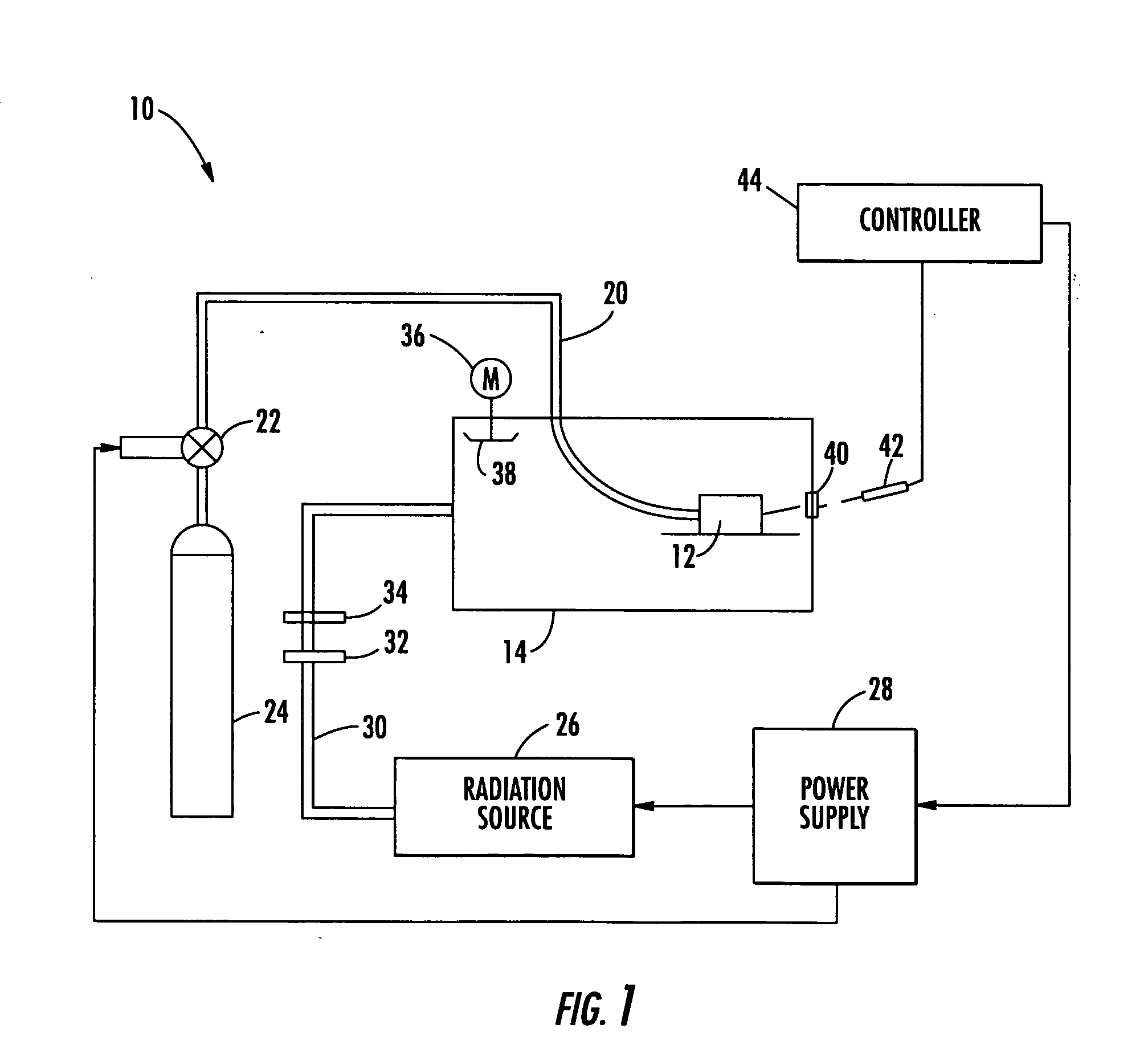
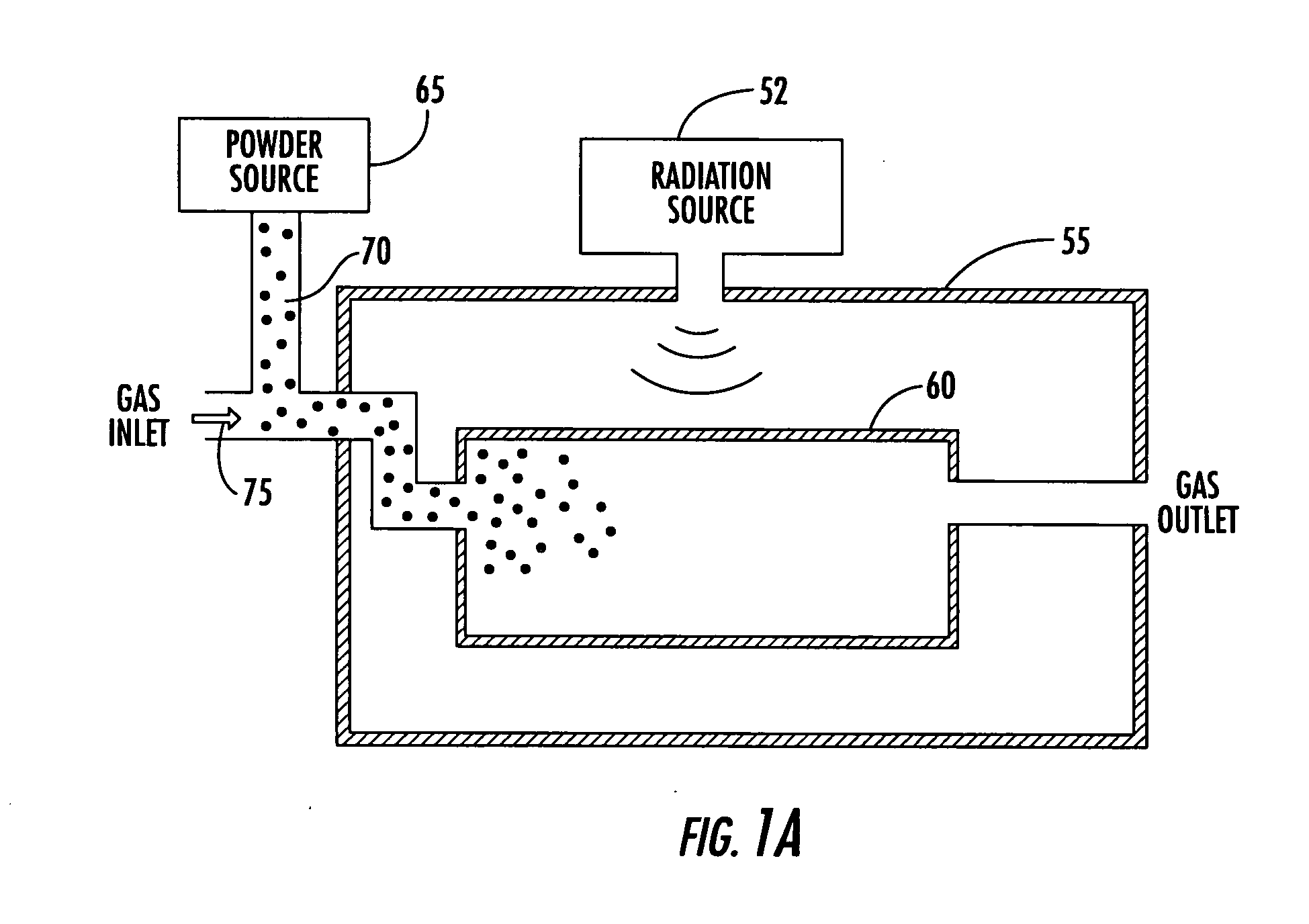
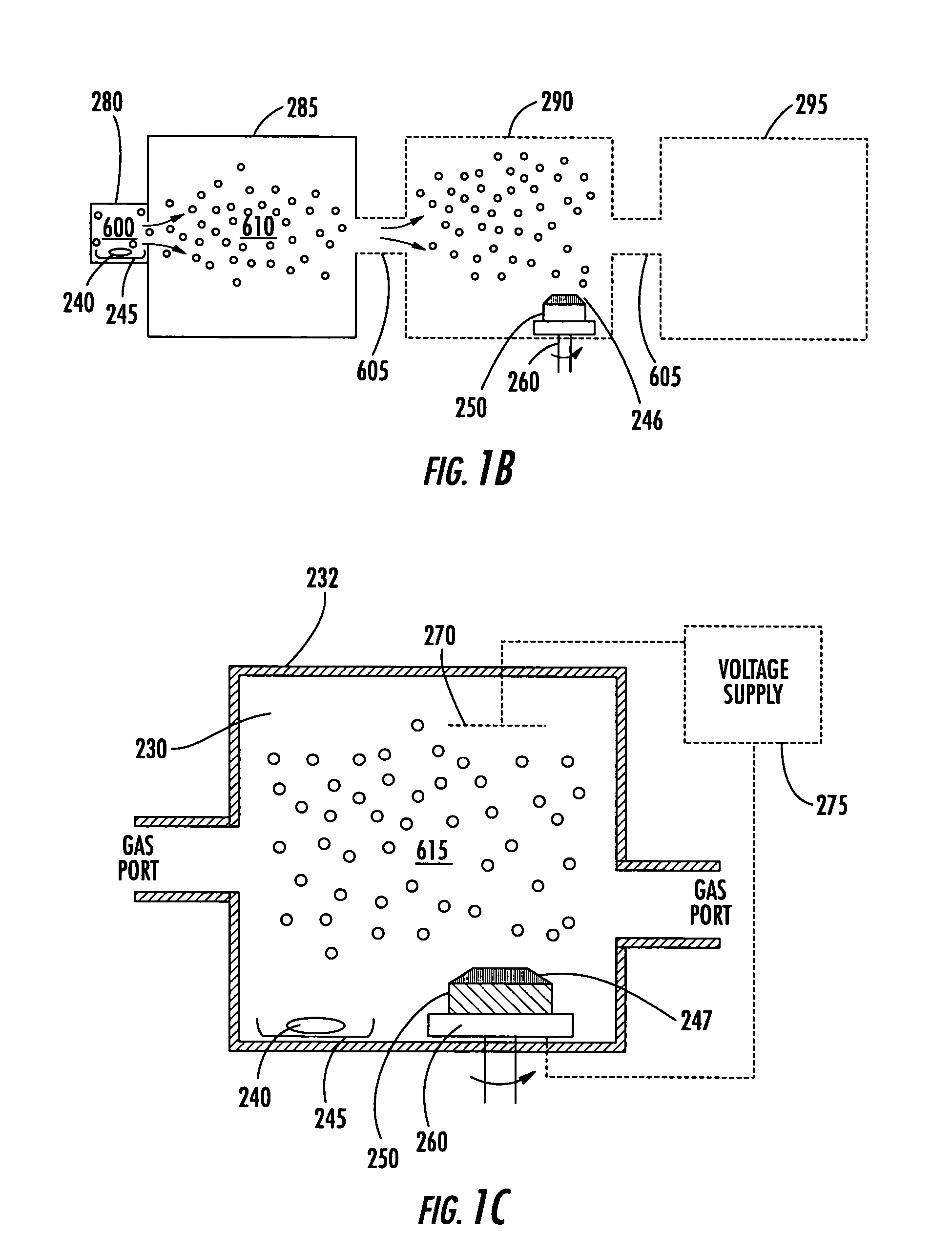
- A method involving the formation of a catalyzed coating plasma by subjecting a gas to electromagnetic radiation in the presence of a plasma catalyst, allowing for the deposition of materials like carbon nanotubes and oxides on objects, which can be done in a multi-mode processing cavity with flexible electromagnetic radiation distribution to accommodate various shapes and sizes.

Environmental Regulations for Plasma Catalytic Systems
The regulatory landscape for plasma catalytic systems has evolved significantly as environmental concerns intensify globally. These systems, designed to optimize catalyst coating for enhanced pollutant removal efficiency, must comply with increasingly stringent emission standards across multiple jurisdictions. The European Union's Industrial Emissions Directive (IED) sets strict limits on nitrogen oxides, volatile organic compounds, and particulate matter emissions, directly impacting the design requirements for plasma catalytic assemblies.
In the United States, the Environmental Protection Agency (EPA) enforces regulations under the Clean Air Act, particularly focusing on National Emission Standards for Hazardous Air Pollutants (NESHAP) and New Source Performance Standards (NSPS). These regulations mandate specific removal efficiencies that plasma catalytic systems must achieve, influencing catalyst coating optimization strategies to meet compliance thresholds.
Emerging regulations in Asia-Pacific regions, particularly China's updated Air Pollution Prevention and Control Law and Japan's revised Air Pollution Control Act, have introduced more rigorous monitoring requirements. These mandate continuous emission monitoring systems (CEMS) integration with plasma catalytic units, necessitating real-time performance validation of optimized catalyst coatings.
The regulatory framework also addresses safety considerations specific to plasma-based technologies. International Electrotechnical Commission (IEC) standards govern electrical safety requirements, while occupational exposure limits for ozone and other plasma-generated byproducts are regulated under workplace safety directives. These safety regulations directly influence catalyst coating formulations and system design parameters.
Future regulatory trends indicate movement toward lifecycle assessment requirements, where environmental impact evaluation extends beyond operational emissions to include catalyst manufacturing, coating processes, and end-of-life disposal. This comprehensive approach is reshaping research priorities in catalyst coating optimization, emphasizing sustainable materials and processes that meet both performance and environmental compliance objectives.
In the United States, the Environmental Protection Agency (EPA) enforces regulations under the Clean Air Act, particularly focusing on National Emission Standards for Hazardous Air Pollutants (NESHAP) and New Source Performance Standards (NSPS). These regulations mandate specific removal efficiencies that plasma catalytic systems must achieve, influencing catalyst coating optimization strategies to meet compliance thresholds.
Emerging regulations in Asia-Pacific regions, particularly China's updated Air Pollution Prevention and Control Law and Japan's revised Air Pollution Control Act, have introduced more rigorous monitoring requirements. These mandate continuous emission monitoring systems (CEMS) integration with plasma catalytic units, necessitating real-time performance validation of optimized catalyst coatings.
The regulatory framework also addresses safety considerations specific to plasma-based technologies. International Electrotechnical Commission (IEC) standards govern electrical safety requirements, while occupational exposure limits for ozone and other plasma-generated byproducts are regulated under workplace safety directives. These safety regulations directly influence catalyst coating formulations and system design parameters.
Future regulatory trends indicate movement toward lifecycle assessment requirements, where environmental impact evaluation extends beyond operational emissions to include catalyst manufacturing, coating processes, and end-of-life disposal. This comprehensive approach is reshaping research priorities in catalyst coating optimization, emphasizing sustainable materials and processes that meet both performance and environmental compliance objectives.
Economic Analysis of Coating Optimization Strategies
The economic viability of catalyst coating optimization in plasma catalytic assemblies requires comprehensive cost-benefit analysis across multiple dimensions. Initial capital expenditure considerations include equipment upgrades, coating material procurement, and process modification investments. Advanced coating techniques such as atomic layer deposition or plasma-enhanced chemical vapor deposition demand significant upfront costs, typically ranging from $500,000 to $2 million for industrial-scale implementation, depending on system complexity and throughput requirements.
Operational cost analysis reveals that optimized coatings can substantially reduce long-term expenses through enhanced catalyst durability and improved reaction efficiency. Studies indicate that properly optimized coatings can extend catalyst lifetime by 40-60%, translating to reduced replacement frequencies and maintenance downtime. Energy consumption optimization through improved catalytic activity can yield 15-25% reduction in operational energy costs, particularly significant in high-temperature plasma processes where energy represents 60-70% of total operational expenses.
Material cost optimization strategies focus on coating thickness reduction while maintaining performance standards. Precision coating techniques enable 30-50% reduction in precious metal usage without compromising catalytic activity. This approach becomes economically critical when utilizing platinum group metals, where material costs can exceed $30,000 per kilogram. Alternative coating formulations incorporating less expensive materials while maintaining performance metrics present additional cost reduction opportunities.
Return on investment calculations demonstrate favorable economics for coating optimization initiatives. Typical payback periods range from 18-36 months, considering combined savings from extended catalyst life, reduced energy consumption, and improved process efficiency. Manufacturing facilities processing high-value chemicals or operating continuous processes show accelerated payback periods due to higher operational cost bases and productivity gains from reduced maintenance intervals.
Risk assessment reveals that coating optimization investments carry moderate technical and financial risks. Technology maturation levels vary across different coating approaches, with some techniques requiring additional development investment. Market volatility in catalyst material prices introduces uncertainty in long-term cost projections, necessitating flexible optimization strategies that can adapt to changing economic conditions while maintaining technical performance objectives.
Operational cost analysis reveals that optimized coatings can substantially reduce long-term expenses through enhanced catalyst durability and improved reaction efficiency. Studies indicate that properly optimized coatings can extend catalyst lifetime by 40-60%, translating to reduced replacement frequencies and maintenance downtime. Energy consumption optimization through improved catalytic activity can yield 15-25% reduction in operational energy costs, particularly significant in high-temperature plasma processes where energy represents 60-70% of total operational expenses.
Material cost optimization strategies focus on coating thickness reduction while maintaining performance standards. Precision coating techniques enable 30-50% reduction in precious metal usage without compromising catalytic activity. This approach becomes economically critical when utilizing platinum group metals, where material costs can exceed $30,000 per kilogram. Alternative coating formulations incorporating less expensive materials while maintaining performance metrics present additional cost reduction opportunities.
Return on investment calculations demonstrate favorable economics for coating optimization initiatives. Typical payback periods range from 18-36 months, considering combined savings from extended catalyst life, reduced energy consumption, and improved process efficiency. Manufacturing facilities processing high-value chemicals or operating continuous processes show accelerated payback periods due to higher operational cost bases and productivity gains from reduced maintenance intervals.
Risk assessment reveals that coating optimization investments carry moderate technical and financial risks. Technology maturation levels vary across different coating approaches, with some techniques requiring additional development investment. Market volatility in catalyst material prices introduces uncertainty in long-term cost projections, necessitating flexible optimization strategies that can adapt to changing economic conditions while maintaining technical performance objectives.
Unlock deeper insights with PatSnap Eureka Quick Research — get a full tech report to explore trends and direct your research. Try now!
Generate Your Research Report Instantly with AI Agent
Supercharge your innovation with PatSnap Eureka AI Agent Platform!