

How to Decrease Heat Generation in Battery Management IC Controllers
MAY 18, 20269 MIN READ
Generate Your Research Report Instantly with AI Agent
PatSnap Eureka helps you evaluate technical feasibility & market potential.
Battery Management IC Thermal Challenges and Goals
Battery Management IC (BMIC) controllers face increasingly complex thermal challenges as modern battery systems demand higher power densities, faster charging capabilities, and enhanced safety features. The primary thermal challenge stems from the inherent power dissipation during normal operation, where switching losses, conduction losses, and quiescent current consumption generate unwanted heat. This heat generation becomes particularly problematic in high-current applications such as electric vehicles, energy storage systems, and fast-charging consumer electronics.
The fundamental thermal challenge lies in the trade-off between performance and efficiency. As BMIC controllers handle higher currents for cell balancing, protection switching, and measurement functions, the I²R losses in internal MOSFETs and resistance elements increase exponentially. Additionally, the switching frequency required for precise control creates dynamic losses that contribute significantly to overall heat generation. These thermal effects are compounded by the typical operating environment of battery systems, where ambient temperatures can reach 60-85°C, leaving minimal thermal headroom for safe operation.
Modern BMIC designs face the challenge of integrating multiple functions within increasingly compact form factors. The consolidation of cell monitoring, balancing, protection, and communication functions into single-chip solutions creates localized hot spots that can exceed safe operating temperatures. This thermal concentration affects not only the IC reliability but also influences the accuracy of critical measurements such as cell voltage and temperature sensing, creating potential safety risks.
The primary technical goal for reducing heat generation in BMIC controllers centers on achieving sub-1mW quiescent power consumption while maintaining full functionality. This target represents a significant reduction from current generation devices that typically consume 3-5mW during active monitoring. Advanced power management techniques, including dynamic power scaling and intelligent sleep modes, are essential to meet this objective.
Efficiency optimization goals focus on achieving greater than 95% power conversion efficiency across the entire operating range. This involves minimizing switching losses through advanced gate drive techniques, reducing conduction losses via low-resistance power paths, and implementing predictive control algorithms that optimize switching timing. The integration of wide-bandgap semiconductors, such as GaN-based switching elements, represents a key pathway toward achieving these efficiency targets.
Thermal management goals extend beyond heat reduction to include intelligent thermal monitoring and adaptive control strategies. Future BMIC controllers must incorporate real-time thermal modeling capabilities that can predict temperature rise and proactively adjust operating parameters to prevent thermal runaway conditions. This includes implementing dynamic current limiting, adaptive switching frequency control, and intelligent load distribution across multiple parallel paths to minimize peak temperatures while maintaining system performance.
The fundamental thermal challenge lies in the trade-off between performance and efficiency. As BMIC controllers handle higher currents for cell balancing, protection switching, and measurement functions, the I²R losses in internal MOSFETs and resistance elements increase exponentially. Additionally, the switching frequency required for precise control creates dynamic losses that contribute significantly to overall heat generation. These thermal effects are compounded by the typical operating environment of battery systems, where ambient temperatures can reach 60-85°C, leaving minimal thermal headroom for safe operation.
Modern BMIC designs face the challenge of integrating multiple functions within increasingly compact form factors. The consolidation of cell monitoring, balancing, protection, and communication functions into single-chip solutions creates localized hot spots that can exceed safe operating temperatures. This thermal concentration affects not only the IC reliability but also influences the accuracy of critical measurements such as cell voltage and temperature sensing, creating potential safety risks.
The primary technical goal for reducing heat generation in BMIC controllers centers on achieving sub-1mW quiescent power consumption while maintaining full functionality. This target represents a significant reduction from current generation devices that typically consume 3-5mW during active monitoring. Advanced power management techniques, including dynamic power scaling and intelligent sleep modes, are essential to meet this objective.
Efficiency optimization goals focus on achieving greater than 95% power conversion efficiency across the entire operating range. This involves minimizing switching losses through advanced gate drive techniques, reducing conduction losses via low-resistance power paths, and implementing predictive control algorithms that optimize switching timing. The integration of wide-bandgap semiconductors, such as GaN-based switching elements, represents a key pathway toward achieving these efficiency targets.
Thermal management goals extend beyond heat reduction to include intelligent thermal monitoring and adaptive control strategies. Future BMIC controllers must incorporate real-time thermal modeling capabilities that can predict temperature rise and proactively adjust operating parameters to prevent thermal runaway conditions. This includes implementing dynamic current limiting, adaptive switching frequency control, and intelligent load distribution across multiple parallel paths to minimize peak temperatures while maintaining system performance.
Market Demand for Low-Heat BMS Controllers
The global battery management system market is experiencing unprecedented growth driven by the rapid expansion of electric vehicles, energy storage systems, and portable electronics. As battery technologies advance and applications become more demanding, the need for efficient thermal management in BMS controllers has emerged as a critical market requirement.
Electric vehicle manufacturers are increasingly prioritizing BMS controllers with superior thermal performance to enhance vehicle reliability and extend battery life. The automotive sector demands BMS solutions that can operate efficiently under extreme temperature conditions while minimizing heat generation to prevent thermal runaway and maintain optimal battery performance. This requirement has become particularly acute as EV battery packs grow larger and more energy-dense.
The energy storage system market presents another significant demand driver for low-heat BMS controllers. Grid-scale storage installations require BMS solutions that can operate continuously with minimal thermal stress, reducing cooling system requirements and operational costs. Industrial applications particularly value BMS controllers that generate less heat, as this directly translates to improved system efficiency and reduced infrastructure investment in thermal management systems.
Consumer electronics manufacturers are seeking compact, low-heat BMS controllers to enable thinner device designs and longer battery life. The proliferation of wearable devices, smartphones, and tablets has created substantial demand for BMS solutions that can deliver high performance while generating minimal heat in space-constrained applications.
Market research indicates that thermal efficiency has become a key differentiating factor in BMS controller selection across all application segments. End users are increasingly willing to invest in premium BMS solutions that offer superior thermal performance, recognizing the long-term benefits in terms of system reliability, maintenance costs, and overall performance.
The regulatory landscape is also driving demand for low-heat BMS controllers, with safety standards becoming more stringent regarding thermal management in battery systems. Compliance with these evolving regulations requires BMS controllers that inherently generate less heat, making thermal efficiency a market necessity rather than merely a competitive advantage.
Emerging applications in aerospace, marine, and industrial automation sectors are creating new market opportunities for specialized low-heat BMS controllers. These applications often involve harsh operating environments where thermal efficiency is paramount for system reliability and safety.
Electric vehicle manufacturers are increasingly prioritizing BMS controllers with superior thermal performance to enhance vehicle reliability and extend battery life. The automotive sector demands BMS solutions that can operate efficiently under extreme temperature conditions while minimizing heat generation to prevent thermal runaway and maintain optimal battery performance. This requirement has become particularly acute as EV battery packs grow larger and more energy-dense.
The energy storage system market presents another significant demand driver for low-heat BMS controllers. Grid-scale storage installations require BMS solutions that can operate continuously with minimal thermal stress, reducing cooling system requirements and operational costs. Industrial applications particularly value BMS controllers that generate less heat, as this directly translates to improved system efficiency and reduced infrastructure investment in thermal management systems.
Consumer electronics manufacturers are seeking compact, low-heat BMS controllers to enable thinner device designs and longer battery life. The proliferation of wearable devices, smartphones, and tablets has created substantial demand for BMS solutions that can deliver high performance while generating minimal heat in space-constrained applications.
Market research indicates that thermal efficiency has become a key differentiating factor in BMS controller selection across all application segments. End users are increasingly willing to invest in premium BMS solutions that offer superior thermal performance, recognizing the long-term benefits in terms of system reliability, maintenance costs, and overall performance.
The regulatory landscape is also driving demand for low-heat BMS controllers, with safety standards becoming more stringent regarding thermal management in battery systems. Compliance with these evolving regulations requires BMS controllers that inherently generate less heat, making thermal efficiency a market necessity rather than merely a competitive advantage.
Emerging applications in aerospace, marine, and industrial automation sectors are creating new market opportunities for specialized low-heat BMS controllers. These applications often involve harsh operating environments where thermal efficiency is paramount for system reliability and safety.
Current Thermal Issues in Battery Management ICs
Battery Management IC controllers face significant thermal challenges that directly impact system performance, reliability, and safety. The primary thermal issues stem from power dissipation during various operational modes, including charging, discharging, and cell balancing processes. These thermal concerns have become increasingly critical as battery systems demand higher power densities and more sophisticated control algorithms.
Power MOSFETs integrated within Battery Management ICs represent the largest source of heat generation. During high-current switching operations, these components experience substantial conduction and switching losses. The on-resistance (RDS-on) of these MOSFETs contributes to I²R losses, while switching transitions generate additional heat through overlap periods where both voltage and current are present simultaneously. As battery systems scale to higher voltages and currents, these losses compound exponentially.
Linear voltage regulators within BMS controllers create another significant thermal bottleneck. These regulators maintain stable supply voltages for analog and digital circuits by dissipating excess energy as heat. The voltage differential between input and regulated output, multiplied by the load current, directly translates to power dissipation. In automotive and industrial applications where input voltages can vary widely, this thermal burden becomes particularly pronounced.
Cell balancing circuits generate substantial heat during active balancing operations. Resistive balancing methods dissipate energy directly as heat to equalize cell voltages, while capacitive and inductive balancing approaches introduce switching losses and parasitic resistances. The continuous nature of balancing operations in large battery packs means this heat generation persists throughout most operational cycles.
Analog-to-digital converters and precision measurement circuits contribute to thermal issues through their high-frequency switching activities and bias current requirements. These circuits must maintain accuracy across temperature ranges, yet their own heat generation can create thermal gradients that affect measurement precision, creating a challenging design paradox.
Package thermal resistance limitations exacerbate these issues by restricting heat dissipation pathways. Traditional IC packages struggle to efficiently conduct heat away from the silicon die, leading to junction temperature rises that can trigger thermal protection circuits or cause performance degradation. The compact form factors demanded by modern battery systems further constrain thermal management options.
Ambient temperature variations in automotive, aerospace, and industrial applications compound these thermal challenges. BMS controllers must operate reliably across temperature ranges from -40°C to +125°C while managing their own heat generation, requiring sophisticated thermal design considerations that balance performance with thermal constraints.
Power MOSFETs integrated within Battery Management ICs represent the largest source of heat generation. During high-current switching operations, these components experience substantial conduction and switching losses. The on-resistance (RDS-on) of these MOSFETs contributes to I²R losses, while switching transitions generate additional heat through overlap periods where both voltage and current are present simultaneously. As battery systems scale to higher voltages and currents, these losses compound exponentially.
Linear voltage regulators within BMS controllers create another significant thermal bottleneck. These regulators maintain stable supply voltages for analog and digital circuits by dissipating excess energy as heat. The voltage differential between input and regulated output, multiplied by the load current, directly translates to power dissipation. In automotive and industrial applications where input voltages can vary widely, this thermal burden becomes particularly pronounced.
Cell balancing circuits generate substantial heat during active balancing operations. Resistive balancing methods dissipate energy directly as heat to equalize cell voltages, while capacitive and inductive balancing approaches introduce switching losses and parasitic resistances. The continuous nature of balancing operations in large battery packs means this heat generation persists throughout most operational cycles.
Analog-to-digital converters and precision measurement circuits contribute to thermal issues through their high-frequency switching activities and bias current requirements. These circuits must maintain accuracy across temperature ranges, yet their own heat generation can create thermal gradients that affect measurement precision, creating a challenging design paradox.
Package thermal resistance limitations exacerbate these issues by restricting heat dissipation pathways. Traditional IC packages struggle to efficiently conduct heat away from the silicon die, leading to junction temperature rises that can trigger thermal protection circuits or cause performance degradation. The compact form factors demanded by modern battery systems further constrain thermal management options.
Ambient temperature variations in automotive, aerospace, and industrial applications compound these thermal challenges. BMS controllers must operate reliably across temperature ranges from -40°C to +125°C while managing their own heat generation, requiring sophisticated thermal design considerations that balance performance with thermal constraints.
Existing Thermal Management Solutions for BMS ICs
01 Thermal management and heat dissipation techniques
Battery management IC controllers incorporate various thermal management strategies to dissipate heat generated during operation. These techniques include heat sinks, thermal pads, and improved package designs that enhance heat transfer away from critical components. Advanced thermal interface materials and optimized PCB layouts help distribute heat more effectively across the system.- Thermal management and heat dissipation techniques: Battery management IC controllers incorporate various thermal management strategies to dissipate heat generated during operation. These techniques include heat sinks, thermal pads, and improved package designs that enhance heat transfer away from critical components. Advanced thermal interface materials and optimized PCB layouts help distribute heat more effectively across the system.
- Temperature monitoring and control systems: Integrated temperature sensing circuits continuously monitor the thermal conditions of battery management controllers. These systems implement real-time temperature feedback mechanisms that can adjust operational parameters, reduce power consumption, or trigger protective measures when excessive heat is detected. Multi-point temperature sensing provides comprehensive thermal awareness across different IC regions.
- Power management and efficiency optimization: Advanced power management techniques reduce heat generation by optimizing switching frequencies, implementing adaptive voltage scaling, and utilizing low-power operational modes. These approaches minimize unnecessary power dissipation while maintaining system performance. Dynamic power allocation and intelligent load balancing help distribute thermal stress across multiple components.
- Circuit design for reduced thermal stress: Specialized circuit architectures minimize heat generation through optimized transistor sizing, reduced switching losses, and improved current path designs. These implementations focus on reducing parasitic resistances and optimizing gate drive circuits to decrease power losses. Advanced semiconductor processes and materials contribute to lower thermal resistance and improved heat handling capabilities.
- Thermal protection and safety mechanisms: Comprehensive thermal protection systems implement multiple safety layers including thermal shutdown, current limiting, and emergency cooling activation. These mechanisms prevent thermal runaway conditions and protect both the IC and connected battery systems from heat-related damage. Predictive thermal modeling enables proactive protection before critical temperatures are reached.
02 Temperature monitoring and control systems
Integrated temperature sensing circuits continuously monitor the thermal conditions of battery management controllers. These systems implement real-time temperature feedback mechanisms that can adjust operational parameters or trigger protective measures when excessive heat is detected. The monitoring systems help prevent thermal runaway and maintain safe operating temperatures.Expand Specific Solutions03 Power management and efficiency optimization
Advanced power management techniques reduce heat generation by optimizing the efficiency of battery management controllers. These methods include dynamic voltage scaling, adaptive switching frequencies, and low-power operational modes. Improved circuit topologies and switching algorithms minimize power losses that would otherwise be converted to heat.Expand Specific Solutions04 Thermal protection and safety mechanisms
Battery management systems incorporate multiple layers of thermal protection to prevent damage from excessive heat generation. These safety mechanisms include thermal shutdown circuits, over-temperature protection, and emergency cooling activation. The protection systems can automatically reduce charging currents or disconnect loads when dangerous temperature thresholds are reached.Expand Specific Solutions05 Circuit design and component selection for heat reduction
Specialized circuit architectures and component selection strategies minimize heat generation in battery management controllers. These approaches include using low-resistance switching elements, optimized gate drive circuits, and improved semiconductor materials. The design considerations focus on reducing conduction and switching losses while maintaining high performance and reliability.Expand Specific Solutions
Key Players in Battery Management IC Industry
The battery management IC controller market for heat reduction solutions is experiencing rapid growth driven by the expanding electric vehicle and energy storage sectors, with the market reaching multi-billion dollar valuations globally. The industry is in a mature development phase, characterized by intense competition between established semiconductor giants and emerging specialized players. Technology maturity varies significantly across market participants, with companies like Monolithic Power Systems, Qualcomm, and Intel leading in advanced thermal management IC designs, while automotive leaders such as BYD, Toyota Industries, and Mercedes-Benz Group focus on system-level integration. Battery manufacturers including Contemporary Amperex Technology, LG Energy Solution, and Samsung SDI are driving demand for more efficient thermal solutions. The competitive landscape spans from pure-play analog semiconductor companies like Richtek Technology to diversified technology conglomerates such as Apple and consumer electronics manufacturers like vivo Mobile Communication, creating a complex ecosystem where thermal efficiency innovations are becoming critical differentiators in battery management system performance and safety.
Monolithic Power Systems, Inc.
Technical Solution: MPS develops advanced battery management IC controllers utilizing proprietary switching topologies and thermal management techniques. Their solutions incorporate adaptive switching frequency control that reduces switching losses by up to 30% compared to traditional fixed-frequency designs. The company's QuietSwitcher technology minimizes electromagnetic interference while maintaining high efficiency through synchronous rectification and advanced gate drive circuits. Their thermal feedback control systems dynamically adjust operating parameters based on junction temperature monitoring, preventing thermal runaway conditions. The integration of low-resistance MOSFETs and optimized PCB layout guidelines further contribute to heat reduction in battery charging and protection applications.
Strengths: Industry-leading switching efficiency and proprietary thermal management IP. Weaknesses: Higher cost compared to standard solutions and complex integration requirements.
LG Energy Solution Ltd.
Technical Solution: LG Energy Solution implements comprehensive thermal management strategies in their battery management systems, focusing on both hardware and software optimization. Their approach includes advanced thermal modeling algorithms that predict heat generation patterns and proactively adjust charging profiles to minimize thermal stress. The company utilizes high-efficiency DC-DC converters with synchronous rectification achieving over 95% efficiency ratings. Their proprietary cell balancing algorithms reduce unnecessary current flow during balancing operations, significantly decreasing heat generation. Additionally, they employ thermal interface materials and heat spreading techniques in IC packaging to improve heat dissipation from critical components.
Strengths: Extensive battery system integration experience and proven thermal management solutions. Weaknesses: Solutions primarily optimized for their own battery systems, limiting universal applicability.
Core Innovations in Heat Reduction for BMS Controllers
Mitigating heat in an integrated circuit
PatentInactiveUS8028531B2
Innovation
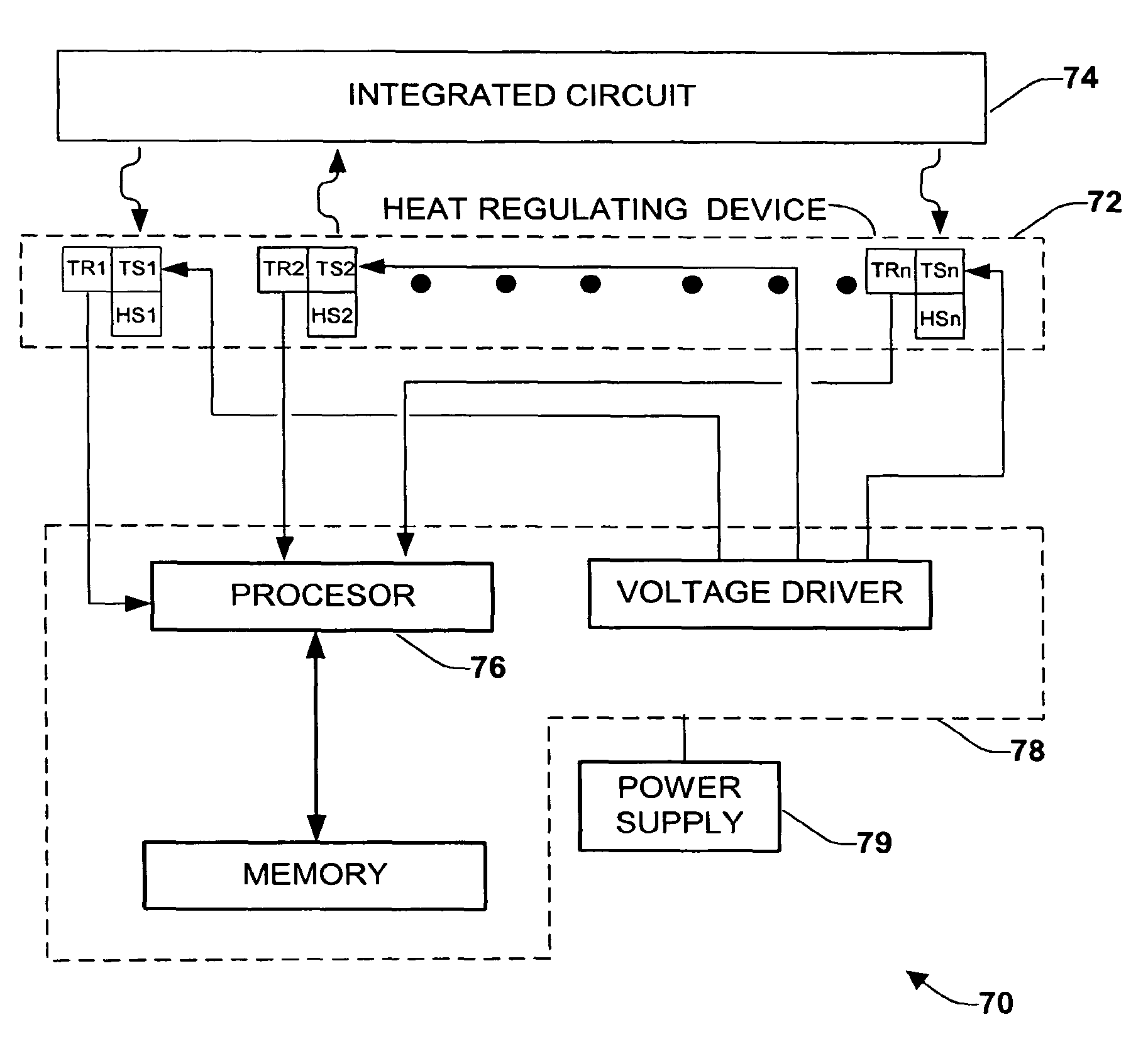
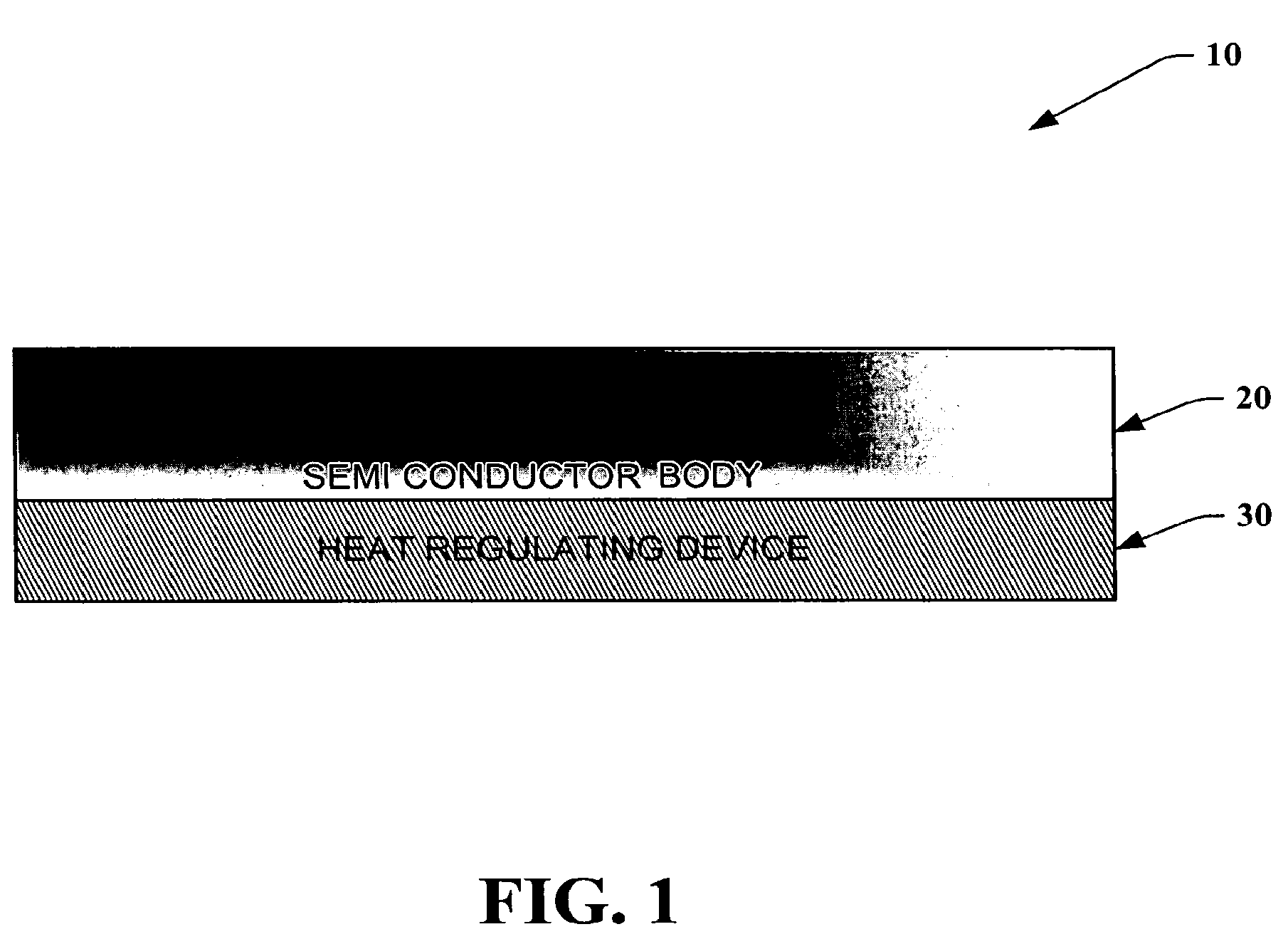
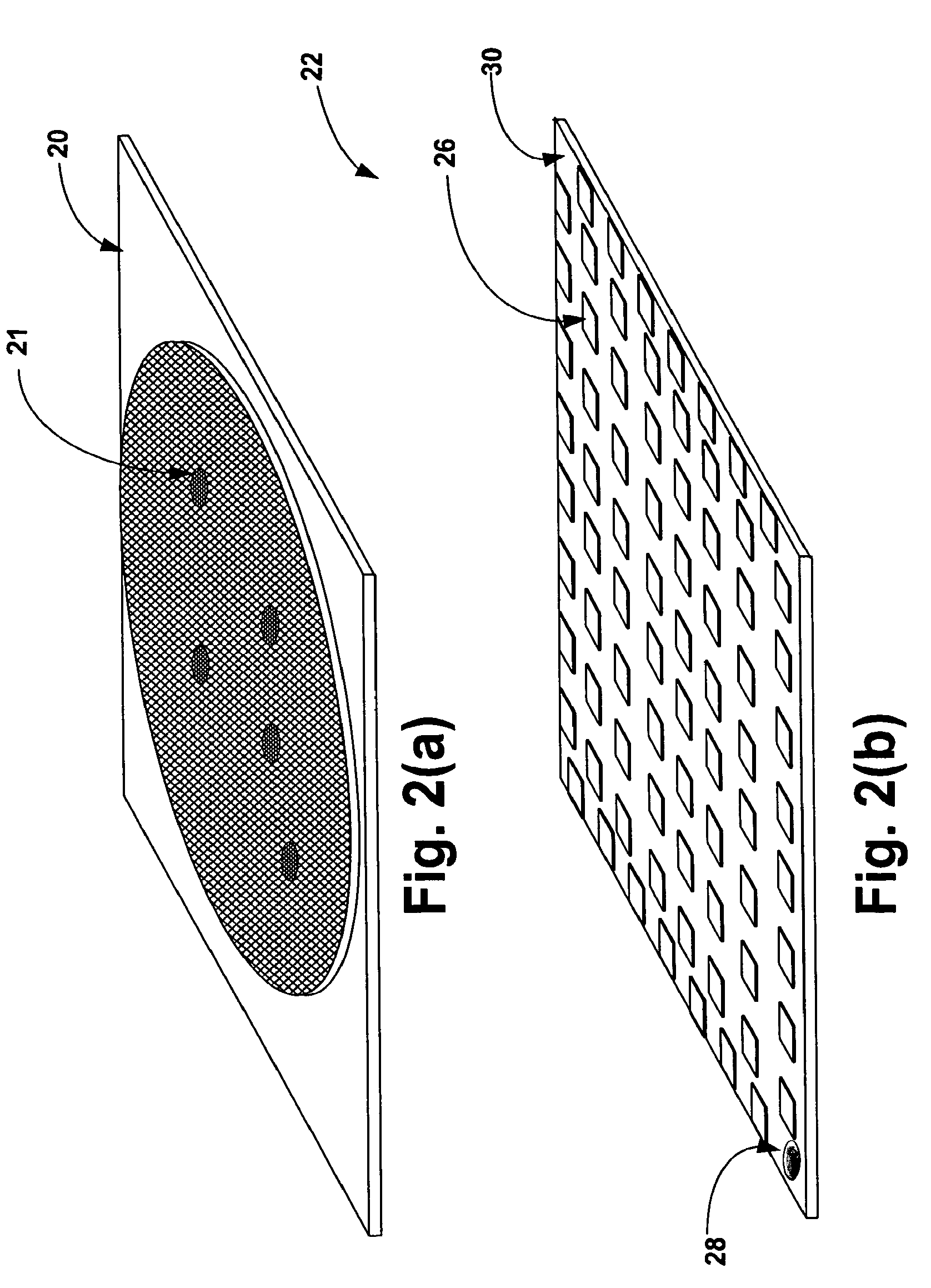
- A system employing thermo-electrical structures on a heat regulating device that dissipates heat from hot spots and induces heat into other areas, creating a uniform temperature gradient across the semiconductor body, using a network of thermo-electrical structures connected to a controller that manages heat flow based on temperature data.

Techniques for heat spreading in an integrated circuit
PatentActiveUS10241844B2
Innovation
- Implementing dynamic switching techniques across identical or similar circuit lanes within transceiver circuits, where non-active lanes are alternately activated to share data processing loads, thereby reducing heat generation by ensuring each lane performs error correction and data processing for only half the time, and maintaining synchronization without reinitialization.


Safety Standards for Battery Management Systems
Safety standards for battery management systems play a crucial role in addressing heat generation concerns in IC controllers, as thermal management directly impacts system safety and reliability. International standards such as IEC 62133, UL 2054, and UN 38.3 establish comprehensive thermal testing requirements that BMS controllers must meet to ensure safe operation under various temperature conditions.
The IEC 61508 functional safety standard specifically addresses thermal protection mechanisms in electronic safety systems, requiring BMS controllers to implement multiple layers of thermal monitoring and protection. These standards mandate that controllers must detect abnormal temperature rises and initiate appropriate protective actions, including current limiting, system shutdown, or thermal derating to prevent dangerous overheating conditions.
ISO 26262, particularly relevant for automotive applications, establishes stringent requirements for thermal management in safety-critical systems. This standard requires BMS controllers to maintain functional safety even under elevated temperature conditions, necessitating robust thermal design and fail-safe mechanisms. The standard emphasizes the importance of thermal modeling and validation testing to ensure controllers can operate safely within specified temperature ranges.
UL 991 and IEC 60730 standards define specific thermal protection requirements for electronic controllers, including maximum allowable component temperatures and thermal cycling endurance criteria. These standards require comprehensive thermal testing protocols, including accelerated aging tests under elevated temperatures to validate long-term reliability and safety performance.
The emerging IEEE 2686 standard for battery management systems introduces advanced thermal safety requirements, including real-time thermal monitoring capabilities and predictive thermal management algorithms. This standard emphasizes proactive heat management strategies rather than reactive protection measures, promoting the integration of advanced thermal sensing and control technologies.
Compliance with these safety standards drives innovation in low-heat BMS controller designs, as manufacturers must balance performance requirements with strict thermal limitations. The standards collectively establish a framework that encourages the development of more efficient, thermally optimized controller architectures while maintaining the highest levels of safety and reliability in battery management applications.
The IEC 61508 functional safety standard specifically addresses thermal protection mechanisms in electronic safety systems, requiring BMS controllers to implement multiple layers of thermal monitoring and protection. These standards mandate that controllers must detect abnormal temperature rises and initiate appropriate protective actions, including current limiting, system shutdown, or thermal derating to prevent dangerous overheating conditions.
ISO 26262, particularly relevant for automotive applications, establishes stringent requirements for thermal management in safety-critical systems. This standard requires BMS controllers to maintain functional safety even under elevated temperature conditions, necessitating robust thermal design and fail-safe mechanisms. The standard emphasizes the importance of thermal modeling and validation testing to ensure controllers can operate safely within specified temperature ranges.
UL 991 and IEC 60730 standards define specific thermal protection requirements for electronic controllers, including maximum allowable component temperatures and thermal cycling endurance criteria. These standards require comprehensive thermal testing protocols, including accelerated aging tests under elevated temperatures to validate long-term reliability and safety performance.
The emerging IEEE 2686 standard for battery management systems introduces advanced thermal safety requirements, including real-time thermal monitoring capabilities and predictive thermal management algorithms. This standard emphasizes proactive heat management strategies rather than reactive protection measures, promoting the integration of advanced thermal sensing and control technologies.
Compliance with these safety standards drives innovation in low-heat BMS controller designs, as manufacturers must balance performance requirements with strict thermal limitations. The standards collectively establish a framework that encourages the development of more efficient, thermally optimized controller architectures while maintaining the highest levels of safety and reliability in battery management applications.
Environmental Impact of Energy-Efficient BMS Design
The environmental implications of energy-efficient Battery Management System (BMS) design extend far beyond immediate operational benefits, creating a cascading positive impact across multiple ecological dimensions. When BMS controllers operate with reduced heat generation, the overall energy efficiency of battery systems improves significantly, directly translating to lower carbon emissions throughout the product lifecycle. This efficiency enhancement reduces the demand on power generation infrastructure, particularly benefiting regions heavily dependent on fossil fuel-based electricity production.
Energy-efficient BMS designs contribute substantially to resource conservation by extending battery lifespan and reducing replacement frequency. Lower operating temperatures achieved through heat reduction strategies minimize thermal stress on battery cells, preventing premature degradation and capacity loss. This longevity directly correlates with reduced mining activities for raw materials such as lithium, cobalt, and rare earth elements, thereby minimizing environmental disruption associated with extraction processes.
The manufacturing footprint of energy-efficient BMS controllers presents another significant environmental advantage. Reduced heat generation requirements allow for simplified thermal management systems, eliminating the need for complex cooling mechanisms, additional heat sinks, or active cooling components. This simplification reduces material consumption during production and decreases manufacturing energy requirements, contributing to lower embodied carbon in the final product.
Waste reduction represents a critical environmental benefit of efficient BMS design. Extended battery life cycles mean fewer batteries reaching end-of-life status, reducing the burden on recycling facilities and minimizing hazardous waste generation. The decreased frequency of battery replacements also reduces packaging waste and transportation-related emissions associated with product distribution and disposal logistics.
Energy-efficient BMS controllers enable broader adoption of renewable energy storage systems by improving overall system economics and reliability. This acceleration of clean energy infrastructure deployment creates positive feedback loops, supporting grid stability for renewable sources and reducing dependence on conventional power generation methods, ultimately contributing to global decarbonization efforts and climate change mitigation strategies.
Energy-efficient BMS designs contribute substantially to resource conservation by extending battery lifespan and reducing replacement frequency. Lower operating temperatures achieved through heat reduction strategies minimize thermal stress on battery cells, preventing premature degradation and capacity loss. This longevity directly correlates with reduced mining activities for raw materials such as lithium, cobalt, and rare earth elements, thereby minimizing environmental disruption associated with extraction processes.
The manufacturing footprint of energy-efficient BMS controllers presents another significant environmental advantage. Reduced heat generation requirements allow for simplified thermal management systems, eliminating the need for complex cooling mechanisms, additional heat sinks, or active cooling components. This simplification reduces material consumption during production and decreases manufacturing energy requirements, contributing to lower embodied carbon in the final product.
Waste reduction represents a critical environmental benefit of efficient BMS design. Extended battery life cycles mean fewer batteries reaching end-of-life status, reducing the burden on recycling facilities and minimizing hazardous waste generation. The decreased frequency of battery replacements also reduces packaging waste and transportation-related emissions associated with product distribution and disposal logistics.
Energy-efficient BMS controllers enable broader adoption of renewable energy storage systems by improving overall system economics and reliability. This acceleration of clean energy infrastructure deployment creates positive feedback loops, supporting grid stability for renewable sources and reducing dependence on conventional power generation methods, ultimately contributing to global decarbonization efforts and climate change mitigation strategies.
Unlock deeper insights with PatSnap Eureka Quick Research — get a full tech report to explore trends and direct your research. Try now!
Generate Your Research Report Instantly with AI Agent
Supercharge your innovation with PatSnap Eureka AI Agent Platform!