
How to Design a Robust Microcontroller-Based Control System
FEB 25, 20269 MIN READ
Generate Your Research Report Instantly with AI Agent
Patsnap Eureka helps you evaluate technical feasibility & market potential.
Microcontroller Control System Design Background and Objectives
Microcontroller-based control systems have emerged as the backbone of modern industrial automation, consumer electronics, and embedded applications over the past four decades. The evolution began with simple 8-bit microcontrollers in the 1970s, primarily used for basic sequential control tasks, and has progressed to today's sophisticated 32-bit and 64-bit systems capable of real-time processing, advanced signal processing, and complex control algorithms. This technological progression has been driven by the increasing demand for intelligent, autonomous systems across industries ranging from automotive and aerospace to healthcare and smart manufacturing.
The historical development trajectory shows distinct phases of advancement. Early microcontroller systems focused on replacing relay-based logic with programmable solutions, offering improved flexibility and reduced hardware complexity. The 1990s witnessed the integration of analog-to-digital converters, pulse-width modulation capabilities, and enhanced communication interfaces, enabling more sophisticated control strategies. The 2000s brought about the convergence of digital signal processing and control theory, allowing implementation of advanced algorithms such as adaptive control, fuzzy logic, and neural network-based approaches within microcontroller platforms.
Current technological trends indicate a shift toward multi-core architectures, enhanced connectivity through IoT protocols, and integration of artificial intelligence at the edge. Modern microcontroller-based control systems must handle increasing complexity while maintaining real-time performance, safety standards, and energy efficiency. The emergence of Industry 4.0 and smart manufacturing has further accelerated the need for robust, interconnected control systems capable of autonomous decision-making and predictive maintenance.
The primary objective of robust microcontroller-based control system design centers on achieving reliable, fault-tolerant operation under varying environmental conditions and system uncertainties. This encompasses developing systems that maintain stable performance despite component aging, temperature variations, electromagnetic interference, and unexpected disturbances. Key technical goals include implementing redundancy mechanisms, establishing comprehensive fault detection and isolation capabilities, and ensuring graceful degradation under failure conditions.
Performance objectives extend beyond basic functionality to encompass real-time responsiveness, energy optimization, and scalability. Modern control systems must demonstrate deterministic behavior with minimal latency while adapting to changing operational requirements. The integration of cybersecurity measures has become equally critical, requiring robust authentication, encrypted communication, and intrusion detection capabilities to protect against evolving cyber threats in interconnected industrial environments.
The historical development trajectory shows distinct phases of advancement. Early microcontroller systems focused on replacing relay-based logic with programmable solutions, offering improved flexibility and reduced hardware complexity. The 1990s witnessed the integration of analog-to-digital converters, pulse-width modulation capabilities, and enhanced communication interfaces, enabling more sophisticated control strategies. The 2000s brought about the convergence of digital signal processing and control theory, allowing implementation of advanced algorithms such as adaptive control, fuzzy logic, and neural network-based approaches within microcontroller platforms.
Current technological trends indicate a shift toward multi-core architectures, enhanced connectivity through IoT protocols, and integration of artificial intelligence at the edge. Modern microcontroller-based control systems must handle increasing complexity while maintaining real-time performance, safety standards, and energy efficiency. The emergence of Industry 4.0 and smart manufacturing has further accelerated the need for robust, interconnected control systems capable of autonomous decision-making and predictive maintenance.
The primary objective of robust microcontroller-based control system design centers on achieving reliable, fault-tolerant operation under varying environmental conditions and system uncertainties. This encompasses developing systems that maintain stable performance despite component aging, temperature variations, electromagnetic interference, and unexpected disturbances. Key technical goals include implementing redundancy mechanisms, establishing comprehensive fault detection and isolation capabilities, and ensuring graceful degradation under failure conditions.
Performance objectives extend beyond basic functionality to encompass real-time responsiveness, energy optimization, and scalability. Modern control systems must demonstrate deterministic behavior with minimal latency while adapting to changing operational requirements. The integration of cybersecurity measures has become equally critical, requiring robust authentication, encrypted communication, and intrusion detection capabilities to protect against evolving cyber threats in interconnected industrial environments.
Market Demand for Robust MCU Control Solutions
The global market for robust microcontroller-based control systems is experiencing unprecedented growth driven by the accelerating digital transformation across multiple industries. Industrial automation represents the largest segment, where manufacturers increasingly demand MCU solutions capable of operating reliably in harsh environments with extreme temperatures, electromagnetic interference, and mechanical vibrations. The push toward Industry 4.0 has intensified requirements for control systems that can maintain consistent performance while handling complex real-time processing tasks.
Automotive applications constitute another rapidly expanding market segment, particularly with the rise of electric vehicles and advanced driver assistance systems. Modern vehicles require MCU control systems that can withstand automotive-grade environmental conditions while ensuring fail-safe operation for critical safety functions. The transition toward autonomous driving technologies further amplifies the demand for ultra-reliable microcontroller solutions with redundant safety mechanisms.
The Internet of Things revolution has created substantial demand for robust MCU control systems in smart infrastructure applications. Smart cities, intelligent buildings, and connected utilities require control systems that can operate continuously for years without maintenance while maintaining cybersecurity standards. These applications often involve deployment in outdoor environments where temperature fluctuations, moisture, and power supply variations pose significant challenges.
Healthcare and medical device sectors represent high-value market opportunities where regulatory compliance and patient safety drive stringent robustness requirements. Medical equipment manufacturers seek MCU control solutions that can guarantee consistent operation under sterilization processes, electromagnetic compatibility in hospital environments, and long-term reliability for implantable devices.
Energy sector applications, including renewable energy systems and smart grid infrastructure, demand MCU control systems capable of operating in extreme outdoor conditions while maintaining precise control algorithms. The growing deployment of solar inverters, wind turbine controllers, and battery management systems creates sustained market demand for environmentally hardened microcontroller solutions.
Market research indicates that end-users increasingly prioritize total cost of ownership over initial purchase price, driving demand for MCU control systems with extended operational lifespans, reduced maintenance requirements, and enhanced diagnostic capabilities. This trend reflects the growing recognition that robust design significantly impacts long-term operational efficiency and system reliability across diverse application domains.
Automotive applications constitute another rapidly expanding market segment, particularly with the rise of electric vehicles and advanced driver assistance systems. Modern vehicles require MCU control systems that can withstand automotive-grade environmental conditions while ensuring fail-safe operation for critical safety functions. The transition toward autonomous driving technologies further amplifies the demand for ultra-reliable microcontroller solutions with redundant safety mechanisms.
The Internet of Things revolution has created substantial demand for robust MCU control systems in smart infrastructure applications. Smart cities, intelligent buildings, and connected utilities require control systems that can operate continuously for years without maintenance while maintaining cybersecurity standards. These applications often involve deployment in outdoor environments where temperature fluctuations, moisture, and power supply variations pose significant challenges.
Healthcare and medical device sectors represent high-value market opportunities where regulatory compliance and patient safety drive stringent robustness requirements. Medical equipment manufacturers seek MCU control solutions that can guarantee consistent operation under sterilization processes, electromagnetic compatibility in hospital environments, and long-term reliability for implantable devices.
Energy sector applications, including renewable energy systems and smart grid infrastructure, demand MCU control systems capable of operating in extreme outdoor conditions while maintaining precise control algorithms. The growing deployment of solar inverters, wind turbine controllers, and battery management systems creates sustained market demand for environmentally hardened microcontroller solutions.
Market research indicates that end-users increasingly prioritize total cost of ownership over initial purchase price, driving demand for MCU control systems with extended operational lifespans, reduced maintenance requirements, and enhanced diagnostic capabilities. This trend reflects the growing recognition that robust design significantly impacts long-term operational efficiency and system reliability across diverse application domains.
Current MCU Control System Challenges and Limitations
Modern microcontroller-based control systems face significant reliability challenges that stem from both hardware vulnerabilities and software complexities. Environmental factors pose substantial threats to system stability, with temperature fluctuations, electromagnetic interference, and power supply variations causing unpredictable behavior. These external stressors can lead to register corruption, timing anomalies, and communication failures that compromise overall system integrity.
Real-time performance constraints represent another critical limitation in current MCU control systems. Many applications require deterministic response times, yet traditional interrupt-driven architectures often struggle with priority conflicts and latency variations. The increasing complexity of control algorithms further exacerbates timing predictability issues, particularly when multiple concurrent processes compete for limited computational resources.
Power management remains a persistent challenge, especially in battery-powered and energy-harvesting applications. Current MCU systems often lack sophisticated power optimization strategies, leading to inefficient energy consumption patterns. Sleep mode transitions, clock scaling decisions, and peripheral power management require careful orchestration to maintain system responsiveness while minimizing power draw.
Communication reliability presents ongoing difficulties in distributed control systems. Traditional protocols frequently lack robust error detection and recovery mechanisms, making systems vulnerable to data corruption and network failures. The proliferation of wireless communication adds additional complexity layers, including signal interference, packet loss, and security vulnerabilities that can compromise system operation.
Software architecture limitations significantly impact system robustness. Many existing MCU control systems rely on monolithic code structures that lack proper fault isolation and recovery mechanisms. Memory management issues, including stack overflow and heap fragmentation, continue to plague embedded systems. Additionally, the absence of standardized safety frameworks makes it challenging to implement comprehensive error handling and system monitoring capabilities.
Hardware resource constraints further compound these challenges. Limited memory capacity restricts the implementation of advanced fault tolerance algorithms, while processing power limitations prevent the adoption of sophisticated diagnostic and self-healing mechanisms. The trade-offs between cost, performance, and reliability often force designers to compromise on robustness features, resulting in systems that are vulnerable to various failure modes.
Real-time performance constraints represent another critical limitation in current MCU control systems. Many applications require deterministic response times, yet traditional interrupt-driven architectures often struggle with priority conflicts and latency variations. The increasing complexity of control algorithms further exacerbates timing predictability issues, particularly when multiple concurrent processes compete for limited computational resources.
Power management remains a persistent challenge, especially in battery-powered and energy-harvesting applications. Current MCU systems often lack sophisticated power optimization strategies, leading to inefficient energy consumption patterns. Sleep mode transitions, clock scaling decisions, and peripheral power management require careful orchestration to maintain system responsiveness while minimizing power draw.
Communication reliability presents ongoing difficulties in distributed control systems. Traditional protocols frequently lack robust error detection and recovery mechanisms, making systems vulnerable to data corruption and network failures. The proliferation of wireless communication adds additional complexity layers, including signal interference, packet loss, and security vulnerabilities that can compromise system operation.
Software architecture limitations significantly impact system robustness. Many existing MCU control systems rely on monolithic code structures that lack proper fault isolation and recovery mechanisms. Memory management issues, including stack overflow and heap fragmentation, continue to plague embedded systems. Additionally, the absence of standardized safety frameworks makes it challenging to implement comprehensive error handling and system monitoring capabilities.
Hardware resource constraints further compound these challenges. Limited memory capacity restricts the implementation of advanced fault tolerance algorithms, while processing power limitations prevent the adoption of sophisticated diagnostic and self-healing mechanisms. The trade-offs between cost, performance, and reliability often force designers to compromise on robustness features, resulting in systems that are vulnerable to various failure modes.
Existing Robust MCU Control Design Approaches
01 Redundancy and fault-tolerant architectures
Implementing redundant microcontroller systems and fault-tolerant architectures enhances control system robustness by providing backup processing capabilities. These approaches include dual or multiple microcontroller configurations, watchdog timers, and fail-safe mechanisms that detect and recover from system failures. Redundant architectures ensure continuous operation even when individual components fail, improving overall system reliability and safety in critical applications.- Redundancy and fault-tolerant architectures: Implementing redundant microcontroller systems and fault-tolerant architectures enhances control system robustness by providing backup processing capabilities. These approaches include dual or multiple microcontroller configurations, watchdog timers, and failsafe mechanisms that detect and recover from system failures. Redundant architectures ensure continuous operation even when individual components fail, maintaining system reliability in critical applications.
- Error detection and correction mechanisms: Incorporating error detection and correction techniques improves microcontroller-based control system reliability. These mechanisms include checksum verification, parity checking, cyclic redundancy checks, and memory error correction codes. By continuously monitoring data integrity and system operations, these techniques identify and correct errors before they compromise system performance, ensuring robust operation in noisy or harsh environments.
- Self-diagnostic and monitoring capabilities: Implementing self-diagnostic routines and continuous monitoring functions enables microcontroller systems to assess their own operational status. These capabilities include built-in test procedures, sensor validation, parameter range checking, and health monitoring algorithms. Self-diagnostic features allow early detection of degradation or malfunction, enabling preventive maintenance and improving overall system robustness through proactive fault management.
- Robust communication protocols and interfaces: Utilizing robust communication protocols and interface designs ensures reliable data exchange in microcontroller-based control systems. These approaches include error-resilient communication standards, signal conditioning, noise filtering, and protocol validation mechanisms. Robust communication interfaces protect against electromagnetic interference, signal degradation, and transmission errors, maintaining system integrity in challenging operational environments.
- Adaptive control algorithms and parameter adjustment: Employing adaptive control algorithms and dynamic parameter adjustment techniques enhances system robustness against varying operating conditions and uncertainties. These methods include adaptive filtering, self-tuning controllers, and real-time parameter optimization that adjust control strategies based on system feedback. Adaptive approaches enable microcontroller systems to maintain stable and optimal performance across different operational scenarios and environmental conditions.
02 Error detection and correction mechanisms
Robust microcontroller-based systems incorporate error detection and correction techniques to identify and mitigate faults during operation. These mechanisms include checksum verification, parity checking, cyclic redundancy checks, and memory error correction codes. By continuously monitoring data integrity and system states, these techniques prevent erroneous operations and enhance system dependability in harsh environments or safety-critical applications.Expand Specific Solutions03 Self-diagnostic and monitoring capabilities
Advanced microcontroller systems implement self-diagnostic routines and continuous monitoring functions to assess system health and performance. These capabilities include built-in test procedures, sensor validation, parameter range checking, and performance degradation detection. Self-diagnostic features enable early identification of potential failures and allow for preventive maintenance or graceful degradation, thereby maintaining system robustness throughout the operational lifecycle.Expand Specific Solutions04 Adaptive control algorithms and parameter adjustment
Robust microcontroller-based control systems employ adaptive algorithms that automatically adjust control parameters in response to changing operating conditions or system variations. These techniques include adaptive gain scheduling, model reference adaptive control, and self-tuning controllers that compensate for environmental changes, component aging, or load variations. Adaptive approaches maintain optimal performance and stability across diverse operating scenarios without manual recalibration.Expand Specific Solutions05 Communication protocol robustness and data integrity
Ensuring robust communication in microcontroller-based systems involves implementing reliable protocols with error handling, timeout mechanisms, and data validation. These techniques include message authentication, retry mechanisms, buffer management, and protocol-level error recovery. Robust communication strategies prevent data corruption, handle network disruptions, and maintain system coordination in distributed control architectures, particularly important in industrial automation and networked embedded systems.Expand Specific Solutions
Leading MCU and Control System Manufacturers
The microcontroller-based control system market represents a mature and highly competitive landscape characterized by significant technological advancement and diverse application domains. The industry has evolved from an emerging growth phase to a consolidated mature stage, with established players dominating key segments including automotive, industrial automation, and consumer electronics. Market leaders like Microchip Technology, Infineon Technologies, and Renesas Electronics have achieved substantial scale through decades of innovation and strategic acquisitions. Continental Automotive, Robert Bosch, and Siemens demonstrate strong integration capabilities in automotive and industrial applications, while companies like STMicroelectronics and Mitsubishi Electric maintain competitive positions across multiple sectors. The technology maturity varies significantly across applications, with automotive and aerospace sectors like Boeing demanding highest reliability standards, while emerging players like Zerynth focus on IoT integration solutions. Overall market size exceeds billions annually, driven by increasing automation demands and IoT proliferation across industries.
Robert Bosch GmbH
Technical Solution: Bosch implements robust microcontroller-based control systems through their automotive ECU platforms utilizing multi-core architectures with functional safety compliance to ISO 26262 standards. Their systems feature redundant processing units, advanced sensor fusion algorithms, and real-time monitoring capabilities for critical automotive applications. The control architecture incorporates fail-operational design principles with hardware abstraction layers, secure boot mechanisms, and over-the-air update capabilities to maintain system integrity throughout the product lifecycle.
Strengths: Industry-leading functional safety expertise, extensive automotive market experience, comprehensive system integration capabilities. Weaknesses: High development costs, complex certification processes, primarily focused on automotive applications limiting broader market applicability.
Microchip Technology, Inc.
Technical Solution: Microchip develops comprehensive microcontroller-based control systems featuring their PIC and AVR microcontroller families with integrated safety mechanisms, real-time operating systems, and robust communication protocols. Their solutions incorporate hardware-based security features, watchdog timers, brown-out detection, and fail-safe mechanisms to ensure system reliability in harsh industrial environments. The company provides development tools including MPLAB X IDE and code configurators that enable rapid prototyping and testing of control algorithms with built-in diagnostics and error handling capabilities.
Strengths: Extensive microcontroller portfolio with proven reliability, comprehensive development ecosystem, strong automotive qualification standards. Weaknesses: Higher cost compared to generic solutions, limited high-performance computing capabilities for complex AI applications.
Core Technologies for MCU System Robustness
Dependable microcontroller, method for designing a dependable microcontroller and computer program product therefor
PatentActiveUS7472051B2
Innovation
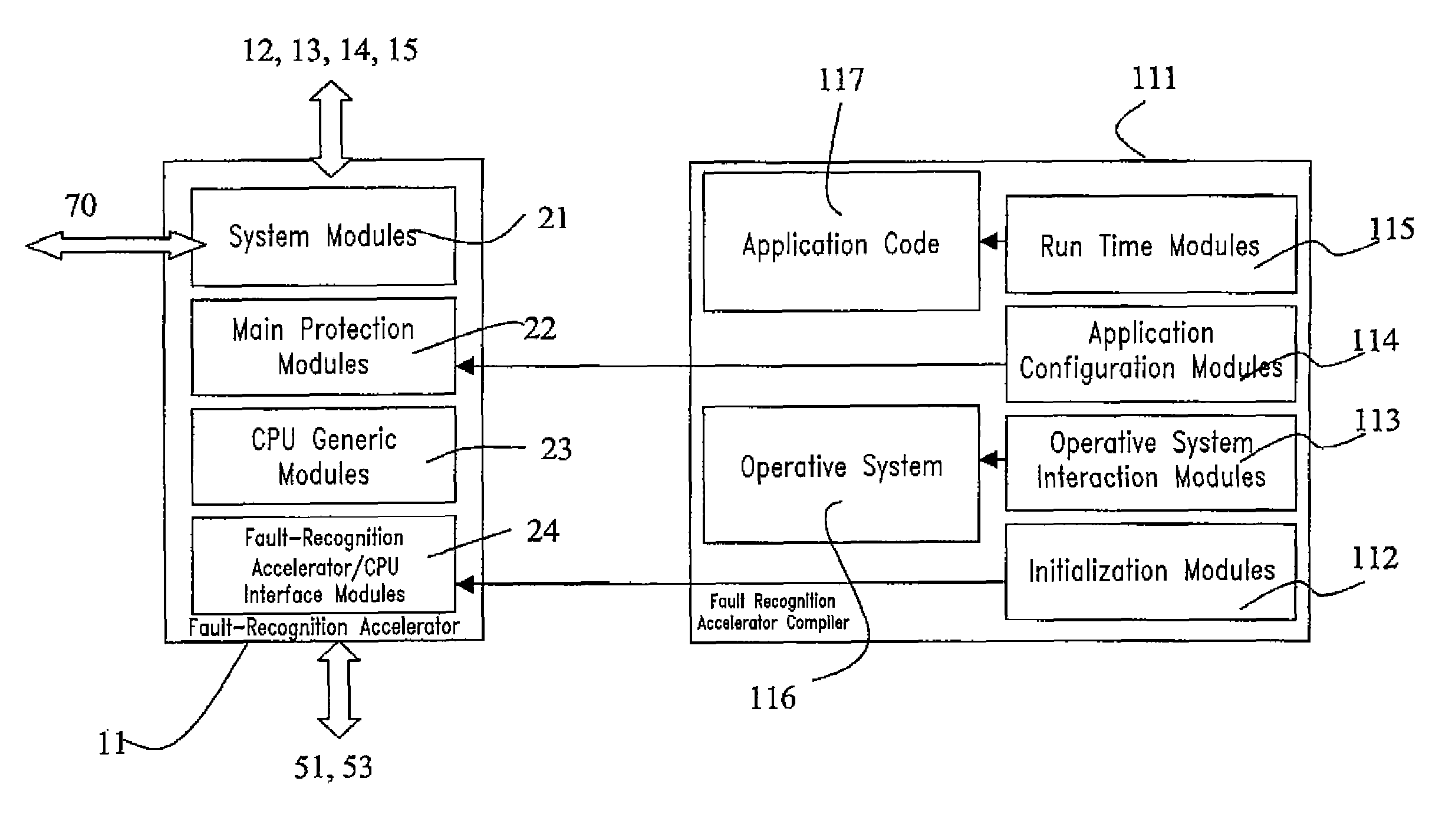
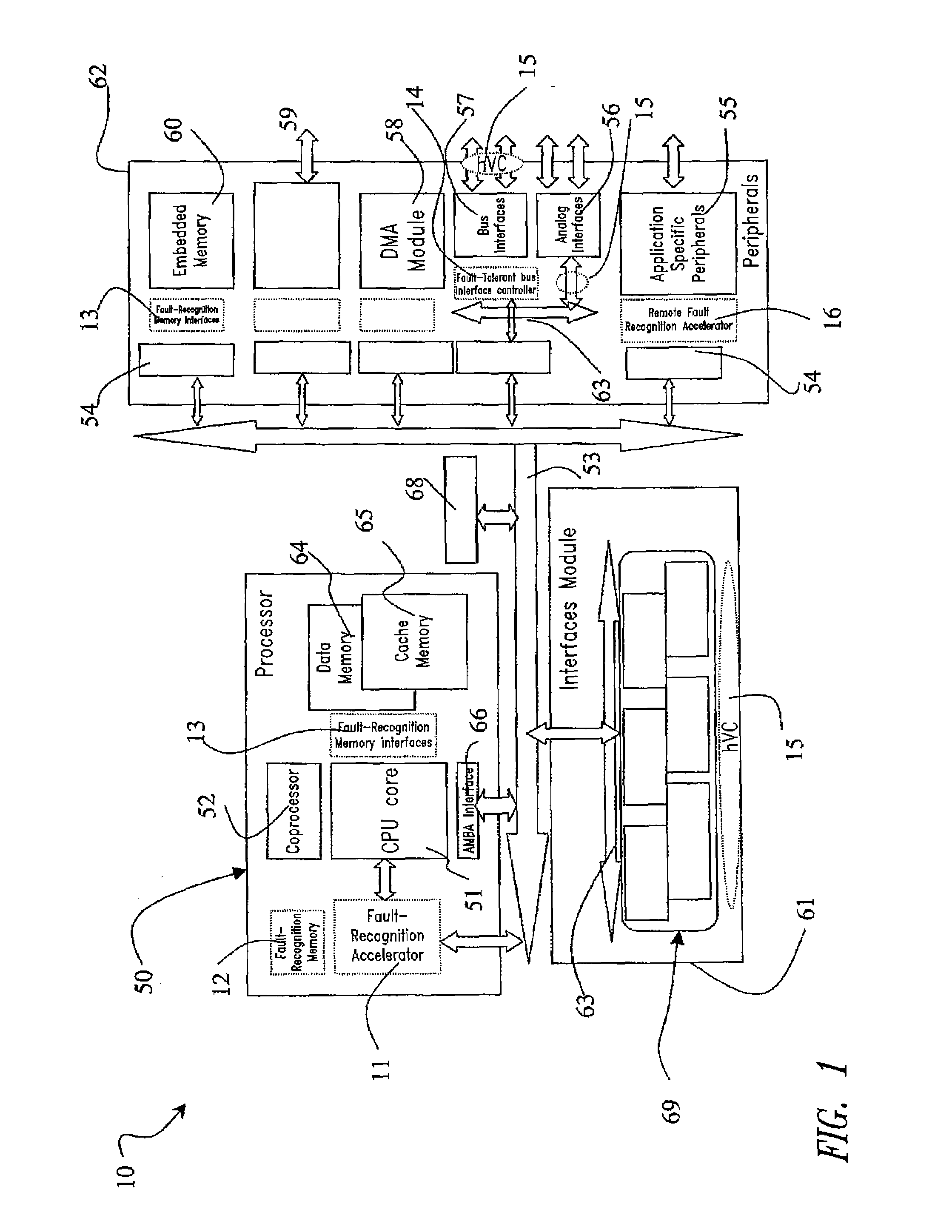
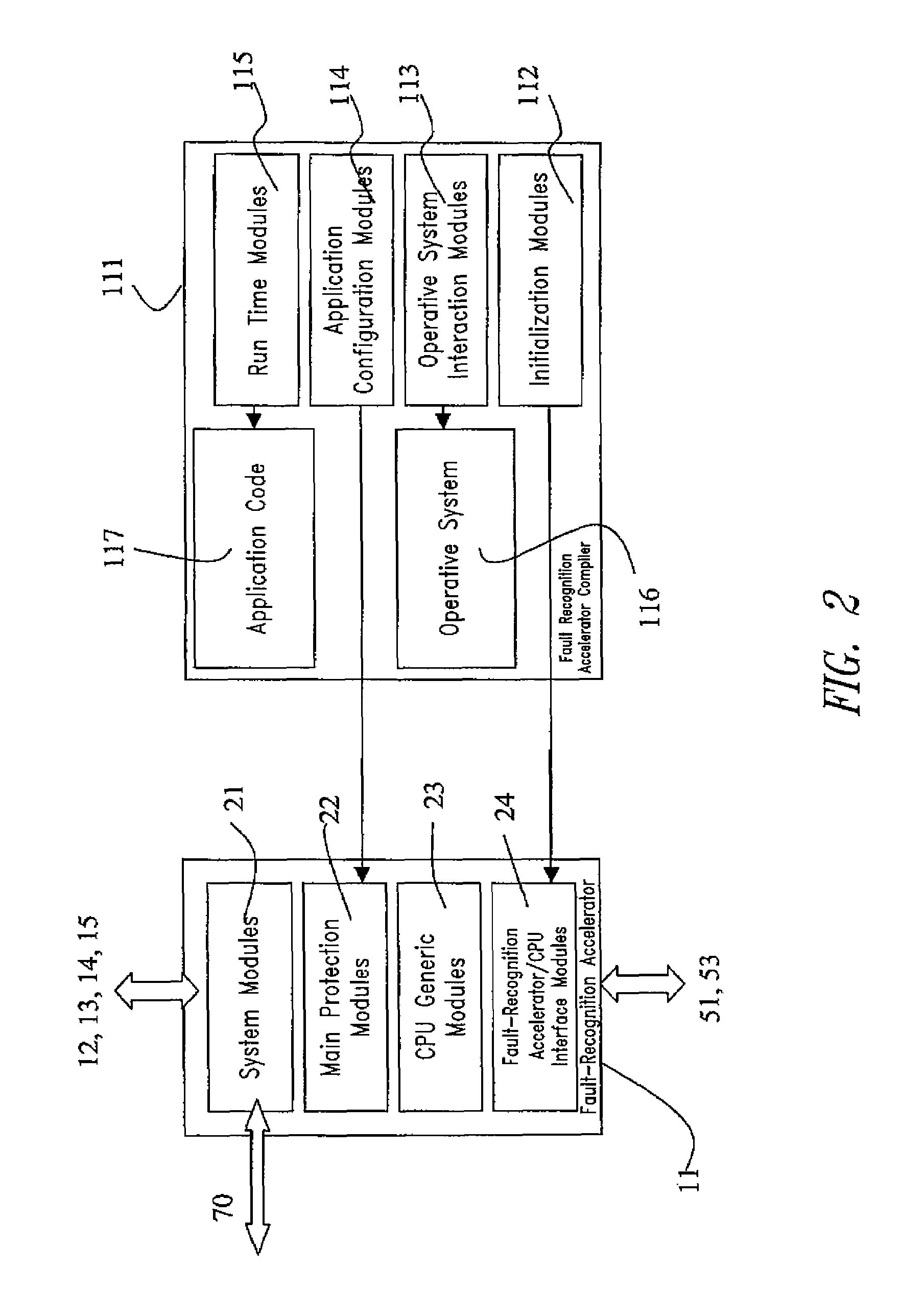
- A microcontroller with a fault-tolerant processing unit that implements distributed fault-tolerant detection methods through suitable interfaces and hardware blocks, utilizing a Fault-Recognition Accelerator to monitor and manage faults, reducing area overhead and enabling low-latency fault control.

Control system, control device and method for providing a open- and/or closed-loop control signal
PatentWO2024160729A1
Innovation
- A control system architecture featuring a system bus with a system controller and a measurement bus with a deterministic, programmable finite state machine measurement controller, connected via a bus interface, allows for separate execution of system and measurement functions, using RISC processors to enhance speed and safety.


Safety Standards for MCU Control Systems
Safety standards for microcontroller-based control systems form the cornerstone of reliable embedded system design, establishing comprehensive frameworks that govern both hardware and software implementation practices. These standards ensure that MCU control systems operate within acceptable risk parameters while maintaining functional integrity across diverse operational environments and failure scenarios.
The IEC 61508 standard serves as the fundamental framework for functional safety in electrical and electronic systems, providing systematic approaches for safety lifecycle management in MCU-based applications. This standard establishes Safety Integrity Levels (SIL) ranging from SIL 1 to SIL 4, with each level defining specific requirements for hardware fault tolerance, software development processes, and systematic failure prevention. For microcontroller systems, SIL 2 and SIL 3 classifications are most commonly applied, requiring hardware diagnostic coverage rates of 90% and 99% respectively.
ISO 26262 extends these principles specifically to automotive applications, addressing the unique challenges of MCU control systems in vehicles. This standard emphasizes Automotive Safety Integrity Levels (ASIL) and mandates rigorous verification processes for safety-critical functions such as engine management, braking systems, and steering control. The standard requires implementation of safety mechanisms including memory protection units, watchdog timers, and redundant processing paths to achieve required diagnostic coverage.
IEC 62061 focuses on safety-related control systems in machinery applications, establishing requirements for MCU-based safety functions in industrial environments. This standard addresses environmental factors such as electromagnetic interference, temperature variations, and mechanical stress that can affect microcontroller reliability. It mandates specific design practices including galvanic isolation, surge protection, and environmental hardening to ensure consistent operation under adverse conditions.
The DO-178C standard governs software considerations in airborne systems, establishing rigorous development and verification processes for MCU firmware in aviation applications. This standard requires comprehensive traceability from requirements through implementation, extensive testing protocols, and formal verification methods to ensure software reliability in safety-critical flight control systems.
Medical device applications follow IEC 62304 standards, which establish software lifecycle processes for medical device software including MCU-based control systems. These requirements emphasize risk management, software architecture documentation, and validation testing to ensure patient safety in medical equipment applications.
The IEC 61508 standard serves as the fundamental framework for functional safety in electrical and electronic systems, providing systematic approaches for safety lifecycle management in MCU-based applications. This standard establishes Safety Integrity Levels (SIL) ranging from SIL 1 to SIL 4, with each level defining specific requirements for hardware fault tolerance, software development processes, and systematic failure prevention. For microcontroller systems, SIL 2 and SIL 3 classifications are most commonly applied, requiring hardware diagnostic coverage rates of 90% and 99% respectively.
ISO 26262 extends these principles specifically to automotive applications, addressing the unique challenges of MCU control systems in vehicles. This standard emphasizes Automotive Safety Integrity Levels (ASIL) and mandates rigorous verification processes for safety-critical functions such as engine management, braking systems, and steering control. The standard requires implementation of safety mechanisms including memory protection units, watchdog timers, and redundant processing paths to achieve required diagnostic coverage.
IEC 62061 focuses on safety-related control systems in machinery applications, establishing requirements for MCU-based safety functions in industrial environments. This standard addresses environmental factors such as electromagnetic interference, temperature variations, and mechanical stress that can affect microcontroller reliability. It mandates specific design practices including galvanic isolation, surge protection, and environmental hardening to ensure consistent operation under adverse conditions.
The DO-178C standard governs software considerations in airborne systems, establishing rigorous development and verification processes for MCU firmware in aviation applications. This standard requires comprehensive traceability from requirements through implementation, extensive testing protocols, and formal verification methods to ensure software reliability in safety-critical flight control systems.
Medical device applications follow IEC 62304 standards, which establish software lifecycle processes for medical device software including MCU-based control systems. These requirements emphasize risk management, software architecture documentation, and validation testing to ensure patient safety in medical equipment applications.
Reliability Testing for Industrial MCU Applications
Reliability testing for industrial microcontroller applications represents a critical validation phase that ensures robust control systems can withstand harsh operational environments and maintain consistent performance over extended periods. Industrial MCU-based control systems must demonstrate exceptional durability under extreme conditions including temperature variations, electromagnetic interference, vibration, humidity, and power fluctuations that are commonplace in manufacturing facilities, automotive systems, and process control environments.
Environmental stress testing forms the cornerstone of industrial MCU reliability validation. Temperature cycling tests expose microcontrollers to repeated thermal stress ranging from -40°C to +125°C, simulating real-world conditions where control systems experience daily temperature variations or seasonal changes. Humidity testing at 85% relative humidity and elevated temperatures accelerates potential corrosion and moisture-related failures. Vibration and shock testing protocols, following standards such as IEC 60068, evaluate mechanical robustness under conditions typical of heavy machinery operations or transportation applications.
Electromagnetic compatibility testing ensures MCU systems maintain functionality despite exposure to electromagnetic interference from motors, welding equipment, radio transmissions, and switching power supplies. Conducted and radiated immunity tests verify that control systems continue operating correctly when subjected to electromagnetic disturbances, while emission testing confirms the MCU system does not interfere with other electronic equipment in the industrial environment.
Power supply stress testing evaluates MCU performance under voltage variations, power interruptions, and transient conditions. Industrial environments frequently experience voltage sags, surges, and brief power outages that can compromise system integrity. Testing includes brown-out recovery, power-on reset functionality, and voltage tolerance verification across specified operating ranges.
Accelerated life testing employs elevated stress conditions to predict long-term reliability within compressed timeframes. High-temperature operating life tests, typically conducted at 125°C for 1000 hours, extrapolate failure rates and mean time between failures for normal operating conditions. These tests identify potential wear-out mechanisms and validate design margins for critical components.
Functional safety testing addresses systematic and random hardware failures according to standards like IEC 61508 or ISO 26262 for automotive applications. This includes fault injection testing, where deliberate faults are introduced to verify proper system response and fail-safe behavior. Safety integrity level requirements dictate specific failure rate targets and diagnostic coverage percentages that must be validated through comprehensive testing protocols.
Environmental stress testing forms the cornerstone of industrial MCU reliability validation. Temperature cycling tests expose microcontrollers to repeated thermal stress ranging from -40°C to +125°C, simulating real-world conditions where control systems experience daily temperature variations or seasonal changes. Humidity testing at 85% relative humidity and elevated temperatures accelerates potential corrosion and moisture-related failures. Vibration and shock testing protocols, following standards such as IEC 60068, evaluate mechanical robustness under conditions typical of heavy machinery operations or transportation applications.
Electromagnetic compatibility testing ensures MCU systems maintain functionality despite exposure to electromagnetic interference from motors, welding equipment, radio transmissions, and switching power supplies. Conducted and radiated immunity tests verify that control systems continue operating correctly when subjected to electromagnetic disturbances, while emission testing confirms the MCU system does not interfere with other electronic equipment in the industrial environment.
Power supply stress testing evaluates MCU performance under voltage variations, power interruptions, and transient conditions. Industrial environments frequently experience voltage sags, surges, and brief power outages that can compromise system integrity. Testing includes brown-out recovery, power-on reset functionality, and voltage tolerance verification across specified operating ranges.
Accelerated life testing employs elevated stress conditions to predict long-term reliability within compressed timeframes. High-temperature operating life tests, typically conducted at 125°C for 1000 hours, extrapolate failure rates and mean time between failures for normal operating conditions. These tests identify potential wear-out mechanisms and validate design margins for critical components.
Functional safety testing addresses systematic and random hardware failures according to standards like IEC 61508 or ISO 26262 for automotive applications. This includes fault injection testing, where deliberate faults are introduced to verify proper system response and fail-safe behavior. Safety integrity level requirements dictate specific failure rate targets and diagnostic coverage percentages that must be validated through comprehensive testing protocols.
Unlock deeper insights with Patsnap Eureka Quick Research — get a full tech report to explore trends and direct your research. Try now!
Generate Your Research Report Instantly with AI Agent
Supercharge your innovation with Patsnap Eureka AI Agent Platform!