

How to Optimize Electrodynamic Tethers for Power Generation
MAY 11, 20269 MIN READ
Generate Your Research Report Instantly with AI Agent
PatSnap Eureka helps you evaluate technical feasibility & market potential.
Electrodynamic Tether Technology Background and Objectives
Electrodynamic tether (EDT) technology represents a revolutionary approach to space-based power generation that harnesses the Earth's magnetic field and orbital motion to generate electrical energy. This concept emerged from fundamental electromagnetic principles discovered in the 19th century, where a conductor moving through a magnetic field induces an electromotive force. The space environment provides a unique opportunity to exploit this phenomenon on a massive scale, with orbital velocities reaching approximately 7.8 km/s and the Earth's magnetic field serving as a natural energy source.
The historical development of EDT technology began in the 1960s with theoretical proposals by Italian physicist Giuseppe Colombo and later advanced by Mario Grossi at the Smithsonian Astrophysical Observatory. Early conceptual studies focused on using long conducting cables deployed from spacecraft to interact with the Earth's magnetosphere. The technology gained significant momentum during the 1990s with NASA's Tethered Satellite System missions, which demonstrated the practical feasibility of deploying kilometer-long tethers in space and generating substantial electrical currents.
The evolution of EDT systems has progressed from simple bare wire configurations to sophisticated multi-conductor designs incorporating advanced materials and deployment mechanisms. Modern tether concepts utilize bare conducting segments that collect electrons from the surrounding plasma, while insulated portions prevent unwanted current losses. This technological progression has been driven by advances in materials science, particularly the development of high-strength, lightweight conductors capable of withstanding the harsh space environment including atomic oxygen erosion, thermal cycling, and micrometeorite impacts.
Current EDT technology objectives center on achieving efficient, reliable, and cost-effective power generation for various space applications. Primary goals include developing tethers capable of generating kilowatts to megawatts of electrical power for large spacecraft, space stations, and lunar or planetary installations. The technology aims to provide a propellantless alternative to traditional power systems, offering significant mass and cost advantages for long-duration missions.
Contemporary research focuses on optimizing tether design parameters including length, cross-sectional area, material composition, and deployment strategies to maximize power output while ensuring system reliability. Key technical objectives involve minimizing tether mass per unit power generated, enhancing current collection efficiency through advanced plasma physics understanding, and developing robust deployment and retrieval mechanisms. Additionally, researchers are pursuing multi-tether configurations and dynamic length adjustment capabilities to adapt power generation to varying orbital conditions and mission requirements.
The strategic importance of EDT optimization extends beyond power generation to encompass orbital maneuvering, debris mitigation, and deep space exploration applications. Future objectives include integrating EDT systems with spacecraft propulsion, enabling continuous orbit maintenance without fuel consumption, and supporting sustainable space operations through renewable energy harvesting from the space environment itself.
The historical development of EDT technology began in the 1960s with theoretical proposals by Italian physicist Giuseppe Colombo and later advanced by Mario Grossi at the Smithsonian Astrophysical Observatory. Early conceptual studies focused on using long conducting cables deployed from spacecraft to interact with the Earth's magnetosphere. The technology gained significant momentum during the 1990s with NASA's Tethered Satellite System missions, which demonstrated the practical feasibility of deploying kilometer-long tethers in space and generating substantial electrical currents.
The evolution of EDT systems has progressed from simple bare wire configurations to sophisticated multi-conductor designs incorporating advanced materials and deployment mechanisms. Modern tether concepts utilize bare conducting segments that collect electrons from the surrounding plasma, while insulated portions prevent unwanted current losses. This technological progression has been driven by advances in materials science, particularly the development of high-strength, lightweight conductors capable of withstanding the harsh space environment including atomic oxygen erosion, thermal cycling, and micrometeorite impacts.
Current EDT technology objectives center on achieving efficient, reliable, and cost-effective power generation for various space applications. Primary goals include developing tethers capable of generating kilowatts to megawatts of electrical power for large spacecraft, space stations, and lunar or planetary installations. The technology aims to provide a propellantless alternative to traditional power systems, offering significant mass and cost advantages for long-duration missions.
Contemporary research focuses on optimizing tether design parameters including length, cross-sectional area, material composition, and deployment strategies to maximize power output while ensuring system reliability. Key technical objectives involve minimizing tether mass per unit power generated, enhancing current collection efficiency through advanced plasma physics understanding, and developing robust deployment and retrieval mechanisms. Additionally, researchers are pursuing multi-tether configurations and dynamic length adjustment capabilities to adapt power generation to varying orbital conditions and mission requirements.
The strategic importance of EDT optimization extends beyond power generation to encompass orbital maneuvering, debris mitigation, and deep space exploration applications. Future objectives include integrating EDT systems with spacecraft propulsion, enabling continuous orbit maintenance without fuel consumption, and supporting sustainable space operations through renewable energy harvesting from the space environment itself.
Market Demand for Space-Based Power Generation Systems
The global space-based power generation market is experiencing unprecedented growth driven by increasing energy demands on Earth and the expanding space economy. Traditional terrestrial renewable energy sources face limitations including weather dependency, land constraints, and intermittent power generation, creating substantial market opportunities for space-based alternatives. Electrodynamic tethers represent a promising solution within this emerging sector, offering continuous power generation capabilities in orbital environments without requiring fuel or complex mechanical systems.
Satellite operators constitute the primary market segment for electrodynamic tether technology, as the growing constellation of communication, Earth observation, and navigation satellites requires reliable power sources. The proliferation of small satellites and CubeSats has created demand for lightweight, cost-effective power generation systems that can operate efficiently in low Earth orbit. These platforms benefit significantly from electrodynamic tethers' ability to generate power while simultaneously providing orbital drag compensation and attitude control functions.
The commercial space industry represents another significant market driver, with private companies increasingly investing in space-based infrastructure projects. Space manufacturing facilities, orbital research stations, and future space tourism platforms require substantial power generation capabilities that traditional solar panels alone cannot efficiently provide. Electrodynamic tethers offer scalable power solutions that can adapt to varying operational requirements while maintaining structural simplicity.
Government space agencies worldwide are actively pursuing space-based power generation technologies to support deep space missions, lunar bases, and Mars exploration programs. These applications demand robust, long-duration power systems capable of operating in challenging environments where solar irradiance may be limited or unavailable. The dual functionality of electrodynamic tethers as both power generators and propulsion systems makes them particularly attractive for mission planners seeking to optimize payload mass and operational efficiency.
The terrestrial energy market presents long-term opportunities for space-based power transmission systems, where electrodynamic tethers could serve as components in larger orbital power stations. Growing concerns about climate change and energy security are driving interest in clean, abundant space-based power sources that could supplement terrestrial grids. This application requires significant technological advancement and infrastructure development but represents the largest potential market for space-based power generation systems.
Market barriers include high initial development costs, regulatory uncertainties, and technical challenges related to power transmission and system reliability. However, decreasing launch costs and advancing space technologies are gradually reducing these obstacles, creating favorable conditions for market expansion and technology adoption across multiple space-based applications.
Satellite operators constitute the primary market segment for electrodynamic tether technology, as the growing constellation of communication, Earth observation, and navigation satellites requires reliable power sources. The proliferation of small satellites and CubeSats has created demand for lightweight, cost-effective power generation systems that can operate efficiently in low Earth orbit. These platforms benefit significantly from electrodynamic tethers' ability to generate power while simultaneously providing orbital drag compensation and attitude control functions.
The commercial space industry represents another significant market driver, with private companies increasingly investing in space-based infrastructure projects. Space manufacturing facilities, orbital research stations, and future space tourism platforms require substantial power generation capabilities that traditional solar panels alone cannot efficiently provide. Electrodynamic tethers offer scalable power solutions that can adapt to varying operational requirements while maintaining structural simplicity.
Government space agencies worldwide are actively pursuing space-based power generation technologies to support deep space missions, lunar bases, and Mars exploration programs. These applications demand robust, long-duration power systems capable of operating in challenging environments where solar irradiance may be limited or unavailable. The dual functionality of electrodynamic tethers as both power generators and propulsion systems makes them particularly attractive for mission planners seeking to optimize payload mass and operational efficiency.
The terrestrial energy market presents long-term opportunities for space-based power transmission systems, where electrodynamic tethers could serve as components in larger orbital power stations. Growing concerns about climate change and energy security are driving interest in clean, abundant space-based power sources that could supplement terrestrial grids. This application requires significant technological advancement and infrastructure development but represents the largest potential market for space-based power generation systems.
Market barriers include high initial development costs, regulatory uncertainties, and technical challenges related to power transmission and system reliability. However, decreasing launch costs and advancing space technologies are gradually reducing these obstacles, creating favorable conditions for market expansion and technology adoption across multiple space-based applications.
Current State and Challenges of EDT Power Optimization
Electrodynamic tethers (EDTs) for power generation have reached a critical juncture where theoretical foundations are well-established, yet practical implementation faces significant technical barriers. Current EDT systems demonstrate the fundamental principle of electromagnetic induction in space environments, where a conductive tether moving through Earth's magnetic field generates electrical current. However, existing prototypes achieve power outputs substantially below theoretical predictions, typically generating only tens to hundreds of watts compared to projected kilowatt-level capabilities.
The primary technical challenge lies in optimizing tether conductivity while maintaining structural integrity in the harsh space environment. Current tether materials, predominantly aluminum and copper-based conductors, suffer from micrometeorite damage, atomic oxygen erosion, and thermal cycling stress. These factors significantly reduce tether lifespan and power generation efficiency over operational periods. Advanced composite materials incorporating carbon nanotubes and graphene show promise but remain prohibitively expensive for large-scale deployment.
Plasma collection efficiency represents another critical bottleneck in EDT power optimization. Current electron collection systems, including bare tether segments and plasma contactors, achieve collection efficiencies of only 20-40% of theoretical maximum values. The complex plasma physics governing electron collection in low Earth orbit creates unpredictable performance variations, particularly during geomagnetic disturbances and solar activity fluctuations.
System-level integration challenges further complicate EDT power optimization efforts. Current designs struggle with power conditioning and storage systems that can handle the variable, low-voltage, high-current output characteristic of EDT systems. Existing power management electronics add significant mass penalties while introducing additional failure points that compromise overall system reliability.
Orbital mechanics constraints impose fundamental limitations on current EDT power generation strategies. Tether orientation control remains technically challenging, with existing attitude control systems consuming substantial power that reduces net energy output. The trade-off between tether length for increased power generation and system complexity for deployment and control creates optimization dilemmas that current technologies cannot adequately resolve.
Manufacturing and deployment scalability present additional obstacles to EDT power optimization. Current fabrication techniques for long, lightweight, conductive tethers are limited to laboratory-scale production, with quality control and cost-effectiveness remaining unresolved for kilometer-length systems required for meaningful power generation applications.
The primary technical challenge lies in optimizing tether conductivity while maintaining structural integrity in the harsh space environment. Current tether materials, predominantly aluminum and copper-based conductors, suffer from micrometeorite damage, atomic oxygen erosion, and thermal cycling stress. These factors significantly reduce tether lifespan and power generation efficiency over operational periods. Advanced composite materials incorporating carbon nanotubes and graphene show promise but remain prohibitively expensive for large-scale deployment.
Plasma collection efficiency represents another critical bottleneck in EDT power optimization. Current electron collection systems, including bare tether segments and plasma contactors, achieve collection efficiencies of only 20-40% of theoretical maximum values. The complex plasma physics governing electron collection in low Earth orbit creates unpredictable performance variations, particularly during geomagnetic disturbances and solar activity fluctuations.
System-level integration challenges further complicate EDT power optimization efforts. Current designs struggle with power conditioning and storage systems that can handle the variable, low-voltage, high-current output characteristic of EDT systems. Existing power management electronics add significant mass penalties while introducing additional failure points that compromise overall system reliability.
Orbital mechanics constraints impose fundamental limitations on current EDT power generation strategies. Tether orientation control remains technically challenging, with existing attitude control systems consuming substantial power that reduces net energy output. The trade-off between tether length for increased power generation and system complexity for deployment and control creates optimization dilemmas that current technologies cannot adequately resolve.
Manufacturing and deployment scalability present additional obstacles to EDT power optimization. Current fabrication techniques for long, lightweight, conductive tethers are limited to laboratory-scale production, with quality control and cost-effectiveness remaining unresolved for kilometer-length systems required for meaningful power generation applications.
Existing EDT Power Optimization Solutions
01 Electrodynamic tether system design and configuration
Electrodynamic tether systems utilize conductive cables or wires deployed in space to interact with planetary magnetic fields for power generation. The system design involves optimizing tether length, material properties, and deployment mechanisms to maximize electromagnetic induction effects. These systems can be configured for various orbital applications and require careful consideration of structural integrity and electrical conductivity.- Electrodynamic tether system design and configuration: Electrodynamic tether systems utilize conductive cables or wires deployed in space to interact with planetary magnetic fields for power generation. The design involves optimizing tether length, material properties, and deployment mechanisms to maximize electromagnetic induction effects. These systems can be configured as bare tethers or insulated conductors with specific geometric arrangements to enhance current collection and power output efficiency.
- Current collection and electron emission systems: Current collection mechanisms are essential for electrodynamic tether operation, involving electron collectors and emitters that facilitate current flow through the tether system. These components include plasma contactors, hollow cathodes, and electron guns that enable the tether to complete electrical circuits with the surrounding plasma environment. The efficiency of current collection directly impacts the power generation capability of the tether system.
- Power conditioning and energy storage integration: Power conditioning systems convert the variable electrical output from electrodynamic tethers into usable power for spacecraft systems. These systems include voltage regulators, power converters, and energy storage components that manage the fluctuating power generation characteristics inherent in orbital electrodynamic systems. Integration with spacecraft power buses and load management systems ensures stable power delivery.
- Orbital mechanics and tether dynamics control: The orbital dynamics of electrodynamic tether systems require sophisticated control mechanisms to maintain proper orientation and tension. Control systems manage tether deployment, retrieval, and attitude maintenance while accounting for gravitational gradients, atmospheric drag, and electromagnetic forces. These systems ensure optimal positioning for power generation while preventing tether instability or collision risks.
- Multi-tether arrays and scalable power systems: Advanced electrodynamic power generation systems employ multiple tether configurations or arrays to increase power output and system redundancy. These scalable systems can be deployed from single spacecraft or distributed across multiple platforms to create larger power generation networks. The design considerations include tether spacing, electromagnetic interference mitigation, and coordinated control of multiple tether elements.
02 Magnetic field interaction and electromagnetic induction principles
The fundamental operating principle involves the movement of conductive tethers through planetary magnetic fields to generate electrical current through electromagnetic induction. The interaction between the tether motion and magnetic field lines creates electromotive force that can be harvested for power generation. This process requires understanding of orbital mechanics and magnetic field variations to optimize power output.Expand Specific Solutions03 Power collection and electrical circuit systems
Specialized electrical circuits and power collection systems are required to capture and condition the electrical energy generated by electrodynamic tethers. These systems include power management units, voltage regulators, and energy storage components to handle the variable nature of tether-generated electricity. The electrical systems must be designed to operate in the harsh space environment while maintaining efficiency.Expand Specific Solutions04 Tether deployment and control mechanisms
Deployment systems are critical for extending tethers to operational lengths in space environments. These mechanisms include motorized reels, spring-loaded systems, and controlled release devices that ensure proper tether orientation and tension. Control systems monitor tether position and can adjust deployment parameters to maintain optimal power generation conditions while preventing tangling or structural damage.Expand Specific Solutions05 Space-based applications and satellite power systems
Electrodynamic tethers are integrated into satellite and spacecraft systems to provide supplementary or primary power generation capabilities. These applications include orbital debris removal, satellite propulsion assistance, and power generation for space stations. The technology offers advantages for long-duration missions where traditional power sources may be insufficient or require frequent maintenance.Expand Specific Solutions
Key Players in Space Tether and Power Generation Industry
The electrodynamic tether power generation field represents an emerging technology sector in early development stages with significant growth potential but limited commercial deployment. The market remains nascent with modest current scale, primarily driven by space applications and experimental terrestrial implementations. Technology maturity varies considerably across stakeholders, with established aerospace giants like NASA, Safran Aircraft Engines, and United Technologies leveraging decades of space systems expertise, while industrial leaders such as Siemens Industry, Robert Bosch, and Caterpillar bring complementary power generation and electrical systems capabilities. Academic institutions including Waseda University, Dresden University of Technology, and Stanford University contribute fundamental research advancing tether materials and electromagnetic principles. The competitive landscape shows fragmented development with no dominant market leaders, as companies like Skeleton Technologies focus on energy storage integration while cable specialists such as Huizhou LTK develop supporting infrastructure components for this promising but technically challenging power generation approach.
Robert Bosch GmbH
Technical Solution: Bosch has developed terrestrial electrodynamic tether systems for renewable energy applications, focusing on magnetohydrodynamic power generation using conductive tethers in controlled magnetic field environments. Their technology emphasizes high-efficiency power conditioning electronics and advanced materials engineering to optimize conductivity-to-weight ratios. The system incorporates smart grid integration capabilities with real-time monitoring and adaptive control algorithms to maximize power output under varying environmental conditions. Bosch's approach includes modular tether arrays with distributed power collection points and sophisticated power management systems that can handle variable current flows and voltage fluctuations inherent in electrodynamic systems.
Strengths: Strong power electronics expertise and manufacturing scalability, robust quality control systems. Weaknesses: Limited experience in space applications and ionospheric plasma interactions.
National Aeronautics & Space Administration
Technical Solution: NASA has developed comprehensive electrodynamic tether systems for orbital debris mitigation and power generation applications. Their approach focuses on bare tether configurations that collect electrons from the ionospheric plasma through direct contact, eliminating the need for electron guns or plasma contactors. The system utilizes high-conductivity materials like aluminum or copper with optimized cross-sectional areas to maximize current collection while minimizing mass. NASA's design incorporates advanced tether deployment mechanisms and attitude control systems to maintain proper orientation relative to Earth's magnetic field, ensuring optimal power generation efficiency through Lorentz force interactions.
Strengths: Extensive space heritage and proven orbital mechanics expertise, comprehensive system integration capabilities. Weaknesses: Limited commercial scalability and high development costs for space-qualified components.
Core Innovations in EDT Power Generation Enhancement
Electrodynamic tether
PatentInactiveUS7118074B1
Innovation
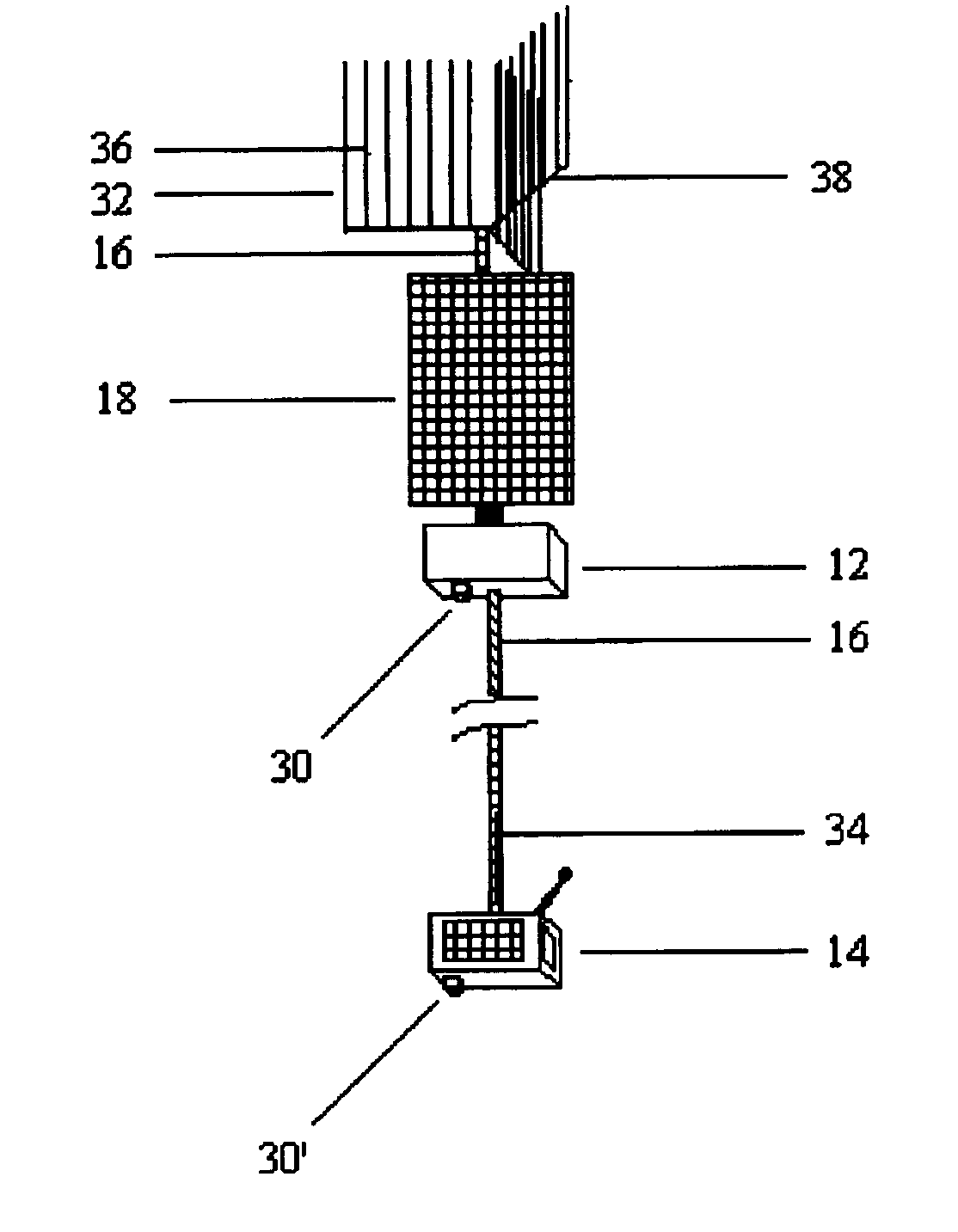
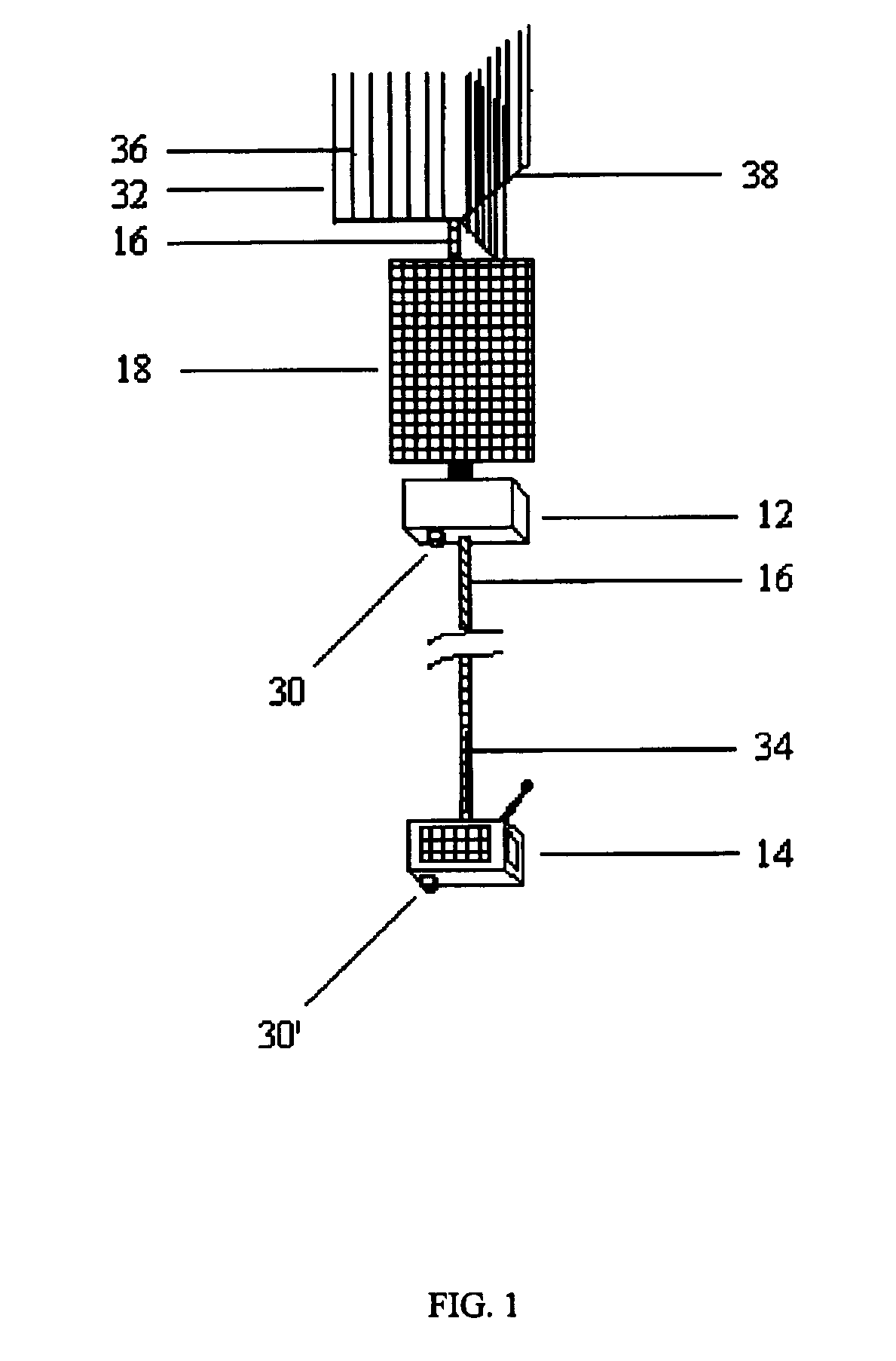
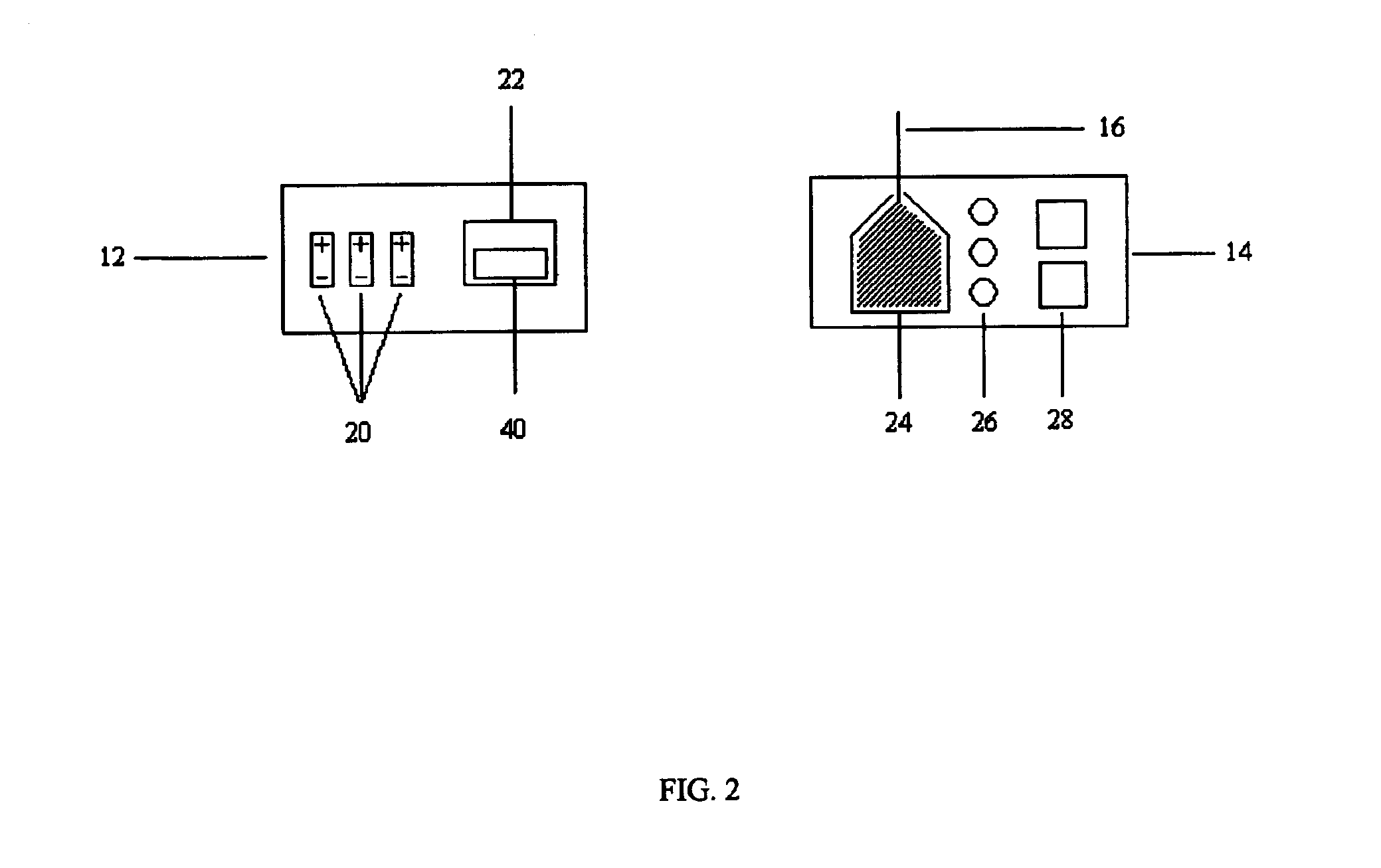
- An electro-dynamic tether system comprising a non-conducting polyethylene fiber section, a coated aluminum wire conducting section with atomic oxygen-resistant polymer, and an insulating section with polyimide coating, all wrapped around a KEVLAR aramid fiber core, providing stability, flexibility, and protection against oxidation and thermal issues.


Method and apparatus for propulsion and power generation using spinning electrodynamic tethers
PatentInactiveUS6942186B1
Innovation
- Spinning electrodynamic tether systems, where the tether spins at an angular rate at least two times higher than the orbital rate, allowing for better angular positioning with the magnetic field, enabling higher current flow without destabilization, and utilizing onboard power sources to reverse current direction for improved control and power generation.

Space Debris Mitigation and Safety Regulations
The deployment of electrodynamic tethers for power generation in space environments introduces significant considerations regarding space debris mitigation and adherence to established safety regulations. Current international frameworks, primarily governed by the Inter-Agency Space Debris Coordination Committee (IADC) guidelines and ISO 24113 standards, mandate that any space-based system must demonstrate minimal contribution to the orbital debris population throughout its operational lifecycle.
Electrodynamic tether systems present unique challenges in regulatory compliance due to their extended physical dimensions, often spanning several kilometers in length. The Orbital Debris Mitigation Standard Practices require that tether systems incorporate reliable deployment mechanisms and maintain structural integrity to prevent fragmentation events that could generate multiple debris objects. The 25-year rule for post-mission disposal becomes particularly critical, as tether systems must demonstrate controlled deorbit capabilities within this timeframe.
Safety regulations specifically address the electromagnetic interference potential of electrodynamic tethers, which generate significant current flows and magnetic fields during operation. The International Telecommunication Union (ITU) radio frequency coordination requirements mandate that tether operations must not interfere with existing satellite communication systems or navigation services. Additionally, the generated electromagnetic signatures must comply with space situational awareness protocols to ensure proper tracking and collision avoidance.
The Federal Aviation Administration's Commercial Space Transportation regulations and equivalent international bodies require comprehensive risk assessments for tether deployment missions. These assessments must quantify the probability of tether system failures and their potential impact on other space assets. Mission operators must demonstrate that tether systems incorporate redundant safety mechanisms, including emergency release systems and controlled deorbit procedures.
Recent regulatory developments emphasize the importance of active debris removal capabilities, positioning optimized electrodynamic tethers as potential dual-purpose systems that can generate power while simultaneously providing debris mitigation services. This regulatory alignment creates opportunities for tether systems to meet both operational objectives and compliance requirements, potentially streamlining approval processes for future missions while contributing to sustainable space environment management.
Electrodynamic tether systems present unique challenges in regulatory compliance due to their extended physical dimensions, often spanning several kilometers in length. The Orbital Debris Mitigation Standard Practices require that tether systems incorporate reliable deployment mechanisms and maintain structural integrity to prevent fragmentation events that could generate multiple debris objects. The 25-year rule for post-mission disposal becomes particularly critical, as tether systems must demonstrate controlled deorbit capabilities within this timeframe.
Safety regulations specifically address the electromagnetic interference potential of electrodynamic tethers, which generate significant current flows and magnetic fields during operation. The International Telecommunication Union (ITU) radio frequency coordination requirements mandate that tether operations must not interfere with existing satellite communication systems or navigation services. Additionally, the generated electromagnetic signatures must comply with space situational awareness protocols to ensure proper tracking and collision avoidance.
The Federal Aviation Administration's Commercial Space Transportation regulations and equivalent international bodies require comprehensive risk assessments for tether deployment missions. These assessments must quantify the probability of tether system failures and their potential impact on other space assets. Mission operators must demonstrate that tether systems incorporate redundant safety mechanisms, including emergency release systems and controlled deorbit procedures.
Recent regulatory developments emphasize the importance of active debris removal capabilities, positioning optimized electrodynamic tethers as potential dual-purpose systems that can generate power while simultaneously providing debris mitigation services. This regulatory alignment creates opportunities for tether systems to meet both operational objectives and compliance requirements, potentially streamlining approval processes for future missions while contributing to sustainable space environment management.
Orbital Mechanics Impact on EDT Performance
Orbital mechanics fundamentally governs the operational environment and performance characteristics of electrodynamic tethers (EDTs) in space-based power generation applications. The gravitational field variations, orbital velocity changes, and attitude dynamics directly influence the electromagnetic interactions that enable power generation through the Lorentz force mechanism.
The orbital altitude significantly affects EDT performance through its impact on atmospheric density and magnetic field strength. At lower altitudes between 200-400 kilometers, higher atmospheric density provides increased conductivity for current collection but also introduces substantial drag forces that can destabilize tether deployment. Conversely, higher altitudes above 600 kilometers offer reduced atmospheric interference but experience weaker magnetic field interactions, resulting in diminished power generation efficiency.
Orbital inclination plays a crucial role in determining the magnetic field interaction patterns throughout the orbital period. Polar and high-inclination orbits provide more consistent magnetic field exposure as the tether system traverses different magnetic field lines, enabling more stable power generation profiles. Equatorial orbits, while offering predictable magnetic field orientations, may experience reduced interaction efficiency due to the alignment between orbital motion and magnetic field vectors.
The orbital eccentricity introduces time-varying velocity profiles that directly affect the motional electric field strength. Elliptical orbits create periodic variations in the tether's velocity relative to the magnetic field, resulting in fluctuating power output throughout the orbital cycle. These variations must be carefully managed through adaptive control systems to maintain consistent power generation performance.
Tether attitude dynamics, influenced by gravity gradient forces and orbital mechanics, significantly impact the effective length and orientation of the conducting element within the magnetic field. Proper attitude control ensures optimal alignment between the tether orientation and the velocity-magnetic field cross product, maximizing the induced electric field and subsequent current generation. Libration effects and tether oscillations can reduce the effective power generation area and must be mitigated through active stabilization systems.
The orbital period directly correlates with the duty cycle of power generation, as the tether system experiences varying magnetic field strengths and orientations throughout each orbit. Understanding these cyclical variations enables the optimization of power collection and storage strategies to ensure continuous energy supply during periods of reduced generation efficiency.
The orbital altitude significantly affects EDT performance through its impact on atmospheric density and magnetic field strength. At lower altitudes between 200-400 kilometers, higher atmospheric density provides increased conductivity for current collection but also introduces substantial drag forces that can destabilize tether deployment. Conversely, higher altitudes above 600 kilometers offer reduced atmospheric interference but experience weaker magnetic field interactions, resulting in diminished power generation efficiency.
Orbital inclination plays a crucial role in determining the magnetic field interaction patterns throughout the orbital period. Polar and high-inclination orbits provide more consistent magnetic field exposure as the tether system traverses different magnetic field lines, enabling more stable power generation profiles. Equatorial orbits, while offering predictable magnetic field orientations, may experience reduced interaction efficiency due to the alignment between orbital motion and magnetic field vectors.
The orbital eccentricity introduces time-varying velocity profiles that directly affect the motional electric field strength. Elliptical orbits create periodic variations in the tether's velocity relative to the magnetic field, resulting in fluctuating power output throughout the orbital cycle. These variations must be carefully managed through adaptive control systems to maintain consistent power generation performance.
Tether attitude dynamics, influenced by gravity gradient forces and orbital mechanics, significantly impact the effective length and orientation of the conducting element within the magnetic field. Proper attitude control ensures optimal alignment between the tether orientation and the velocity-magnetic field cross product, maximizing the induced electric field and subsequent current generation. Libration effects and tether oscillations can reduce the effective power generation area and must be mitigated through active stabilization systems.
The orbital period directly correlates with the duty cycle of power generation, as the tether system experiences varying magnetic field strengths and orientations throughout each orbit. Understanding these cyclical variations enables the optimization of power collection and storage strategies to ensure continuous energy supply during periods of reduced generation efficiency.
Unlock deeper insights with PatSnap Eureka Quick Research — get a full tech report to explore trends and direct your research. Try now!
Generate Your Research Report Instantly with AI Agent
Supercharge your innovation with PatSnap Eureka AI Agent Platform!