

How to Predict Catalyst Lifespan with Temperature Programmed Reduction
MAR 7, 20269 MIN READ
Generate Your Research Report Instantly with AI Agent
PatSnap Eureka helps you evaluate technical feasibility & market potential.
Catalyst TPR Technology Background and Objectives
Catalyst deactivation represents one of the most significant challenges in industrial catalytic processes, directly impacting operational efficiency, economic viability, and environmental sustainability. Traditional approaches to catalyst lifespan prediction have relied heavily on empirical observations and post-mortem analysis, often resulting in suboptimal replacement schedules and unexpected process failures. The development of predictive methodologies has become increasingly critical as industries seek to optimize catalyst utilization while minimizing downtime and replacement costs.
Temperature Programmed Reduction (TPR) has emerged as a powerful analytical technique for characterizing catalyst properties and understanding deactivation mechanisms. This method involves the controlled heating of catalyst samples in a reducing atmosphere, typically hydrogen, while monitoring the consumption of the reducing agent. The resulting TPR profiles provide valuable insights into the reducibility of active metal species, metal-support interactions, and the presence of various oxidation states within the catalyst structure.
The evolution of TPR technology has been driven by advances in analytical instrumentation and computational modeling capabilities. Modern TPR systems offer enhanced sensitivity, improved temperature control, and sophisticated data acquisition systems that enable detailed analysis of reduction kinetics. These technological improvements have expanded the application scope of TPR from basic catalyst characterization to predictive modeling of catalyst performance and lifespan.
The primary objective of integrating TPR with catalyst lifespan prediction is to establish quantitative relationships between TPR-derived parameters and catalyst degradation patterns. This approach aims to identify early indicators of catalyst deactivation before significant performance losses occur. By correlating TPR profile changes with operational history and performance metrics, researchers seek to develop robust predictive models that can forecast catalyst remaining useful life under specific operating conditions.
Current research efforts focus on developing standardized TPR protocols for different catalyst types and establishing databases that link TPR characteristics with long-term performance data. The ultimate goal is to create a comprehensive framework that enables real-time catalyst health monitoring and predictive maintenance strategies, thereby optimizing catalyst lifecycle management and reducing operational costs across various industrial applications.
Temperature Programmed Reduction (TPR) has emerged as a powerful analytical technique for characterizing catalyst properties and understanding deactivation mechanisms. This method involves the controlled heating of catalyst samples in a reducing atmosphere, typically hydrogen, while monitoring the consumption of the reducing agent. The resulting TPR profiles provide valuable insights into the reducibility of active metal species, metal-support interactions, and the presence of various oxidation states within the catalyst structure.
The evolution of TPR technology has been driven by advances in analytical instrumentation and computational modeling capabilities. Modern TPR systems offer enhanced sensitivity, improved temperature control, and sophisticated data acquisition systems that enable detailed analysis of reduction kinetics. These technological improvements have expanded the application scope of TPR from basic catalyst characterization to predictive modeling of catalyst performance and lifespan.
The primary objective of integrating TPR with catalyst lifespan prediction is to establish quantitative relationships between TPR-derived parameters and catalyst degradation patterns. This approach aims to identify early indicators of catalyst deactivation before significant performance losses occur. By correlating TPR profile changes with operational history and performance metrics, researchers seek to develop robust predictive models that can forecast catalyst remaining useful life under specific operating conditions.
Current research efforts focus on developing standardized TPR protocols for different catalyst types and establishing databases that link TPR characteristics with long-term performance data. The ultimate goal is to create a comprehensive framework that enables real-time catalyst health monitoring and predictive maintenance strategies, thereby optimizing catalyst lifecycle management and reducing operational costs across various industrial applications.
Market Demand for Catalyst Lifespan Prediction Solutions
The global catalyst market faces mounting pressure to optimize operational efficiency and reduce unplanned downtime, driving substantial demand for advanced catalyst lifespan prediction solutions. Industrial sectors including petrochemicals, refining, automotive, and chemical manufacturing increasingly recognize that accurate catalyst performance forecasting directly impacts profitability and operational continuity.
Petrochemical and refining industries represent the largest market segment for catalyst lifespan prediction technologies. These sectors operate under stringent economic margins where catalyst replacement costs can reach millions of dollars per unit, making predictive maintenance strategies essential for maintaining competitive advantage. The ability to precisely forecast catalyst degradation enables operators to optimize replacement schedules, minimize production interruptions, and maximize catalyst utilization efficiency.
Automotive manufacturers face intensifying regulatory pressure regarding emission control systems, creating significant demand for catalyst monitoring solutions. Stricter environmental regulations worldwide require more sophisticated approaches to catalyst performance assessment, particularly for three-way catalysts and diesel oxidation catalysts. Temperature programmed reduction-based prediction methods offer automotive companies the capability to ensure compliance while optimizing catalyst formulations.
The chemical processing industry demonstrates growing interest in predictive catalyst management due to increasing process complexity and the need for consistent product quality. Companies operating multiple reactor systems require reliable methods to assess catalyst health across diverse operating conditions, making temperature-based prediction techniques particularly valuable for maintaining process stability.
Emerging markets in Asia-Pacific and Latin America show accelerating adoption of catalyst prediction technologies as industrial infrastructure expands. These regions present substantial growth opportunities as local manufacturers seek to implement advanced process optimization strategies to compete in global markets.
The market demand extends beyond traditional industrial applications to include emerging sectors such as renewable energy and environmental remediation. Fuel cell manufacturers and air purification system developers increasingly require sophisticated catalyst monitoring capabilities to ensure long-term system reliability and performance optimization.
Current market drivers include rising raw material costs for catalyst components, increasing focus on sustainable manufacturing practices, and the growing adoption of Industry 4.0 technologies that enable real-time process monitoring and predictive analytics integration.
Petrochemical and refining industries represent the largest market segment for catalyst lifespan prediction technologies. These sectors operate under stringent economic margins where catalyst replacement costs can reach millions of dollars per unit, making predictive maintenance strategies essential for maintaining competitive advantage. The ability to precisely forecast catalyst degradation enables operators to optimize replacement schedules, minimize production interruptions, and maximize catalyst utilization efficiency.
Automotive manufacturers face intensifying regulatory pressure regarding emission control systems, creating significant demand for catalyst monitoring solutions. Stricter environmental regulations worldwide require more sophisticated approaches to catalyst performance assessment, particularly for three-way catalysts and diesel oxidation catalysts. Temperature programmed reduction-based prediction methods offer automotive companies the capability to ensure compliance while optimizing catalyst formulations.
The chemical processing industry demonstrates growing interest in predictive catalyst management due to increasing process complexity and the need for consistent product quality. Companies operating multiple reactor systems require reliable methods to assess catalyst health across diverse operating conditions, making temperature-based prediction techniques particularly valuable for maintaining process stability.
Emerging markets in Asia-Pacific and Latin America show accelerating adoption of catalyst prediction technologies as industrial infrastructure expands. These regions present substantial growth opportunities as local manufacturers seek to implement advanced process optimization strategies to compete in global markets.
The market demand extends beyond traditional industrial applications to include emerging sectors such as renewable energy and environmental remediation. Fuel cell manufacturers and air purification system developers increasingly require sophisticated catalyst monitoring capabilities to ensure long-term system reliability and performance optimization.
Current market drivers include rising raw material costs for catalyst components, increasing focus on sustainable manufacturing practices, and the growing adoption of Industry 4.0 technologies that enable real-time process monitoring and predictive analytics integration.
Current TPR Analysis Limitations and Technical Challenges
Temperature Programmed Reduction (TPR) analysis faces significant limitations when applied to catalyst lifespan prediction, primarily stemming from the fundamental disconnect between laboratory testing conditions and real-world industrial environments. Traditional TPR experiments are conducted under controlled, idealized conditions that fail to replicate the complex operational parameters encountered in industrial catalytic processes, including varying feed compositions, pressure fluctuations, and the presence of catalyst poisons.
The temporal resolution of conventional TPR measurements presents another critical challenge. Standard TPR protocols typically involve linear temperature ramping at rates of 5-20°C per minute, which may not capture the rapid kinetic changes occurring during catalyst deactivation processes. This limitation becomes particularly pronounced when attempting to correlate TPR data with long-term catalyst performance, as the technique provides only snapshot information rather than continuous monitoring capabilities.
Quantitative interpretation of TPR profiles remains problematic due to the overlapping reduction peaks of different metal species and support interactions. The deconvolution of complex TPR spectra often requires sophisticated mathematical modeling, yet current analytical approaches struggle with the inherent variability in peak positions and intensities caused by particle size effects, metal-support interactions, and sintering phenomena that occur during catalyst aging.
Sample preparation and handling introduce additional uncertainties that compromise the reliability of TPR-based lifespan predictions. Catalyst samples extracted from industrial reactors may undergo structural changes during storage and preparation, leading to TPR profiles that do not accurately represent the in-situ catalyst state. Furthermore, the small sample sizes typically used in TPR analysis may not be representative of the bulk catalyst behavior due to heterogeneity in deactivation patterns.
The lack of standardized protocols for correlating TPR data with catalyst lifespan metrics represents a fundamental technical barrier. Current approaches rely heavily on empirical correlations that are often catalyst-specific and process-dependent, limiting their broader applicability across different catalytic systems and operating conditions.
Data integration challenges arise from the need to combine TPR results with other characterization techniques and operational data. The absence of robust multivariate analysis frameworks capable of processing diverse datasets while accounting for the inherent uncertainties in each measurement technique significantly hampers the development of reliable predictive models for catalyst lifespan assessment.
The temporal resolution of conventional TPR measurements presents another critical challenge. Standard TPR protocols typically involve linear temperature ramping at rates of 5-20°C per minute, which may not capture the rapid kinetic changes occurring during catalyst deactivation processes. This limitation becomes particularly pronounced when attempting to correlate TPR data with long-term catalyst performance, as the technique provides only snapshot information rather than continuous monitoring capabilities.
Quantitative interpretation of TPR profiles remains problematic due to the overlapping reduction peaks of different metal species and support interactions. The deconvolution of complex TPR spectra often requires sophisticated mathematical modeling, yet current analytical approaches struggle with the inherent variability in peak positions and intensities caused by particle size effects, metal-support interactions, and sintering phenomena that occur during catalyst aging.
Sample preparation and handling introduce additional uncertainties that compromise the reliability of TPR-based lifespan predictions. Catalyst samples extracted from industrial reactors may undergo structural changes during storage and preparation, leading to TPR profiles that do not accurately represent the in-situ catalyst state. Furthermore, the small sample sizes typically used in TPR analysis may not be representative of the bulk catalyst behavior due to heterogeneity in deactivation patterns.
The lack of standardized protocols for correlating TPR data with catalyst lifespan metrics represents a fundamental technical barrier. Current approaches rely heavily on empirical correlations that are often catalyst-specific and process-dependent, limiting their broader applicability across different catalytic systems and operating conditions.
Data integration challenges arise from the need to combine TPR results with other characterization techniques and operational data. The absence of robust multivariate analysis frameworks capable of processing diverse datasets while accounting for the inherent uncertainties in each measurement technique significantly hampers the development of reliable predictive models for catalyst lifespan assessment.
Existing TPR-Based Catalyst Evaluation Approaches
01 Catalyst regeneration methods to extend lifespan
Various regeneration techniques can be employed to restore catalyst activity and extend operational lifespan. These methods include thermal treatment, chemical washing, oxidative regeneration, and controlled atmosphere processing to remove deposited contaminants and restore active sites. Regeneration processes can be performed in-situ or ex-situ, allowing catalysts to be reused multiple times while maintaining acceptable performance levels.- Catalyst regeneration methods to extend lifespan: Various regeneration techniques can be employed to restore catalyst activity and extend operational lifespan. These methods include thermal treatment, chemical washing, oxidative regeneration, and reactivation processes that remove accumulated deposits and poisons from the catalyst surface. Regeneration can be performed in-situ or ex-situ, allowing catalysts to be reused multiple times before replacement is necessary.
- Catalyst composition optimization for enhanced durability: The selection and optimization of catalyst materials, including active metal components, support materials, and promoters, significantly impacts catalyst lifespan. Advanced formulations incorporating stabilizers, protective coatings, and specific metal ratios can improve resistance to sintering, poisoning, and mechanical degradation. The use of novel support structures and bimetallic or multimetallic compositions can enhance thermal stability and maintain catalytic activity over extended periods.
- Operating condition control to minimize catalyst deactivation: Careful control of reaction parameters such as temperature, pressure, feed composition, and space velocity can significantly extend catalyst lifespan. Implementing optimal operating windows, avoiding temperature excursions, controlling contaminant levels in feedstock, and maintaining appropriate gas-to-liquid ratios help minimize catalyst deactivation mechanisms including coking, sintering, and poisoning. Process monitoring and adjustment strategies enable prolonged catalyst performance.
- Catalyst deactivation monitoring and prediction systems: Advanced monitoring techniques and predictive models enable real-time assessment of catalyst performance and remaining lifespan. These systems utilize sensors, analytical methods, and computational models to track catalyst activity, selectivity changes, and deactivation rates. Early detection of performance degradation allows for timely intervention through process adjustments or catalyst regeneration, optimizing overall catalyst utilization and planning replacement schedules.
- Protective additives and poison-resistant catalyst formulations: Incorporation of protective additives, scavengers, and development of poison-resistant catalyst formulations can significantly enhance catalyst lifespan in challenging process environments. These approaches include adding sulfur-tolerant components, incorporating getters for metal contaminants, and designing catalysts with enhanced resistance to specific poisons. Guard bed systems and feed pretreatment methods can also be employed to remove catalyst poisons before they reach the main catalyst bed.
02 Catalyst composition optimization for enhanced durability
The formulation of catalyst materials with specific compositions and structures can significantly improve resistance to deactivation and extend service life. This includes the use of stabilizing additives, protective coatings, optimized support materials, and controlled particle size distributions. Advanced synthesis methods enable the creation of catalysts with improved thermal stability, poison resistance, and mechanical strength.Expand Specific Solutions03 Monitoring and prediction systems for catalyst performance
Implementation of real-time monitoring systems and predictive models allows for assessment of catalyst condition and remaining useful life. These systems utilize sensors, analytical techniques, and data analysis algorithms to track activity decline, identify deactivation mechanisms, and optimize replacement schedules. Predictive maintenance approaches help maximize catalyst utilization while preventing unexpected failures.Expand Specific Solutions04 Operating condition control to minimize catalyst degradation
Careful management of process parameters such as temperature, pressure, flow rates, and feedstock quality can significantly reduce catalyst deactivation rates. This includes implementing staged operation modes, controlling exposure to poisons and contaminants, maintaining optimal reaction conditions, and utilizing protective pre-treatment steps. Process optimization strategies balance productivity with catalyst longevity.Expand Specific Solutions05 Novel catalyst support structures for improved stability
Advanced support materials and architectures provide enhanced mechanical strength, thermal stability, and resistance to sintering and fouling. These include hierarchical porous structures, nanostructured supports, composite materials, and specially designed geometries that improve mass transfer while protecting active components. Innovative support designs contribute to longer catalyst operational lifetimes under harsh conditions.Expand Specific Solutions
Key Players in Catalyst Characterization Industry
The competitive landscape for predicting catalyst lifespan using temperature programmed reduction reflects a mature industrial sector with significant market potential driven by increasing environmental regulations and efficiency demands. The technology demonstrates moderate to high maturity levels, evidenced by established players across petrochemicals, automotive, and specialty chemicals sectors. Major petrochemical corporations like China Petroleum & Chemical Corp., PetroChina, and Shell-USA lead through extensive R&D capabilities and operational scale. Automotive manufacturers including Toyota Motor Corp., Honda Motor, and Mitsubishi Motors drive catalyst optimization for emissions control applications. Specialized chemical companies such as BASF Mobile Emissions Catalysts, Precision Combustion Inc., and Tosoh Corp. provide advanced catalyst technologies and analytical solutions. Research institutions like Xi'an Jiaotong University and various Sinopec research institutes contribute fundamental knowledge development. The market shows strong growth potential as industries increasingly prioritize catalyst efficiency optimization and lifecycle management for cost reduction and environmental compliance.
China Petroleum & Chemical Corp.
Technical Solution: Sinopec has implemented TPR-based catalyst lifespan prediction systems primarily for petrochemical refining processes, focusing on hydroprocessing catalysts. Their methodology combines temperature programmed reduction with in-situ characterization techniques to monitor the evolution of active metal phases during catalyst aging. The company has developed proprietary algorithms that correlate TPR peak positions, intensities, and hydrogen consumption rates with catalyst deactivation mechanisms such as sintering, poisoning, and support degradation. Their approach integrates TPR data with operando spectroscopy and machine learning models to predict remaining catalyst life under various process conditions. Sinopec's TPR methodology has been particularly effective in predicting the lifespan of Co-Mo and Ni-Mo based hydrotreating catalysts, where metal-support interactions play crucial roles in determining catalyst stability and performance over extended operational periods.
Strengths: Strong expertise in petrochemical catalysis with extensive industrial validation and comprehensive analytical infrastructure. Weaknesses: Methodology primarily optimized for hydroprocessing applications and may require adaptation for other catalyst systems.
Toyota Motor Corp.
Technical Solution: Toyota has developed advanced TPR-based catalyst lifespan prediction systems for automotive three-way catalysts (TWC) and diesel oxidation catalysts. Their methodology integrates temperature programmed reduction with real-world driving cycle simulations to predict catalyst degradation under various operating conditions. Toyota's approach involves analyzing the reduction behavior of precious metal particles and their interaction with washcoat materials using TPR coupled with electron microscopy and X-ray spectroscopy. The company has established correlations between TPR characteristics and catalyst aging mechanisms including thermal sintering, sulfur poisoning, and phosphorus contamination. Their predictive algorithms incorporate TPR-derived parameters such as metal particle size distribution, oxygen storage capacity changes, and support material modifications to forecast catalyst performance over vehicle lifetime. Toyota's TPR methodology enables precise prediction of emission control system effectiveness, supporting compliance with increasingly stringent emission regulations.
Strengths: Comprehensive automotive catalyst expertise with extensive real-world validation and integration with vehicle systems. Weaknesses: Methodology specifically tailored for automotive applications and may not be directly applicable to other catalyst systems.
Core Innovations in TPR Lifespan Prediction Models
Method for predicting catalyst performances
PatentWO2008061060A1
Innovation
- A method involving a control catalyst of known performance, where the ratio of desirable to undesirable active sites is determined through TPR, and applied to a sample catalyst to predict its performance by comparing these ratios, allowing for the evaluation of catalyst selectivity and efficiency.


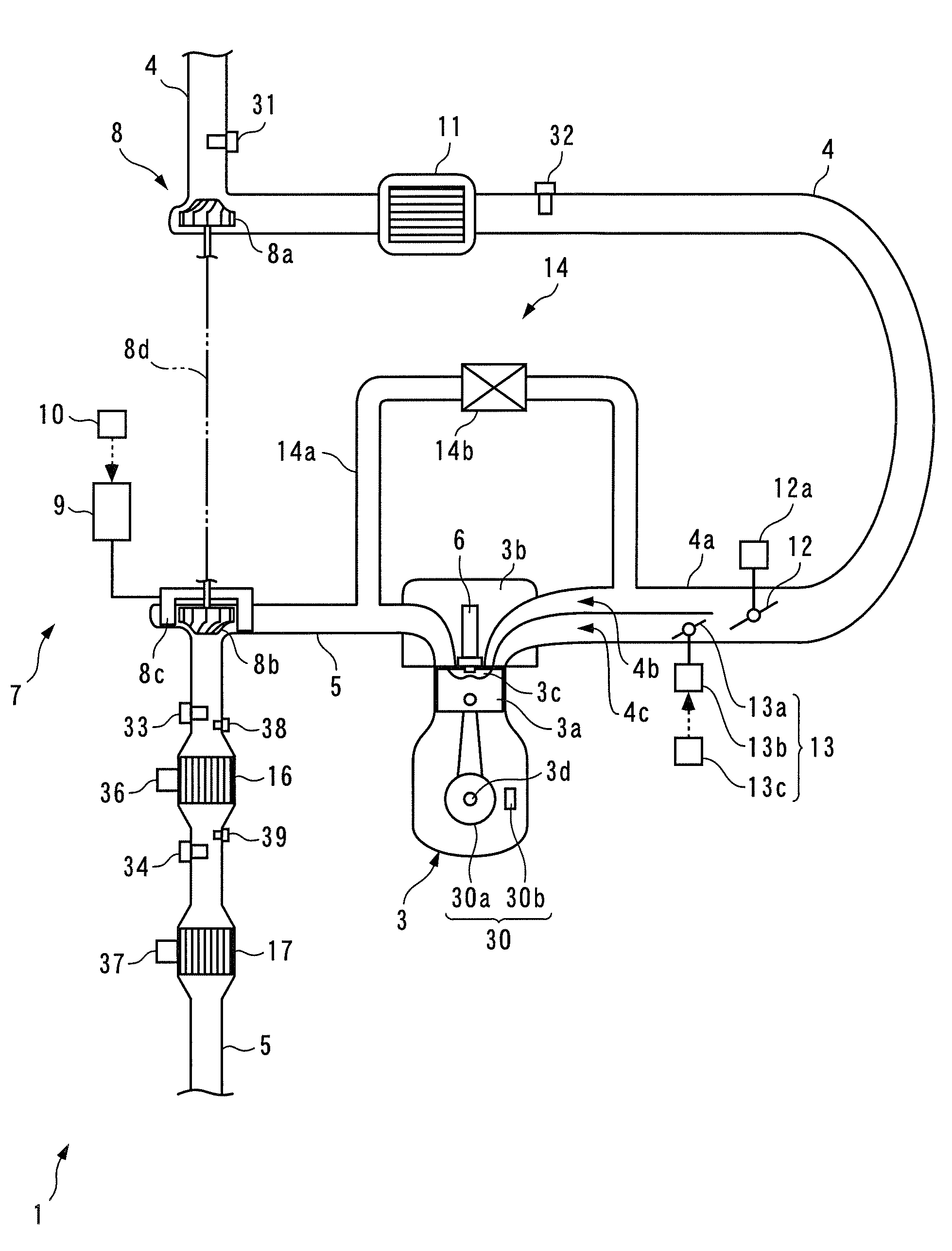
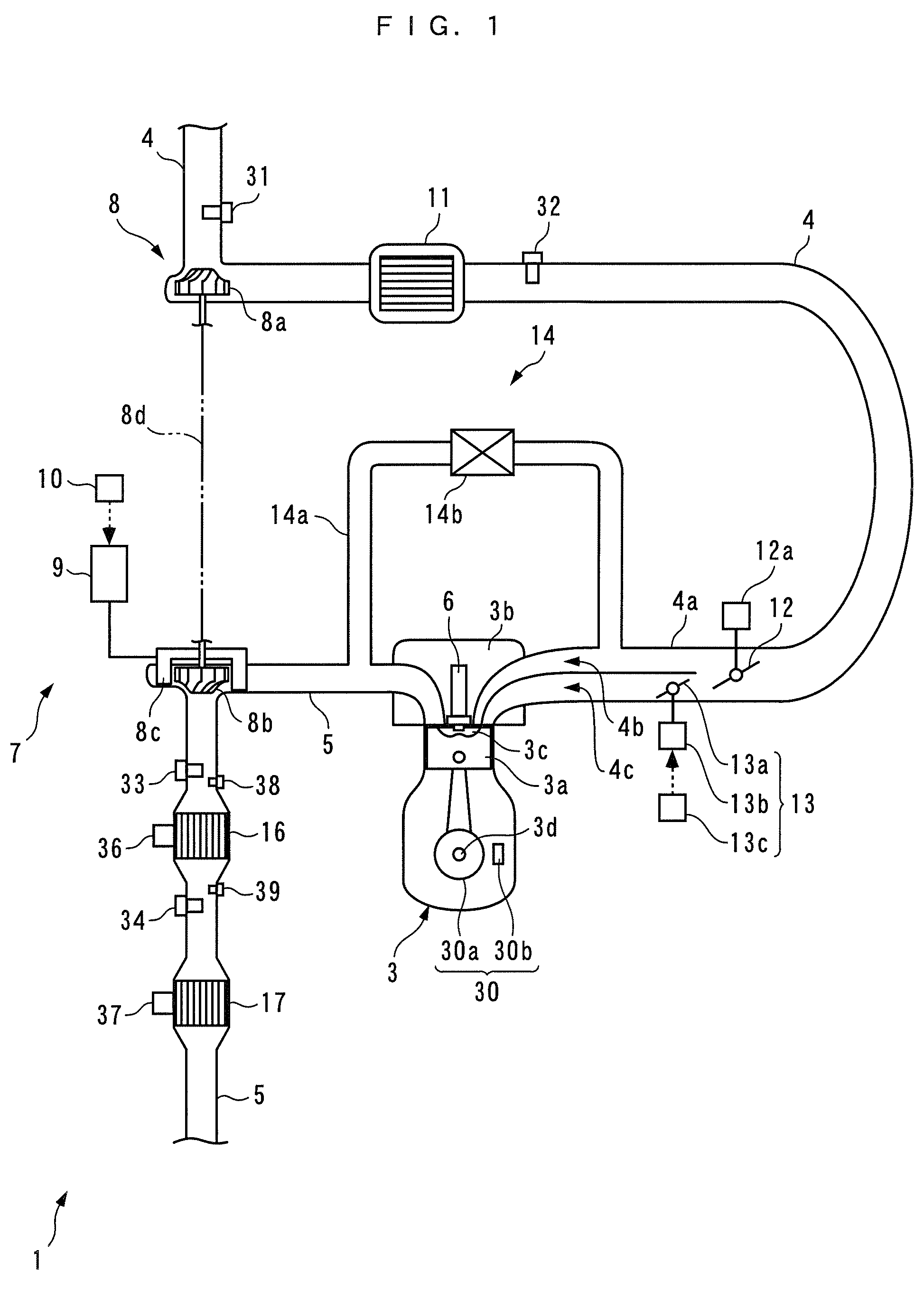
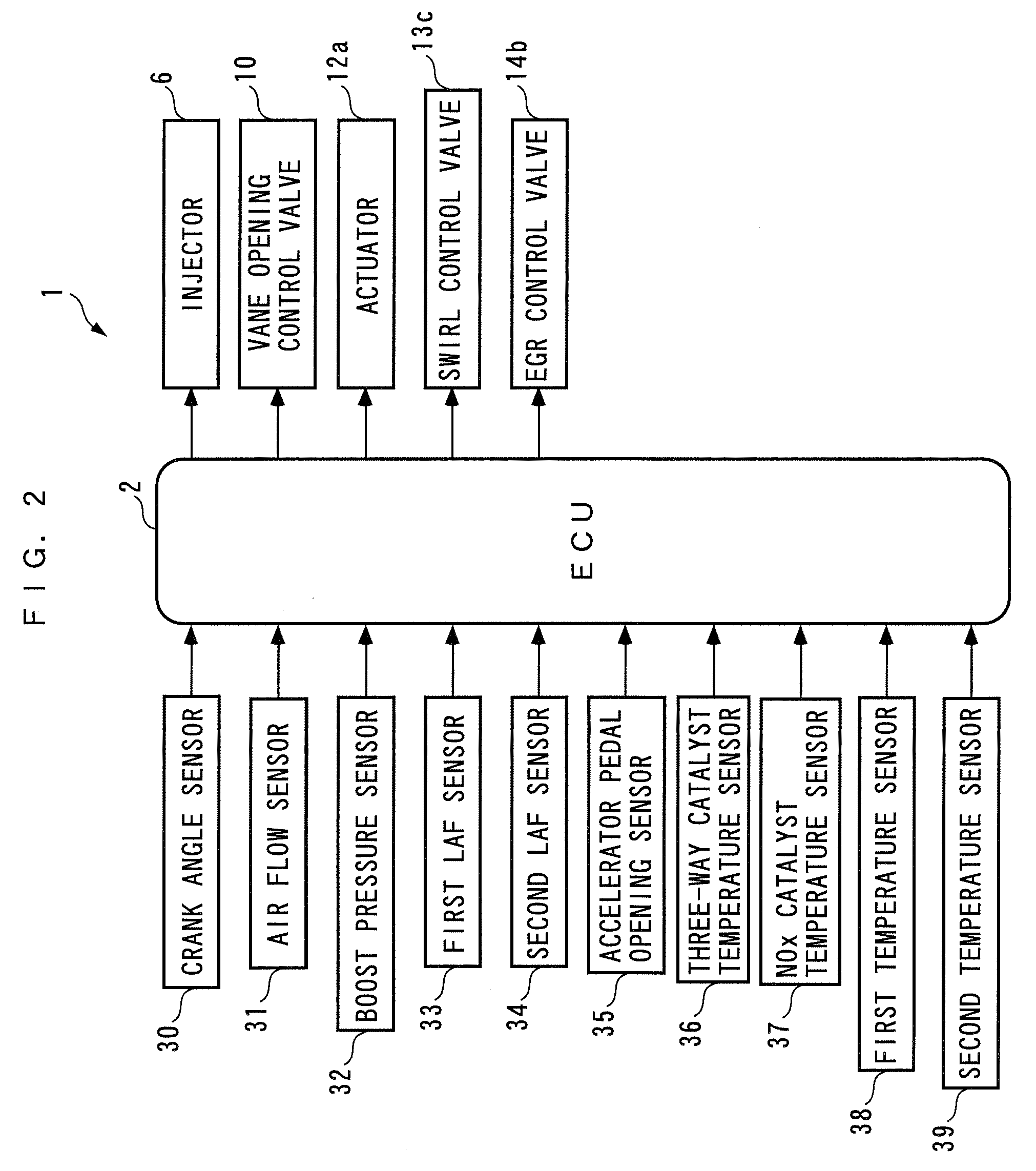
Exhaust emission control device and method for internal combustion engine, and engine control unit
PatentInactiveUS8117829B2
Innovation
- An exhaust emission control device that estimates the degradation of the upstream catalyst and adjusts the reduction control time period to ensure a just enough reducing agent is supplied to the NOx catalyst, considering the consumption variance based on catalyst degradation, thereby optimizing NOx reduction and fuel economy.

Environmental Regulations for Industrial Catalysts
The regulatory landscape for industrial catalysts has evolved significantly in response to growing environmental concerns and the need for sustainable manufacturing processes. Environmental regulations governing catalyst use, disposal, and lifecycle management have become increasingly stringent across major industrial regions, directly impacting how catalyst lifespan prediction methodologies like Temperature Programmed Reduction are implemented and validated.
Current regulatory frameworks primarily focus on emissions control, waste minimization, and resource efficiency. The European Union's REACH regulation requires comprehensive assessment of catalyst materials throughout their lifecycle, mandating detailed documentation of performance degradation patterns and disposal pathways. Similarly, the U.S. Environmental Protection Agency's industrial emissions standards necessitate accurate prediction of catalyst performance to ensure continuous compliance with air quality requirements.
Catalyst lifespan prediction using TPR techniques must align with regulatory requirements for emissions monitoring and reporting. Regulations typically mandate that industrial facilities maintain catalyst performance above specified thresholds to meet emission limits. This creates a direct regulatory driver for implementing predictive methodologies that can accurately forecast catalyst deactivation before performance falls below compliance levels.
Waste management regulations significantly influence catalyst lifecycle planning. The classification of spent catalysts as hazardous waste in many jurisdictions requires facilities to optimize catalyst utilization periods while ensuring safe disposal or regeneration. TPR-based prediction models help facilities plan replacement schedules that minimize waste generation while maintaining regulatory compliance.
Emerging regulations increasingly emphasize circular economy principles, promoting catalyst regeneration and recovery of valuable metals. These regulatory trends are driving development of more sophisticated lifespan prediction models that can optimize both environmental performance and economic efficiency. Future regulatory developments are expected to mandate more precise catalyst performance monitoring, making advanced prediction techniques essential for industrial compliance.
The integration of environmental regulations with catalyst management strategies represents a critical factor in the adoption and refinement of TPR-based lifespan prediction methodologies across industrial applications.
Current regulatory frameworks primarily focus on emissions control, waste minimization, and resource efficiency. The European Union's REACH regulation requires comprehensive assessment of catalyst materials throughout their lifecycle, mandating detailed documentation of performance degradation patterns and disposal pathways. Similarly, the U.S. Environmental Protection Agency's industrial emissions standards necessitate accurate prediction of catalyst performance to ensure continuous compliance with air quality requirements.
Catalyst lifespan prediction using TPR techniques must align with regulatory requirements for emissions monitoring and reporting. Regulations typically mandate that industrial facilities maintain catalyst performance above specified thresholds to meet emission limits. This creates a direct regulatory driver for implementing predictive methodologies that can accurately forecast catalyst deactivation before performance falls below compliance levels.
Waste management regulations significantly influence catalyst lifecycle planning. The classification of spent catalysts as hazardous waste in many jurisdictions requires facilities to optimize catalyst utilization periods while ensuring safe disposal or regeneration. TPR-based prediction models help facilities plan replacement schedules that minimize waste generation while maintaining regulatory compliance.
Emerging regulations increasingly emphasize circular economy principles, promoting catalyst regeneration and recovery of valuable metals. These regulatory trends are driving development of more sophisticated lifespan prediction models that can optimize both environmental performance and economic efficiency. Future regulatory developments are expected to mandate more precise catalyst performance monitoring, making advanced prediction techniques essential for industrial compliance.
The integration of environmental regulations with catalyst management strategies represents a critical factor in the adoption and refinement of TPR-based lifespan prediction methodologies across industrial applications.
AI Integration in Catalyst Performance Forecasting
The integration of artificial intelligence technologies into catalyst performance forecasting represents a transformative approach to predicting catalyst lifespan through temperature programmed reduction data analysis. Machine learning algorithms, particularly deep neural networks and ensemble methods, have demonstrated exceptional capability in processing complex TPR profiles and extracting meaningful patterns that correlate with catalyst degradation mechanisms.
Advanced AI models leverage multi-dimensional data fusion techniques, combining TPR spectral data with operational parameters such as reaction temperature, pressure, feed composition, and time-on-stream metrics. Convolutional neural networks excel at identifying subtle spectral features in TPR profiles that indicate early-stage deactivation, while recurrent neural networks capture temporal dependencies in catalyst performance degradation over extended operational periods.
Predictive modeling frameworks now incorporate sophisticated feature engineering approaches that transform raw TPR data into meaningful descriptors. These include peak deconvolution parameters, reduction temperature shifts, hydrogen consumption ratios, and spectral fingerprinting metrics. Random forest and gradient boosting algorithms have proven particularly effective in handling the non-linear relationships between these features and catalyst lifespan predictions.
Real-time AI integration enables continuous monitoring and adaptive forecasting capabilities. Edge computing solutions process TPR data streams in real-time, updating lifespan predictions as new operational data becomes available. This dynamic approach allows for proactive maintenance scheduling and optimization of catalyst replacement strategies, significantly reducing unplanned downtime and operational costs.
The implementation of explainable AI techniques addresses the critical need for interpretable predictions in industrial catalyst management. SHAP values and LIME algorithms provide insights into which TPR features most strongly influence lifespan predictions, enabling process engineers to understand the underlying deactivation mechanisms and implement targeted mitigation strategies.
Emerging hybrid AI architectures combine physics-informed neural networks with traditional machine learning approaches, incorporating fundamental catalyst science principles into the predictive models. This integration enhances model robustness and extrapolation capabilities beyond the training data range, providing more reliable predictions for novel catalyst formulations and operating conditions.
Advanced AI models leverage multi-dimensional data fusion techniques, combining TPR spectral data with operational parameters such as reaction temperature, pressure, feed composition, and time-on-stream metrics. Convolutional neural networks excel at identifying subtle spectral features in TPR profiles that indicate early-stage deactivation, while recurrent neural networks capture temporal dependencies in catalyst performance degradation over extended operational periods.
Predictive modeling frameworks now incorporate sophisticated feature engineering approaches that transform raw TPR data into meaningful descriptors. These include peak deconvolution parameters, reduction temperature shifts, hydrogen consumption ratios, and spectral fingerprinting metrics. Random forest and gradient boosting algorithms have proven particularly effective in handling the non-linear relationships between these features and catalyst lifespan predictions.
Real-time AI integration enables continuous monitoring and adaptive forecasting capabilities. Edge computing solutions process TPR data streams in real-time, updating lifespan predictions as new operational data becomes available. This dynamic approach allows for proactive maintenance scheduling and optimization of catalyst replacement strategies, significantly reducing unplanned downtime and operational costs.
The implementation of explainable AI techniques addresses the critical need for interpretable predictions in industrial catalyst management. SHAP values and LIME algorithms provide insights into which TPR features most strongly influence lifespan predictions, enabling process engineers to understand the underlying deactivation mechanisms and implement targeted mitigation strategies.
Emerging hybrid AI architectures combine physics-informed neural networks with traditional machine learning approaches, incorporating fundamental catalyst science principles into the predictive models. This integration enhances model robustness and extrapolation capabilities beyond the training data range, providing more reliable predictions for novel catalyst formulations and operating conditions.
Unlock deeper insights with PatSnap Eureka Quick Research — get a full tech report to explore trends and direct your research. Try now!
Generate Your Research Report Instantly with AI Agent
Supercharge your innovation with PatSnap Eureka AI Agent Platform!