

Temperature Programmed Reduction for Enhanced Biofuel Production
MAR 7, 20269 MIN READ
Generate Your Research Report Instantly with AI Agent
PatSnap Eureka helps you evaluate technical feasibility & market potential.
TPR Technology Background and Biofuel Enhancement Goals
Temperature Programmed Reduction (TPR) represents a sophisticated analytical and catalytic technique that has evolved from its origins in heterogeneous catalysis characterization to become a pivotal technology in advanced biofuel production processes. Originally developed in the 1960s for catalyst surface analysis, TPR involves the controlled heating of materials in a reducing atmosphere, typically hydrogen, while monitoring the consumption of reducing agents to determine reduction characteristics of metal oxides and other reducible species.
The fundamental principle of TPR lies in its ability to provide precise control over reduction conditions through programmed temperature profiles, enabling selective activation of catalytic sites and optimization of reduction processes. This controlled approach allows researchers and engineers to identify optimal temperature ranges for specific reduction reactions, determine the reducibility of different catalyst components, and establish kinetic parameters essential for process optimization.
In the context of biofuel production, TPR technology has undergone significant adaptation and refinement to address the unique challenges associated with biomass conversion processes. The technique has been particularly valuable in catalyst preparation and activation for various biofuel production pathways, including Fischer-Tropsch synthesis, hydroprocessing of bio-oils, and catalytic upgrading of pyrolysis products. The evolution of TPR applications in biofuels has been driven by the need for more efficient catalyst systems capable of handling the complex, oxygen-rich feedstocks characteristic of biomass-derived materials.
The primary enhancement goals of TPR technology in biofuel production center on achieving superior catalyst performance through optimized reduction protocols. These objectives include maximizing the dispersion of active metal sites, controlling the degree of reduction to achieve optimal catalytic activity, and minimizing catalyst deactivation through precise temperature programming. Enhanced selectivity toward desired biofuel products represents another critical goal, as TPR enables fine-tuning of catalyst properties to favor specific reaction pathways while suppressing unwanted side reactions.
Furthermore, TPR technology aims to improve the overall efficiency of biofuel production processes by enabling the development of more robust catalyst systems with extended operational lifetimes. The technique facilitates the creation of catalysts with tailored pore structures and surface properties optimized for biomass-derived feedstocks, ultimately contributing to more economically viable biofuel production processes. These enhancement goals align with broader industry objectives of developing sustainable, scalable biofuel technologies capable of competing with conventional fossil fuel production methods.
The fundamental principle of TPR lies in its ability to provide precise control over reduction conditions through programmed temperature profiles, enabling selective activation of catalytic sites and optimization of reduction processes. This controlled approach allows researchers and engineers to identify optimal temperature ranges for specific reduction reactions, determine the reducibility of different catalyst components, and establish kinetic parameters essential for process optimization.
In the context of biofuel production, TPR technology has undergone significant adaptation and refinement to address the unique challenges associated with biomass conversion processes. The technique has been particularly valuable in catalyst preparation and activation for various biofuel production pathways, including Fischer-Tropsch synthesis, hydroprocessing of bio-oils, and catalytic upgrading of pyrolysis products. The evolution of TPR applications in biofuels has been driven by the need for more efficient catalyst systems capable of handling the complex, oxygen-rich feedstocks characteristic of biomass-derived materials.
The primary enhancement goals of TPR technology in biofuel production center on achieving superior catalyst performance through optimized reduction protocols. These objectives include maximizing the dispersion of active metal sites, controlling the degree of reduction to achieve optimal catalytic activity, and minimizing catalyst deactivation through precise temperature programming. Enhanced selectivity toward desired biofuel products represents another critical goal, as TPR enables fine-tuning of catalyst properties to favor specific reaction pathways while suppressing unwanted side reactions.
Furthermore, TPR technology aims to improve the overall efficiency of biofuel production processes by enabling the development of more robust catalyst systems with extended operational lifetimes. The technique facilitates the creation of catalysts with tailored pore structures and surface properties optimized for biomass-derived feedstocks, ultimately contributing to more economically viable biofuel production processes. These enhancement goals align with broader industry objectives of developing sustainable, scalable biofuel technologies capable of competing with conventional fossil fuel production methods.
Market Demand Analysis for Advanced Biofuel Production
The global biofuel market has experienced substantial growth driven by increasing environmental regulations, carbon reduction commitments, and energy security concerns. Advanced biofuel production technologies, particularly those incorporating temperature programmed reduction processes, are positioned to address critical market demands for higher efficiency and lower production costs. The transportation sector remains the primary driver, accounting for the largest share of biofuel consumption globally.
Government policies and regulatory frameworks significantly influence market dynamics. Renewable fuel standards, carbon pricing mechanisms, and sustainability mandates create strong demand for advanced biofuel production methods that can demonstrate superior environmental performance. The European Union's Renewable Energy Directive and similar policies in North America and Asia-Pacific regions establish clear targets for renewable fuel adoption, creating sustained market pull for innovative production technologies.
Industrial applications represent an emerging demand segment for advanced biofuels produced through enhanced processes. Chemical manufacturing, aviation, and marine transportation sectors increasingly seek sustainable fuel alternatives that can meet stringent performance specifications. Temperature programmed reduction technologies offer potential advantages in producing biofuels with improved properties suitable for these demanding applications.
Market capacity analysis reveals significant growth potential in developing economies where energy demand continues expanding rapidly. Countries with abundant biomass resources but limited refining infrastructure present opportunities for deploying advanced biofuel production technologies. The ability to process diverse feedstock types through optimized reduction processes addresses local resource availability while meeting growing energy needs.
Cost competitiveness remains a critical market requirement driving demand for enhanced production technologies. Current biofuel production faces economic challenges compared to conventional fuels, particularly during periods of low petroleum prices. Advanced processes that can improve conversion efficiency, reduce energy consumption, or enable utilization of lower-cost feedstocks address fundamental market barriers to widespread adoption.
Supply chain considerations influence market demand patterns for advanced biofuel production capabilities. Distributed production models enabled by efficient, smaller-scale technologies can reduce transportation costs and improve supply security. Temperature programmed reduction processes that can operate effectively at various scales may capture market opportunities in regions where centralized production is economically unfavorable.
Environmental performance requirements continue intensifying across global markets. Life-cycle carbon reduction targets, sustainability certification requirements, and circular economy principles drive demand for production technologies that can demonstrate measurable environmental benefits. Enhanced biofuel production processes must meet increasingly stringent sustainability criteria to access premium market segments and regulatory incentives.
Government policies and regulatory frameworks significantly influence market dynamics. Renewable fuel standards, carbon pricing mechanisms, and sustainability mandates create strong demand for advanced biofuel production methods that can demonstrate superior environmental performance. The European Union's Renewable Energy Directive and similar policies in North America and Asia-Pacific regions establish clear targets for renewable fuel adoption, creating sustained market pull for innovative production technologies.
Industrial applications represent an emerging demand segment for advanced biofuels produced through enhanced processes. Chemical manufacturing, aviation, and marine transportation sectors increasingly seek sustainable fuel alternatives that can meet stringent performance specifications. Temperature programmed reduction technologies offer potential advantages in producing biofuels with improved properties suitable for these demanding applications.
Market capacity analysis reveals significant growth potential in developing economies where energy demand continues expanding rapidly. Countries with abundant biomass resources but limited refining infrastructure present opportunities for deploying advanced biofuel production technologies. The ability to process diverse feedstock types through optimized reduction processes addresses local resource availability while meeting growing energy needs.
Cost competitiveness remains a critical market requirement driving demand for enhanced production technologies. Current biofuel production faces economic challenges compared to conventional fuels, particularly during periods of low petroleum prices. Advanced processes that can improve conversion efficiency, reduce energy consumption, or enable utilization of lower-cost feedstocks address fundamental market barriers to widespread adoption.
Supply chain considerations influence market demand patterns for advanced biofuel production capabilities. Distributed production models enabled by efficient, smaller-scale technologies can reduce transportation costs and improve supply security. Temperature programmed reduction processes that can operate effectively at various scales may capture market opportunities in regions where centralized production is economically unfavorable.
Environmental performance requirements continue intensifying across global markets. Life-cycle carbon reduction targets, sustainability certification requirements, and circular economy principles drive demand for production technologies that can demonstrate measurable environmental benefits. Enhanced biofuel production processes must meet increasingly stringent sustainability criteria to access premium market segments and regulatory incentives.
Current TPR Applications and Technical Challenges
Temperature Programmed Reduction has established itself as a versatile analytical and preparative technique across multiple domains of biofuel production research. In catalyst characterization, TPR serves as the primary method for evaluating reducibility profiles of metal-supported catalysts used in biomass conversion processes. Research institutions routinely employ TPR to optimize nickel, cobalt, and iron-based catalysts for steam reforming of bio-oils and gasification of lignocellulosic materials. The technique enables precise determination of reduction temperatures, which directly correlates with catalyst activity in subsequent biofuel synthesis reactions.
Industrial applications of TPR extend beyond characterization into direct process integration. Several pilot-scale facilities utilize TPR protocols for pre-treating catalyst beds in continuous biomass-to-liquid fuel conversion systems. The controlled reduction environment enhances metal dispersion and creates optimal active sites for hydrogenation and deoxygenation reactions critical to biofuel quality improvement. Companies like Renewable Energy Group and Neste have incorporated TPR-based catalyst activation procedures in their renewable diesel production lines.
Despite widespread adoption, TPR implementation faces significant technical challenges that limit its broader industrial deployment. Temperature control precision remains a critical bottleneck, as deviation of even 10-15°C from optimal reduction profiles can result in catalyst sintering or incomplete reduction, leading to decreased biofuel yields. Current commercial TPR systems struggle with maintaining uniform temperature distribution across large catalyst beds, particularly in scaled-up reactors exceeding 100 kg catalyst loading capacity.
Gas composition management presents another substantial challenge in TPR applications for biofuel production. The hydrogen concentration in reducing atmospheres must be carefully balanced to prevent over-reduction while ensuring complete activation of metal sites. Existing monitoring systems lack real-time feedback capabilities, making it difficult to adjust gas flow rates dynamically based on reduction progress. This limitation becomes particularly problematic when processing heterogeneous biomass feedstocks with varying ash content and moisture levels.
Economic constraints further complicate TPR adoption in commercial biofuel facilities. The energy requirements for heating large catalyst volumes to reduction temperatures of 400-800°C represent significant operational costs. Additionally, the need for high-purity hydrogen gas and sophisticated temperature control equipment increases capital expenditure, making TPR economically viable primarily for high-value biofuel products rather than commodity-grade alternatives.
Integration challenges with existing biofuel production infrastructure also impede TPR implementation. Most conventional biodiesel and bioethanol plants lack the specialized equipment necessary for TPR procedures, requiring substantial retrofitting investments. The complexity of incorporating TPR protocols into continuous production workflows often necessitates process redesign, creating additional technical and logistical barriers for facility operators seeking to enhance their biofuel production capabilities through advanced catalyst management techniques.
Industrial applications of TPR extend beyond characterization into direct process integration. Several pilot-scale facilities utilize TPR protocols for pre-treating catalyst beds in continuous biomass-to-liquid fuel conversion systems. The controlled reduction environment enhances metal dispersion and creates optimal active sites for hydrogenation and deoxygenation reactions critical to biofuel quality improvement. Companies like Renewable Energy Group and Neste have incorporated TPR-based catalyst activation procedures in their renewable diesel production lines.
Despite widespread adoption, TPR implementation faces significant technical challenges that limit its broader industrial deployment. Temperature control precision remains a critical bottleneck, as deviation of even 10-15°C from optimal reduction profiles can result in catalyst sintering or incomplete reduction, leading to decreased biofuel yields. Current commercial TPR systems struggle with maintaining uniform temperature distribution across large catalyst beds, particularly in scaled-up reactors exceeding 100 kg catalyst loading capacity.
Gas composition management presents another substantial challenge in TPR applications for biofuel production. The hydrogen concentration in reducing atmospheres must be carefully balanced to prevent over-reduction while ensuring complete activation of metal sites. Existing monitoring systems lack real-time feedback capabilities, making it difficult to adjust gas flow rates dynamically based on reduction progress. This limitation becomes particularly problematic when processing heterogeneous biomass feedstocks with varying ash content and moisture levels.
Economic constraints further complicate TPR adoption in commercial biofuel facilities. The energy requirements for heating large catalyst volumes to reduction temperatures of 400-800°C represent significant operational costs. Additionally, the need for high-purity hydrogen gas and sophisticated temperature control equipment increases capital expenditure, making TPR economically viable primarily for high-value biofuel products rather than commodity-grade alternatives.
Integration challenges with existing biofuel production infrastructure also impede TPR implementation. Most conventional biodiesel and bioethanol plants lack the specialized equipment necessary for TPR procedures, requiring substantial retrofitting investments. The complexity of incorporating TPR protocols into continuous production workflows often necessitates process redesign, creating additional technical and logistical barriers for facility operators seeking to enhance their biofuel production capabilities through advanced catalyst management techniques.
Existing TPR Solutions for Biofuel Optimization
01 Temperature programmed reduction for catalyst preparation and activation
Temperature programmed reduction (TPR) is utilized in the preparation and activation of catalysts to enhance their catalytic performance. This technique involves gradually increasing temperature under a reducing atmosphere to optimize the reduction state of metal oxides and improve catalyst activity. The controlled temperature profile allows for better dispersion of active metal sites and enhanced catalytic properties for various chemical reactions.- Temperature programmed reduction for catalyst preparation and activation: Temperature programmed reduction (TPR) is utilized in the preparation and activation of catalysts to enhance their catalytic performance. The process involves gradually increasing temperature under a reducing atmosphere to optimize the reduction state of metal oxides and improve catalyst activity. This method allows for controlled reduction of catalyst precursors, resulting in catalysts with enhanced surface properties and improved catalytic efficiency for various chemical reactions.
- TPR application in ammonia synthesis and production processes: Temperature programmed reduction techniques are employed to enhance ammonia synthesis catalysts and related production processes. The method optimizes the reduction conditions of iron-based or other metal catalysts used in ammonia production, improving their activity and selectivity. By controlling the temperature profile during reduction, the catalyst structure can be tailored to achieve higher conversion rates and production efficiency in industrial ammonia synthesis operations.
- Enhanced hydrogenation and reduction reactions through TPR: Temperature programmed reduction is applied to improve hydrogenation and reduction reactions in various chemical processes. The technique enables precise control over the reduction degree of catalytic materials, leading to enhanced selectivity and yield in hydrogenation reactions. This approach is particularly effective in producing fine chemicals, petrochemicals, and in refining processes where controlled reduction of substrates or catalysts is critical for product quality and process efficiency.
- TPR for metal oxide reduction and material synthesis: Temperature programmed reduction serves as a key method for reducing metal oxides and synthesizing advanced materials with specific properties. The controlled heating profile allows for systematic reduction of metal oxides to lower oxidation states or metallic forms, which is essential for producing materials with desired electronic, magnetic, or catalytic properties. This technique is widely used in materials science for preparing nanoparticles, supported metals, and composite materials with enhanced functional characteristics.
- Process optimization and equipment design for TPR applications: Advanced equipment designs and process optimization strategies have been developed to maximize the benefits of temperature programmed reduction in industrial applications. These innovations include specialized reactor configurations, precise temperature control systems, and integrated monitoring devices that enable real-time adjustment of reduction parameters. Such improvements facilitate scale-up of TPR processes from laboratory to industrial scale, ensuring consistent product quality and enhanced production efficiency across various manufacturing sectors.
02 TPR process optimization for metal oxide reduction
The temperature programmed reduction process can be optimized by controlling heating rates, gas composition, and temperature ranges to achieve complete reduction of metal oxides. This optimization enhances the production efficiency of reduced metal catalysts and improves their selectivity and stability. The technique is particularly effective for preparing catalysts with specific oxidation states and surface properties that are crucial for industrial applications.Expand Specific Solutions03 Application of TPR in Fischer-Tropsch synthesis catalyst production
Temperature programmed reduction plays a critical role in producing catalysts for Fischer-Tropsch synthesis by controlling the reduction of iron or cobalt-based catalysts. The technique enables precise control over the formation of active metal phases and their interaction with support materials, leading to enhanced hydrocarbon production rates and improved product selectivity. The optimized reduction conditions result in catalysts with superior performance in converting synthesis gas to liquid fuels.Expand Specific Solutions04 TPR-enhanced production of ammonia synthesis catalysts
The application of temperature programmed reduction in ammonia synthesis catalyst production improves the activation and performance of iron-based catalysts. By carefully controlling the reduction temperature profile, the technique creates optimal active sites and pore structures that enhance nitrogen conversion efficiency. This method results in catalysts with improved activity, longer lifetime, and better resistance to poisoning in ammonia production processes.Expand Specific Solutions05 Integration of TPR in continuous production systems
Temperature programmed reduction can be integrated into continuous catalyst production systems to enable large-scale manufacturing with consistent quality. The integration involves automated temperature control systems, continuous gas flow management, and real-time monitoring to ensure reproducible catalyst properties. This approach enhances production efficiency, reduces energy consumption, and enables the manufacture of catalysts with uniform characteristics for industrial applications.Expand Specific Solutions
Major Players in TPR-Enhanced Biofuel Industry
The temperature programmed reduction technology for enhanced biofuel production represents an emerging sector within the broader biofuel industry, which is transitioning from early commercialization to maturity phases. The global biofuel market, valued at approximately $180 billion, demonstrates significant growth potential driven by renewable energy mandates and carbon reduction targets. Technology maturity varies considerably across market participants, with established energy giants like China Petroleum & Chemical Corp., Chevron U.S.A., and Shell Internationale Research leading in process optimization and scale-up capabilities. Research institutions including Massachusetts Institute of Technology, IFP Energies Nouvelles, and Centre National de la Recherche Scientifique are advancing fundamental catalyst development and reaction mechanisms. Specialized biotechnology companies such as Renmatix, Cool Planet Energy Systems, and Inscripta are pioneering innovative approaches to biomass conversion and genetic engineering solutions, while traditional industrial players like Kubota Corp. and Bosch are developing supporting equipment and automation technologies for commercial implementation.
China Petroleum & Chemical Corp.
Technical Solution: Sinopec has implemented temperature programmed reduction technologies in their biofuel production facilities, focusing on catalyst pretreatment for biomass-to-liquid fuel conversion processes. Their TPR approach utilizes staged reduction protocols with precise temperature control to activate supported metal catalysts, particularly for hydrotreating bio-oils derived from agricultural residues. The technology incorporates automated temperature ramping systems that optimize catalyst reduction conditions, resulting in improved catalyst stability and enhanced biofuel yield. Their integrated approach combines TPR with advanced reactor design to maximize conversion efficiency in commercial-scale biofuel production.
Strengths: Large-scale industrial implementation capability, extensive refining infrastructure. Weaknesses: Limited focus on advanced biofuel technologies, traditional petroleum-centric approach.
IFP Energies Nouvelles
Technical Solution: IFP Energies Nouvelles has developed advanced temperature programmed reduction (TPR) techniques for biofuel catalyst optimization. Their approach involves systematic temperature ramping protocols to reduce metal oxide catalysts, particularly nickel and cobalt-based systems, for enhanced biomass conversion. The technology employs controlled hydrogen reduction at temperatures ranging from 300-800°C, enabling precise control of active metal dispersion and particle size distribution. This methodology significantly improves catalyst performance in hydrodeoxygenation and Fischer-Tropsch synthesis processes for biofuel production, achieving higher conversion rates and selectivity towards desired fuel components.
Strengths: Extensive expertise in catalyst development and process optimization, strong industrial partnerships. Weaknesses: High energy requirements for temperature programming, complex process control systems.
Core TPR Innovations in Catalyst Characterization
Model predictive control of fermentation temperature in biofuel production
PatentInactiveUS7831318B2
Innovation
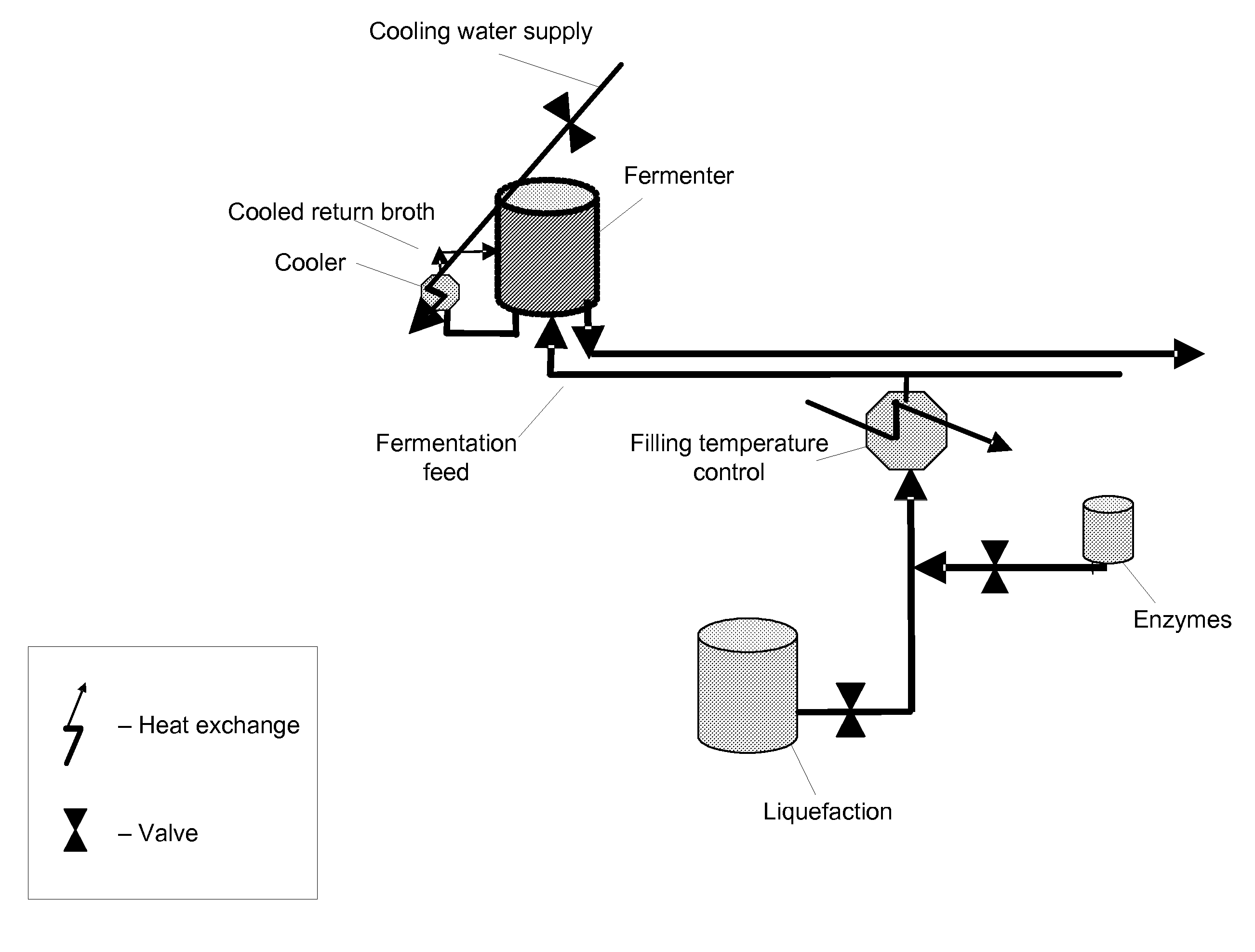
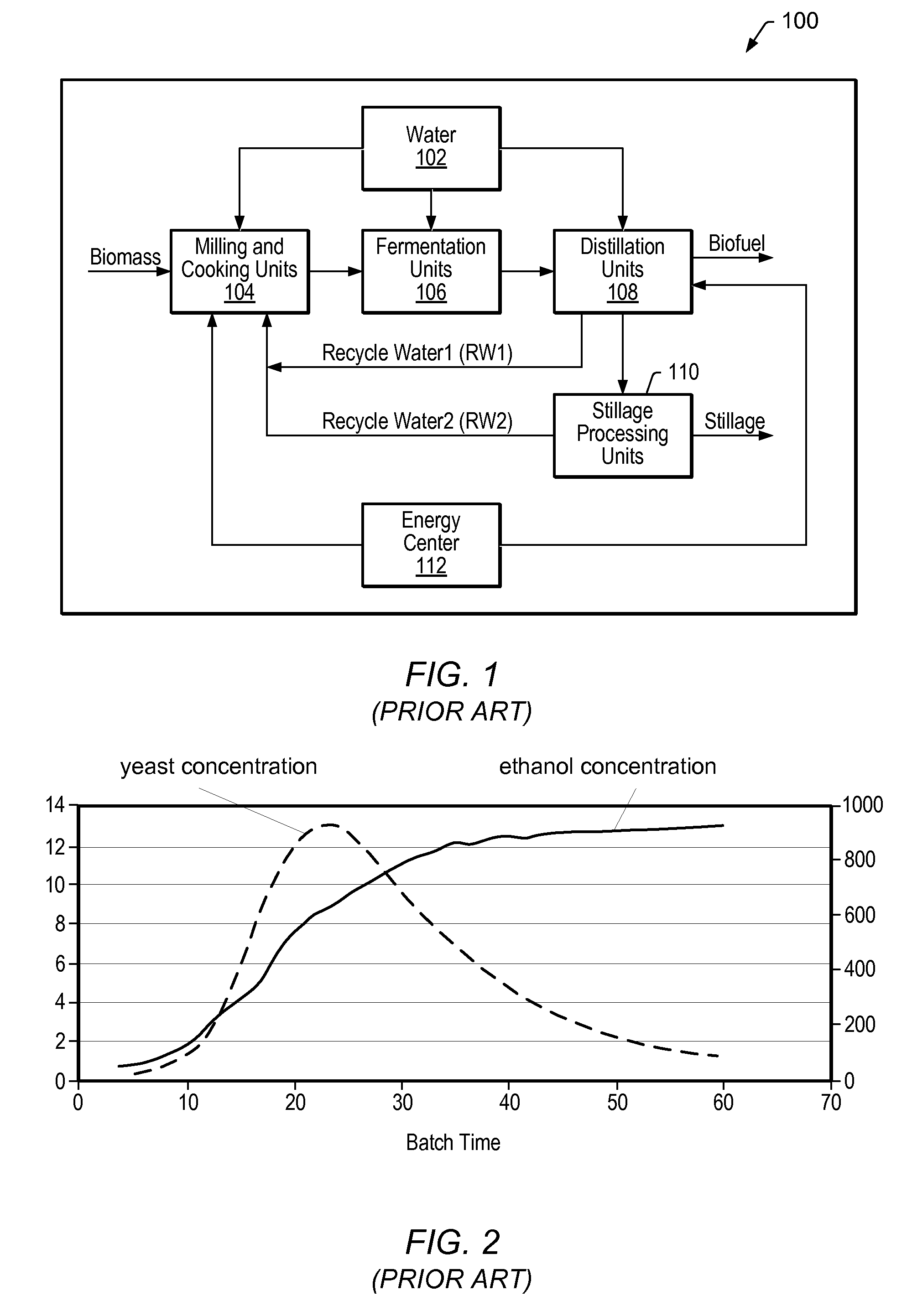
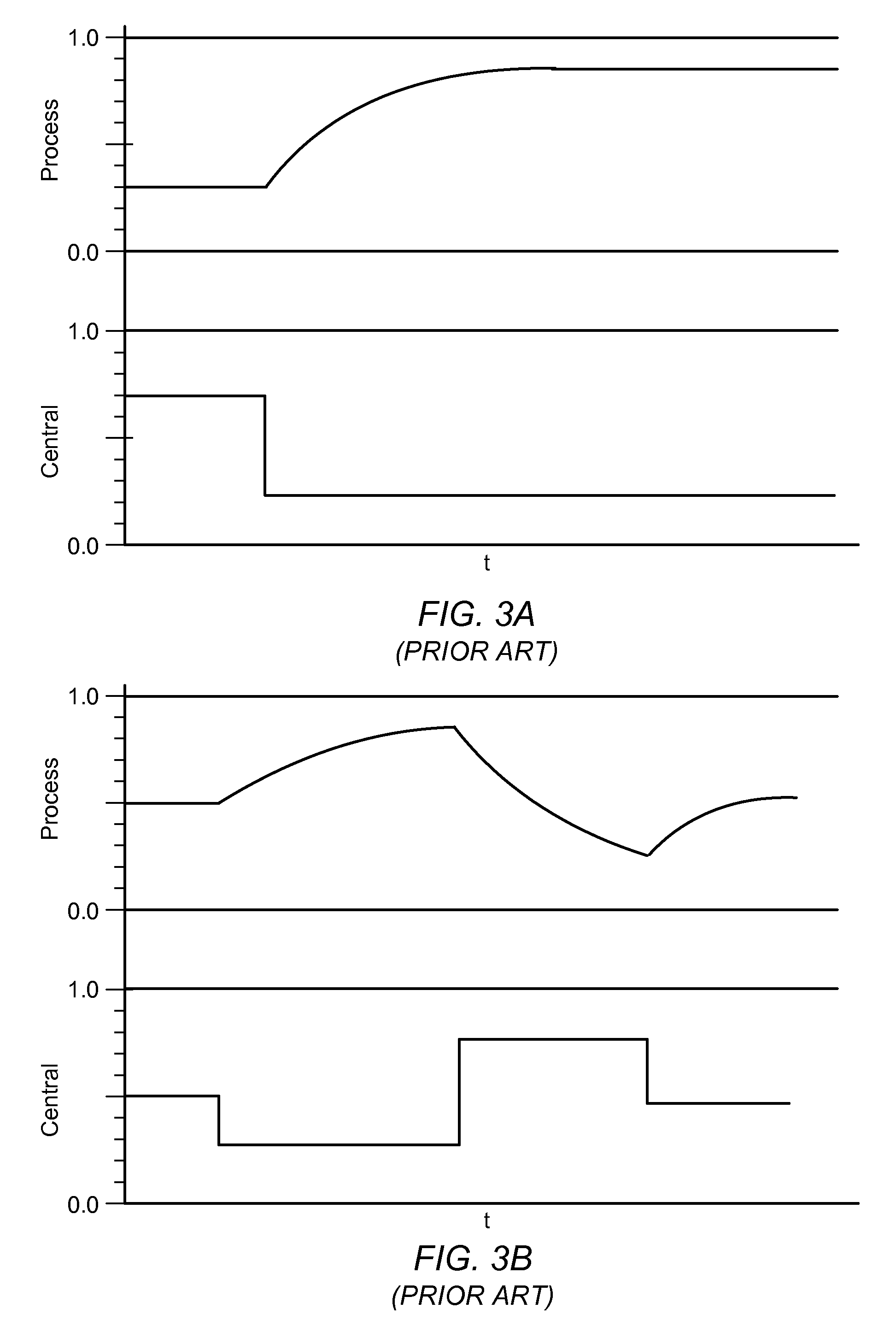
- A nonlinear predictive integrating temperature model is used to control fermentation temperature based on heat balance, considering the fermenter level and other influencing factors, allowing for optimal biofuel production by adjusting cooling inputs relative to metabolic heat generation.

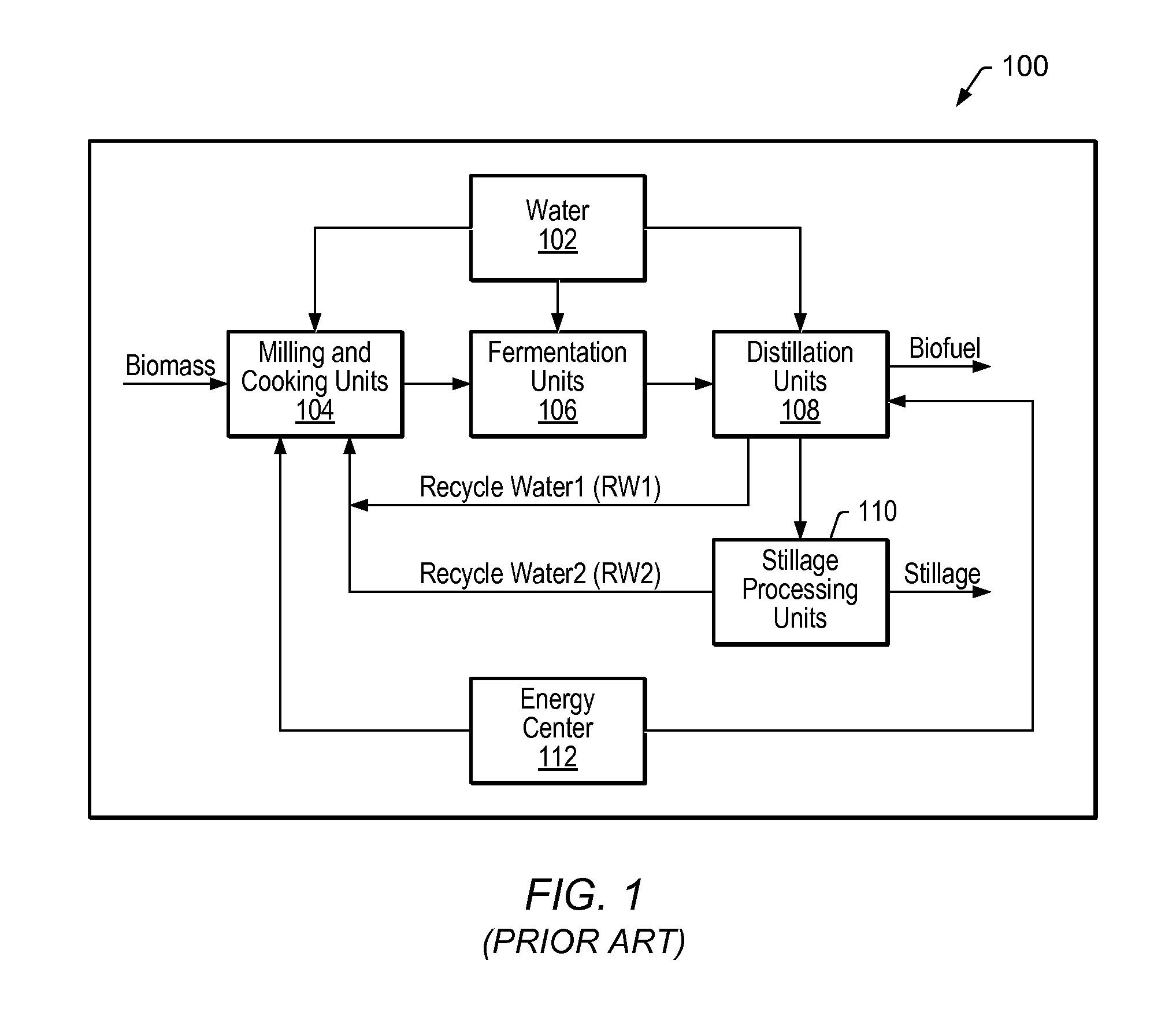
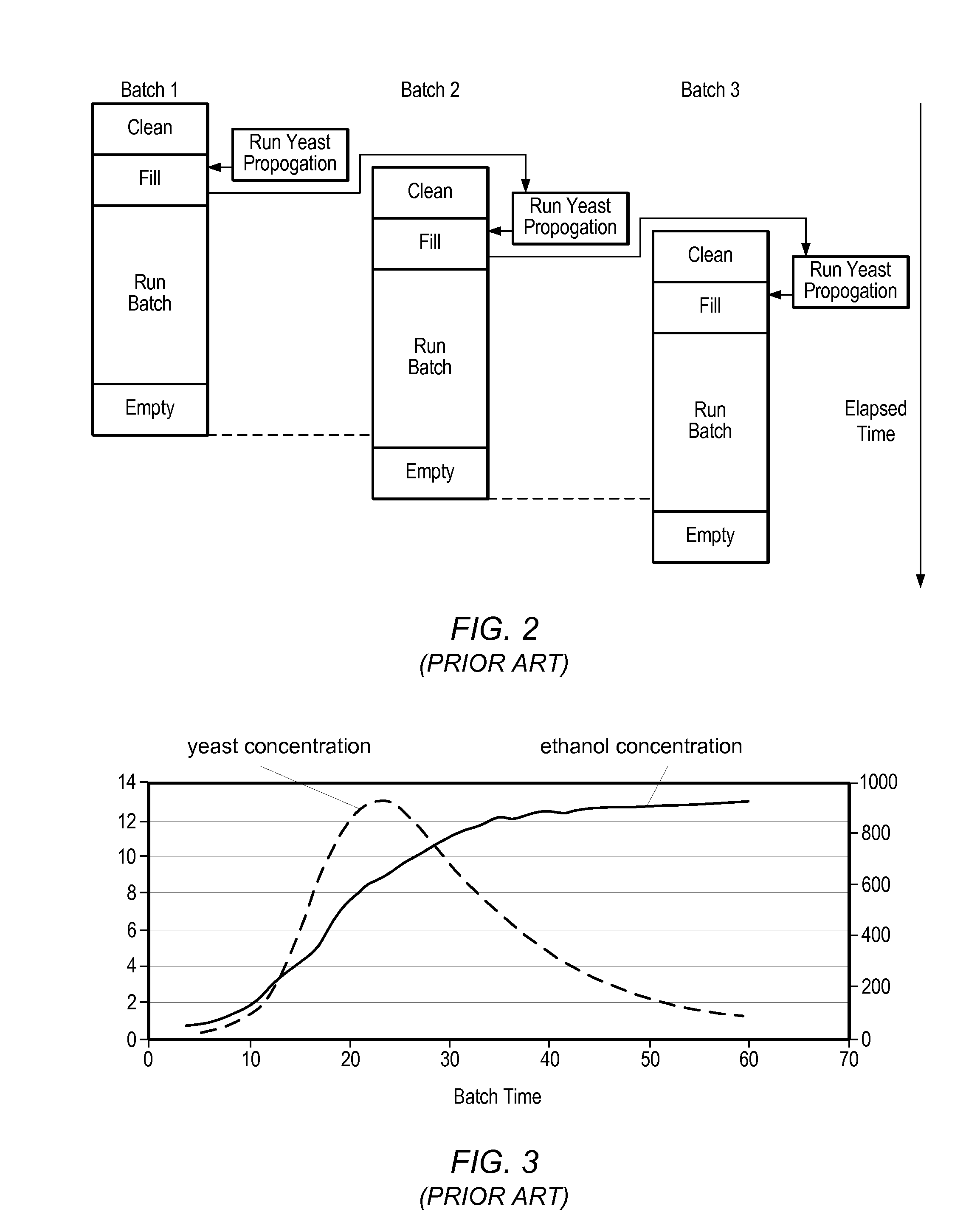
Model predictive control of fermentation in biofuel production
PatentInactiveUS8571689B2
Innovation
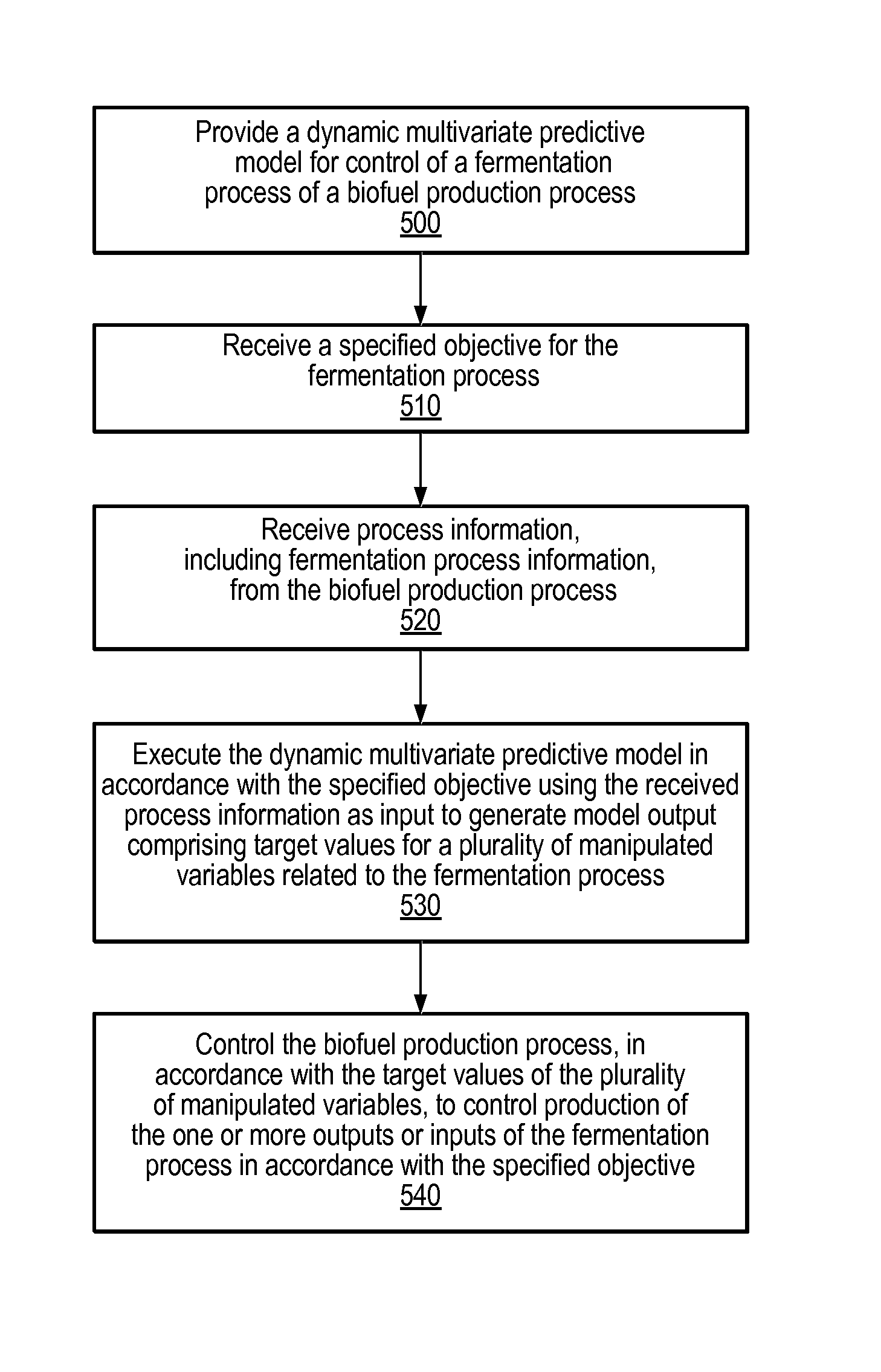
- A nonlinear multivariate predictive model is implemented to optimize end-of-batch biofuel yield by controlling batch fermentation processes, considering factors like yeast influence, temperature, biomass concentration, enzyme concentration, and pH, with a temporal control horizon, to determine optimal batch trajectories and target values for manipulated variables.

Environmental Impact Assessment of TPR Biofuel Processes
The environmental implications of Temperature Programmed Reduction (TPR) processes in biofuel production present a complex landscape of both benefits and challenges that require comprehensive assessment. TPR-enhanced biofuel systems demonstrate significant potential for reducing overall carbon footprint compared to conventional fossil fuel production, primarily through improved conversion efficiency and reduced energy consumption during biomass processing.
Life cycle assessment studies indicate that TPR processes can achieve 15-25% reduction in greenhouse gas emissions compared to traditional biofuel production methods. This improvement stems from enhanced catalyst performance at lower operating temperatures and reduced energy requirements for biomass pretreatment. The controlled reduction environment minimizes unwanted side reactions that typically generate harmful byproducts.
Water resource management represents a critical environmental consideration in TPR biofuel processes. The technology requires careful monitoring of water consumption patterns, as catalyst regeneration cycles and cooling systems can impact local water resources. However, advanced TPR systems incorporate closed-loop water recycling mechanisms that reduce freshwater consumption by up to 40% compared to conventional processes.
Air quality impacts from TPR operations show mixed results depending on implementation scale and location. While reduced volatile organic compound emissions are observed during normal operations, catalyst preparation and regeneration phases may temporarily increase particulate matter release. Proper emission control systems and optimized operational protocols effectively mitigate these concerns.
Waste stream analysis reveals that TPR processes generate different byproduct profiles compared to traditional methods. Spent catalysts require specialized disposal or recycling procedures, though recent developments in catalyst recovery technologies show promise for circular economy integration. Solid waste generation is typically reduced by 20-30% due to improved biomass utilization efficiency.
Soil and groundwater protection measures become particularly important when considering large-scale TPR facility deployment. The technology's reduced chemical additive requirements compared to conventional processes lower the risk of soil contamination, while improved process control minimizes accidental discharge potential.
Life cycle assessment studies indicate that TPR processes can achieve 15-25% reduction in greenhouse gas emissions compared to traditional biofuel production methods. This improvement stems from enhanced catalyst performance at lower operating temperatures and reduced energy requirements for biomass pretreatment. The controlled reduction environment minimizes unwanted side reactions that typically generate harmful byproducts.
Water resource management represents a critical environmental consideration in TPR biofuel processes. The technology requires careful monitoring of water consumption patterns, as catalyst regeneration cycles and cooling systems can impact local water resources. However, advanced TPR systems incorporate closed-loop water recycling mechanisms that reduce freshwater consumption by up to 40% compared to conventional processes.
Air quality impacts from TPR operations show mixed results depending on implementation scale and location. While reduced volatile organic compound emissions are observed during normal operations, catalyst preparation and regeneration phases may temporarily increase particulate matter release. Proper emission control systems and optimized operational protocols effectively mitigate these concerns.
Waste stream analysis reveals that TPR processes generate different byproduct profiles compared to traditional methods. Spent catalysts require specialized disposal or recycling procedures, though recent developments in catalyst recovery technologies show promise for circular economy integration. Solid waste generation is typically reduced by 20-30% due to improved biomass utilization efficiency.
Soil and groundwater protection measures become particularly important when considering large-scale TPR facility deployment. The technology's reduced chemical additive requirements compared to conventional processes lower the risk of soil contamination, while improved process control minimizes accidental discharge potential.
Economic Feasibility of TPR-Enhanced Biofuel Production
The economic feasibility of TPR-enhanced biofuel production presents a complex landscape of capital investments, operational costs, and potential returns that require careful analysis across multiple financial dimensions. Initial capital expenditure represents the most significant barrier to entry, with TPR reactor systems, specialized heating equipment, and advanced control systems demanding substantial upfront investment. These costs typically range from $2-5 million for pilot-scale operations to $50-100 million for commercial-scale facilities, depending on processing capacity and automation levels.
Operational expenditure analysis reveals both challenges and opportunities in TPR-enhanced biofuel production. Energy consumption for temperature programming cycles constitutes 15-25% of total operational costs, significantly higher than conventional biofuel processing methods. However, this increased energy demand is partially offset by improved catalyst efficiency and reduced catalyst replacement frequency, which can decrease annual catalyst costs by 30-40% compared to traditional reduction methods.
The economic advantage of TPR enhancement becomes evident through improved product yields and quality metrics. Enhanced biofuel production typically achieves 12-18% higher conversion rates, translating to increased revenue per unit of feedstock. Additionally, the superior fuel quality achieved through TPR processes commands premium pricing in specialized markets, with price premiums ranging from 8-15% above standard biofuel products.
Market dynamics significantly influence the economic viability of TPR-enhanced systems. Current biofuel market prices, regulatory incentives, and carbon credit mechanisms create favorable conditions for advanced production technologies. Government subsidies and tax incentives for clean energy technologies can reduce effective capital costs by 20-35%, substantially improving project economics and shortening payback periods.
Return on investment calculations indicate that TPR-enhanced biofuel facilities can achieve break-even points within 6-8 years under favorable market conditions, with internal rates of return ranging from 12-18%. These figures compare favorably to conventional biofuel production facilities, which typically require 8-10 years for cost recovery, making TPR enhancement an economically attractive proposition for forward-thinking investors and energy companies.
Operational expenditure analysis reveals both challenges and opportunities in TPR-enhanced biofuel production. Energy consumption for temperature programming cycles constitutes 15-25% of total operational costs, significantly higher than conventional biofuel processing methods. However, this increased energy demand is partially offset by improved catalyst efficiency and reduced catalyst replacement frequency, which can decrease annual catalyst costs by 30-40% compared to traditional reduction methods.
The economic advantage of TPR enhancement becomes evident through improved product yields and quality metrics. Enhanced biofuel production typically achieves 12-18% higher conversion rates, translating to increased revenue per unit of feedstock. Additionally, the superior fuel quality achieved through TPR processes commands premium pricing in specialized markets, with price premiums ranging from 8-15% above standard biofuel products.
Market dynamics significantly influence the economic viability of TPR-enhanced systems. Current biofuel market prices, regulatory incentives, and carbon credit mechanisms create favorable conditions for advanced production technologies. Government subsidies and tax incentives for clean energy technologies can reduce effective capital costs by 20-35%, substantially improving project economics and shortening payback periods.
Return on investment calculations indicate that TPR-enhanced biofuel facilities can achieve break-even points within 6-8 years under favorable market conditions, with internal rates of return ranging from 12-18%. These figures compare favorably to conventional biofuel production facilities, which typically require 8-10 years for cost recovery, making TPR enhancement an economically attractive proposition for forward-thinking investors and energy companies.
Unlock deeper insights with PatSnap Eureka Quick Research — get a full tech report to explore trends and direct your research. Try now!
Generate Your Research Report Instantly with AI Agent
Supercharge your innovation with PatSnap Eureka AI Agent Platform!