

How to Use Advanced Data Analytics for Compression System Analysis
APR 24, 20269 MIN READ
Generate Your Research Report Instantly with AI Agent
PatSnap Eureka helps you evaluate technical feasibility & market potential.
Advanced Analytics in Compression Systems Background and Goals
Compression systems have evolved from simple mechanical devices to sophisticated engineered solutions that form the backbone of numerous industrial processes. These systems, encompassing centrifugal compressors, reciprocating compressors, and screw compressors, are critical components in petrochemical plants, natural gas processing facilities, power generation stations, and manufacturing operations worldwide. The historical development of compression technology has progressed through distinct phases, beginning with basic steam-driven units in the early industrial era, advancing through electrically-powered systems in the mid-20th century, and culminating in today's digitally-integrated smart compression solutions.
The integration of advanced data analytics into compression system analysis represents a paradigm shift from traditional reactive maintenance approaches to predictive and prescriptive operational strategies. This technological convergence has been accelerated by the proliferation of Internet of Things sensors, edge computing capabilities, and cloud-based analytics platforms. Modern compression systems generate vast quantities of operational data including vibration signatures, temperature profiles, pressure differentials, flow rates, and power consumption patterns, creating unprecedented opportunities for deep analytical insights.
Current industry trends indicate a strong movement toward condition-based monitoring and predictive maintenance methodologies. Organizations are increasingly recognizing that traditional time-based maintenance schedules often result in unnecessary downtime and excessive maintenance costs, while reactive approaches can lead to catastrophic failures and production losses. The emergence of machine learning algorithms, artificial intelligence frameworks, and advanced signal processing techniques has enabled the development of sophisticated analytical models capable of detecting subtle performance degradations and predicting failure modes with remarkable accuracy.
The primary technical objectives of implementing advanced data analytics in compression system analysis encompass multiple dimensions of operational excellence. Performance optimization represents a fundamental goal, involving the continuous analysis of operational parameters to identify efficiency improvements and energy consumption reductions. Predictive maintenance capabilities aim to forecast component failures before they occur, enabling proactive intervention and minimizing unplanned downtime. Additionally, the integration of real-time analytics supports dynamic operational adjustments that can respond to changing process conditions and maintain optimal system performance.
Strategic business objectives align closely with these technical goals, focusing on maximizing asset utilization, reducing total cost of ownership, and enhancing overall equipment effectiveness. The implementation of advanced analytics platforms enables organizations to transition from traditional cost centers to value-generating operations through improved reliability, extended equipment lifecycles, and optimized maintenance resource allocation.
The integration of advanced data analytics into compression system analysis represents a paradigm shift from traditional reactive maintenance approaches to predictive and prescriptive operational strategies. This technological convergence has been accelerated by the proliferation of Internet of Things sensors, edge computing capabilities, and cloud-based analytics platforms. Modern compression systems generate vast quantities of operational data including vibration signatures, temperature profiles, pressure differentials, flow rates, and power consumption patterns, creating unprecedented opportunities for deep analytical insights.
Current industry trends indicate a strong movement toward condition-based monitoring and predictive maintenance methodologies. Organizations are increasingly recognizing that traditional time-based maintenance schedules often result in unnecessary downtime and excessive maintenance costs, while reactive approaches can lead to catastrophic failures and production losses. The emergence of machine learning algorithms, artificial intelligence frameworks, and advanced signal processing techniques has enabled the development of sophisticated analytical models capable of detecting subtle performance degradations and predicting failure modes with remarkable accuracy.
The primary technical objectives of implementing advanced data analytics in compression system analysis encompass multiple dimensions of operational excellence. Performance optimization represents a fundamental goal, involving the continuous analysis of operational parameters to identify efficiency improvements and energy consumption reductions. Predictive maintenance capabilities aim to forecast component failures before they occur, enabling proactive intervention and minimizing unplanned downtime. Additionally, the integration of real-time analytics supports dynamic operational adjustments that can respond to changing process conditions and maintain optimal system performance.
Strategic business objectives align closely with these technical goals, focusing on maximizing asset utilization, reducing total cost of ownership, and enhancing overall equipment effectiveness. The implementation of advanced analytics platforms enables organizations to transition from traditional cost centers to value-generating operations through improved reliability, extended equipment lifecycles, and optimized maintenance resource allocation.
Market Demand for Smart Compression System Analytics
The global compression systems market is experiencing unprecedented growth driven by increasing industrial automation and the critical need for operational efficiency across manufacturing sectors. Traditional compression systems, which have long relied on basic monitoring and manual maintenance schedules, are rapidly evolving toward intelligent, data-driven solutions that can predict failures, optimize performance, and reduce operational costs.
Industrial facilities worldwide are recognizing the substantial economic impact of compression system downtime, which can cost manufacturing plants thousands of dollars per hour in lost productivity. This reality has created urgent demand for predictive analytics solutions that can identify potential issues before they result in catastrophic failures. The shift from reactive to proactive maintenance strategies represents a fundamental transformation in how organizations approach compression system management.
Energy efficiency regulations and sustainability initiatives are further accelerating market demand for smart compression analytics. Organizations face mounting pressure to reduce energy consumption and carbon footprints, making advanced analytics essential for identifying optimization opportunities. Smart analytics platforms can detect inefficiencies that traditional monitoring systems miss, enabling significant energy savings and environmental benefits.
The integration of Internet of Things sensors and edge computing capabilities has made real-time compression system monitoring more accessible and cost-effective than ever before. This technological convergence has lowered barriers to entry for smart analytics adoption, expanding the addressable market beyond large industrial facilities to include medium-sized operations that previously could not justify such investments.
Manufacturing sectors including automotive, pharmaceuticals, food processing, and petrochemicals are driving particularly strong demand for compression analytics solutions. These industries require continuous operation and cannot tolerate unexpected equipment failures, making predictive analytics a strategic necessity rather than a luxury. The growing complexity of modern compression systems, with multiple interdependent components and varying operational parameters, has made manual monitoring and analysis increasingly inadequate.
Cloud-based analytics platforms are democratizing access to sophisticated compression system analysis capabilities, enabling smaller organizations to leverage enterprise-grade analytics without substantial upfront infrastructure investments. This trend is expanding the total addressable market and creating new opportunities for analytics solution providers to serve previously underserved market segments.
Industrial facilities worldwide are recognizing the substantial economic impact of compression system downtime, which can cost manufacturing plants thousands of dollars per hour in lost productivity. This reality has created urgent demand for predictive analytics solutions that can identify potential issues before they result in catastrophic failures. The shift from reactive to proactive maintenance strategies represents a fundamental transformation in how organizations approach compression system management.
Energy efficiency regulations and sustainability initiatives are further accelerating market demand for smart compression analytics. Organizations face mounting pressure to reduce energy consumption and carbon footprints, making advanced analytics essential for identifying optimization opportunities. Smart analytics platforms can detect inefficiencies that traditional monitoring systems miss, enabling significant energy savings and environmental benefits.
The integration of Internet of Things sensors and edge computing capabilities has made real-time compression system monitoring more accessible and cost-effective than ever before. This technological convergence has lowered barriers to entry for smart analytics adoption, expanding the addressable market beyond large industrial facilities to include medium-sized operations that previously could not justify such investments.
Manufacturing sectors including automotive, pharmaceuticals, food processing, and petrochemicals are driving particularly strong demand for compression analytics solutions. These industries require continuous operation and cannot tolerate unexpected equipment failures, making predictive analytics a strategic necessity rather than a luxury. The growing complexity of modern compression systems, with multiple interdependent components and varying operational parameters, has made manual monitoring and analysis increasingly inadequate.
Cloud-based analytics platforms are democratizing access to sophisticated compression system analysis capabilities, enabling smaller organizations to leverage enterprise-grade analytics without substantial upfront infrastructure investments. This trend is expanding the total addressable market and creating new opportunities for analytics solution providers to serve previously underserved market segments.
Current State of Data Analytics in Compression Technology
The integration of advanced data analytics in compression technology has reached a significant maturity level, with industrial applications spanning across multiple sectors including oil and gas, manufacturing, and HVAC systems. Current implementations primarily focus on real-time monitoring, predictive maintenance, and performance optimization through sophisticated sensor networks and IoT-enabled devices.
Machine learning algorithms have become the cornerstone of modern compression system analysis, with supervised learning models being extensively deployed for fault detection and classification. Neural networks, particularly deep learning architectures, are increasingly utilized to identify complex patterns in vibration data, temperature fluctuations, and pressure variations that traditional statistical methods cannot effectively capture.
Real-time data processing capabilities have evolved substantially, enabling continuous monitoring of critical parameters such as discharge pressure, suction temperature, and power consumption. Edge computing solutions are being implemented to reduce latency and enable immediate response to anomalous conditions, while cloud-based platforms provide comprehensive historical analysis and trend identification.
Predictive analytics has emerged as a dominant application area, with time-series forecasting models being used to anticipate equipment failures and optimize maintenance schedules. Advanced algorithms including LSTM networks, ARIMA models, and ensemble methods are commonly employed to predict remaining useful life and identify optimal operating parameters.
Digital twin technology represents a significant advancement in compression system analysis, creating virtual replicas that enable comprehensive simulation and testing scenarios. These digital models integrate real-time operational data with physics-based modeling to provide unprecedented insights into system behavior and performance optimization opportunities.
However, several challenges persist in the current landscape. Data quality and standardization remain significant obstacles, as compression systems often generate heterogeneous data streams from various manufacturers and sensor types. Integration complexity increases when dealing with legacy systems that lack modern connectivity capabilities.
The adoption of advanced analytics varies considerably across different industry segments, with larger enterprises leading implementation efforts while smaller operators face barriers related to cost, technical expertise, and infrastructure requirements. This disparity creates an uneven technological landscape within the compression technology sector.
Machine learning algorithms have become the cornerstone of modern compression system analysis, with supervised learning models being extensively deployed for fault detection and classification. Neural networks, particularly deep learning architectures, are increasingly utilized to identify complex patterns in vibration data, temperature fluctuations, and pressure variations that traditional statistical methods cannot effectively capture.
Real-time data processing capabilities have evolved substantially, enabling continuous monitoring of critical parameters such as discharge pressure, suction temperature, and power consumption. Edge computing solutions are being implemented to reduce latency and enable immediate response to anomalous conditions, while cloud-based platforms provide comprehensive historical analysis and trend identification.
Predictive analytics has emerged as a dominant application area, with time-series forecasting models being used to anticipate equipment failures and optimize maintenance schedules. Advanced algorithms including LSTM networks, ARIMA models, and ensemble methods are commonly employed to predict remaining useful life and identify optimal operating parameters.
Digital twin technology represents a significant advancement in compression system analysis, creating virtual replicas that enable comprehensive simulation and testing scenarios. These digital models integrate real-time operational data with physics-based modeling to provide unprecedented insights into system behavior and performance optimization opportunities.
However, several challenges persist in the current landscape. Data quality and standardization remain significant obstacles, as compression systems often generate heterogeneous data streams from various manufacturers and sensor types. Integration complexity increases when dealing with legacy systems that lack modern connectivity capabilities.
The adoption of advanced analytics varies considerably across different industry segments, with larger enterprises leading implementation efforts while smaller operators face barriers related to cost, technical expertise, and infrastructure requirements. This disparity creates an uneven technological landscape within the compression technology sector.
Existing Data Analytics Solutions for Compression Systems
01 Machine Learning and Predictive Analytics Systems
Advanced data analytics systems that utilize machine learning algorithms and predictive modeling techniques to analyze large datasets and generate insights. These systems can process structured and unstructured data to identify patterns, trends, and correlations that enable predictive capabilities for various applications including business intelligence and decision support.- Machine Learning and Predictive Analytics Systems: Advanced data analytics systems that utilize machine learning algorithms and predictive modeling techniques to analyze large datasets and generate insights. These systems can process structured and unstructured data to identify patterns, trends, and correlations that enable predictive capabilities for various applications including business intelligence and decision support.
- Real-time Data Processing and Stream Analytics: Technologies focused on processing and analyzing data streams in real-time or near real-time environments. These systems handle continuous data flows and provide immediate analytical results, enabling organizations to make timely decisions based on current data conditions and dynamic changes in data patterns.
- Big Data Infrastructure and Distributed Computing: Scalable infrastructure solutions designed to handle massive volumes of data through distributed computing architectures. These systems provide the computational framework necessary for processing petabyte-scale datasets across multiple nodes and clusters, ensuring efficient data storage, retrieval, and analysis capabilities.
- Data Visualization and Interactive Analytics Platforms: Interactive platforms that transform complex analytical results into visual representations and dashboards. These systems enable users to explore data through intuitive interfaces, create dynamic visualizations, and perform self-service analytics without requiring deep technical expertise in data science or programming.
- Automated Analytics and Artificial Intelligence Integration: Systems that incorporate artificial intelligence and automation capabilities to perform advanced analytical tasks with minimal human intervention. These platforms can automatically discover insights, generate reports, and adapt analytical models based on changing data conditions and business requirements.
02 Real-time Data Processing and Stream Analytics
Technologies focused on processing and analyzing data streams in real-time or near real-time environments. These systems enable continuous monitoring, immediate response capabilities, and dynamic analysis of incoming data flows, supporting applications that require instant insights and rapid decision-making based on current data conditions.Expand Specific Solutions03 Big Data Infrastructure and Distributed Computing
Scalable infrastructure solutions designed to handle massive volumes of data through distributed computing architectures. These systems provide the foundational technology for storing, managing, and processing big data across multiple nodes or clusters, enabling organizations to handle petabyte-scale datasets efficiently.Expand Specific Solutions04 Data Visualization and Interactive Analytics Platforms
Comprehensive platforms that transform complex analytical results into visual representations and interactive dashboards. These solutions enable users to explore data through intuitive interfaces, create dynamic visualizations, and facilitate collaborative analysis across different user groups and skill levels.Expand Specific Solutions05 Automated Analytics and Self-Service Business Intelligence
Automated analytical systems that enable non-technical users to perform sophisticated data analysis without requiring deep technical expertise. These platforms provide self-service capabilities, automated report generation, and intelligent recommendations, democratizing access to advanced analytics across organizations.Expand Specific Solutions
Key Players in Compression Analytics and IoT Solutions
The advanced data analytics for compression system analysis field represents a rapidly evolving technological landscape currently in its growth phase, driven by increasing data volumes and IoT proliferation. The market demonstrates significant expansion potential, particularly in cloud computing and edge applications, with substantial investments from major technology corporations. Technology maturity varies considerably across market participants, with established giants like Samsung Electronics, IBM, NVIDIA, and Siemens AG leading through comprehensive AI-driven analytics platforms and robust infrastructure solutions. Emerging specialists such as AtomBeam Technologies are pioneering innovative AI-driven compression algorithms with near-zero latency capabilities. Meanwhile, companies like Huawei Cloud, Amazon Technologies, and Oracle provide scalable cloud-based analytics infrastructure. The competitive landscape includes semiconductor leaders Texas Instruments and Analog Devices developing specialized hardware, while research institutions like Xi'an Jiaotong University and Zhejiang Lab contribute foundational algorithmic advances, creating a diverse ecosystem spanning from cutting-edge research to commercial deployment.
Samsung Electronics Co., Ltd.
Technical Solution: Samsung develops specialized analytics solutions for compression systems in mobile and storage devices, utilizing their proprietary algorithms optimized for semiconductor architectures. Their approach focuses on real-time performance monitoring and adaptive compression parameter tuning based on device usage patterns. The company's analytics framework incorporates machine learning models trained on extensive device performance data to predict optimal compression settings for different application scenarios. Samsung's solution includes power efficiency analysis capabilities that balance compression performance with energy consumption requirements in mobile environments.
Strengths: Deep hardware integration expertise and optimized solutions for mobile and embedded systems with excellent power efficiency. Weaknesses: Limited applicability to non-Samsung hardware platforms and primarily focused on consumer device applications.
Siemens AG
Technical Solution: Siemens applies industrial IoT analytics and digital twin technology for compression system analysis in manufacturing and industrial environments. Their MindSphere platform integrates advanced data analytics capabilities to monitor compression system performance, predict maintenance needs, and optimize operational efficiency. The solution utilizes edge computing capabilities to process compression performance data locally while providing centralized analytics dashboards for system-wide monitoring. Siemens' approach includes simulation capabilities that model compression system behavior under various operating conditions to identify optimization opportunities and prevent potential failures.
Strengths: Strong industrial automation expertise with robust edge computing capabilities and proven reliability in harsh environments. Weaknesses: Higher complexity for non-industrial applications and significant integration requirements for existing legacy systems.
Core Innovations in Predictive Compression Analytics
On-line data compression analysis and regulation
PatentInactiveUS7898442B1
Innovation
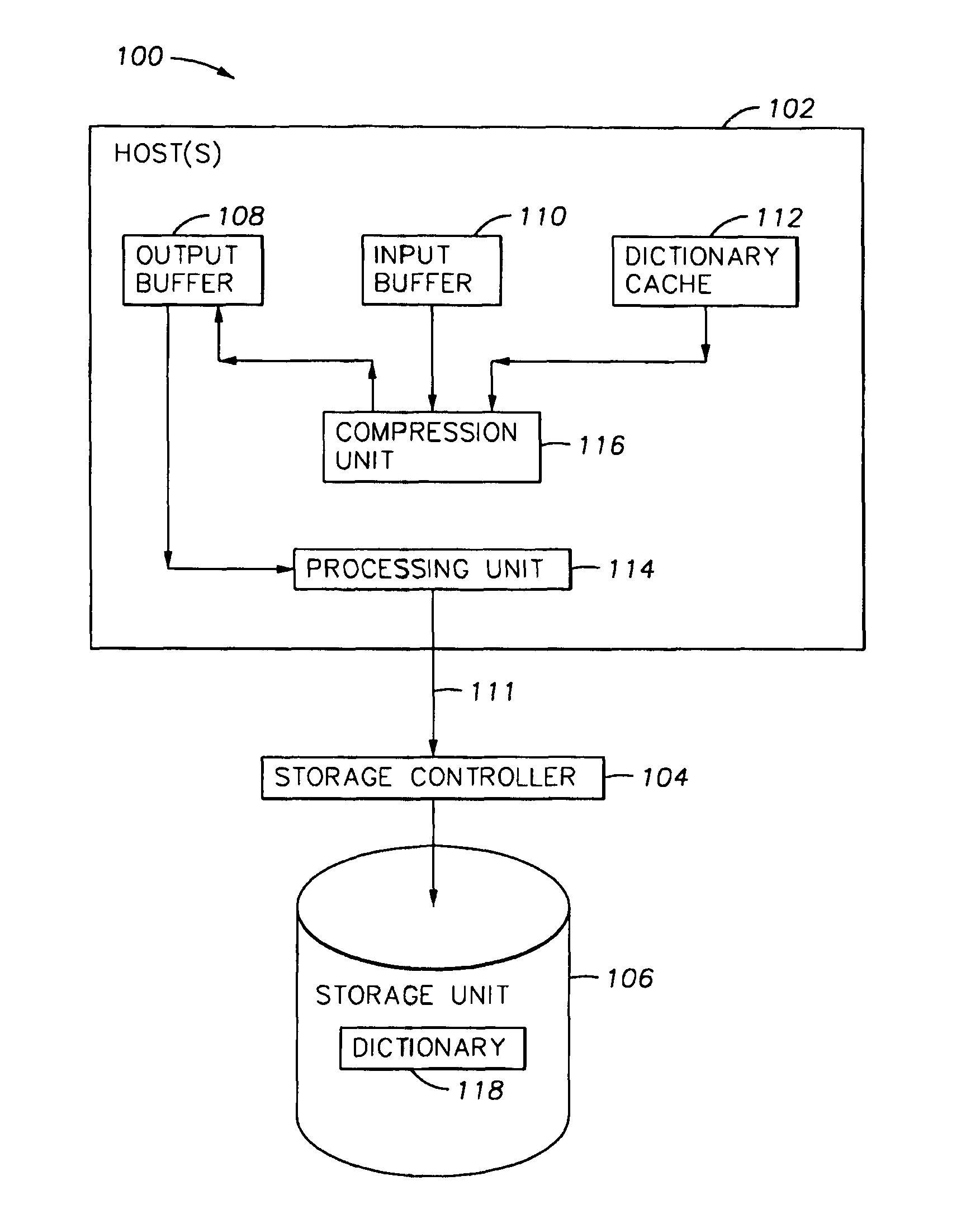
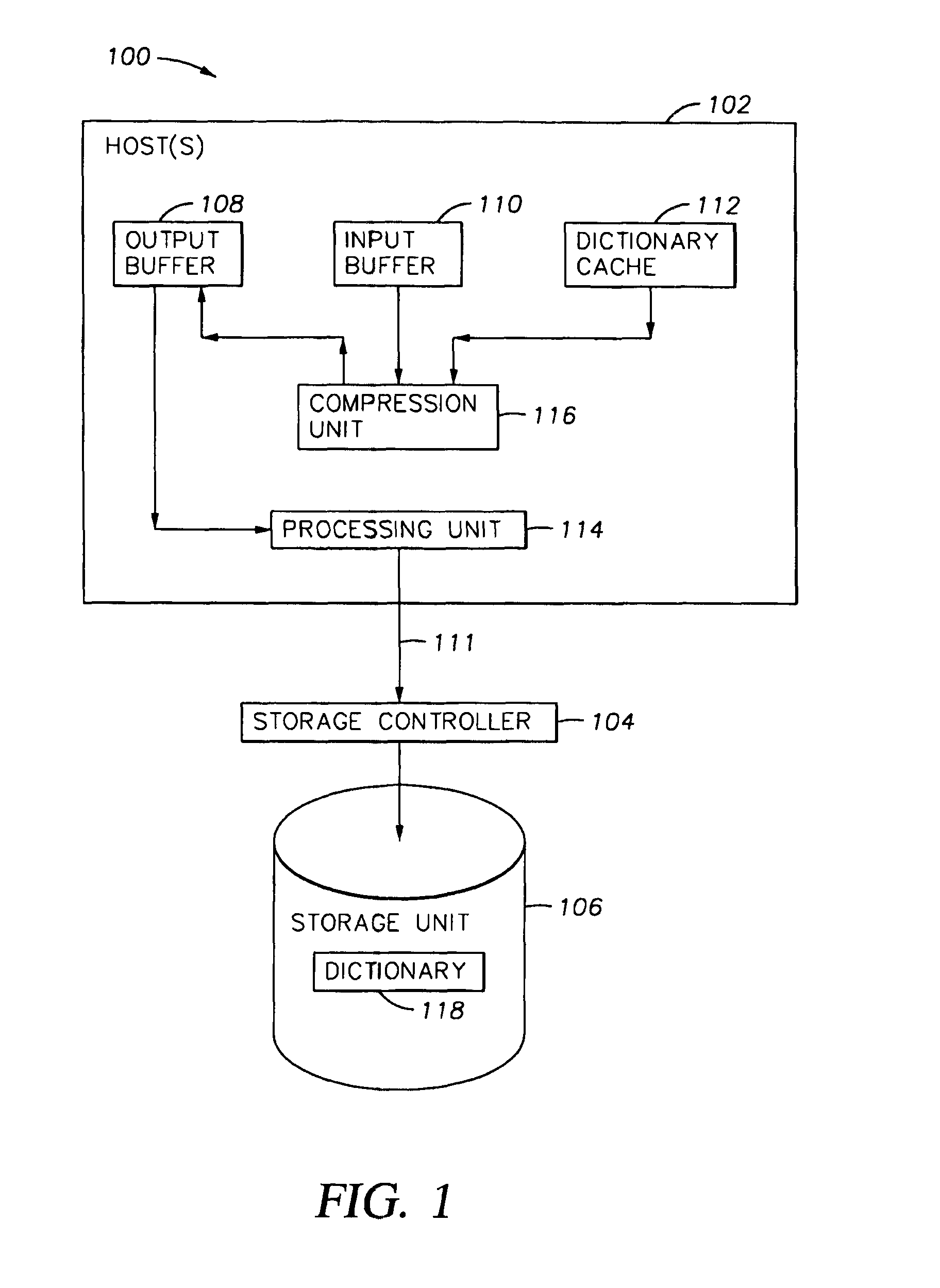
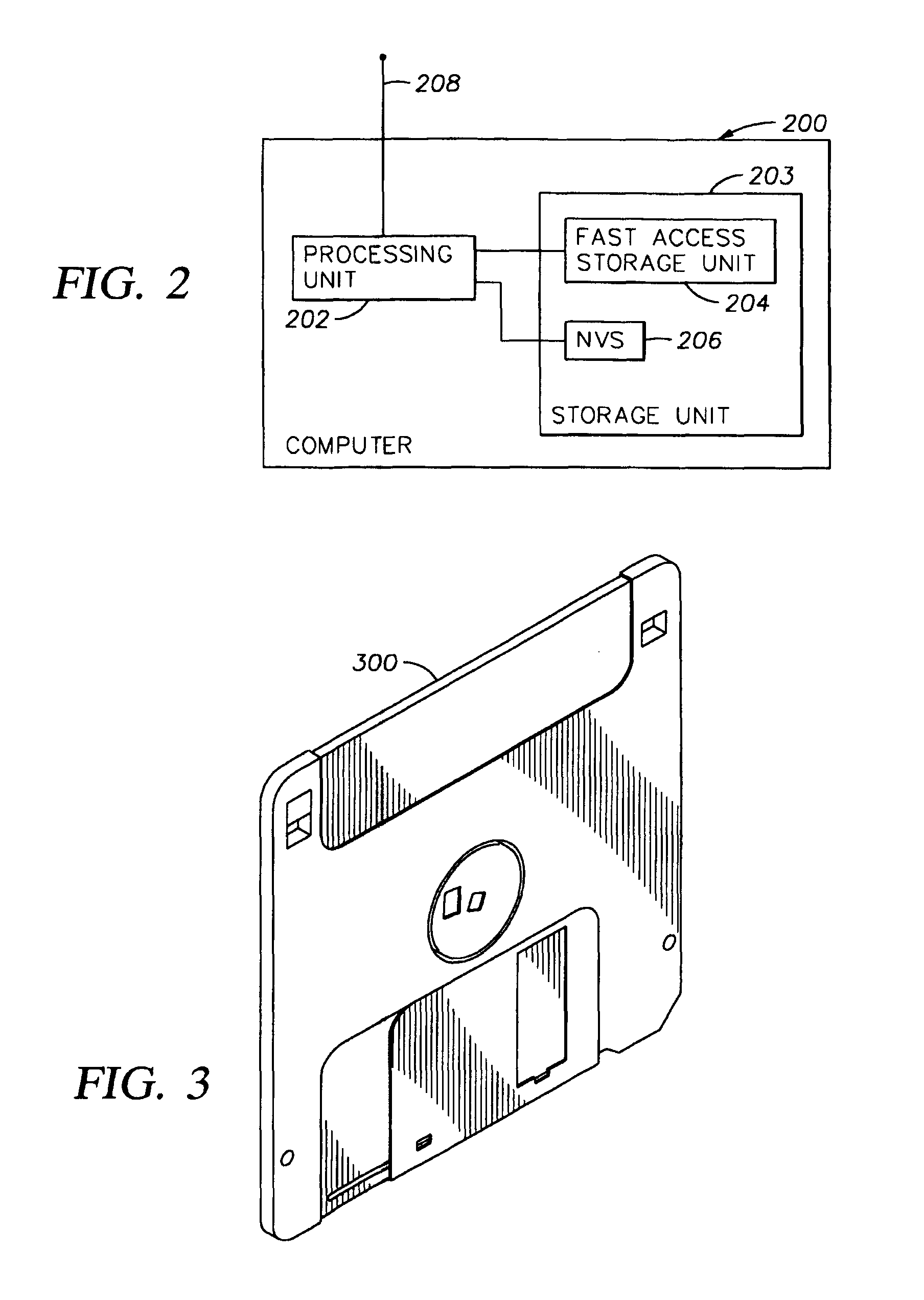
- Implementing an on-line analysis of data compression efficacy within a data storage system, where data compression is dynamically evaluated and modified based on predetermined criteria, allowing for the cessation of compression when it fails to meet user-defined standards, thereby conserving processor time without requiring the system to go offline.

Dynamic compression of systems management data
PatentActiveUS7765346B2
Innovation
- A dynamic compression system that adaptively selects appropriate compression algorithms and settings based on the characteristics of incoming metric data, using a pre-compressor to determine constraints and pass them to a compressor to minimize storage requirements while maintaining data accuracy.


Data Security and Privacy in Industrial Analytics
The implementation of advanced data analytics in compression system analysis introduces significant data security and privacy challenges that require comprehensive protection frameworks. Industrial compression systems generate vast amounts of operational data, including performance metrics, maintenance records, and predictive analytics outputs, all of which contain sensitive information about production capabilities, operational efficiency, and strategic business intelligence.
Data encryption represents the foundational layer of security for compression system analytics. Both data-at-rest and data-in-transit require robust encryption protocols, with AES-256 encryption being the industry standard for stored analytical datasets. Transport Layer Security (TLS) 1.3 protocols ensure secure data transmission between compression system sensors, edge computing devices, and centralized analytics platforms. Advanced key management systems must be implemented to handle the complex encryption key lifecycle management across distributed industrial environments.
Access control mechanisms form the second critical security pillar, implementing role-based access control (RBAC) and attribute-based access control (ABAC) systems. These frameworks ensure that compression system data access is strictly limited based on operational necessity and organizational hierarchy. Multi-factor authentication and privileged access management systems prevent unauthorized access to sensitive analytical insights that could reveal competitive advantages or operational vulnerabilities.
Privacy preservation techniques specifically designed for industrial analytics include differential privacy algorithms that add statistical noise to analytical outputs while maintaining data utility. Homomorphic encryption enables computation on encrypted compression system data without requiring decryption, allowing third-party analytics providers to perform analysis while preserving data confidentiality. Federated learning approaches enable collaborative analytics across multiple compression systems without centralizing sensitive operational data.
Data anonymization and pseudonymization techniques must address the unique challenges of time-series industrial data, where temporal patterns and operational signatures can potentially re-identify specific compression systems or facilities. Advanced anonymization methods include k-anonymity, l-diversity, and t-closeness algorithms adapted for industrial sensor data streams.
Compliance frameworks such as GDPR, CCPA, and industry-specific regulations like NERC CIP for critical infrastructure require comprehensive data governance policies. These regulations mandate data minimization principles, purpose limitation, and explicit consent mechanisms for data processing activities related to compression system analytics.
Data encryption represents the foundational layer of security for compression system analytics. Both data-at-rest and data-in-transit require robust encryption protocols, with AES-256 encryption being the industry standard for stored analytical datasets. Transport Layer Security (TLS) 1.3 protocols ensure secure data transmission between compression system sensors, edge computing devices, and centralized analytics platforms. Advanced key management systems must be implemented to handle the complex encryption key lifecycle management across distributed industrial environments.
Access control mechanisms form the second critical security pillar, implementing role-based access control (RBAC) and attribute-based access control (ABAC) systems. These frameworks ensure that compression system data access is strictly limited based on operational necessity and organizational hierarchy. Multi-factor authentication and privileged access management systems prevent unauthorized access to sensitive analytical insights that could reveal competitive advantages or operational vulnerabilities.
Privacy preservation techniques specifically designed for industrial analytics include differential privacy algorithms that add statistical noise to analytical outputs while maintaining data utility. Homomorphic encryption enables computation on encrypted compression system data without requiring decryption, allowing third-party analytics providers to perform analysis while preserving data confidentiality. Federated learning approaches enable collaborative analytics across multiple compression systems without centralizing sensitive operational data.
Data anonymization and pseudonymization techniques must address the unique challenges of time-series industrial data, where temporal patterns and operational signatures can potentially re-identify specific compression systems or facilities. Advanced anonymization methods include k-anonymity, l-diversity, and t-closeness algorithms adapted for industrial sensor data streams.
Compliance frameworks such as GDPR, CCPA, and industry-specific regulations like NERC CIP for critical infrastructure require comprehensive data governance policies. These regulations mandate data minimization principles, purpose limitation, and explicit consent mechanisms for data processing activities related to compression system analytics.
ROI Assessment for Analytics-Enabled Compression Systems
The return on investment for analytics-enabled compression systems represents a critical evaluation framework that organizations must consider when implementing advanced data analytics solutions. The financial justification for these systems extends beyond simple cost-benefit calculations, encompassing operational efficiency gains, predictive maintenance savings, and enhanced system reliability metrics.
Initial capital expenditure for analytics-enabled compression systems typically includes hardware infrastructure, software licensing, sensor deployment, and integration costs. Organizations can expect investment ranges from $50,000 to $500,000 depending on system complexity and scale. However, the payback period often ranges between 12 to 24 months due to substantial operational improvements and maintenance cost reductions.
Operational cost savings constitute the primary ROI driver, with energy efficiency improvements typically yielding 8-15% reduction in power consumption through optimized compression cycles and load balancing. Predictive maintenance capabilities reduce unplanned downtime by 30-40%, translating to significant production continuity benefits. These systems enable condition-based maintenance scheduling, reducing maintenance costs by 20-25% while extending equipment lifespan.
Revenue enhancement opportunities emerge through improved system availability and performance optimization. Analytics-driven compression systems demonstrate 95-98% uptime compared to 85-90% for conventional systems. This reliability improvement directly impacts production capacity and customer satisfaction metrics, particularly in critical applications such as manufacturing and process industries.
Risk mitigation benefits provide additional ROI value through reduced insurance premiums, regulatory compliance assurance, and catastrophic failure prevention. Advanced analytics enable early detection of potential system failures, preventing costly equipment damage and safety incidents. These risk reduction benefits, while difficult to quantify precisely, often represent 10-20% of total ROI calculations.
Long-term strategic value includes data-driven decision making capabilities, system scalability, and competitive advantage through operational excellence. Organizations implementing analytics-enabled compression systems report improved operational visibility, enhanced troubleshooting capabilities, and better resource allocation decisions. The accumulated operational data becomes a valuable asset for future system optimization and expansion planning.
Initial capital expenditure for analytics-enabled compression systems typically includes hardware infrastructure, software licensing, sensor deployment, and integration costs. Organizations can expect investment ranges from $50,000 to $500,000 depending on system complexity and scale. However, the payback period often ranges between 12 to 24 months due to substantial operational improvements and maintenance cost reductions.
Operational cost savings constitute the primary ROI driver, with energy efficiency improvements typically yielding 8-15% reduction in power consumption through optimized compression cycles and load balancing. Predictive maintenance capabilities reduce unplanned downtime by 30-40%, translating to significant production continuity benefits. These systems enable condition-based maintenance scheduling, reducing maintenance costs by 20-25% while extending equipment lifespan.
Revenue enhancement opportunities emerge through improved system availability and performance optimization. Analytics-driven compression systems demonstrate 95-98% uptime compared to 85-90% for conventional systems. This reliability improvement directly impacts production capacity and customer satisfaction metrics, particularly in critical applications such as manufacturing and process industries.
Risk mitigation benefits provide additional ROI value through reduced insurance premiums, regulatory compliance assurance, and catastrophic failure prevention. Advanced analytics enable early detection of potential system failures, preventing costly equipment damage and safety incidents. These risk reduction benefits, while difficult to quantify precisely, often represent 10-20% of total ROI calculations.
Long-term strategic value includes data-driven decision making capabilities, system scalability, and competitive advantage through operational excellence. Organizations implementing analytics-enabled compression systems report improved operational visibility, enhanced troubleshooting capabilities, and better resource allocation decisions. The accumulated operational data becomes a valuable asset for future system optimization and expansion planning.
Unlock deeper insights with PatSnap Eureka Quick Research — get a full tech report to explore trends and direct your research. Try now!
Generate Your Research Report Instantly with AI Agent
Supercharge your innovation with PatSnap Eureka AI Agent Platform!