

How to Utilize ECM for Adaptive Learning in Driving Patterns
MAR 27, 20269 MIN READ
Generate Your Research Report Instantly with AI Agent
PatSnap Eureka helps you evaluate technical feasibility & market potential.
ECM Adaptive Learning Background and Objectives
Engine Control Module (ECM) adaptive learning represents a paradigm shift in automotive technology, evolving from static control systems to intelligent, self-optimizing platforms. Traditional ECMs operated on predetermined maps and fixed parameters, limiting their ability to accommodate individual driving behaviors and environmental variations. The emergence of adaptive learning capabilities has transformed ECMs into sophisticated systems capable of real-time pattern recognition and dynamic parameter adjustment.
The automotive industry's transition toward personalized driving experiences has accelerated the development of ECM adaptive learning technologies. Modern vehicles generate vast amounts of operational data through numerous sensors, creating unprecedented opportunities for pattern analysis and behavioral modeling. This data-rich environment enables ECMs to identify unique driving signatures, environmental conditions, and vehicle performance characteristics that were previously undetectable.
Adaptive learning in ECMs encompasses multiple technological domains, including machine learning algorithms, real-time data processing, and predictive analytics. The integration of these technologies allows ECMs to continuously monitor driving patterns, analyze behavioral trends, and adjust engine parameters accordingly. This capability extends beyond simple fuel efficiency optimization to encompass comprehensive vehicle performance enhancement.
The primary objective of ECM adaptive learning is to create a symbiotic relationship between driver behavior and vehicle performance optimization. By analyzing acceleration patterns, braking habits, route preferences, and environmental conditions, ECMs can develop personalized control strategies that maximize efficiency while maintaining performance standards. This approach represents a fundamental shift from one-size-fits-all calibrations to individualized vehicle tuning.
Contemporary ECM adaptive learning systems aim to achieve several key performance targets. These include reducing fuel consumption by 8-15% through optimized combustion timing and air-fuel mixture adjustments, improving emissions control through predictive catalyst management, and enhancing overall driving comfort through smoother power delivery characteristics. Additionally, these systems target extended component longevity through intelligent load management and predictive maintenance scheduling.
The technological foundation for ECM adaptive learning relies on advanced signal processing capabilities, high-speed computational platforms, and robust data storage solutions. Modern ECMs must process multiple data streams simultaneously while maintaining real-time control responsiveness. This requirement has driven significant advances in embedded computing architectures and algorithm optimization techniques.
Future objectives for ECM adaptive learning include integration with connected vehicle ecosystems, enabling cross-vehicle learning and collective intelligence development. This evolution will allow individual vehicles to benefit from aggregated driving pattern data, accelerating the learning process and improving overall system effectiveness across entire vehicle fleets.
The automotive industry's transition toward personalized driving experiences has accelerated the development of ECM adaptive learning technologies. Modern vehicles generate vast amounts of operational data through numerous sensors, creating unprecedented opportunities for pattern analysis and behavioral modeling. This data-rich environment enables ECMs to identify unique driving signatures, environmental conditions, and vehicle performance characteristics that were previously undetectable.
Adaptive learning in ECMs encompasses multiple technological domains, including machine learning algorithms, real-time data processing, and predictive analytics. The integration of these technologies allows ECMs to continuously monitor driving patterns, analyze behavioral trends, and adjust engine parameters accordingly. This capability extends beyond simple fuel efficiency optimization to encompass comprehensive vehicle performance enhancement.
The primary objective of ECM adaptive learning is to create a symbiotic relationship between driver behavior and vehicle performance optimization. By analyzing acceleration patterns, braking habits, route preferences, and environmental conditions, ECMs can develop personalized control strategies that maximize efficiency while maintaining performance standards. This approach represents a fundamental shift from one-size-fits-all calibrations to individualized vehicle tuning.
Contemporary ECM adaptive learning systems aim to achieve several key performance targets. These include reducing fuel consumption by 8-15% through optimized combustion timing and air-fuel mixture adjustments, improving emissions control through predictive catalyst management, and enhancing overall driving comfort through smoother power delivery characteristics. Additionally, these systems target extended component longevity through intelligent load management and predictive maintenance scheduling.
The technological foundation for ECM adaptive learning relies on advanced signal processing capabilities, high-speed computational platforms, and robust data storage solutions. Modern ECMs must process multiple data streams simultaneously while maintaining real-time control responsiveness. This requirement has driven significant advances in embedded computing architectures and algorithm optimization techniques.
Future objectives for ECM adaptive learning include integration with connected vehicle ecosystems, enabling cross-vehicle learning and collective intelligence development. This evolution will allow individual vehicles to benefit from aggregated driving pattern data, accelerating the learning process and improving overall system effectiveness across entire vehicle fleets.
Market Demand for Intelligent Driving Pattern Recognition
The automotive industry is experiencing unprecedented demand for intelligent driving pattern recognition systems, driven by the convergence of autonomous vehicle development, safety regulations, and consumer expectations for personalized driving experiences. This market surge reflects the industry's transition from traditional mechanical systems to software-defined vehicles that can adapt and learn from driver behavior.
Fleet management companies represent one of the largest market segments demanding intelligent driving pattern recognition. Commercial vehicle operators seek solutions that can analyze driver behavior to reduce fuel consumption, minimize maintenance costs, and improve safety records. The ability to identify aggressive driving patterns, predict maintenance needs, and optimize route efficiency has become critical for maintaining competitive advantages in logistics and transportation sectors.
Insurance companies are increasingly adopting usage-based insurance models that rely heavily on driving pattern analysis. These organizations require sophisticated systems capable of processing real-time driving data to assess risk profiles accurately. The demand extends beyond simple telematics to comprehensive behavioral analysis that can differentiate between safe and risky driving patterns across various road conditions and vehicle types.
Automotive manufacturers face growing pressure to integrate intelligent driving assistance systems that can adapt to individual driver preferences and habits. Consumer expectations have shifted toward vehicles that learn and evolve with their driving style, creating demand for ECM-based adaptive learning systems that can enhance comfort, efficiency, and safety simultaneously.
The emergence of smart city initiatives has created additional market demand for vehicle-to-infrastructure communication systems that require sophisticated pattern recognition capabilities. Urban planners and traffic management authorities need systems that can analyze collective driving patterns to optimize traffic flow, reduce congestion, and improve overall transportation efficiency.
Regulatory bodies worldwide are implementing stricter emissions standards and safety requirements, creating mandatory demand for systems capable of monitoring and optimizing vehicle performance based on driving patterns. This regulatory pressure ensures sustained market growth regardless of economic fluctuations, as compliance becomes non-negotiable for vehicle manufacturers and fleet operators.
The market demand is further amplified by the growing emphasis on sustainability and environmental responsibility, where intelligent driving pattern recognition serves as a key enabler for reducing carbon footprints through optimized driving behaviors and improved fuel efficiency.
Fleet management companies represent one of the largest market segments demanding intelligent driving pattern recognition. Commercial vehicle operators seek solutions that can analyze driver behavior to reduce fuel consumption, minimize maintenance costs, and improve safety records. The ability to identify aggressive driving patterns, predict maintenance needs, and optimize route efficiency has become critical for maintaining competitive advantages in logistics and transportation sectors.
Insurance companies are increasingly adopting usage-based insurance models that rely heavily on driving pattern analysis. These organizations require sophisticated systems capable of processing real-time driving data to assess risk profiles accurately. The demand extends beyond simple telematics to comprehensive behavioral analysis that can differentiate between safe and risky driving patterns across various road conditions and vehicle types.
Automotive manufacturers face growing pressure to integrate intelligent driving assistance systems that can adapt to individual driver preferences and habits. Consumer expectations have shifted toward vehicles that learn and evolve with their driving style, creating demand for ECM-based adaptive learning systems that can enhance comfort, efficiency, and safety simultaneously.
The emergence of smart city initiatives has created additional market demand for vehicle-to-infrastructure communication systems that require sophisticated pattern recognition capabilities. Urban planners and traffic management authorities need systems that can analyze collective driving patterns to optimize traffic flow, reduce congestion, and improve overall transportation efficiency.
Regulatory bodies worldwide are implementing stricter emissions standards and safety requirements, creating mandatory demand for systems capable of monitoring and optimizing vehicle performance based on driving patterns. This regulatory pressure ensures sustained market growth regardless of economic fluctuations, as compliance becomes non-negotiable for vehicle manufacturers and fleet operators.
The market demand is further amplified by the growing emphasis on sustainability and environmental responsibility, where intelligent driving pattern recognition serves as a key enabler for reducing carbon footprints through optimized driving behaviors and improved fuel efficiency.
Current ECM Learning Capabilities and Technical Challenges
Current Engine Control Module (ECM) systems possess fundamental learning capabilities that enable basic adaptation to driving patterns through established feedback mechanisms. Modern ECMs utilize closed-loop control systems that continuously monitor engine parameters such as air-fuel ratio, ignition timing, and throttle response. These systems can adjust operational parameters based on sensor feedback, allowing for real-time optimization of engine performance under varying driving conditions.
The learning algorithms embedded in contemporary ECMs primarily rely on lookup tables and predetermined maps that correlate driving scenarios with optimal engine settings. These systems can adapt to gradual changes in engine characteristics due to wear, fuel quality variations, and environmental conditions. However, their learning capacity remains largely reactive rather than predictive, responding to immediate sensor inputs rather than anticipating future driving patterns.
Advanced ECM implementations incorporate machine learning elements through adaptive fuel trim strategies and knock detection algorithms. These systems can learn from historical data patterns to optimize combustion timing and fuel delivery. Some premium automotive applications utilize neural network-based approaches for pattern recognition, enabling more sophisticated adaptation to individual driving styles and route characteristics.
Despite these capabilities, significant technical challenges persist in achieving comprehensive adaptive learning for driving patterns. The primary constraint lies in the limited computational resources available within traditional ECM hardware architectures. Real-time processing requirements for engine control functions leave minimal capacity for complex machine learning algorithms that could enable deeper pattern analysis and predictive adaptation.
Data storage limitations present another critical challenge, as current ECM systems have restricted memory capacity for maintaining extensive historical driving pattern databases. This constraint limits the depth of learning possible and prevents the accumulation of long-term behavioral insights that would enable more sophisticated adaptive responses.
Integration complexity poses additional hurdles, particularly in coordinating adaptive learning across multiple vehicle systems. ECMs must interface with transmission control modules, stability systems, and other electronic control units, creating potential conflicts when implementing individualized learning algorithms that may not align with broader vehicle system optimization strategies.
Validation and safety certification requirements create substantial barriers to implementing advanced learning capabilities. Automotive safety standards demand predictable and verifiable system behavior, which conflicts with the inherently dynamic nature of machine learning algorithms. This regulatory environment necessitates extensive testing and validation procedures that significantly increase development costs and time-to-market for adaptive ECM technologies.
The learning algorithms embedded in contemporary ECMs primarily rely on lookup tables and predetermined maps that correlate driving scenarios with optimal engine settings. These systems can adapt to gradual changes in engine characteristics due to wear, fuel quality variations, and environmental conditions. However, their learning capacity remains largely reactive rather than predictive, responding to immediate sensor inputs rather than anticipating future driving patterns.
Advanced ECM implementations incorporate machine learning elements through adaptive fuel trim strategies and knock detection algorithms. These systems can learn from historical data patterns to optimize combustion timing and fuel delivery. Some premium automotive applications utilize neural network-based approaches for pattern recognition, enabling more sophisticated adaptation to individual driving styles and route characteristics.
Despite these capabilities, significant technical challenges persist in achieving comprehensive adaptive learning for driving patterns. The primary constraint lies in the limited computational resources available within traditional ECM hardware architectures. Real-time processing requirements for engine control functions leave minimal capacity for complex machine learning algorithms that could enable deeper pattern analysis and predictive adaptation.
Data storage limitations present another critical challenge, as current ECM systems have restricted memory capacity for maintaining extensive historical driving pattern databases. This constraint limits the depth of learning possible and prevents the accumulation of long-term behavioral insights that would enable more sophisticated adaptive responses.
Integration complexity poses additional hurdles, particularly in coordinating adaptive learning across multiple vehicle systems. ECMs must interface with transmission control modules, stability systems, and other electronic control units, creating potential conflicts when implementing individualized learning algorithms that may not align with broader vehicle system optimization strategies.
Validation and safety certification requirements create substantial barriers to implementing advanced learning capabilities. Automotive safety standards demand predictable and verifiable system behavior, which conflicts with the inherently dynamic nature of machine learning algorithms. This regulatory environment necessitates extensive testing and validation procedures that significantly increase development costs and time-to-market for adaptive ECM technologies.
Existing ECM Adaptive Learning Solutions
01 Adaptive learning systems with personalized content delivery
Systems and methods for implementing adaptive learning that dynamically adjust educational content based on individual learner performance and progress. These systems utilize algorithms to assess student comprehension levels and automatically modify the difficulty, pace, and type of learning materials presented. The adaptive mechanisms track user interactions and responses to optimize the learning path for each individual, ensuring content is neither too challenging nor too simple for the learner's current skill level.- Adaptive learning systems with personalized content delivery: Systems and methods for implementing adaptive learning that dynamically adjust educational content based on individual learner performance and progress. These systems utilize algorithms to assess student comprehension levels and automatically modify the difficulty, pace, and type of content presented. The adaptive mechanisms track learning patterns and optimize the educational pathway to maximize knowledge retention and skill development.
- Machine learning algorithms for educational content optimization: Implementation of machine learning and artificial intelligence techniques to analyze learner data and optimize educational content delivery. These methods involve collecting and processing learner interaction data, performance metrics, and behavioral patterns to train predictive models. The models can identify knowledge gaps, predict learning outcomes, and recommend personalized learning paths that adapt in real-time to student needs.
- Assessment and feedback mechanisms in adaptive learning environments: Technologies for implementing dynamic assessment tools and real-time feedback systems within adaptive learning platforms. These mechanisms continuously evaluate learner understanding through various testing methods and provide immediate, personalized feedback. The systems can automatically adjust question difficulty, identify areas requiring reinforcement, and generate customized practice exercises based on assessment results.
- Data analytics and learning progress tracking systems: Comprehensive data collection and analytics frameworks for monitoring and analyzing learner progress in adaptive educational systems. These technologies capture detailed metrics on student engagement, completion rates, time spent on tasks, and performance trends. The analytics enable educators and systems to identify learning patterns, measure effectiveness of instructional strategies, and make data-driven decisions for curriculum improvement.
- User interface and interaction design for adaptive learning platforms: Design methodologies and technical implementations for creating intuitive and responsive user interfaces in adaptive learning systems. These approaches focus on enhancing user engagement through interactive elements, multimedia integration, and accessible design principles. The interfaces adapt to different devices, learning styles, and accessibility requirements while maintaining seamless navigation and content presentation.
02 Machine learning algorithms for educational content optimization
Implementation of machine learning and artificial intelligence techniques to analyze learner behavior patterns and optimize educational content delivery. These methods process large datasets of student interactions to identify learning trends and predict optimal teaching strategies. The systems continuously refine their models based on accumulated data to improve recommendation accuracy and learning outcomes over time.Expand Specific Solutions03 Assessment and feedback mechanisms in adaptive learning platforms
Technologies for real-time assessment of learner comprehension and provision of immediate feedback within adaptive learning environments. These systems incorporate various evaluation methods including quizzes, interactive exercises, and performance tracking to gauge student understanding. The feedback mechanisms provide targeted guidance and remediation based on identified knowledge gaps, enabling learners to address weaknesses promptly.Expand Specific Solutions04 User interface and engagement features for adaptive learning
Design and implementation of interactive user interfaces that enhance learner engagement in adaptive educational systems. These features include gamification elements, progress visualization, and intuitive navigation that respond to user preferences and learning styles. The interfaces are designed to maintain motivation and provide clear indicators of achievement while adapting to individual user needs.Expand Specific Solutions05 Data analytics and reporting for learning management
Systems for collecting, analyzing, and reporting educational data to support both learners and instructors in adaptive learning environments. These platforms aggregate performance metrics, learning analytics, and progress indicators to provide comprehensive insights into educational effectiveness. The reporting capabilities enable educators to monitor student advancement, identify at-risk learners, and make data-driven decisions about curriculum adjustments.Expand Specific Solutions
Key Players in ECM and Adaptive Learning Systems
The ECM-based adaptive learning for driving patterns represents an emerging technology field currently in its early-to-mid development stage, with significant growth potential driven by autonomous vehicle advancement. The market demonstrates substantial expansion opportunities as automotive manufacturers increasingly integrate intelligent systems. Technology maturity varies considerably across key players, with established automotive giants like Toyota Motor Corp., General Motors, Volkswagen AG, and Robert Bosch GmbH leading commercial implementation through extensive R&D investments. Chinese manufacturers including BYD, Geely, and China FAW are rapidly advancing their capabilities, while academic institutions such as Jilin University, Beihang University, and Beijing Institute of Technology contribute foundational research. Specialized technology companies like HYPRLABS and Naver Labs focus on AI-driven solutions, creating a competitive landscape where traditional automotive expertise converges with cutting-edge artificial intelligence and machine learning technologies for next-generation adaptive driving systems.
GM Global Technology Operations LLC
Technical Solution: General Motors has implemented ECM adaptive learning through their proprietary OnStar connectivity platform integrated with advanced engine control modules. Their system utilizes telematics data to understand individual driving patterns and automatically adjusts engine parameters for optimal performance. The ECM learns from factors including driving speed variations, acceleration preferences, terrain conditions, and weather patterns. GM's approach incorporates machine learning algorithms that process real-time sensor data to predict driver intentions and pre-optimize engine settings. The system features over-the-air updates that continuously improve learning algorithms and expand adaptive capabilities based on fleet-wide data analysis.
Strengths: Strong connectivity infrastructure with comprehensive telematics integration and over-the-air update capabilities. Weaknesses: Heavy reliance on network connectivity and potential privacy concerns with extensive data collection.
Robert Bosch GmbH
Technical Solution: Bosch has developed advanced ECM systems that integrate machine learning algorithms for adaptive driving pattern recognition. Their ECM solutions utilize real-time data processing to analyze driver behavior, vehicle performance metrics, and environmental conditions. The system employs neural network architectures to continuously learn and adapt to individual driving styles, optimizing engine parameters such as fuel injection timing, air-fuel ratios, and turbocharger control. Bosch's ECM technology incorporates predictive analytics to anticipate driving scenarios and pre-adjust engine settings accordingly, resulting in improved fuel efficiency and reduced emissions while maintaining optimal performance characteristics.
Strengths: Market-leading ECM technology with extensive automotive industry experience and robust machine learning integration. Weaknesses: High implementation costs and complexity requiring specialized maintenance expertise.
Core Innovations in ECM Pattern Recognition Algorithms
ecm AND METHOD TO LEARN AND ADAPT VARIABLE GEAR POSITIONS
PatentInactiveBR102016004168A2
Innovation
- An Electronic Control Module (ECM) is employed to learn and adapt gear positions by defining a confidence zone around End of Line (EOL) coordinates, monitoring current position coordinates, and adjusting this zone based on usage, thereby detecting potential failures and preventing erroneous gear shifts through alerts.
Computer readable storage medium and code for adaptively learning information in a digital control system
PatentInactiveUS6895326B1
Innovation
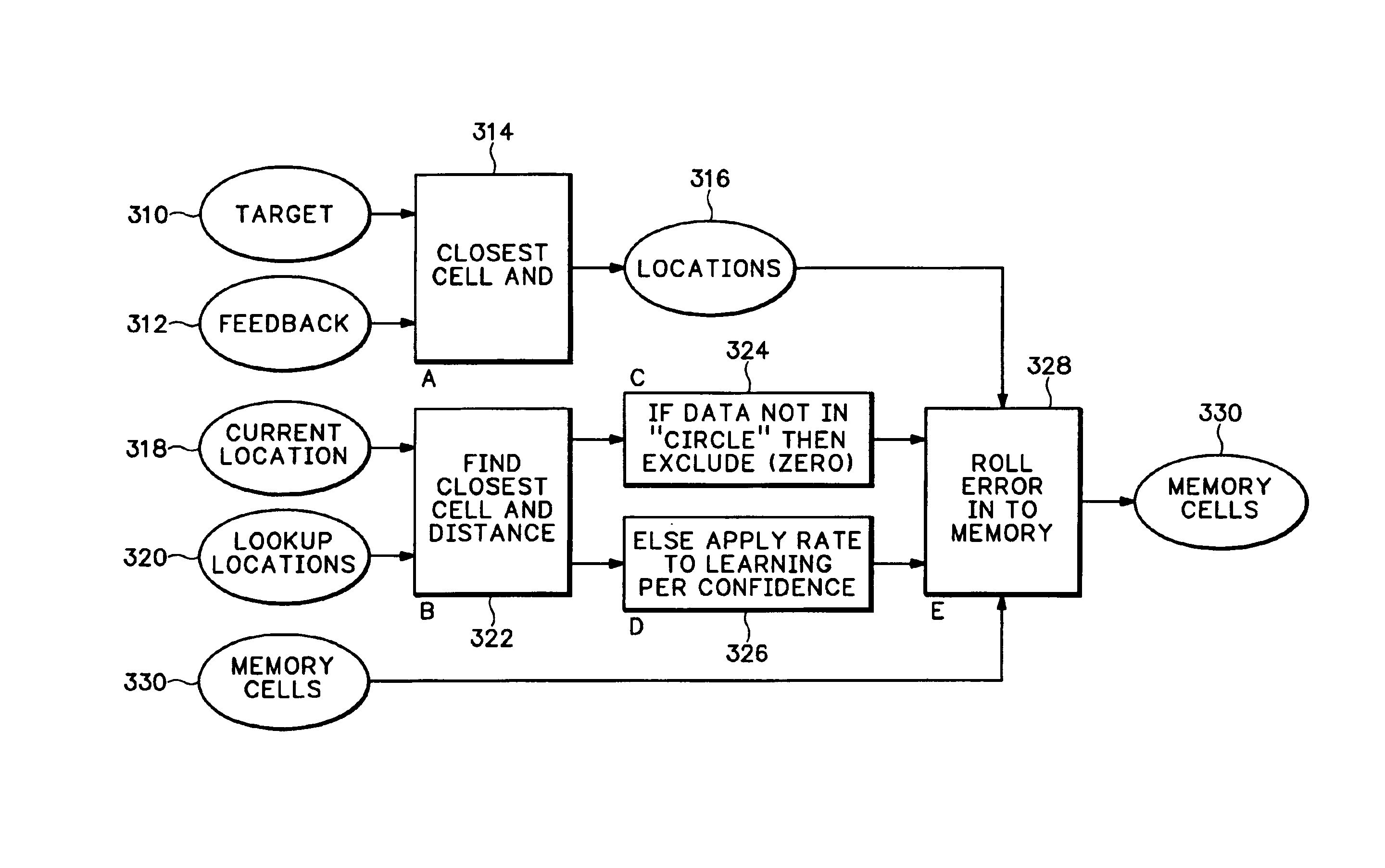
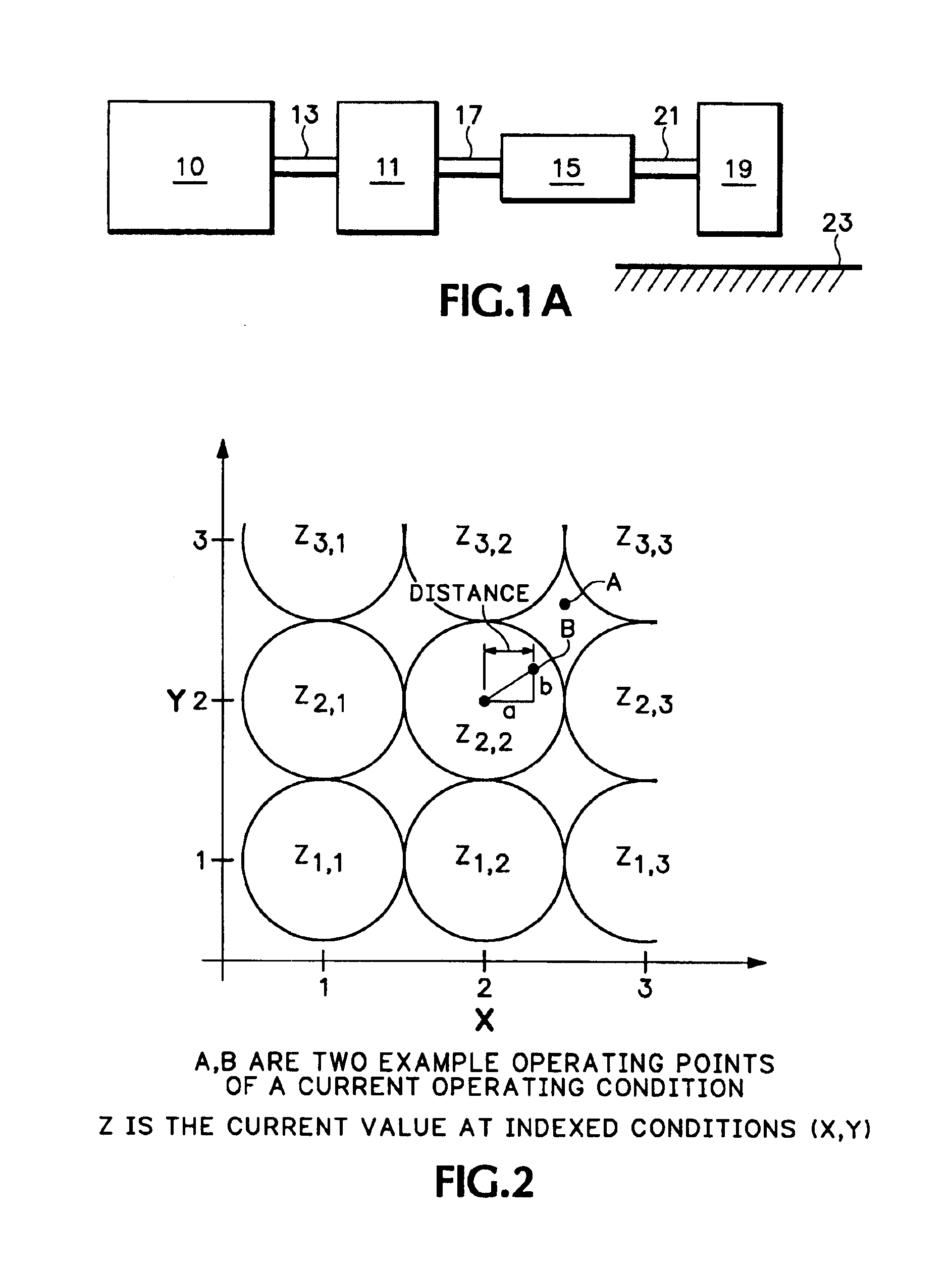
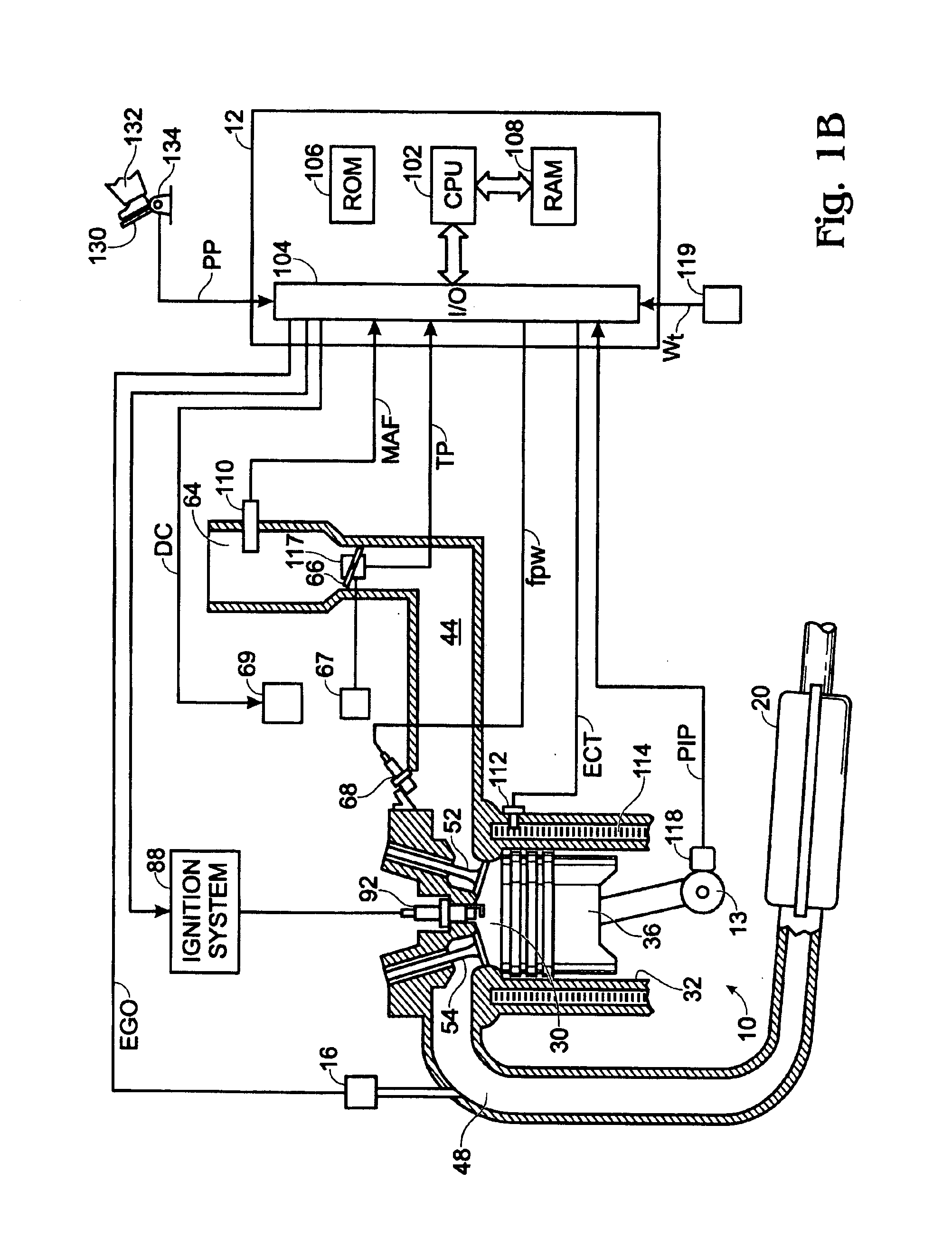
- A computer storage medium with encoded instructions that measures errors for current operating conditions, determines if they are within a predetermined range of saved conditions, and updates adaptively learned parameters only when within that range, discarding errors outside the range to prevent unnecessary computation and enhance accuracy.

Automotive Safety Standards for ECM Learning Systems
The implementation of ECM-based adaptive learning systems in automotive applications necessitates adherence to stringent safety standards that govern both functional safety and cybersecurity aspects. These standards form the regulatory backbone ensuring that machine learning algorithms operating within vehicle control systems maintain acceptable risk levels while continuously adapting to driver behavior patterns.
ISO 26262, the international standard for functional safety in automotive electrical and electronic systems, establishes the primary framework for ECM learning systems. This standard requires comprehensive hazard analysis and risk assessment (HARA) for adaptive learning functions, mandating that ECM systems maintain predetermined safety integrity levels (ASIL) ranging from A to D based on severity, exposure, and controllability parameters. For driving pattern learning applications, most implementations require ASIL B or C compliance, necessitating redundant monitoring systems and fail-safe mechanisms.
The emerging ISO 21448 standard, addressing Safety of the Intended Functionality (SOTIF), becomes particularly relevant for ECM adaptive learning systems. This standard addresses scenarios where system malfunctions occur not due to component failures but from performance limitations or foreseeable misuse. ECM learning algorithms must demonstrate robustness against edge cases in driving patterns and maintain predictable behavior even when encountering previously unseen driving scenarios.
Cybersecurity considerations are governed by ISO/SAE 21434, which mandates secure development lifecycle practices for automotive systems incorporating learning capabilities. ECM adaptive learning systems must implement secure data handling protocols, encrypted communication channels, and intrusion detection mechanisms to prevent malicious manipulation of learned driving patterns that could compromise vehicle safety.
Additional standards include SAE J3061 for cybersecurity guidebook implementation and NHTSA guidelines for automated driving systems. These frameworks require ECM learning systems to maintain audit trails of adaptation decisions, implement override mechanisms for safety-critical situations, and ensure that learned behaviors remain within predefined operational design domains.
Compliance verification involves extensive testing protocols including hardware-in-the-loop simulations, real-world validation scenarios, and continuous monitoring systems that track the performance boundaries of adaptive learning algorithms throughout the vehicle's operational lifetime.
ISO 26262, the international standard for functional safety in automotive electrical and electronic systems, establishes the primary framework for ECM learning systems. This standard requires comprehensive hazard analysis and risk assessment (HARA) for adaptive learning functions, mandating that ECM systems maintain predetermined safety integrity levels (ASIL) ranging from A to D based on severity, exposure, and controllability parameters. For driving pattern learning applications, most implementations require ASIL B or C compliance, necessitating redundant monitoring systems and fail-safe mechanisms.
The emerging ISO 21448 standard, addressing Safety of the Intended Functionality (SOTIF), becomes particularly relevant for ECM adaptive learning systems. This standard addresses scenarios where system malfunctions occur not due to component failures but from performance limitations or foreseeable misuse. ECM learning algorithms must demonstrate robustness against edge cases in driving patterns and maintain predictable behavior even when encountering previously unseen driving scenarios.
Cybersecurity considerations are governed by ISO/SAE 21434, which mandates secure development lifecycle practices for automotive systems incorporating learning capabilities. ECM adaptive learning systems must implement secure data handling protocols, encrypted communication channels, and intrusion detection mechanisms to prevent malicious manipulation of learned driving patterns that could compromise vehicle safety.
Additional standards include SAE J3061 for cybersecurity guidebook implementation and NHTSA guidelines for automated driving systems. These frameworks require ECM learning systems to maintain audit trails of adaptation decisions, implement override mechanisms for safety-critical situations, and ensure that learned behaviors remain within predefined operational design domains.
Compliance verification involves extensive testing protocols including hardware-in-the-loop simulations, real-world validation scenarios, and continuous monitoring systems that track the performance boundaries of adaptive learning algorithms throughout the vehicle's operational lifetime.
Data Privacy in Vehicle Learning Pattern Collection
Data privacy represents one of the most critical challenges in implementing ECM-based adaptive learning systems for driving pattern analysis. As vehicles continuously collect vast amounts of behavioral data including acceleration patterns, braking habits, route preferences, and temporal driving characteristics, the protection of driver privacy becomes paramount for widespread adoption and regulatory compliance.
The collection process inherently involves sensitive personal information that can reveal individual identities, daily routines, workplace locations, and lifestyle patterns. Modern vehicles equipped with ECM systems generate terabytes of data annually, creating unprecedented privacy exposure risks. This data sensitivity necessitates robust protection mechanisms that balance learning effectiveness with privacy preservation.
Current privacy protection approaches in vehicular learning systems employ multiple technical strategies. Differential privacy techniques add controlled noise to datasets while maintaining statistical utility for pattern recognition. Federated learning architectures enable model training across distributed vehicle networks without centralizing raw data, allowing ECM systems to learn collective driving patterns while keeping individual data localized.
Homomorphic encryption presents another promising solution, enabling computation on encrypted driving data without decryption. This approach allows ECM systems to perform adaptive learning algorithms on protected datasets, ensuring that sensitive driving patterns remain encrypted throughout the analysis process. However, computational overhead remains a significant implementation challenge.
Data anonymization and pseudonymization techniques are widely implemented in current systems. These methods remove or replace personally identifiable information while preserving the behavioral patterns necessary for ECM learning algorithms. Advanced k-anonymity and l-diversity approaches ensure that individual driving signatures cannot be isolated from anonymized datasets.
Regulatory frameworks significantly impact privacy implementation strategies. GDPR compliance requires explicit consent mechanisms and data minimization principles, while regional regulations like CCPA impose additional constraints on data collection and processing. These requirements directly influence ECM system design and data handling protocols.
Emerging privacy-preserving technologies show promise for future implementations. Secure multi-party computation enables collaborative learning across multiple vehicle manufacturers without data sharing, while blockchain-based consent management provides transparent privacy control mechanisms for drivers.
The challenge lies in maintaining learning accuracy while implementing comprehensive privacy protection. Current research indicates that privacy-preserving techniques can reduce learning effectiveness by 15-25%, requiring careful optimization of privacy-utility trade-offs in ECM adaptive learning systems.
The collection process inherently involves sensitive personal information that can reveal individual identities, daily routines, workplace locations, and lifestyle patterns. Modern vehicles equipped with ECM systems generate terabytes of data annually, creating unprecedented privacy exposure risks. This data sensitivity necessitates robust protection mechanisms that balance learning effectiveness with privacy preservation.
Current privacy protection approaches in vehicular learning systems employ multiple technical strategies. Differential privacy techniques add controlled noise to datasets while maintaining statistical utility for pattern recognition. Federated learning architectures enable model training across distributed vehicle networks without centralizing raw data, allowing ECM systems to learn collective driving patterns while keeping individual data localized.
Homomorphic encryption presents another promising solution, enabling computation on encrypted driving data without decryption. This approach allows ECM systems to perform adaptive learning algorithms on protected datasets, ensuring that sensitive driving patterns remain encrypted throughout the analysis process. However, computational overhead remains a significant implementation challenge.
Data anonymization and pseudonymization techniques are widely implemented in current systems. These methods remove or replace personally identifiable information while preserving the behavioral patterns necessary for ECM learning algorithms. Advanced k-anonymity and l-diversity approaches ensure that individual driving signatures cannot be isolated from anonymized datasets.
Regulatory frameworks significantly impact privacy implementation strategies. GDPR compliance requires explicit consent mechanisms and data minimization principles, while regional regulations like CCPA impose additional constraints on data collection and processing. These requirements directly influence ECM system design and data handling protocols.
Emerging privacy-preserving technologies show promise for future implementations. Secure multi-party computation enables collaborative learning across multiple vehicle manufacturers without data sharing, while blockchain-based consent management provides transparent privacy control mechanisms for drivers.
The challenge lies in maintaining learning accuracy while implementing comprehensive privacy protection. Current research indicates that privacy-preserving techniques can reduce learning effectiveness by 15-25%, requiring careful optimization of privacy-utility trade-offs in ECM adaptive learning systems.
Unlock deeper insights with PatSnap Eureka Quick Research — get a full tech report to explore trends and direct your research. Try now!
Generate Your Research Report Instantly with AI Agent
Supercharge your innovation with PatSnap Eureka AI Agent Platform!