

Improving Energy Harvesting from Electromagnetic Induction
FEB 25, 20269 MIN READ
Generate Your Research Report Instantly with AI Agent
PatSnap Eureka helps you evaluate technical feasibility & market potential.
Electromagnetic Energy Harvesting Background and Objectives
Electromagnetic induction, first discovered by Michael Faraday in 1831, represents one of the fundamental principles of electromagnetism where a changing magnetic field generates an electric field. This phenomenon has evolved from a scientific curiosity into a cornerstone technology for modern power generation and energy conversion systems. The principle underlies the operation of generators, transformers, and motors that form the backbone of our electrical infrastructure.
The historical development of electromagnetic energy harvesting can be traced through several key phases. The late 19th century witnessed the practical implementation of large-scale electromagnetic generators for power production. The mid-20th century brought miniaturization efforts, while the early 21st century has focused on ambient energy harvesting applications. Recent decades have seen increasing interest in harvesting energy from low-frequency, low-amplitude sources such as human motion, structural vibrations, and environmental oscillations.
Current technological trends indicate a shift toward micro-scale and nano-scale electromagnetic harvesters capable of powering wireless sensor networks, wearable devices, and Internet of Things applications. Advanced materials including high-performance permanent magnets, superconducting materials, and metamaterials are enabling new harvesting architectures with improved efficiency and power density.
The primary objective of improving electromagnetic energy harvesting centers on maximizing power conversion efficiency across diverse operating conditions. This encompasses optimizing magnetic flux linkage through advanced coil designs, implementing sophisticated power management circuits, and developing adaptive tuning mechanisms that can respond to varying input frequencies and amplitudes.
Secondary objectives include miniaturization without performance degradation, broadband frequency response to capture energy from multiple sources simultaneously, and enhanced durability for long-term autonomous operation. The integration of smart materials and MEMS technology aims to create self-tuning harvesters that automatically adjust their resonant characteristics to match available energy sources.
Environmental sustainability represents another critical objective, focusing on developing harvesters using abundant, non-toxic materials while minimizing manufacturing energy requirements. The ultimate goal involves creating ubiquitous energy harvesting systems that can eliminate battery dependence for low-power electronic devices, thereby reducing electronic waste and maintenance requirements in distributed sensing applications.
The historical development of electromagnetic energy harvesting can be traced through several key phases. The late 19th century witnessed the practical implementation of large-scale electromagnetic generators for power production. The mid-20th century brought miniaturization efforts, while the early 21st century has focused on ambient energy harvesting applications. Recent decades have seen increasing interest in harvesting energy from low-frequency, low-amplitude sources such as human motion, structural vibrations, and environmental oscillations.
Current technological trends indicate a shift toward micro-scale and nano-scale electromagnetic harvesters capable of powering wireless sensor networks, wearable devices, and Internet of Things applications. Advanced materials including high-performance permanent magnets, superconducting materials, and metamaterials are enabling new harvesting architectures with improved efficiency and power density.
The primary objective of improving electromagnetic energy harvesting centers on maximizing power conversion efficiency across diverse operating conditions. This encompasses optimizing magnetic flux linkage through advanced coil designs, implementing sophisticated power management circuits, and developing adaptive tuning mechanisms that can respond to varying input frequencies and amplitudes.
Secondary objectives include miniaturization without performance degradation, broadband frequency response to capture energy from multiple sources simultaneously, and enhanced durability for long-term autonomous operation. The integration of smart materials and MEMS technology aims to create self-tuning harvesters that automatically adjust their resonant characteristics to match available energy sources.
Environmental sustainability represents another critical objective, focusing on developing harvesters using abundant, non-toxic materials while minimizing manufacturing energy requirements. The ultimate goal involves creating ubiquitous energy harvesting systems that can eliminate battery dependence for low-power electronic devices, thereby reducing electronic waste and maintenance requirements in distributed sensing applications.
Market Demand for Sustainable Energy Harvesting Solutions
The global energy landscape is experiencing a fundamental shift toward sustainable and renewable energy sources, driven by mounting environmental concerns and the urgent need to reduce carbon emissions. This transformation has created substantial market demand for innovative energy harvesting technologies that can capture and convert ambient energy into usable electrical power. Electromagnetic induction-based energy harvesting represents a particularly promising segment within this expanding market, offering unique advantages for various applications ranging from wireless sensor networks to portable electronics.
Industrial automation and Internet of Things (IoT) deployments constitute one of the largest market segments driving demand for electromagnetic energy harvesting solutions. Manufacturing facilities, smart cities, and infrastructure monitoring systems require thousands of wireless sensors that traditionally depend on battery replacements or wired power connections. The operational costs and maintenance challenges associated with these conventional power sources have created significant market pull for self-sustaining energy harvesting alternatives.
The consumer electronics sector presents another substantial market opportunity, particularly for wearable devices and portable gadgets. As consumers increasingly demand longer battery life and reduced charging frequency, manufacturers are actively seeking complementary energy harvesting technologies. Electromagnetic induction systems can capture energy from human motion, ambient vibrations, and electromagnetic fields present in everyday environments, making them highly suitable for integration into consumer products.
Transportation and automotive industries are experiencing growing demand for energy harvesting solutions to power distributed sensor networks, tire pressure monitoring systems, and vehicle health monitoring equipment. The constant vibrations and electromagnetic fields present in vehicles create ideal conditions for electromagnetic induction-based energy harvesting, eliminating the need for battery maintenance in hard-to-reach locations.
Healthcare and medical device markets represent an emerging high-value segment where electromagnetic energy harvesting can address critical power supply challenges. Implantable medical devices, remote patient monitoring systems, and portable diagnostic equipment require reliable, long-term power sources without frequent interventions. The biocompatibility and wireless power transfer capabilities of electromagnetic systems make them particularly attractive for medical applications.
The market demand is further amplified by regulatory pressures and sustainability initiatives across various industries. Government mandates for energy efficiency, environmental regulations, and corporate sustainability goals are driving organizations to adopt cleaner energy technologies. This regulatory environment creates favorable conditions for electromagnetic energy harvesting adoption, as companies seek to reduce their environmental footprint while maintaining operational efficiency.
Industrial automation and Internet of Things (IoT) deployments constitute one of the largest market segments driving demand for electromagnetic energy harvesting solutions. Manufacturing facilities, smart cities, and infrastructure monitoring systems require thousands of wireless sensors that traditionally depend on battery replacements or wired power connections. The operational costs and maintenance challenges associated with these conventional power sources have created significant market pull for self-sustaining energy harvesting alternatives.
The consumer electronics sector presents another substantial market opportunity, particularly for wearable devices and portable gadgets. As consumers increasingly demand longer battery life and reduced charging frequency, manufacturers are actively seeking complementary energy harvesting technologies. Electromagnetic induction systems can capture energy from human motion, ambient vibrations, and electromagnetic fields present in everyday environments, making them highly suitable for integration into consumer products.
Transportation and automotive industries are experiencing growing demand for energy harvesting solutions to power distributed sensor networks, tire pressure monitoring systems, and vehicle health monitoring equipment. The constant vibrations and electromagnetic fields present in vehicles create ideal conditions for electromagnetic induction-based energy harvesting, eliminating the need for battery maintenance in hard-to-reach locations.
Healthcare and medical device markets represent an emerging high-value segment where electromagnetic energy harvesting can address critical power supply challenges. Implantable medical devices, remote patient monitoring systems, and portable diagnostic equipment require reliable, long-term power sources without frequent interventions. The biocompatibility and wireless power transfer capabilities of electromagnetic systems make them particularly attractive for medical applications.
The market demand is further amplified by regulatory pressures and sustainability initiatives across various industries. Government mandates for energy efficiency, environmental regulations, and corporate sustainability goals are driving organizations to adopt cleaner energy technologies. This regulatory environment creates favorable conditions for electromagnetic energy harvesting adoption, as companies seek to reduce their environmental footprint while maintaining operational efficiency.
Current State and Challenges of EM Induction Harvesting
Electromagnetic induction energy harvesting has emerged as a promising technology for powering low-power electronic devices and sensors in various applications. The current state of this technology demonstrates significant potential across multiple domains, including wireless sensor networks, biomedical implants, structural health monitoring systems, and Internet of Things devices. Modern electromagnetic harvesters can generate power ranging from microwatts to several milliwatts, depending on the ambient electromagnetic field strength and harvester design optimization.
The technology has achieved notable progress in miniaturization and efficiency improvements over the past decade. Contemporary harvesting systems utilize advanced magnetic materials, optimized coil geometries, and sophisticated power management circuits to maximize energy extraction from available electromagnetic sources. Research institutions and technology companies have developed harvesters capable of operating effectively in environments with electromagnetic field strengths as low as 1-10 V/m, making them viable for urban and industrial settings where ambient RF energy is abundant.
Despite these advances, several critical challenges continue to limit widespread adoption and commercial viability. Power density remains a primary constraint, as most current harvesters generate insufficient energy for high-power applications or devices requiring continuous operation. The intermittent and unpredictable nature of ambient electromagnetic fields creates reliability issues, necessitating energy storage solutions that add complexity and cost to the overall system.
Frequency selectivity presents another significant challenge, as electromagnetic harvesters typically operate efficiently within narrow frequency bands. The broad spectrum of ambient electromagnetic energy requires either wideband harvesting approaches or multiple harvester arrays, both of which increase system complexity and manufacturing costs. Additionally, impedance matching between the harvesting circuit and the load remains technically demanding, particularly in dynamic environments where electromagnetic field characteristics vary continuously.
Manufacturing scalability and cost-effectiveness pose substantial barriers to commercial deployment. Current fabrication processes for high-efficiency electromagnetic harvesters often require specialized materials and precision manufacturing techniques that are expensive and difficult to scale. The integration of harvesting systems with existing electronic devices also presents design challenges, particularly regarding size constraints and electromagnetic compatibility requirements.
Regulatory and safety considerations further complicate the deployment landscape. Electromagnetic harvesters must comply with various international standards regarding electromagnetic interference and exposure limits, which can restrict their operational parameters and deployment locations. The geographical distribution of electromagnetic harvesting research and development shows concentration in North America, Europe, and East Asia, with varying regulatory frameworks affecting technology advancement and commercialization strategies across different regions.
The technology has achieved notable progress in miniaturization and efficiency improvements over the past decade. Contemporary harvesting systems utilize advanced magnetic materials, optimized coil geometries, and sophisticated power management circuits to maximize energy extraction from available electromagnetic sources. Research institutions and technology companies have developed harvesters capable of operating effectively in environments with electromagnetic field strengths as low as 1-10 V/m, making them viable for urban and industrial settings where ambient RF energy is abundant.
Despite these advances, several critical challenges continue to limit widespread adoption and commercial viability. Power density remains a primary constraint, as most current harvesters generate insufficient energy for high-power applications or devices requiring continuous operation. The intermittent and unpredictable nature of ambient electromagnetic fields creates reliability issues, necessitating energy storage solutions that add complexity and cost to the overall system.
Frequency selectivity presents another significant challenge, as electromagnetic harvesters typically operate efficiently within narrow frequency bands. The broad spectrum of ambient electromagnetic energy requires either wideband harvesting approaches or multiple harvester arrays, both of which increase system complexity and manufacturing costs. Additionally, impedance matching between the harvesting circuit and the load remains technically demanding, particularly in dynamic environments where electromagnetic field characteristics vary continuously.
Manufacturing scalability and cost-effectiveness pose substantial barriers to commercial deployment. Current fabrication processes for high-efficiency electromagnetic harvesters often require specialized materials and precision manufacturing techniques that are expensive and difficult to scale. The integration of harvesting systems with existing electronic devices also presents design challenges, particularly regarding size constraints and electromagnetic compatibility requirements.
Regulatory and safety considerations further complicate the deployment landscape. Electromagnetic harvesters must comply with various international standards regarding electromagnetic interference and exposure limits, which can restrict their operational parameters and deployment locations. The geographical distribution of electromagnetic harvesting research and development shows concentration in North America, Europe, and East Asia, with varying regulatory frameworks affecting technology advancement and commercialization strategies across different regions.
Existing EM Induction Energy Harvesting Solutions
01 Coil-based electromagnetic induction harvesting systems
Electromagnetic energy harvesting devices utilize coil structures to capture energy from varying magnetic fields. These systems typically employ one or more induction coils positioned to intercept magnetic flux changes, converting mechanical motion or ambient electromagnetic fields into electrical energy. The coil configuration, number of turns, and core materials are optimized to maximize energy conversion efficiency. Such systems are particularly effective for harvesting energy from vibrations, rotational motion, or oscillating magnetic fields in industrial and transportation environments.- Coil-based electromagnetic induction harvesting systems: Electromagnetic energy harvesting systems utilize coil structures to capture energy from varying magnetic fields. These systems typically employ one or more induction coils that generate electrical current when exposed to changing magnetic flux. The coil design, including parameters such as number of turns, core materials, and geometric configuration, significantly affects the energy conversion efficiency. These systems can be optimized for different frequency ranges and magnetic field strengths to maximize power output.
- Resonant frequency tuning and impedance matching: Energy harvesting efficiency can be significantly improved through resonant frequency tuning and proper impedance matching between the harvesting circuit and the load. These techniques involve adjusting the electrical characteristics of the harvesting system to match the frequency of the ambient electromagnetic field. Resonant circuits can amplify the induced voltage and current, while impedance matching ensures maximum power transfer from the harvester to the energy storage or load components.
- Multi-directional and multi-frequency harvesting: Advanced electromagnetic energy harvesting systems incorporate multi-directional sensing capabilities and multi-frequency operation to capture energy from various orientations and frequency bands. These systems may include multiple coil arrangements positioned at different angles or employ broadband harvesting circuits that can operate across a wide frequency spectrum. This approach maximizes energy capture in environments where electromagnetic field direction and frequency vary unpredictably.
- Power management and energy storage integration: Effective power management circuits are essential for conditioning the harvested energy and interfacing with energy storage devices. These circuits typically include rectification stages, voltage regulation, and maximum power point tracking functionality. The integration of energy storage elements such as capacitors or rechargeable batteries allows for accumulation of harvested energy and provides stable power supply to connected devices. Advanced power management systems can also include intelligent switching and energy allocation algorithms.
- Application-specific harvester designs for wearables and IoT devices: Specialized electromagnetic energy harvesting designs have been developed for specific applications including wearable devices, wireless sensors, and Internet of Things applications. These designs consider factors such as miniaturization, flexibility, biocompatibility, and integration with existing device architectures. Application-specific harvesters may be optimized for particular electromagnetic sources such as power lines, wireless communication signals, or human motion-induced magnetic field variations.
02 Resonant frequency tuning for energy harvesting optimization
Energy harvesting systems incorporate resonant frequency matching mechanisms to maximize power extraction from electromagnetic sources. By tuning the natural frequency of the harvesting device to match the frequency of ambient vibrations or electromagnetic oscillations, energy transfer efficiency can be significantly enhanced. This approach involves adjusting mechanical components, spring constants, or electrical circuit parameters to achieve optimal resonance conditions. The technique is especially valuable in applications where the energy source operates at predictable frequencies.Expand Specific Solutions03 Multi-directional energy harvesting architectures
Advanced electromagnetic energy harvesting devices feature multi-directional or omnidirectional capture capabilities to harvest energy from various orientations and motion patterns. These systems employ multiple harvesting elements arranged in different spatial configurations or utilize flexible structures that can respond to motion in multiple axes. This design approach significantly increases the operational range and effectiveness of energy harvesting in real-world environments where motion direction is unpredictable or varies over time.Expand Specific Solutions04 Power management and storage integration
Electromagnetic energy harvesting systems incorporate sophisticated power management circuits and energy storage components to regulate and store harvested energy. These circuits typically include rectification stages, voltage regulation, maximum power point tracking, and charge management for batteries or supercapacitors. The integration ensures that intermittent or variable harvested energy is efficiently converted, conditioned, and stored for reliable power supply to target devices. Advanced implementations may include intelligent switching and adaptive impedance matching to optimize energy transfer under varying load conditions.Expand Specific Solutions05 Miniaturized and wearable electromagnetic harvesters
Compact electromagnetic energy harvesting devices are designed for integration into wearable electronics, medical implants, and portable devices. These miniaturized systems leverage human motion, body heat gradients, or ambient electromagnetic fields to generate power for low-power electronics. Design considerations include lightweight materials, biocompatibility for medical applications, flexible substrates, and minimal form factors. Such harvesters enable self-powered sensors, health monitoring devices, and wireless communication modules without requiring battery replacement.Expand Specific Solutions
Key Players in Energy Harvesting and EM Induction Industry
The electromagnetic induction energy harvesting field is experiencing rapid growth driven by increasing demand for sustainable power solutions across IoT, wearable devices, and industrial applications. The market demonstrates significant expansion potential as wireless sensor networks proliferate globally. Technology maturity varies considerably across the competitive landscape, with established semiconductor giants like Texas Instruments, Analog Devices, and STMicroelectronics leading in integrated circuit solutions, while Robert Bosch and OMRON advance industrial applications. Research institutions including University of Florida, Southeast University, and Nanyang Technological University are pioneering next-generation harvesting techniques. Specialized companies like Huject represent emerging commercialization efforts, bridging academic research with practical implementations. The field shows strong momentum with diverse players from multinational corporations to university spin-offs actively developing solutions.
Robert Bosch GmbH
Technical Solution: Bosch has implemented electromagnetic energy harvesting technology in automotive sensor applications, developing wireless sensor nodes that harvest energy from vehicle vibrations and electromagnetic fields. Their approach utilizes optimized coil designs with high-permeability magnetic cores and advanced rectification circuits to capture energy from low-frequency electromagnetic sources typically found in automotive environments. The system achieves power outputs of 10-50mW from ambient electromagnetic fields, sufficient to power wireless tire pressure monitoring systems and other automotive sensors without battery replacement requirements.
Strengths: Proven automotive-grade reliability and integration expertise with real-world deployment experience. Weaknesses: Limited to specific frequency ranges and requires proximity to electromagnetic sources for optimal performance.
Stmicroelectronics Srl
Technical Solution: STMicroelectronics has developed the SPV1050 energy harvesting IC specifically optimized for electromagnetic induction applications. The device features an ultra-low power boost converter with MPPT functionality that can operate with input voltages as low as 380mV and achieve conversion efficiencies up to 90%. Their solution includes integrated battery management for energy storage and supports both primary and secondary energy storage options. The company's approach emphasizes miniaturization and integration, enabling compact energy harvesting modules suitable for IoT devices and wireless sensor networks powered by ambient electromagnetic fields.
Strengths: Excellent miniaturization capabilities and integrated battery management with high conversion efficiency. Weaknesses: Limited power output capacity and requires careful thermal management in high-density applications.
Core Innovations in EM Induction Efficiency Enhancement
Method and apparatus for motional/vibrational energy harvesting via electromagnetic induction using a magnet array
PatentInactiveUS20110140458A1
Innovation
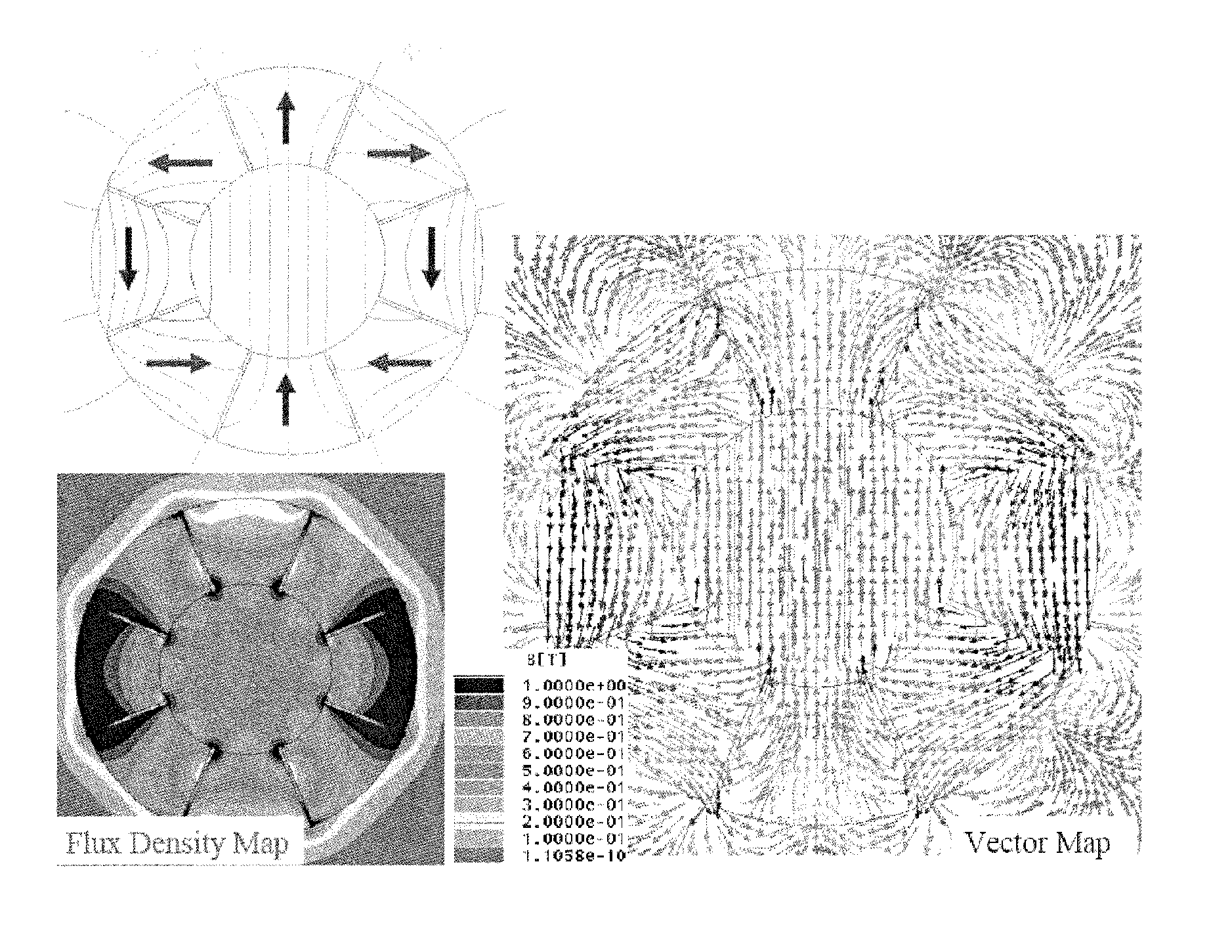
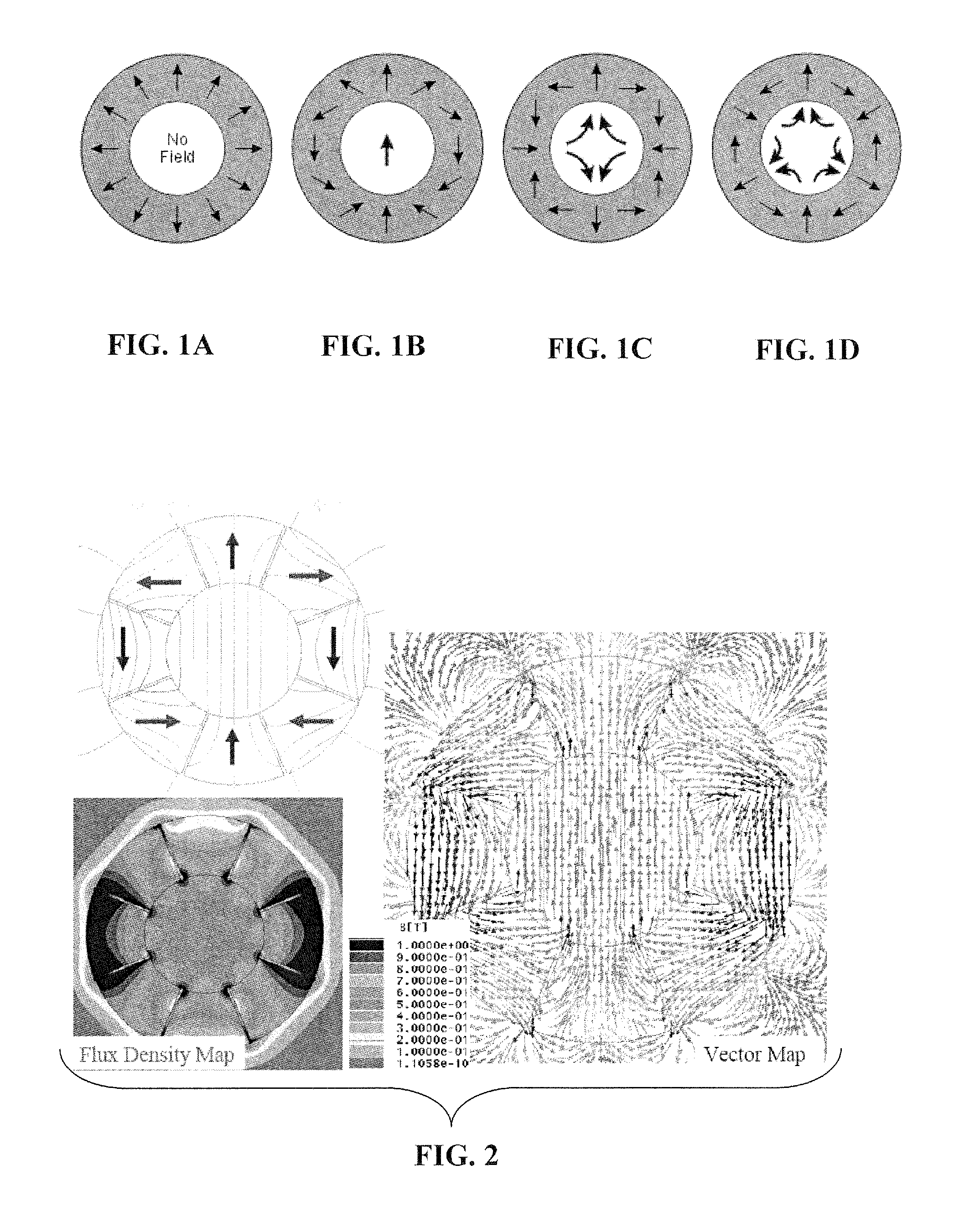
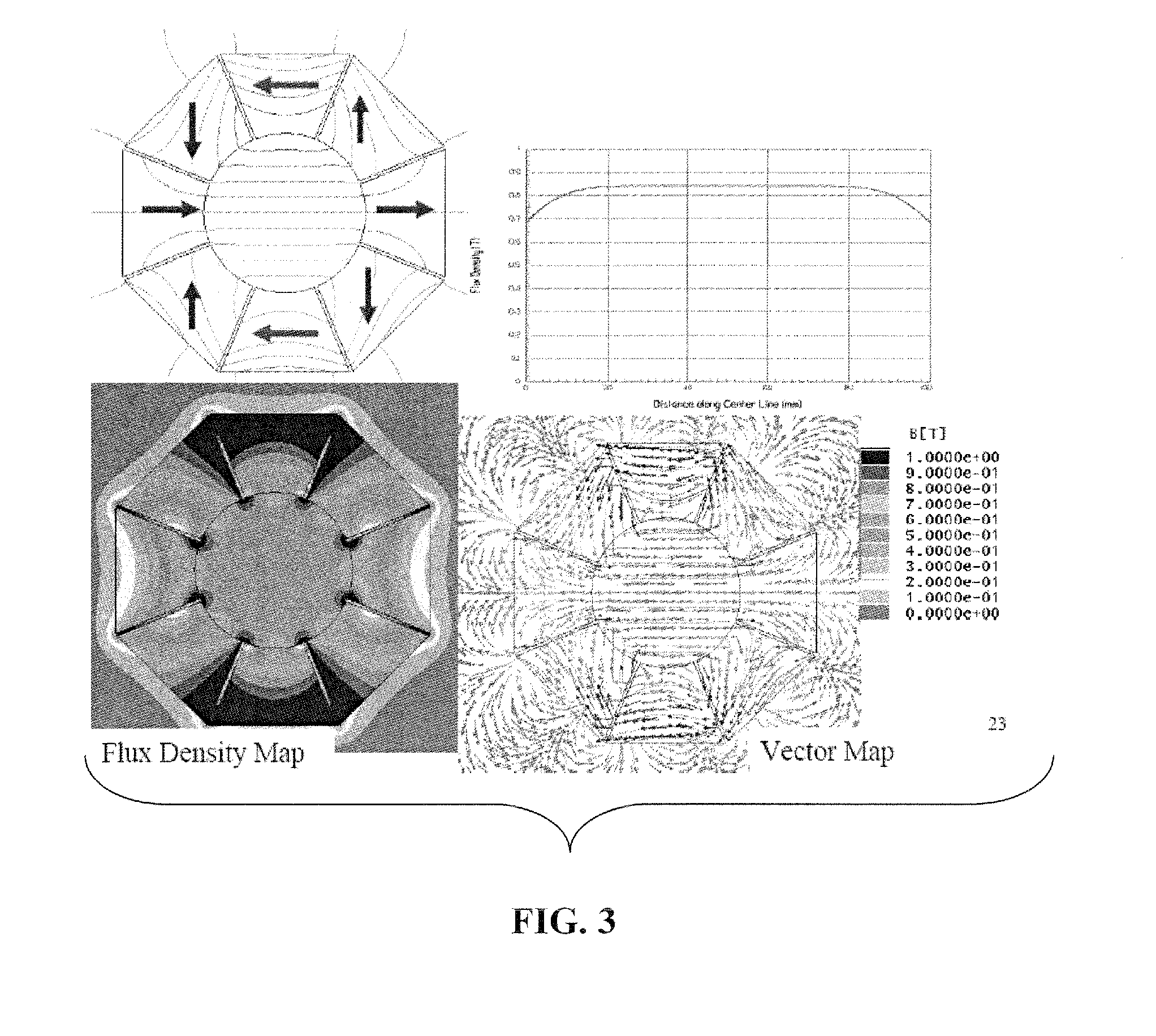
- The use of a magnet array, specifically a Halbach array, to create a strong and enclosed magnetic field, increasing magnetic field strength by approximately 10 times, resulting in up to a 100-fold increase in power output, while providing effective shielding and reducing external magnetic interference.

Energy harvester using electromagnetic induction and energy harvesting block
PatentPendingUS20240333091A1
Innovation
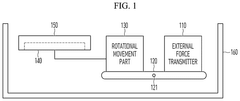
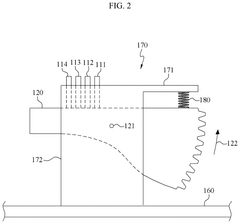
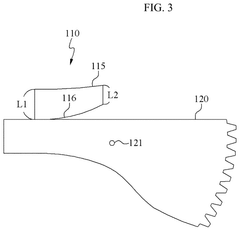
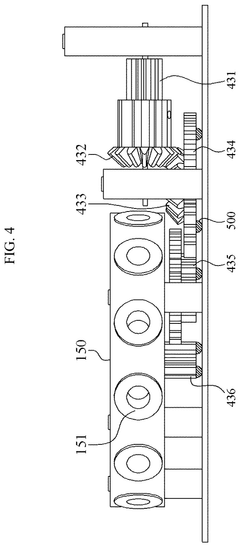
- The proposed energy harvester incorporates a magnet and coil portion with a rotational movement part, lever, external force transmitter, and elastic body, utilizing a substrate with ball bearings to reduce friction and optimize power generation by varying the point of force application based on external force magnitude, and an energy harvesting block with a housing and upper cover to enhance durability and efficiency.
Environmental Impact Assessment of Energy Harvesting
Electromagnetic induction-based energy harvesting systems demonstrate significant environmental advantages compared to conventional power generation methods. These systems operate without producing direct emissions, noise pollution, or requiring fuel consumption during their operational phase. The absence of moving parts in many electromagnetic harvesting designs reduces mechanical wear and eliminates the need for lubricants, further minimizing environmental contamination risks.
The manufacturing phase of electromagnetic energy harvesters involves relatively common materials such as copper coils, permanent magnets, and ferromagnetic cores. While neodymium magnets used in high-efficiency systems require rare earth elements with associated mining impacts, the overall material footprint remains substantially lower than traditional power infrastructure. The production energy payback time for electromagnetic harvesters typically ranges from 6 to 18 months, depending on the application scale and efficiency levels.
Life cycle assessments reveal that electromagnetic energy harvesting systems exhibit favorable environmental profiles over their operational lifespan. The primary environmental benefits include reduced dependence on battery replacements in remote sensing applications, elimination of power transmission losses, and decreased infrastructure requirements for distributed energy systems. These factors collectively contribute to lower carbon footprints and reduced ecological disruption.
End-of-life considerations for electromagnetic harvesters present manageable environmental challenges. Copper components are highly recyclable, while permanent magnets can be reprocessed to recover rare earth materials. The absence of toxic chemicals or hazardous waste generation during normal operation simplifies disposal procedures and reduces long-term environmental liabilities.
Regional deployment of electromagnetic energy harvesting systems can contribute to environmental restoration efforts by reducing the need for extensive power grid expansion in sensitive ecosystems. The technology's compatibility with renewable energy integration further enhances its environmental credentials, supporting broader sustainability objectives while maintaining reliable power delivery for critical applications.
The manufacturing phase of electromagnetic energy harvesters involves relatively common materials such as copper coils, permanent magnets, and ferromagnetic cores. While neodymium magnets used in high-efficiency systems require rare earth elements with associated mining impacts, the overall material footprint remains substantially lower than traditional power infrastructure. The production energy payback time for electromagnetic harvesters typically ranges from 6 to 18 months, depending on the application scale and efficiency levels.
Life cycle assessments reveal that electromagnetic energy harvesting systems exhibit favorable environmental profiles over their operational lifespan. The primary environmental benefits include reduced dependence on battery replacements in remote sensing applications, elimination of power transmission losses, and decreased infrastructure requirements for distributed energy systems. These factors collectively contribute to lower carbon footprints and reduced ecological disruption.
End-of-life considerations for electromagnetic harvesters present manageable environmental challenges. Copper components are highly recyclable, while permanent magnets can be reprocessed to recover rare earth materials. The absence of toxic chemicals or hazardous waste generation during normal operation simplifies disposal procedures and reduces long-term environmental liabilities.
Regional deployment of electromagnetic energy harvesting systems can contribute to environmental restoration efforts by reducing the need for extensive power grid expansion in sensitive ecosystems. The technology's compatibility with renewable energy integration further enhances its environmental credentials, supporting broader sustainability objectives while maintaining reliable power delivery for critical applications.
Standardization Framework for EM Energy Harvesting
The standardization framework for electromagnetic energy harvesting represents a critical infrastructure requirement for the widespread adoption and commercialization of EM energy harvesting technologies. Currently, the field lacks comprehensive international standards that define performance metrics, testing protocols, and interoperability requirements, creating barriers to market penetration and technology integration.
Existing standardization efforts are fragmented across different organizations and regions. The International Electrotechnical Commission (IEC) has initiated preliminary work on energy harvesting standards under TC 47, while IEEE has developed some guidelines for wireless power transfer that partially overlap with EM harvesting applications. However, these efforts remain incomplete and lack the specificity required for EM induction-based systems.
The proposed standardization framework should encompass several key domains. Performance standardization must establish unified metrics for energy conversion efficiency, power density, and operational bandwidth across different frequency ranges and magnetic field strengths. This includes defining standard test conditions, measurement procedures, and reporting formats that enable meaningful comparison between different harvesting technologies and implementations.
Safety and electromagnetic compatibility standards are equally crucial, particularly given the potential for EM harvesting devices to interfere with existing electronic systems or violate regulatory emission limits. The framework must address coexistence protocols, shielding requirements, and maximum allowable field strengths for different application environments, from industrial settings to consumer electronics.
Interoperability standards should define common interfaces, communication protocols, and power management specifications that enable seamless integration of EM harvesting systems with various load devices and energy storage solutions. This includes standardizing connector types, voltage regulation requirements, and power delivery protocols that can accommodate the variable nature of harvested energy.
The framework must also address environmental and durability standards, specifying testing procedures for temperature cycling, humidity exposure, mechanical stress, and long-term reliability assessment. These standards are essential for ensuring consistent performance across diverse deployment scenarios and establishing confidence in the technology's commercial viability.
Implementation of this standardization framework requires coordinated efforts between industry stakeholders, research institutions, and regulatory bodies. Priority should be given to developing foundational performance and safety standards, followed by more specialized requirements for specific application domains such as IoT devices, automotive systems, and industrial monitoring equipment.
Existing standardization efforts are fragmented across different organizations and regions. The International Electrotechnical Commission (IEC) has initiated preliminary work on energy harvesting standards under TC 47, while IEEE has developed some guidelines for wireless power transfer that partially overlap with EM harvesting applications. However, these efforts remain incomplete and lack the specificity required for EM induction-based systems.
The proposed standardization framework should encompass several key domains. Performance standardization must establish unified metrics for energy conversion efficiency, power density, and operational bandwidth across different frequency ranges and magnetic field strengths. This includes defining standard test conditions, measurement procedures, and reporting formats that enable meaningful comparison between different harvesting technologies and implementations.
Safety and electromagnetic compatibility standards are equally crucial, particularly given the potential for EM harvesting devices to interfere with existing electronic systems or violate regulatory emission limits. The framework must address coexistence protocols, shielding requirements, and maximum allowable field strengths for different application environments, from industrial settings to consumer electronics.
Interoperability standards should define common interfaces, communication protocols, and power management specifications that enable seamless integration of EM harvesting systems with various load devices and energy storage solutions. This includes standardizing connector types, voltage regulation requirements, and power delivery protocols that can accommodate the variable nature of harvested energy.
The framework must also address environmental and durability standards, specifying testing procedures for temperature cycling, humidity exposure, mechanical stress, and long-term reliability assessment. These standards are essential for ensuring consistent performance across diverse deployment scenarios and establishing confidence in the technology's commercial viability.
Implementation of this standardization framework requires coordinated efforts between industry stakeholders, research institutions, and regulatory bodies. Priority should be given to developing foundational performance and safety standards, followed by more specialized requirements for specific application domains such as IoT devices, automotive systems, and industrial monitoring equipment.
Unlock deeper insights with PatSnap Eureka Quick Research — get a full tech report to explore trends and direct your research. Try now!
Generate Your Research Report Instantly with AI Agent
Supercharge your innovation with PatSnap Eureka AI Agent Platform!