

Longitudinal wave effects in precision-guided munitions systems
AUG 13, 20259 MIN READ
Generate Your Research Report Instantly with AI Agent
PatSnap Eureka helps you evaluate technical feasibility & market potential.
Munitions Guidance Evolution
The evolution of munitions guidance systems has been a critical factor in the development of precision-guided weapons. This technological progression has significantly enhanced the accuracy, effectiveness, and versatility of modern munitions. The journey began in the mid-20th century with the introduction of basic guidance systems, which relied on simple radio control or wire guidance mechanisms.
As technology advanced, the 1960s and 1970s saw the emergence of more sophisticated guidance systems. Laser-guided bombs became a game-changer, allowing for unprecedented accuracy in air-to-ground strikes. This period also witnessed the development of television-guided missiles, which provided operators with visual feedback for target acquisition and engagement.
The 1980s marked a significant leap forward with the introduction of Global Positioning System (GPS) technology in munitions guidance. This innovation dramatically improved the precision of long-range strikes and reduced reliance on external guidance sources. Concurrently, inertial navigation systems (INS) were refined, offering autonomous guidance capabilities that were less susceptible to jamming or environmental interference.
The late 20th and early 21st centuries brought about the integration of multiple guidance technologies. Combined INS/GPS systems became the standard, providing redundancy and improved accuracy. Advanced seeker technologies, including imaging infrared and millimeter-wave radar, further enhanced the ability of munitions to locate and track targets autonomously.
Recent developments have focused on network-centric warfare concepts, where munitions can receive real-time updates and retargeting instructions mid-flight. This has led to the creation of "loitering" munitions capable of extended flight times and multiple engagement opportunities. Additionally, advancements in artificial intelligence and machine learning are being incorporated into guidance systems, enabling better target recognition and decision-making capabilities.
The exploration of longitudinal wave effects in precision-guided munitions systems represents the latest frontier in this evolutionary journey. This research aims to leverage the properties of longitudinal waves to enhance guidance accuracy, penetration capabilities, and overall munition effectiveness. By understanding and harnessing these wave effects, developers seek to create a new generation of smart weapons that can overcome current limitations in guidance technology and adapt to increasingly complex battlefield environments.
As technology advanced, the 1960s and 1970s saw the emergence of more sophisticated guidance systems. Laser-guided bombs became a game-changer, allowing for unprecedented accuracy in air-to-ground strikes. This period also witnessed the development of television-guided missiles, which provided operators with visual feedback for target acquisition and engagement.
The 1980s marked a significant leap forward with the introduction of Global Positioning System (GPS) technology in munitions guidance. This innovation dramatically improved the precision of long-range strikes and reduced reliance on external guidance sources. Concurrently, inertial navigation systems (INS) were refined, offering autonomous guidance capabilities that were less susceptible to jamming or environmental interference.
The late 20th and early 21st centuries brought about the integration of multiple guidance technologies. Combined INS/GPS systems became the standard, providing redundancy and improved accuracy. Advanced seeker technologies, including imaging infrared and millimeter-wave radar, further enhanced the ability of munitions to locate and track targets autonomously.
Recent developments have focused on network-centric warfare concepts, where munitions can receive real-time updates and retargeting instructions mid-flight. This has led to the creation of "loitering" munitions capable of extended flight times and multiple engagement opportunities. Additionally, advancements in artificial intelligence and machine learning are being incorporated into guidance systems, enabling better target recognition and decision-making capabilities.
The exploration of longitudinal wave effects in precision-guided munitions systems represents the latest frontier in this evolutionary journey. This research aims to leverage the properties of longitudinal waves to enhance guidance accuracy, penetration capabilities, and overall munition effectiveness. By understanding and harnessing these wave effects, developers seek to create a new generation of smart weapons that can overcome current limitations in guidance technology and adapt to increasingly complex battlefield environments.
Military Market Analysis
The military market for precision-guided munitions systems incorporating longitudinal wave effects is experiencing significant growth and transformation. This technology has become increasingly crucial in modern warfare, driving demand across various defense sectors. The global market for precision-guided munitions is projected to expand substantially over the next decade, with a particular focus on systems leveraging advanced wave propagation techniques.
Key factors driving market growth include the increasing emphasis on minimizing collateral damage, enhancing target accuracy, and improving overall mission effectiveness. Military forces worldwide are seeking to upgrade their arsenals with more sophisticated guidance systems that can operate effectively in complex environments and against evolving threats. This has led to a surge in research and development activities focused on longitudinal wave technologies for precision guidance.
The market landscape is characterized by a mix of established defense contractors and emerging technology firms. Major players are investing heavily in developing and integrating longitudinal wave-based guidance systems into their product portfolios. These systems offer advantages such as improved penetration capabilities, enhanced resistance to jamming, and better performance in adverse weather conditions.
Geographically, North America dominates the market, followed by Europe and Asia-Pacific. The United States, in particular, is a key driver of innovation and adoption in this field, with significant defense budget allocations for next-generation munitions systems. However, emerging economies in Asia and the Middle East are also increasing their investments in advanced military technologies, creating new growth opportunities for market players.
The market is segmented by munition type, including air-to-ground, air-to-air, ground-to-ground, and anti-ship missiles. Each segment presents unique challenges and opportunities for the application of longitudinal wave effects in guidance systems. Air-to-ground munitions currently represent the largest market share, driven by the need for precision strikes in urban and complex terrain environments.
Despite the positive growth outlook, the market faces challenges such as stringent regulatory requirements, export controls, and the high costs associated with research and development. Additionally, the increasing focus on non-kinetic warfare and the development of counter-precision guided munition technologies may impact future market dynamics.
In conclusion, the military market for precision-guided munitions systems incorporating longitudinal wave effects is poised for substantial growth. The technology's potential to significantly enhance military capabilities ensures continued investment and innovation in this field, shaping the future of modern warfare and defense strategies.
Key factors driving market growth include the increasing emphasis on minimizing collateral damage, enhancing target accuracy, and improving overall mission effectiveness. Military forces worldwide are seeking to upgrade their arsenals with more sophisticated guidance systems that can operate effectively in complex environments and against evolving threats. This has led to a surge in research and development activities focused on longitudinal wave technologies for precision guidance.
The market landscape is characterized by a mix of established defense contractors and emerging technology firms. Major players are investing heavily in developing and integrating longitudinal wave-based guidance systems into their product portfolios. These systems offer advantages such as improved penetration capabilities, enhanced resistance to jamming, and better performance in adverse weather conditions.
Geographically, North America dominates the market, followed by Europe and Asia-Pacific. The United States, in particular, is a key driver of innovation and adoption in this field, with significant defense budget allocations for next-generation munitions systems. However, emerging economies in Asia and the Middle East are also increasing their investments in advanced military technologies, creating new growth opportunities for market players.
The market is segmented by munition type, including air-to-ground, air-to-air, ground-to-ground, and anti-ship missiles. Each segment presents unique challenges and opportunities for the application of longitudinal wave effects in guidance systems. Air-to-ground munitions currently represent the largest market share, driven by the need for precision strikes in urban and complex terrain environments.
Despite the positive growth outlook, the market faces challenges such as stringent regulatory requirements, export controls, and the high costs associated with research and development. Additionally, the increasing focus on non-kinetic warfare and the development of counter-precision guided munition technologies may impact future market dynamics.
In conclusion, the military market for precision-guided munitions systems incorporating longitudinal wave effects is poised for substantial growth. The technology's potential to significantly enhance military capabilities ensures continued investment and innovation in this field, shaping the future of modern warfare and defense strategies.
Longitudinal Wave Challenges
Longitudinal wave effects present significant challenges in precision-guided munitions systems, impacting their accuracy, range, and overall performance. These waves, characterized by oscillations parallel to the direction of wave propagation, can introduce various complexities in the design and operation of guided munitions.
One of the primary challenges is the interaction between longitudinal waves and the structural integrity of the munition. The propagation of these waves through the body of the projectile can lead to vibrations and stress concentrations, potentially compromising the structural stability during flight. This is particularly critical in high-speed and long-range applications where the munition experiences prolonged exposure to these wave effects.
Another significant issue is the interference of longitudinal waves with guidance and control systems. The oscillations can affect sensitive electronic components, inertial measurement units, and sensors crucial for maintaining accurate trajectory. This interference may result in degraded navigation performance and reduced precision in target acquisition and engagement.
The acoustic properties of longitudinal waves also pose challenges in terms of detection and countermeasures. The propagation of these waves through various media, including air and water, can create distinctive acoustic signatures. This phenomenon necessitates advanced design considerations to minimize detectability and enhance stealth capabilities of precision-guided munitions.
Furthermore, the interaction of longitudinal waves with propulsion systems presents additional complexities. Wave-induced vibrations can affect fuel flow, combustion stability, and overall engine performance. These effects become more pronounced in advanced propulsion technologies, such as scramjet engines, where precise control of airflow and combustion is critical.
The environmental factors also play a significant role in exacerbating longitudinal wave challenges. Variations in temperature, pressure, and humidity can alter wave propagation characteristics, necessitating adaptive systems capable of compensating for these environmental fluctuations to maintain consistent performance across diverse operational conditions.
Addressing these challenges requires a multidisciplinary approach, combining expertise in materials science, aerodynamics, control systems, and wave physics. Innovative solutions may involve advanced damping mechanisms, adaptive control algorithms, and novel materials with specific wave-absorption properties. The development of sophisticated modeling and simulation tools is also crucial for predicting and mitigating the effects of longitudinal waves in various operational scenarios.
One of the primary challenges is the interaction between longitudinal waves and the structural integrity of the munition. The propagation of these waves through the body of the projectile can lead to vibrations and stress concentrations, potentially compromising the structural stability during flight. This is particularly critical in high-speed and long-range applications where the munition experiences prolonged exposure to these wave effects.
Another significant issue is the interference of longitudinal waves with guidance and control systems. The oscillations can affect sensitive electronic components, inertial measurement units, and sensors crucial for maintaining accurate trajectory. This interference may result in degraded navigation performance and reduced precision in target acquisition and engagement.
The acoustic properties of longitudinal waves also pose challenges in terms of detection and countermeasures. The propagation of these waves through various media, including air and water, can create distinctive acoustic signatures. This phenomenon necessitates advanced design considerations to minimize detectability and enhance stealth capabilities of precision-guided munitions.
Furthermore, the interaction of longitudinal waves with propulsion systems presents additional complexities. Wave-induced vibrations can affect fuel flow, combustion stability, and overall engine performance. These effects become more pronounced in advanced propulsion technologies, such as scramjet engines, where precise control of airflow and combustion is critical.
The environmental factors also play a significant role in exacerbating longitudinal wave challenges. Variations in temperature, pressure, and humidity can alter wave propagation characteristics, necessitating adaptive systems capable of compensating for these environmental fluctuations to maintain consistent performance across diverse operational conditions.
Addressing these challenges requires a multidisciplinary approach, combining expertise in materials science, aerodynamics, control systems, and wave physics. Innovative solutions may involve advanced damping mechanisms, adaptive control algorithms, and novel materials with specific wave-absorption properties. The development of sophisticated modeling and simulation tools is also crucial for predicting and mitigating the effects of longitudinal waves in various operational scenarios.
Current Wave Mitigation
01 Guidance systems for precision-guided munitions
Advanced guidance systems are crucial for precision-guided munitions. These systems utilize various technologies such as GPS, inertial navigation, and laser guidance to accurately direct the munition to its target. The guidance systems can compensate for environmental factors and make real-time adjustments to ensure precision strikes.- Guidance systems for precision-guided munitions: Advanced guidance systems are crucial for precision-guided munitions. These systems utilize various technologies such as GPS, inertial navigation, and laser guidance to accurately direct the munition to its target. The guidance systems can compensate for environmental factors and adjust the munition's trajectory in real-time, significantly improving accuracy and reducing collateral damage.
- Longitudinal wave effects in munition propulsion: Longitudinal wave effects play a role in the propulsion and stability of precision-guided munitions. These waves can be utilized to enhance the range and accuracy of the projectile. By manipulating longitudinal waves, designers can improve the aerodynamics and control of the munition during flight, leading to more precise targeting and increased effectiveness.
- Sensor integration for target acquisition: Precision-guided munitions incorporate advanced sensor technologies for improved target acquisition and tracking. These sensors may include infrared, electro-optical, and radar systems that work in conjunction with the guidance system. The integration of multiple sensor types allows for more robust target identification and tracking, even in challenging environmental conditions or against camouflaged targets.
- Warhead design for precision-guided munitions: The design of warheads for precision-guided munitions is critical to their effectiveness. Advanced warhead designs focus on maximizing the desired effect on the target while minimizing collateral damage. This may involve the use of shaped charges, multiple warheads, or adjustable yield mechanisms. The warhead design must also consider the effects of longitudinal waves generated during flight and impact to ensure optimal performance.
- Communication and data link systems: Precision-guided munitions often incorporate advanced communication and data link systems. These systems allow for real-time updates to target information, mission parameters, and flight path adjustments. The communication systems must be robust enough to withstand interference and jamming attempts while maintaining secure and reliable data transmission. This capability enhances the flexibility and effectiveness of precision-guided munitions in dynamic battlefield environments.
02 Longitudinal wave effects in munition propulsion
Longitudinal wave effects play a role in the propulsion and stability of precision-guided munitions. These waves can be harnessed to improve the aerodynamics and control of the projectile during flight. By manipulating longitudinal waves, designers can enhance the range, accuracy, and overall performance of guided munitions.Expand Specific Solutions03 Sensor integration for target acquisition
Precision-guided munitions incorporate advanced sensor technologies for improved target acquisition and tracking. These sensors may include infrared, electro-optical, and radar systems that work in conjunction with the guidance system to identify and lock onto targets. The integration of multiple sensor types enhances the munition's ability to operate in various environmental conditions.Expand Specific Solutions04 Warhead design for precision strikes
The design of warheads for precision-guided munitions focuses on maximizing effectiveness while minimizing collateral damage. This involves the use of advanced materials, shaped charges, and controlled fragmentation techniques. The warhead design takes into account the specific target type and the desired effects, ensuring optimal performance upon impact.Expand Specific Solutions05 Communication and data link systems
Precision-guided munitions often incorporate sophisticated communication and data link systems. These systems allow for real-time updates to target information, mission parameters, and flight path adjustments. The ability to receive and process data during flight enhances the munition's flexibility and increases its chances of successfully engaging the intended target.Expand Specific Solutions
Defense Industry Leaders
The longitudinal wave effects in precision-guided munitions systems market is in a growth phase, driven by increasing defense budgets and demand for advanced weaponry. The global market size is estimated to be in the billions, with steady expansion projected. Technologically, the field is advancing rapidly, with key players like Raytheon, BAE Systems, and Boeing leading innovation. These companies are developing sophisticated guidance systems incorporating longitudinal wave technology for improved accuracy and performance. Research institutions like Southwest Research Institute and universities such as Northwestern Polytechnical University are also contributing to technological advancements. The market is characterized by intense competition and ongoing R&D efforts to enhance precision and effectiveness of guided munitions.
BAE Systems Information & Electronic Sys Integration, Inc.
Technical Solution: BAE Systems has developed a cutting-edge precision-guided munitions system that capitalizes on longitudinal wave effects to achieve superior accuracy and reliability. Their technology employs a network of distributed acoustic sensors along the munition's body to capture and analyze longitudinal wave patterns in real-time[1]. This data is processed by an onboard AI system that continuously adjusts the munition's flight path to optimize its trajectory. BAE's system also incorporates active noise control techniques to minimize unwanted longitudinal wave interference, thereby improving the signal-to-noise ratio of the guidance system[3]. Additionally, they have implemented a novel propulsion system that can generate controlled longitudinal waves to assist in fine-tuning the munition's course during the terminal phase of flight[5].
Strengths: High-precision guidance using AI and distributed sensing, active noise control for improved performance, innovative propulsion-assisted guidance. Weaknesses: Potentially complex system architecture, may require specialized training for operation and maintenance.
The Boeing Co.
Technical Solution: Boeing has innovated in the field of precision-guided munitions by developing systems that leverage longitudinal wave effects for enhanced guidance and control. Their approach utilizes advanced materials science to create munition casings that are specifically designed to interact with and manipulate longitudinal waves during flight[2]. This interaction is monitored by an array of embedded sensors that provide continuous feedback to the guidance system. Boeing's technology also incorporates machine learning algorithms that can predict and compensate for longitudinal wave effects based on historical data and real-time atmospheric conditions[4]. The system's ability to actively modulate its response to longitudinal waves allows for unprecedented levels of accuracy in varying combat scenarios[6].
Strengths: Innovative use of materials science, incorporation of machine learning for predictive capabilities, adaptable to diverse combat situations. Weaknesses: May require significant R&D investment, potential for increased unit cost due to advanced materials and technology.
Key Wave Effect Patents
Adjustable wide bandwidth guidedwave (GW) probe for tube and pipe inspection system
PatentInactiveUS20170010179A1
Innovation
- The solution involves a GW probe with a large number of transducers precisely located around the tube circumference to suppress unwanted modes, using techniques such as weighted signal transmission from transducers on a ring to selectively excite desired modes, and a mechanism for rapid pressing and releasing transducers against the tube wall to ensure precise placement and minimize interference.
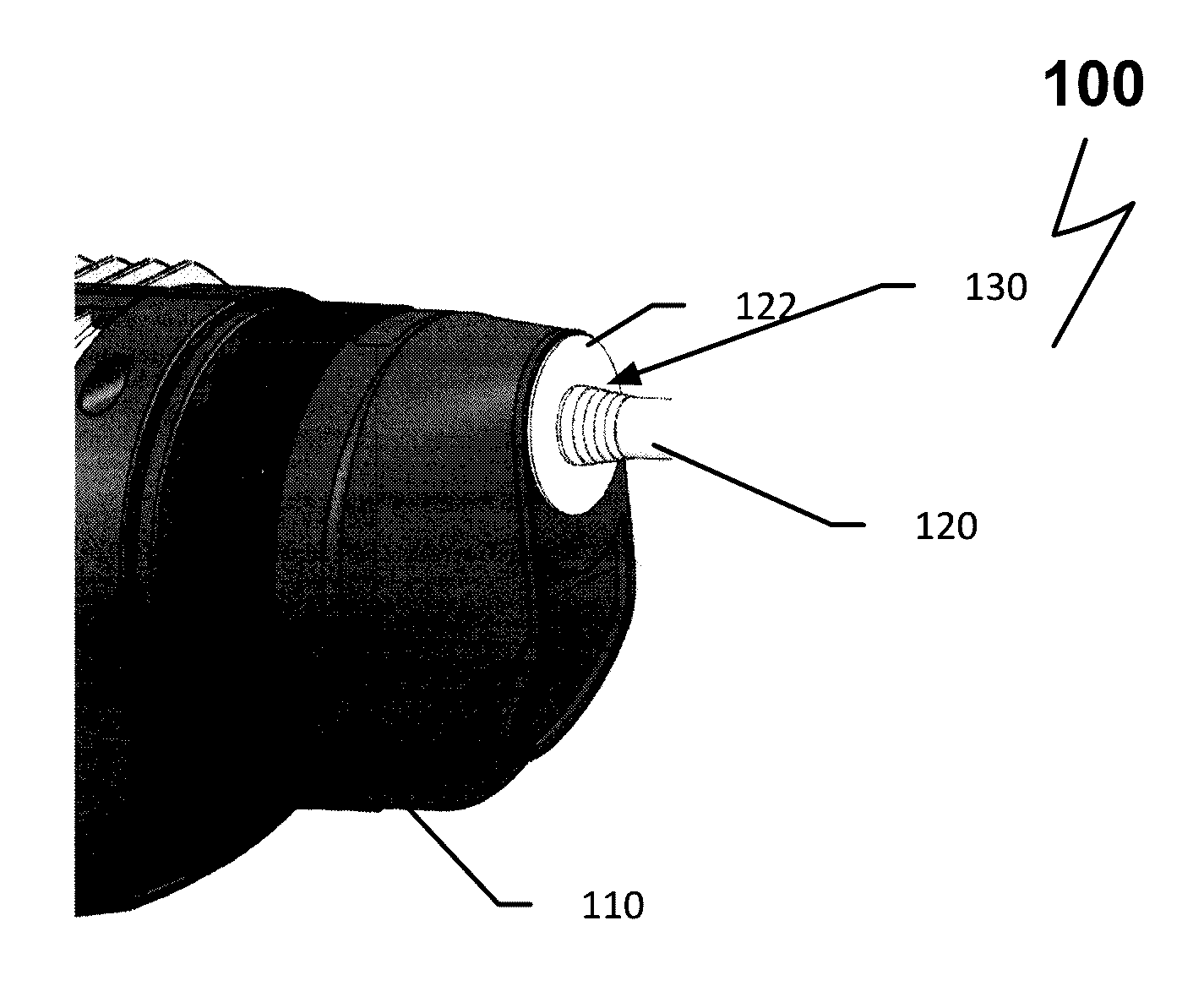
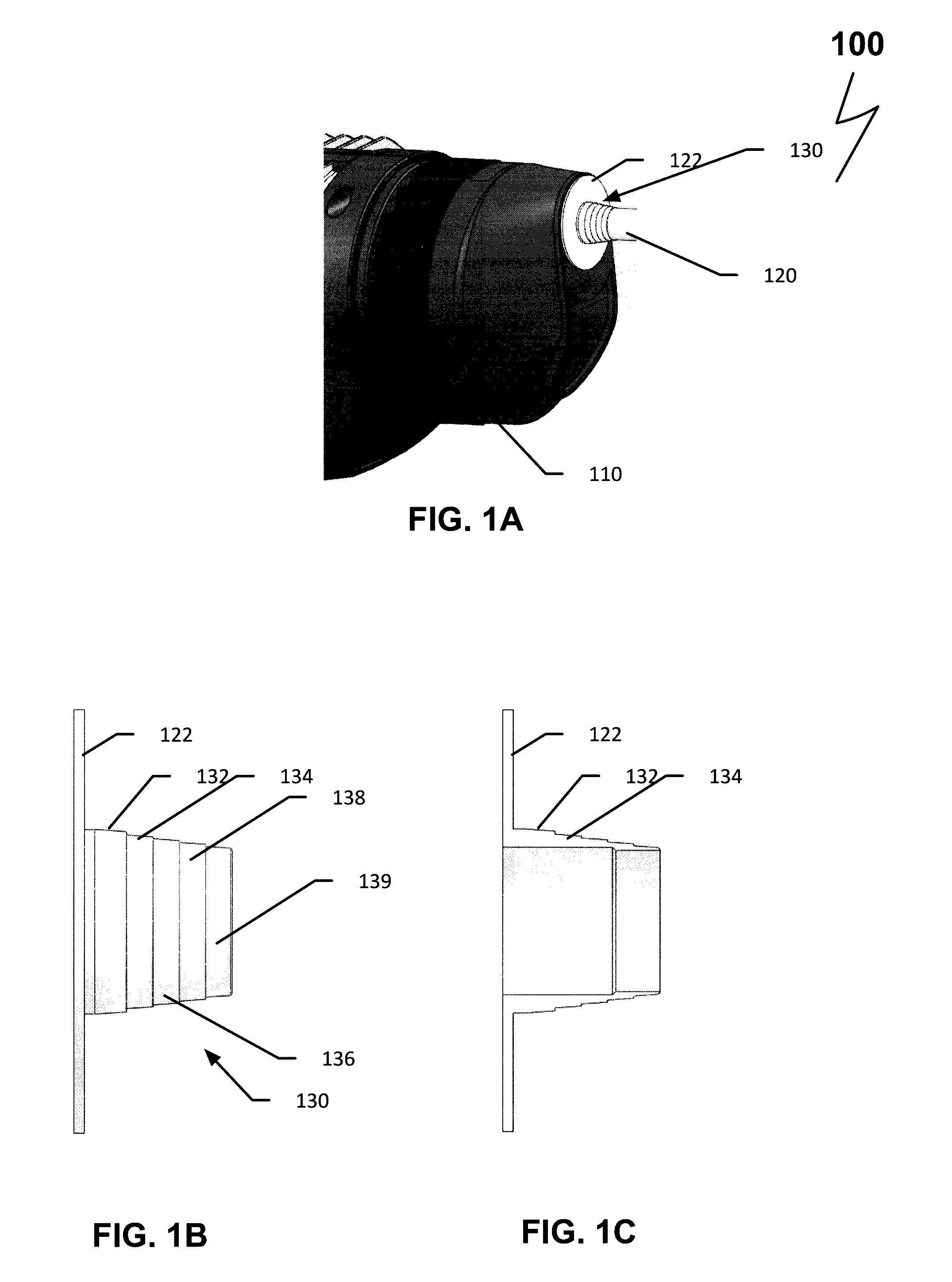
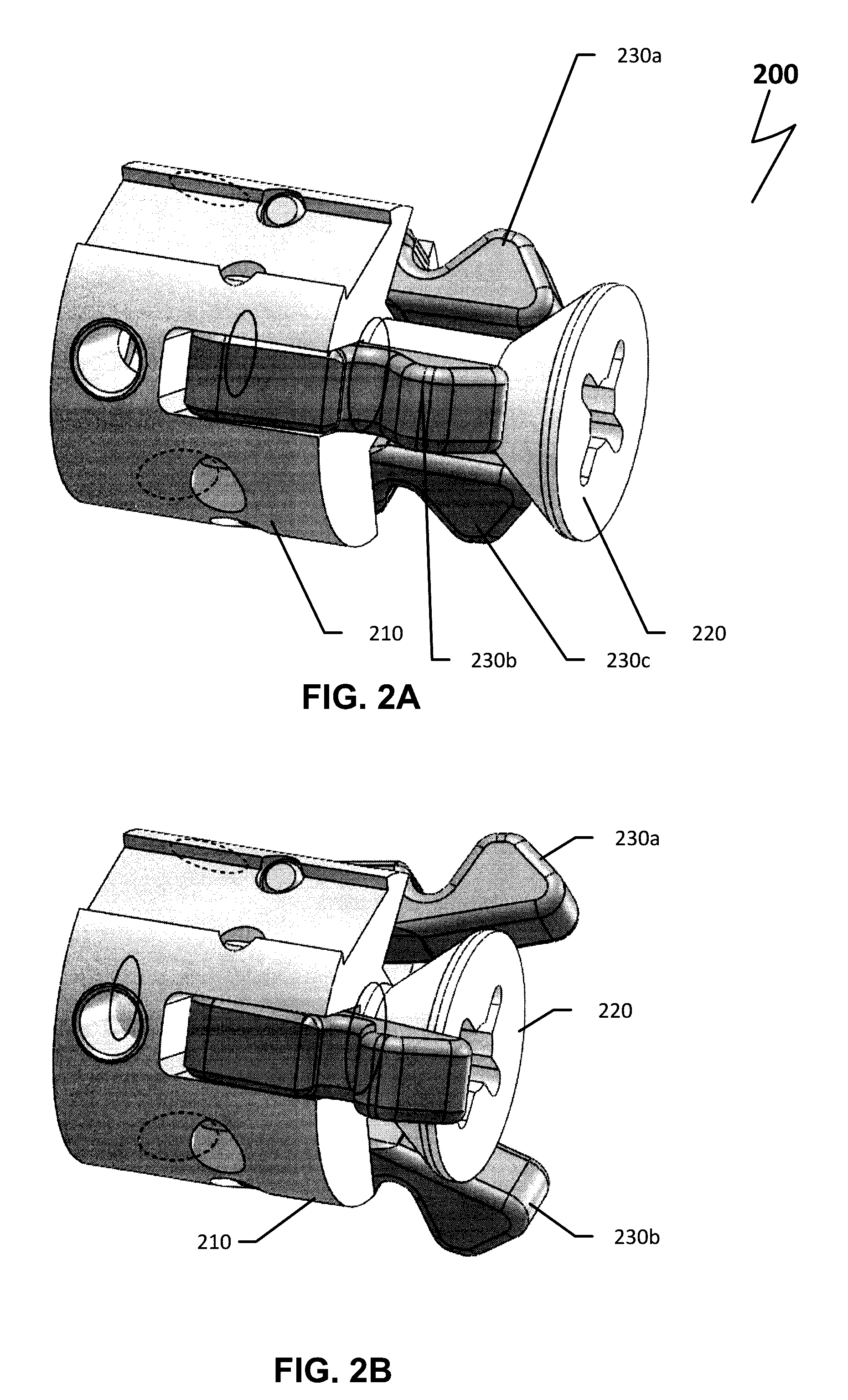

Wide bandwidth GW probe for tube and pipe inspection system
PatentInactiveUS20150253238A1
Innovation
- The system employs multiple rings of transducers with staggered and uneven placements to increase effective circumferential transducer count, combined signal processing to suppress unwanted modes, and a partially-isolating-dry coupling element to mitigate resonance, enhancing bandwidth and signal-to-noise ratio.


Battlefield Performance
Longitudinal wave effects play a crucial role in the battlefield performance of precision-guided munitions systems. These effects significantly impact the accuracy, range, and overall effectiveness of guided weapons in combat scenarios. The propagation of longitudinal waves through various mediums, such as air, water, and solid structures, directly influences the guidance and control mechanisms of these advanced munitions.
In terms of accuracy, longitudinal wave effects contribute to the precision of target acquisition and tracking. Advanced sensor systems utilize these waves to detect and locate targets with high fidelity, enabling more accurate engagement. The ability to interpret and process longitudinal wave data in real-time enhances the munition's capability to adjust its trajectory and maintain lock-on to moving or stationary targets, even in complex battlefield environments.
Range performance is also affected by longitudinal wave propagation. The attenuation and dispersion of these waves over long distances can impact the effective range of precision-guided munitions. Engineers must account for these factors when designing guidance systems to ensure optimal performance across various operational distances. Additionally, atmospheric conditions and terrain features can influence longitudinal wave behavior, requiring adaptive algorithms to maintain accuracy and effectiveness throughout the munition's flight path.
The battlefield performance of precision-guided munitions is further enhanced by their ability to penetrate various mediums. Longitudinal waves enable these systems to maintain guidance and control when transitioning between air and other substances, such as water or hardened structures. This capability is particularly valuable in scenarios involving submerged targets or fortified enemy positions.
Moreover, the interaction between longitudinal waves and different materials provides valuable data for target discrimination and classification. Advanced munitions can analyze wave reflections and refractions to distinguish between decoys and actual targets, improving overall mission success rates. This feature is especially critical in environments with multiple potential targets or sophisticated enemy countermeasures.
The integration of longitudinal wave effects in precision-guided munitions also contributes to their resilience against electronic warfare and jamming attempts. By leveraging multiple wave frequencies and advanced signal processing techniques, these systems can maintain guidance integrity even in the presence of hostile electronic countermeasures, ensuring reliable performance in contested electromagnetic environments.
In conclusion, the understanding and exploitation of longitudinal wave effects significantly enhance the battlefield performance of precision-guided munitions systems. These advancements result in improved accuracy, extended operational range, and increased effectiveness against diverse target types and environments, ultimately providing a decisive advantage in modern warfare scenarios.
In terms of accuracy, longitudinal wave effects contribute to the precision of target acquisition and tracking. Advanced sensor systems utilize these waves to detect and locate targets with high fidelity, enabling more accurate engagement. The ability to interpret and process longitudinal wave data in real-time enhances the munition's capability to adjust its trajectory and maintain lock-on to moving or stationary targets, even in complex battlefield environments.
Range performance is also affected by longitudinal wave propagation. The attenuation and dispersion of these waves over long distances can impact the effective range of precision-guided munitions. Engineers must account for these factors when designing guidance systems to ensure optimal performance across various operational distances. Additionally, atmospheric conditions and terrain features can influence longitudinal wave behavior, requiring adaptive algorithms to maintain accuracy and effectiveness throughout the munition's flight path.
The battlefield performance of precision-guided munitions is further enhanced by their ability to penetrate various mediums. Longitudinal waves enable these systems to maintain guidance and control when transitioning between air and other substances, such as water or hardened structures. This capability is particularly valuable in scenarios involving submerged targets or fortified enemy positions.
Moreover, the interaction between longitudinal waves and different materials provides valuable data for target discrimination and classification. Advanced munitions can analyze wave reflections and refractions to distinguish between decoys and actual targets, improving overall mission success rates. This feature is especially critical in environments with multiple potential targets or sophisticated enemy countermeasures.
The integration of longitudinal wave effects in precision-guided munitions also contributes to their resilience against electronic warfare and jamming attempts. By leveraging multiple wave frequencies and advanced signal processing techniques, these systems can maintain guidance integrity even in the presence of hostile electronic countermeasures, ensuring reliable performance in contested electromagnetic environments.
In conclusion, the understanding and exploitation of longitudinal wave effects significantly enhance the battlefield performance of precision-guided munitions systems. These advancements result in improved accuracy, extended operational range, and increased effectiveness against diverse target types and environments, ultimately providing a decisive advantage in modern warfare scenarios.
International Regulations
The development and deployment of precision-guided munitions systems utilizing longitudinal wave effects are subject to a complex web of international regulations and agreements. These regulations aim to ensure responsible use, prevent proliferation, and mitigate potential humanitarian concerns associated with such advanced weaponry.
The United Nations Convention on Certain Conventional Weapons (CCW) serves as a primary framework for regulating the use of precision-guided munitions. Protocol V of the CCW specifically addresses the issue of explosive remnants of war, which is particularly relevant to munitions systems that may not detonate as intended. Nations party to this protocol are obligated to take measures to minimize the risks and effects of explosive remnants, including those from precision-guided systems.
The Missile Technology Control Regime (MTCR) plays a crucial role in regulating the transfer of precision-guided munitions technology. While primarily focused on ballistic missiles, the MTCR's guidelines also apply to unmanned aerial vehicles capable of delivering weapons of mass destruction. This regime impacts the international trade and cooperation in developing longitudinal wave-based guidance systems for munitions.
The Wassenaar Arrangement on Export Controls for Conventional Arms and Dual-Use Goods and Technologies is another significant international agreement affecting precision-guided munitions. It establishes export control policies for participating states, including controls on sensitive technologies that could be used in advanced guidance systems.
Arms trade treaties, such as the UN Arms Trade Treaty (ATT), also influence the development and transfer of precision-guided munitions systems. The ATT requires state parties to assess the potential for exported arms to be used in violation of international humanitarian law or human rights law, which can impact the trade of advanced munitions systems.
International humanitarian law, particularly the principles of distinction and proportionality outlined in the Geneva Conventions and their Additional Protocols, governs the use of precision-guided munitions in armed conflicts. These principles require that attacks be directed only at military objectives and that the expected civilian harm not be excessive in relation to the anticipated military advantage.
The Organization for Security and Co-operation in Europe (OSCE) has established guidelines for the transfer of conventional arms, including precision-guided munitions. These guidelines encourage responsible arms transfers and promote transparency among participating states.
Bilateral agreements between nations also play a role in regulating the development and deployment of precision-guided munitions systems. These agreements may include technology sharing restrictions, end-use monitoring, and limitations on the types of systems that can be developed or deployed.
As technology in this field continues to advance, international regulations are likely to evolve. Ongoing discussions in international forums focus on the need to balance technological innovation with humanitarian concerns and global security considerations.
The United Nations Convention on Certain Conventional Weapons (CCW) serves as a primary framework for regulating the use of precision-guided munitions. Protocol V of the CCW specifically addresses the issue of explosive remnants of war, which is particularly relevant to munitions systems that may not detonate as intended. Nations party to this protocol are obligated to take measures to minimize the risks and effects of explosive remnants, including those from precision-guided systems.
The Missile Technology Control Regime (MTCR) plays a crucial role in regulating the transfer of precision-guided munitions technology. While primarily focused on ballistic missiles, the MTCR's guidelines also apply to unmanned aerial vehicles capable of delivering weapons of mass destruction. This regime impacts the international trade and cooperation in developing longitudinal wave-based guidance systems for munitions.
The Wassenaar Arrangement on Export Controls for Conventional Arms and Dual-Use Goods and Technologies is another significant international agreement affecting precision-guided munitions. It establishes export control policies for participating states, including controls on sensitive technologies that could be used in advanced guidance systems.
Arms trade treaties, such as the UN Arms Trade Treaty (ATT), also influence the development and transfer of precision-guided munitions systems. The ATT requires state parties to assess the potential for exported arms to be used in violation of international humanitarian law or human rights law, which can impact the trade of advanced munitions systems.
International humanitarian law, particularly the principles of distinction and proportionality outlined in the Geneva Conventions and their Additional Protocols, governs the use of precision-guided munitions in armed conflicts. These principles require that attacks be directed only at military objectives and that the expected civilian harm not be excessive in relation to the anticipated military advantage.
The Organization for Security and Co-operation in Europe (OSCE) has established guidelines for the transfer of conventional arms, including precision-guided munitions. These guidelines encourage responsible arms transfers and promote transparency among participating states.
Bilateral agreements between nations also play a role in regulating the development and deployment of precision-guided munitions systems. These agreements may include technology sharing restrictions, end-use monitoring, and limitations on the types of systems that can be developed or deployed.
As technology in this field continues to advance, international regulations are likely to evolve. Ongoing discussions in international forums focus on the need to balance technological innovation with humanitarian concerns and global security considerations.
Unlock deeper insights with PatSnap Eureka Quick Research — get a full tech report to explore trends and direct your research. Try now!
Generate Your Research Report Instantly with AI Agent
Supercharge your innovation with PatSnap Eureka AI Agent Platform!