

Microcontroller Programming Best Practices for Security
FEB 25, 20269 MIN READ
Generate Your Research Report Instantly with AI Agent
Patsnap Eureka helps you evaluate technical feasibility & market potential.
MCU Security Programming Background and Objectives
Microcontroller security has evolved from a peripheral concern to a critical design imperative as embedded systems increasingly connect to networks and handle sensitive data. The proliferation of Internet of Things devices, industrial automation systems, and smart infrastructure has exponentially expanded the attack surface for malicious actors. Historical security breaches in embedded systems, from automotive vulnerabilities to industrial control system compromises, have demonstrated the catastrophic consequences of inadequate security measures in microcontroller-based applications.
The evolution of MCU security programming practices reflects the broader cybersecurity landscape's maturation. Early embedded systems operated in isolated environments where physical access control provided sufficient protection. However, the convergence of operational technology with information technology networks has fundamentally altered the threat landscape. Modern microcontrollers must defend against sophisticated attack vectors including side-channel analysis, fault injection, reverse engineering, and remote exploitation through communication interfaces.
Contemporary security challenges in microcontroller programming encompass multiple dimensions. Hardware-level vulnerabilities emerge from inadequate protection of cryptographic keys, insufficient isolation between security domains, and susceptibility to physical attacks. Software-level risks include buffer overflows, insecure communication protocols, weak authentication mechanisms, and improper handling of sensitive data. The resource-constrained nature of many microcontroller platforms compounds these challenges by limiting the implementation of robust security measures.
The primary objective of secure MCU programming practices centers on establishing comprehensive defense mechanisms that protect system integrity, confidentiality, and availability throughout the device lifecycle. This encompasses secure boot processes that verify firmware authenticity, robust cryptographic implementations that safeguard sensitive operations, and resilient communication protocols that prevent unauthorized access. Additionally, secure programming practices must address supply chain security, ensuring that security measures remain effective from manufacturing through deployment and maintenance phases.
Achieving these security objectives requires balancing multiple competing priorities including performance constraints, power consumption limitations, cost considerations, and time-to-market pressures. The technical goals extend beyond mere vulnerability mitigation to encompass proactive security architecture design, implementation of security-by-design principles, and establishment of secure development lifecycle processes that integrate security considerations from initial concept through end-of-life management.
The evolution of MCU security programming practices reflects the broader cybersecurity landscape's maturation. Early embedded systems operated in isolated environments where physical access control provided sufficient protection. However, the convergence of operational technology with information technology networks has fundamentally altered the threat landscape. Modern microcontrollers must defend against sophisticated attack vectors including side-channel analysis, fault injection, reverse engineering, and remote exploitation through communication interfaces.
Contemporary security challenges in microcontroller programming encompass multiple dimensions. Hardware-level vulnerabilities emerge from inadequate protection of cryptographic keys, insufficient isolation between security domains, and susceptibility to physical attacks. Software-level risks include buffer overflows, insecure communication protocols, weak authentication mechanisms, and improper handling of sensitive data. The resource-constrained nature of many microcontroller platforms compounds these challenges by limiting the implementation of robust security measures.
The primary objective of secure MCU programming practices centers on establishing comprehensive defense mechanisms that protect system integrity, confidentiality, and availability throughout the device lifecycle. This encompasses secure boot processes that verify firmware authenticity, robust cryptographic implementations that safeguard sensitive operations, and resilient communication protocols that prevent unauthorized access. Additionally, secure programming practices must address supply chain security, ensuring that security measures remain effective from manufacturing through deployment and maintenance phases.
Achieving these security objectives requires balancing multiple competing priorities including performance constraints, power consumption limitations, cost considerations, and time-to-market pressures. The technical goals extend beyond mere vulnerability mitigation to encompass proactive security architecture design, implementation of security-by-design principles, and establishment of secure development lifecycle processes that integrate security considerations from initial concept through end-of-life management.
Market Demand for Secure Embedded Systems
The global embedded systems market is experiencing unprecedented growth driven by the proliferation of Internet of Things (IoT) devices, industrial automation, and smart infrastructure deployments. This expansion has fundamentally transformed security from an optional feature to a critical requirement across all embedded applications. Organizations worldwide are recognizing that security vulnerabilities in microcontroller-based systems can lead to catastrophic consequences, including data breaches, operational disruptions, and regulatory compliance failures.
Industrial sectors are leading the demand for secure embedded systems, particularly in manufacturing automation, energy management, and transportation infrastructure. Smart factories require robust security measures to protect against cyber attacks that could halt production lines or compromise intellectual property. Similarly, smart grid implementations and autonomous vehicle systems demand stringent security protocols to ensure public safety and operational integrity.
Healthcare and medical device markets represent another significant growth area for secure embedded systems. Medical IoT devices, patient monitoring systems, and diagnostic equipment require comprehensive security frameworks to protect sensitive patient data and ensure device reliability. Regulatory bodies are increasingly mandating security standards for medical devices, further driving market demand.
Consumer electronics markets are witnessing a paradigm shift toward security-conscious design. Smart home devices, wearable technology, and connected appliances are incorporating advanced security features to address growing consumer awareness about privacy and data protection. High-profile security breaches in consumer IoT devices have accelerated this trend, making security a key differentiator in product positioning.
The automotive industry presents substantial opportunities for secure embedded systems, with connected vehicles and autonomous driving technologies requiring multi-layered security architectures. Vehicle-to-everything communication systems, over-the-air update mechanisms, and in-vehicle networks all demand sophisticated security implementations at the microcontroller level.
Financial services and payment processing sectors continue to drive demand for secure embedded systems through point-of-sale terminals, ATMs, and mobile payment devices. These applications require hardware-based security features and certified secure boot processes to protect financial transactions and prevent fraud.
Government and defense applications maintain consistent demand for highly secure embedded systems, with requirements extending beyond commercial standards to include classified data protection and mission-critical system reliability.
Industrial sectors are leading the demand for secure embedded systems, particularly in manufacturing automation, energy management, and transportation infrastructure. Smart factories require robust security measures to protect against cyber attacks that could halt production lines or compromise intellectual property. Similarly, smart grid implementations and autonomous vehicle systems demand stringent security protocols to ensure public safety and operational integrity.
Healthcare and medical device markets represent another significant growth area for secure embedded systems. Medical IoT devices, patient monitoring systems, and diagnostic equipment require comprehensive security frameworks to protect sensitive patient data and ensure device reliability. Regulatory bodies are increasingly mandating security standards for medical devices, further driving market demand.
Consumer electronics markets are witnessing a paradigm shift toward security-conscious design. Smart home devices, wearable technology, and connected appliances are incorporating advanced security features to address growing consumer awareness about privacy and data protection. High-profile security breaches in consumer IoT devices have accelerated this trend, making security a key differentiator in product positioning.
The automotive industry presents substantial opportunities for secure embedded systems, with connected vehicles and autonomous driving technologies requiring multi-layered security architectures. Vehicle-to-everything communication systems, over-the-air update mechanisms, and in-vehicle networks all demand sophisticated security implementations at the microcontroller level.
Financial services and payment processing sectors continue to drive demand for secure embedded systems through point-of-sale terminals, ATMs, and mobile payment devices. These applications require hardware-based security features and certified secure boot processes to protect financial transactions and prevent fraud.
Government and defense applications maintain consistent demand for highly secure embedded systems, with requirements extending beyond commercial standards to include classified data protection and mission-critical system reliability.
Current MCU Security Challenges and Vulnerabilities
Microcontroller units face an increasingly complex threat landscape as they become more interconnected and deployed in critical applications. The proliferation of IoT devices has exponentially expanded the attack surface, with billions of MCUs now operating in environments ranging from industrial control systems to consumer electronics. These devices often lack robust security frameworks due to resource constraints and legacy design approaches that prioritized functionality over security.
Hardware-level vulnerabilities represent a fundamental challenge in MCU security. Side-channel attacks exploit physical characteristics such as power consumption patterns, electromagnetic emissions, and timing variations to extract sensitive information including cryptographic keys. Fault injection attacks manipulate voltage levels, clock frequencies, or electromagnetic fields to induce computational errors that can bypass security mechanisms. Debug interfaces, while essential for development, frequently remain accessible in production devices, providing unauthorized entry points for attackers.
Software vulnerabilities in MCU firmware constitute another critical concern. Buffer overflow attacks exploit inadequate input validation in memory-constrained environments where traditional protection mechanisms may be absent. Insecure boot processes allow malicious firmware installation, while weak or absent code signing enables unauthorized modifications. Many MCUs operate without memory protection units, making them susceptible to code injection and privilege escalation attacks.
Communication security presents significant challenges as MCUs increasingly rely on wireless protocols and network connectivity. Unencrypted data transmission exposes sensitive information to interception, while weak authentication mechanisms enable device impersonation and unauthorized access. Protocol implementation flaws in standards like Bluetooth, WiFi, and cellular communications create additional attack vectors that adversaries can exploit remotely.
Supply chain security has emerged as a critical vulnerability area, with potential compromise occurring during manufacturing, distribution, or maintenance phases. Counterfeit components may contain hidden backdoors or lack proper security features. Third-party software libraries and development tools can introduce vulnerabilities that propagate across multiple products and vendors.
The resource-constrained nature of MCUs compounds these security challenges. Limited processing power, memory, and energy budgets restrict the implementation of sophisticated security measures. Traditional security solutions designed for general-purpose computers often prove impractical for MCU environments, necessitating specialized approaches that balance security requirements with operational constraints.
Legacy system integration further complicates the security landscape. Many MCUs must interface with older systems that lack modern security features, creating weak links in the overall security chain. Retrofit security solutions for existing deployments face significant technical and economic barriers, leaving numerous vulnerable systems in operation.
Hardware-level vulnerabilities represent a fundamental challenge in MCU security. Side-channel attacks exploit physical characteristics such as power consumption patterns, electromagnetic emissions, and timing variations to extract sensitive information including cryptographic keys. Fault injection attacks manipulate voltage levels, clock frequencies, or electromagnetic fields to induce computational errors that can bypass security mechanisms. Debug interfaces, while essential for development, frequently remain accessible in production devices, providing unauthorized entry points for attackers.
Software vulnerabilities in MCU firmware constitute another critical concern. Buffer overflow attacks exploit inadequate input validation in memory-constrained environments where traditional protection mechanisms may be absent. Insecure boot processes allow malicious firmware installation, while weak or absent code signing enables unauthorized modifications. Many MCUs operate without memory protection units, making them susceptible to code injection and privilege escalation attacks.
Communication security presents significant challenges as MCUs increasingly rely on wireless protocols and network connectivity. Unencrypted data transmission exposes sensitive information to interception, while weak authentication mechanisms enable device impersonation and unauthorized access. Protocol implementation flaws in standards like Bluetooth, WiFi, and cellular communications create additional attack vectors that adversaries can exploit remotely.
Supply chain security has emerged as a critical vulnerability area, with potential compromise occurring during manufacturing, distribution, or maintenance phases. Counterfeit components may contain hidden backdoors or lack proper security features. Third-party software libraries and development tools can introduce vulnerabilities that propagate across multiple products and vendors.
The resource-constrained nature of MCUs compounds these security challenges. Limited processing power, memory, and energy budgets restrict the implementation of sophisticated security measures. Traditional security solutions designed for general-purpose computers often prove impractical for MCU environments, necessitating specialized approaches that balance security requirements with operational constraints.
Legacy system integration further complicates the security landscape. Many MCUs must interface with older systems that lack modern security features, creating weak links in the overall security chain. Retrofit security solutions for existing deployments face significant technical and economic barriers, leaving numerous vulnerable systems in operation.
Current Secure MCU Programming Methodologies
01 Memory protection and access control mechanisms
Microcontroller security can be enhanced through implementing memory protection schemes that control access to different memory regions. These mechanisms include setting up protected memory areas, implementing access permission levels, and using hardware-based memory management units to prevent unauthorized reading or modification of program code and sensitive data. Such protection ensures that only authorized processes can access specific memory segments, preventing malicious code execution and data breaches.- Memory protection and access control mechanisms: Microcontroller security can be enhanced through implementing memory protection schemes that control access to different memory regions. These mechanisms include setting up protected memory areas, implementing access permission levels, and using hardware-based memory management units to prevent unauthorized code execution or data access. Such protection prevents malicious code from accessing sensitive data or executing unauthorized operations in restricted memory spaces.
- Encryption and secure code storage: Security measures involve encrypting program code and data stored in microcontroller memory to prevent unauthorized reading or modification. This includes implementing cryptographic algorithms for code protection, secure boot mechanisms, and encrypted storage of sensitive information. The encryption ensures that even if physical access to the device is obtained, the program code remains protected from reverse engineering and tampering.
- Authentication and secure programming interfaces: Microcontrollers can implement authentication protocols to verify the legitimacy of programming operations and prevent unauthorized firmware updates. This includes challenge-response mechanisms, digital signature verification, and secure communication channels during the programming process. These methods ensure that only authorized personnel or systems can modify the microcontroller's program code.
- Debug port protection and interface security: Security features focus on protecting debug interfaces and programming ports from unauthorized access. This includes disabling or restricting debug functionality in production devices, implementing password protection for debug access, and using physical or logical locks on programming interfaces. Such measures prevent attackers from using debug ports to extract sensitive information or inject malicious code.
- Tamper detection and secure execution environment: Advanced security implementations include tamper detection mechanisms that monitor for physical or logical attacks on the microcontroller. This encompasses detecting voltage glitching, clock manipulation, and unauthorized access attempts. Secure execution environments isolate critical code and data, ensuring that security-sensitive operations run in protected contexts that are resistant to various attack vectors.
02 Encryption and secure code storage
Protecting microcontroller firmware involves encrypting the program code stored in non-volatile memory to prevent unauthorized access and reverse engineering. Encryption techniques can be applied to the entire firmware or specific critical sections, with decryption occurring only during execution within the secure environment of the microcontroller. This approach ensures that even if physical access to the device is obtained, the program code remains protected from extraction and analysis.Expand Specific Solutions03 Authentication and secure boot mechanisms
Secure boot processes verify the integrity and authenticity of firmware before execution, ensuring that only trusted code runs on the microcontroller. This involves cryptographic signature verification, certificate-based authentication, and chain-of-trust establishment from initial boot to application execution. Authentication mechanisms prevent the loading of tampered or malicious firmware, protecting against unauthorized modifications and ensuring system integrity from power-on.Expand Specific Solutions04 Debug interface protection and anti-tampering
Security measures for microcontrollers include disabling or protecting debug interfaces such as JTAG and serial wire debug ports to prevent unauthorized access to internal operations and memory contents. Anti-tampering techniques detect and respond to physical attacks, including voltage glitching, clock manipulation, and invasive probing attempts. These protections may include fuse-based permanent disabling of debug features, conditional access controls, and active countermeasures that erase sensitive data when tampering is detected.Expand Specific Solutions05 Secure communication and key management
Microcontroller security architectures incorporate secure communication protocols and cryptographic key management systems to protect data transmission and storage. This includes implementing secure key generation, storage in protected memory regions, and key lifecycle management. Cryptographic operations are performed using hardware accelerators or secure execution environments to prevent key exposure. These systems enable secure device-to-device communication, remote authentication, and protection of sensitive parameters throughout the device lifecycle.Expand Specific Solutions
Key Players in MCU Security and Embedded Solutions
The microcontroller programming security landscape represents a rapidly evolving market driven by increasing IoT deployment and cybersecurity threats. The industry is in a growth phase with significant market expansion as connected devices proliferate across automotive, industrial, and consumer sectors. Technology maturity varies considerably among key players, with established semiconductor giants like Intel, STMicroelectronics, Texas Instruments, and Microchip Technology leading in secure microcontroller architectures and hardware-based security features. Companies such as Infineon Technologies, NXP Semiconductors, and Renesas Electronics demonstrate advanced capabilities in automotive-grade secure controllers, while emerging players like XMOS are introducing innovative RISC-V based security solutions. The competitive landscape shows consolidation trends, with major acquisitions reshaping market dynamics as companies seek comprehensive security portfolios spanning hardware encryption, secure boot mechanisms, and trusted execution environments.
STMicroelectronics International NV
Technical Solution: STMicroelectronics offers robust security solutions through their STM32 microcontroller family, implementing secure boot processes, hardware cryptographic accelerators, and memory protection units. Their security framework includes True Random Number Generators (TRNG), secure firmware installation procedures, and active tamper detection mechanisms. The company provides comprehensive security libraries and middleware that support secure communication protocols, encrypted data storage, and secure key management. Their approach emphasizes both hardware and software security layers, with dedicated security peripherals and secure development tools that help developers implement security best practices throughout the development lifecycle.
Strengths: Extensive microcontroller portfolio with integrated security features, strong development ecosystem, cost-effective security solutions. Weaknesses: Security features may vary across product lines, requires careful configuration for optimal security.
Microchip Technology, Inc.
Technical Solution: Microchip Technology focuses on secure microcontroller programming through their CryptoAuthentication and CryptoMemory product lines, offering hardware-based security solutions with built-in cryptographic engines. Their security approach includes secure element integration, encrypted communication channels, and anti-counterfeiting measures. The company provides comprehensive security development frameworks that support secure coding practices, including secure boot loaders, encrypted firmware updates, and hardware-based key storage. Their solutions emphasize ease of implementation while maintaining high security standards, with pre-configured security libraries and development tools that simplify the integration of security features into embedded applications.
Strengths: User-friendly security implementation tools, strong focus on anti-counterfeiting solutions, comprehensive documentation and support. Weaknesses: Limited high-end security features compared to specialized security vendors, dependency on external security elements for advanced features.
Core Security Innovations in MCU Development
Digital signal controller secure memory partitioning
PatentInactiveUS20050257016A1
Innovation
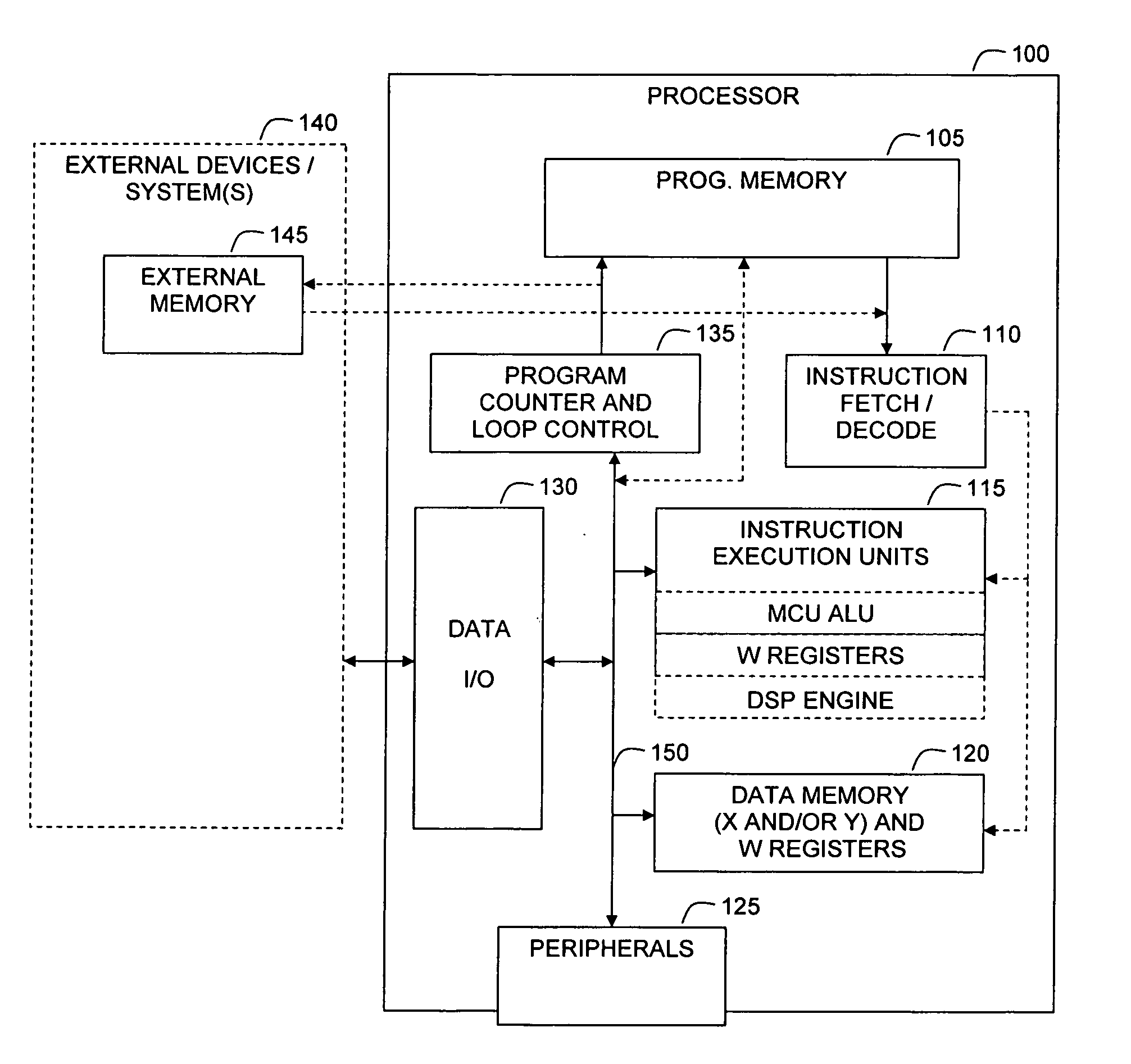
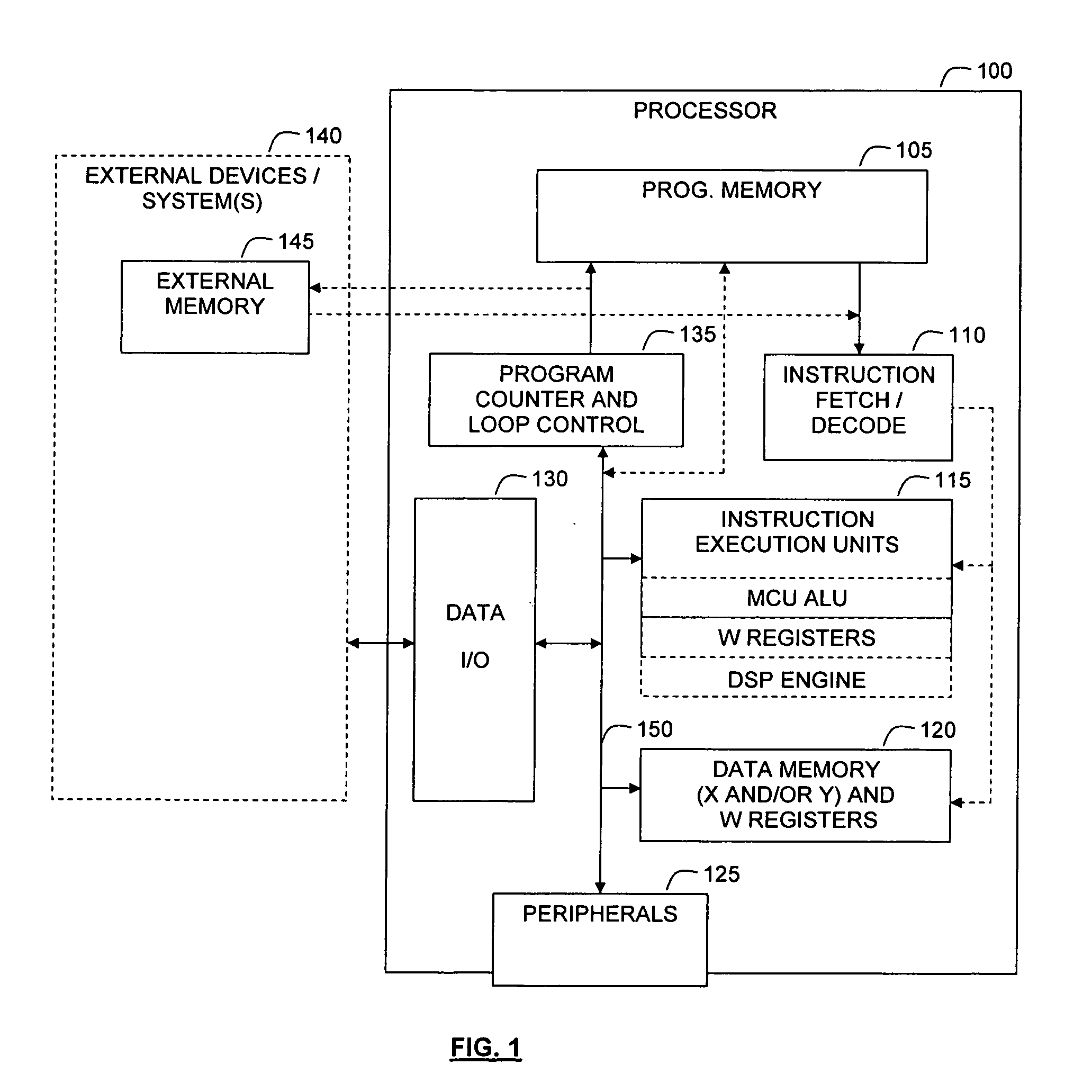
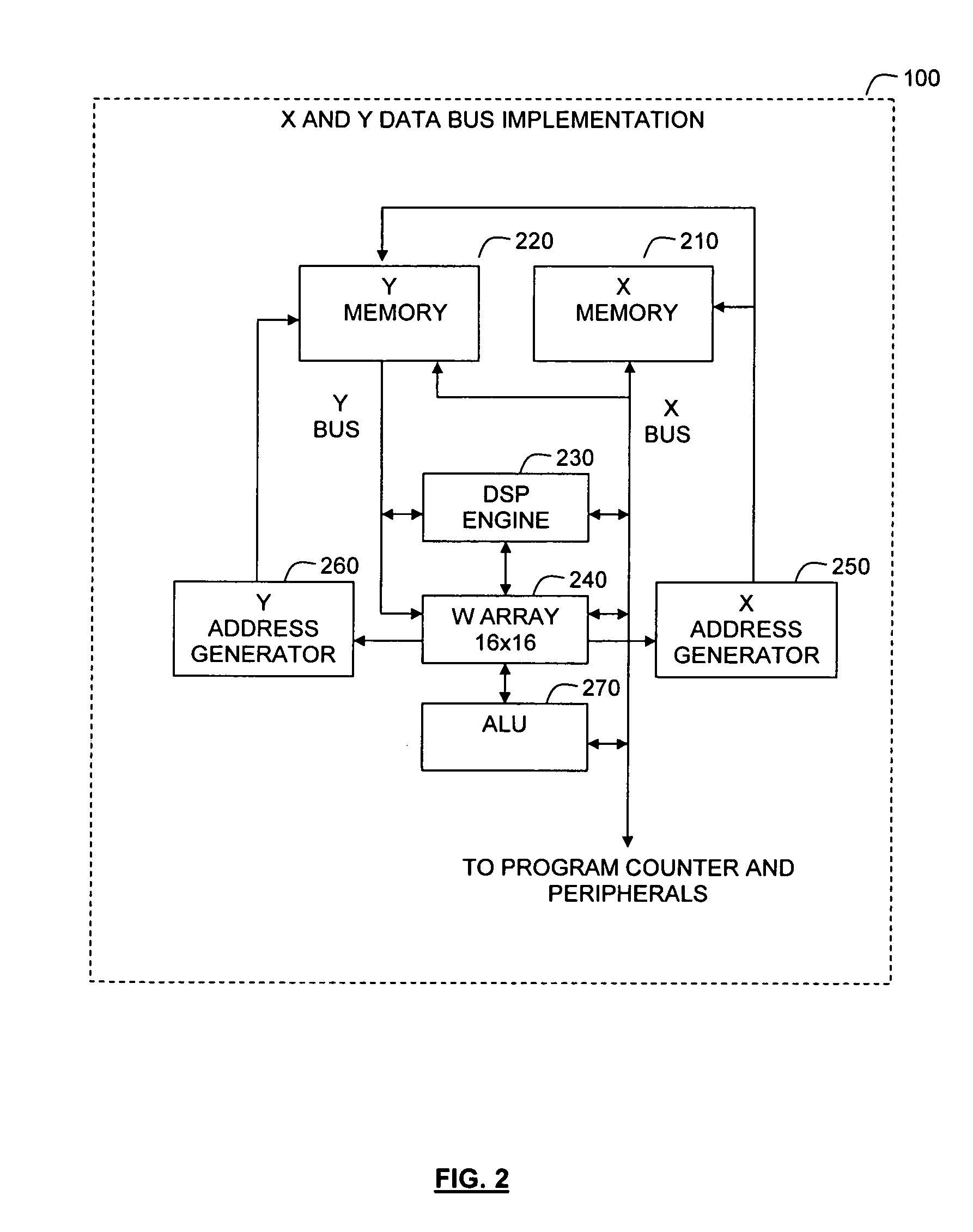
- A controller design that segments program memory into a boot segment, a secure segment, and a general segment with varying levels of security, preventing program flow changes and data access between segments, and executing a trap routine to prevent security breaches, ensuring secure storage and execution of proprietary algorithms and encryption keys.

Secure access in a microcontroller system
PatentWO2016176126A1
Innovation
- A microcontroller system architecture with a secure CPU and a non-secure CPU, coupled to a system bus, allows secure and non-secure access respectively, using a Peripheral Access Controller (PAC) to enable secure communication while disabling non-secure access to peripherals, and employs secure and non-secure shared memory for data exchange between CPUs.


Cybersecurity Regulations for Embedded Devices
The regulatory landscape for embedded device cybersecurity has evolved significantly in response to growing security threats and the proliferation of IoT devices. Multiple jurisdictions have implemented comprehensive frameworks that directly impact microcontroller programming practices, establishing mandatory security requirements that developers must integrate into their development workflows.
The European Union's Cybersecurity Act and the upcoming Cyber Resilience Act represent the most comprehensive regulatory approaches globally. These regulations mandate security-by-design principles for embedded devices, requiring manufacturers to implement robust security measures throughout the product lifecycle. The frameworks establish specific requirements for secure boot processes, cryptographic implementations, and vulnerability management systems that directly influence microcontroller programming methodologies.
In the United States, the IoT Cybersecurity Improvement Act of 2020 sets federal standards for connected devices, while NIST's cybersecurity framework provides detailed guidelines for embedded system security. These regulations emphasize the importance of secure coding practices, regular security updates, and comprehensive vulnerability disclosure processes. The FDA has also established specific cybersecurity requirements for medical devices containing embedded systems, mandating premarket security assessments and post-market surveillance capabilities.
Industry-specific regulations further complicate the compliance landscape. The automotive sector faces ISO/SAE 21434 standards for cybersecurity engineering, while industrial control systems must comply with IEC 62443 series standards. These sector-specific requirements often mandate specific programming practices, including secure communication protocols, authentication mechanisms, and fail-safe operational modes.
Emerging regulations focus increasingly on supply chain security and software bill of materials requirements. The EU's proposed legislation requires manufacturers to maintain detailed inventories of software components, including open-source libraries and third-party modules commonly used in microcontroller applications. This trend toward transparency necessitates more rigorous documentation and tracking of security-relevant code components throughout the development process.
Compliance with these evolving regulations requires embedded system developers to adopt standardized security programming practices, implement comprehensive testing protocols, and maintain detailed security documentation. The regulatory environment continues to evolve rapidly, with new requirements emerging regularly across different jurisdictions and industry sectors.
The European Union's Cybersecurity Act and the upcoming Cyber Resilience Act represent the most comprehensive regulatory approaches globally. These regulations mandate security-by-design principles for embedded devices, requiring manufacturers to implement robust security measures throughout the product lifecycle. The frameworks establish specific requirements for secure boot processes, cryptographic implementations, and vulnerability management systems that directly influence microcontroller programming methodologies.
In the United States, the IoT Cybersecurity Improvement Act of 2020 sets federal standards for connected devices, while NIST's cybersecurity framework provides detailed guidelines for embedded system security. These regulations emphasize the importance of secure coding practices, regular security updates, and comprehensive vulnerability disclosure processes. The FDA has also established specific cybersecurity requirements for medical devices containing embedded systems, mandating premarket security assessments and post-market surveillance capabilities.
Industry-specific regulations further complicate the compliance landscape. The automotive sector faces ISO/SAE 21434 standards for cybersecurity engineering, while industrial control systems must comply with IEC 62443 series standards. These sector-specific requirements often mandate specific programming practices, including secure communication protocols, authentication mechanisms, and fail-safe operational modes.
Emerging regulations focus increasingly on supply chain security and software bill of materials requirements. The EU's proposed legislation requires manufacturers to maintain detailed inventories of software components, including open-source libraries and third-party modules commonly used in microcontroller applications. This trend toward transparency necessitates more rigorous documentation and tracking of security-relevant code components throughout the development process.
Compliance with these evolving regulations requires embedded system developers to adopt standardized security programming practices, implement comprehensive testing protocols, and maintain detailed security documentation. The regulatory environment continues to evolve rapidly, with new requirements emerging regularly across different jurisdictions and industry sectors.
Hardware Security Module Integration Strategies
Hardware Security Module (HSM) integration represents a critical advancement in microcontroller security architecture, providing dedicated cryptographic processing capabilities that significantly enhance the overall security posture of embedded systems. Modern HSMs offer tamper-resistant hardware environments specifically designed to protect sensitive cryptographic operations and key material from both physical and logical attacks.
The integration of HSMs with microcontrollers typically follows several architectural approaches, each offering distinct advantages depending on the application requirements. External HSM modules connect via secure communication interfaces such as SPI, I2C, or dedicated cryptographic buses, providing high-performance cryptographic operations while maintaining physical separation from the main processing unit. This approach offers maximum security isolation but requires additional board space and power considerations.
Embedded HSM solutions integrate cryptographic processors directly within the microcontroller silicon, creating a unified security architecture that reduces system complexity while maintaining strong security boundaries. These integrated solutions typically feature dedicated secure memory regions, hardware random number generators, and specialized cryptographic accelerators that operate independently of the main processor core.
Key management strategies within HSM-integrated systems focus on establishing secure key hierarchies and implementing robust key lifecycle management protocols. Root keys stored within the HSM's tamper-resistant environment serve as the foundation for deriving operational keys, ensuring that critical cryptographic material remains protected even if other system components are compromised. Advanced HSM implementations support secure key provisioning, rotation, and revocation mechanisms that enable dynamic security policy enforcement.
Communication protocols between microcontrollers and HSMs require careful consideration of both security and performance requirements. Authenticated communication channels utilizing message authentication codes or digital signatures ensure the integrity of cryptographic requests and responses. Secure session establishment protocols protect against replay attacks and unauthorized access attempts while maintaining efficient operation under real-time constraints.
Performance optimization strategies for HSM integration involve balancing security requirements with system responsiveness. Asynchronous cryptographic operations allow the main microcontroller to continue processing while the HSM handles computationally intensive security functions. Intelligent caching mechanisms for frequently used cryptographic results can significantly improve system performance without compromising security integrity.
The integration of HSMs with microcontrollers typically follows several architectural approaches, each offering distinct advantages depending on the application requirements. External HSM modules connect via secure communication interfaces such as SPI, I2C, or dedicated cryptographic buses, providing high-performance cryptographic operations while maintaining physical separation from the main processing unit. This approach offers maximum security isolation but requires additional board space and power considerations.
Embedded HSM solutions integrate cryptographic processors directly within the microcontroller silicon, creating a unified security architecture that reduces system complexity while maintaining strong security boundaries. These integrated solutions typically feature dedicated secure memory regions, hardware random number generators, and specialized cryptographic accelerators that operate independently of the main processor core.
Key management strategies within HSM-integrated systems focus on establishing secure key hierarchies and implementing robust key lifecycle management protocols. Root keys stored within the HSM's tamper-resistant environment serve as the foundation for deriving operational keys, ensuring that critical cryptographic material remains protected even if other system components are compromised. Advanced HSM implementations support secure key provisioning, rotation, and revocation mechanisms that enable dynamic security policy enforcement.
Communication protocols between microcontrollers and HSMs require careful consideration of both security and performance requirements. Authenticated communication channels utilizing message authentication codes or digital signatures ensure the integrity of cryptographic requests and responses. Secure session establishment protocols protect against replay attacks and unauthorized access attempts while maintaining efficient operation under real-time constraints.
Performance optimization strategies for HSM integration involve balancing security requirements with system responsiveness. Asynchronous cryptographic operations allow the main microcontroller to continue processing while the HSM handles computationally intensive security functions. Intelligent caching mechanisms for frequently used cryptographic results can significantly improve system performance without compromising security integrity.
Unlock deeper insights with Patsnap Eureka Quick Research — get a full tech report to explore trends and direct your research. Try now!
Generate Your Research Report Instantly with AI Agent
Supercharge your innovation with Patsnap Eureka AI Agent Platform!