

Optimize ECM Fuel Mapping for Variable Driving Conditions
MAR 27, 20268 MIN READ
Generate Your Research Report Instantly with AI Agent
PatSnap Eureka helps you evaluate technical feasibility & market potential.
ECM Fuel Mapping Evolution and Optimization Goals
Engine Control Module (ECM) fuel mapping has undergone significant evolution since the introduction of electronic fuel injection systems in the 1980s. Early ECM systems relied on basic lookup tables with limited parameters, primarily engine speed and load, to determine fuel delivery quantities. These rudimentary systems provided substantial improvements over carburetor-based fuel delivery but lacked the sophistication to adapt to varying environmental and operational conditions.
The transition from simple two-dimensional fuel maps to multi-dimensional mapping systems marked a crucial advancement in the 1990s. Modern ECM systems now incorporate dozens of input parameters including throttle position, manifold absolute pressure, intake air temperature, coolant temperature, oxygen sensor feedback, and knock sensor data. This evolution enabled more precise fuel control across diverse operating conditions, significantly improving both performance and emissions compliance.
Contemporary ECM fuel mapping faces increasing complexity due to stringent emissions regulations and fuel economy standards. The integration of advanced sensors, real-time adaptive algorithms, and machine learning capabilities has transformed fuel mapping from static lookup tables to dynamic, self-optimizing systems. These systems must now accommodate variable factors such as fuel quality variations, altitude changes, ambient temperature fluctuations, and individual driving patterns.
The primary optimization goal centers on achieving optimal air-fuel ratios across all operating conditions while maintaining engine performance, durability, and emissions compliance. This requires balancing competing objectives: maximizing fuel efficiency during steady-state cruising, ensuring adequate power delivery during acceleration events, minimizing cold-start emissions, and preventing engine knock under high-load conditions.
Advanced optimization targets include real-time adaptation to driving behavior patterns, predictive fuel mapping based on route information and traffic conditions, and integration with hybrid powertrain systems. The emergence of connected vehicle technologies enables cloud-based optimization algorithms that can leverage fleet-wide data to continuously refine fuel mapping strategies.
Future optimization goals encompass the development of artificial intelligence-driven fuel mapping systems capable of learning individual driver preferences while maintaining regulatory compliance. These systems aim to achieve sub-millisecond response times to changing conditions, integrate seamlessly with advanced driver assistance systems, and support the transition toward electrified powertrains where fuel mapping optimization becomes critical for range extension and battery preservation strategies.
The transition from simple two-dimensional fuel maps to multi-dimensional mapping systems marked a crucial advancement in the 1990s. Modern ECM systems now incorporate dozens of input parameters including throttle position, manifold absolute pressure, intake air temperature, coolant temperature, oxygen sensor feedback, and knock sensor data. This evolution enabled more precise fuel control across diverse operating conditions, significantly improving both performance and emissions compliance.
Contemporary ECM fuel mapping faces increasing complexity due to stringent emissions regulations and fuel economy standards. The integration of advanced sensors, real-time adaptive algorithms, and machine learning capabilities has transformed fuel mapping from static lookup tables to dynamic, self-optimizing systems. These systems must now accommodate variable factors such as fuel quality variations, altitude changes, ambient temperature fluctuations, and individual driving patterns.
The primary optimization goal centers on achieving optimal air-fuel ratios across all operating conditions while maintaining engine performance, durability, and emissions compliance. This requires balancing competing objectives: maximizing fuel efficiency during steady-state cruising, ensuring adequate power delivery during acceleration events, minimizing cold-start emissions, and preventing engine knock under high-load conditions.
Advanced optimization targets include real-time adaptation to driving behavior patterns, predictive fuel mapping based on route information and traffic conditions, and integration with hybrid powertrain systems. The emergence of connected vehicle technologies enables cloud-based optimization algorithms that can leverage fleet-wide data to continuously refine fuel mapping strategies.
Future optimization goals encompass the development of artificial intelligence-driven fuel mapping systems capable of learning individual driver preferences while maintaining regulatory compliance. These systems aim to achieve sub-millisecond response times to changing conditions, integrate seamlessly with advanced driver assistance systems, and support the transition toward electrified powertrains where fuel mapping optimization becomes critical for range extension and battery preservation strategies.
Market Demand for Adaptive Fuel Management Systems
The automotive industry is experiencing unprecedented demand for adaptive fuel management systems as regulatory pressures intensify and consumer expectations evolve. Stringent emissions standards across major markets, including Euro 7 in Europe and increasingly strict regulations in North America and Asia-Pacific regions, are driving manufacturers to seek advanced ECM fuel mapping solutions that can dynamically adjust to varying driving conditions.
Fleet operators represent a significant market segment demanding these technologies, particularly in commercial transportation where fuel efficiency directly impacts operational costs. Long-haul trucking companies, delivery services, and ride-sharing platforms are actively seeking systems that can optimize fuel consumption across diverse routes, traffic patterns, and load conditions. The economic incentive is substantial, as fuel costs typically represent the largest operational expense for these businesses.
Consumer vehicle markets are simultaneously driving demand through growing environmental consciousness and fuel cost sensitivity. Modern drivers experience highly variable conditions including urban stop-and-go traffic, highway cruising, mountainous terrain, and extreme weather conditions. Traditional static fuel maps cannot adequately address this variability, creating market opportunities for adaptive systems that learn and adjust to individual driving patterns and environmental factors.
The electrification trend paradoxically increases demand for advanced fuel management in hybrid vehicles, where the complexity of coordinating internal combustion engines with electric powertrains requires sophisticated mapping algorithms. Hybrid systems must seamlessly transition between power sources while maintaining optimal efficiency across all operating modes.
Emerging markets present substantial growth opportunities as vehicle ownership expands and fuel quality varies significantly. Adaptive fuel management systems that can compensate for different fuel compositions and qualities are particularly valuable in regions where fuel standards are inconsistent or where alternative fuel blends are common.
Aftermarket demand is growing from performance enthusiasts and fleet retrofit applications. Independent service providers and tuning specialists seek accessible adaptive fuel mapping solutions that can be applied to existing vehicles, expanding the addressable market beyond original equipment manufacturers.
The convergence of connectivity technologies and data analytics capabilities is creating new market segments focused on predictive fuel optimization, where systems can anticipate driving conditions and pre-adjust mapping parameters accordingly.
Fleet operators represent a significant market segment demanding these technologies, particularly in commercial transportation where fuel efficiency directly impacts operational costs. Long-haul trucking companies, delivery services, and ride-sharing platforms are actively seeking systems that can optimize fuel consumption across diverse routes, traffic patterns, and load conditions. The economic incentive is substantial, as fuel costs typically represent the largest operational expense for these businesses.
Consumer vehicle markets are simultaneously driving demand through growing environmental consciousness and fuel cost sensitivity. Modern drivers experience highly variable conditions including urban stop-and-go traffic, highway cruising, mountainous terrain, and extreme weather conditions. Traditional static fuel maps cannot adequately address this variability, creating market opportunities for adaptive systems that learn and adjust to individual driving patterns and environmental factors.
The electrification trend paradoxically increases demand for advanced fuel management in hybrid vehicles, where the complexity of coordinating internal combustion engines with electric powertrains requires sophisticated mapping algorithms. Hybrid systems must seamlessly transition between power sources while maintaining optimal efficiency across all operating modes.
Emerging markets present substantial growth opportunities as vehicle ownership expands and fuel quality varies significantly. Adaptive fuel management systems that can compensate for different fuel compositions and qualities are particularly valuable in regions where fuel standards are inconsistent or where alternative fuel blends are common.
Aftermarket demand is growing from performance enthusiasts and fleet retrofit applications. Independent service providers and tuning specialists seek accessible adaptive fuel mapping solutions that can be applied to existing vehicles, expanding the addressable market beyond original equipment manufacturers.
The convergence of connectivity technologies and data analytics capabilities is creating new market segments focused on predictive fuel optimization, where systems can anticipate driving conditions and pre-adjust mapping parameters accordingly.
Current ECM Mapping Limitations in Variable Conditions
Current Engine Control Module (ECM) fuel mapping systems face significant constraints when adapting to the dynamic nature of real-world driving conditions. Traditional fuel maps are typically calibrated under controlled laboratory conditions using standardized drive cycles, which fail to capture the complexity and variability of actual driving scenarios. These static mapping approaches struggle to maintain optimal air-fuel ratios across diverse operating environments, leading to suboptimal engine performance and increased emissions.
The primary limitation stems from the discrete nature of conventional fuel maps, which rely on predetermined lookup tables based on engine speed and load parameters. These tables cannot adequately interpolate between data points when encountering transient conditions or operating scenarios that fall outside the calibrated range. Consequently, the ECM often defaults to conservative fuel delivery strategies that prioritize engine protection over efficiency optimization.
Temperature variations present another critical challenge for current mapping systems. Ambient temperature fluctuations, altitude changes, and varying fuel quality significantly impact combustion characteristics, yet existing ECM algorithms lack the sophistication to dynamically compensate for these variables in real-time. This results in fuel delivery that may be appropriate for standard conditions but becomes increasingly inaccurate as environmental parameters deviate from baseline calibration settings.
Transient response limitations further compound these issues, particularly during rapid acceleration, deceleration, or load changes. Current fuel mapping systems exhibit delayed adaptation to sudden changes in driving demands, creating temporary periods of suboptimal combustion that affect both performance and emissions output. The lag between sensor input recognition and fuel delivery adjustment represents a fundamental constraint in achieving precise fuel control.
Additionally, aging components and sensor drift over the vehicle's operational lifetime introduce progressive inaccuracies in fuel mapping effectiveness. Current systems lack robust self-learning capabilities to compensate for these degradation effects, resulting in gradually deteriorating fuel economy and emissions performance as vehicles accumulate mileage.
The primary limitation stems from the discrete nature of conventional fuel maps, which rely on predetermined lookup tables based on engine speed and load parameters. These tables cannot adequately interpolate between data points when encountering transient conditions or operating scenarios that fall outside the calibrated range. Consequently, the ECM often defaults to conservative fuel delivery strategies that prioritize engine protection over efficiency optimization.
Temperature variations present another critical challenge for current mapping systems. Ambient temperature fluctuations, altitude changes, and varying fuel quality significantly impact combustion characteristics, yet existing ECM algorithms lack the sophistication to dynamically compensate for these variables in real-time. This results in fuel delivery that may be appropriate for standard conditions but becomes increasingly inaccurate as environmental parameters deviate from baseline calibration settings.
Transient response limitations further compound these issues, particularly during rapid acceleration, deceleration, or load changes. Current fuel mapping systems exhibit delayed adaptation to sudden changes in driving demands, creating temporary periods of suboptimal combustion that affect both performance and emissions output. The lag between sensor input recognition and fuel delivery adjustment represents a fundamental constraint in achieving precise fuel control.
Additionally, aging components and sensor drift over the vehicle's operational lifetime introduce progressive inaccuracies in fuel mapping effectiveness. Current systems lack robust self-learning capabilities to compensate for these degradation effects, resulting in gradually deteriorating fuel economy and emissions performance as vehicles accumulate mileage.
Current Adaptive Fuel Mapping Solutions
01 Electronic Control Module (ECM) fuel mapping systems
Electronic Control Modules utilize fuel mapping systems to optimize engine performance by controlling fuel injection parameters. These systems store predetermined fuel delivery maps that correlate engine operating conditions with appropriate fuel quantities. The ECM processes sensor inputs and references these maps to determine optimal fuel injection timing and duration, enabling precise fuel management across various engine speeds and loads.- Electronic Control Module (ECM) fuel mapping systems: Electronic Control Modules utilize fuel mapping systems to optimize engine performance by controlling fuel injection parameters. These systems store predetermined fuel delivery maps that correlate engine operating conditions with appropriate fuel quantities. The ECM processes sensor inputs and references these maps to determine optimal fuel injection timing and duration for various engine loads and speeds.
- Adaptive fuel mapping and calibration methods: Advanced fuel mapping techniques incorporate adaptive algorithms that adjust fuel delivery parameters based on real-time engine conditions and performance feedback. These methods enable dynamic modification of fuel maps to compensate for variations in fuel quality, environmental conditions, and engine wear. The calibration process involves testing under multiple operating scenarios to create comprehensive fuel delivery tables.
- Multi-dimensional fuel mapping tables: Fuel mapping systems employ multi-dimensional lookup tables that account for multiple engine parameters simultaneously. These tables organize fuel delivery data across various axes including engine speed, load, temperature, and throttle position. The multi-dimensional approach allows for precise fuel control across the entire engine operating range, improving efficiency and emissions performance.
- Real-time fuel map adjustment and learning: Modern ECM systems incorporate learning capabilities that enable continuous refinement of fuel maps during vehicle operation. These systems monitor combustion quality, emissions, and performance metrics to make incremental adjustments to stored fuel maps. The learning algorithms can adapt to changing conditions and maintain optimal fuel delivery over the vehicle's lifetime.
- Fuel mapping for alternative fuels and hybrid systems: Specialized fuel mapping strategies have been developed for engines operating on alternative fuels or in hybrid configurations. These systems account for different fuel characteristics such as energy content, combustion properties, and stoichiometric ratios. The mapping approaches enable seamless transitions between fuel types and optimize performance across diverse operating modes.
02 Adaptive fuel mapping and calibration methods
Advanced fuel mapping techniques incorporate adaptive algorithms that adjust fuel delivery parameters based on real-time engine conditions and performance feedback. These methods enable dynamic modification of fuel maps to compensate for variations in fuel quality, environmental conditions, and engine wear. The calibration process involves testing under multiple operating scenarios to create comprehensive fuel delivery tables that ensure optimal combustion efficiency.Expand Specific Solutions03 Multi-dimensional fuel mapping tables
Fuel mapping systems employ multi-dimensional lookup tables that account for multiple engine parameters simultaneously. These tables organize fuel delivery data across various axes including engine speed, load, temperature, and throttle position. The multi-dimensional approach allows for more precise fuel control by considering the complex interactions between different operating parameters, resulting in improved engine efficiency and emissions control.Expand Specific Solutions04 Fuel map storage and memory management
ECM systems require efficient storage solutions for fuel mapping data, utilizing non-volatile memory to retain calibration information. Memory management strategies organize fuel maps in accessible formats that enable rapid retrieval during engine operation. These systems may incorporate multiple fuel maps for different operating modes or fuel types, with switching mechanisms to select appropriate maps based on current conditions.Expand Specific Solutions05 Fuel mapping optimization for emissions and performance
Modern fuel mapping strategies focus on balancing engine performance with emissions compliance and fuel economy. Optimization techniques involve fine-tuning fuel delivery across the operating range to minimize harmful emissions while maintaining power output. These approaches may incorporate feedback from exhaust sensors and utilize iterative refinement processes to achieve optimal combustion characteristics that meet regulatory requirements.Expand Specific Solutions
Major Players in ECM and Engine Management Systems
The ECM fuel mapping optimization technology represents a mature automotive sector experiencing significant evolution driven by stringent emissions regulations and electrification trends. The market demonstrates substantial scale with established players spanning global automotive manufacturers, specialized powertrain suppliers, and technology companies. Technology maturity varies considerably across the competitive landscape, with traditional automotive giants like BMW, Ford Global Technologies, Hyundai Motor, and Kia Corp leading conventional engine management systems, while companies such as BYD, LG Electronics, and Chongqing Jinkang focus on hybrid and electric powertrain integration. Tier-1 suppliers including Robert Bosch, Vitesco Technologies, ZF Friedrichshafen, and Cummins provide advanced ECM solutions with sophisticated adaptive algorithms. Chinese manufacturers like Great Wall Motor, China FAW, and Weichai Power are rapidly advancing their capabilities, while specialized firms such as EControls and Zonar Systems offer niche solutions for commercial applications, creating a highly competitive environment driving continuous innovation.
GM Global Technology Operations LLC
Technical Solution: General Motors implements sophisticated ECM fuel mapping through their proprietary E78 and E80 engine control modules, featuring adaptive learning algorithms that optimize fuel delivery based on real-time driving conditions. The system utilizes advanced knock detection, oxygen sensor feedback, and predictive modeling to adjust fuel maps dynamically. GM's approach incorporates machine learning techniques that analyze driver behavior patterns and environmental factors to create personalized fuel mapping profiles, enhancing both performance and efficiency across diverse operating scenarios including city driving, highway cruising, and extreme weather conditions.
Strengths: Comprehensive integration with vehicle systems and extensive real-world testing data from large vehicle fleet. Weaknesses: Proprietary system limitations and slower adaptation to aftermarket modifications or alternative fuel types.
Cummins, Inc.
Technical Solution: Cummins offers comprehensive ECM fuel mapping solutions specifically designed for heavy-duty and commercial vehicle applications, featuring robust adaptive control algorithms that optimize fuel delivery across varying load conditions and operational environments. Their INSITE software platform enables real-time fuel map adjustments based on engine performance data, duty cycle analysis, and operational parameters. The system incorporates advanced combustion modeling and emissions control strategies to maintain optimal fuel efficiency while meeting stringent emission standards across diverse driving conditions including long-haul trucking, urban delivery, and off-highway applications.
Strengths: Specialized expertise in heavy-duty applications with proven durability and comprehensive diagnostic capabilities. Weaknesses: Primary focus on commercial vehicles limits passenger car applications and higher complexity for light-duty implementations.
Core Patents in Dynamic ECM Optimization
Control system and method for improving fuel economy
PatentInactiveUS7497201B2
Innovation
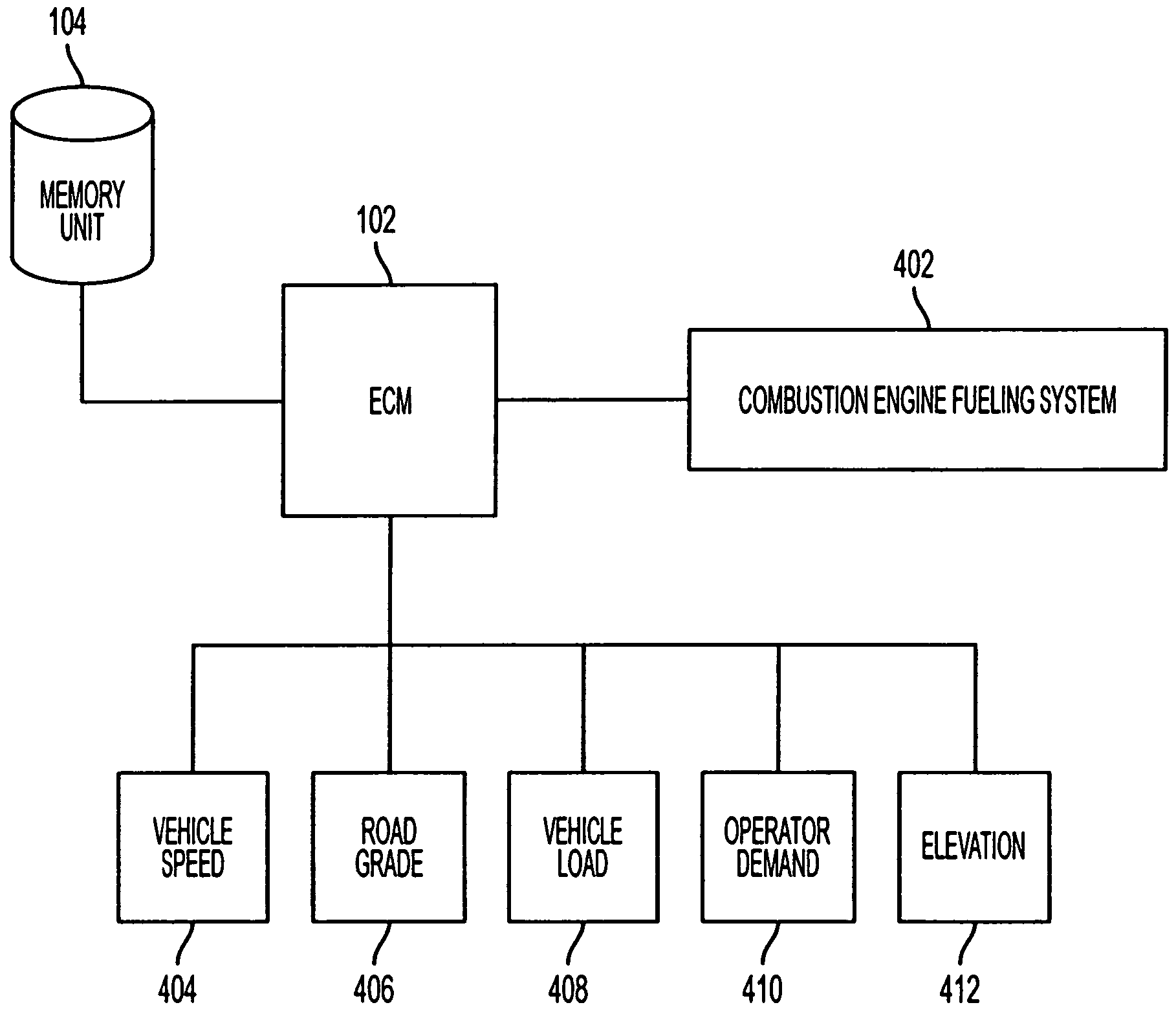
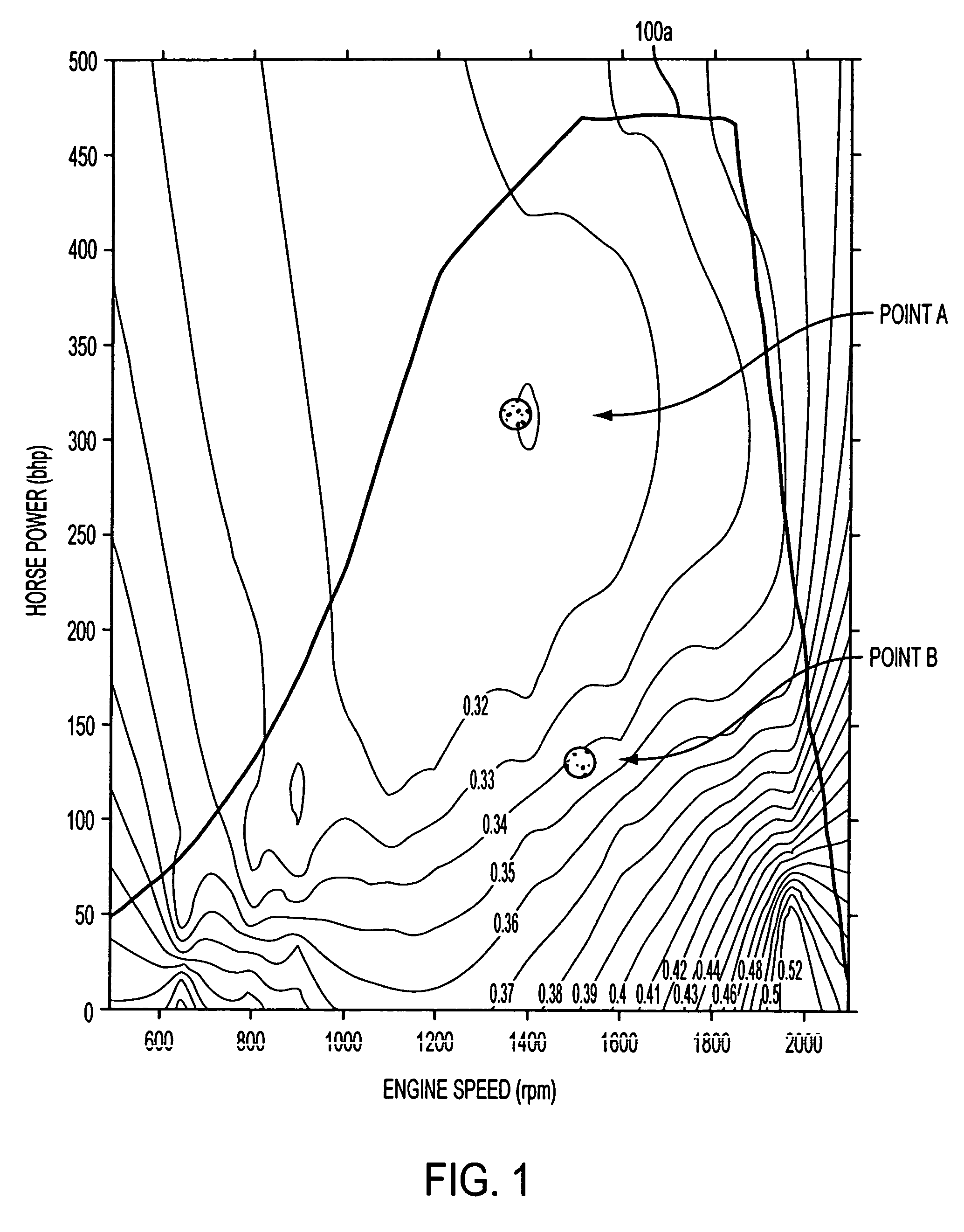
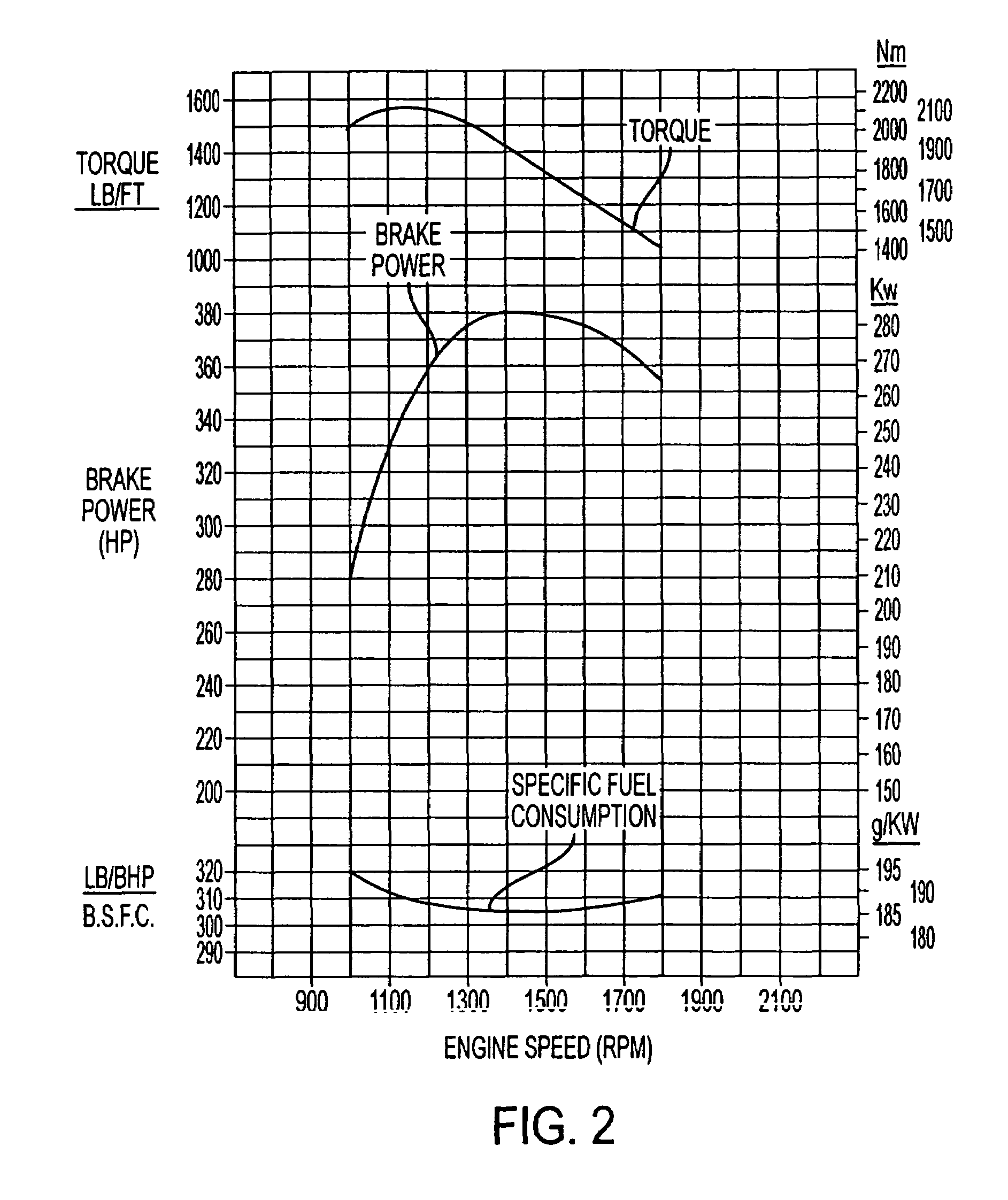
- A control system that continuously adjusts engine fuel consumption by using a plurality of sensors to measure and respond to real-time vehicle and engine operating conditions, allowing for dynamic selection and adjustment of fuel maps to optimize fuel efficiency across a range of conditions, including engine load, road grade, and driver demand.

Method for controlling an internal combustion engine
PatentInactiveEP2420664A1
Innovation
- A non-intrusive method is developed to assess fuel errors by operating the engine in a homogeneous combustion mode during idle or deceleration, degrading combustion efficiency and splitting injection pulses to determine actual fuel data, which is then used to update the flow curve tables in the Engine Control Unit for precise fuel injection.


Emission Standards Impact on ECM Development
The evolution of emission standards has fundamentally reshaped ECM development priorities, creating a complex regulatory landscape that directly influences fuel mapping optimization strategies. Modern emission regulations such as Euro 6d-ISC-FCM, EPA Tier 3, and China VI have introduced stringent limits on NOx, particulate matter, and hydrocarbon emissions, forcing ECM developers to implement increasingly sophisticated control algorithms that can adapt to real-world driving conditions while maintaining compliance across diverse operating scenarios.
Real Driving Emissions (RDE) testing protocols have emerged as a critical driver in ECM development, requiring fuel mapping systems to perform optimally not just in laboratory conditions but across variable temperature ranges, altitude changes, and dynamic driving patterns. This regulatory shift has necessitated the integration of advanced sensor networks and predictive algorithms within ECM architectures, enabling real-time adjustment of fuel injection parameters based on instantaneous emission feedback and environmental conditions.
The implementation of Portable Emissions Measurement Systems (PEMS) compliance has introduced new technical challenges for ECM fuel mapping optimization. Traditional static mapping approaches have proven insufficient for meeting RDE requirements, prompting the development of adaptive mapping strategies that can respond to transient conditions while maintaining emission compliance margins. This has led to increased computational demands on ECM hardware and the need for more sophisticated calibration methodologies.
Upcoming emission standards, including the proposed Euro 7 regulations, are expected to further tighten emission limits and expand testing conditions, potentially requiring ECM systems to incorporate machine learning algorithms and cloud-based optimization capabilities. These regulatory pressures are driving convergence between traditional automotive ECM development and advanced data analytics platforms, creating opportunities for innovative fuel mapping solutions that can continuously optimize performance based on fleet-wide driving data and emission monitoring results.
The regulatory timeline for emission standard implementation varies significantly across global markets, creating additional complexity for ECM developers who must design systems capable of meeting multiple regulatory frameworks simultaneously while maintaining cost-effectiveness and performance consistency across different market segments.
Real Driving Emissions (RDE) testing protocols have emerged as a critical driver in ECM development, requiring fuel mapping systems to perform optimally not just in laboratory conditions but across variable temperature ranges, altitude changes, and dynamic driving patterns. This regulatory shift has necessitated the integration of advanced sensor networks and predictive algorithms within ECM architectures, enabling real-time adjustment of fuel injection parameters based on instantaneous emission feedback and environmental conditions.
The implementation of Portable Emissions Measurement Systems (PEMS) compliance has introduced new technical challenges for ECM fuel mapping optimization. Traditional static mapping approaches have proven insufficient for meeting RDE requirements, prompting the development of adaptive mapping strategies that can respond to transient conditions while maintaining emission compliance margins. This has led to increased computational demands on ECM hardware and the need for more sophisticated calibration methodologies.
Upcoming emission standards, including the proposed Euro 7 regulations, are expected to further tighten emission limits and expand testing conditions, potentially requiring ECM systems to incorporate machine learning algorithms and cloud-based optimization capabilities. These regulatory pressures are driving convergence between traditional automotive ECM development and advanced data analytics platforms, creating opportunities for innovative fuel mapping solutions that can continuously optimize performance based on fleet-wide driving data and emission monitoring results.
The regulatory timeline for emission standard implementation varies significantly across global markets, creating additional complexity for ECM developers who must design systems capable of meeting multiple regulatory frameworks simultaneously while maintaining cost-effectiveness and performance consistency across different market segments.
AI Integration in Next-Gen Fuel Management
The integration of artificial intelligence into next-generation fuel management systems represents a paradigmatic shift from traditional rule-based engine control methodologies to adaptive, learning-based optimization frameworks. Modern AI-driven fuel management leverages machine learning algorithms, neural networks, and real-time data analytics to create dynamic fuel mapping strategies that continuously adapt to variable driving conditions, driver behavior patterns, and environmental factors.
Contemporary AI integration approaches primarily utilize deep reinforcement learning algorithms that enable ECM systems to learn optimal fuel injection strategies through continuous interaction with engine performance feedback. These systems employ convolutional neural networks to process multi-dimensional sensor data streams, including throttle position, manifold pressure, engine temperature, and ambient conditions, creating comprehensive situational awareness for fuel optimization decisions.
Advanced predictive modeling techniques enable proactive fuel mapping adjustments based on anticipated driving scenarios. Machine learning models analyze historical driving patterns, route characteristics, and traffic conditions to pre-optimize fuel delivery parameters before encountering specific operational demands. This predictive capability significantly enhances fuel efficiency compared to reactive traditional systems.
Edge computing integration allows real-time AI processing within vehicle ECM units, reducing latency and enabling instantaneous fuel mapping adjustments. Distributed AI architectures combine local processing capabilities with cloud-based learning systems, facilitating continuous model improvement while maintaining real-time responsiveness for critical fuel management decisions.
Federated learning frameworks enable collaborative AI model development across vehicle fleets without compromising individual vehicle data privacy. This approach accelerates AI model training by leveraging diverse driving condition datasets while maintaining data security requirements essential for automotive applications.
The convergence of AI with Internet of Things connectivity creates comprehensive fuel management ecosystems that incorporate external data sources, including weather conditions, traffic patterns, and fuel quality variations. These integrated systems optimize fuel mapping strategies based on holistic environmental and operational context, achieving unprecedented levels of fuel efficiency optimization across diverse driving scenarios.
Contemporary AI integration approaches primarily utilize deep reinforcement learning algorithms that enable ECM systems to learn optimal fuel injection strategies through continuous interaction with engine performance feedback. These systems employ convolutional neural networks to process multi-dimensional sensor data streams, including throttle position, manifold pressure, engine temperature, and ambient conditions, creating comprehensive situational awareness for fuel optimization decisions.
Advanced predictive modeling techniques enable proactive fuel mapping adjustments based on anticipated driving scenarios. Machine learning models analyze historical driving patterns, route characteristics, and traffic conditions to pre-optimize fuel delivery parameters before encountering specific operational demands. This predictive capability significantly enhances fuel efficiency compared to reactive traditional systems.
Edge computing integration allows real-time AI processing within vehicle ECM units, reducing latency and enabling instantaneous fuel mapping adjustments. Distributed AI architectures combine local processing capabilities with cloud-based learning systems, facilitating continuous model improvement while maintaining real-time responsiveness for critical fuel management decisions.
Federated learning frameworks enable collaborative AI model development across vehicle fleets without compromising individual vehicle data privacy. This approach accelerates AI model training by leveraging diverse driving condition datasets while maintaining data security requirements essential for automotive applications.
The convergence of AI with Internet of Things connectivity creates comprehensive fuel management ecosystems that incorporate external data sources, including weather conditions, traffic patterns, and fuel quality variations. These integrated systems optimize fuel mapping strategies based on holistic environmental and operational context, achieving unprecedented levels of fuel efficiency optimization across diverse driving scenarios.
Unlock deeper insights with PatSnap Eureka Quick Research — get a full tech report to explore trends and direct your research. Try now!
Generate Your Research Report Instantly with AI Agent
Supercharge your innovation with PatSnap Eureka AI Agent Platform!