

Optimize electrochromic mirror electrolyte viscosity for fast fill
MAY 11, 20269 MIN READ
Generate Your Research Report Instantly with AI Agent
PatSnap Eureka helps you evaluate technical feasibility & market potential.
Electrochromic Mirror Technology Background and Objectives
Electrochromic mirror technology represents a significant advancement in automotive and architectural applications, utilizing the principle of electrochemically induced optical property changes in materials. This technology enables mirrors to automatically adjust their reflectance levels in response to varying light conditions, providing enhanced safety and comfort for users. The fundamental mechanism involves the application of electrical voltage to electrochromic materials, causing ions to migrate within an electrolyte medium and subsequently altering the material's optical characteristics.
The evolution of electrochromic mirrors began in the 1980s with basic dimming capabilities and has progressed through multiple generations of improvements. Early implementations focused primarily on achieving basic light attenuation, while modern systems emphasize rapid response times, uniform dimming patterns, and enhanced durability. The technology has expanded from simple automotive rearview mirrors to sophisticated smart glass applications in buildings and aircraft, demonstrating its versatility and growing market acceptance.
Current market demands center on achieving faster switching speeds while maintaining optical quality and system reliability. The automotive industry particularly requires electrochromic mirrors that can respond within seconds to changing light conditions, necessitating optimized electrolyte formulations that balance viscosity with ionic conductivity. Traditional electrolyte solutions often present a trade-off between fill speed during manufacturing and operational performance, creating a critical technical challenge.
The primary objective of optimizing electrolyte viscosity focuses on accelerating the manufacturing fill process without compromising the mirror's electrochromic performance. Lower viscosity electrolytes facilitate faster cavity filling during production, reducing manufacturing cycle times and associated costs. However, this optimization must maintain adequate ionic mobility for effective electrochromic switching while ensuring long-term stability and preventing electrolyte leakage or degradation.
Technical targets include achieving fill times under thirty seconds for standard mirror geometries while preserving switching speeds below five seconds for full dimming cycles. The optimization process must also consider temperature stability across automotive operating ranges, typically from -40°C to 85°C, ensuring consistent performance regardless of environmental conditions. Additionally, the electrolyte formulation must demonstrate compatibility with existing electrode materials and maintain optical clarity throughout the mirror's operational lifetime, typically specified at ten years or more for automotive applications.
The evolution of electrochromic mirrors began in the 1980s with basic dimming capabilities and has progressed through multiple generations of improvements. Early implementations focused primarily on achieving basic light attenuation, while modern systems emphasize rapid response times, uniform dimming patterns, and enhanced durability. The technology has expanded from simple automotive rearview mirrors to sophisticated smart glass applications in buildings and aircraft, demonstrating its versatility and growing market acceptance.
Current market demands center on achieving faster switching speeds while maintaining optical quality and system reliability. The automotive industry particularly requires electrochromic mirrors that can respond within seconds to changing light conditions, necessitating optimized electrolyte formulations that balance viscosity with ionic conductivity. Traditional electrolyte solutions often present a trade-off between fill speed during manufacturing and operational performance, creating a critical technical challenge.
The primary objective of optimizing electrolyte viscosity focuses on accelerating the manufacturing fill process without compromising the mirror's electrochromic performance. Lower viscosity electrolytes facilitate faster cavity filling during production, reducing manufacturing cycle times and associated costs. However, this optimization must maintain adequate ionic mobility for effective electrochromic switching while ensuring long-term stability and preventing electrolyte leakage or degradation.
Technical targets include achieving fill times under thirty seconds for standard mirror geometries while preserving switching speeds below five seconds for full dimming cycles. The optimization process must also consider temperature stability across automotive operating ranges, typically from -40°C to 85°C, ensuring consistent performance regardless of environmental conditions. Additionally, the electrolyte formulation must demonstrate compatibility with existing electrode materials and maintain optical clarity throughout the mirror's operational lifetime, typically specified at ten years or more for automotive applications.
Market Demand for Fast-Fill Electrochromic Mirrors
The automotive industry is experiencing unprecedented growth in demand for advanced mirror technologies, with electrochromic mirrors representing a critical component in modern vehicle safety and comfort systems. Fast-fill electrochromic mirrors have emerged as a particularly sought-after solution due to their ability to rapidly adjust reflectivity levels in response to changing lighting conditions. The market demand is primarily driven by increasing consumer expectations for enhanced driving experiences and stringent safety regulations worldwide.
Premium and luxury vehicle segments currently represent the largest market for fast-fill electrochromic mirrors, where manufacturers are integrating these systems as standard equipment rather than optional features. The technology's ability to provide instantaneous dimming responses has become essential for addressing glare issues from high-intensity LED and xenon headlights that are increasingly common on modern vehicles. This rapid response capability directly correlates with the optimization of electrolyte viscosity, making it a critical technical parameter for market acceptance.
The commercial vehicle sector is demonstrating substantial growth potential for fast-fill electrochromic mirror applications. Fleet operators are recognizing the safety benefits and operational advantages of mirrors that can quickly adapt to varying environmental conditions during long-haul transportation. Night driving safety improvements and reduced driver fatigue are key value propositions driving adoption in this segment.
Emerging markets in Asia-Pacific and Latin America are showing accelerated demand growth as automotive manufacturing expands and safety standards become more stringent. Local automotive manufacturers are increasingly incorporating electrochromic mirror technologies to compete with international brands and meet evolving consumer preferences for advanced vehicle features.
The aftermarket segment presents significant opportunities for fast-fill electrochromic mirror systems, particularly as vehicle owners seek to upgrade existing mirrors with advanced functionality. Retrofit solutions that can be easily installed are gaining traction among consumers who want to enhance their vehicles without purchasing new automobiles.
Technological convergence with autonomous driving systems is creating new market dynamics, where fast-response electrochromic mirrors serve as backup systems for camera-based monitoring technologies. The reliability and speed of electrolyte-based dimming systems make them valuable components in redundant safety architectures required for autonomous vehicle certification.
Market demand is also being influenced by environmental considerations, as fast-fill electrochromic mirrors contribute to overall vehicle energy efficiency by reducing the need for additional lighting systems and improving aerodynamic performance through integrated mirror designs.
Premium and luxury vehicle segments currently represent the largest market for fast-fill electrochromic mirrors, where manufacturers are integrating these systems as standard equipment rather than optional features. The technology's ability to provide instantaneous dimming responses has become essential for addressing glare issues from high-intensity LED and xenon headlights that are increasingly common on modern vehicles. This rapid response capability directly correlates with the optimization of electrolyte viscosity, making it a critical technical parameter for market acceptance.
The commercial vehicle sector is demonstrating substantial growth potential for fast-fill electrochromic mirror applications. Fleet operators are recognizing the safety benefits and operational advantages of mirrors that can quickly adapt to varying environmental conditions during long-haul transportation. Night driving safety improvements and reduced driver fatigue are key value propositions driving adoption in this segment.
Emerging markets in Asia-Pacific and Latin America are showing accelerated demand growth as automotive manufacturing expands and safety standards become more stringent. Local automotive manufacturers are increasingly incorporating electrochromic mirror technologies to compete with international brands and meet evolving consumer preferences for advanced vehicle features.
The aftermarket segment presents significant opportunities for fast-fill electrochromic mirror systems, particularly as vehicle owners seek to upgrade existing mirrors with advanced functionality. Retrofit solutions that can be easily installed are gaining traction among consumers who want to enhance their vehicles without purchasing new automobiles.
Technological convergence with autonomous driving systems is creating new market dynamics, where fast-response electrochromic mirrors serve as backup systems for camera-based monitoring technologies. The reliability and speed of electrolyte-based dimming systems make them valuable components in redundant safety architectures required for autonomous vehicle certification.
Market demand is also being influenced by environmental considerations, as fast-fill electrochromic mirrors contribute to overall vehicle energy efficiency by reducing the need for additional lighting systems and improving aerodynamic performance through integrated mirror designs.
Current Electrolyte Viscosity Challenges and Limitations
Electrochromic mirror systems face significant viscosity-related challenges that directly impact manufacturing efficiency and product performance. The primary limitation stems from the inverse relationship between electrolyte viscosity and filling speed during production processes. High-viscosity electrolytes, while offering superior ionic conductivity and stability, create substantial resistance during cavity filling operations, leading to extended manufacturing cycle times and potential air bubble entrapment.
Current electrolyte formulations typically exhibit viscosities ranging from 10 to 50 centipoise at room temperature, which proves problematic for rapid filling of narrow mirror cavities. The viscous nature of these solutions creates laminar flow conditions that significantly slow penetration into tight spaces between glass substrates. This results in incomplete filling patterns, particularly in corner regions and areas with complex geometries.
Temperature dependency represents another critical challenge affecting viscosity optimization. Most electrochromic electrolytes demonstrate exponential viscosity increases as temperatures drop below 20°C, creating seasonal manufacturing inconsistencies. During winter months or in climate-controlled facilities, filling times can increase by 200-300%, severely impacting production throughput and quality control metrics.
Bubble formation and entrapment constitute major quality issues directly linked to viscosity limitations. Higher viscosity electrolytes trap air more readily during filling processes, creating optical defects and reducing switching uniformity across the mirror surface. These trapped bubbles often migrate during thermal cycling, causing permanent visual artifacts that compromise product aesthetics and functionality.
Shear-thinning behavior in current formulations presents additional complications for process optimization. While beneficial for reducing apparent viscosity during high-shear filling operations, this characteristic makes it difficult to predict and control flow behavior consistently. The non-Newtonian properties create challenges in establishing reliable process parameters across different production equipment and operating conditions.
Ionic mobility constraints emerge as viscosity increases, directly affecting electrochromic response times and switching efficiency. Higher viscosity environments impede ion transport between electrodes, resulting in slower color transitions and reduced optical contrast ratios. This trade-off between processability and performance represents a fundamental limitation requiring innovative solutions.
Manufacturing equipment limitations further compound viscosity challenges. Existing filling systems designed for lower-viscosity fluids struggle with current electrochromic formulations, necessitating specialized pumping equipment and extended processing times. The capital investment required for viscosity-optimized manufacturing infrastructure creates significant barriers for widespread adoption and cost-effective production scaling.
Current electrolyte formulations typically exhibit viscosities ranging from 10 to 50 centipoise at room temperature, which proves problematic for rapid filling of narrow mirror cavities. The viscous nature of these solutions creates laminar flow conditions that significantly slow penetration into tight spaces between glass substrates. This results in incomplete filling patterns, particularly in corner regions and areas with complex geometries.
Temperature dependency represents another critical challenge affecting viscosity optimization. Most electrochromic electrolytes demonstrate exponential viscosity increases as temperatures drop below 20°C, creating seasonal manufacturing inconsistencies. During winter months or in climate-controlled facilities, filling times can increase by 200-300%, severely impacting production throughput and quality control metrics.
Bubble formation and entrapment constitute major quality issues directly linked to viscosity limitations. Higher viscosity electrolytes trap air more readily during filling processes, creating optical defects and reducing switching uniformity across the mirror surface. These trapped bubbles often migrate during thermal cycling, causing permanent visual artifacts that compromise product aesthetics and functionality.
Shear-thinning behavior in current formulations presents additional complications for process optimization. While beneficial for reducing apparent viscosity during high-shear filling operations, this characteristic makes it difficult to predict and control flow behavior consistently. The non-Newtonian properties create challenges in establishing reliable process parameters across different production equipment and operating conditions.
Ionic mobility constraints emerge as viscosity increases, directly affecting electrochromic response times and switching efficiency. Higher viscosity environments impede ion transport between electrodes, resulting in slower color transitions and reduced optical contrast ratios. This trade-off between processability and performance represents a fundamental limitation requiring innovative solutions.
Manufacturing equipment limitations further compound viscosity challenges. Existing filling systems designed for lower-viscosity fluids struggle with current electrochromic formulations, necessitating specialized pumping equipment and extended processing times. The capital investment required for viscosity-optimized manufacturing infrastructure creates significant barriers for widespread adoption and cost-effective production scaling.
Current Electrolyte Viscosity Optimization Solutions
01 Electrolyte composition and formulation for viscosity control
The electrolyte composition in electrochromic mirrors can be formulated with specific chemical compounds and additives to achieve optimal viscosity levels. Various ionic compounds, solvents, and thickening agents are used to control the flow properties and ensure proper electrochromic performance. The viscosity must be balanced to allow adequate ion mobility while preventing leakage and maintaining structural integrity of the mirror system.- Electrolyte composition and formulation for electrochromic mirrors: The electrolyte composition plays a crucial role in determining the viscosity characteristics of electrochromic mirrors. Various ionic compounds, solvents, and additives are formulated to achieve optimal electrochemical properties while maintaining appropriate viscosity levels for proper device operation. The selection of specific electrolyte components directly impacts the flow characteristics and performance stability of the electrochromic system.
- Viscosity control through polymer additives and thickening agents: Polymer-based additives and thickening agents are incorporated into electrochromic mirror electrolytes to control and adjust viscosity properties. These materials help achieve the desired flow characteristics while maintaining electrochemical functionality. The concentration and molecular weight of these additives significantly influence the final viscosity of the electrolyte solution.
- Temperature-dependent viscosity behavior and thermal stability: The viscosity of electrochromic mirror electrolytes exhibits temperature-dependent behavior that affects device performance across different operating conditions. Formulations are designed to maintain stable viscosity characteristics over a wide temperature range to ensure consistent electrochromic response. Thermal stability of the electrolyte system is critical for long-term device reliability.
- Gel-based electrolyte systems for enhanced viscosity control: Gel-based electrolyte formulations provide superior viscosity control and prevent electrolyte leakage in electrochromic mirror applications. These systems utilize gelation agents to create semi-solid electrolytes that maintain ionic conductivity while offering improved mechanical stability. The gel structure helps optimize the balance between viscosity and electrochemical performance.
- Ionic liquid electrolytes and their viscosity characteristics: Ionic liquid-based electrolytes offer unique viscosity properties for electrochromic mirror applications. These electrolytes provide enhanced electrochemical stability and can be tailored to achieve specific viscosity requirements through molecular design. The inherent properties of ionic liquids allow for fine-tuning of viscosity while maintaining excellent ionic conductivity and wide electrochemical windows.
02 Polymer-based electrolyte systems for enhanced viscosity
Polymer-based electrolyte systems utilize various polymeric materials to increase the viscosity of the electrolyte solution. These systems provide improved mechanical stability and reduced electrolyte migration while maintaining ionic conductivity. The polymer matrix helps create a gel-like consistency that enhances the durability and performance of the electrochromic device.Expand Specific Solutions03 Temperature-dependent viscosity characteristics
The viscosity of electrochromic mirror electrolytes exhibits temperature-dependent behavior that affects device performance across different operating conditions. Formulations are designed to maintain appropriate viscosity levels over a wide temperature range to ensure consistent switching speeds and optical properties. Temperature compensation mechanisms and additives are employed to minimize viscosity variations.Expand Specific Solutions04 Gel electrolyte systems with controlled rheological properties
Gel electrolyte systems are developed to provide controlled rheological properties that optimize both ionic conductivity and mechanical stability. These systems use gelating agents and cross-linking polymers to achieve the desired viscosity profile while preventing electrolyte leakage. The gel structure maintains uniform distribution of electroactive species and ensures long-term device reliability.Expand Specific Solutions05 Viscosity optimization for switching performance
The electrolyte viscosity is optimized to achieve fast switching times and uniform coloration in electrochromic mirrors. Lower viscosity enables rapid ion transport for quick response times, while higher viscosity provides better dimensional stability and prevents electrolyte flow. The balance between these properties is crucial for achieving optimal electrochromic performance and device longevity.Expand Specific Solutions
Key Players in Electrochromic Mirror Industry
The electrochromic mirror electrolyte viscosity optimization market represents an emerging segment within the broader smart glass and automotive mirror industries, currently in the early commercialization stage with significant growth potential driven by increasing demand for intelligent automotive systems and energy-efficient building solutions. The market demonstrates moderate technical maturity, with established players like Gentex Corp. and SAGE Electrochromics leading commercialization efforts, while companies such as Murakami Corp., TOKAI RIKA, and BOE Technology Group contribute manufacturing expertise and component integration capabilities. Research institutions including Nagoya University and University of Wollongong are advancing fundamental electrolyte chemistry, while emerging Chinese companies like Suzhou Boyu Photoelectric and Qingdao Kaiosi Optoelectronics are developing competitive solutions. The competitive landscape shows a mix of mature automotive suppliers, specialized electrochromic technology developers, and new entrants focusing on material innovations, indicating a dynamic market transitioning from research-driven development to scalable commercial applications with substantial barriers to entry due to complex manufacturing requirements and automotive qualification standards.
Gentex Corp.
Technical Solution: Gentex has developed advanced electrochromic mirror technology with optimized electrolyte formulations that achieve switching times under 10 seconds through proprietary viscosity control methods. Their electrolyte system utilizes ionic liquid-based solutions with controlled molecular weight polymers to balance conductivity and flow characteristics. The company employs specialized filling techniques including vacuum-assisted injection and temperature-controlled processing to ensure complete cavity filling without air bubbles. Their patented electrolyte composition includes viscosity modifiers and surfactants that enable rapid ion transport while maintaining long-term stability and preventing crystallization during temperature cycling.
Strengths: Market leader with extensive patent portfolio and proven manufacturing scalability. Weaknesses: Higher cost structure and dependency on automotive OEM relationships.
BOE Technology Group Co., Ltd.
Technical Solution: BOE has developed cost-effective electrolyte solutions for electrochromic devices using modified carbonate-based solvents with optimized viscosity profiles for high-speed manufacturing. Their electrolyte formulation incorporates low-molecular-weight additives and ionic conductivity enhancers that reduce filling time by 60% in mass production environments. The company employs automated dispensing systems with real-time viscosity monitoring and temperature control to ensure consistent filling performance. Their electrolyte composition includes anti-corrosion agents and stability enhancers that maintain optimal viscosity characteristics throughout the device lifetime while enabling rapid manufacturing throughput.
Strengths: Large-scale manufacturing capabilities with cost-competitive solutions and strong supply chain integration. Weaknesses: Limited premium market presence and newer technology platform.
Core Patents in Fast-Fill Electrolyte Formulations
Environmentally safe electrochromic mirrors
PatentInactiveUS20060285190A1
Innovation
- Development of beryllium-free electrochromic mirrors using alternative materials such as aluminum oxide and other alloys for electronics, and low viscosity multiphase solid electrolytes that reduce processing pressures and enhance mirror area by eliminating bezels and busbar clips, while using conductive adhesives and reflective coatings to conceal electrical connections.
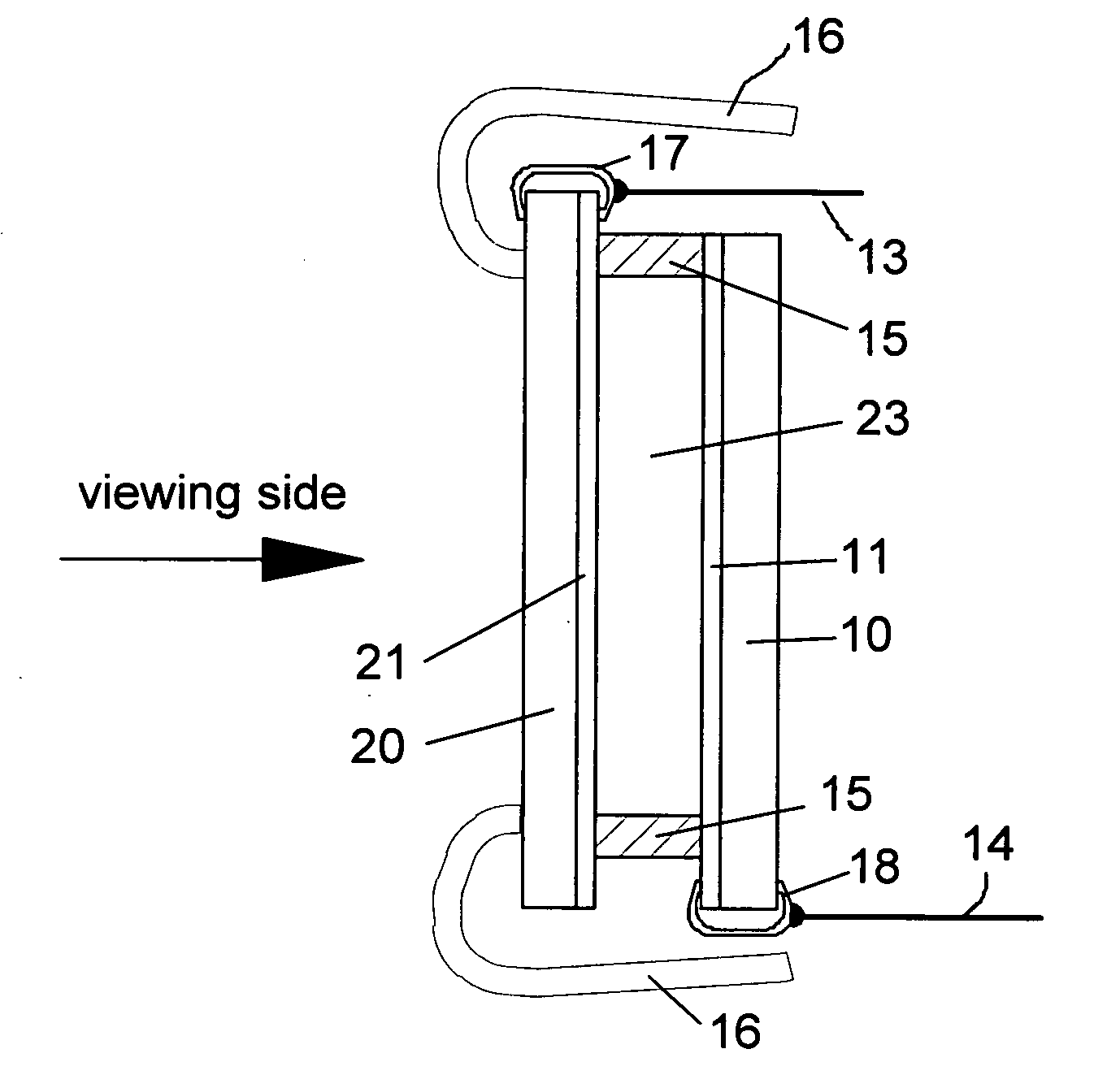
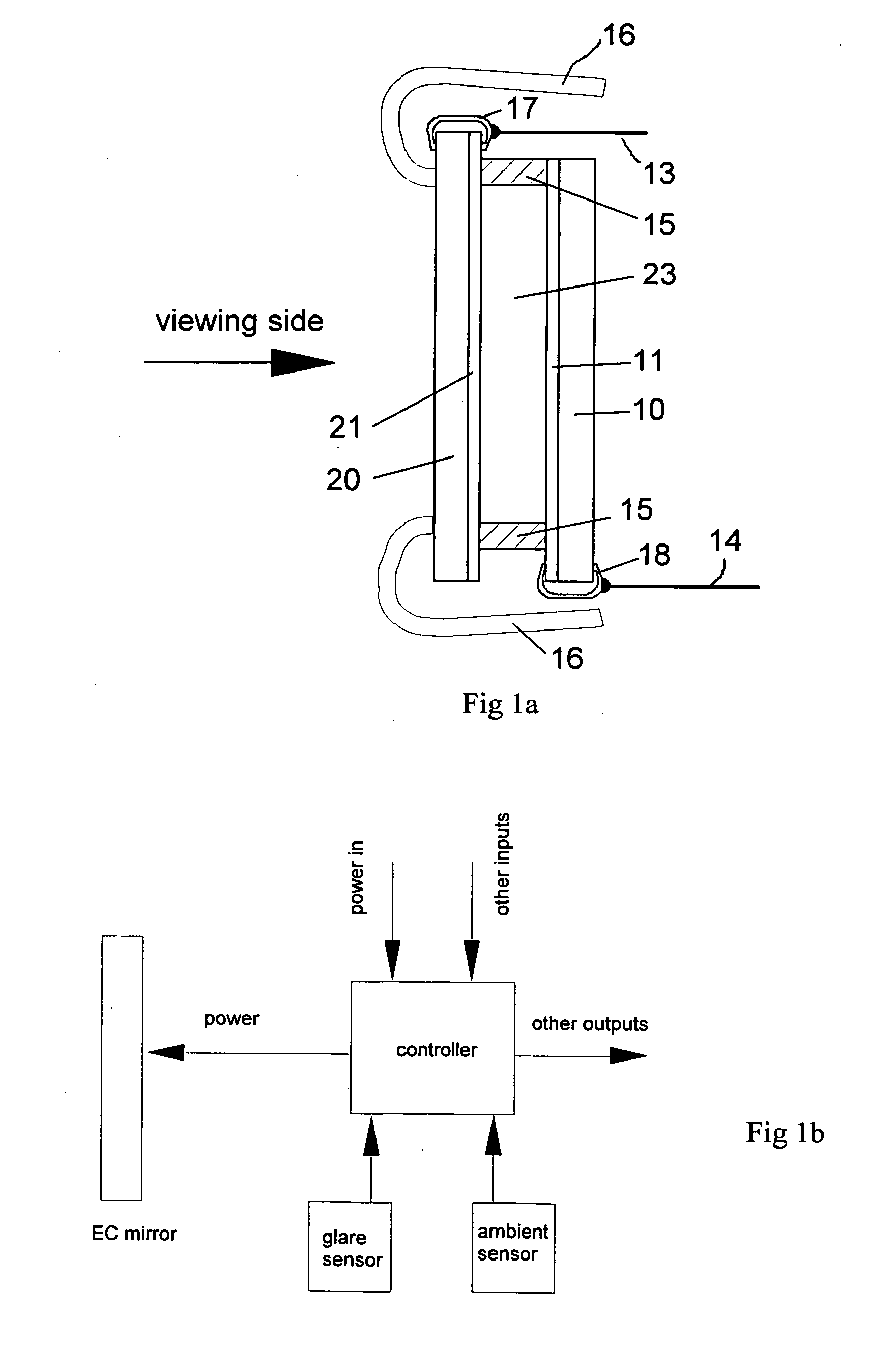
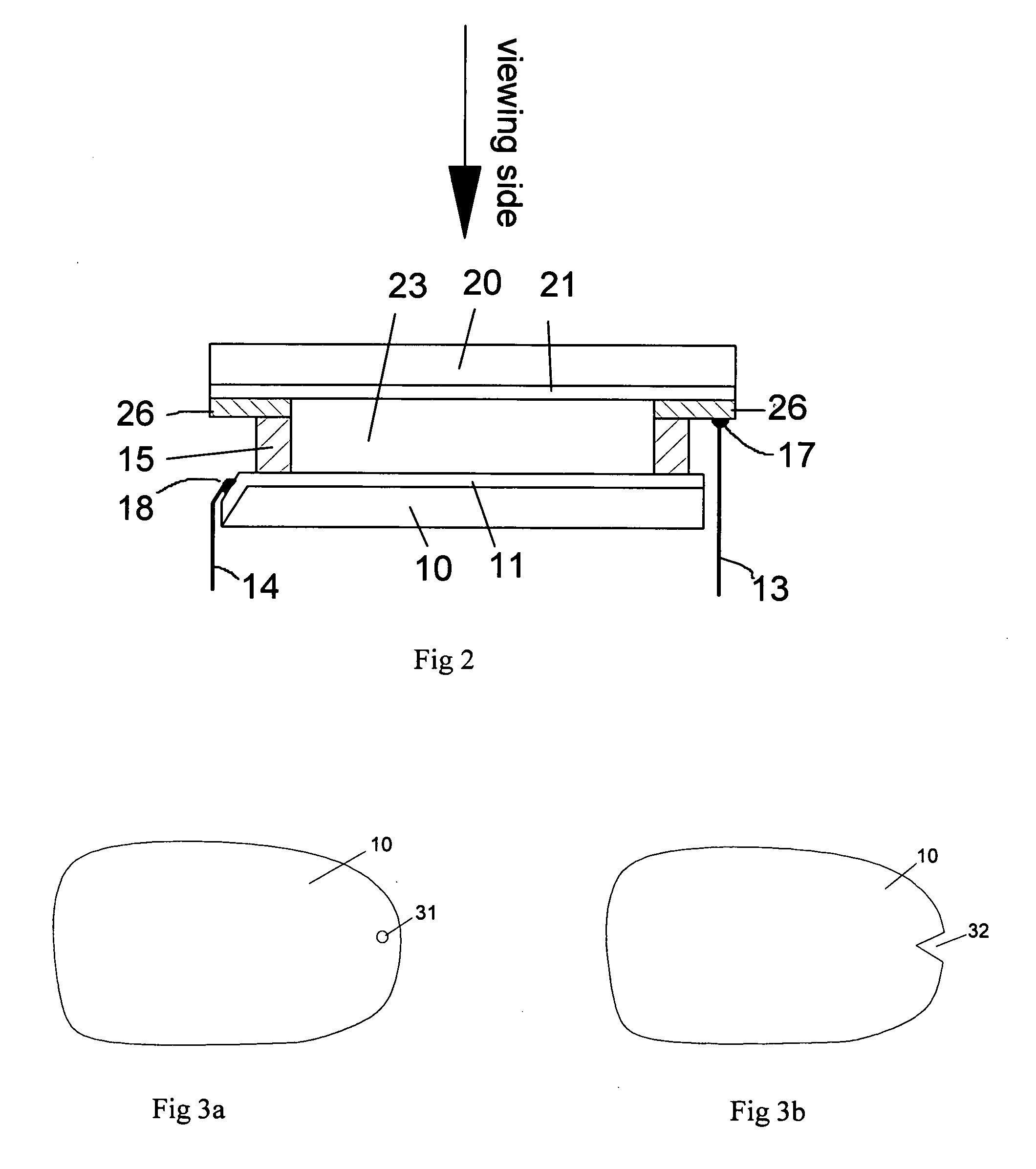

Electrochromic mirror
PatentInactiveJP2011141426A
Innovation
- The electrochromic mirror employs an aprotic polar protonic solvent with a water content of 100 ppm or less, along with lithium ions, to prevent corrosion and air bubble formation while maintaining high responsiveness through a conductive reflective film and a carbon film for rapid reactions.


Manufacturing Process Optimization for Fast Fill
The manufacturing process optimization for fast fill in electrochromic mirrors represents a critical convergence of material science and production engineering. Traditional filling methods often encounter bottlenecks due to inadequate process parameters, leading to extended production cycles and potential quality inconsistencies. The optimization approach focuses on creating synergistic improvements across multiple manufacturing variables to achieve rapid, uniform electrolyte distribution.
Temperature control emerges as a fundamental parameter in the fast fill optimization strategy. Elevated processing temperatures, typically ranging from 40-60°C, significantly reduce electrolyte viscosity while maintaining chemical stability. This thermal management requires precise heating systems integrated into the filling equipment, ensuring consistent temperature distribution across the mirror assembly. The controlled heating approach enables viscosity reduction of 30-50% compared to ambient conditions, directly translating to improved flow characteristics.
Pressure-assisted filling techniques represent another crucial optimization avenue. Implementing controlled positive pressure differentials of 0.1-0.3 bar facilitates enhanced electrolyte penetration into narrow channel geometries. The pressure application must be carefully calibrated to prevent seal damage or electrolyte overflow while ensuring complete cavity filling. Advanced pressure control systems with real-time monitoring capabilities enable precise adjustment based on viscosity measurements and fill progress.
Vacuum pre-treatment protocols significantly enhance filling efficiency by eliminating trapped air pockets that impede electrolyte flow. The vacuum application, typically at 10-50 mbar, removes atmospheric gases from the mirror cavity before electrolyte introduction. This preprocessing step reduces filling time by 25-40% and minimizes the risk of incomplete fills or bubble formation that could compromise optical performance.
Equipment design modifications play a pivotal role in process optimization. Specialized filling nozzles with optimized geometries reduce flow resistance and enable controlled dispensing rates. Multi-point filling systems allow simultaneous electrolyte introduction from multiple locations, dramatically reducing overall fill times for larger mirror assemblies. Automated positioning systems ensure consistent nozzle placement and filling parameters across production batches.
Quality monitoring integration throughout the filling process enables real-time optimization adjustments. Optical sensors detect fill completion, while pressure transducers monitor flow resistance changes. These feedback mechanisms allow for immediate process parameter adjustments, ensuring consistent results and minimizing defect rates. The integrated monitoring approach supports continuous process improvement and maintains production quality standards.
Temperature control emerges as a fundamental parameter in the fast fill optimization strategy. Elevated processing temperatures, typically ranging from 40-60°C, significantly reduce electrolyte viscosity while maintaining chemical stability. This thermal management requires precise heating systems integrated into the filling equipment, ensuring consistent temperature distribution across the mirror assembly. The controlled heating approach enables viscosity reduction of 30-50% compared to ambient conditions, directly translating to improved flow characteristics.
Pressure-assisted filling techniques represent another crucial optimization avenue. Implementing controlled positive pressure differentials of 0.1-0.3 bar facilitates enhanced electrolyte penetration into narrow channel geometries. The pressure application must be carefully calibrated to prevent seal damage or electrolyte overflow while ensuring complete cavity filling. Advanced pressure control systems with real-time monitoring capabilities enable precise adjustment based on viscosity measurements and fill progress.
Vacuum pre-treatment protocols significantly enhance filling efficiency by eliminating trapped air pockets that impede electrolyte flow. The vacuum application, typically at 10-50 mbar, removes atmospheric gases from the mirror cavity before electrolyte introduction. This preprocessing step reduces filling time by 25-40% and minimizes the risk of incomplete fills or bubble formation that could compromise optical performance.
Equipment design modifications play a pivotal role in process optimization. Specialized filling nozzles with optimized geometries reduce flow resistance and enable controlled dispensing rates. Multi-point filling systems allow simultaneous electrolyte introduction from multiple locations, dramatically reducing overall fill times for larger mirror assemblies. Automated positioning systems ensure consistent nozzle placement and filling parameters across production batches.
Quality monitoring integration throughout the filling process enables real-time optimization adjustments. Optical sensors detect fill completion, while pressure transducers monitor flow resistance changes. These feedback mechanisms allow for immediate process parameter adjustments, ensuring consistent results and minimizing defect rates. The integrated monitoring approach supports continuous process improvement and maintains production quality standards.
Quality Control Standards for Electrochromic Devices
Quality control standards for electrochromic devices, particularly those involving optimized electrolyte viscosity for rapid filling processes, require comprehensive testing protocols that address both manufacturing consistency and long-term performance reliability. These standards must encompass viscosity measurement precision, fill time validation, and optical performance verification to ensure devices meet specified operational requirements.
Viscosity control standards should establish precise measurement protocols using rotational viscometers at standardized temperatures, typically 25°C ± 0.1°C, with acceptable viscosity ranges defined for different electrolyte formulations. The standards must specify sampling frequencies during production, requiring viscosity measurements at minimum every batch change and hourly during continuous production runs. Deviation limits should be set at ±5% from target viscosity values to maintain consistent fill performance.
Fill time qualification standards require automated testing systems capable of measuring complete cavity filling within specified timeframes, typically under 30 seconds for automotive mirror applications. Test protocols should include pressure monitoring during filling, bubble detection systems, and verification of complete electrolyte distribution across the entire active area. Statistical process control charts must track fill time variations to identify process drift before quality issues occur.
Optical performance standards following viscosity optimization must validate switching speed, contrast ratio, and color uniformity across the device surface. Standardized test conditions should include ambient temperature ranges from -40°C to +85°C, with switching time measurements conducted at multiple voltage levels. Color measurement protocols using spectrophotometers should establish acceptable Delta E values for color consistency across production lots.
Environmental stress testing standards should evaluate device performance under accelerated aging conditions, including thermal cycling, humidity exposure, and UV radiation testing. These tests validate that viscosity-optimized electrolytes maintain performance characteristics throughout expected device lifetime, typically 15 years for automotive applications.
Documentation standards require comprehensive traceability linking electrolyte batch records, viscosity measurements, fill performance data, and final device testing results. Quality management systems must maintain statistical databases enabling correlation analysis between viscosity parameters and device performance metrics, supporting continuous improvement initiatives and rapid identification of quality trends.
Viscosity control standards should establish precise measurement protocols using rotational viscometers at standardized temperatures, typically 25°C ± 0.1°C, with acceptable viscosity ranges defined for different electrolyte formulations. The standards must specify sampling frequencies during production, requiring viscosity measurements at minimum every batch change and hourly during continuous production runs. Deviation limits should be set at ±5% from target viscosity values to maintain consistent fill performance.
Fill time qualification standards require automated testing systems capable of measuring complete cavity filling within specified timeframes, typically under 30 seconds for automotive mirror applications. Test protocols should include pressure monitoring during filling, bubble detection systems, and verification of complete electrolyte distribution across the entire active area. Statistical process control charts must track fill time variations to identify process drift before quality issues occur.
Optical performance standards following viscosity optimization must validate switching speed, contrast ratio, and color uniformity across the device surface. Standardized test conditions should include ambient temperature ranges from -40°C to +85°C, with switching time measurements conducted at multiple voltage levels. Color measurement protocols using spectrophotometers should establish acceptable Delta E values for color consistency across production lots.
Environmental stress testing standards should evaluate device performance under accelerated aging conditions, including thermal cycling, humidity exposure, and UV radiation testing. These tests validate that viscosity-optimized electrolytes maintain performance characteristics throughout expected device lifetime, typically 15 years for automotive applications.
Documentation standards require comprehensive traceability linking electrolyte batch records, viscosity measurements, fill performance data, and final device testing results. Quality management systems must maintain statistical databases enabling correlation analysis between viscosity parameters and device performance metrics, supporting continuous improvement initiatives and rapid identification of quality trends.
Unlock deeper insights with PatSnap Eureka Quick Research — get a full tech report to explore trends and direct your research. Try now!
Generate Your Research Report Instantly with AI Agent
Supercharge your innovation with PatSnap Eureka AI Agent Platform!