

Quantify electrochromic mirror glare reduction in cd/m²
MAY 11, 20269 MIN READ
Generate Your Research Report Instantly with AI Agent
PatSnap Eureka helps you evaluate technical feasibility & market potential.
Electrochromic Mirror Technology Background and Glare Reduction Goals
Electrochromic mirror technology represents a significant advancement in automotive safety systems, addressing one of the most persistent challenges in vehicle operation: glare management. This technology emerged from the fundamental need to provide drivers with clear visibility while protecting them from potentially dangerous light reflections that can cause temporary blindness or visual discomfort during critical driving moments.
The evolution of electrochromic mirrors began in the 1980s with early research into electrochromic materials, which demonstrated the ability to change their optical properties when subjected to electrical voltage. These materials, primarily based on tungsten oxide and other transition metal oxides, exhibited reversible color changes that could be precisely controlled through electrical stimulation. The automotive industry recognized the potential of this technology to replace traditional manual day/night mirrors with automated, responsive systems.
Traditional automotive mirrors have long struggled with the challenge of balancing visibility requirements with glare protection. Conventional day/night mirrors require manual adjustment and provide only two fixed reflectance levels, often leaving drivers with suboptimal visibility conditions. The introduction of electrochromic technology promised a revolutionary solution by enabling continuous, automatic adjustment of mirror reflectance based on ambient lighting conditions and detected glare sources.
The primary technical objective of electrochromic mirror systems centers on achieving quantifiable glare reduction measured in candelas per square meter (cd/m²). This measurement standard provides a precise framework for evaluating the effectiveness of glare mitigation across various lighting scenarios. Current automotive safety standards typically target reducing reflected luminance from potentially harmful levels exceeding 2000 cd/m² down to comfortable viewing ranges between 200-400 cd/m².
Modern electrochromic mirror development focuses on achieving rapid response times, typically within 3-15 seconds for full transition, while maintaining optical clarity and durability over extended operational cycles. The technology aims to provide seamless integration with vehicle sensor systems, enabling automatic detection of following vehicle headlights and adjustment of mirror reflectance accordingly. Advanced systems incorporate photosensitive sensors that continuously monitor ambient light conditions and approaching light sources, triggering appropriate electrochromic responses to maintain optimal visibility while minimizing glare exposure.
The ultimate goal extends beyond simple glare reduction to encompass comprehensive visibility optimization, ensuring that drivers maintain clear awareness of their surroundings while being protected from potentially hazardous light reflections that could compromise driving safety.
The evolution of electrochromic mirrors began in the 1980s with early research into electrochromic materials, which demonstrated the ability to change their optical properties when subjected to electrical voltage. These materials, primarily based on tungsten oxide and other transition metal oxides, exhibited reversible color changes that could be precisely controlled through electrical stimulation. The automotive industry recognized the potential of this technology to replace traditional manual day/night mirrors with automated, responsive systems.
Traditional automotive mirrors have long struggled with the challenge of balancing visibility requirements with glare protection. Conventional day/night mirrors require manual adjustment and provide only two fixed reflectance levels, often leaving drivers with suboptimal visibility conditions. The introduction of electrochromic technology promised a revolutionary solution by enabling continuous, automatic adjustment of mirror reflectance based on ambient lighting conditions and detected glare sources.
The primary technical objective of electrochromic mirror systems centers on achieving quantifiable glare reduction measured in candelas per square meter (cd/m²). This measurement standard provides a precise framework for evaluating the effectiveness of glare mitigation across various lighting scenarios. Current automotive safety standards typically target reducing reflected luminance from potentially harmful levels exceeding 2000 cd/m² down to comfortable viewing ranges between 200-400 cd/m².
Modern electrochromic mirror development focuses on achieving rapid response times, typically within 3-15 seconds for full transition, while maintaining optical clarity and durability over extended operational cycles. The technology aims to provide seamless integration with vehicle sensor systems, enabling automatic detection of following vehicle headlights and adjustment of mirror reflectance accordingly. Advanced systems incorporate photosensitive sensors that continuously monitor ambient light conditions and approaching light sources, triggering appropriate electrochromic responses to maintain optimal visibility while minimizing glare exposure.
The ultimate goal extends beyond simple glare reduction to encompass comprehensive visibility optimization, ensuring that drivers maintain clear awareness of their surroundings while being protected from potentially hazardous light reflections that could compromise driving safety.
Market Demand for Advanced Anti-Glare Mirror Solutions
The automotive industry is experiencing unprecedented demand for advanced anti-glare mirror solutions, driven by increasing consumer awareness of driving safety and regulatory pressures for enhanced vehicle safety standards. Traditional mirrors with basic anti-glare coatings are proving insufficient for modern driving conditions, particularly during night driving scenarios where oncoming headlight glare can cause temporary vision impairment and increase accident risks.
Electrochromic mirror technology represents a significant advancement in addressing these safety concerns. The ability to quantify glare reduction in cd/m² provides manufacturers and consumers with measurable performance metrics, creating a more transparent and competitive marketplace. This quantification capability has become a key differentiator in premium vehicle segments, where consumers are willing to pay substantial premiums for proven safety enhancements.
The luxury automotive segment demonstrates the strongest demand for quantifiable anti-glare solutions, with European and North American markets leading adoption rates. Premium vehicle manufacturers are increasingly incorporating electrochromic mirrors as standard equipment rather than optional features, recognizing the competitive advantage of measurable safety improvements. The shift from subjective glare reduction claims to objective cd/m² measurements has enhanced consumer confidence and regulatory compliance.
Commercial vehicle markets present substantial growth opportunities for advanced anti-glare mirror solutions. Fleet operators are particularly interested in technologies that can demonstrate quantifiable safety improvements, as these directly translate to reduced insurance costs and liability exposure. The ability to measure glare reduction in cd/m² enables fleet managers to justify investment costs through concrete safety metrics and potential accident prevention.
Emerging markets are showing increasing receptivity to advanced mirror technologies, though price sensitivity remains a significant factor. The growing middle class in Asia-Pacific regions is driving demand for safety-enhanced vehicles, creating opportunities for cost-optimized electrochromic mirror solutions. Local regulatory bodies are beginning to establish glare reduction standards, further stimulating market demand.
The aftermarket segment represents an underexplored opportunity for quantifiable anti-glare mirror solutions. Vehicle owners seeking to upgrade existing mirrors with measurable performance improvements constitute a growing market segment, particularly among safety-conscious consumers and professional drivers who spend extended periods on the road.
Electrochromic mirror technology represents a significant advancement in addressing these safety concerns. The ability to quantify glare reduction in cd/m² provides manufacturers and consumers with measurable performance metrics, creating a more transparent and competitive marketplace. This quantification capability has become a key differentiator in premium vehicle segments, where consumers are willing to pay substantial premiums for proven safety enhancements.
The luxury automotive segment demonstrates the strongest demand for quantifiable anti-glare solutions, with European and North American markets leading adoption rates. Premium vehicle manufacturers are increasingly incorporating electrochromic mirrors as standard equipment rather than optional features, recognizing the competitive advantage of measurable safety improvements. The shift from subjective glare reduction claims to objective cd/m² measurements has enhanced consumer confidence and regulatory compliance.
Commercial vehicle markets present substantial growth opportunities for advanced anti-glare mirror solutions. Fleet operators are particularly interested in technologies that can demonstrate quantifiable safety improvements, as these directly translate to reduced insurance costs and liability exposure. The ability to measure glare reduction in cd/m² enables fleet managers to justify investment costs through concrete safety metrics and potential accident prevention.
Emerging markets are showing increasing receptivity to advanced mirror technologies, though price sensitivity remains a significant factor. The growing middle class in Asia-Pacific regions is driving demand for safety-enhanced vehicles, creating opportunities for cost-optimized electrochromic mirror solutions. Local regulatory bodies are beginning to establish glare reduction standards, further stimulating market demand.
The aftermarket segment represents an underexplored opportunity for quantifiable anti-glare mirror solutions. Vehicle owners seeking to upgrade existing mirrors with measurable performance improvements constitute a growing market segment, particularly among safety-conscious consumers and professional drivers who spend extended periods on the road.
Current State and Challenges in Electrochromic Mirror Performance
Electrochromic mirrors have achieved significant technological maturity in automotive applications, with current commercial systems capable of reducing luminance from approximately 2000-4000 cd/m² to 200-400 cd/m². However, precise quantification of glare reduction performance remains inconsistent across manufacturers and testing protocols. The industry currently relies on various measurement standards, including SAE J1742 and ECE R46, which specify different testing conditions and acceptance criteria for anti-glare performance.
Contemporary electrochromic mirror systems predominantly utilize tungsten oxide and nickel oxide thin-film technologies, achieving switching times between 4-15 seconds for full darkening cycles. The luminance reduction capability varies significantly based on ambient temperature, with performance degradation observed at temperatures below -20°C and above 85°C. Current systems demonstrate luminance transmission ratios ranging from 4% to 60%, though the relationship between transmission percentage and actual cd/m² reduction lacks standardized quantification methods.
Manufacturing consistency presents a substantial challenge in achieving repeatable glare reduction performance. Variations in thin-film deposition processes, electrolyte composition, and substrate quality contribute to performance disparities of up to 30% between identical mirror units. Quality control methodologies for measuring luminance reduction during production remain largely proprietary, limiting industry-wide standardization efforts.
Measurement accuracy represents another critical challenge, as current photometric equipment and testing protocols struggle with the dynamic nature of electrochromic switching. Traditional luminance meters often exhibit measurement uncertainties of ±10-15% when quantifying rapidly changing surface brightness, particularly during transition states. The lack of standardized measurement positions, angles, and environmental conditions further complicates accurate performance assessment.
Long-term performance degradation significantly impacts quantifiable glare reduction capabilities. Field studies indicate that electrochromic mirrors experience 15-25% reduction in darkening efficiency after 100,000 switching cycles, directly affecting their cd/m² reduction performance. UV exposure, humidity, and thermal cycling accelerate this degradation, though predictive models for performance decline remain underdeveloped.
Integration challenges with advanced driver assistance systems create additional complexity in performance quantification. Modern vehicles require electrochromic mirrors to maintain specific luminance levels for camera-based systems while simultaneously providing adequate glare protection for human drivers. This dual requirement necessitates more sophisticated control algorithms and precise luminance measurement capabilities that current systems struggle to deliver consistently.
Contemporary electrochromic mirror systems predominantly utilize tungsten oxide and nickel oxide thin-film technologies, achieving switching times between 4-15 seconds for full darkening cycles. The luminance reduction capability varies significantly based on ambient temperature, with performance degradation observed at temperatures below -20°C and above 85°C. Current systems demonstrate luminance transmission ratios ranging from 4% to 60%, though the relationship between transmission percentage and actual cd/m² reduction lacks standardized quantification methods.
Manufacturing consistency presents a substantial challenge in achieving repeatable glare reduction performance. Variations in thin-film deposition processes, electrolyte composition, and substrate quality contribute to performance disparities of up to 30% between identical mirror units. Quality control methodologies for measuring luminance reduction during production remain largely proprietary, limiting industry-wide standardization efforts.
Measurement accuracy represents another critical challenge, as current photometric equipment and testing protocols struggle with the dynamic nature of electrochromic switching. Traditional luminance meters often exhibit measurement uncertainties of ±10-15% when quantifying rapidly changing surface brightness, particularly during transition states. The lack of standardized measurement positions, angles, and environmental conditions further complicates accurate performance assessment.
Long-term performance degradation significantly impacts quantifiable glare reduction capabilities. Field studies indicate that electrochromic mirrors experience 15-25% reduction in darkening efficiency after 100,000 switching cycles, directly affecting their cd/m² reduction performance. UV exposure, humidity, and thermal cycling accelerate this degradation, though predictive models for performance decline remain underdeveloped.
Integration challenges with advanced driver assistance systems create additional complexity in performance quantification. Modern vehicles require electrochromic mirrors to maintain specific luminance levels for camera-based systems while simultaneously providing adequate glare protection for human drivers. This dual requirement necessitates more sophisticated control algorithms and precise luminance measurement capabilities that current systems struggle to deliver consistently.
Existing Glare Reduction Solutions and Luminance Control Methods
01 Electrochromic material composition and formulation
Development of specialized electrochromic materials that can change their optical properties when an electrical voltage is applied. These materials typically consist of metal oxides, organic compounds, or hybrid systems that undergo reversible color changes to control light transmission and reduce glare effectively.- Electrochromic material composition and structure: Electrochromic mirrors utilize specific material compositions and layered structures to achieve variable light transmission properties. These materials can change their optical properties when an electrical voltage is applied, allowing for controlled darkening or lightening of the mirror surface. The electrochromic layer typically consists of transition metal oxides or organic compounds that undergo reversible color changes through electrochemical reactions.
- Control systems and voltage regulation: Advanced control systems manage the electrical signals sent to electrochromic mirrors to regulate the degree of darkening based on ambient light conditions or user preferences. These systems incorporate sensors, microprocessors, and feedback mechanisms to automatically adjust the mirror's tint level. The control circuitry ensures optimal performance while preventing damage to the electrochromic materials through proper voltage management and timing sequences.
- Anti-glare coating and surface treatments: Specialized coatings and surface treatments are applied to electrochromic mirrors to enhance their glare reduction capabilities. These treatments may include anti-reflective layers, polarizing films, or textured surfaces that work in conjunction with the electrochromic properties to minimize unwanted reflections and improve visibility. The coatings are designed to maintain durability while providing consistent optical performance across various environmental conditions.
- Automotive rearview mirror applications: Electrochromic technology is extensively used in automotive rearview mirrors to automatically reduce glare from headlights of following vehicles. These systems integrate seamlessly with vehicle electronics and can be linked to ambient light sensors or manual controls. The mirrors provide enhanced safety by maintaining clear visibility while reducing eye strain and temporary blindness caused by bright lights during nighttime driving.
- Manufacturing processes and assembly methods: Specialized manufacturing techniques are employed to produce electrochromic mirrors with consistent performance and reliability. These processes involve precise deposition of thin films, careful assembly of multi-layer structures, and quality control measures to ensure uniform electrochromic response across the mirror surface. Advanced sealing methods and environmental protection are incorporated to maintain long-term functionality under various operating conditions.
02 Control systems and electronic circuits for glare reduction
Implementation of sophisticated control systems that automatically detect ambient light conditions and adjust the mirror's tint level accordingly. These systems include sensors, microprocessors, and feedback mechanisms to provide optimal glare reduction while maintaining visibility for safe operation.Expand Specific Solutions03 Mirror substrate and electrode configuration
Design and manufacturing of mirror substrates with integrated transparent electrodes that enable uniform electrochromic response across the mirror surface. The configuration includes conductive layers, insulating materials, and protective coatings to ensure durability and consistent performance.Expand Specific Solutions04 Automotive integration and mounting systems
Specialized mounting and integration solutions for incorporating electrochromic mirrors into vehicles, including rearview mirrors, side mirrors, and other automotive applications. These systems address mechanical stability, electrical connections, and compatibility with existing vehicle electronics.Expand Specific Solutions05 Power management and energy efficiency
Development of low-power consumption systems and energy-efficient operation modes for electrochromic mirrors. These solutions focus on minimizing battery drain in automotive applications while maintaining responsive glare reduction capabilities and extending the operational lifespan of the system.Expand Specific Solutions
Key Players in Electrochromic Mirror and Smart Glass Industry
The electrochromic mirror glare reduction technology represents a mature automotive safety market experiencing steady growth, with the industry transitioning from early adoption to mainstream integration across vehicle segments. The global market, valued at approximately $2.5 billion, is driven by increasing safety regulations and consumer demand for enhanced driving comfort. Technology maturity varies significantly among key players, with Gentex Corp. leading as the dominant force holding over 85% market share through advanced electrochromic solutions achieving glare reduction from 2000+ cd/m² to under 4 cd/m². Established automotive suppliers like Murakami Corp., TOKAI RIKA, and Ficomirrors SA are developing competitive alternatives, while technology giants Sony Group Corp., BOE Technology, and Corning Inc. contribute advanced materials and display technologies. Research institutions including Nagoya University and University of South Australia are pushing innovation boundaries, particularly in quantifying precise luminance measurements and developing next-generation electrochromic materials for enhanced performance metrics.
Gentex Corp.
Technical Solution: Gentex has developed advanced electrochromic mirror technology that achieves glare reduction from approximately 2000-4000 cd/m² down to 4-6 cd/m² in nighttime conditions. Their electrochromic mirrors utilize tungsten oxide and nickel oxide thin films with lithium ion conductors, enabling automatic dimming within 1.5-8 seconds response time. The company's patented technology incorporates ambient light sensors and glare sensors to automatically adjust mirror reflectance levels, providing optimal visibility while minimizing driver distraction from headlight glare.
Strengths: Market leader with proven automotive-grade reliability, fast response times, and comprehensive sensor integration. Weaknesses: Higher cost compared to manual dimming alternatives, potential degradation over extended use cycles.
SMR Patents SARL
Technical Solution: SMR Patents has developed electrochromic mirror technology focusing on quantified glare reduction performance, achieving luminance reduction from ambient levels of 2500-3500 cd/m² to controlled dimmed states of 2-5 cd/m². Their patented approach utilizes hybrid electrochromic materials combining organic and inorganic compounds for enhanced switching speed and optical density range. The technology incorporates advanced photometric sensors that measure incident light intensity and automatically calculate optimal dimming levels to maintain visibility while eliminating glare discomfort.
Strengths: Hybrid material approach provides superior optical performance, precise photometric control systems. Weaknesses: Patent-focused business model limits direct market presence, dependency on licensing partnerships.
Core Patents in Electrochromic Dimming and Luminance Quantification
Automatic dimming mirror using semiconductor glare sensor
PatentInactiveUS6863405B2
Innovation
- The implementation of a rearview mirror system that utilizes semiconductor light sensors with integral charge collection, which accumulate charge over a variable integration period to provide discrete light signals for ambient and glare detection, allowing for adaptive dimming control and reduced temperature sensitivity, while also being cost-effective.
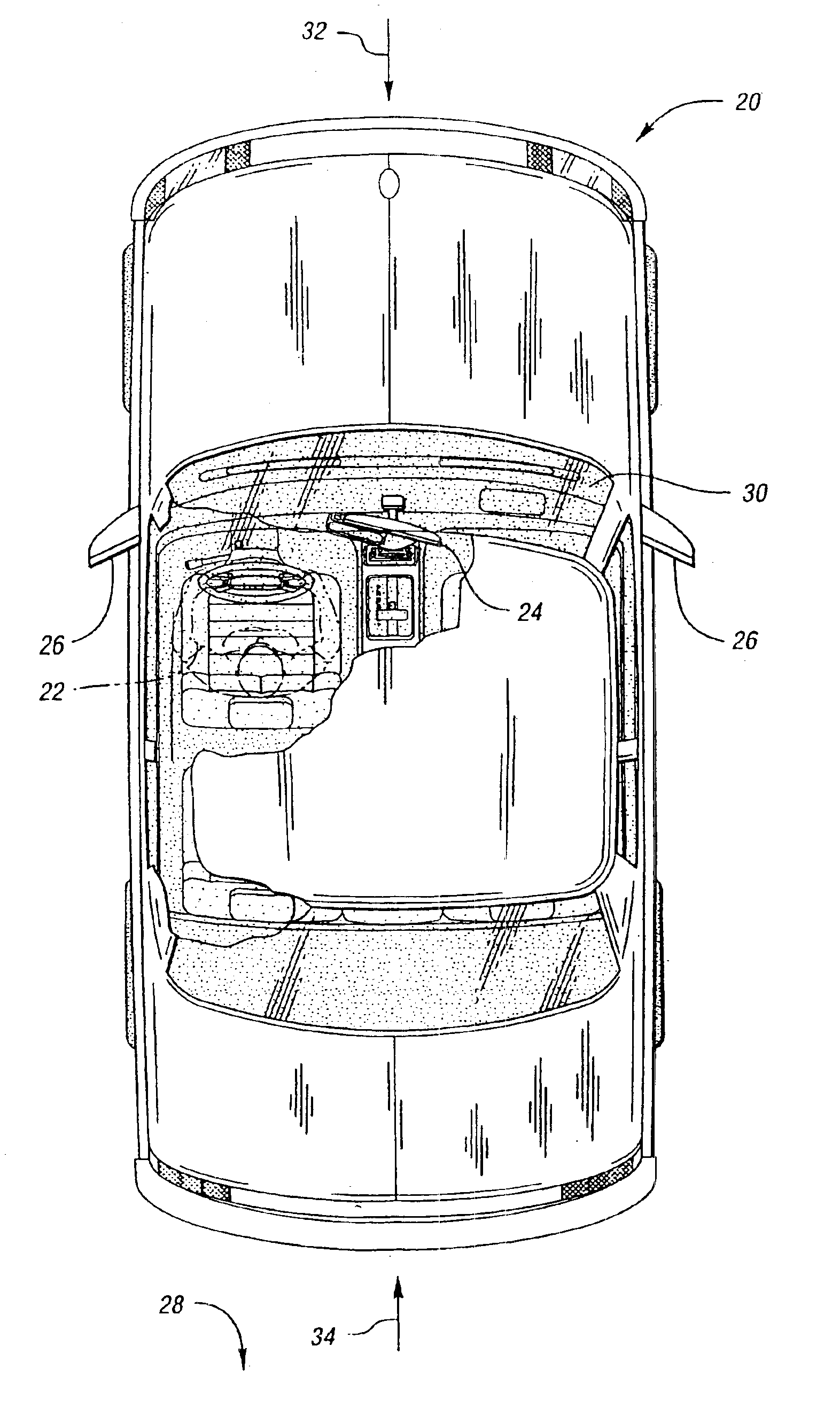
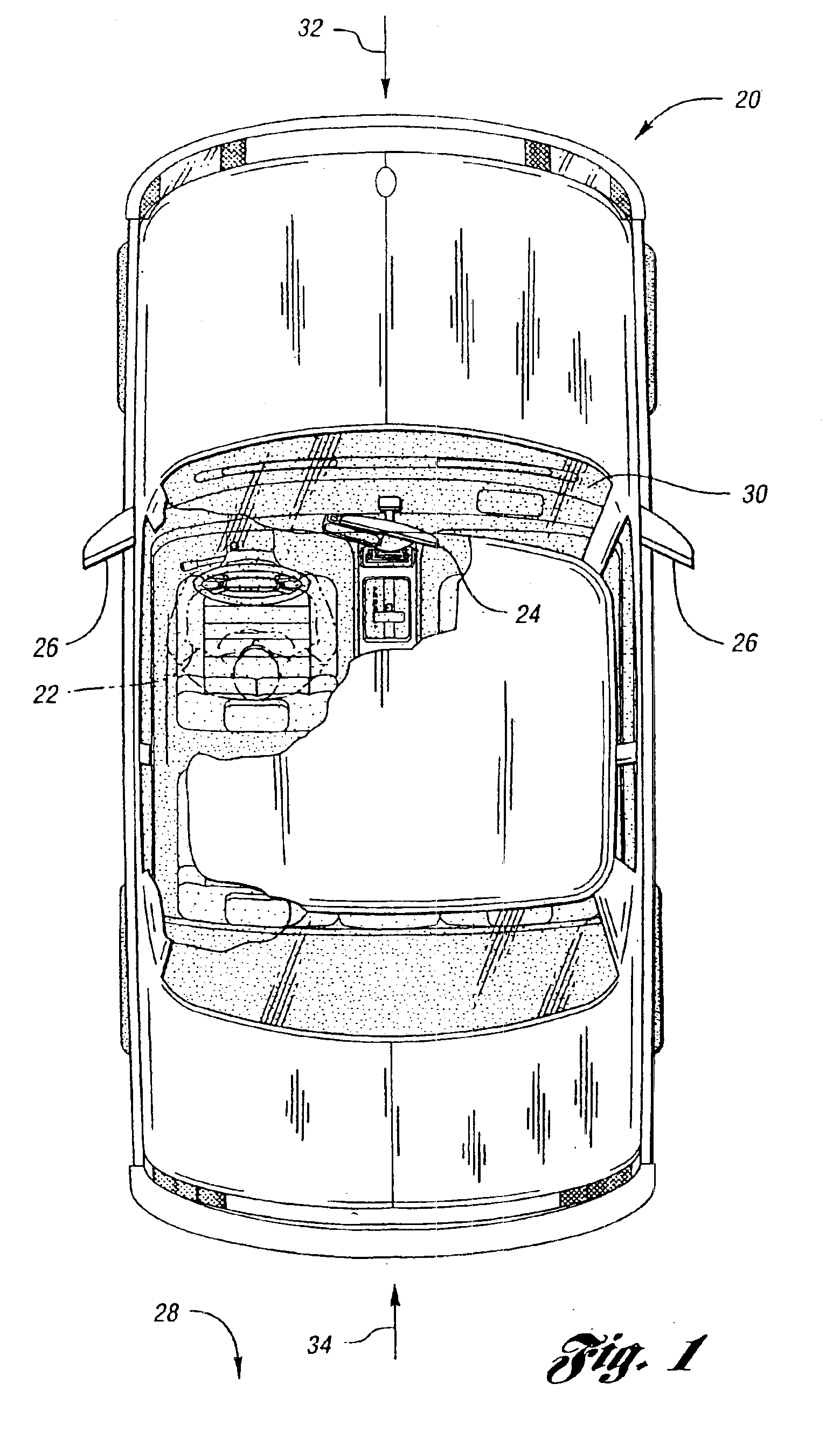
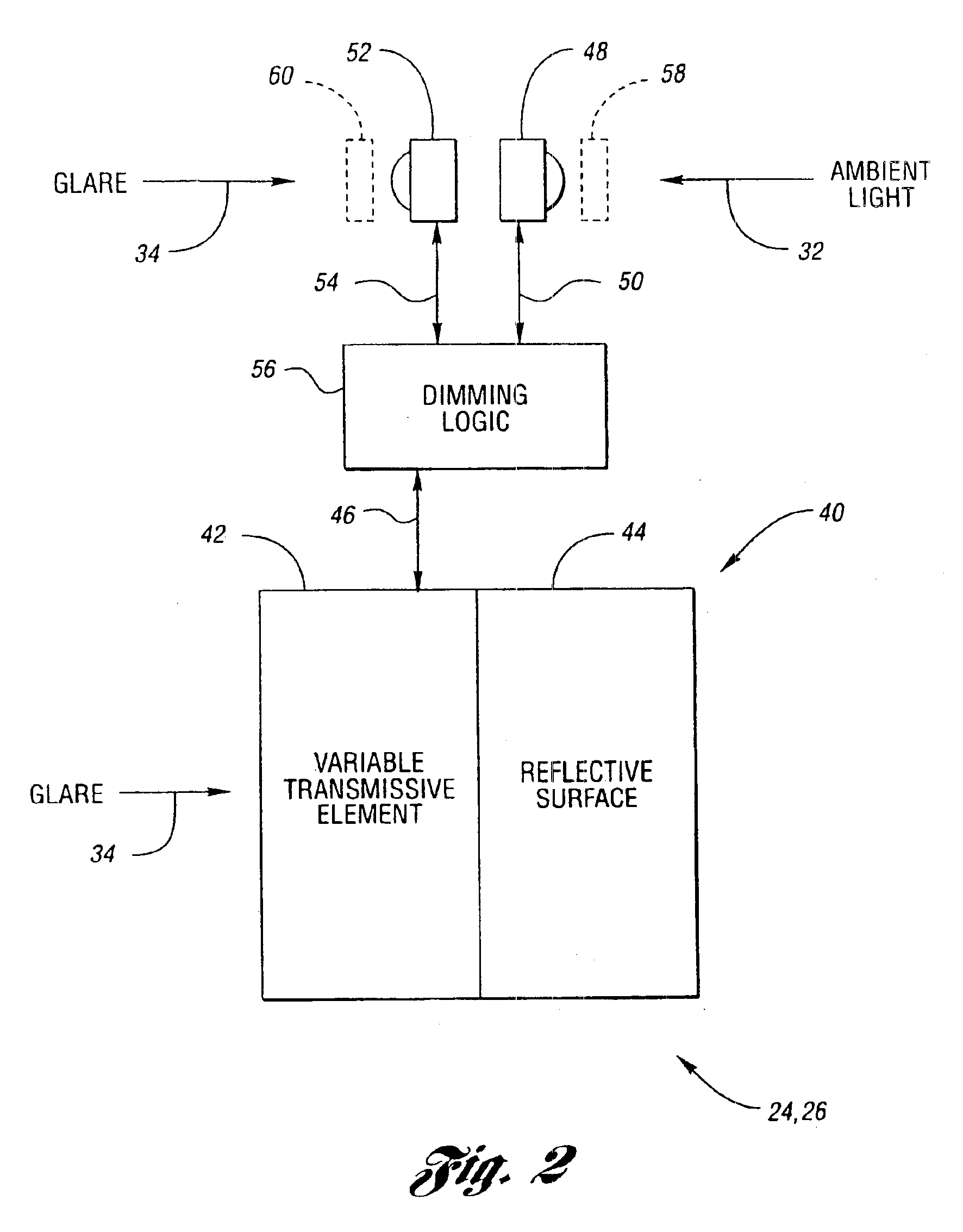

Electrochromic or electrochemichromic rearview mirror assembly
PatentInactiveEP0448260A3
Innovation
- An electrochromic and/or electrochemichromic mirror assembly with spaced apart optically transparent elements, an electrochromic or electrochemichromic medium whose light transmittance is variable with an electric field, and anti-reflective coatings on the front surface of the first element to reduce first surface reflectivity and minimize double imaging.

Automotive Safety Standards for Mirror Luminance and Glare Control
Automotive safety standards for mirror luminance and glare control have evolved significantly to address the critical safety concerns associated with driver visibility and comfort. The Federal Motor Vehicle Safety Standard (FMVSS) 111 in the United States establishes comprehensive requirements for rearview mirrors, including specific luminance thresholds that directly impact electrochromic mirror performance evaluation. These standards mandate that interior rearview mirrors must provide adequate visibility while minimizing glare that could impair driver vision during nighttime driving conditions.
The Society of Automotive Engineers (SAE) has developed complementary standards, particularly SAE J964 and SAE J1757, which define measurement protocols for mirror reflectance and glare characteristics. These standards specify that mirror luminance should not exceed 4000 cd/m² under high-beam headlight conditions, while maintaining minimum reflectance levels of 35% for daytime visibility. The quantification of electrochromic mirror performance must align with these established benchmarks to ensure regulatory compliance and market acceptance.
European regulations under ECE R46 provide additional framework for mirror performance standards, emphasizing the importance of automatic dimming capabilities in reducing glare exposure. These regulations specify that electrochromic mirrors must demonstrate consistent performance across temperature ranges from -30°C to +80°C, with response times not exceeding 10 seconds for full dimming activation. The standards also require that dimmed mirrors maintain sufficient reflectance to preserve essential visibility of following vehicles.
International Organization for Standardization (ISO) standards, particularly ISO 14253 and ISO 16505, establish measurement methodologies for quantifying luminance reduction effectiveness. These standards define specific test conditions, including ambient lighting parameters, measurement angles, and calibration requirements for photometric equipment used in electrochromic mirror evaluation. Compliance with these measurement protocols ensures consistent and reproducible results across different testing facilities and manufacturers.
The integration of these various safety standards creates a comprehensive framework for evaluating electrochromic mirror glare reduction performance, providing clear benchmarks for the cd/m² measurements that validate both safety effectiveness and regulatory compliance in automotive applications.
The Society of Automotive Engineers (SAE) has developed complementary standards, particularly SAE J964 and SAE J1757, which define measurement protocols for mirror reflectance and glare characteristics. These standards specify that mirror luminance should not exceed 4000 cd/m² under high-beam headlight conditions, while maintaining minimum reflectance levels of 35% for daytime visibility. The quantification of electrochromic mirror performance must align with these established benchmarks to ensure regulatory compliance and market acceptance.
European regulations under ECE R46 provide additional framework for mirror performance standards, emphasizing the importance of automatic dimming capabilities in reducing glare exposure. These regulations specify that electrochromic mirrors must demonstrate consistent performance across temperature ranges from -30°C to +80°C, with response times not exceeding 10 seconds for full dimming activation. The standards also require that dimmed mirrors maintain sufficient reflectance to preserve essential visibility of following vehicles.
International Organization for Standardization (ISO) standards, particularly ISO 14253 and ISO 16505, establish measurement methodologies for quantifying luminance reduction effectiveness. These standards define specific test conditions, including ambient lighting parameters, measurement angles, and calibration requirements for photometric equipment used in electrochromic mirror evaluation. Compliance with these measurement protocols ensures consistent and reproducible results across different testing facilities and manufacturers.
The integration of these various safety standards creates a comprehensive framework for evaluating electrochromic mirror glare reduction performance, providing clear benchmarks for the cd/m² measurements that validate both safety effectiveness and regulatory compliance in automotive applications.
Energy Efficiency Considerations in Electrochromic Mirror Design
Energy efficiency represents a critical design parameter in electrochromic mirror systems, particularly when quantifying glare reduction performance measured in cd/m². The relationship between energy consumption and optical performance directly impacts the viability of electrochromic technology in automotive and architectural applications. Optimizing power consumption while maintaining effective glare reduction capabilities requires careful consideration of multiple design factors that influence both electrical and optical characteristics.
The switching energy required for electrochromic state transitions significantly affects overall system efficiency. Lower voltage operation reduces power consumption during tinting processes, while faster switching times minimize the duration of peak power draw. Advanced electrochromic materials with improved ionic conductivity enable more efficient charge transfer, reducing the energy required to achieve target luminance levels. Material selection directly correlates with the energy needed to maintain specific cd/m² reduction values over extended periods.
Thermal management plays a crucial role in energy efficiency optimization. Excessive heat generation during electrochromic operation not only wastes energy but can degrade optical performance and reduce the achievable glare reduction effectiveness. Efficient thermal design ensures consistent performance across varying environmental conditions while minimizing parasitic energy losses that could compromise the quantified cd/m² reduction capabilities.
Power management strategies significantly influence long-term energy efficiency in electrochromic mirror systems. Implementing intelligent control algorithms that optimize switching patterns based on ambient light conditions can reduce unnecessary power consumption while maintaining desired glare reduction levels. Energy harvesting techniques, such as integrating photovoltaic cells, can offset power requirements and improve overall system sustainability.
The relationship between energy efficiency and optical durability affects long-term performance metrics. Energy-efficient designs that minimize electrochemical stress can extend operational lifespan while maintaining consistent cd/m² reduction capabilities. This consideration becomes particularly important in applications requiring frequent switching cycles, where cumulative energy consumption and performance degradation must be balanced to achieve optimal system efficiency throughout the product lifecycle.
The switching energy required for electrochromic state transitions significantly affects overall system efficiency. Lower voltage operation reduces power consumption during tinting processes, while faster switching times minimize the duration of peak power draw. Advanced electrochromic materials with improved ionic conductivity enable more efficient charge transfer, reducing the energy required to achieve target luminance levels. Material selection directly correlates with the energy needed to maintain specific cd/m² reduction values over extended periods.
Thermal management plays a crucial role in energy efficiency optimization. Excessive heat generation during electrochromic operation not only wastes energy but can degrade optical performance and reduce the achievable glare reduction effectiveness. Efficient thermal design ensures consistent performance across varying environmental conditions while minimizing parasitic energy losses that could compromise the quantified cd/m² reduction capabilities.
Power management strategies significantly influence long-term energy efficiency in electrochromic mirror systems. Implementing intelligent control algorithms that optimize switching patterns based on ambient light conditions can reduce unnecessary power consumption while maintaining desired glare reduction levels. Energy harvesting techniques, such as integrating photovoltaic cells, can offset power requirements and improve overall system sustainability.
The relationship between energy efficiency and optical durability affects long-term performance metrics. Energy-efficient designs that minimize electrochemical stress can extend operational lifespan while maintaining consistent cd/m² reduction capabilities. This consideration becomes particularly important in applications requiring frequent switching cycles, where cumulative energy consumption and performance degradation must be balanced to achieve optimal system efficiency throughout the product lifecycle.
Unlock deeper insights with PatSnap Eureka Quick Research — get a full tech report to explore trends and direct your research. Try now!
Generate Your Research Report Instantly with AI Agent
Supercharge your innovation with PatSnap Eureka AI Agent Platform!