

Quantify electrochromic mirror haze with ASTM D1003 setup
MAY 11, 20269 MIN READ
Generate Your Research Report Instantly with AI Agent
PatSnap Eureka helps you evaluate technical feasibility & market potential.
Electrochromic Mirror Haze Quantification Background and Objectives
Electrochromic mirrors represent a transformative technology in automotive and architectural applications, offering dynamic control over optical properties through electrical stimulation. These smart mirrors can transition between reflective and transmissive states, enabling features such as automatic dimming in rearview mirrors and privacy control in smart windows. However, the practical implementation of electrochromic mirrors faces significant challenges related to optical clarity and performance consistency.
Haze formation in electrochromic mirrors has emerged as a critical technical barrier affecting both functionality and user experience. This optical phenomenon manifests as light scattering that reduces image clarity and compromises the mirror's primary function. The haze can originate from various sources including ion migration within electrochromic layers, interface roughness between different material layers, and degradation of transparent conductive coatings during switching cycles.
The quantification of haze levels has become increasingly important as electrochromic mirror technology advances toward commercial viability. Traditional subjective assessment methods lack the precision and reproducibility required for quality control and product development. The automotive industry, in particular, demands stringent optical performance standards for safety-critical applications such as rearview mirrors, where even minor haze levels can impact driver visibility.
ASTM D1003 standard provides a well-established methodology for measuring haze in transparent materials, utilizing the ratio of diffused transmittance to total transmittance. While originally developed for conventional transparent materials, adapting this standard to electrochromic mirrors presents unique challenges due to their variable optical properties and complex multilayer structures.
The primary objective of this technical investigation is to establish a reliable framework for quantifying haze in electrochromic mirrors using ASTM D1003 methodology. This involves developing standardized measurement protocols that account for the dynamic nature of electrochromic materials and their switching states. Additionally, the research aims to correlate haze measurements with material properties and processing parameters to enable predictive quality control.
Secondary objectives include identifying the dominant mechanisms contributing to haze formation in different electrochromic mirror configurations and establishing acceptable haze thresholds for various application scenarios. The ultimate goal is to provide manufacturers with practical tools for optimizing electrochromic mirror performance and ensuring consistent product quality across production batches.
Haze formation in electrochromic mirrors has emerged as a critical technical barrier affecting both functionality and user experience. This optical phenomenon manifests as light scattering that reduces image clarity and compromises the mirror's primary function. The haze can originate from various sources including ion migration within electrochromic layers, interface roughness between different material layers, and degradation of transparent conductive coatings during switching cycles.
The quantification of haze levels has become increasingly important as electrochromic mirror technology advances toward commercial viability. Traditional subjective assessment methods lack the precision and reproducibility required for quality control and product development. The automotive industry, in particular, demands stringent optical performance standards for safety-critical applications such as rearview mirrors, where even minor haze levels can impact driver visibility.
ASTM D1003 standard provides a well-established methodology for measuring haze in transparent materials, utilizing the ratio of diffused transmittance to total transmittance. While originally developed for conventional transparent materials, adapting this standard to electrochromic mirrors presents unique challenges due to their variable optical properties and complex multilayer structures.
The primary objective of this technical investigation is to establish a reliable framework for quantifying haze in electrochromic mirrors using ASTM D1003 methodology. This involves developing standardized measurement protocols that account for the dynamic nature of electrochromic materials and their switching states. Additionally, the research aims to correlate haze measurements with material properties and processing parameters to enable predictive quality control.
Secondary objectives include identifying the dominant mechanisms contributing to haze formation in different electrochromic mirror configurations and establishing acceptable haze thresholds for various application scenarios. The ultimate goal is to provide manufacturers with practical tools for optimizing electrochromic mirror performance and ensuring consistent product quality across production batches.
Market Demand for High-Quality Electrochromic Mirror Applications
The automotive industry represents the largest and most rapidly expanding market segment for high-quality electrochromic mirrors. Modern vehicles increasingly incorporate smart rearview mirrors and side mirrors that automatically adjust their reflectance based on ambient lighting conditions. These applications demand exceptional optical clarity and minimal haze to ensure driver safety and optimal visibility. The growing adoption of advanced driver assistance systems and autonomous vehicle technologies further amplifies the need for precision-engineered electrochromic mirrors with stringent haze specifications.
Aerospace and aviation sectors constitute another critical market demanding superior electrochromic mirror performance. Aircraft cockpit displays, helmet-mounted systems, and cabin windows require electrochromic materials with extremely low haze levels to maintain visual acuity under varying atmospheric conditions. The stringent safety regulations and performance standards in aviation create substantial demand for rigorously tested electrochromic components that meet precise optical specifications.
Architectural applications drive significant market demand for large-scale electrochromic mirror installations in commercial and residential buildings. Smart windows and facades incorporating electrochromic technology must maintain excellent optical properties while providing dynamic light control. Building owners and architects increasingly specify low-haze electrochromic solutions to preserve aesthetic appeal and occupant comfort while achieving energy efficiency goals.
Consumer electronics markets show growing interest in electrochromic mirror applications for smartphones, tablets, and wearable devices. These applications require compact, high-performance electrochromic elements with minimal optical distortion to support augmented reality displays and adaptive screen technologies. The miniaturization trend in electronics necessitates precise haze measurement and control to ensure optimal user experience.
The medical device industry presents emerging opportunities for specialized electrochromic mirror applications in surgical instruments, diagnostic equipment, and patient monitoring systems. These applications demand exceptional optical clarity and reliability, driving requirements for comprehensive haze characterization using standardized measurement protocols.
Market growth is further supported by increasing environmental consciousness and energy efficiency regulations worldwide. Governments and regulatory bodies promote smart glass technologies that reduce building energy consumption, creating sustained demand for high-quality electrochromic materials with verified optical performance characteristics.
Aerospace and aviation sectors constitute another critical market demanding superior electrochromic mirror performance. Aircraft cockpit displays, helmet-mounted systems, and cabin windows require electrochromic materials with extremely low haze levels to maintain visual acuity under varying atmospheric conditions. The stringent safety regulations and performance standards in aviation create substantial demand for rigorously tested electrochromic components that meet precise optical specifications.
Architectural applications drive significant market demand for large-scale electrochromic mirror installations in commercial and residential buildings. Smart windows and facades incorporating electrochromic technology must maintain excellent optical properties while providing dynamic light control. Building owners and architects increasingly specify low-haze electrochromic solutions to preserve aesthetic appeal and occupant comfort while achieving energy efficiency goals.
Consumer electronics markets show growing interest in electrochromic mirror applications for smartphones, tablets, and wearable devices. These applications require compact, high-performance electrochromic elements with minimal optical distortion to support augmented reality displays and adaptive screen technologies. The miniaturization trend in electronics necessitates precise haze measurement and control to ensure optimal user experience.
The medical device industry presents emerging opportunities for specialized electrochromic mirror applications in surgical instruments, diagnostic equipment, and patient monitoring systems. These applications demand exceptional optical clarity and reliability, driving requirements for comprehensive haze characterization using standardized measurement protocols.
Market growth is further supported by increasing environmental consciousness and energy efficiency regulations worldwide. Governments and regulatory bodies promote smart glass technologies that reduce building energy consumption, creating sustained demand for high-quality electrochromic materials with verified optical performance characteristics.
Current Haze Measurement Challenges in Electrochromic Devices
Electrochromic devices face significant measurement challenges when quantifying haze levels, particularly when attempting to adapt traditional ASTM D1003 methodologies to dynamic optical systems. The fundamental challenge stems from the inherent variability in electrochromic materials, which exhibit different optical properties depending on their switching state, applied voltage, and environmental conditions.
Traditional haze measurement protocols assume static optical properties, but electrochromic mirrors present a moving target where transmission and reflection characteristics change continuously during state transitions. The ASTM D1003 standard, originally designed for static transparent materials, encounters difficulties when applied to electrochromic systems that operate in reflective modes and exhibit time-dependent optical behavior.
Temperature sensitivity represents another critical challenge, as electrochromic devices demonstrate significant performance variations across operating temperature ranges. Haze measurements can fluctuate substantially between cold startup conditions and steady-state operation, making it difficult to establish consistent baseline measurements. This thermal dependency complicates the establishment of standardized testing protocols.
The multi-layered architecture of electrochromic devices introduces additional complexity to haze quantification. Unlike simple transparent substrates, these devices contain multiple interfaces including conductive coatings, ion storage layers, and electrolyte materials, each contributing differently to overall haze characteristics. The interaction between these layers creates optical interference effects that traditional measurement approaches struggle to isolate and quantify accurately.
Aging and cycling effects present long-term measurement challenges, as electrochromic devices experience gradual changes in optical properties over their operational lifetime. Haze levels may increase due to material degradation, ion migration, or interface deterioration, requiring measurement protocols that can distinguish between temporary state-dependent variations and permanent degradation effects.
Current measurement setups also struggle with the angular dependency of haze in electrochromic mirrors. The reflective nature of these devices means that haze characteristics vary significantly with viewing angle, unlike transmission-based measurements where angular effects are more predictable. This necessitates modified measurement geometries and potentially multiple measurement positions to capture comprehensive haze behavior.
Standardization gaps exist between laboratory measurement conditions and real-world operating environments. Electrochromic mirrors in automotive applications, for instance, experience vibration, varying illumination conditions, and electrical noise that can influence haze measurements, creating discrepancies between controlled laboratory results and field performance data.
Traditional haze measurement protocols assume static optical properties, but electrochromic mirrors present a moving target where transmission and reflection characteristics change continuously during state transitions. The ASTM D1003 standard, originally designed for static transparent materials, encounters difficulties when applied to electrochromic systems that operate in reflective modes and exhibit time-dependent optical behavior.
Temperature sensitivity represents another critical challenge, as electrochromic devices demonstrate significant performance variations across operating temperature ranges. Haze measurements can fluctuate substantially between cold startup conditions and steady-state operation, making it difficult to establish consistent baseline measurements. This thermal dependency complicates the establishment of standardized testing protocols.
The multi-layered architecture of electrochromic devices introduces additional complexity to haze quantification. Unlike simple transparent substrates, these devices contain multiple interfaces including conductive coatings, ion storage layers, and electrolyte materials, each contributing differently to overall haze characteristics. The interaction between these layers creates optical interference effects that traditional measurement approaches struggle to isolate and quantify accurately.
Aging and cycling effects present long-term measurement challenges, as electrochromic devices experience gradual changes in optical properties over their operational lifetime. Haze levels may increase due to material degradation, ion migration, or interface deterioration, requiring measurement protocols that can distinguish between temporary state-dependent variations and permanent degradation effects.
Current measurement setups also struggle with the angular dependency of haze in electrochromic mirrors. The reflective nature of these devices means that haze characteristics vary significantly with viewing angle, unlike transmission-based measurements where angular effects are more predictable. This necessitates modified measurement geometries and potentially multiple measurement positions to capture comprehensive haze behavior.
Standardization gaps exist between laboratory measurement conditions and real-world operating environments. Electrochromic mirrors in automotive applications, for instance, experience vibration, varying illumination conditions, and electrical noise that can influence haze measurements, creating discrepancies between controlled laboratory results and field performance data.
Existing ASTM D1003 Setup Solutions for Haze Measurement
01 Electrochromic layer composition and materials
The composition and selection of electrochromic materials significantly impact haze formation in mirrors. Different electrochromic compounds and their molecular structures affect the optical clarity and scattering properties of the device. The choice of active materials, their purity, and processing methods directly influence the final haze characteristics of the electrochromic mirror.- Electrochromic layer composition and materials: The composition and selection of electrochromic materials significantly impact haze formation in mirrors. Different electrochromic compounds and their molecular structures affect the optical clarity and light scattering properties. The choice of active electrochromic materials, their purity, and processing methods directly influence the final optical performance and haze characteristics of the mirror system.
- Ion conductor and electrolyte optimization: The ion conductor layer and electrolyte composition play crucial roles in haze control. The ionic conductivity, transparency, and interface compatibility between the ion conductor and electrochromic layers affect light transmission and scattering. Proper formulation and thickness control of these components help minimize optical distortions and maintain clarity during switching operations.
- Substrate and transparent conductor interface: The quality and properties of transparent conductive layers and their interfaces with substrates significantly influence haze formation. Surface roughness, coating uniformity, and adhesion between layers affect light scattering. Proper surface treatment and deposition techniques for transparent conductors help achieve optimal optical performance and reduce unwanted haze effects.
- Manufacturing process and deposition techniques: The manufacturing methods and deposition processes used to create electrochromic mirror layers directly impact haze levels. Parameters such as deposition temperature, pressure, and post-processing treatments affect layer morphology and optical properties. Optimized manufacturing processes ensure uniform layer formation and minimize defects that contribute to light scattering and haze.
- Sealing and environmental protection: Proper sealing techniques and environmental protection measures are essential for maintaining low haze levels over time. Moisture ingress, contamination, and degradation of electrochromic materials can increase haze formation. Effective edge sealing, barrier coatings, and protective encapsulation help preserve optical clarity and prevent environmental factors from affecting mirror performance.
02 Substrate and interface optimization
The substrate material and interface quality between different layers play a crucial role in haze control. Surface roughness, contamination, and adhesion properties at interfaces can cause light scattering and contribute to haze formation. Proper substrate preparation and interface engineering are essential for achieving low-haze electrochromic mirrors.Expand Specific Solutions03 Ion conductor and electrolyte effects
The ion conductor layer and electrolyte composition significantly influence haze development in electrochromic devices. The uniformity, thickness, and ionic conductivity of these layers affect the switching performance and optical properties. Crystallization, phase separation, or degradation of the ion conductor can lead to increased haze over time.Expand Specific Solutions04 Manufacturing process and deposition techniques
The manufacturing methods and deposition techniques used to create electrochromic mirrors directly impact haze formation. Parameters such as deposition temperature, pressure, and post-processing treatments affect layer uniformity and optical quality. Optimized manufacturing processes are critical for minimizing defects that contribute to haze.Expand Specific Solutions05 Protective coatings and encapsulation
Protective layers and encapsulation methods are important for preventing haze development due to environmental factors and aging. These protective measures help maintain optical clarity by preventing moisture ingress, oxidation, and other degradation mechanisms that can increase haze over the device lifetime.Expand Specific Solutions
Key Players in Electrochromic Mirror and Testing Equipment Industry
The electrochromic mirror haze quantification using ASTM D1003 setup represents a specialized niche within the broader smart glass and optical materials industry, currently in an emerging growth phase with significant market expansion potential driven by automotive and architectural applications. The market demonstrates moderate fragmentation with established chemical and materials companies leading development efforts. Technology maturity varies considerably across key players, with advanced materials specialists like 3M Innovative Properties Co., PPG Industries Ohio Inc., and DuPont de Nemours Inc. showing high technical sophistication in optical coatings and electrochromic materials. Japanese conglomerates including Canon Inc., Toray Industries Inc., and Nitto Denko Corp. contribute substantial R&D capabilities in precision optics and functional films. Meanwhile, companies like EssilorLuxottica SA and Johnson & Johnson Vision Care Inc. bring specialized optical measurement expertise from adjacent markets, creating a competitive landscape where traditional materials science intersects with emerging smart glass technologies.
3M Innovative Properties Co.
Technical Solution: 3M has developed comprehensive optical measurement solutions utilizing ASTM D1003 standard for haze quantification in electrochromic materials. Their approach integrates advanced spectrophotometry with standardized measurement protocols to accurately assess light scattering properties in electrochromic mirrors. The company's technology focuses on precise calibration methods and automated measurement systems that can detect minute changes in haze levels during electrochromic switching cycles, enabling quality control and performance optimization for automotive and architectural applications.
Strengths: Extensive experience in optical measurement standards and established market presence in automotive applications. Weaknesses: Limited specialization specifically in electrochromic technology compared to dedicated smart glass manufacturers.
PPG Industries Ohio, Inc.
Technical Solution: PPG Industries has developed sophisticated electrochromic mirror technologies with integrated haze measurement capabilities based on ASTM D1003 protocols. Their solution incorporates real-time monitoring systems that continuously assess optical clarity during electrochromic state transitions. The company's approach utilizes advanced polymer-based electrochromic materials with optimized ion transport properties to minimize haze formation. Their measurement setup includes specialized light sources and detection systems calibrated according to ASTM D1003 requirements, enabling precise quantification of haze levels across different switching states and environmental conditions.
Strengths: Strong expertise in coatings and glass technologies with established automotive partnerships. Weaknesses: Higher cost structure compared to specialized measurement equipment manufacturers.
Core Innovations in Electrochromic Haze Quantification Methods
Apparatus for measuring light scattering
PatentActiveUS20180149589A1
Innovation
- A compact device using spatial filters with two apertures to separate and measure low and high k vectors, combined with a light sensor, allowing for the calculation of haze values without the need for large integration spheres or multiple detectors, enabling smaller, more affordable, and in-line measurements.


System and method for haze measurement
PatentActiveUS20150260648A1
Innovation
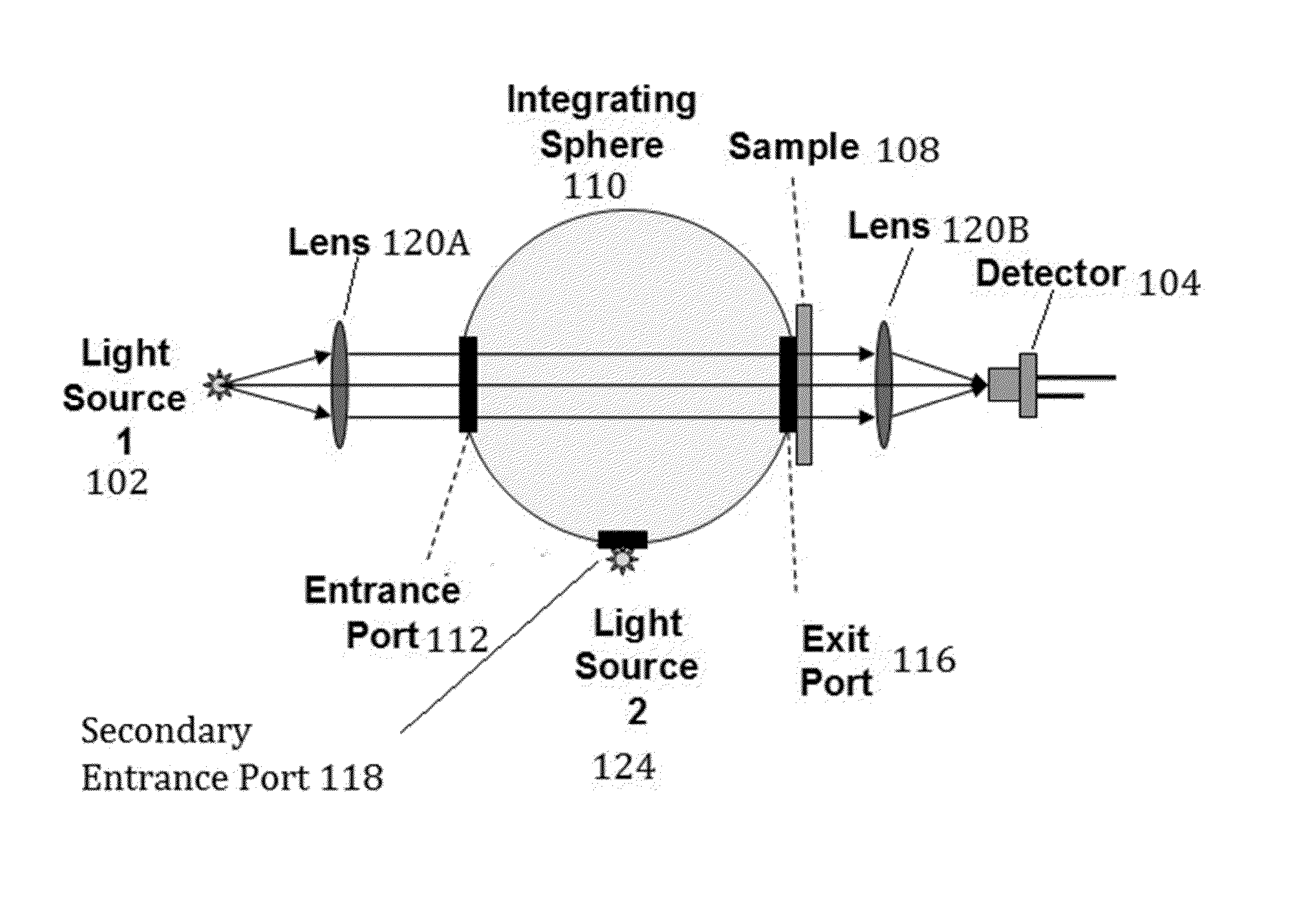
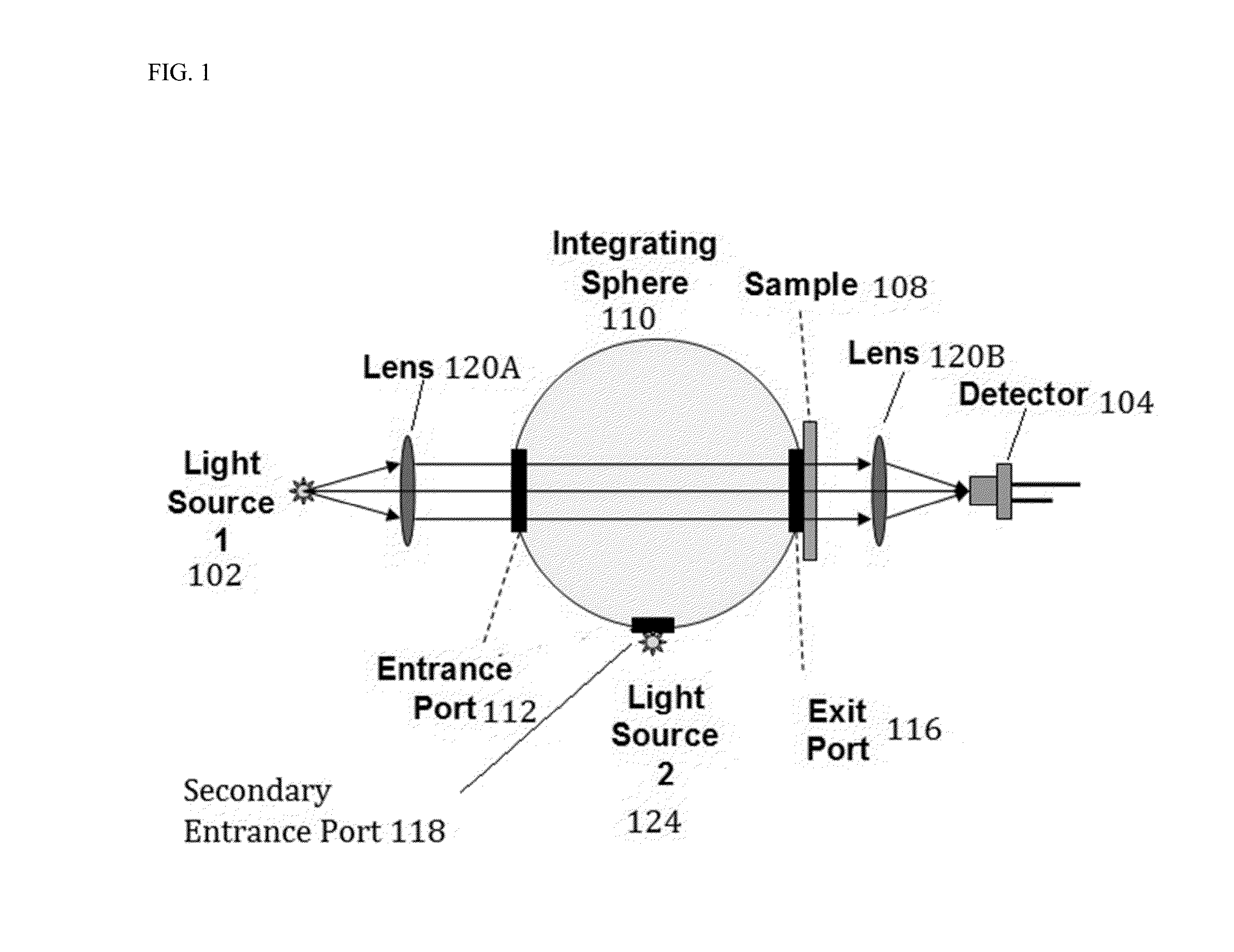
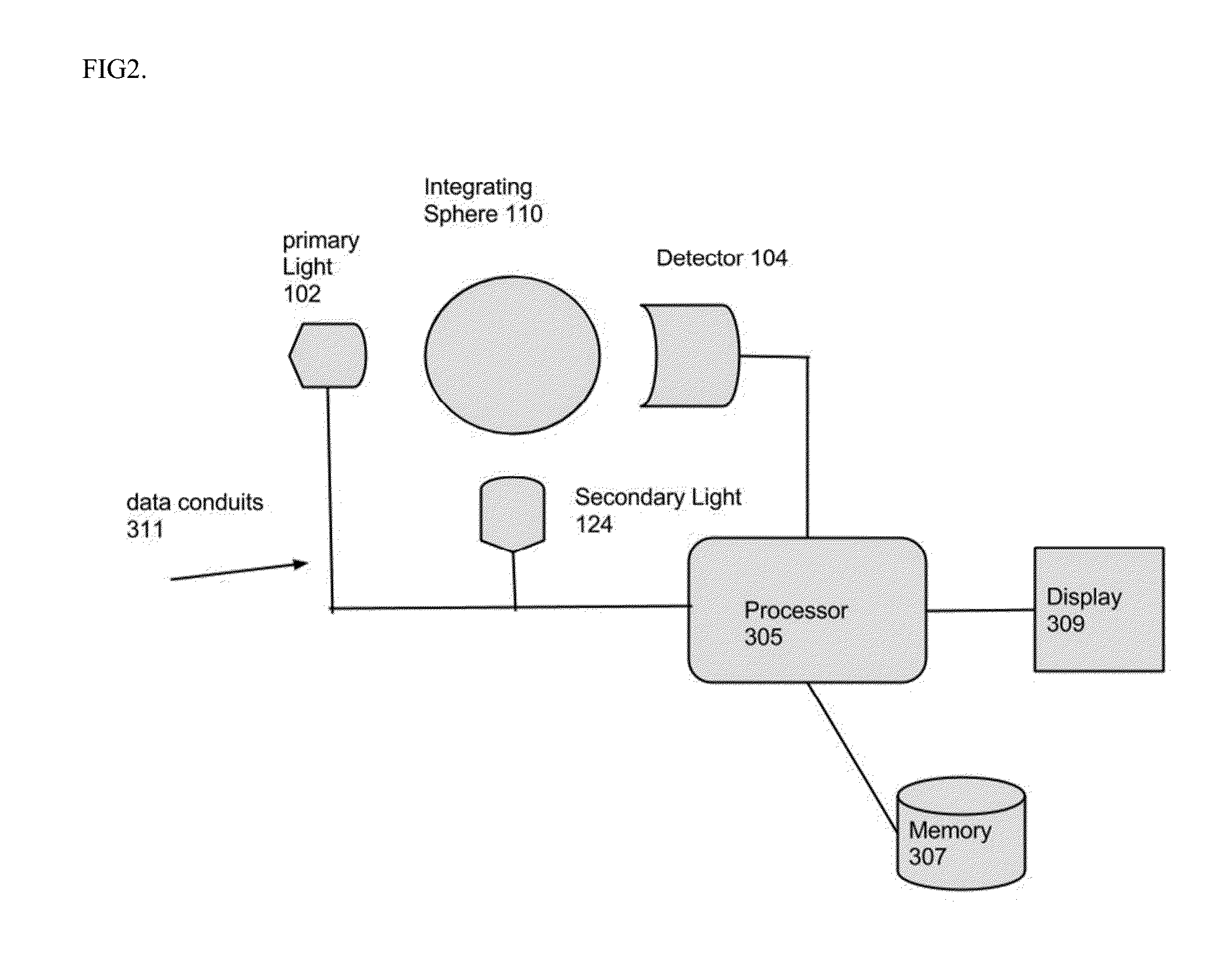
- A system utilizing multiple light sources and an integrating sphere with variable configuration, including multiple entrance and exit ports, to accurately measure haze values by directing light beams through the sphere and detecting scattered light with a processor that calculates haze characteristics using specific algorithms.

Automotive Safety Standards for Electrochromic Mirror Clarity
Automotive safety standards for electrochromic mirror clarity have evolved significantly to address the critical balance between glare reduction and visual acuity in vehicle operation. The Federal Motor Vehicle Safety Standard (FMVSS) 111 establishes baseline requirements for rearview mirror reflectance, mandating minimum visibility thresholds that electrochromic mirrors must maintain even in their darkened state. These regulations specify that mirrors must provide adequate reflectance levels to ensure drivers can detect approaching vehicles and obstacles under various lighting conditions.
The Society of Automotive Engineers (SAE) has developed complementary standards, particularly SAE J964, which defines performance criteria for electrochromic mirrors including switching speed, durability, and optical clarity parameters. This standard emphasizes the importance of maintaining consistent optical properties throughout the mirror's operational lifecycle, addressing concerns about degradation that could compromise safety performance over time.
European automotive safety regulations, governed by ECE R46, impose additional stringency on electrochromic mirror systems, particularly regarding haze measurements and optical distortion limits. These standards recognize that excessive haze can significantly impair depth perception and object recognition, potentially creating hazardous driving conditions. The regulation mandates regular testing protocols to ensure mirrors maintain acceptable clarity levels throughout their service life.
International harmonization efforts have led to the development of ISO 14644 standards specifically addressing electrochromic device optical performance in automotive applications. These standards establish unified testing methodologies and acceptance criteria that manufacturers must meet across global markets, ensuring consistent safety performance regardless of regional deployment.
Recent regulatory developments have introduced more stringent requirements for quantitative haze measurement, recognizing that subjective visual assessments are insufficient for ensuring consistent safety performance. Modern standards now mandate objective measurement protocols using standardized equipment and procedures, with specific attention to the ASTM D1003 methodology for its precision and repeatability in automotive testing environments.
The integration of advanced driver assistance systems (ADAS) has prompted regulatory bodies to reassess electrochromic mirror clarity requirements, as these systems increasingly rely on clear visual pathways for optimal sensor performance. Current safety standards are evolving to accommodate these technological advances while maintaining fundamental visibility requirements for human drivers.
The Society of Automotive Engineers (SAE) has developed complementary standards, particularly SAE J964, which defines performance criteria for electrochromic mirrors including switching speed, durability, and optical clarity parameters. This standard emphasizes the importance of maintaining consistent optical properties throughout the mirror's operational lifecycle, addressing concerns about degradation that could compromise safety performance over time.
European automotive safety regulations, governed by ECE R46, impose additional stringency on electrochromic mirror systems, particularly regarding haze measurements and optical distortion limits. These standards recognize that excessive haze can significantly impair depth perception and object recognition, potentially creating hazardous driving conditions. The regulation mandates regular testing protocols to ensure mirrors maintain acceptable clarity levels throughout their service life.
International harmonization efforts have led to the development of ISO 14644 standards specifically addressing electrochromic device optical performance in automotive applications. These standards establish unified testing methodologies and acceptance criteria that manufacturers must meet across global markets, ensuring consistent safety performance regardless of regional deployment.
Recent regulatory developments have introduced more stringent requirements for quantitative haze measurement, recognizing that subjective visual assessments are insufficient for ensuring consistent safety performance. Modern standards now mandate objective measurement protocols using standardized equipment and procedures, with specific attention to the ASTM D1003 methodology for its precision and repeatability in automotive testing environments.
The integration of advanced driver assistance systems (ADAS) has prompted regulatory bodies to reassess electrochromic mirror clarity requirements, as these systems increasingly rely on clear visual pathways for optimal sensor performance. Current safety standards are evolving to accommodate these technological advances while maintaining fundamental visibility requirements for human drivers.
Calibration and Validation Protocols for Haze Testing Systems
Establishing robust calibration and validation protocols for haze testing systems is fundamental to achieving accurate and reproducible measurements of electrochromic mirror haze using ASTM D1003 methodology. These protocols ensure measurement consistency across different testing environments and provide confidence in the quantitative assessment of optical performance degradation in electrochromic devices.
The calibration process begins with the establishment of reference standards using certified haze measurement standards with known transmittance and haze values. Primary calibration standards typically include clear glass references with haze values ranging from 0% to 30%, covering the expected measurement range for electrochromic mirrors. These standards must be traceable to national measurement institutes and regularly recertified to maintain accuracy. Secondary working standards should be established for routine calibration checks, protecting primary standards from excessive handling and potential degradation.
System validation requires comprehensive verification of both hardware components and measurement procedures. The integrating sphere must be validated for proper light distribution uniformity, with sphere wall reflectance verified to exceed 95% across the visible spectrum. Photodetector linearity should be confirmed across the full dynamic range, while optical alignment verification ensures consistent beam geometry and sample positioning. Temperature stability validation is particularly critical for electrochromic mirror testing, as these devices exhibit temperature-dependent optical properties.
Measurement repeatability and reproducibility protocols establish statistical confidence limits for haze measurements. Repeatability testing involves multiple measurements of identical samples under constant conditions, typically requiring coefficient of variation below 2% for acceptable performance. Reproducibility validation encompasses measurements across different operators, instruments, and time periods, establishing broader measurement uncertainty bounds essential for quality control applications.
Inter-laboratory validation protocols enable comparison of results across different testing facilities and instrument configurations. Round-robin testing programs using characterized electrochromic mirror samples help identify systematic measurement biases and establish correction factors. These validation exercises are particularly valuable for establishing industry-wide measurement standards and supporting regulatory compliance requirements.
Documentation protocols ensure traceability and auditability of all calibration and validation activities. Calibration certificates must record environmental conditions, reference standard values, measurement uncertainties, and calibration intervals. Validation reports should document all test procedures, statistical analyses, and acceptance criteria, providing comprehensive evidence of measurement system capability and reliability for electrochromic mirror haze quantification applications.
The calibration process begins with the establishment of reference standards using certified haze measurement standards with known transmittance and haze values. Primary calibration standards typically include clear glass references with haze values ranging from 0% to 30%, covering the expected measurement range for electrochromic mirrors. These standards must be traceable to national measurement institutes and regularly recertified to maintain accuracy. Secondary working standards should be established for routine calibration checks, protecting primary standards from excessive handling and potential degradation.
System validation requires comprehensive verification of both hardware components and measurement procedures. The integrating sphere must be validated for proper light distribution uniformity, with sphere wall reflectance verified to exceed 95% across the visible spectrum. Photodetector linearity should be confirmed across the full dynamic range, while optical alignment verification ensures consistent beam geometry and sample positioning. Temperature stability validation is particularly critical for electrochromic mirror testing, as these devices exhibit temperature-dependent optical properties.
Measurement repeatability and reproducibility protocols establish statistical confidence limits for haze measurements. Repeatability testing involves multiple measurements of identical samples under constant conditions, typically requiring coefficient of variation below 2% for acceptable performance. Reproducibility validation encompasses measurements across different operators, instruments, and time periods, establishing broader measurement uncertainty bounds essential for quality control applications.
Inter-laboratory validation protocols enable comparison of results across different testing facilities and instrument configurations. Round-robin testing programs using characterized electrochromic mirror samples help identify systematic measurement biases and establish correction factors. These validation exercises are particularly valuable for establishing industry-wide measurement standards and supporting regulatory compliance requirements.
Documentation protocols ensure traceability and auditability of all calibration and validation activities. Calibration certificates must record environmental conditions, reference standard values, measurement uncertainties, and calibration intervals. Validation reports should document all test procedures, statistical analyses, and acceptance criteria, providing comprehensive evidence of measurement system capability and reliability for electrochromic mirror haze quantification applications.
Unlock deeper insights with PatSnap Eureka Quick Research — get a full tech report to explore trends and direct your research. Try now!
Generate Your Research Report Instantly with AI Agent
Supercharge your innovation with PatSnap Eureka AI Agent Platform!