

Quantify electrochromic mirror memory effect after 24 h rest
MAY 11, 20269 MIN READ
Generate Your Research Report Instantly with AI Agent
PatSnap Eureka helps you evaluate technical feasibility & market potential.
Electrochromic Mirror Technology Background and Objectives
Electrochromic mirror technology represents a significant advancement in smart glass applications, combining the reflective properties of traditional mirrors with dynamic optical control capabilities. This technology utilizes electrochromic materials that can reversibly change their optical properties when subjected to electrical stimuli, enabling mirrors to transition between reflective and transparent states or adjust their tinting levels on demand.
The fundamental principle underlying electrochromic mirrors involves the electrochemical insertion and extraction of ions within thin-film layers, typically comprising tungsten oxide, nickel oxide, or organic conducting polymers. When voltage is applied, these materials undergo redox reactions that alter their electronic structure, consequently modifying their optical absorption and reflection characteristics. This process enables precise control over mirror reflectivity, transparency, and color properties.
Current market applications span automotive rearview mirrors, architectural smart windows, aerospace displays, and consumer electronics. The automotive sector has emerged as the primary driver, with electrochromic mirrors providing automatic glare reduction and enhanced driver safety. Smart building applications leverage this technology for energy-efficient window systems that regulate solar heat gain and natural lighting.
The memory effect phenomenon in electrochromic devices represents a critical performance parameter that significantly impacts commercial viability. This effect manifests as the retention of optical states after power removal, with devices potentially maintaining altered reflectivity or transparency levels for extended periods. Understanding and quantifying this behavior after 24-hour rest periods is essential for predicting long-term device stability and energy consumption patterns.
The primary objective of investigating electrochromic mirror memory effects focuses on establishing reliable measurement protocols and performance benchmarks. Accurate quantification enables manufacturers to optimize material compositions, device architectures, and operating parameters to minimize unwanted state retention while maximizing switching efficiency and cycle life.
Advanced characterization techniques including spectrophotometry, electrochemical impedance spectroscopy, and in-situ optical monitoring provide comprehensive insights into memory effect mechanisms. These methodologies enable correlation between material properties, device design parameters, and observed memory behavior, facilitating targeted improvements in electrochromic mirror performance and reliability for next-generation smart optical systems.
The fundamental principle underlying electrochromic mirrors involves the electrochemical insertion and extraction of ions within thin-film layers, typically comprising tungsten oxide, nickel oxide, or organic conducting polymers. When voltage is applied, these materials undergo redox reactions that alter their electronic structure, consequently modifying their optical absorption and reflection characteristics. This process enables precise control over mirror reflectivity, transparency, and color properties.
Current market applications span automotive rearview mirrors, architectural smart windows, aerospace displays, and consumer electronics. The automotive sector has emerged as the primary driver, with electrochromic mirrors providing automatic glare reduction and enhanced driver safety. Smart building applications leverage this technology for energy-efficient window systems that regulate solar heat gain and natural lighting.
The memory effect phenomenon in electrochromic devices represents a critical performance parameter that significantly impacts commercial viability. This effect manifests as the retention of optical states after power removal, with devices potentially maintaining altered reflectivity or transparency levels for extended periods. Understanding and quantifying this behavior after 24-hour rest periods is essential for predicting long-term device stability and energy consumption patterns.
The primary objective of investigating electrochromic mirror memory effects focuses on establishing reliable measurement protocols and performance benchmarks. Accurate quantification enables manufacturers to optimize material compositions, device architectures, and operating parameters to minimize unwanted state retention while maximizing switching efficiency and cycle life.
Advanced characterization techniques including spectrophotometry, electrochemical impedance spectroscopy, and in-situ optical monitoring provide comprehensive insights into memory effect mechanisms. These methodologies enable correlation between material properties, device design parameters, and observed memory behavior, facilitating targeted improvements in electrochromic mirror performance and reliability for next-generation smart optical systems.
Market Demand for Advanced Electrochromic Mirror Applications
The automotive industry represents the largest and most rapidly expanding market segment for advanced electrochromic mirror applications. Modern vehicles increasingly incorporate smart mirror systems that automatically adjust reflectivity based on ambient lighting conditions and following vehicle headlight intensity. The growing emphasis on driver safety and comfort has driven automotive manufacturers to integrate electrochromic mirrors as standard equipment in premium vehicle segments, with expansion into mid-range models accelerating market adoption.
Smart building and architectural applications constitute another significant demand driver for electrochromic mirror technologies. Commercial buildings and residential developments are increasingly implementing intelligent glass systems that combine privacy control with energy efficiency benefits. These applications require mirrors with consistent performance characteristics and minimal memory effects to ensure reliable operation across extended periods of inactivity.
Consumer electronics markets are experiencing emerging demand for electrochromic mirror components in smart home devices, wearable technology, and interactive display systems. These applications particularly value the ability to maintain stable optical properties after periods of non-use, making memory effect quantification crucial for product reliability and user satisfaction.
The aerospace and defense sectors present specialized market opportunities where electrochromic mirrors serve critical functions in cockpit displays, helmet-mounted systems, and optical instruments. These applications demand exceptional reliability and predictable performance characteristics, especially after extended dormant periods during storage or standby operations.
Healthcare and medical device markets are increasingly adopting electrochromic mirror technologies for surgical lighting systems, diagnostic equipment, and patient monitoring devices. The medical sector's stringent reliability requirements necessitate comprehensive understanding of memory effects and long-term stability characteristics.
Market growth is further stimulated by advancing manufacturing capabilities that enable cost-effective production of high-performance electrochromic materials. The convergence of Internet of Things connectivity with smart mirror applications is creating new market segments where consistent optical performance after rest periods becomes a key differentiating factor for product competitiveness and market acceptance.
Smart building and architectural applications constitute another significant demand driver for electrochromic mirror technologies. Commercial buildings and residential developments are increasingly implementing intelligent glass systems that combine privacy control with energy efficiency benefits. These applications require mirrors with consistent performance characteristics and minimal memory effects to ensure reliable operation across extended periods of inactivity.
Consumer electronics markets are experiencing emerging demand for electrochromic mirror components in smart home devices, wearable technology, and interactive display systems. These applications particularly value the ability to maintain stable optical properties after periods of non-use, making memory effect quantification crucial for product reliability and user satisfaction.
The aerospace and defense sectors present specialized market opportunities where electrochromic mirrors serve critical functions in cockpit displays, helmet-mounted systems, and optical instruments. These applications demand exceptional reliability and predictable performance characteristics, especially after extended dormant periods during storage or standby operations.
Healthcare and medical device markets are increasingly adopting electrochromic mirror technologies for surgical lighting systems, diagnostic equipment, and patient monitoring devices. The medical sector's stringent reliability requirements necessitate comprehensive understanding of memory effects and long-term stability characteristics.
Market growth is further stimulated by advancing manufacturing capabilities that enable cost-effective production of high-performance electrochromic materials. The convergence of Internet of Things connectivity with smart mirror applications is creating new market segments where consistent optical performance after rest periods becomes a key differentiating factor for product competitiveness and market acceptance.
Current State and Memory Effect Challenges in EC Mirrors
Electrochromic (EC) mirrors represent a mature technology that has found widespread application in automotive rearview mirrors, architectural smart windows, and various display systems. The current state of EC mirror technology is characterized by well-established manufacturing processes and reliable performance in standard operating conditions. Major manufacturers have successfully commercialized EC mirrors with response times typically ranging from 5 to 30 seconds for full optical state transitions, depending on the specific electrochromic material system employed.
The fundamental architecture of contemporary EC mirrors consists of multiple thin-film layers including transparent conductive electrodes, electrochromic and counter-electrode materials, and an ion-conducting electrolyte. Tungsten oxide (WO3) remains the most prevalent electrochromic material due to its stability and predictable coloration behavior, while complementary materials such as nickel oxide or Prussian blue derivatives serve as counter-electrodes to maintain charge balance during switching cycles.
Despite technological maturity, memory effect phenomena present significant challenges for EC mirror performance optimization. Memory effect manifests as incomplete optical state recovery after extended rest periods, where mirrors fail to return to their original transmission or reflection characteristics even after complete electrical discharge. This phenomenon becomes particularly pronounced after 24-hour rest periods, during which ion migration and redistribution within the electrochromic stack can create localized charge imbalances.
Current quantification methods for memory effect assessment rely primarily on optical transmission measurements and colorimetric analysis. However, standardized protocols for 24-hour memory effect evaluation remain inconsistent across the industry. Existing measurement approaches often focus on steady-state optical properties while overlooking dynamic recovery characteristics and spatial uniformity variations that contribute to overall memory effect severity.
The technical challenges associated with memory effect quantification stem from multiple factors including ion trapping at interfaces, electrochemical side reactions during extended rest periods, and material degradation mechanisms that accumulate over time. Temperature fluctuations during rest periods further complicate memory effect behavior, as thermal cycling can accelerate ion redistribution and modify the electrochemical equilibrium within the EC stack.
Advanced characterization techniques such as electrochemical impedance spectroscopy and in-situ optical monitoring are emerging as valuable tools for comprehensive memory effect analysis. These methods enable real-time tracking of electrochemical processes during rest periods and provide deeper insights into the underlying mechanisms responsible for optical state retention failures in EC mirror systems.
The fundamental architecture of contemporary EC mirrors consists of multiple thin-film layers including transparent conductive electrodes, electrochromic and counter-electrode materials, and an ion-conducting electrolyte. Tungsten oxide (WO3) remains the most prevalent electrochromic material due to its stability and predictable coloration behavior, while complementary materials such as nickel oxide or Prussian blue derivatives serve as counter-electrodes to maintain charge balance during switching cycles.
Despite technological maturity, memory effect phenomena present significant challenges for EC mirror performance optimization. Memory effect manifests as incomplete optical state recovery after extended rest periods, where mirrors fail to return to their original transmission or reflection characteristics even after complete electrical discharge. This phenomenon becomes particularly pronounced after 24-hour rest periods, during which ion migration and redistribution within the electrochromic stack can create localized charge imbalances.
Current quantification methods for memory effect assessment rely primarily on optical transmission measurements and colorimetric analysis. However, standardized protocols for 24-hour memory effect evaluation remain inconsistent across the industry. Existing measurement approaches often focus on steady-state optical properties while overlooking dynamic recovery characteristics and spatial uniformity variations that contribute to overall memory effect severity.
The technical challenges associated with memory effect quantification stem from multiple factors including ion trapping at interfaces, electrochemical side reactions during extended rest periods, and material degradation mechanisms that accumulate over time. Temperature fluctuations during rest periods further complicate memory effect behavior, as thermal cycling can accelerate ion redistribution and modify the electrochemical equilibrium within the EC stack.
Advanced characterization techniques such as electrochemical impedance spectroscopy and in-situ optical monitoring are emerging as valuable tools for comprehensive memory effect analysis. These methods enable real-time tracking of electrochemical processes during rest periods and provide deeper insights into the underlying mechanisms responsible for optical state retention failures in EC mirror systems.
Existing Solutions for Memory Effect Quantification
01 Memory retention mechanisms in electrochromic devices
Electrochromic mirrors incorporate specific memory retention mechanisms that allow the device to maintain its optical state even when power is removed. These mechanisms utilize ion storage layers and charge retention materials that preserve the electrochromic state, preventing unwanted state changes and ensuring consistent performance over extended periods.- Memory effect mitigation through electrochromic material optimization: Advanced electrochromic materials and compositions are developed to reduce memory effects in mirror applications. These materials are designed to maintain consistent optical properties and switching characteristics over multiple cycles, preventing the accumulation of residual states that cause memory effects. The optimization focuses on material purity, crystal structure, and ionic conductivity to ensure reliable performance.
- Control circuit design for memory effect prevention: Specialized control circuits and driving methods are implemented to prevent memory effects in electrochromic mirrors. These systems utilize specific voltage patterns, pulse sequences, and timing controls to ensure complete state transitions and prevent charge accumulation. The control mechanisms monitor the electrochromic device state and apply corrective measures to maintain optimal performance.
- Ion conductor and electrolyte formulations: Enhanced ion conductor materials and electrolyte compositions are developed to minimize memory effects in electrochromic mirrors. These formulations improve ion mobility and reduce unwanted chemical reactions that can lead to persistent states. The electrolyte systems are designed to provide stable ionic transport while preventing degradation products that contribute to memory effects.
- Multi-layer electrode structure optimization: Advanced electrode architectures and multi-layer structures are employed to reduce memory effects in electrochromic mirrors. These designs optimize charge distribution, improve switching uniformity, and prevent localized charge accumulation. The electrode configurations enhance the reversibility of electrochromic reactions and maintain consistent optical performance over extended use.
- Refresh and reset mechanisms for memory restoration: Dedicated refresh cycles and reset mechanisms are integrated into electrochromic mirror systems to counteract memory effects. These processes involve periodic application of specific voltage sequences or environmental conditions that restore the electrochromic device to its original state. The refresh mechanisms can be automatically triggered or manually initiated to maintain optimal mirror performance.
02 Ion migration control and stabilization
Advanced ion migration control systems are implemented to prevent unwanted ion movement that can cause memory effects in electrochromic mirrors. These systems include barrier layers, selective ion conductors, and stabilization compounds that maintain proper ion distribution and prevent degradation of the electrochromic performance over time.Expand Specific Solutions03 Electrode design for memory effect mitigation
Specialized electrode configurations and materials are employed to minimize memory effects in electrochromic mirrors. These designs include multi-layer electrode structures, conductive coatings with specific properties, and electrode geometries that promote uniform current distribution and prevent localized charge accumulation that leads to memory effects.Expand Specific Solutions04 Electrolyte composition and optimization
The electrolyte composition plays a crucial role in preventing memory effects in electrochromic mirrors. Optimized electrolyte formulations include specific ionic conductors, additives that prevent ion trapping, and stabilizing agents that maintain electrolyte integrity over multiple switching cycles while minimizing unwanted electrochemical reactions.Expand Specific Solutions05 Control algorithms and driving methods
Sophisticated control algorithms and driving methods are implemented to manage electrochromic mirror operation and prevent memory effects. These include pulse-width modulation techniques, voltage compensation methods, and adaptive control systems that monitor device performance and adjust operating parameters to maintain optimal functionality and prevent state retention issues.Expand Specific Solutions
Key Players in Electrochromic Mirror Industry
The electrochromic mirror memory effect quantification represents a mature technology sector experiencing steady growth, driven by increasing automotive safety regulations and smart glass applications. The industry has evolved from early development phases to commercial deployment, with market expansion fueled by autonomous vehicle integration and energy-efficient building solutions. Technology maturity varies significantly among key players, with established automotive suppliers like Gentex Corp. and Murakami Corp. leading in production-ready electrochromic mirror systems, while technology giants such as Apple Inc. and electronics manufacturers like Ricoh Co., Ltd. and FUJIFILM Corp. contribute advanced materials and display technologies. Research institutions including Nagoya University and Chongqing University drive fundamental research in electrochromic materials and memory effect characterization. The competitive landscape shows consolidation around proven electrochromic technologies, with companies like Transitions Optical Inc. and Merck Patent GmbH providing specialized materials, indicating a maturing market with established technical standards and measurement protocols for memory effect quantification.
Gentex Corp.
Technical Solution: Gentex has developed advanced electrochromic mirror technology with sophisticated memory effect quantification methods. Their approach involves measuring the residual tint retention after extended rest periods, utilizing proprietary algorithms to assess voltage decay characteristics and optical transmission recovery rates. The company employs standardized testing protocols that measure baseline transmission levels before activation, monitor the electrochromic response during operation, and then quantify the deviation from original baseline after 24-hour rest periods. Their systems incorporate temperature compensation algorithms and humidity correction factors to ensure accurate memory effect measurements across varying environmental conditions.
Strengths: Market leader in automotive electrochromic mirrors with extensive real-world testing data and proven reliability. Weaknesses: Technology primarily focused on automotive applications, limiting broader electrochromic device applicability.
Texas Instruments Incorporated
Technical Solution: Texas Instruments provides semiconductor solutions for electrochromic device control systems, including specialized integrated circuits for memory effect measurement and compensation. Their approach focuses on developing precision analog-to-digital converters and signal processing algorithms that can accurately quantify electrochromic state retention after rest periods. TI's solutions include real-time monitoring capabilities that track voltage drift, current leakage, and optical transmission changes during 24-hour rest cycles. Their semiconductor platforms enable automated testing protocols with high-resolution measurement capabilities for research and manufacturing applications.
Strengths: Comprehensive semiconductor expertise and precision measurement capabilities for electrochromic control systems. Weaknesses: Component supplier role rather than complete electrochromic system developer, requiring integration with other manufacturers' technologies.
Core Innovations in Memory Effect Measurement Methods
Bistable Electrochemical Mirror
PatentActiveUS20150146276A1
Innovation
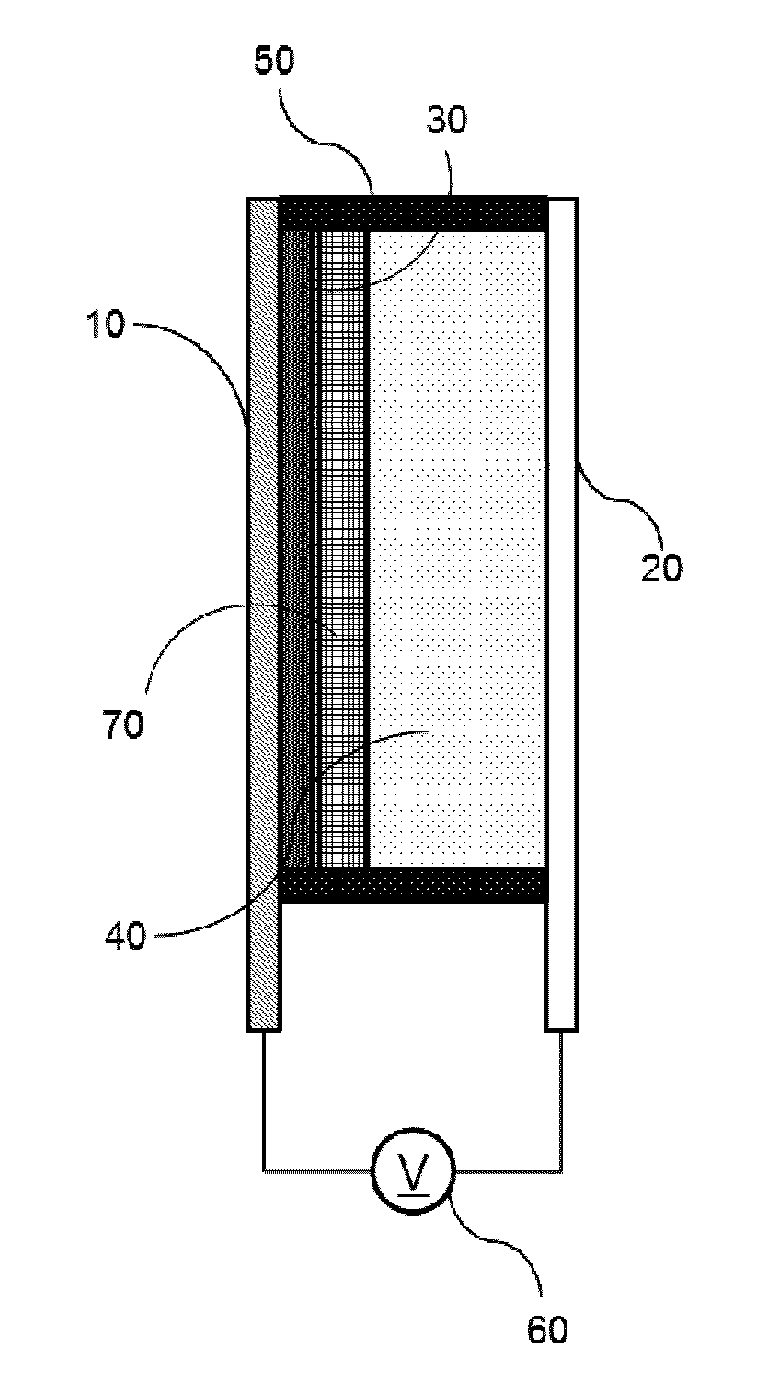
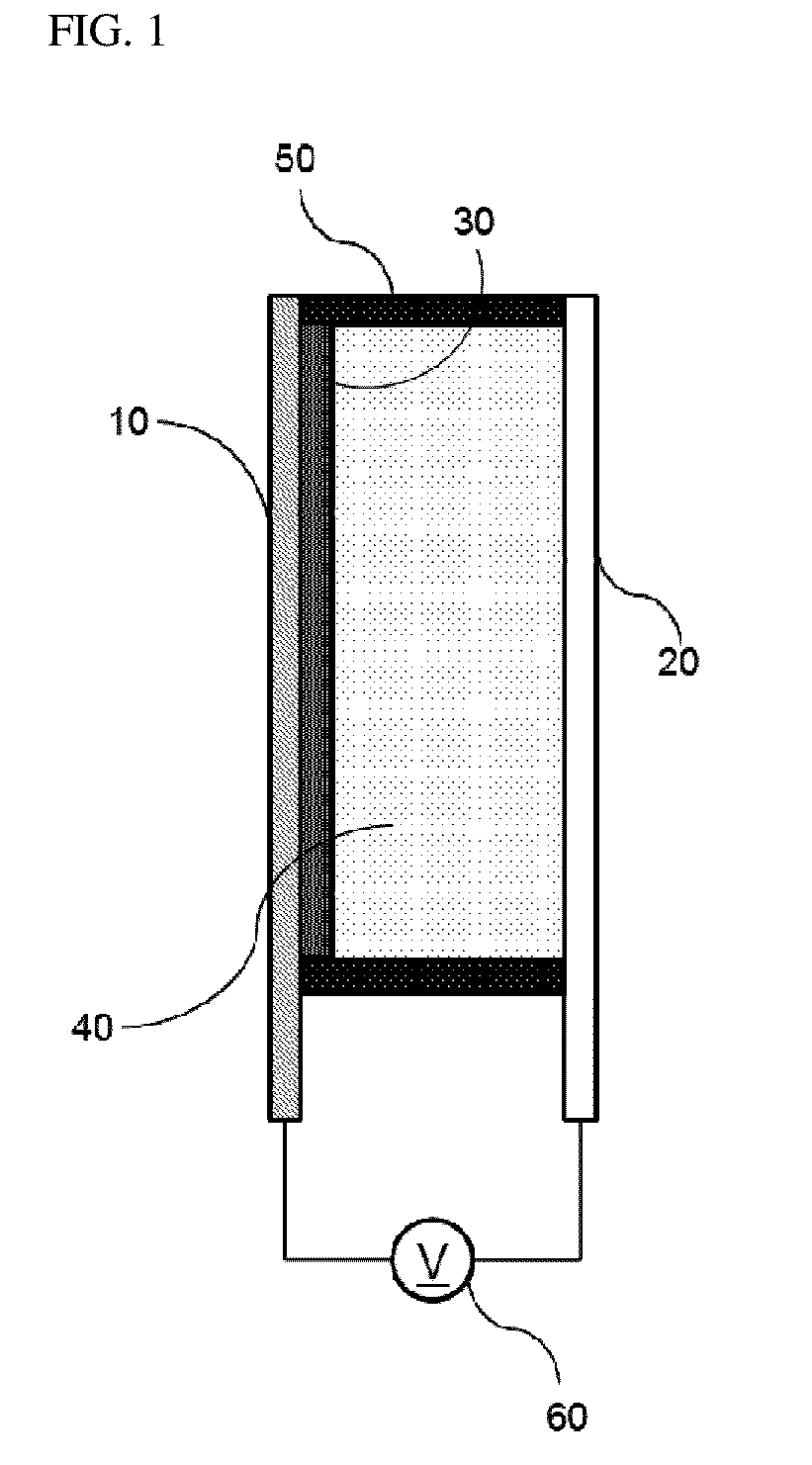
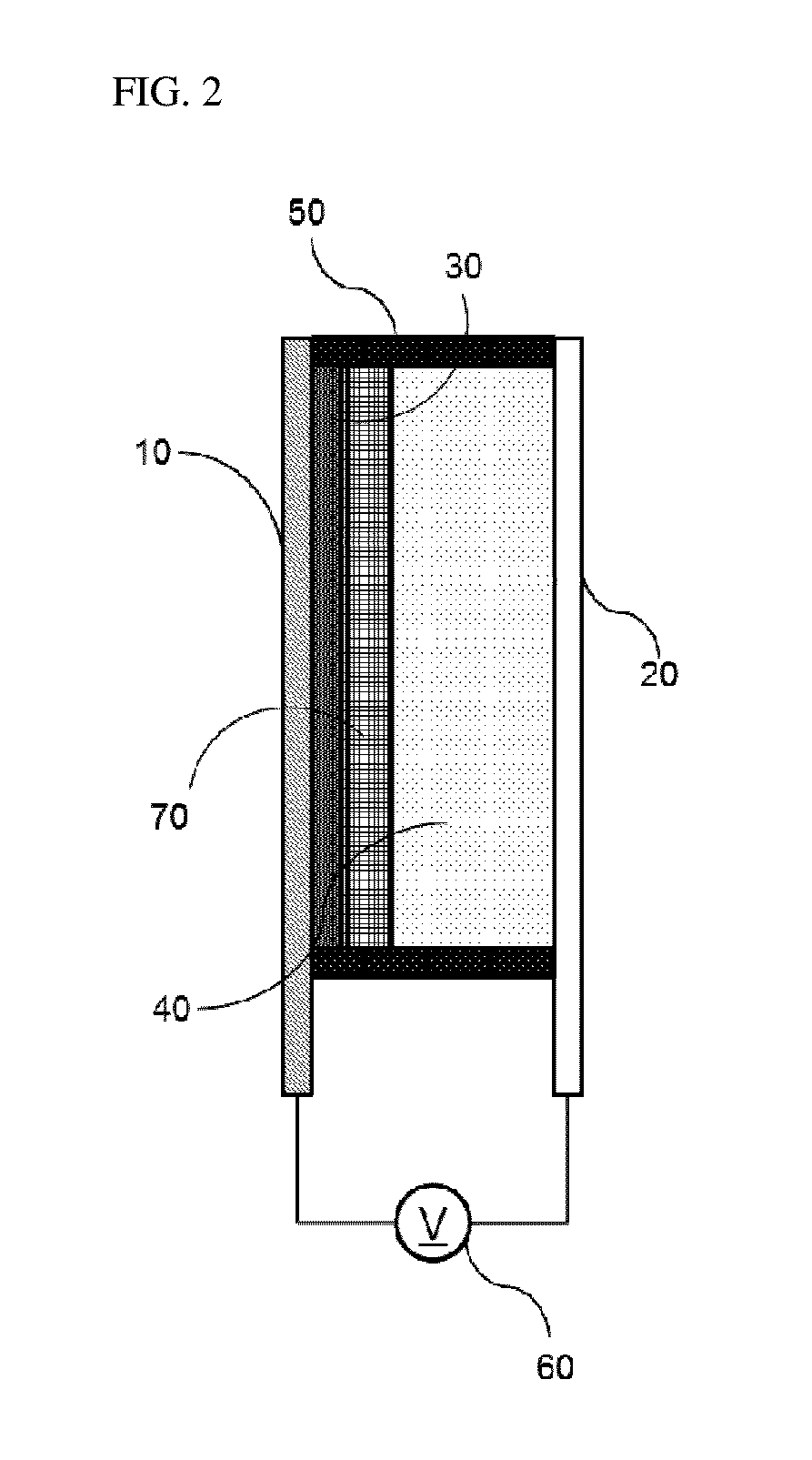
- A reversible electrochemical mirror device with surface-treated transparent electrodes and an ionic liquid electrolyte layer containing metal ions, which maintains electrochemical stability and bistability by preventing metal thin film stripping and allowing high reflectance and transmittance even after voltage removal, using a simple process like oxygen plasma treatment and silane surface functionalization.

Electrochemical system comprising at least one partial making up zone
PatentInactiveCN1993648B
Innovation
- By locally inhibiting the electrical activity and electrochemical active functionality in the functional multi-layer of the electrochemical device, especially deactivating the edge area, and using insulating tape to isolate the conductive layer, peripheral short circuits are reduced and the memory effect is enhanced.


Standardization Framework for EC Mirror Testing
The establishment of a comprehensive standardization framework for electrochromic mirror testing represents a critical need in the automotive and architectural industries, particularly as these adaptive optical devices become increasingly prevalent in commercial applications. Current testing methodologies lack uniformity across manufacturers and research institutions, leading to inconsistent performance metrics and reliability assessments that hinder widespread adoption and regulatory approval processes.
International standardization organizations, including ISO and ASTM, have begun preliminary discussions regarding electrochromic device testing protocols, yet specific frameworks for mirror applications remain underdeveloped. The unique operational characteristics of EC mirrors, including their dual functionality as both reflective surfaces and variable transmission devices, necessitate specialized testing approaches that differ significantly from conventional electrochromic window standards.
A robust standardization framework must encompass multiple testing domains, including optical performance metrics, electrical characteristics, environmental durability, and long-term stability assessments. The memory effect quantification after extended rest periods represents just one critical component within this broader testing ecosystem, requiring precise measurement protocols for switching response times, optical density variations, and voltage threshold shifts.
Key technical parameters requiring standardization include measurement conditions such as ambient temperature ranges, humidity levels, applied voltage profiles, and optical measurement geometries. The framework should specify standardized test equipment configurations, including spectrophotometer specifications, voltage source requirements, and environmental chamber parameters to ensure reproducible results across different testing facilities.
Temporal aspects of testing protocols demand particular attention, as electrochromic devices exhibit time-dependent behaviors that vary significantly based on previous operational history. The framework must define standardized rest periods, activation sequences, and measurement intervals to capture both immediate and delayed responses accurately.
Quality assurance mechanisms within the standardization framework should incorporate statistical analysis requirements, including minimum sample sizes, acceptable measurement uncertainties, and data reporting formats. These provisions ensure that test results provide meaningful comparisons between different EC mirror technologies and manufacturers, supporting informed decision-making in product development and procurement processes.
International standardization organizations, including ISO and ASTM, have begun preliminary discussions regarding electrochromic device testing protocols, yet specific frameworks for mirror applications remain underdeveloped. The unique operational characteristics of EC mirrors, including their dual functionality as both reflective surfaces and variable transmission devices, necessitate specialized testing approaches that differ significantly from conventional electrochromic window standards.
A robust standardization framework must encompass multiple testing domains, including optical performance metrics, electrical characteristics, environmental durability, and long-term stability assessments. The memory effect quantification after extended rest periods represents just one critical component within this broader testing ecosystem, requiring precise measurement protocols for switching response times, optical density variations, and voltage threshold shifts.
Key technical parameters requiring standardization include measurement conditions such as ambient temperature ranges, humidity levels, applied voltage profiles, and optical measurement geometries. The framework should specify standardized test equipment configurations, including spectrophotometer specifications, voltage source requirements, and environmental chamber parameters to ensure reproducible results across different testing facilities.
Temporal aspects of testing protocols demand particular attention, as electrochromic devices exhibit time-dependent behaviors that vary significantly based on previous operational history. The framework must define standardized rest periods, activation sequences, and measurement intervals to capture both immediate and delayed responses accurately.
Quality assurance mechanisms within the standardization framework should incorporate statistical analysis requirements, including minimum sample sizes, acceptable measurement uncertainties, and data reporting formats. These provisions ensure that test results provide meaningful comparisons between different EC mirror technologies and manufacturers, supporting informed decision-making in product development and procurement processes.
Long-term Stability Assessment Protocols
Long-term stability assessment protocols for electrochromic mirrors require comprehensive methodologies to accurately quantify memory effects following extended rest periods. The 24-hour rest period represents a critical benchmark for evaluating device performance degradation and charge retention characteristics. Standardized protocols must establish baseline measurements before rest periods, implement controlled environmental conditions during dormancy, and execute systematic post-rest evaluations to capture memory effect magnitude.
Environmental control parameters during the 24-hour rest phase significantly influence memory effect quantification accuracy. Temperature stability within ±2°C, relative humidity control between 45-55%, and elimination of ambient light exposure ensure consistent testing conditions. Atmospheric pressure monitoring and vibration isolation further minimize external variables that could artificially influence electrochromic material behavior during the dormancy period.
Pre-rest characterization protocols establish critical baseline parameters including initial switching voltage, coloration efficiency, optical density range, and response time metrics. Cyclic voltammetry measurements capture electrochemical behavior patterns, while spectrophotometric analysis documents initial optical transmission characteristics across visible wavelengths. These baseline measurements enable precise quantification of post-rest performance deviations.
Post-rest evaluation sequences must commence within 30 minutes of the 24-hour completion to capture immediate memory effects before natural recovery processes begin. Initial voltage threshold measurements identify shifts in activation requirements, while optical density assessments reveal residual coloration levels. Comparative analysis between pre-rest and post-rest switching characteristics quantifies memory effect severity through percentage-based degradation metrics.
Advanced assessment protocols incorporate accelerated aging simulations to predict long-term stability trends beyond single 24-hour cycles. Multiple consecutive rest-test sequences generate statistical datasets enabling memory effect progression modeling. Integration of impedance spectroscopy measurements provides deeper insights into electrochemical interface changes contributing to memory effect development, supporting comprehensive stability assessment frameworks for electrochromic mirror technologies.
Environmental control parameters during the 24-hour rest phase significantly influence memory effect quantification accuracy. Temperature stability within ±2°C, relative humidity control between 45-55%, and elimination of ambient light exposure ensure consistent testing conditions. Atmospheric pressure monitoring and vibration isolation further minimize external variables that could artificially influence electrochromic material behavior during the dormancy period.
Pre-rest characterization protocols establish critical baseline parameters including initial switching voltage, coloration efficiency, optical density range, and response time metrics. Cyclic voltammetry measurements capture electrochemical behavior patterns, while spectrophotometric analysis documents initial optical transmission characteristics across visible wavelengths. These baseline measurements enable precise quantification of post-rest performance deviations.
Post-rest evaluation sequences must commence within 30 minutes of the 24-hour completion to capture immediate memory effects before natural recovery processes begin. Initial voltage threshold measurements identify shifts in activation requirements, while optical density assessments reveal residual coloration levels. Comparative analysis between pre-rest and post-rest switching characteristics quantifies memory effect severity through percentage-based degradation metrics.
Advanced assessment protocols incorporate accelerated aging simulations to predict long-term stability trends beyond single 24-hour cycles. Multiple consecutive rest-test sequences generate statistical datasets enabling memory effect progression modeling. Integration of impedance spectroscopy measurements provides deeper insights into electrochemical interface changes contributing to memory effect development, supporting comprehensive stability assessment frameworks for electrochromic mirror technologies.
Unlock deeper insights with PatSnap Eureka Quick Research — get a full tech report to explore trends and direct your research. Try now!
Generate Your Research Report Instantly with AI Agent
Supercharge your innovation with PatSnap Eureka AI Agent Platform!