
Optimize Ion Selective Electrode Function in High Salinity Waters
MAR 8, 20269 MIN READ
Generate Your Research Report Instantly with AI Agent
Patsnap Eureka helps you evaluate technical feasibility & market potential.
Ion Selective Electrode High Salinity Challenges and Goals
Ion selective electrodes (ISEs) have emerged as critical analytical tools for real-time monitoring and measurement of specific ionic species in aqueous solutions. Originally developed in the 1960s, these electrodes have evolved from simple glass membrane designs to sophisticated solid-state and polymer membrane configurations. The fundamental principle relies on selective ion transport across semi-permeable membranes, generating measurable potential differences proportional to target ion concentrations.
The evolution of ISE technology has been driven by increasing demands for accurate, rapid, and cost-effective analytical solutions across diverse industries. Early applications focused primarily on laboratory-based measurements in controlled environments with relatively low ionic strength solutions. However, contemporary applications increasingly require robust performance in challenging matrices, particularly high salinity environments where traditional ISE performance deteriorates significantly.
High salinity waters present unique analytical challenges that conventional ISE designs struggle to address effectively. Elevated ionic strength environments, typically exceeding 35 parts per thousand total dissolved solids, create complex interference patterns that compromise electrode selectivity and stability. These conditions are prevalent in seawater desalination processes, oil and gas extraction operations, geothermal energy systems, and industrial wastewater treatment facilities.
The primary technical challenges in high salinity applications include membrane fouling, ion interference effects, and electrode drift phenomena. Membrane fouling occurs when high concentrations of competing ions accumulate at the electrode surface, creating diffusion barriers that alter response characteristics. Ion interference becomes particularly problematic when target analytes exist alongside high concentrations of similar ionic species, leading to cross-sensitivity issues that compromise measurement accuracy.
Current research objectives focus on developing next-generation ISE technologies capable of maintaining analytical performance standards in extreme salinity conditions. Key goals include achieving detection limits below 1 ppm for target ions in solutions containing up to 200,000 ppm total dissolved solids, maintaining measurement stability over extended deployment periods exceeding six months, and ensuring selectivity coefficients better than 10^-3 for primary interfering species.
Advanced membrane materials incorporating nanostructured components and novel ionophore designs represent promising pathways toward these objectives. Additionally, integrated signal processing algorithms and real-time calibration systems are being developed to compensate for matrix effects and maintain measurement reliability in dynamic high salinity environments.
The evolution of ISE technology has been driven by increasing demands for accurate, rapid, and cost-effective analytical solutions across diverse industries. Early applications focused primarily on laboratory-based measurements in controlled environments with relatively low ionic strength solutions. However, contemporary applications increasingly require robust performance in challenging matrices, particularly high salinity environments where traditional ISE performance deteriorates significantly.
High salinity waters present unique analytical challenges that conventional ISE designs struggle to address effectively. Elevated ionic strength environments, typically exceeding 35 parts per thousand total dissolved solids, create complex interference patterns that compromise electrode selectivity and stability. These conditions are prevalent in seawater desalination processes, oil and gas extraction operations, geothermal energy systems, and industrial wastewater treatment facilities.
The primary technical challenges in high salinity applications include membrane fouling, ion interference effects, and electrode drift phenomena. Membrane fouling occurs when high concentrations of competing ions accumulate at the electrode surface, creating diffusion barriers that alter response characteristics. Ion interference becomes particularly problematic when target analytes exist alongside high concentrations of similar ionic species, leading to cross-sensitivity issues that compromise measurement accuracy.
Current research objectives focus on developing next-generation ISE technologies capable of maintaining analytical performance standards in extreme salinity conditions. Key goals include achieving detection limits below 1 ppm for target ions in solutions containing up to 200,000 ppm total dissolved solids, maintaining measurement stability over extended deployment periods exceeding six months, and ensuring selectivity coefficients better than 10^-3 for primary interfering species.
Advanced membrane materials incorporating nanostructured components and novel ionophore designs represent promising pathways toward these objectives. Additionally, integrated signal processing algorithms and real-time calibration systems are being developed to compensate for matrix effects and maintain measurement reliability in dynamic high salinity environments.
Market Demand for Reliable Salinity Water Ion Detection
The global water monitoring market is experiencing unprecedented growth driven by increasing concerns over water quality and environmental sustainability. Industrial sectors including oil and gas, chemical processing, desalination plants, and marine aquaculture represent the primary demand drivers for reliable ion detection technologies in high salinity environments. These industries require continuous monitoring of ionic concentrations to ensure operational efficiency, regulatory compliance, and environmental protection.
Desalination facilities constitute one of the fastest-growing market segments, with expanding global capacity necessitating precise monitoring of feed water quality and brine discharge composition. The ability to accurately detect specific ions in concentrated salt solutions directly impacts plant efficiency and membrane longevity. Current market gaps exist where conventional ion selective electrodes fail to maintain accuracy and stability under extreme salinity conditions.
Marine and offshore industries present substantial opportunities for advanced ion detection systems. Oil platform operations, underwater mining, and marine research applications demand robust sensors capable of functioning reliably in seawater and hypersaline brines. The harsh operating conditions and remote deployment requirements create premium market positioning for technologies that can deliver consistent performance without frequent maintenance interventions.
Environmental monitoring agencies and regulatory bodies increasingly mandate comprehensive ionic analysis of industrial discharge waters and natural water bodies affected by salt intrusion. Climate change-induced sea level rise and groundwater salinization expand the geographic scope of high salinity monitoring requirements, creating sustained market demand across coastal regions globally.
The aquaculture industry's expansion into marine environments and recirculating aquaculture systems generates growing demand for real-time ion monitoring capabilities. Precise control of water chemistry parameters directly correlates with production yields and fish health outcomes, driving adoption of advanced sensor technologies.
Current market limitations include the high cost of frequent electrode replacement and calibration in challenging environments. End users consistently express demand for ion selective electrodes with extended operational lifespans, reduced drift characteristics, and minimal maintenance requirements when deployed in high salinity applications. This unmet need represents a significant commercial opportunity for optimized electrode technologies that can maintain analytical performance under demanding conditions.
Desalination facilities constitute one of the fastest-growing market segments, with expanding global capacity necessitating precise monitoring of feed water quality and brine discharge composition. The ability to accurately detect specific ions in concentrated salt solutions directly impacts plant efficiency and membrane longevity. Current market gaps exist where conventional ion selective electrodes fail to maintain accuracy and stability under extreme salinity conditions.
Marine and offshore industries present substantial opportunities for advanced ion detection systems. Oil platform operations, underwater mining, and marine research applications demand robust sensors capable of functioning reliably in seawater and hypersaline brines. The harsh operating conditions and remote deployment requirements create premium market positioning for technologies that can deliver consistent performance without frequent maintenance interventions.
Environmental monitoring agencies and regulatory bodies increasingly mandate comprehensive ionic analysis of industrial discharge waters and natural water bodies affected by salt intrusion. Climate change-induced sea level rise and groundwater salinization expand the geographic scope of high salinity monitoring requirements, creating sustained market demand across coastal regions globally.
The aquaculture industry's expansion into marine environments and recirculating aquaculture systems generates growing demand for real-time ion monitoring capabilities. Precise control of water chemistry parameters directly correlates with production yields and fish health outcomes, driving adoption of advanced sensor technologies.
Current market limitations include the high cost of frequent electrode replacement and calibration in challenging environments. End users consistently express demand for ion selective electrodes with extended operational lifespans, reduced drift characteristics, and minimal maintenance requirements when deployed in high salinity applications. This unmet need represents a significant commercial opportunity for optimized electrode technologies that can maintain analytical performance under demanding conditions.
Current State and Limitations of ISE in High Salinity Environments
Ion selective electrodes currently face significant performance degradation when deployed in high salinity environments, primarily due to interference from competing ions and altered membrane selectivity. Traditional ISE designs, optimized for freshwater or moderate salinity conditions, exhibit reduced sensitivity and accuracy when sodium, chloride, and other abundant ions reach concentrations exceeding 35,000 ppm total dissolved solids.
The fundamental challenge stems from the Hofmeister series effects, where high ionic strength solutions alter the activity coefficients of target analytes and create substantial interference patterns. Conventional polymer membrane electrodes experience swelling and plasticizer leaching in hypersaline conditions, leading to drift in potential readings and shortened electrode lifespan. Glass membrane electrodes, while more chemically stable, suffer from increased junction potential variations and reference electrode instability.
Current commercial ISE systems demonstrate acceptable performance only up to seawater salinity levels, with measurement errors increasing exponentially beyond 50,000 ppm salinity. The selectivity coefficients for most ion-selective membranes deteriorate significantly, with interference ratios often exceeding acceptable analytical thresholds by factors of 10-100 in brine applications.
Reference electrode stability represents another critical limitation, as conventional silver/silver chloride references experience chloride saturation effects and temperature-dependent potential shifts in concentrated salt matrices. Liquid junction potentials become unpredictable, contributing to baseline drift and calibration instability that compromises long-term monitoring applications.
Membrane fouling accelerates in high salinity environments due to precipitation of scale-forming compounds and biofilm formation, particularly in industrial brine processing and desalination applications. The combination of high ionic strength and elevated temperatures common in these environments exacerbates membrane degradation through accelerated aging processes.
Temperature compensation algorithms developed for standard conditions prove inadequate for high salinity matrices, where the relationship between temperature and electrode response becomes non-linear and analyte-dependent. This limitation severely impacts field deployment scenarios where temperature fluctuations are common.
Current detection limits for trace analytes in high salinity waters often exceed regulatory requirements by orders of magnitude, limiting the applicability of ISE technology in environmental monitoring and process control applications where precise measurements of minority ions are critical for operational decisions.
The fundamental challenge stems from the Hofmeister series effects, where high ionic strength solutions alter the activity coefficients of target analytes and create substantial interference patterns. Conventional polymer membrane electrodes experience swelling and plasticizer leaching in hypersaline conditions, leading to drift in potential readings and shortened electrode lifespan. Glass membrane electrodes, while more chemically stable, suffer from increased junction potential variations and reference electrode instability.
Current commercial ISE systems demonstrate acceptable performance only up to seawater salinity levels, with measurement errors increasing exponentially beyond 50,000 ppm salinity. The selectivity coefficients for most ion-selective membranes deteriorate significantly, with interference ratios often exceeding acceptable analytical thresholds by factors of 10-100 in brine applications.
Reference electrode stability represents another critical limitation, as conventional silver/silver chloride references experience chloride saturation effects and temperature-dependent potential shifts in concentrated salt matrices. Liquid junction potentials become unpredictable, contributing to baseline drift and calibration instability that compromises long-term monitoring applications.
Membrane fouling accelerates in high salinity environments due to precipitation of scale-forming compounds and biofilm formation, particularly in industrial brine processing and desalination applications. The combination of high ionic strength and elevated temperatures common in these environments exacerbates membrane degradation through accelerated aging processes.
Temperature compensation algorithms developed for standard conditions prove inadequate for high salinity matrices, where the relationship between temperature and electrode response becomes non-linear and analyte-dependent. This limitation severely impacts field deployment scenarios where temperature fluctuations are common.
Current detection limits for trace analytes in high salinity waters often exceed regulatory requirements by orders of magnitude, limiting the applicability of ISE technology in environmental monitoring and process control applications where precise measurements of minority ions are critical for operational decisions.
Existing Solutions for ISE Performance in Saline Conditions
01 Ion-selective membrane composition and structure
Ion-selective electrodes utilize specialized membrane materials that selectively respond to specific ions. These membranes can be composed of various materials including polymeric matrices, ionophores, and plasticizers that enable selective ion transport. The membrane structure is designed to provide high selectivity and sensitivity for target ions while minimizing interference from other ionic species. The composition and physical properties of the membrane are critical factors in determining the electrode's performance characteristics.- Ion-selective membrane composition and structure: Ion-selective electrodes utilize specialized membrane materials that selectively respond to specific ions. These membranes can be composed of various materials including polymeric matrices, ionophores, and plasticizers that enable selective ion transport. The membrane structure is designed to provide high selectivity and sensitivity for target ions while minimizing interference from other ionic species. The composition and physical properties of the membrane are critical factors in determining the electrode's performance characteristics.
- Reference electrode integration and potential stability: Ion-selective electrodes require stable reference electrodes to measure potential differences accurately. The integration of reference electrodes with ion-selective membranes is essential for reliable measurements. Various designs incorporate internal reference solutions and materials that maintain constant potential over time. The stability of the reference system directly affects the accuracy and reproducibility of ion concentration measurements.
- Signal processing and measurement circuitry: The electrical signals generated by ion-selective electrodes require specialized processing circuits for accurate ion concentration determination. These systems include amplification, filtering, and conversion circuits that transform the electrode potential into readable output signals. Advanced measurement systems incorporate temperature compensation, calibration algorithms, and digital signal processing to enhance measurement accuracy and reduce noise interference.
- Multi-ion detection and sensor arrays: Advanced ion-selective electrode systems can simultaneously detect multiple ionic species using sensor arrays or multi-channel configurations. These systems employ multiple selective membranes with different ion specificities arranged in array formats. The integration of multiple sensing elements enables comprehensive ionic analysis in complex samples, providing simultaneous measurements of various ions with minimal sample volume requirements.
- Electrode miniaturization and microfluidic integration: Modern ion-selective electrodes are being developed in miniaturized formats suitable for integration with microfluidic systems and portable devices. These compact designs enable point-of-care testing, continuous monitoring, and in-situ measurements. Miniaturization techniques include microfabrication methods, thin-film deposition, and integration with semiconductor technologies, allowing for reduced sample volumes and faster response times.
02 Reference electrode integration and potential stability
Ion-selective electrodes require stable reference electrodes to measure potential differences accurately. The integration of reference electrodes with ion-selective membranes is essential for reliable measurements. Various designs incorporate internal reference solutions and materials that maintain constant potential over time. The stability of the reference system directly affects the accuracy and reproducibility of ion concentration measurements.Expand Specific Solutions03 Signal transduction and measurement systems
The conversion of ionic activity into measurable electrical signals is a fundamental aspect of ion-selective electrode function. These systems employ various transduction mechanisms to generate potential differences proportional to ion concentration. Electronic circuits and measurement devices are designed to amplify and process the signals with high precision. Advanced signal processing techniques help minimize noise and improve detection limits.Expand Specific Solutions04 Multi-ion detection and sensor arrays
Modern ion-selective electrode systems can simultaneously detect multiple ionic species using sensor arrays. These configurations employ multiple selective membranes with different specificities arranged in array formats. The technology enables comprehensive ionic analysis in complex samples with reduced analysis time. Multiplexed detection systems provide enhanced analytical capabilities for various applications including clinical diagnostics and environmental monitoring.Expand Specific Solutions05 Electrode miniaturization and microfluidic integration
Advances in fabrication techniques have enabled the development of miniaturized ion-selective electrodes suitable for microfluidic systems. These compact sensors can be integrated into lab-on-chip devices for point-of-care testing and continuous monitoring applications. Miniaturization allows for reduced sample volumes and faster response times. The integration with microfluidic platforms enables automated sample handling and real-time analysis.Expand Specific Solutions
Key Players in ISE and Water Analysis Industry
The ion selective electrode (ISE) optimization market for high salinity applications represents a mature yet evolving technological landscape driven by increasing demands from industrial water treatment, environmental monitoring, and desalination sectors. The market demonstrates significant growth potential, particularly in regions facing water scarcity challenges. Technology maturity varies considerably across market participants, with established players like Hitachi High-Tech America and Beckman Coulter leveraging decades of analytical instrumentation expertise to deliver robust commercial solutions. Research institutions including MIT, University of California, and CNRS are advancing fundamental electrode materials and sensing mechanisms, while companies like Kurita Water Industries and JSP Enviro focus on practical water treatment applications. Emerging players such as AquAffirm and specialized research entities from Asian universities are contributing innovative approaches to electrode selectivity and interference mitigation. The competitive landscape reflects a healthy ecosystem spanning from fundamental research to commercial deployment, indicating strong technological advancement potential.
Beckman Coulter, Inc.
Technical Solution: Beckman Coulter has developed advanced ion selective electrode systems specifically designed for high salinity environments. Their technology incorporates specialized membrane materials with enhanced selectivity coefficients and improved interference resistance. The company's electrodes feature proprietary polymer-based membranes that maintain stable potential responses even in concentrated salt solutions exceeding 3.5% NaCl. Their systems include automated calibration protocols and temperature compensation algorithms to ensure accurate measurements in varying salinity conditions. The electrodes are integrated with digital signal processing units that filter out noise and drift commonly associated with high ionic strength solutions.
Strengths: Established market presence in analytical instrumentation, robust calibration systems. Weaknesses: Higher cost compared to standard electrodes, requires specialized maintenance protocols.
The Regents of the University of California
Technical Solution: UC researchers have developed novel nanostructured ion selective electrodes using graphene-based sensing materials for high salinity water applications. Their approach involves functionalizing graphene oxide with specific ionophores that maintain selectivity in concentrated brine solutions. The technology demonstrates improved Nernstian response and reduced membrane fouling through surface modification techniques. Research shows these electrodes maintain accuracy within ±2% even in solutions with total dissolved solids exceeding 35,000 ppm. The university has also developed computational models to predict electrode behavior in complex ionic matrices typical of seawater and industrial brines.
Strengths: Cutting-edge nanotechnology approach, strong research foundation and IP portfolio. Weaknesses: Technology still in development phase, scalability challenges for commercial production.
Core Innovations in High Salinity ISE Design
Optimization of ion-selective electrode measurement
PatentWO2025207965A1
Innovation
- The measuring electrodes are positioned in a specific order relative to the reference electrode based on their susceptibility to internal liquid diffusion, with the least affected electrode closest to the reference electrode, and the others progressively farther away, minimizing the impact of diffusion on measurement accuracy.


Chloride ion selective membrane
PatentInactiveUS20050006253A1
Innovation
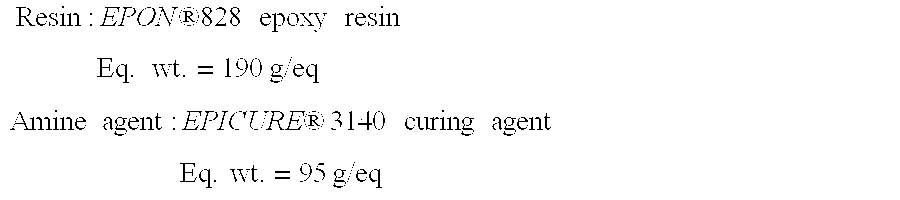
- A chloride selective membrane comprising a polymeric matrix of epoxy resin and an amine agent, such as polyamides or amidoamines, in stoichiometric excess, which functions as both a chloride ion exchanger and curing agent, eliminating the need for additional ionophores and enhancing stability and selectivity.

Environmental Standards for Water Quality Monitoring
Environmental standards for water quality monitoring establish the regulatory framework that governs the deployment and performance requirements of ion selective electrodes in high salinity environments. These standards define acceptable measurement accuracy, precision, and detection limits that monitoring systems must achieve when operating in challenging saline conditions.
International organizations such as the World Health Organization, Environmental Protection Agency, and International Organization for Standardization have developed comprehensive guidelines for water quality assessment in various salinity ranges. These standards specify that ion selective electrodes must maintain measurement accuracy within ±5% for major ions even when total dissolved solids exceed 35,000 mg/L, typical of seawater conditions.
The standards mandate regular calibration protocols specifically designed for high salinity applications, requiring multi-point calibration curves that span the expected ionic strength range. Quality assurance procedures must include matrix-matched reference standards and interference testing protocols to validate electrode performance in complex ionic environments.
Regulatory frameworks also establish minimum detection limits for critical parameters such as nitrate, chloride, and heavy metals in saline waters. For instance, nitrate detection must remain reliable at concentrations as low as 0.1 mg/L even in the presence of high chloride concentrations that can cause significant interference with conventional electrodes.
Environmental monitoring standards emphasize the importance of real-time data validation and automated quality control systems. These requirements drive the need for advanced electrode designs that can provide continuous self-diagnostic capabilities and automatic drift correction in high salinity conditions.
Compliance with these environmental standards necessitates rigorous documentation of electrode performance characteristics, including response time, selectivity coefficients, and long-term stability data. This regulatory landscape creates both challenges and opportunities for developing next-generation ion selective electrodes optimized for high salinity water monitoring applications.
International organizations such as the World Health Organization, Environmental Protection Agency, and International Organization for Standardization have developed comprehensive guidelines for water quality assessment in various salinity ranges. These standards specify that ion selective electrodes must maintain measurement accuracy within ±5% for major ions even when total dissolved solids exceed 35,000 mg/L, typical of seawater conditions.
The standards mandate regular calibration protocols specifically designed for high salinity applications, requiring multi-point calibration curves that span the expected ionic strength range. Quality assurance procedures must include matrix-matched reference standards and interference testing protocols to validate electrode performance in complex ionic environments.
Regulatory frameworks also establish minimum detection limits for critical parameters such as nitrate, chloride, and heavy metals in saline waters. For instance, nitrate detection must remain reliable at concentrations as low as 0.1 mg/L even in the presence of high chloride concentrations that can cause significant interference with conventional electrodes.
Environmental monitoring standards emphasize the importance of real-time data validation and automated quality control systems. These requirements drive the need for advanced electrode designs that can provide continuous self-diagnostic capabilities and automatic drift correction in high salinity conditions.
Compliance with these environmental standards necessitates rigorous documentation of electrode performance characteristics, including response time, selectivity coefficients, and long-term stability data. This regulatory landscape creates both challenges and opportunities for developing next-generation ion selective electrodes optimized for high salinity water monitoring applications.
Material Science Advances in ISE Membrane Technology
The development of advanced membrane materials represents a critical frontier in enhancing ion selective electrode performance under high salinity conditions. Traditional polymer-based membranes face significant limitations when exposed to elevated ionic strength environments, primarily due to membrane swelling, reduced selectivity, and accelerated degradation processes that compromise electrode functionality.
Recent breakthroughs in nanomaterial integration have revolutionized ISE membrane design. Graphene oxide and carbon nanotube composites demonstrate exceptional mechanical stability and enhanced ion transport properties. These materials create tortuous pathways that improve selectivity while maintaining structural integrity under osmotic stress. The incorporation of two-dimensional materials like MXenes has shown particular promise in developing membranes with tunable surface chemistry and superior conductivity characteristics.
Polymer matrix innovations focus on developing cross-linked networks with enhanced chemical resistance. Novel polyimide and polyether sulfone formulations exhibit reduced water uptake and improved dimensional stability. These advanced polymers incorporate fluorinated segments that provide hydrophobic characteristics while maintaining necessary ionic permeability. The strategic placement of ionic functional groups within the polymer backbone ensures optimal ion recognition capabilities.
Nanostructured membrane architectures represent another significant advancement. Layer-by-layer assembly techniques enable precise control over membrane thickness and porosity. These structures incorporate selective binding sites at the nanoscale level, creating highly specific ion recognition mechanisms. The resulting membranes demonstrate improved signal-to-noise ratios and extended operational lifespans in challenging saline environments.
Surface modification strategies utilizing plasma treatment and chemical grafting have enhanced membrane-electrolyte interfaces. These techniques create uniform surface properties that minimize fouling and maintain consistent electrochemical responses. Advanced characterization methods including atomic force microscopy and X-ray photoelectron spectroscopy provide detailed insights into membrane structure-performance relationships, enabling rational design approaches for next-generation ISE materials.
Recent breakthroughs in nanomaterial integration have revolutionized ISE membrane design. Graphene oxide and carbon nanotube composites demonstrate exceptional mechanical stability and enhanced ion transport properties. These materials create tortuous pathways that improve selectivity while maintaining structural integrity under osmotic stress. The incorporation of two-dimensional materials like MXenes has shown particular promise in developing membranes with tunable surface chemistry and superior conductivity characteristics.
Polymer matrix innovations focus on developing cross-linked networks with enhanced chemical resistance. Novel polyimide and polyether sulfone formulations exhibit reduced water uptake and improved dimensional stability. These advanced polymers incorporate fluorinated segments that provide hydrophobic characteristics while maintaining necessary ionic permeability. The strategic placement of ionic functional groups within the polymer backbone ensures optimal ion recognition capabilities.
Nanostructured membrane architectures represent another significant advancement. Layer-by-layer assembly techniques enable precise control over membrane thickness and porosity. These structures incorporate selective binding sites at the nanoscale level, creating highly specific ion recognition mechanisms. The resulting membranes demonstrate improved signal-to-noise ratios and extended operational lifespans in challenging saline environments.
Surface modification strategies utilizing plasma treatment and chemical grafting have enhanced membrane-electrolyte interfaces. These techniques create uniform surface properties that minimize fouling and maintain consistent electrochemical responses. Advanced characterization methods including atomic force microscopy and X-ray photoelectron spectroscopy provide detailed insights into membrane structure-performance relationships, enabling rational design approaches for next-generation ISE materials.
Unlock deeper insights with Patsnap Eureka Quick Research — get a full tech report to explore trends and direct your research. Try now!
Generate Your Research Report Instantly with AI Agent
Supercharge your innovation with Patsnap Eureka AI Agent Platform!