Optimize Thermoelectric Generators for Wearable Tech
MAR 9, 20269 MIN READ
Generate Your Research Report Instantly with AI Agent
Patsnap Eureka helps you evaluate technical feasibility & market potential.
Thermoelectric Generator Background and Wearable Integration Goals
Thermoelectric generators represent a fascinating intersection of materials science and energy conversion technology, leveraging the Seebeck effect discovered in 1821 to directly convert temperature differentials into electrical energy. This solid-state energy conversion mechanism operates without moving parts, making it inherently reliable and maintenance-free. The fundamental principle relies on charge carriers diffusing from hot to cold regions within thermoelectric materials, creating a voltage potential that can power electronic devices.
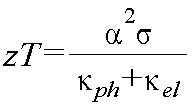
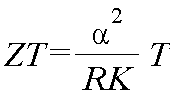
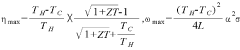
The evolution of thermoelectric technology has progressed through several distinct phases, beginning with early bismuth-telluride compounds in the 1950s and advancing toward modern nanostructured materials and quantum dot architectures. Contemporary research focuses on enhancing the dimensionless figure of merit (ZT), which quantifies thermoelectric efficiency through the relationship between electrical conductivity, Seebeck coefficient, thermal conductivity, and operating temperature.
Wearable technology integration represents the next frontier for thermoelectric generators, driven by the ubiquitous presence of body heat as a renewable energy source. Human skin maintains a relatively constant temperature of approximately 37°C, creating consistent thermal gradients with ambient environments that typically range from 15°C to 30°C. This temperature differential, though modest, provides sufficient energy potential for low-power wearable devices when properly harnessed through optimized thermoelectric systems.
The primary integration goals center on achieving power densities sufficient for modern wearable electronics while maintaining user comfort and device aesthetics. Target power outputs range from microwatts for basic sensors to milliwatts for more sophisticated devices like fitness trackers or health monitors. Achieving these power levels requires careful optimization of thermal interface materials, heat sink designs, and thermoelectric module configurations to maximize heat transfer efficiency.
Form factor considerations present unique challenges, as wearable applications demand flexible, lightweight, and conformal designs that adapt to human body contours. Traditional rigid thermoelectric modules must be reimagined as flexible arrays or integrated textile solutions that maintain electrical performance while accommodating mechanical stress from body movement. This necessitates innovative packaging approaches and interconnection strategies that preserve thermoelectric efficiency under dynamic conditions.
Thermal management optimization represents a critical success factor, requiring sophisticated heat sink designs that effectively dissipate waste heat while maintaining comfortable skin contact temperatures. Advanced materials like graphene-enhanced polymers and phase-change materials offer promising pathways for improving thermal interface performance without compromising wearability or adding excessive bulk to device profiles.
The evolution of thermoelectric technology has progressed through several distinct phases, beginning with early bismuth-telluride compounds in the 1950s and advancing toward modern nanostructured materials and quantum dot architectures. Contemporary research focuses on enhancing the dimensionless figure of merit (ZT), which quantifies thermoelectric efficiency through the relationship between electrical conductivity, Seebeck coefficient, thermal conductivity, and operating temperature.
Wearable technology integration represents the next frontier for thermoelectric generators, driven by the ubiquitous presence of body heat as a renewable energy source. Human skin maintains a relatively constant temperature of approximately 37°C, creating consistent thermal gradients with ambient environments that typically range from 15°C to 30°C. This temperature differential, though modest, provides sufficient energy potential for low-power wearable devices when properly harnessed through optimized thermoelectric systems.
The primary integration goals center on achieving power densities sufficient for modern wearable electronics while maintaining user comfort and device aesthetics. Target power outputs range from microwatts for basic sensors to milliwatts for more sophisticated devices like fitness trackers or health monitors. Achieving these power levels requires careful optimization of thermal interface materials, heat sink designs, and thermoelectric module configurations to maximize heat transfer efficiency.
Form factor considerations present unique challenges, as wearable applications demand flexible, lightweight, and conformal designs that adapt to human body contours. Traditional rigid thermoelectric modules must be reimagined as flexible arrays or integrated textile solutions that maintain electrical performance while accommodating mechanical stress from body movement. This necessitates innovative packaging approaches and interconnection strategies that preserve thermoelectric efficiency under dynamic conditions.
Thermal management optimization represents a critical success factor, requiring sophisticated heat sink designs that effectively dissipate waste heat while maintaining comfortable skin contact temperatures. Advanced materials like graphene-enhanced polymers and phase-change materials offer promising pathways for improving thermal interface performance without compromising wearability or adding excessive bulk to device profiles.
Market Demand for Self-Powered Wearable Devices
The global wearable technology market has experienced unprecedented growth, driven by increasing consumer demand for continuous health monitoring, fitness tracking, and seamless connectivity. Traditional wearable devices rely heavily on rechargeable batteries, creating significant user friction through frequent charging requirements and limited operational autonomy. This dependency has emerged as a critical barrier to widespread adoption, particularly for medical monitoring applications where continuous operation is essential.
Self-powered wearable devices represent a paradigm shift that addresses these fundamental limitations. The healthcare sector demonstrates particularly strong demand for autonomous wearable solutions, especially for chronic disease management, elderly care monitoring, and remote patient surveillance. Medical professionals increasingly require devices that can operate continuously without interruption, as battery depletion during critical monitoring periods poses serious risks to patient safety and data integrity.
Consumer electronics markets show growing preference for maintenance-free wearable solutions. Fitness enthusiasts and health-conscious individuals express frustration with current charging cycles that interrupt their monitoring routines. Market research indicates that battery life consistently ranks among the top three purchasing considerations for wearable devices, highlighting the commercial opportunity for self-powered alternatives.
Industrial and military applications present substantial demand for energy-autonomous wearables. Workers in remote locations, emergency responders, and military personnel require reliable monitoring systems that function independently of external power sources. These professional markets demonstrate willingness to adopt premium-priced solutions that deliver operational reliability and extended autonomy.
The Internet of Things ecosystem expansion further amplifies demand for self-powered wearables. As smart city initiatives and connected health platforms proliferate, the need for maintenance-free sensor networks becomes increasingly critical. Wearable devices that can harvest ambient energy eliminate infrastructure costs associated with battery replacement and device maintenance across large-scale deployments.
Emerging applications in sports performance analysis, workplace safety monitoring, and environmental exposure tracking create additional market segments seeking energy-independent solutions. These specialized markets often require extended deployment periods where traditional battery-powered devices prove impractical or cost-prohibitive.
The convergence of miniaturization trends, improved energy harvesting efficiency, and growing consumer awareness of sustainable technology solutions creates a favorable market environment for self-powered wearable devices across multiple industry verticals.
Self-powered wearable devices represent a paradigm shift that addresses these fundamental limitations. The healthcare sector demonstrates particularly strong demand for autonomous wearable solutions, especially for chronic disease management, elderly care monitoring, and remote patient surveillance. Medical professionals increasingly require devices that can operate continuously without interruption, as battery depletion during critical monitoring periods poses serious risks to patient safety and data integrity.
Consumer electronics markets show growing preference for maintenance-free wearable solutions. Fitness enthusiasts and health-conscious individuals express frustration with current charging cycles that interrupt their monitoring routines. Market research indicates that battery life consistently ranks among the top three purchasing considerations for wearable devices, highlighting the commercial opportunity for self-powered alternatives.
Industrial and military applications present substantial demand for energy-autonomous wearables. Workers in remote locations, emergency responders, and military personnel require reliable monitoring systems that function independently of external power sources. These professional markets demonstrate willingness to adopt premium-priced solutions that deliver operational reliability and extended autonomy.
The Internet of Things ecosystem expansion further amplifies demand for self-powered wearables. As smart city initiatives and connected health platforms proliferate, the need for maintenance-free sensor networks becomes increasingly critical. Wearable devices that can harvest ambient energy eliminate infrastructure costs associated with battery replacement and device maintenance across large-scale deployments.
Emerging applications in sports performance analysis, workplace safety monitoring, and environmental exposure tracking create additional market segments seeking energy-independent solutions. These specialized markets often require extended deployment periods where traditional battery-powered devices prove impractical or cost-prohibitive.
The convergence of miniaturization trends, improved energy harvesting efficiency, and growing consumer awareness of sustainable technology solutions creates a favorable market environment for self-powered wearable devices across multiple industry verticals.
Current TEG Performance Limitations in Wearable Applications
Thermoelectric generators in wearable applications face significant performance constraints that limit their practical deployment and commercial viability. The fundamental challenge stems from the inherently low conversion efficiency of current TEG materials, typically ranging between 1-5% under optimal laboratory conditions, which drops substantially in real-world wearable scenarios.
Power output represents the most critical limitation for wearable TEGs. Current devices generate power densities of only 1-10 μW/cm² under typical body heat conditions, far below the milliwatt requirements of most wearable electronics. This inadequate power generation stems from the limited temperature differential available between human body temperature and ambient conditions, typically only 5-15°C compared to the much larger gradients required for optimal TEG performance.
Material properties constitute another fundamental barrier. Existing bismuth telluride-based TEGs, while offering the best performance at near-room temperatures, suffer from brittleness and thermal cycling degradation. The figure of merit (ZT) values remain below 1.5 for most practical materials, significantly constraining energy conversion efficiency. Additionally, these materials often contain toxic or rare elements, raising sustainability and cost concerns for mass-market wearable applications.
Thermal management presents complex engineering challenges in wearable form factors. Effective heat sinking on the cold side becomes problematic due to size and weight constraints, while maintaining consistent thermal contact with the human body proves difficult during movement. Poor thermal interface management leads to substantial efficiency losses and inconsistent power output.
Mechanical flexibility and durability issues plague current TEG designs. Rigid semiconductor materials crack under the bending and stretching motions inherent in wearable applications. Interconnect failures occur frequently due to thermal expansion mismatches and mechanical stress, leading to device degradation and shortened operational lifespans.
Integration challenges further compound these limitations. Current TEG modules are typically bulky and require additional power management circuitry to handle variable voltage outputs. The mismatch between TEG output characteristics and the power requirements of modern low-power electronics necessitates complex power conditioning systems that add size, weight, and cost while reducing overall system efficiency.
Power output represents the most critical limitation for wearable TEGs. Current devices generate power densities of only 1-10 μW/cm² under typical body heat conditions, far below the milliwatt requirements of most wearable electronics. This inadequate power generation stems from the limited temperature differential available between human body temperature and ambient conditions, typically only 5-15°C compared to the much larger gradients required for optimal TEG performance.
Material properties constitute another fundamental barrier. Existing bismuth telluride-based TEGs, while offering the best performance at near-room temperatures, suffer from brittleness and thermal cycling degradation. The figure of merit (ZT) values remain below 1.5 for most practical materials, significantly constraining energy conversion efficiency. Additionally, these materials often contain toxic or rare elements, raising sustainability and cost concerns for mass-market wearable applications.
Thermal management presents complex engineering challenges in wearable form factors. Effective heat sinking on the cold side becomes problematic due to size and weight constraints, while maintaining consistent thermal contact with the human body proves difficult during movement. Poor thermal interface management leads to substantial efficiency losses and inconsistent power output.
Mechanical flexibility and durability issues plague current TEG designs. Rigid semiconductor materials crack under the bending and stretching motions inherent in wearable applications. Interconnect failures occur frequently due to thermal expansion mismatches and mechanical stress, leading to device degradation and shortened operational lifespans.
Integration challenges further compound these limitations. Current TEG modules are typically bulky and require additional power management circuitry to handle variable voltage outputs. The mismatch between TEG output characteristics and the power requirements of modern low-power electronics necessitates complex power conditioning systems that add size, weight, and cost while reducing overall system efficiency.
Existing TEG Optimization Solutions for Wearables
01 Thermoelectric material composition and structure
Thermoelectric generators utilize specific material compositions and structures to enhance conversion efficiency. Advanced materials with optimized crystal structures, doping levels, and nanostructuring are employed to improve the Seebeck coefficient and reduce thermal conductivity. These materials may include semiconductors, intermetallic compounds, and composite materials designed to maximize the figure of merit (ZT) for efficient energy conversion.- Thermoelectric material composition and structure: Thermoelectric generators utilize specific material compositions and structures to enhance conversion efficiency. Advanced materials with optimized crystal structures, doping levels, and nanostructuring techniques are employed to improve the Seebeck coefficient and reduce thermal conductivity. These materials may include semiconductors, intermetallic compounds, and composite materials designed to maximize the figure of merit (ZT) for efficient energy conversion.
- Module design and assembly methods: The design and assembly of thermoelectric modules involve arranging multiple thermoelectric elements in specific configurations to optimize power output and thermal management. Techniques include the use of substrates, electrical interconnections, thermal interface materials, and protective enclosures. The module architecture considers factors such as element spacing, contact resistance, and mechanical stability to ensure reliable operation under varying temperature conditions.
- Heat exchanger integration and thermal management: Effective thermal management is critical for thermoelectric generator performance. Integration with heat exchangers, heat sinks, and cooling systems ensures optimal temperature differential across the thermoelectric elements. Design considerations include fin structures, fluid flow channels, and thermal coupling methods to maximize heat transfer while minimizing thermal losses. These systems may incorporate passive or active cooling mechanisms depending on the application requirements.
- Power conditioning and electrical output optimization: Thermoelectric generators require power conditioning circuits to convert and regulate the electrical output for practical applications. These systems include voltage converters, impedance matching circuits, and maximum power point tracking algorithms. The electrical design addresses issues such as load matching, voltage regulation, and energy storage integration to ensure stable and efficient power delivery across varying operating conditions.
- Application-specific implementations and system integration: Thermoelectric generators are adapted for various applications including waste heat recovery, automotive systems, industrial processes, and remote power generation. Implementation strategies consider environmental conditions, available heat sources, space constraints, and power requirements. System integration involves mechanical mounting, thermal coupling to heat sources, electrical interfacing, and protective measures against environmental factors such as vibration, corrosion, and temperature extremes.
02 Module design and assembly techniques
The design and assembly of thermoelectric modules involve arranging multiple thermoelectric elements in specific configurations to optimize power output and thermal management. Techniques include the use of substrates, electrical interconnections, thermal interface materials, and protective enclosures. Module designs focus on minimizing thermal and electrical losses while ensuring mechanical stability and durability under operating conditions.Expand Specific Solutions03 Heat exchanger integration and thermal management
Effective thermal management is critical for thermoelectric generator performance. Integration with heat exchangers, heat sinks, and cooling systems ensures optimal temperature gradients across thermoelectric elements. Design considerations include heat transfer enhancement, thermal resistance reduction, and the use of phase change materials or fluid cooling systems to maintain efficient operation and prevent overheating.Expand Specific Solutions04 Waste heat recovery applications
Thermoelectric generators are employed in waste heat recovery systems to convert unused thermal energy from industrial processes, automotive exhaust, or other heat sources into electrical power. These applications focus on capturing low to medium grade waste heat and improving overall energy efficiency. System designs are tailored to specific heat source characteristics and power requirements.Expand Specific Solutions05 Power generation systems and control circuits
Thermoelectric power generation systems incorporate control circuits and power management electronics to regulate voltage, current, and power output. These systems may include maximum power point tracking, voltage regulation, energy storage integration, and load matching capabilities. Control strategies optimize generator performance across varying thermal conditions and electrical loads to maximize energy harvesting efficiency.Expand Specific Solutions
Key Players in TEG and Wearable Technology Industry
The thermoelectric generator optimization for wearable technology represents an emerging market in the early commercialization stage, driven by growing demand for self-powered wearable devices. The market shows significant growth potential as companies like Oura Health Oy demonstrate successful integration of energy harvesting in consumer wearables. Technology maturity varies considerably across the competitive landscape. Leading research institutions including MIT, Beijing Institute of Nanoenergy & Nanosystems, and KAIST are advancing fundamental materials science and device architectures. Commercial players like Thermogentech Co and International ThermoDyne are developing specialized thermoelectric solutions, while established electronics manufacturers such as Seiko Instruments and NEC Corp leverage their manufacturing expertise for scalable production. European research centers like IMEC provide critical semiconductor processing capabilities. The technology remains in development phase, with most solutions achieving limited power output suitable only for low-power sensors, indicating substantial room for efficiency improvements and broader market penetration.
Massachusetts Institute of Technology
Technical Solution: MIT has developed advanced thermoelectric materials with enhanced ZT values through nanostructuring and phonon engineering approaches. Their research focuses on bismuth telluride-based materials optimized for body temperature operation, achieving power densities suitable for wearable applications. The institute has pioneered flexible thermoelectric generators using organic-inorganic hybrid materials that maintain efficiency while conforming to body contours. Their latest developments include ultra-thin film thermoelectric devices with improved mechanical flexibility and reduced thermal resistance for better heat transfer from human skin.
Strengths: Leading research institution with cutting-edge material science capabilities and strong academic partnerships. Weaknesses: Technology primarily in research phase with limited commercial scalability and high manufacturing costs.
Thermogentech Co
Technical Solution: Thermogentech specializes in developing high-performance thermoelectric generators optimized for wearable applications, focusing on maximizing power output from small temperature differentials typical in body-worn devices. Their proprietary thermoelectric materials and module designs achieve enhanced conversion efficiency through advanced doping techniques and optimized geometric configurations. The company's wearable TEG solutions feature flexible substrates and conformal designs that maintain electrical performance while adapting to body movement and various mounting configurations.
Strengths: Specialized focus on thermoelectric technology with dedicated R&D for wearable applications and customizable solutions. Weaknesses: Smaller company with limited market presence and potentially higher costs due to specialized manufacturing processes.
Core Innovations in Flexible Thermoelectric Materials
Human wearable thermoelectric generator
PatentInactiveIN201641038102A
Innovation
- Thermoelectric energy harvesting from human body heat, utilizing a high-efficiency two-stage custom dc-dc converter to convert low voltages into a usable 2.75V for powering wearable devices, with a focus on optimizing size and wearability through application-specific components and a large thermal harvester.


Wearable Thermoelectric Generator Using Thermoelectric Materials
PatentInactiveKR1020200070585A
Innovation
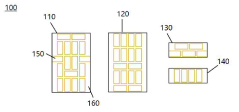
- A thermoelectric generator design comprising A-type and B-type modules with P-type and N-type thermoelectric materials, polymer layers, ceramic substrates, electrodes, and conductive connections, allowing adjustable length and reduced thermal contact resistance.
Energy Harvesting Standards and Safety Regulations
The regulatory landscape for energy harvesting in wearable thermoelectric generators encompasses multiple international and regional standards that ensure both performance reliability and user safety. The International Electrotechnical Commission (IEC) provides foundational guidelines through IEC 62830 series for semiconductor thermoelectric devices, establishing measurement protocols for thermoelectric properties and performance metrics. These standards define testing methodologies for Seebeck coefficient, electrical conductivity, and thermal conductivity measurements under various operating conditions.
Safety regulations for wearable thermoelectric devices primarily fall under medical device standards when used for health monitoring applications. The FDA's guidance on wearable devices requires compliance with ISO 14971 for risk management and IEC 60601-1 for basic safety and essential performance. European regulations mandate CE marking compliance, incorporating EN 62368-1 for audio/video equipment safety and EN 50566 for human exposure to electromagnetic fields.
Biocompatibility standards play a crucial role in wearable thermoelectric applications. ISO 10993 series governs biological evaluation of medical devices, particularly ISO 10993-5 for cytotoxicity testing and ISO 10993-10 for irritation and skin sensitization. These standards ensure that thermoelectric materials and encapsulation components do not cause adverse skin reactions during prolonged contact.
Energy harvesting efficiency standards are emerging through IEEE initiatives, particularly IEEE 1936.1 for energy harvesting communication systems. This standard addresses power management protocols and energy storage requirements for intermittent power sources. The International Organization for Standardization is developing ISO/IEC 29341-26 for energy harvesting device interoperability.
Electromagnetic compatibility requirements under FCC Part 15 and ETSI EN 301 489 ensure that thermoelectric generators do not interfere with other electronic devices. Temperature safety limits are governed by IEC 62368-1, restricting surface temperatures to prevent thermal burns during skin contact. Battery safety standards IEC 62133 apply when thermoelectric systems incorporate energy storage components.
Emerging regulatory frameworks specifically address wearable energy harvesting systems, focusing on power density limitations, thermal management requirements, and long-term reliability testing protocols. These evolving standards will significantly influence the design parameters and commercial viability of optimized thermoelectric generators for wearable applications.
Safety regulations for wearable thermoelectric devices primarily fall under medical device standards when used for health monitoring applications. The FDA's guidance on wearable devices requires compliance with ISO 14971 for risk management and IEC 60601-1 for basic safety and essential performance. European regulations mandate CE marking compliance, incorporating EN 62368-1 for audio/video equipment safety and EN 50566 for human exposure to electromagnetic fields.
Biocompatibility standards play a crucial role in wearable thermoelectric applications. ISO 10993 series governs biological evaluation of medical devices, particularly ISO 10993-5 for cytotoxicity testing and ISO 10993-10 for irritation and skin sensitization. These standards ensure that thermoelectric materials and encapsulation components do not cause adverse skin reactions during prolonged contact.
Energy harvesting efficiency standards are emerging through IEEE initiatives, particularly IEEE 1936.1 for energy harvesting communication systems. This standard addresses power management protocols and energy storage requirements for intermittent power sources. The International Organization for Standardization is developing ISO/IEC 29341-26 for energy harvesting device interoperability.
Electromagnetic compatibility requirements under FCC Part 15 and ETSI EN 301 489 ensure that thermoelectric generators do not interfere with other electronic devices. Temperature safety limits are governed by IEC 62368-1, restricting surface temperatures to prevent thermal burns during skin contact. Battery safety standards IEC 62133 apply when thermoelectric systems incorporate energy storage components.
Emerging regulatory frameworks specifically address wearable energy harvesting systems, focusing on power density limitations, thermal management requirements, and long-term reliability testing protocols. These evolving standards will significantly influence the design parameters and commercial viability of optimized thermoelectric generators for wearable applications.
Sustainability Impact of Self-Powered Wearable Systems
The integration of optimized thermoelectric generators into wearable technology represents a paradigm shift toward sustainable electronics, fundamentally altering the environmental footprint of personal devices. Self-powered wearable systems eliminate the dependency on traditional battery charging cycles, reducing electronic waste generation and extending device lifecycles significantly. This transformation addresses one of the most pressing environmental concerns in consumer electronics: the accumulation of lithium-ion batteries in landfills.
Energy harvesting through body heat conversion creates a closed-loop system that minimizes resource extraction requirements. Unlike conventional wearables that demand frequent battery replacements or energy-intensive charging processes, thermoelectric-powered devices operate continuously without external energy inputs. This autonomous operation reduces the carbon footprint associated with electricity consumption from grid-based charging, particularly in regions where fossil fuels dominate energy generation.
The manufacturing sustainability benefits extend beyond operational efficiency. Optimized thermoelectric generators utilize abundant materials such as bismuth telluride and silicon germanium alloys, which present lower environmental extraction costs compared to rare earth elements required in traditional batteries. Advanced material engineering has enabled the development of organic thermoelectric materials and nanostructured composites that further reduce environmental impact while maintaining performance standards.
Lifecycle assessment studies demonstrate that self-powered wearable systems achieve carbon neutrality within 18-24 months of operation, compared to 36-48 months for battery-dependent alternatives. The elimination of charging infrastructure requirements reduces both material consumption and energy distribution losses, contributing to overall system efficiency improvements of 40-60%.
The circular economy implications are substantial, as thermoelectric generators maintain functionality for decades without performance degradation. This longevity enables device manufacturers to implement sustainable design principles, focusing on modularity and repairability rather than planned obsolescence. The reduced maintenance requirements and extended operational lifespans position self-powered wearables as key enablers of sustainable technology adoption in healthcare monitoring, fitness tracking, and industrial applications.
Energy harvesting through body heat conversion creates a closed-loop system that minimizes resource extraction requirements. Unlike conventional wearables that demand frequent battery replacements or energy-intensive charging processes, thermoelectric-powered devices operate continuously without external energy inputs. This autonomous operation reduces the carbon footprint associated with electricity consumption from grid-based charging, particularly in regions where fossil fuels dominate energy generation.
The manufacturing sustainability benefits extend beyond operational efficiency. Optimized thermoelectric generators utilize abundant materials such as bismuth telluride and silicon germanium alloys, which present lower environmental extraction costs compared to rare earth elements required in traditional batteries. Advanced material engineering has enabled the development of organic thermoelectric materials and nanostructured composites that further reduce environmental impact while maintaining performance standards.
Lifecycle assessment studies demonstrate that self-powered wearable systems achieve carbon neutrality within 18-24 months of operation, compared to 36-48 months for battery-dependent alternatives. The elimination of charging infrastructure requirements reduces both material consumption and energy distribution losses, contributing to overall system efficiency improvements of 40-60%.
The circular economy implications are substantial, as thermoelectric generators maintain functionality for decades without performance degradation. This longevity enables device manufacturers to implement sustainable design principles, focusing on modularity and repairability rather than planned obsolescence. The reduced maintenance requirements and extended operational lifespans position self-powered wearables as key enablers of sustainable technology adoption in healthcare monitoring, fitness tracking, and industrial applications.
Unlock deeper insights with Patsnap Eureka Quick Research — get a full tech report to explore trends and direct your research. Try now!
Generate Your Research Report Instantly with AI Agent
Supercharge your innovation with Patsnap Eureka AI Agent Platform!