
Oscillator Frequency Limitations in Silicon-Based Devices
MAR 13, 20269 MIN READ
Generate Your Research Report Instantly with AI Agent
Patsnap Eureka helps you evaluate technical feasibility & market potential.
Silicon Oscillator Frequency Barriers and Targets
Silicon-based oscillators have emerged as critical components in modern electronic systems, driving the need for higher frequency operation to meet the demands of advanced applications. The fundamental objective in this domain centers on overcoming the inherent physical limitations that constrain oscillator performance in silicon substrates. These limitations stem from the material properties of silicon, parasitic effects, and manufacturing constraints that collectively impose frequency ceilings on conventional designs.
The primary technical goal involves pushing silicon oscillator frequencies beyond the traditional barriers imposed by transit time limitations, parasitic capacitances, and thermal effects. Current research efforts focus on achieving stable oscillation frequencies in the millimeter-wave range while maintaining acceptable phase noise performance and power consumption levels. This represents a significant leap from conventional silicon oscillators that typically operate in the gigahertz range.
Historical development of silicon oscillators began with simple LC tank circuits and has evolved through multiple generations of technological advancement. Early implementations relied on external components and suffered from poor integration capabilities. The introduction of voltage-controlled oscillators (VCOs) marked a pivotal transition, enabling better frequency control and system integration. Subsequently, the development of ring oscillators provided alternative architectures with improved manufacturability but introduced new challenges related to phase noise and frequency stability.
The evolution pathway has been characterized by continuous efforts to minimize parasitic effects while maximizing the utilization of silicon's inherent properties. Advanced process technologies, including FinFET and SOI substrates, have enabled new design approaches that partially address traditional limitations. However, fundamental physical constraints continue to pose significant challenges as frequency requirements escalate.
Contemporary targets for silicon oscillator development include achieving frequencies exceeding 100 GHz while maintaining phase noise performance below -100 dBc/Hz at 1 MHz offset. Additionally, power efficiency targets aim for sub-milliwatt operation to support battery-powered applications. Integration density objectives focus on minimizing die area while incorporating frequency synthesis and control circuitry on the same substrate.
The convergence of these technical objectives with emerging application requirements in 5G communications, automotive radar, and high-speed computing systems has intensified research efforts. Success in overcoming these frequency limitations would enable new categories of silicon-based solutions that could displace compound semiconductor alternatives in specific applications, potentially revolutionizing cost structures and manufacturing scalability in high-frequency electronic systems.
The primary technical goal involves pushing silicon oscillator frequencies beyond the traditional barriers imposed by transit time limitations, parasitic capacitances, and thermal effects. Current research efforts focus on achieving stable oscillation frequencies in the millimeter-wave range while maintaining acceptable phase noise performance and power consumption levels. This represents a significant leap from conventional silicon oscillators that typically operate in the gigahertz range.
Historical development of silicon oscillators began with simple LC tank circuits and has evolved through multiple generations of technological advancement. Early implementations relied on external components and suffered from poor integration capabilities. The introduction of voltage-controlled oscillators (VCOs) marked a pivotal transition, enabling better frequency control and system integration. Subsequently, the development of ring oscillators provided alternative architectures with improved manufacturability but introduced new challenges related to phase noise and frequency stability.
The evolution pathway has been characterized by continuous efforts to minimize parasitic effects while maximizing the utilization of silicon's inherent properties. Advanced process technologies, including FinFET and SOI substrates, have enabled new design approaches that partially address traditional limitations. However, fundamental physical constraints continue to pose significant challenges as frequency requirements escalate.
Contemporary targets for silicon oscillator development include achieving frequencies exceeding 100 GHz while maintaining phase noise performance below -100 dBc/Hz at 1 MHz offset. Additionally, power efficiency targets aim for sub-milliwatt operation to support battery-powered applications. Integration density objectives focus on minimizing die area while incorporating frequency synthesis and control circuitry on the same substrate.
The convergence of these technical objectives with emerging application requirements in 5G communications, automotive radar, and high-speed computing systems has intensified research efforts. Success in overcoming these frequency limitations would enable new categories of silicon-based solutions that could displace compound semiconductor alternatives in specific applications, potentially revolutionizing cost structures and manufacturing scalability in high-frequency electronic systems.
Market Demand for High-Frequency Silicon Oscillators
The telecommunications industry represents the largest consumer segment for high-frequency silicon oscillators, driven by the explosive growth of 5G infrastructure deployment worldwide. Base stations, small cells, and network equipment require precise timing references operating at frequencies exceeding 10 GHz to support millimeter-wave communications and massive MIMO technologies. The transition from 4G to 5G networks has created unprecedented demand for oscillators capable of maintaining phase noise performance at these elevated frequencies.
Data center and cloud computing applications constitute another rapidly expanding market segment. High-performance computing systems, artificial intelligence accelerators, and quantum computing platforms require ultra-stable clock sources to synchronize complex processing operations. The increasing computational demands and the need for reduced latency in data processing have pushed frequency requirements beyond traditional silicon oscillator capabilities.
Automotive electronics, particularly in autonomous driving systems, present emerging opportunities for high-frequency oscillators. Advanced driver assistance systems, LiDAR sensors, and vehicle-to-everything communication protocols demand precise timing solutions that can operate reliably across extreme temperature ranges while maintaining frequency stability. The automotive industry's shift toward electric and autonomous vehicles has intensified these requirements.
Consumer electronics markets, including smartphones, tablets, and wearable devices, continue to drive volume demand despite operating at relatively lower frequencies. However, the integration of advanced features such as ultra-wideband positioning, Wi-Fi 6E, and Bluetooth 5.0 has elevated frequency requirements in these applications. The miniaturization trends in consumer devices also demand smaller form factors without compromising performance.
Industrial automation and Internet of Things applications represent a growing market segment where high-frequency oscillators enable precise sensor networks, industrial wireless communications, and real-time control systems. The Industry 4.0 revolution has accelerated adoption of wireless sensor networks operating in higher frequency bands to avoid interference and achieve better data throughput.
The aerospace and defense sectors maintain consistent demand for high-frequency oscillators in radar systems, satellite communications, and electronic warfare applications. These markets typically require the highest performance specifications and are willing to accept premium pricing for solutions that exceed standard silicon oscillator limitations.
Data center and cloud computing applications constitute another rapidly expanding market segment. High-performance computing systems, artificial intelligence accelerators, and quantum computing platforms require ultra-stable clock sources to synchronize complex processing operations. The increasing computational demands and the need for reduced latency in data processing have pushed frequency requirements beyond traditional silicon oscillator capabilities.
Automotive electronics, particularly in autonomous driving systems, present emerging opportunities for high-frequency oscillators. Advanced driver assistance systems, LiDAR sensors, and vehicle-to-everything communication protocols demand precise timing solutions that can operate reliably across extreme temperature ranges while maintaining frequency stability. The automotive industry's shift toward electric and autonomous vehicles has intensified these requirements.
Consumer electronics markets, including smartphones, tablets, and wearable devices, continue to drive volume demand despite operating at relatively lower frequencies. However, the integration of advanced features such as ultra-wideband positioning, Wi-Fi 6E, and Bluetooth 5.0 has elevated frequency requirements in these applications. The miniaturization trends in consumer devices also demand smaller form factors without compromising performance.
Industrial automation and Internet of Things applications represent a growing market segment where high-frequency oscillators enable precise sensor networks, industrial wireless communications, and real-time control systems. The Industry 4.0 revolution has accelerated adoption of wireless sensor networks operating in higher frequency bands to avoid interference and achieve better data throughput.
The aerospace and defense sectors maintain consistent demand for high-frequency oscillators in radar systems, satellite communications, and electronic warfare applications. These markets typically require the highest performance specifications and are willing to accept premium pricing for solutions that exceed standard silicon oscillator limitations.
Current Limitations and Challenges in Silicon Oscillator Design
Silicon-based oscillators face fundamental physical limitations that constrain their maximum operating frequencies and overall performance characteristics. The primary challenge stems from the inherent material properties of silicon, including carrier mobility limitations and parasitic capacitances that become increasingly problematic at higher frequencies. These limitations manifest as reduced signal quality, increased phase noise, and power consumption inefficiencies that significantly impact system-level performance.
Process variation represents another critical challenge in silicon oscillator design, where manufacturing tolerances directly affect frequency stability and accuracy. Temperature coefficients in silicon devices cause substantial frequency drift across operating ranges, requiring complex compensation circuits that add design complexity and cost. The trade-off between power consumption and phase noise performance creates additional constraints, particularly in battery-powered applications where energy efficiency is paramount.
Parasitic effects become increasingly dominant as frequencies approach the gigahertz range, where interconnect inductances and substrate coupling introduce unwanted resonances and signal degradation. The limited quality factor of on-chip inductors and capacitors restricts the achievable frequency selectivity and stability, forcing designers to implement external components that increase system complexity and cost.
Thermal management poses significant challenges as power density increases with frequency, leading to localized heating that further exacerbates frequency stability issues. The coupling between adjacent circuit blocks through substrate noise and electromagnetic interference becomes more pronounced at higher frequencies, requiring sophisticated isolation techniques and careful layout considerations.
Scaling limitations in CMOS technology present additional constraints, where reduced supply voltages and increased leakage currents impact oscillator startup reliability and long-term stability. The finite transition frequency of silicon transistors establishes an upper bound on achievable oscillation frequencies, while maintaining adequate gain margins for reliable operation across process, voltage, and temperature variations.
Design complexity escalates significantly when attempting to achieve both high frequency operation and low phase noise simultaneously, often requiring advanced circuit topologies and calibration schemes that increase silicon area and power consumption. These multifaceted challenges necessitate innovative approaches to overcome the fundamental limitations inherent in silicon-based oscillator implementations.
Process variation represents another critical challenge in silicon oscillator design, where manufacturing tolerances directly affect frequency stability and accuracy. Temperature coefficients in silicon devices cause substantial frequency drift across operating ranges, requiring complex compensation circuits that add design complexity and cost. The trade-off between power consumption and phase noise performance creates additional constraints, particularly in battery-powered applications where energy efficiency is paramount.
Parasitic effects become increasingly dominant as frequencies approach the gigahertz range, where interconnect inductances and substrate coupling introduce unwanted resonances and signal degradation. The limited quality factor of on-chip inductors and capacitors restricts the achievable frequency selectivity and stability, forcing designers to implement external components that increase system complexity and cost.
Thermal management poses significant challenges as power density increases with frequency, leading to localized heating that further exacerbates frequency stability issues. The coupling between adjacent circuit blocks through substrate noise and electromagnetic interference becomes more pronounced at higher frequencies, requiring sophisticated isolation techniques and careful layout considerations.
Scaling limitations in CMOS technology present additional constraints, where reduced supply voltages and increased leakage currents impact oscillator startup reliability and long-term stability. The finite transition frequency of silicon transistors establishes an upper bound on achievable oscillation frequencies, while maintaining adequate gain margins for reliable operation across process, voltage, and temperature variations.
Design complexity escalates significantly when attempting to achieve both high frequency operation and low phase noise simultaneously, often requiring advanced circuit topologies and calibration schemes that increase silicon area and power consumption. These multifaceted challenges necessitate innovative approaches to overcome the fundamental limitations inherent in silicon-based oscillator implementations.
Existing Solutions for Overcoming Silicon Frequency Limits
01 MEMS-based silicon oscillators with frequency compensation
Silicon-based MEMS (Micro-Electro-Mechanical Systems) oscillators utilize mechanical resonators fabricated on silicon substrates to generate stable frequency signals. These devices incorporate temperature compensation circuits and trimming techniques to maintain frequency stability across varying environmental conditions. The MEMS resonators can be integrated with CMOS circuits to provide compact, low-power oscillator solutions with programmable frequency outputs.- Temperature compensation techniques for silicon oscillators: Silicon-based oscillators can incorporate temperature compensation mechanisms to maintain stable frequency output across varying temperature conditions. These techniques involve using temperature sensors and compensation circuits to adjust the oscillator frequency in response to temperature changes. The compensation can be achieved through analog or digital methods, including the use of programmable capacitor arrays or voltage adjustments to counteract temperature-induced frequency drift.
- MEMS-based silicon oscillator structures: Micro-electromechanical systems technology can be utilized to create silicon-based resonators and oscillators with improved frequency stability and reduced size. These structures typically employ silicon resonating elements that vibrate at specific frequencies, with the mechanical properties of the silicon determining the oscillation frequency. The MEMS approach allows for integration with standard semiconductor manufacturing processes and enables compact oscillator designs with low power consumption.
- Frequency tuning and calibration circuits: Silicon oscillators can incorporate tuning and calibration circuits to adjust and maintain precise frequency output. These circuits may include digitally controlled capacitor banks, varactors, or other tunable elements that allow for fine adjustment of the oscillation frequency. Calibration techniques can involve factory trimming, runtime calibration, or adaptive algorithms that continuously monitor and adjust the frequency to compensate for process variations and environmental factors.
- Phase-locked loop integration for frequency synthesis: Silicon-based oscillators can be integrated with phase-locked loop circuits to generate multiple output frequencies or to improve frequency stability. The phase-locked loop uses the silicon oscillator as a reference and can multiply or divide the frequency to produce desired output frequencies. This integration enables flexible frequency synthesis while maintaining the advantages of silicon-based oscillator technology, such as small size and compatibility with integrated circuit manufacturing.
- Low-power and energy-efficient oscillator designs: Silicon oscillators can be designed with power-saving features to reduce energy consumption while maintaining frequency accuracy. These designs may incorporate duty-cycling techniques, adaptive biasing circuits, or optimized transistor sizing to minimize power draw. Energy-efficient designs are particularly important for battery-powered applications and can include features such as quick start-up capabilities and low standby current modes that allow the oscillator to be powered down when not in use.
02 Voltage-controlled oscillators in silicon devices
Voltage-controlled oscillators implemented in silicon technology allow for frequency tuning through applied voltage variations. These circuits employ varactor diodes or variable capacitance elements integrated into the oscillator feedback network to achieve frequency modulation. The designs optimize phase noise performance and tuning range while maintaining low power consumption, making them suitable for communication and signal processing applications.Expand Specific Solutions03 Crystal oscillator integration with silicon circuits
Silicon-based devices incorporate crystal resonators to achieve high-precision frequency generation. These hybrid solutions combine the frequency stability of quartz crystals with integrated silicon amplifier and control circuits. The designs include startup circuits, automatic gain control, and frequency multiplication or division stages to provide accurate clock signals for digital systems and timing applications.Expand Specific Solutions04 Phase-locked loop frequency synthesis in silicon
Phase-locked loop architectures implemented in silicon technology enable precise frequency synthesis and multiplication. These systems utilize voltage-controlled oscillators, phase detectors, and loop filters fabricated on silicon substrates to generate stable output frequencies locked to reference signals. Advanced designs incorporate fractional-N synthesis, digital control, and calibration mechanisms to achieve fine frequency resolution and fast settling times.Expand Specific Solutions05 Ring oscillator structures for frequency generation
Ring oscillators constructed from cascaded inverter or delay stages in silicon CMOS technology provide compact frequency generation solutions. These structures achieve oscillation through feedback loops with odd numbers of inverting stages, offering voltage-controlled frequency tuning capabilities. Design techniques focus on reducing jitter, improving frequency stability, and enabling wide tuning ranges for applications in clock generation and frequency synthesis.Expand Specific Solutions
Key Players in Silicon Oscillator and Semiconductor Industry
The oscillator frequency limitations in silicon-based devices represent a mature yet evolving technological landscape characterized by intense competition among established semiconductor giants and specialized component manufacturers. The market has reached substantial scale, driven by ubiquitous demand across telecommunications, automotive, and consumer electronics sectors. Key players like Texas Instruments, Analog Devices, and Silicon Laboratories lead in precision timing solutions, while companies such as Nihon Dempa Kogyo and Seiko Epson dominate crystal oscillator technologies. Technology maturity varies significantly, with traditional quartz-based solutions being well-established, while emerging silicon MEMS oscillators and advanced frequency synthesis techniques represent areas of active innovation. Major corporations including Sony, Panasonic, and NXP continue investing in next-generation timing architectures to overcome fundamental silicon limitations, particularly for high-frequency applications exceeding several gigahertz where phase noise and power consumption become critical constraints.
Infineon Technologies AG
Technical Solution: Infineon addresses oscillator frequency limitations through their advanced RF and power management solutions, focusing on high-frequency applications in automotive and industrial markets. Their approach utilizes SiGe BiCMOS technology to achieve oscillator frequencies exceeding 5 GHz while maintaining low phase noise characteristics. Infineon's integrated VCO solutions incorporate varactor tuning and temperature compensation circuits to address frequency drift issues common in silicon-based devices. Their AURIX microcontroller family includes on-chip oscillators with enhanced frequency stability through digital calibration techniques and adaptive frequency control. The company's focus on automotive-grade reliability ensures oscillator performance across extended temperature ranges while meeting stringent EMC requirements through careful layout optimization and substrate isolation techniques.
Strengths: High-frequency capability and automotive-grade reliability. Weaknesses: Limited programmability compared to dedicated timing ICs and higher cost for specialized applications.
Texas Instruments Incorporated
Technical Solution: TI addresses oscillator frequency limitations through their advanced clock generation and distribution solutions, particularly the LMK series of precision timing devices. Their approach combines low-noise PLLs with integrated VCOs (Voltage Controlled Oscillators) to achieve frequencies up to 3.2 GHz while maintaining phase noise performance below -165 dBc/Hz at 10 kHz offset. TI's JESD204B/C compliant clock solutions utilize advanced silicon processes and proprietary circuit design techniques to overcome traditional frequency scaling limitations. Their dual-loop architecture separates the reference path from the VCO path, enabling independent optimization of phase noise and spurious performance. The integration of fractional-N synthesis with delta-sigma modulation helps achieve fine frequency resolution while minimizing quantization noise effects.
Strengths: Excellent phase noise performance and wide frequency range capability. Weaknesses: Complex configuration requirements and sensitivity to power supply variations.
Core Innovations in High-Frequency Silicon Oscillator Design
High-frequency oscillator for an integrated semiconductor circuit and the use thereof
PatentInactiveUS6909163B2
Innovation
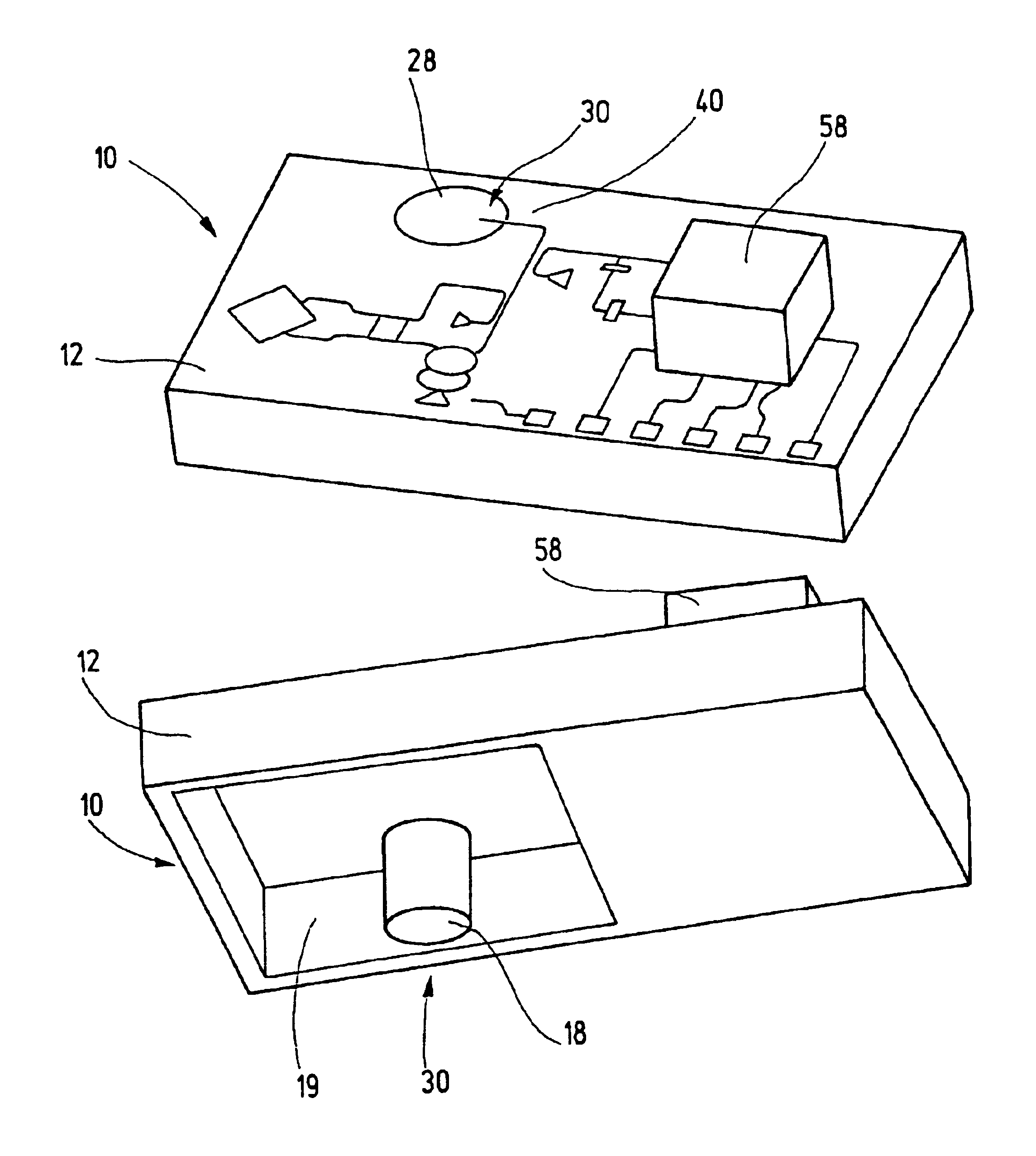
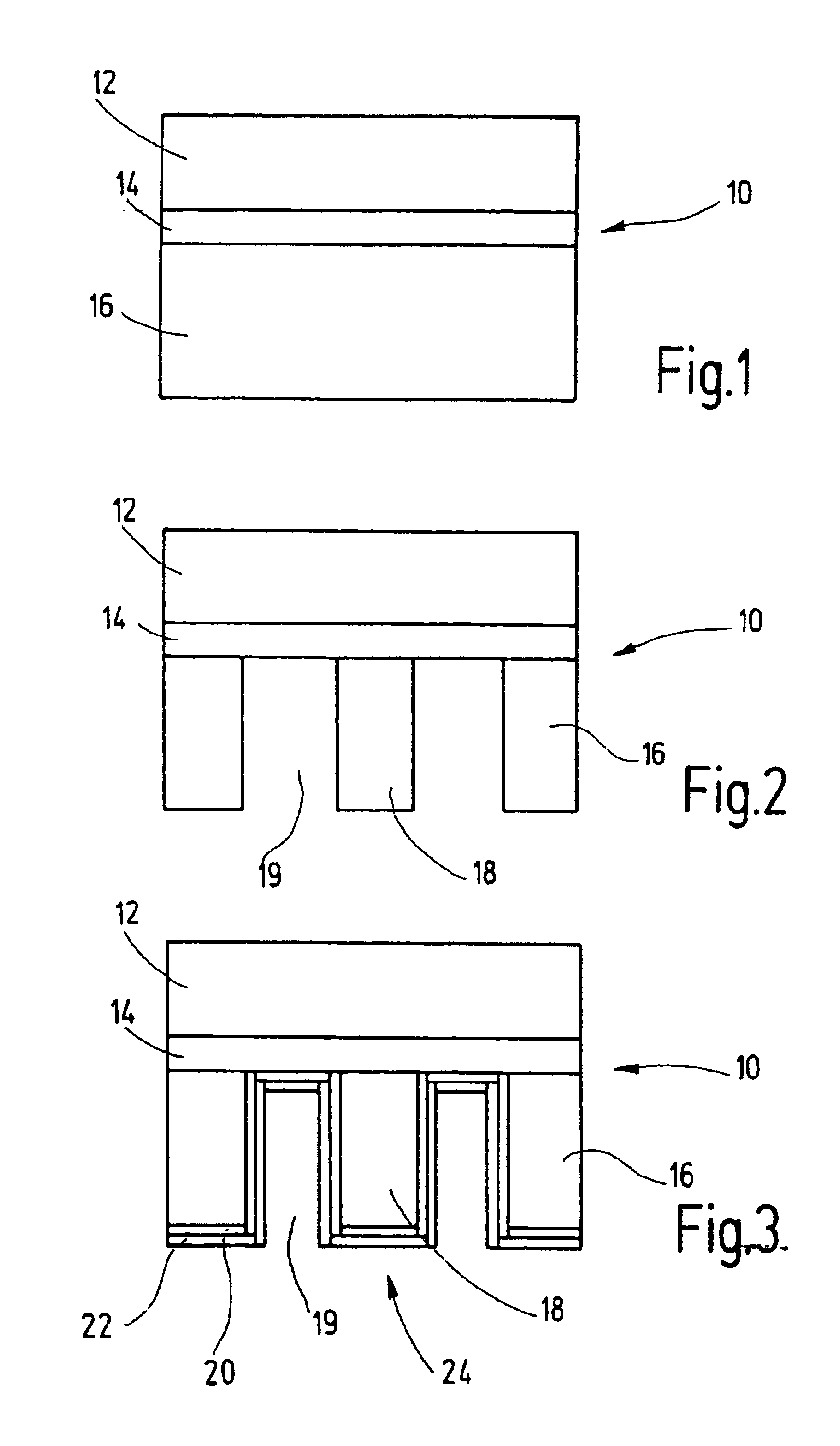
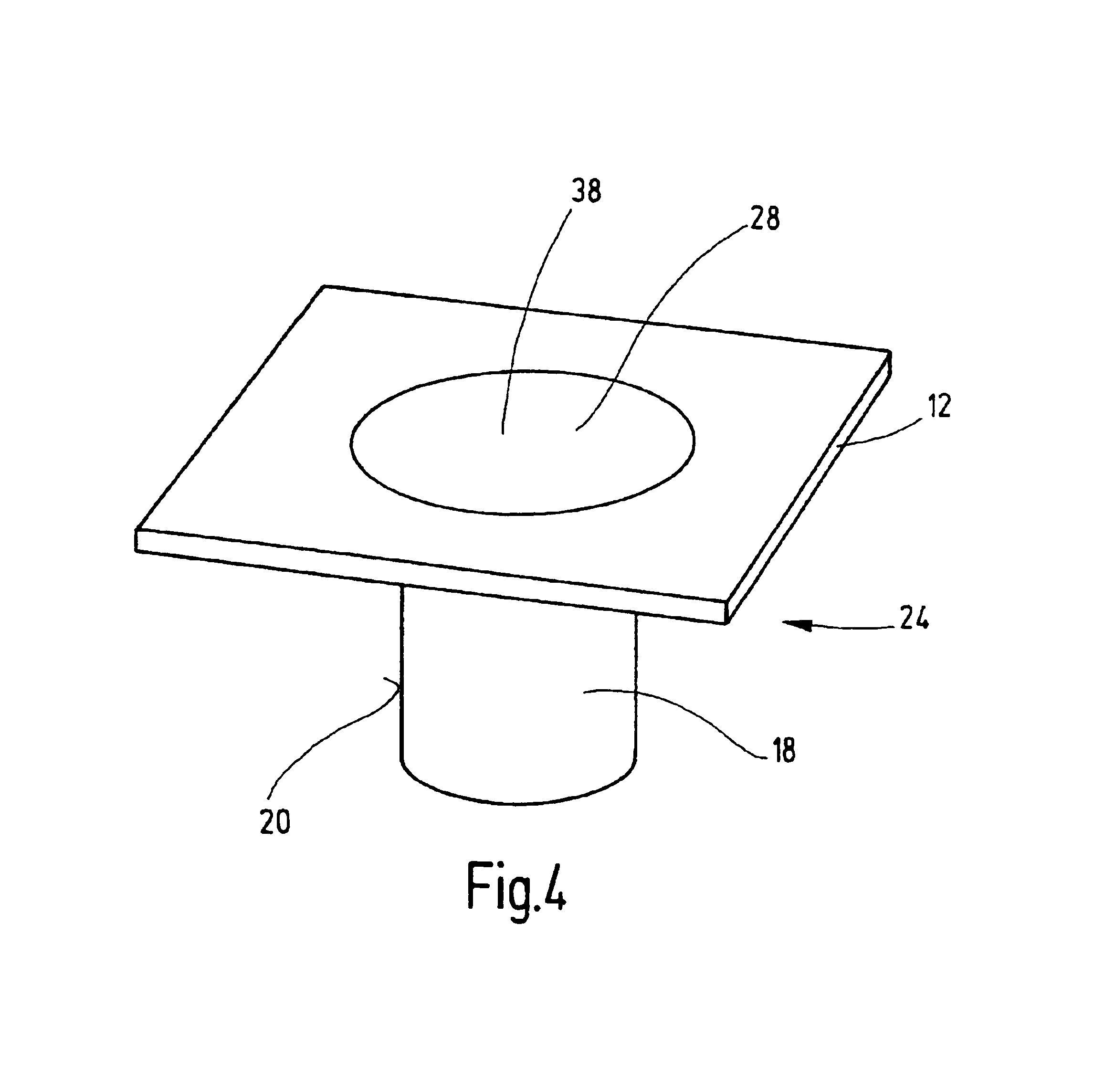
- A high-frequency oscillator integrated into a semiconductor circuit using a silicon on insulator (SOI) wafer with a metallized silicon resonator and an IMPATT diode, providing enhanced frequency stability and reduced phase jitter in the millimeter wave range, allowing for precise beam focusing and integration of passive and active components.

Varactorless tunable oscillator
PatentWO2008102286A2
Innovation
- A varactorless tunable oscillator topology that utilizes the collector-base capacitance of emitter followers for frequency tuning, eliminating the need for varactors and incorporating a diode circuit and controllable voltage or current source to generate a reverse tuning voltage, allowing for symmetrical implementation and simple topology.


Alternative Materials and Hybrid Oscillator Approaches
The pursuit of higher frequency oscillators has driven extensive research into alternative materials that can overcome the fundamental limitations of silicon-based devices. Gallium arsenide (GaAs) and indium phosphide (InP) compound semiconductors represent the most mature alternatives, offering superior electron mobility and reduced parasitic capacitances. These III-V materials enable oscillator frequencies exceeding 100 GHz, with GaAs-based oscillators demonstrating exceptional phase noise performance in millimeter-wave applications.
Gallium nitride (GaN) has emerged as a particularly promising material for high-frequency oscillators, especially in power-sensitive applications. Its wide bandgap characteristics and high breakdown voltage enable robust operation at elevated frequencies while maintaining thermal stability. Recent developments in GaN-on-silicon technology have made this approach more cost-effective, bridging the gap between performance and manufacturability.
Carbon-based materials, particularly graphene and carbon nanotubes, represent frontier approaches for ultra-high-frequency oscillation. Graphene's exceptional carrier mobility and unique electronic properties have enabled experimental oscillators operating in the terahertz range. However, practical implementation remains challenging due to material uniformity issues and integration complexities with existing semiconductor processes.
Hybrid oscillator architectures combine multiple materials and technologies to leverage their respective advantages while mitigating individual limitations. Silicon-germanium (SiGe) heterojunction bipolar transistors integrated with silicon CMOS processes exemplify successful hybrid approaches, achieving frequencies above 300 GHz while maintaining compatibility with standard fabrication techniques.
Photonic-electronic hybrid oscillators represent an innovative direction, utilizing optical resonators coupled with electronic amplification circuits. These systems can achieve unprecedented frequency stability and reduced phase noise by leveraging the superior quality factors of optical cavities. Silicon photonics platforms enable monolithic integration of these hybrid systems, potentially revolutionizing high-frequency signal generation.
Metamaterial-enhanced oscillators constitute another emerging hybrid approach, where engineered electromagnetic structures modify the effective material properties surrounding conventional oscillator circuits. These structures can enhance resonator quality factors and enable novel frequency tuning mechanisms, extending the operational bandwidth of silicon-based devices beyond their intrinsic limitations.
Gallium nitride (GaN) has emerged as a particularly promising material for high-frequency oscillators, especially in power-sensitive applications. Its wide bandgap characteristics and high breakdown voltage enable robust operation at elevated frequencies while maintaining thermal stability. Recent developments in GaN-on-silicon technology have made this approach more cost-effective, bridging the gap between performance and manufacturability.
Carbon-based materials, particularly graphene and carbon nanotubes, represent frontier approaches for ultra-high-frequency oscillation. Graphene's exceptional carrier mobility and unique electronic properties have enabled experimental oscillators operating in the terahertz range. However, practical implementation remains challenging due to material uniformity issues and integration complexities with existing semiconductor processes.
Hybrid oscillator architectures combine multiple materials and technologies to leverage their respective advantages while mitigating individual limitations. Silicon-germanium (SiGe) heterojunction bipolar transistors integrated with silicon CMOS processes exemplify successful hybrid approaches, achieving frequencies above 300 GHz while maintaining compatibility with standard fabrication techniques.
Photonic-electronic hybrid oscillators represent an innovative direction, utilizing optical resonators coupled with electronic amplification circuits. These systems can achieve unprecedented frequency stability and reduced phase noise by leveraging the superior quality factors of optical cavities. Silicon photonics platforms enable monolithic integration of these hybrid systems, potentially revolutionizing high-frequency signal generation.
Metamaterial-enhanced oscillators constitute another emerging hybrid approach, where engineered electromagnetic structures modify the effective material properties surrounding conventional oscillator circuits. These structures can enhance resonator quality factors and enable novel frequency tuning mechanisms, extending the operational bandwidth of silicon-based devices beyond their intrinsic limitations.
Thermal Management Solutions for High-Frequency Operation
Thermal management represents one of the most critical challenges in achieving high-frequency operation in silicon-based oscillators. As operating frequencies increase beyond several gigahertz, power dissipation rises exponentially, creating localized hot spots that can severely degrade device performance and reliability. The primary thermal effects include frequency drift, phase noise degradation, and potential device failure due to thermal runaway conditions.
Advanced heat dissipation techniques have emerged as essential solutions for high-frequency silicon oscillators. Micro-channel cooling systems integrated directly into the substrate provide efficient heat removal through forced convection. These systems utilize precisely etched channels with dimensions ranging from 50 to 200 micrometers, allowing coolant flow rates that can extract heat fluxes exceeding 1000 W/cm². Additionally, thermal interface materials with enhanced conductivity, such as graphene-based composites and diamond-like carbon films, significantly improve heat transfer from active regions to heat sinks.
Package-level thermal management strategies focus on optimizing heat conduction paths and minimizing thermal resistance. Advanced packaging solutions incorporate copper-tungsten composite substrates and multi-layer thermal vias to create efficient thermal highways. Flip-chip bonding techniques with optimized bump patterns distribute heat more uniformly across the package, while embedded heat spreaders made from high-conductivity materials like copper or aluminum nitride provide additional thermal mass.
Circuit-level thermal mitigation approaches involve intelligent power management and thermal-aware design methodologies. Dynamic frequency scaling algorithms automatically reduce operating frequency when temperature thresholds are exceeded, maintaining stable operation while preventing thermal damage. Distributed oscillator architectures spread heat generation across larger areas, reducing peak temperatures and improving overall thermal performance.
Emerging thermal management technologies show promising potential for next-generation high-frequency applications. Thermoelectric cooling elements integrated at the chip level provide active temperature control with response times in microseconds. Phase-change materials embedded within packages offer passive thermal regulation by absorbing excess heat during temperature spikes and releasing it during cooler periods, effectively dampening thermal fluctuations that could impact oscillator stability.
Advanced heat dissipation techniques have emerged as essential solutions for high-frequency silicon oscillators. Micro-channel cooling systems integrated directly into the substrate provide efficient heat removal through forced convection. These systems utilize precisely etched channels with dimensions ranging from 50 to 200 micrometers, allowing coolant flow rates that can extract heat fluxes exceeding 1000 W/cm². Additionally, thermal interface materials with enhanced conductivity, such as graphene-based composites and diamond-like carbon films, significantly improve heat transfer from active regions to heat sinks.
Package-level thermal management strategies focus on optimizing heat conduction paths and minimizing thermal resistance. Advanced packaging solutions incorporate copper-tungsten composite substrates and multi-layer thermal vias to create efficient thermal highways. Flip-chip bonding techniques with optimized bump patterns distribute heat more uniformly across the package, while embedded heat spreaders made from high-conductivity materials like copper or aluminum nitride provide additional thermal mass.
Circuit-level thermal mitigation approaches involve intelligent power management and thermal-aware design methodologies. Dynamic frequency scaling algorithms automatically reduce operating frequency when temperature thresholds are exceeded, maintaining stable operation while preventing thermal damage. Distributed oscillator architectures spread heat generation across larger areas, reducing peak temperatures and improving overall thermal performance.
Emerging thermal management technologies show promising potential for next-generation high-frequency applications. Thermoelectric cooling elements integrated at the chip level provide active temperature control with response times in microseconds. Phase-change materials embedded within packages offer passive thermal regulation by absorbing excess heat during temperature spikes and releasing it during cooler periods, effectively dampening thermal fluctuations that could impact oscillator stability.
Unlock deeper insights with Patsnap Eureka Quick Research — get a full tech report to explore trends and direct your research. Try now!
Generate Your Research Report Instantly with AI Agent
Supercharge your innovation with Patsnap Eureka AI Agent Platform!