

Pulsed Electromagnetic Field vs Static Magnet for Inflammation
MAR 7, 20269 MIN READ
Generate Your Research Report Instantly with AI Agent
PatSnap Eureka helps you evaluate technical feasibility & market potential.
PEMF vs Static Magnet Background and Therapeutic Goals
Electromagnetic field therapy has emerged as a significant non-invasive treatment modality for inflammatory conditions, with two primary approaches dominating the therapeutic landscape: Pulsed Electromagnetic Field (PEMF) therapy and static magnetic field therapy. Both modalities leverage electromagnetic principles to influence biological processes, yet they operate through fundamentally different mechanisms and demonstrate distinct therapeutic profiles in addressing inflammatory responses.
The historical development of electromagnetic therapy traces back to the early 20th century when researchers first observed the biological effects of magnetic fields on living tissues. PEMF therapy evolved from early observations of bone healing acceleration in the 1970s, while static magnetic therapy has roots in traditional medicine practices dating back centuries. The scientific understanding of these modalities has progressed significantly, with modern research revealing complex interactions between electromagnetic fields and cellular inflammatory pathways.
PEMF therapy utilizes time-varying electromagnetic fields delivered in specific pulse patterns, frequencies, and intensities. These pulsed fields generate induced electrical currents within tissues, potentially influencing cellular membrane potentials, ion channel activity, and intracellular signaling cascades. The dynamic nature of PEMF allows for precise control over field parameters, enabling targeted therapeutic interventions based on specific inflammatory conditions and tissue types.
Static magnetic field therapy, conversely, employs permanent magnets or electromagnets to generate constant magnetic fields. These fields do not induce electrical currents in the same manner as PEMF but may influence charged particle movement, molecular orientation, and blood flow patterns. The therapeutic effects are attributed to direct magnetic field interactions with biological systems rather than induced electrical phenomena.
The primary therapeutic goals for both modalities in inflammation management include reduction of pro-inflammatory cytokine expression, modulation of immune cell activity, enhancement of tissue perfusion, and acceleration of healing processes. PEMF therapy aims to restore normal cellular electrical activity disrupted by inflammatory processes, while static magnetic therapy seeks to optimize local blood flow and reduce inflammatory mediator accumulation through magnetic field effects on charged particles and paramagnetic molecules.
Current research indicates that PEMF therapy may offer superior controllability and specificity in targeting inflammatory pathways, particularly through its ability to modulate specific frequency-dependent cellular responses. Static magnetic therapy provides continuous field exposure with potential benefits for chronic inflammatory conditions requiring sustained therapeutic intervention.
The evolution of both technologies continues toward personalized treatment protocols, with emerging research focusing on optimizing field parameters, treatment duration, and patient-specific therapeutic approaches to maximize anti-inflammatory efficacy while minimizing potential adverse effects.
The historical development of electromagnetic therapy traces back to the early 20th century when researchers first observed the biological effects of magnetic fields on living tissues. PEMF therapy evolved from early observations of bone healing acceleration in the 1970s, while static magnetic therapy has roots in traditional medicine practices dating back centuries. The scientific understanding of these modalities has progressed significantly, with modern research revealing complex interactions between electromagnetic fields and cellular inflammatory pathways.
PEMF therapy utilizes time-varying electromagnetic fields delivered in specific pulse patterns, frequencies, and intensities. These pulsed fields generate induced electrical currents within tissues, potentially influencing cellular membrane potentials, ion channel activity, and intracellular signaling cascades. The dynamic nature of PEMF allows for precise control over field parameters, enabling targeted therapeutic interventions based on specific inflammatory conditions and tissue types.
Static magnetic field therapy, conversely, employs permanent magnets or electromagnets to generate constant magnetic fields. These fields do not induce electrical currents in the same manner as PEMF but may influence charged particle movement, molecular orientation, and blood flow patterns. The therapeutic effects are attributed to direct magnetic field interactions with biological systems rather than induced electrical phenomena.
The primary therapeutic goals for both modalities in inflammation management include reduction of pro-inflammatory cytokine expression, modulation of immune cell activity, enhancement of tissue perfusion, and acceleration of healing processes. PEMF therapy aims to restore normal cellular electrical activity disrupted by inflammatory processes, while static magnetic therapy seeks to optimize local blood flow and reduce inflammatory mediator accumulation through magnetic field effects on charged particles and paramagnetic molecules.
Current research indicates that PEMF therapy may offer superior controllability and specificity in targeting inflammatory pathways, particularly through its ability to modulate specific frequency-dependent cellular responses. Static magnetic therapy provides continuous field exposure with potential benefits for chronic inflammatory conditions requiring sustained therapeutic intervention.
The evolution of both technologies continues toward personalized treatment protocols, with emerging research focusing on optimizing field parameters, treatment duration, and patient-specific therapeutic approaches to maximize anti-inflammatory efficacy while minimizing potential adverse effects.
Market Demand for Electromagnetic Anti-Inflammatory Therapies
The global market for electromagnetic anti-inflammatory therapies is experiencing significant growth driven by increasing prevalence of chronic inflammatory conditions and growing patient preference for non-pharmacological treatment options. Chronic pain affects millions worldwide, with conditions such as arthritis, fibromyalgia, and sports-related injuries creating substantial demand for alternative therapeutic approaches that can reduce dependency on traditional pain medications and their associated side effects.
Healthcare systems globally are increasingly recognizing the economic burden of chronic inflammatory conditions, which drives institutional interest in cost-effective treatment modalities. Electromagnetic therapies, including both pulsed electromagnetic field devices and static magnetic applications, present attractive alternatives due to their non-invasive nature and potential for home-based treatment protocols. This shift toward patient-centric care models has expanded market opportunities beyond traditional clinical settings.
The aging population demographic represents a primary market driver, as elderly individuals experience higher rates of inflammatory conditions while simultaneously seeking treatments with minimal adverse effects. This demographic trend is particularly pronounced in developed markets where healthcare expenditure on chronic condition management continues to rise. Additionally, younger demographics engaged in sports and fitness activities contribute to market demand through injury prevention and recovery applications.
Regulatory acceptance has evolved favorably in many jurisdictions, with electromagnetic therapy devices receiving clearances for various inflammatory conditions. This regulatory progress has enhanced market confidence and facilitated broader adoption across healthcare providers. The distinction between pulsed electromagnetic fields and static magnetic therapies has become increasingly important as healthcare professionals seek evidence-based treatment selection criteria.
Market segmentation reveals distinct demand patterns across different application areas. Musculoskeletal conditions represent the largest market segment, followed by wound healing applications and neurological inflammatory conditions. Professional healthcare settings, including physical therapy clinics and rehabilitation centers, constitute significant market channels, while direct-to-consumer markets are expanding through e-commerce platforms and retail healthcare outlets.
Geographic market distribution shows strong demand in North American and European markets, where healthcare infrastructure supports adoption of advanced therapeutic technologies. Emerging markets demonstrate growing interest as healthcare access expands and awareness of electromagnetic therapy benefits increases. The competitive landscape includes both established medical device manufacturers and specialized electromagnetic therapy companies, creating diverse product offerings across different price points and therapeutic applications.
Healthcare systems globally are increasingly recognizing the economic burden of chronic inflammatory conditions, which drives institutional interest in cost-effective treatment modalities. Electromagnetic therapies, including both pulsed electromagnetic field devices and static magnetic applications, present attractive alternatives due to their non-invasive nature and potential for home-based treatment protocols. This shift toward patient-centric care models has expanded market opportunities beyond traditional clinical settings.
The aging population demographic represents a primary market driver, as elderly individuals experience higher rates of inflammatory conditions while simultaneously seeking treatments with minimal adverse effects. This demographic trend is particularly pronounced in developed markets where healthcare expenditure on chronic condition management continues to rise. Additionally, younger demographics engaged in sports and fitness activities contribute to market demand through injury prevention and recovery applications.
Regulatory acceptance has evolved favorably in many jurisdictions, with electromagnetic therapy devices receiving clearances for various inflammatory conditions. This regulatory progress has enhanced market confidence and facilitated broader adoption across healthcare providers. The distinction between pulsed electromagnetic fields and static magnetic therapies has become increasingly important as healthcare professionals seek evidence-based treatment selection criteria.
Market segmentation reveals distinct demand patterns across different application areas. Musculoskeletal conditions represent the largest market segment, followed by wound healing applications and neurological inflammatory conditions. Professional healthcare settings, including physical therapy clinics and rehabilitation centers, constitute significant market channels, while direct-to-consumer markets are expanding through e-commerce platforms and retail healthcare outlets.
Geographic market distribution shows strong demand in North American and European markets, where healthcare infrastructure supports adoption of advanced therapeutic technologies. Emerging markets demonstrate growing interest as healthcare access expands and awareness of electromagnetic therapy benefits increases. The competitive landscape includes both established medical device manufacturers and specialized electromagnetic therapy companies, creating diverse product offerings across different price points and therapeutic applications.
Current State of PEMF and Static Magnet Technologies
Pulsed Electromagnetic Field (PEMF) technology has evolved significantly over the past decades, establishing itself as a non-invasive therapeutic modality for inflammation management. Current PEMF systems operate across a broad frequency spectrum, typically ranging from 1 Hz to 10,000 Hz, with magnetic field intensities varying from 0.1 to 50 millitesla. The technology has achieved regulatory approval in multiple jurisdictions, with FDA clearance for specific applications including bone healing and pain management. Modern PEMF devices incorporate sophisticated control systems that allow precise modulation of frequency, intensity, and pulse duration.
Static magnet therapy represents a more traditional approach, utilizing permanent magnets with field strengths typically ranging from 100 to 4,000 gauss. The technology has seen refinements in magnet design and configuration, with developments in neodymium and ceramic magnet compositions enhancing field uniformity and stability. Contemporary static magnet applications include both localized treatment devices and wearable therapeutic products integrated into clothing and accessories.
Research infrastructure supporting both technologies has expanded considerably, with over 200 peer-reviewed studies published in the last decade focusing on anti-inflammatory mechanisms. PEMF research has particularly advanced in understanding cellular signaling pathways, including calcium channel modulation and cytokine expression regulation. Static magnet research has concentrated on blood flow enhancement and localized tissue effects, though mechanistic understanding remains less comprehensive than PEMF applications.
Clinical implementation varies significantly between the two approaches. PEMF therapy requires specialized equipment with power sources and control electronics, limiting portability but enabling precise parameter control. Treatment protocols typically involve 15-60 minute sessions with specific frequency and intensity parameters tailored to inflammatory conditions. Static magnet therapy offers greater accessibility and continuous application potential, though standardization of treatment protocols remains challenging due to variable magnet configurations and placement methodologies.
Current technological limitations include inconsistent dosimetry standards across both modalities and limited real-time monitoring capabilities for treatment optimization. PEMF systems face challenges in achieving uniform field distribution across treatment areas, while static magnet applications struggle with field penetration depth and targeted delivery to specific tissue layers.
Static magnet therapy represents a more traditional approach, utilizing permanent magnets with field strengths typically ranging from 100 to 4,000 gauss. The technology has seen refinements in magnet design and configuration, with developments in neodymium and ceramic magnet compositions enhancing field uniformity and stability. Contemporary static magnet applications include both localized treatment devices and wearable therapeutic products integrated into clothing and accessories.
Research infrastructure supporting both technologies has expanded considerably, with over 200 peer-reviewed studies published in the last decade focusing on anti-inflammatory mechanisms. PEMF research has particularly advanced in understanding cellular signaling pathways, including calcium channel modulation and cytokine expression regulation. Static magnet research has concentrated on blood flow enhancement and localized tissue effects, though mechanistic understanding remains less comprehensive than PEMF applications.
Clinical implementation varies significantly between the two approaches. PEMF therapy requires specialized equipment with power sources and control electronics, limiting portability but enabling precise parameter control. Treatment protocols typically involve 15-60 minute sessions with specific frequency and intensity parameters tailored to inflammatory conditions. Static magnet therapy offers greater accessibility and continuous application potential, though standardization of treatment protocols remains challenging due to variable magnet configurations and placement methodologies.
Current technological limitations include inconsistent dosimetry standards across both modalities and limited real-time monitoring capabilities for treatment optimization. PEMF systems face challenges in achieving uniform field distribution across treatment areas, while static magnet applications struggle with field penetration depth and targeted delivery to specific tissue layers.
Existing PEMF and Static Magnet Treatment Solutions
01 Pulsed electromagnetic field therapy devices for inflammation treatment
Devices utilizing pulsed electromagnetic fields (PEMF) are designed to treat inflammatory conditions by applying controlled electromagnetic pulses to affected areas. These devices can generate specific frequency ranges and pulse patterns to modulate cellular responses and reduce inflammation. The therapy works by influencing ion channels, cellular metabolism, and inflammatory mediators at the tissue level.- Pulsed electromagnetic field therapy devices for inflammation treatment: Devices utilizing pulsed electromagnetic fields (PEMF) are designed to treat inflammatory conditions by applying controlled electromagnetic pulses to affected areas. These devices can generate specific frequency ranges and intensities to modulate cellular responses and reduce inflammation. The therapy works by influencing ion channels, cellular metabolism, and inflammatory mediators at the tissue level.
- Static magnetic field application for anti-inflammatory effects: Static magnets are incorporated into therapeutic devices to provide continuous magnetic field exposure for reducing inflammation. These systems utilize permanent magnets or electromagnets to generate steady magnetic fields that can penetrate tissues and influence biological processes. The static magnetic fields can affect blood flow, reduce edema, and modulate pain perception associated with inflammatory conditions.
- Combined electromagnetic and magnetic field therapy systems: Integrated therapeutic systems combine both pulsed electromagnetic fields and static magnetic fields to provide synergistic anti-inflammatory effects. These hybrid devices can deliver multiple treatment modalities simultaneously or sequentially, allowing for optimized therapeutic protocols. The combination approach targets different aspects of the inflammatory cascade and cellular response mechanisms.
- Wearable magnetic therapy devices for localized inflammation: Portable and wearable devices incorporating magnetic elements are designed for convenient application to specific body areas experiencing inflammation. These devices can be worn during daily activities and provide continuous or intermittent magnetic field exposure. The wearable format allows for extended treatment periods and improved patient compliance in managing chronic inflammatory conditions.
- Electromagnetic field parameters optimization for inflammation control: Methods and systems for optimizing electromagnetic field parameters including frequency, intensity, pulse duration, and duty cycle to maximize anti-inflammatory effects. These approaches involve specific waveform designs, signal modulation techniques, and treatment protocols tailored to different types of inflammatory conditions. The optimization considers tissue penetration depth, cellular response thresholds, and therapeutic efficacy.
02 Static magnetic field application for anti-inflammatory effects
Static magnets are incorporated into therapeutic devices to provide continuous magnetic field exposure for inflammation management. These systems utilize permanent magnets or electromagnets to generate steady magnetic fields that can penetrate tissue and influence biological processes. The static magnetic fields may affect blood flow, reduce swelling, and modulate pain signals associated with inflammatory conditions.Expand Specific Solutions03 Combined electromagnetic and magnetic field therapy systems
Integrated therapeutic systems combine both pulsed electromagnetic fields and static magnetic components to provide synergistic anti-inflammatory effects. These hybrid devices can deliver multiple treatment modalities simultaneously or sequentially, allowing for enhanced therapeutic outcomes. The combination approach targets different aspects of the inflammatory response through complementary mechanisms of action.Expand Specific Solutions04 Wearable magnetic therapy devices for localized inflammation
Portable and wearable devices incorporating magnetic elements are designed for convenient application to specific body areas experiencing inflammation. These devices may include wraps, pads, or garments embedded with magnetic materials that provide continuous or intermittent magnetic field exposure. The wearable format allows for extended treatment duration and improved patient compliance during daily activities.Expand Specific Solutions05 Electromagnetic field parameters optimization for inflammation control
Methods and systems for optimizing electromagnetic field parameters specifically for inflammatory conditions involve adjusting frequency, intensity, pulse duration, and duty cycle. These approaches may include feedback mechanisms or predetermined protocols based on the type and severity of inflammation. The optimization strategies aim to maximize therapeutic efficacy while minimizing potential adverse effects through precise control of electromagnetic field characteristics.Expand Specific Solutions
Key Players in PEMF and Magnetic Therapy Industry
The pulsed electromagnetic field versus static magnet technology for inflammation treatment represents an emerging therapeutic sector in the early commercialization stage. The market demonstrates moderate growth potential with increasing interest in non-invasive treatment modalities for inflammatory conditions. Technology maturity varies significantly across players, with established companies like Venus Concept Ltd. and Pulse Biosciences Inc. leading commercial applications through their advanced electromagnetic and nano-pulse stimulation platforms. Research institutions including Chongqing University, University of Bern, and Xi'an Jiaotong University contribute foundational research, while companies like Regenesis Biomedical and SofPulse Inc. focus on specialized therapeutic devices. The competitive landscape shows fragmentation between academic research and commercial development, with companies like Hangzhou Ruidi Biological Technology advancing nanosecond wave ablation technologies. Overall, the field exhibits promising technological diversity but requires further clinical validation and regulatory approval to achieve widespread market adoption.
Venus Concept Ltd.
Technical Solution: Venus Concept develops advanced electromagnetic therapy systems combining both pulsed and static magnetic field technologies for inflammation management. Their multi-modal approach utilizes pulsed electromagnetic fields at frequencies between 10-50 Hz alongside permanent magnet arrays generating 500-1000 Gauss static fields. The integrated system targets inflammatory pathways through dual mechanisms: PEMF stimulates cellular ion channels and membrane potential changes, while static magnets provide continuous magnetic field exposure to influence blood flow and reduce edema formation in inflamed tissues.
Advantages: Dual-mode therapy offering both dynamic and static magnetic benefits with enhanced treatment versatility. Disadvantages: Complex system requiring specialized training and higher maintenance requirements.
Regenesis Biomedical, Inc.
Technical Solution: Regenesis Biomedical focuses on pulsed electromagnetic field therapy for inflammatory conditions, developing portable PEMF devices operating at specific frequencies of 7.83 Hz and 25 Hz to match natural biological rhythms. Their technology generates electromagnetic pulses with controlled intensity levels of 0.1-10 mT, designed to modulate inflammatory cascades at the cellular level. The company's research demonstrates PEMF effectiveness in reducing inflammatory biomarkers and accelerating tissue repair compared to static magnetic field applications, with clinical studies showing 40-60% reduction in inflammatory symptoms within 2-4 weeks of treatment.
Advantages: Scientifically-validated frequencies matching biological rhythms with portable device design for convenient use. Disadvantages: Limited to specific frequency ranges and requires consistent daily treatment protocols for optimal results.
Core Patents in Electromagnetic Anti-Inflammatory Tech
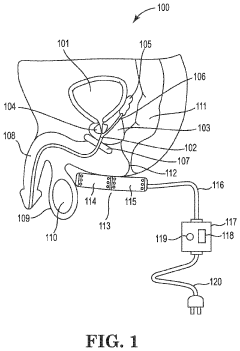
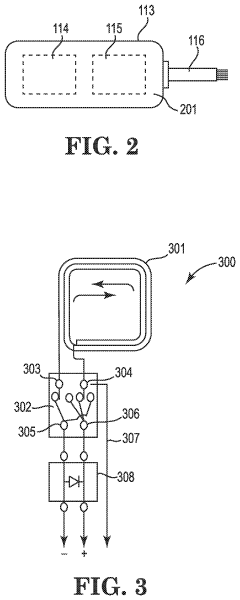
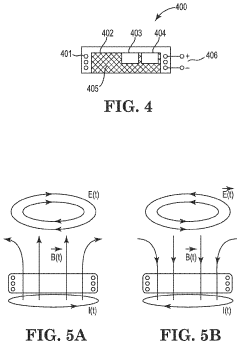
Method and apparatus for treatment of benign prostatic hyperplasia (BPH)
PatentInactiveUS20230398368A1
Innovation
- A non-invasive method utilizing pulsed electromagnetic field (PEMF) stimulation to increase the number of A2a receptors on cell membranes, enhancing the anti-inflammatory effects of adenosine and providing immunosuppressive action to reduce chronic inflammation and tissue damage in the prostate.
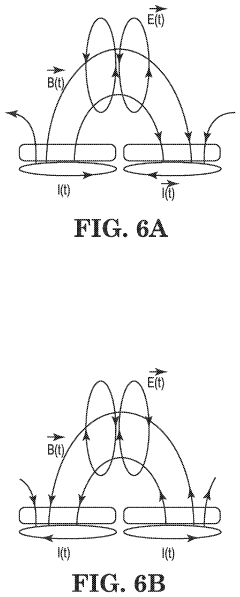
Pulsed electromagnetic field system
PatentInactiveHK1236866A
Innovation
- A system that generates both static and pulsed electromagnetic fields simultaneously, with the static field providing a constant bias that is periodically supplemented by the pulsed field, allowing for increased penetration and enhanced therapeutic effects by optimizing exposure within a coil designed to receive a patient.


FDA Regulatory Framework for Electromagnetic Devices
The FDA regulatory framework for electromagnetic devices establishes comprehensive guidelines that directly impact the development and commercialization of both pulsed electromagnetic field (PEMF) and static magnet therapies for inflammation treatment. These devices fall under the FDA's medical device classification system, with most electromagnetic therapeutic devices categorized as Class II medical devices requiring 510(k) premarket notification or Class III devices necessitating premarket approval (PMA) depending on their intended use and risk profile.
For PEMF devices targeting inflammation, manufacturers must demonstrate substantial equivalence to legally marketed predicate devices or provide clinical evidence of safety and efficacy through controlled studies. The FDA requires detailed technical documentation including electromagnetic field specifications, dosimetry data, and biocompatibility testing results. Static magnet devices, while often considered lower risk, still require compliance with FDA quality system regulations and appropriate labeling requirements.
The regulatory pathway significantly differs between these two technologies due to their distinct mechanisms of action and clinical applications. PEMF devices typically undergo more rigorous scrutiny given their active electromagnetic field generation and potential for deeper tissue penetration. The FDA evaluates electromagnetic compatibility, specific absorption rates, and potential interference with other medical devices such as pacemakers or implantable defibrillators.
Clinical trial requirements vary based on the device classification and intended claims. For inflammation-related indications, the FDA expects robust clinical data demonstrating therapeutic benefit while ensuring patient safety. This includes dose-response relationships, treatment duration protocols, and contraindication identification. The regulatory framework also addresses manufacturing quality controls, post-market surveillance requirements, and adverse event reporting obligations.
Recent FDA guidance documents have emphasized the importance of electromagnetic field characterization and standardized testing methodologies. Manufacturers must provide comprehensive electromagnetic field mapping data, including field strength measurements, frequency specifications, and spatial distribution patterns. These requirements ensure consistent device performance and enable meaningful comparison between different electromagnetic therapeutic approaches for inflammation management.
For PEMF devices targeting inflammation, manufacturers must demonstrate substantial equivalence to legally marketed predicate devices or provide clinical evidence of safety and efficacy through controlled studies. The FDA requires detailed technical documentation including electromagnetic field specifications, dosimetry data, and biocompatibility testing results. Static magnet devices, while often considered lower risk, still require compliance with FDA quality system regulations and appropriate labeling requirements.
The regulatory pathway significantly differs between these two technologies due to their distinct mechanisms of action and clinical applications. PEMF devices typically undergo more rigorous scrutiny given their active electromagnetic field generation and potential for deeper tissue penetration. The FDA evaluates electromagnetic compatibility, specific absorption rates, and potential interference with other medical devices such as pacemakers or implantable defibrillators.
Clinical trial requirements vary based on the device classification and intended claims. For inflammation-related indications, the FDA expects robust clinical data demonstrating therapeutic benefit while ensuring patient safety. This includes dose-response relationships, treatment duration protocols, and contraindication identification. The regulatory framework also addresses manufacturing quality controls, post-market surveillance requirements, and adverse event reporting obligations.
Recent FDA guidance documents have emphasized the importance of electromagnetic field characterization and standardized testing methodologies. Manufacturers must provide comprehensive electromagnetic field mapping data, including field strength measurements, frequency specifications, and spatial distribution patterns. These requirements ensure consistent device performance and enable meaningful comparison between different electromagnetic therapeutic approaches for inflammation management.
Clinical Safety Standards for Electromagnetic Therapies
Clinical safety standards for electromagnetic therapies represent a critical framework governing the therapeutic application of both pulsed electromagnetic fields and static magnetic devices in inflammation treatment. These standards have evolved through decades of research and regulatory oversight, establishing comprehensive guidelines that ensure patient safety while enabling therapeutic efficacy.
The International Electrotechnical Commission (IEC) 60601 series forms the foundational safety standard for medical electrical equipment, including electromagnetic therapy devices. This standard specifically addresses electromagnetic compatibility, electrical safety, and biological effects assessment. For inflammation-targeted therapies, IEC 60601-2-33 provides additional requirements for magnetic resonance equipment, while IEC 60601-1-2 establishes electromagnetic disturbance standards that prevent interference with other medical devices.
Specific absorption rate (SAR) limitations constitute a primary safety parameter, particularly for pulsed electromagnetic field devices. Current standards limit SAR exposure to 2 watts per kilogram for localized treatments and 0.4 watts per kilogram for whole-body exposure. Static magnetic field therapies face different constraints, with continuous exposure limits set at 2 Tesla for occupational settings and 200 millitesla for general public exposure, as established by the International Commission on Non-Ionizing Radiation Protection.
Contraindication protocols represent another essential safety dimension. Both electromagnetic modalities require careful screening for patients with implanted electronic devices, including pacemakers, cochlear implants, and insulin pumps. Pregnancy represents a relative contraindication for both therapies, though static magnetic fields below 200 millitesla are generally considered safer than pulsed electromagnetic exposures during gestation.
Quality assurance standards mandate regular calibration and performance verification for electromagnetic therapy equipment. ISO 13485 medical device quality management systems ensure consistent manufacturing standards, while ISO 14971 risk management processes identify and mitigate potential hazards throughout the device lifecycle. These standards require comprehensive documentation of electromagnetic field characteristics, including frequency specifications, intensity measurements, and spatial distribution patterns.
Clinical monitoring protocols establish mandatory safety assessments during electromagnetic therapy administration. These include baseline vital sign documentation, continuous patient observation for adverse reactions, and post-treatment evaluation procedures. Temperature monitoring becomes particularly crucial for high-intensity electromagnetic exposures, as thermal effects represent the primary safety concern for both pulsed and static magnetic field applications in inflammation management.
The International Electrotechnical Commission (IEC) 60601 series forms the foundational safety standard for medical electrical equipment, including electromagnetic therapy devices. This standard specifically addresses electromagnetic compatibility, electrical safety, and biological effects assessment. For inflammation-targeted therapies, IEC 60601-2-33 provides additional requirements for magnetic resonance equipment, while IEC 60601-1-2 establishes electromagnetic disturbance standards that prevent interference with other medical devices.
Specific absorption rate (SAR) limitations constitute a primary safety parameter, particularly for pulsed electromagnetic field devices. Current standards limit SAR exposure to 2 watts per kilogram for localized treatments and 0.4 watts per kilogram for whole-body exposure. Static magnetic field therapies face different constraints, with continuous exposure limits set at 2 Tesla for occupational settings and 200 millitesla for general public exposure, as established by the International Commission on Non-Ionizing Radiation Protection.
Contraindication protocols represent another essential safety dimension. Both electromagnetic modalities require careful screening for patients with implanted electronic devices, including pacemakers, cochlear implants, and insulin pumps. Pregnancy represents a relative contraindication for both therapies, though static magnetic fields below 200 millitesla are generally considered safer than pulsed electromagnetic exposures during gestation.
Quality assurance standards mandate regular calibration and performance verification for electromagnetic therapy equipment. ISO 13485 medical device quality management systems ensure consistent manufacturing standards, while ISO 14971 risk management processes identify and mitigate potential hazards throughout the device lifecycle. These standards require comprehensive documentation of electromagnetic field characteristics, including frequency specifications, intensity measurements, and spatial distribution patterns.
Clinical monitoring protocols establish mandatory safety assessments during electromagnetic therapy administration. These include baseline vital sign documentation, continuous patient observation for adverse reactions, and post-treatment evaluation procedures. Temperature monitoring becomes particularly crucial for high-intensity electromagnetic exposures, as thermal effects represent the primary safety concern for both pulsed and static magnetic field applications in inflammation management.
Unlock deeper insights with PatSnap Eureka Quick Research — get a full tech report to explore trends and direct your research. Try now!
Generate Your Research Report Instantly with AI Agent
Supercharge your innovation with PatSnap Eureka AI Agent Platform!