
Quantify Aromatic Compounds Emissions from Industrial Sources
MAR 5, 20269 MIN READ
Generate Your Research Report Instantly with AI Agent
Patsnap Eureka helps you evaluate technical feasibility & market potential.
Aromatic Emissions Quantification Background and Objectives
Aromatic compounds represent a significant class of volatile organic compounds (VOCs) that pose substantial environmental and health concerns when released from industrial operations. These benzene-ring containing molecules, including benzene, toluene, ethylbenzene, and xylenes (BTEX), along with polycyclic aromatic hydrocarbons (PAHs), are commonly emitted from petroleum refineries, chemical manufacturing plants, coking operations, and various combustion processes. The persistence and toxicity of these compounds in the environment have made their quantification a critical priority for regulatory compliance and environmental protection.
The evolution of aromatic emissions monitoring has progressed from basic qualitative detection methods in the 1970s to sophisticated real-time quantification systems today. Early approaches relied primarily on grab sampling and laboratory analysis, which provided limited temporal resolution and often missed emission peaks. The development of continuous emission monitoring systems (CEMS) and advanced analytical techniques such as gas chromatography-mass spectrometry (GC-MS) and proton transfer reaction mass spectrometry (PTR-MS) has revolutionized the field, enabling more accurate and timely measurements.
Current technological trends indicate a shift toward integrated monitoring approaches that combine multiple measurement techniques with advanced data analytics. The integration of satellite-based remote sensing, ground-based spectroscopic methods, and machine learning algorithms represents the cutting edge of emissions quantification technology. These developments are driven by increasingly stringent environmental regulations and the need for more comprehensive understanding of industrial emission patterns.
The primary technical objectives in aromatic emissions quantification encompass achieving real-time measurement capabilities with detection limits in the parts-per-billion range, developing cost-effective monitoring solutions for widespread deployment, and establishing standardized methodologies for cross-platform data validation. Additionally, there is a growing emphasis on developing predictive models that can forecast emission events based on operational parameters and meteorological conditions.
Future technological goals include the development of sensor networks capable of source apportionment, distinguishing between different industrial contributors in complex industrial areas. The integration of artificial intelligence for pattern recognition and anomaly detection represents another key objective, potentially enabling proactive emission control rather than reactive monitoring. These advancements aim to support both regulatory compliance and industrial optimization efforts while minimizing environmental impact.
The evolution of aromatic emissions monitoring has progressed from basic qualitative detection methods in the 1970s to sophisticated real-time quantification systems today. Early approaches relied primarily on grab sampling and laboratory analysis, which provided limited temporal resolution and often missed emission peaks. The development of continuous emission monitoring systems (CEMS) and advanced analytical techniques such as gas chromatography-mass spectrometry (GC-MS) and proton transfer reaction mass spectrometry (PTR-MS) has revolutionized the field, enabling more accurate and timely measurements.
Current technological trends indicate a shift toward integrated monitoring approaches that combine multiple measurement techniques with advanced data analytics. The integration of satellite-based remote sensing, ground-based spectroscopic methods, and machine learning algorithms represents the cutting edge of emissions quantification technology. These developments are driven by increasingly stringent environmental regulations and the need for more comprehensive understanding of industrial emission patterns.
The primary technical objectives in aromatic emissions quantification encompass achieving real-time measurement capabilities with detection limits in the parts-per-billion range, developing cost-effective monitoring solutions for widespread deployment, and establishing standardized methodologies for cross-platform data validation. Additionally, there is a growing emphasis on developing predictive models that can forecast emission events based on operational parameters and meteorological conditions.
Future technological goals include the development of sensor networks capable of source apportionment, distinguishing between different industrial contributors in complex industrial areas. The integration of artificial intelligence for pattern recognition and anomaly detection represents another key objective, potentially enabling proactive emission control rather than reactive monitoring. These advancements aim to support both regulatory compliance and industrial optimization efforts while minimizing environmental impact.
Market Demand for Industrial Emission Monitoring Solutions
The global industrial emission monitoring market has experienced substantial growth driven by increasingly stringent environmental regulations and heightened corporate environmental responsibility. Regulatory frameworks such as the European Union's Industrial Emissions Directive and the United States Clean Air Act mandate continuous monitoring of volatile organic compounds, including aromatic species, from major industrial facilities. These regulations create a mandatory market foundation that extends beyond voluntary compliance initiatives.
Manufacturing sectors including petrochemicals, pharmaceuticals, coatings, and plastics production represent the primary demand drivers for aromatic compound monitoring solutions. Petrochemical refineries face particular scrutiny due to their significant benzene, toluene, and xylene emissions, requiring sophisticated real-time monitoring systems. The pharmaceutical industry's solvent-intensive processes generate diverse aromatic emissions that necessitate compound-specific quantification capabilities.
Traditional monitoring approaches relying on periodic sampling and laboratory analysis are increasingly inadequate for modern regulatory requirements. Industrial facilities demand continuous, real-time monitoring systems capable of detecting and quantifying multiple aromatic compounds simultaneously. This shift toward automated monitoring creates substantial market opportunities for advanced analytical instrumentation and integrated monitoring platforms.
Emerging market segments include fugitive emission monitoring from equipment leaks, fence-line monitoring for community protection, and process optimization applications where emission data supports operational efficiency improvements. The integration of monitoring data with environmental management systems and regulatory reporting platforms represents an expanding service market complementing hardware sales.
Geographic demand patterns reflect regional regulatory intensity and industrial concentration. European markets demonstrate mature adoption driven by established environmental frameworks, while Asia-Pacific regions show rapid growth correlating with industrial expansion and evolving environmental standards. North American markets emphasize technology innovation and integration with existing industrial control systems.
The market increasingly favors multi-pollutant monitoring platforms capable of simultaneous aromatic compound detection alongside other regulated species. Cost-effectiveness considerations drive demand for solutions offering reduced maintenance requirements, extended calibration intervals, and simplified operation protocols. Cloud-based data management and remote monitoring capabilities have become essential market requirements, particularly following increased adoption of digital industrial technologies.
Manufacturing sectors including petrochemicals, pharmaceuticals, coatings, and plastics production represent the primary demand drivers for aromatic compound monitoring solutions. Petrochemical refineries face particular scrutiny due to their significant benzene, toluene, and xylene emissions, requiring sophisticated real-time monitoring systems. The pharmaceutical industry's solvent-intensive processes generate diverse aromatic emissions that necessitate compound-specific quantification capabilities.
Traditional monitoring approaches relying on periodic sampling and laboratory analysis are increasingly inadequate for modern regulatory requirements. Industrial facilities demand continuous, real-time monitoring systems capable of detecting and quantifying multiple aromatic compounds simultaneously. This shift toward automated monitoring creates substantial market opportunities for advanced analytical instrumentation and integrated monitoring platforms.
Emerging market segments include fugitive emission monitoring from equipment leaks, fence-line monitoring for community protection, and process optimization applications where emission data supports operational efficiency improvements. The integration of monitoring data with environmental management systems and regulatory reporting platforms represents an expanding service market complementing hardware sales.
Geographic demand patterns reflect regional regulatory intensity and industrial concentration. European markets demonstrate mature adoption driven by established environmental frameworks, while Asia-Pacific regions show rapid growth correlating with industrial expansion and evolving environmental standards. North American markets emphasize technology innovation and integration with existing industrial control systems.
The market increasingly favors multi-pollutant monitoring platforms capable of simultaneous aromatic compound detection alongside other regulated species. Cost-effectiveness considerations drive demand for solutions offering reduced maintenance requirements, extended calibration intervals, and simplified operation protocols. Cloud-based data management and remote monitoring capabilities have become essential market requirements, particularly following increased adoption of digital industrial technologies.
Current State of Aromatic Compound Detection Technologies
The detection and quantification of aromatic compounds from industrial sources has evolved significantly over the past decades, driven by increasingly stringent environmental regulations and growing awareness of health impacts. Current detection technologies encompass a diverse range of analytical methods, each with distinct capabilities and limitations for monitoring benzene, toluene, xylene, and other aromatic pollutants in industrial emissions.
Gas chromatography-mass spectrometry (GC-MS) remains the gold standard for aromatic compound analysis, offering exceptional selectivity and sensitivity with detection limits in the parts-per-billion range. This technique provides definitive compound identification through mass spectral libraries and enables simultaneous quantification of multiple aromatic species. However, GC-MS systems require skilled operators, extensive sample preparation, and laboratory-based analysis, limiting their application for real-time monitoring scenarios.
Photoionization detectors (PIDs) have gained widespread adoption for continuous monitoring applications due to their rapid response times and ability to detect total volatile organic compounds including aromatics. Modern PID systems can achieve detection limits below 1 ppb and provide real-time data streams essential for process control and emission compliance monitoring. Nevertheless, PIDs lack compound-specific identification capabilities and can suffer from interference from non-aromatic volatile compounds.
Fourier-transform infrared spectroscopy (FTIR) technology has emerged as a powerful tool for multi-component analysis of aromatic emissions. Open-path FTIR systems enable fence-line monitoring over distances exceeding one kilometer, while extractive FTIR analyzers provide precise quantification in stack emissions. These systems offer excellent specificity for individual aromatic compounds but require sophisticated spectral processing algorithms and can be affected by water vapor interference.
Recent advances in laser-based detection technologies, including tunable diode laser absorption spectroscopy (TDLAS) and cavity ring-down spectroscopy (CRDS), have demonstrated exceptional precision for specific aromatic compounds. These techniques achieve detection limits in the parts-per-trillion range with minimal sample preparation requirements. However, their application is currently limited to specific target compounds rather than comprehensive aromatic profiling.
Emerging sensor technologies based on metal oxide semiconductors and conducting polymers show promise for cost-effective distributed monitoring networks. While these sensors currently lack the precision of traditional analytical methods, ongoing developments in nanomaterials and signal processing algorithms are rapidly improving their performance characteristics for industrial emission monitoring applications.
Gas chromatography-mass spectrometry (GC-MS) remains the gold standard for aromatic compound analysis, offering exceptional selectivity and sensitivity with detection limits in the parts-per-billion range. This technique provides definitive compound identification through mass spectral libraries and enables simultaneous quantification of multiple aromatic species. However, GC-MS systems require skilled operators, extensive sample preparation, and laboratory-based analysis, limiting their application for real-time monitoring scenarios.
Photoionization detectors (PIDs) have gained widespread adoption for continuous monitoring applications due to their rapid response times and ability to detect total volatile organic compounds including aromatics. Modern PID systems can achieve detection limits below 1 ppb and provide real-time data streams essential for process control and emission compliance monitoring. Nevertheless, PIDs lack compound-specific identification capabilities and can suffer from interference from non-aromatic volatile compounds.
Fourier-transform infrared spectroscopy (FTIR) technology has emerged as a powerful tool for multi-component analysis of aromatic emissions. Open-path FTIR systems enable fence-line monitoring over distances exceeding one kilometer, while extractive FTIR analyzers provide precise quantification in stack emissions. These systems offer excellent specificity for individual aromatic compounds but require sophisticated spectral processing algorithms and can be affected by water vapor interference.
Recent advances in laser-based detection technologies, including tunable diode laser absorption spectroscopy (TDLAS) and cavity ring-down spectroscopy (CRDS), have demonstrated exceptional precision for specific aromatic compounds. These techniques achieve detection limits in the parts-per-trillion range with minimal sample preparation requirements. However, their application is currently limited to specific target compounds rather than comprehensive aromatic profiling.
Emerging sensor technologies based on metal oxide semiconductors and conducting polymers show promise for cost-effective distributed monitoring networks. While these sensors currently lack the precision of traditional analytical methods, ongoing developments in nanomaterials and signal processing algorithms are rapidly improving their performance characteristics for industrial emission monitoring applications.
Existing Solutions for Aromatic Compound Quantification
01 Analytical methods for quantifying aromatic compounds using chromatography
Various chromatographic techniques including gas chromatography and liquid chromatography are employed to separate and quantify aromatic compounds in emissions. These methods utilize specific detectors and column configurations to achieve accurate measurement of individual aromatic species. The techniques can be coupled with mass spectrometry for enhanced identification and quantification capabilities.- Analytical methods for quantifying aromatic compounds using chromatography: Various chromatographic techniques including gas chromatography and liquid chromatography can be employed to separate and quantify aromatic compounds in emissions. These methods involve sample collection, preparation, and detection using specialized detectors such as mass spectrometry or flame ionization detectors. The techniques enable precise measurement of individual aromatic species and total aromatic content in gaseous or liquid samples.
- Spectroscopic techniques for aromatic emissions measurement: Spectroscopic methods utilize the interaction between electromagnetic radiation and aromatic molecules to quantify emissions. These techniques include infrared spectroscopy, ultraviolet-visible spectroscopy, and fluorescence spectroscopy. The methods can provide real-time or near real-time measurements and are particularly useful for continuous monitoring applications. Calibration with known standards enables accurate quantification of aromatic compound concentrations.
- Sensor-based systems for aromatic compound detection: Electronic sensors and detector arrays can be configured to selectively respond to aromatic compounds in emissions. These systems may employ electrochemical sensors, photoionization detectors, or semiconductor-based sensors that change their electrical properties upon exposure to aromatic molecules. The sensor outputs are correlated with aromatic compound concentrations through calibration procedures, enabling quantitative measurements in various environmental and industrial settings.
- Sampling and preconcentration methods for trace aromatic analysis: Specialized sampling techniques are used to collect and concentrate aromatic compounds from emissions before analysis. These methods include solid-phase extraction, thermal desorption, and cryogenic trapping. Preconcentration steps enhance detection limits and improve measurement accuracy for trace-level aromatic compounds. The collected samples can then be analyzed using various analytical instruments to determine aromatic compound quantities.
- Computational and modeling approaches for emissions quantification: Mathematical models and computational methods can be applied to estimate and quantify aromatic compound emissions based on process parameters, material compositions, and environmental conditions. These approaches may incorporate emission factors, mass balance calculations, and predictive algorithms. The models can be validated against experimental measurements and used for emission inventory development, regulatory compliance assessment, and process optimization.
02 Spectroscopic techniques for aromatic emissions measurement
Spectroscopic methods are utilized for real-time or near real-time quantification of aromatic compounds in emission streams. These techniques involve the use of infrared, ultraviolet, or other spectral analysis to identify and measure aromatic compound concentrations. The methods can provide continuous monitoring capabilities and are suitable for both laboratory and field applications.Expand Specific Solutions03 Sampling and collection systems for aromatic compound analysis
Specialized sampling devices and collection systems are designed to capture aromatic compounds from various emission sources. These systems may include adsorbent materials, trapping mechanisms, and controlled flow systems to ensure representative sampling. The collected samples can then be analyzed using various analytical techniques to determine aromatic compound concentrations.Expand Specific Solutions04 Sensor-based monitoring systems for aromatic emissions
Electronic sensors and detector arrays are employed for continuous monitoring and quantification of aromatic compounds in emissions. These systems utilize chemical sensors, electrochemical detectors, or other sensing technologies to provide real-time measurements. The sensor-based approaches offer advantages in terms of portability, rapid response, and potential for automated monitoring applications.Expand Specific Solutions05 Calibration and standardization methods for aromatic compound quantification
Standardized procedures and reference materials are utilized to ensure accuracy and reliability in aromatic compound measurements. These methods involve the use of certified reference standards, calibration protocols, and quality control procedures. The standardization approaches enable comparison of results across different measurement systems and laboratories.Expand Specific Solutions
Core Technologies in Real-time Aromatic Detection
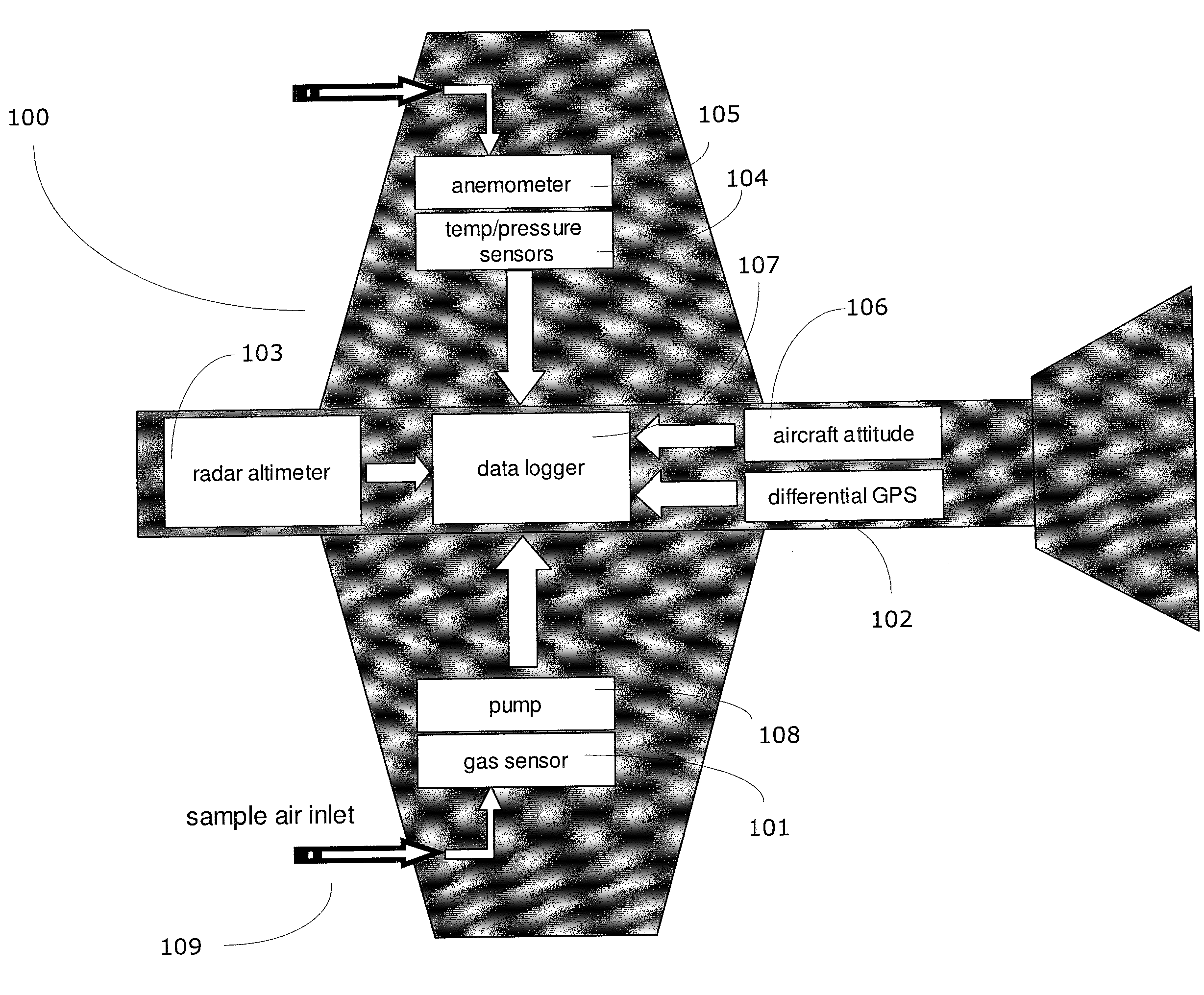
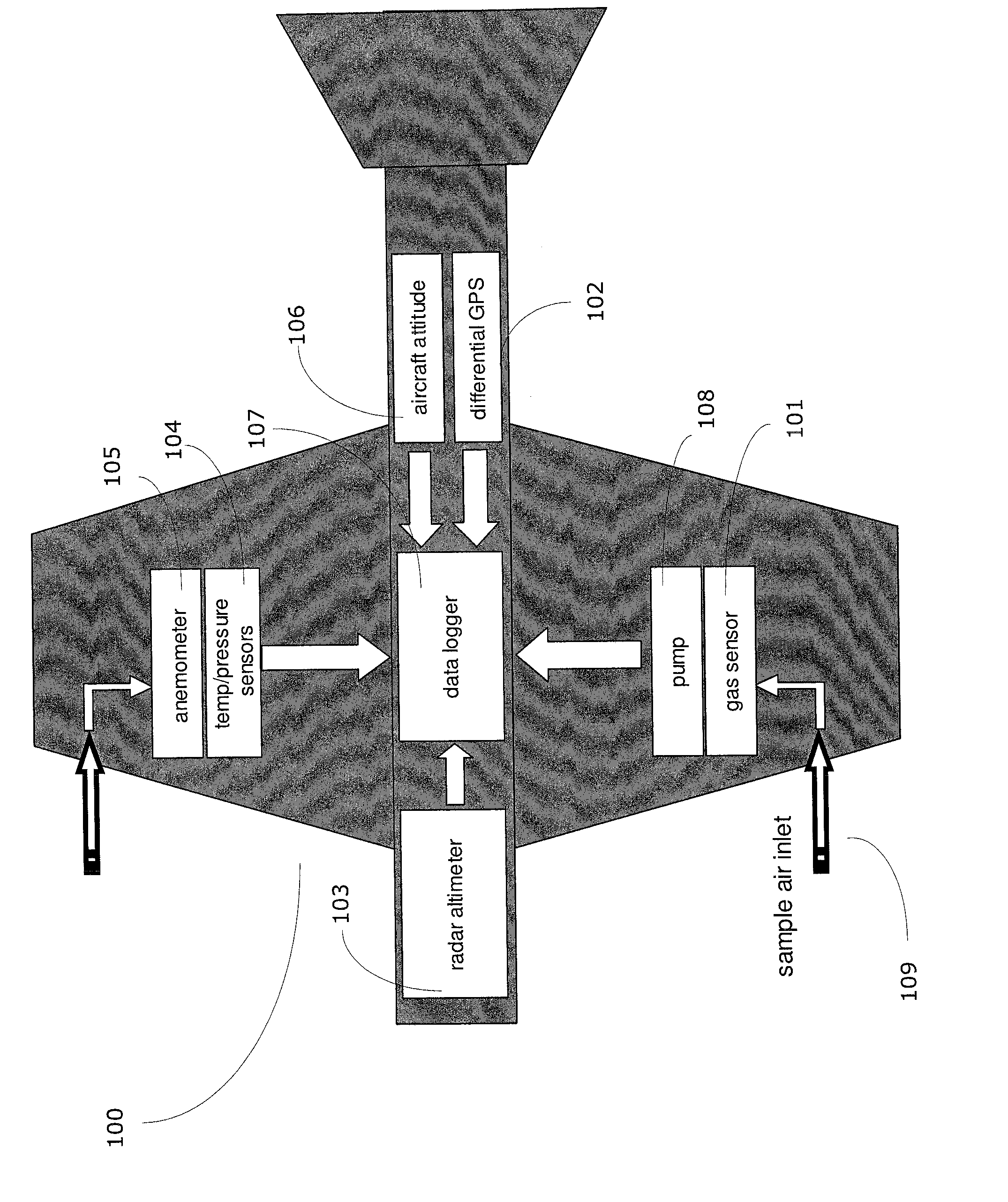
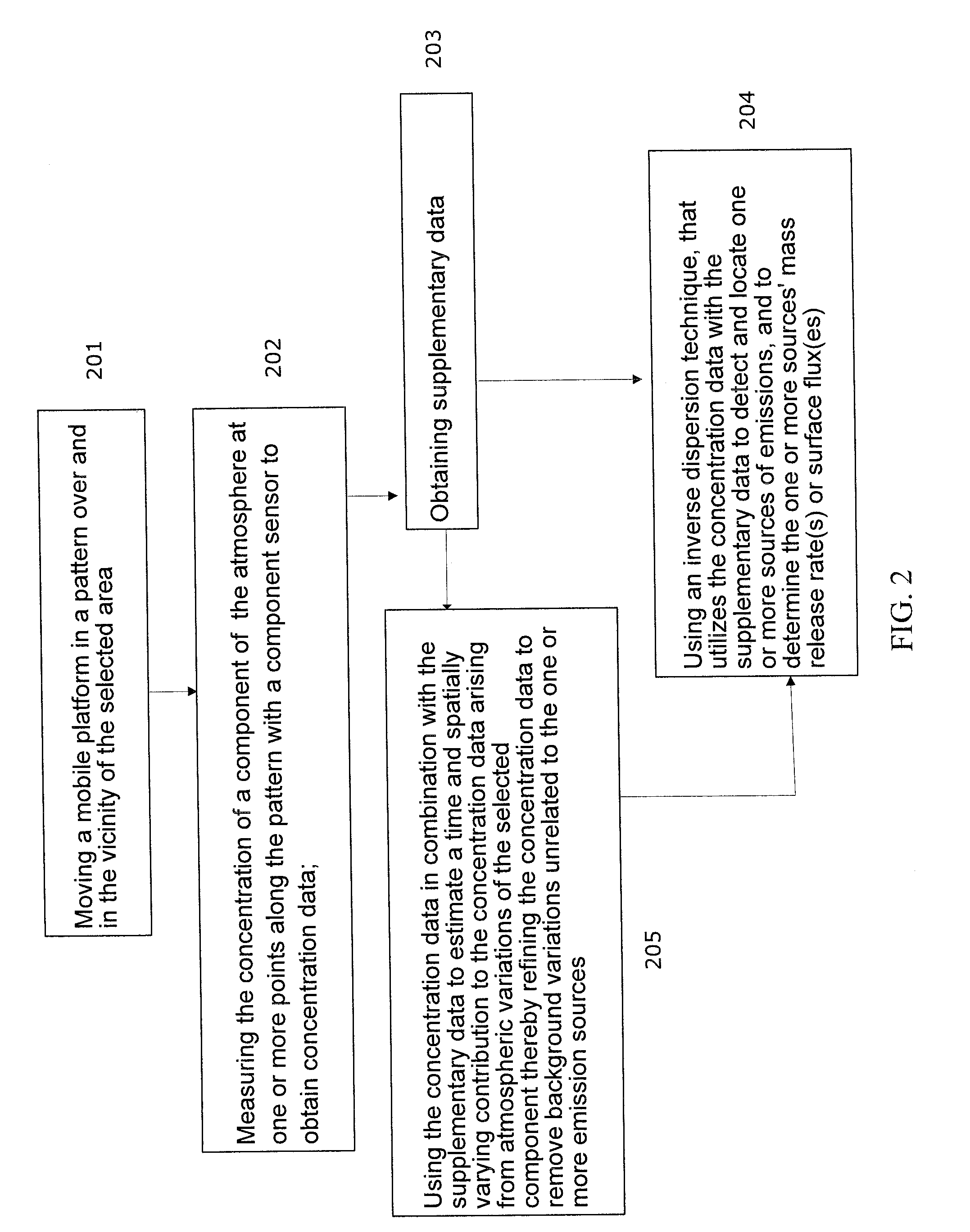
Method and system for screening an area of the atmosphere for sources of emissions
PatentInactiveUS20110213554A1
Innovation
- A remote emission measurement system using a mobile platform equipped with an atmospheric component sensor, wind velocity sensor, GPS, and data logger, employing an inverse dispersion technique to detect and quantify emission sources by inverting the gas dispersion process from a large data set, allowing for rapid and reliable screening of large areas.

Environmental Regulations for Industrial Emissions
The regulatory landscape governing aromatic compound emissions from industrial sources has evolved significantly over the past decades, driven by mounting scientific evidence linking these pollutants to adverse health and environmental impacts. Aromatic compounds, including benzene, toluene, ethylbenzene, and xylenes (BTEX), along with polycyclic aromatic hydrocarbons (PAHs), are subject to increasingly stringent regulatory oversight across multiple jurisdictions worldwide.
In the United States, the Environmental Protection Agency (EPA) regulates aromatic emissions through several key frameworks. The Clean Air Act establishes National Emission Standards for Hazardous Air Pollutants (NESHAP), which specifically target benzene and other aromatic compounds as priority pollutants. The Maximum Achievable Control Technology (MACT) standards require industrial facilities to implement best available control technologies for reducing aromatic emissions. Additionally, the Risk Management Program (RMP) mandates comprehensive emission monitoring and reporting for facilities handling significant quantities of these compounds.
European Union regulations present an equally comprehensive approach through the Industrial Emissions Directive (IED) and the REACH regulation. The IED establishes Best Available Techniques (BAT) reference documents that specify emission limit values for aromatic compounds across various industrial sectors. The European Pollutant Release and Transfer Register (E-PRTR) requires mandatory reporting of aromatic compound releases above specified thresholds, creating transparency in industrial emission patterns.
Regional variations in regulatory approaches reflect different environmental priorities and industrial contexts. Asian markets, particularly China and Japan, have implemented increasingly stringent standards following rapid industrialization. China's new Environmental Protection Law emphasizes real-time monitoring requirements for volatile organic compounds, including aromatics, while Japan's Air Pollution Control Law sets specific emission standards for different industrial categories.
Compliance mechanisms typically involve multi-tiered monitoring requirements, ranging from continuous emission monitoring systems (CEMS) for large facilities to periodic stack testing for smaller operations. Regulatory agencies increasingly demand validated analytical methods, often requiring ISO-certified laboratories and standardized sampling protocols. Non-compliance penalties have escalated substantially, with some jurisdictions imposing criminal liability for serious violations.
Emerging regulatory trends indicate a shift toward risk-based approaches that consider cumulative exposure impacts and environmental justice concerns. Future regulations are expected to incorporate advanced monitoring technologies, including satellite-based detection systems and artificial intelligence-driven compliance verification, fundamentally transforming how aromatic compound emissions are regulated and enforced across industrial sectors.
In the United States, the Environmental Protection Agency (EPA) regulates aromatic emissions through several key frameworks. The Clean Air Act establishes National Emission Standards for Hazardous Air Pollutants (NESHAP), which specifically target benzene and other aromatic compounds as priority pollutants. The Maximum Achievable Control Technology (MACT) standards require industrial facilities to implement best available control technologies for reducing aromatic emissions. Additionally, the Risk Management Program (RMP) mandates comprehensive emission monitoring and reporting for facilities handling significant quantities of these compounds.
European Union regulations present an equally comprehensive approach through the Industrial Emissions Directive (IED) and the REACH regulation. The IED establishes Best Available Techniques (BAT) reference documents that specify emission limit values for aromatic compounds across various industrial sectors. The European Pollutant Release and Transfer Register (E-PRTR) requires mandatory reporting of aromatic compound releases above specified thresholds, creating transparency in industrial emission patterns.
Regional variations in regulatory approaches reflect different environmental priorities and industrial contexts. Asian markets, particularly China and Japan, have implemented increasingly stringent standards following rapid industrialization. China's new Environmental Protection Law emphasizes real-time monitoring requirements for volatile organic compounds, including aromatics, while Japan's Air Pollution Control Law sets specific emission standards for different industrial categories.
Compliance mechanisms typically involve multi-tiered monitoring requirements, ranging from continuous emission monitoring systems (CEMS) for large facilities to periodic stack testing for smaller operations. Regulatory agencies increasingly demand validated analytical methods, often requiring ISO-certified laboratories and standardized sampling protocols. Non-compliance penalties have escalated substantially, with some jurisdictions imposing criminal liability for serious violations.
Emerging regulatory trends indicate a shift toward risk-based approaches that consider cumulative exposure impacts and environmental justice concerns. Future regulations are expected to incorporate advanced monitoring technologies, including satellite-based detection systems and artificial intelligence-driven compliance verification, fundamentally transforming how aromatic compound emissions are regulated and enforced across industrial sectors.
Health Impact Assessment of Aromatic Compounds
Aromatic compounds released from industrial sources pose significant health risks to both occupational workers and surrounding communities. These volatile organic compounds, including benzene, toluene, ethylbenzene, and xylene (BTEX), along with polycyclic aromatic hydrocarbons (PAHs), have been extensively documented for their carcinogenic and mutagenic properties. Exposure pathways primarily include inhalation of contaminated air, dermal contact with contaminated surfaces, and ingestion of contaminated water or food sources.
Acute exposure to high concentrations of aromatic compounds can result in immediate health effects such as respiratory irritation, central nervous system depression, headaches, and dizziness. Workers in petrochemical facilities, refineries, and chemical manufacturing plants face elevated risks due to direct occupational exposure. Short-term exposure to benzene concentrations above 10 ppm can cause drowsiness and loss of consciousness, while toluene exposure exceeding 200 ppm may lead to neurological impairment.
Chronic exposure to aromatic compounds presents more severe long-term health consequences. Benzene exposure has been definitively linked to hematological malignancies, particularly acute myeloid leukemia and aplastic anemia. The International Agency for Research on Cancer classifies benzene as a Group 1 carcinogen, with no safe threshold level established. Prolonged exposure to PAHs, especially benzo[a]pyrene, significantly increases lung cancer risk and has been associated with bladder and skin cancers.
Vulnerable populations, including children, pregnant women, and elderly individuals, demonstrate heightened susceptibility to aromatic compound toxicity. Children exhibit increased absorption rates and reduced metabolic capacity for detoxification, making them particularly vulnerable to developmental neurotoxicity. Prenatal exposure has been linked to reduced birth weight, developmental delays, and increased risk of childhood leukemia.
Epidemiological studies conducted near industrial facilities have revealed elevated cancer incidence rates and respiratory disease prevalence in exposed communities. A comprehensive meta-analysis of populations living within 5 kilometers of petrochemical complexes showed a 20-40% increased risk of developing respiratory cancers compared to control groups. Additionally, chronic exposure has been associated with reproductive health issues, including reduced fertility and increased miscarriage rates.
The cumulative health burden extends beyond individual compounds, as industrial emissions typically contain complex mixtures that may exhibit synergistic toxic effects. This multiplicative impact necessitates comprehensive risk assessment approaches that consider mixture toxicology rather than individual compound evaluation alone.
Acute exposure to high concentrations of aromatic compounds can result in immediate health effects such as respiratory irritation, central nervous system depression, headaches, and dizziness. Workers in petrochemical facilities, refineries, and chemical manufacturing plants face elevated risks due to direct occupational exposure. Short-term exposure to benzene concentrations above 10 ppm can cause drowsiness and loss of consciousness, while toluene exposure exceeding 200 ppm may lead to neurological impairment.
Chronic exposure to aromatic compounds presents more severe long-term health consequences. Benzene exposure has been definitively linked to hematological malignancies, particularly acute myeloid leukemia and aplastic anemia. The International Agency for Research on Cancer classifies benzene as a Group 1 carcinogen, with no safe threshold level established. Prolonged exposure to PAHs, especially benzo[a]pyrene, significantly increases lung cancer risk and has been associated with bladder and skin cancers.
Vulnerable populations, including children, pregnant women, and elderly individuals, demonstrate heightened susceptibility to aromatic compound toxicity. Children exhibit increased absorption rates and reduced metabolic capacity for detoxification, making them particularly vulnerable to developmental neurotoxicity. Prenatal exposure has been linked to reduced birth weight, developmental delays, and increased risk of childhood leukemia.
Epidemiological studies conducted near industrial facilities have revealed elevated cancer incidence rates and respiratory disease prevalence in exposed communities. A comprehensive meta-analysis of populations living within 5 kilometers of petrochemical complexes showed a 20-40% increased risk of developing respiratory cancers compared to control groups. Additionally, chronic exposure has been associated with reproductive health issues, including reduced fertility and increased miscarriage rates.
The cumulative health burden extends beyond individual compounds, as industrial emissions typically contain complex mixtures that may exhibit synergistic toxic effects. This multiplicative impact necessitates comprehensive risk assessment approaches that consider mixture toxicology rather than individual compound evaluation alone.
Unlock deeper insights with Patsnap Eureka Quick Research — get a full tech report to explore trends and direct your research. Try now!
Generate Your Research Report Instantly with AI Agent
Supercharge your innovation with Patsnap Eureka AI Agent Platform!