Quantify Lithium Mine Material Flow Balance for Process Optimization
OCT 8, 20259 MIN READ
Generate Your Research Report Instantly with AI Agent
Patsnap Eureka helps you evaluate technical feasibility & market potential.
Lithium Mining Technology Evolution and Objectives
Lithium mining has undergone significant technological evolution over the past century, transforming from rudimentary extraction methods to sophisticated processes that maximize yield while minimizing environmental impact. Initially, lithium was primarily extracted from hard rock sources through conventional mining techniques, with limited efficiency and considerable waste generation. The 1950s marked a pivotal shift with the development of brine extraction methods in salt flats, particularly in South America's "Lithium Triangle," revolutionizing production economics and accessibility.
The 1990s witnessed further refinement of extraction technologies, coinciding with the emergence of lithium-ion batteries for consumer electronics. This period established the foundation for modern lithium processing, including improved evaporation techniques, advanced filtration systems, and more precise chemical separation methods. The early 2000s brought significant advancements in direct lithium extraction (DLE) technologies, offering alternatives to traditional evaporation ponds with reduced water consumption and processing time.
Recent technological developments have focused on optimizing material flow balance throughout the mining and processing chain. This evolution reflects the industry's response to growing demand from electric vehicle manufacturers and energy storage systems, necessitating both increased production capacity and improved resource efficiency. Current research emphasizes real-time monitoring systems, predictive analytics, and automated process controls to enhance material flow management.
The primary objective of quantifying lithium mine material flow balance is to create comprehensive models that track all inputs, outputs, and transformations throughout the extraction and processing chain. This enables identification of inefficiencies, bottlenecks, and potential optimization points. Secondary objectives include minimizing resource consumption (particularly water in brine operations), reducing waste generation, and lowering energy requirements per unit of lithium produced.
Future technological trajectories aim to develop closed-loop systems that maximize lithium recovery rates while minimizing environmental footprint. This includes advanced sensor networks for real-time composition analysis, AI-driven process optimization algorithms, and innovative separation technologies that can handle increasingly complex or lower-grade feedstocks. The industry is also exploring integration of renewable energy sources to power extraction operations, further improving sustainability metrics.
The quantification of material flow balance represents a critical step toward achieving these objectives, providing the data foundation necessary for process optimization and sustainable resource management in an industry facing unprecedented growth demands and environmental scrutiny.
The 1990s witnessed further refinement of extraction technologies, coinciding with the emergence of lithium-ion batteries for consumer electronics. This period established the foundation for modern lithium processing, including improved evaporation techniques, advanced filtration systems, and more precise chemical separation methods. The early 2000s brought significant advancements in direct lithium extraction (DLE) technologies, offering alternatives to traditional evaporation ponds with reduced water consumption and processing time.
Recent technological developments have focused on optimizing material flow balance throughout the mining and processing chain. This evolution reflects the industry's response to growing demand from electric vehicle manufacturers and energy storage systems, necessitating both increased production capacity and improved resource efficiency. Current research emphasizes real-time monitoring systems, predictive analytics, and automated process controls to enhance material flow management.
The primary objective of quantifying lithium mine material flow balance is to create comprehensive models that track all inputs, outputs, and transformations throughout the extraction and processing chain. This enables identification of inefficiencies, bottlenecks, and potential optimization points. Secondary objectives include minimizing resource consumption (particularly water in brine operations), reducing waste generation, and lowering energy requirements per unit of lithium produced.
Future technological trajectories aim to develop closed-loop systems that maximize lithium recovery rates while minimizing environmental footprint. This includes advanced sensor networks for real-time composition analysis, AI-driven process optimization algorithms, and innovative separation technologies that can handle increasingly complex or lower-grade feedstocks. The industry is also exploring integration of renewable energy sources to power extraction operations, further improving sustainability metrics.
The quantification of material flow balance represents a critical step toward achieving these objectives, providing the data foundation necessary for process optimization and sustainable resource management in an industry facing unprecedented growth demands and environmental scrutiny.
Market Demand Analysis for Lithium Resources
The global lithium market has experienced unprecedented growth in recent years, primarily driven by the rapid expansion of electric vehicle (EV) production and renewable energy storage systems. Market analysis indicates that global lithium demand is projected to increase more than threefold by 2030, reaching approximately 1.5 million metric tons of lithium carbonate equivalent (LCE) annually, compared to about 500,000 metric tons in 2021.
This surge in demand has transformed lithium from a niche industrial mineral into a critical strategic resource. The automotive sector represents the largest demand segment, accounting for over 70% of lithium consumption, followed by energy storage systems at roughly 15%. Consumer electronics, traditionally the primary lithium consumer, now represents a smaller but still significant market share of about 10%.
Price volatility has become a defining characteristic of the lithium market. Between 2020 and 2022, lithium carbonate prices increased by more than 700%, reaching historic highs before experiencing subsequent corrections. This volatility underscores the urgent need for optimized lithium production processes to ensure stable supply chains and more predictable pricing models.
Geographically, demand is concentrated in regions with advanced manufacturing capabilities. Asia Pacific, particularly China, South Korea, and Japan, dominates global lithium consumption due to their established battery manufacturing ecosystems. However, Europe and North America are rapidly developing domestic battery production capabilities, creating new demand centers and reshaping global lithium trade flows.
The quality requirements for lithium resources are becoming increasingly stringent as battery technologies evolve. Battery-grade lithium typically requires 99.5% purity, with specific limits on impurities such as sodium, magnesium, and calcium. This trend toward higher purity standards emphasizes the importance of efficient material flow balance and process optimization in lithium mining operations.
Industry forecasts suggest that despite significant planned capacity expansions, a supply gap of approximately 300,000 to 400,000 metric tons LCE may emerge by 2030 if current production optimization challenges remain unaddressed. This potential deficit has prompted increased investment in lithium extraction technologies and process improvements, with venture capital funding in the sector exceeding $3 billion in 2022 alone.
The environmental footprint of lithium production has also become a critical market factor. Consumers and regulators are increasingly demanding responsibly sourced materials with minimized water usage, carbon emissions, and land disturbance. This shift is creating premium market segments for sustainably produced lithium, further highlighting the importance of optimized material flow processes that can reduce resource consumption and waste generation.
This surge in demand has transformed lithium from a niche industrial mineral into a critical strategic resource. The automotive sector represents the largest demand segment, accounting for over 70% of lithium consumption, followed by energy storage systems at roughly 15%. Consumer electronics, traditionally the primary lithium consumer, now represents a smaller but still significant market share of about 10%.
Price volatility has become a defining characteristic of the lithium market. Between 2020 and 2022, lithium carbonate prices increased by more than 700%, reaching historic highs before experiencing subsequent corrections. This volatility underscores the urgent need for optimized lithium production processes to ensure stable supply chains and more predictable pricing models.
Geographically, demand is concentrated in regions with advanced manufacturing capabilities. Asia Pacific, particularly China, South Korea, and Japan, dominates global lithium consumption due to their established battery manufacturing ecosystems. However, Europe and North America are rapidly developing domestic battery production capabilities, creating new demand centers and reshaping global lithium trade flows.
The quality requirements for lithium resources are becoming increasingly stringent as battery technologies evolve. Battery-grade lithium typically requires 99.5% purity, with specific limits on impurities such as sodium, magnesium, and calcium. This trend toward higher purity standards emphasizes the importance of efficient material flow balance and process optimization in lithium mining operations.
Industry forecasts suggest that despite significant planned capacity expansions, a supply gap of approximately 300,000 to 400,000 metric tons LCE may emerge by 2030 if current production optimization challenges remain unaddressed. This potential deficit has prompted increased investment in lithium extraction technologies and process improvements, with venture capital funding in the sector exceeding $3 billion in 2022 alone.
The environmental footprint of lithium production has also become a critical market factor. Consumers and regulators are increasingly demanding responsibly sourced materials with minimized water usage, carbon emissions, and land disturbance. This shift is creating premium market segments for sustainably produced lithium, further highlighting the importance of optimized material flow processes that can reduce resource consumption and waste generation.
Current Status and Challenges in Lithium Material Flow Quantification
The global lithium mining industry currently faces significant challenges in accurately quantifying material flow balances, which is essential for process optimization. Current methodologies for tracking lithium throughout extraction and processing operations vary widely across different mining operations, creating inconsistencies in data collection and analysis. Traditional approaches often rely on periodic sampling and laboratory analysis, which introduce time delays and potential inaccuracies due to the dynamic nature of mining operations.
In major lithium-producing regions such as Australia, Chile, and Argentina, different technological approaches are being employed based on the lithium source (brine vs. hard rock). Brine operations typically utilize evaporation pond monitoring systems with limited real-time capabilities, while hard rock operations employ more conventional mining material tracking systems. This divergence creates challenges when attempting to standardize quantification methodologies across the industry.
A significant technical constraint is the lack of integrated sensor networks capable of providing continuous, real-time data on material composition, flow rates, and process efficiencies. Current sensor technologies often struggle with the harsh chemical environments present in lithium processing, leading to maintenance issues and data reliability concerns. Additionally, the heterogeneous nature of lithium-bearing materials complicates accurate measurement, particularly in hard rock operations where lithium concentration can vary significantly within the same deposit.
Data integration represents another major challenge, with many operations utilizing siloed systems that prevent comprehensive material flow analysis. The absence of standardized data formats and communication protocols between different process stages creates information gaps that hinder optimization efforts. Legacy systems in established operations further complicate integration attempts, as they may lack the necessary digital infrastructure for modern flow quantification techniques.
Regulatory requirements add another layer of complexity, with different jurisdictions imposing varying standards for environmental monitoring and reporting. These disparate requirements often force mining operations to maintain multiple parallel tracking systems rather than a single optimized solution, increasing operational overhead and reducing efficiency.
The industry also faces a knowledge gap, with a limited pool of specialists who understand both the chemical processes involved in lithium extraction and the digital technologies required for advanced flow quantification. This shortage of cross-disciplinary expertise has slowed the development and implementation of innovative solutions that could address current limitations.
Recent technological advances in real-time analytics and machine learning offer promising pathways forward, but implementation remains inconsistent across the industry. Early adopters have demonstrated potential efficiency gains of 15-20% through improved material flow quantification, highlighting the significant opportunity for industry-wide advancement in this critical area.
In major lithium-producing regions such as Australia, Chile, and Argentina, different technological approaches are being employed based on the lithium source (brine vs. hard rock). Brine operations typically utilize evaporation pond monitoring systems with limited real-time capabilities, while hard rock operations employ more conventional mining material tracking systems. This divergence creates challenges when attempting to standardize quantification methodologies across the industry.
A significant technical constraint is the lack of integrated sensor networks capable of providing continuous, real-time data on material composition, flow rates, and process efficiencies. Current sensor technologies often struggle with the harsh chemical environments present in lithium processing, leading to maintenance issues and data reliability concerns. Additionally, the heterogeneous nature of lithium-bearing materials complicates accurate measurement, particularly in hard rock operations where lithium concentration can vary significantly within the same deposit.
Data integration represents another major challenge, with many operations utilizing siloed systems that prevent comprehensive material flow analysis. The absence of standardized data formats and communication protocols between different process stages creates information gaps that hinder optimization efforts. Legacy systems in established operations further complicate integration attempts, as they may lack the necessary digital infrastructure for modern flow quantification techniques.
Regulatory requirements add another layer of complexity, with different jurisdictions imposing varying standards for environmental monitoring and reporting. These disparate requirements often force mining operations to maintain multiple parallel tracking systems rather than a single optimized solution, increasing operational overhead and reducing efficiency.
The industry also faces a knowledge gap, with a limited pool of specialists who understand both the chemical processes involved in lithium extraction and the digital technologies required for advanced flow quantification. This shortage of cross-disciplinary expertise has slowed the development and implementation of innovative solutions that could address current limitations.
Recent technological advances in real-time analytics and machine learning offer promising pathways forward, but implementation remains inconsistent across the industry. Early adopters have demonstrated potential efficiency gains of 15-20% through improved material flow quantification, highlighting the significant opportunity for industry-wide advancement in this critical area.
Current Material Flow Balance Methodologies in Lithium Mining
01 Lithium extraction and processing flow monitoring
Systems and methods for monitoring material flow in lithium mining operations, including extraction and processing stages. These technologies track the movement of lithium-containing materials from mining sites through various processing stages, enabling better control of extraction efficiency and quality. The monitoring systems help optimize the material balance by providing real-time data on lithium concentration and flow rates throughout the production chain.- Lithium extraction and processing flow monitoring: Systems and methods for monitoring material flow in lithium mining operations, including extraction and processing stages. These technologies track the movement of lithium-containing materials from mining sites through various processing steps, enabling better control of extraction efficiency and quality. The monitoring systems help optimize the material balance throughout the production chain, reducing waste and improving yield in lithium production processes.
- Mass balance measurement techniques for lithium mining: Specialized measurement techniques and instruments designed to accurately quantify material flows in lithium mining operations. These include advanced weighing systems, flow meters, and analytical tools that provide precise data on material quantities at various stages of the mining and processing workflow. The technologies enable real-time mass balance calculations to track lithium recovery rates and identify potential losses in the production system.
- Thermal management in lithium processing flow systems: Technologies focused on thermal aspects of lithium material flow, including heat transfer, temperature monitoring, and thermal balance in processing operations. These systems help maintain optimal temperature conditions throughout the lithium extraction and refining processes, which is critical for efficiency and product quality. Thermal management solutions include specialized equipment for heating, cooling, and temperature stabilization in various stages of lithium production.
- Automated control systems for lithium material flow: Automated control and monitoring systems designed specifically for lithium mining operations that optimize material flow balance. These systems incorporate sensors, controllers, and software algorithms to regulate the movement of materials through processing facilities. The automation technologies enable precise control of flow rates, mixing ratios, and process parameters to maintain optimal material balance and maximize lithium recovery while minimizing resource consumption.
- Environmental impact assessment of lithium mining material flows: Methods and systems for evaluating the environmental impact of material flows in lithium mining operations. These technologies track water usage, chemical consumption, waste generation, and emissions throughout the lithium production process. By monitoring the complete material flow balance, these systems help identify opportunities for reducing environmental footprint, improving sustainability, and ensuring compliance with environmental regulations in lithium extraction and processing.
02 Mass balance measurement techniques for lithium mining
Specialized measurement techniques and instruments designed to accurately determine mass balance in lithium mining operations. These include advanced weighing systems, flow meters, and analytical instruments that quantify material inputs and outputs at various stages of the mining process. The technologies enable precise calculation of material efficiency, helping to identify losses and optimize the overall lithium extraction process.Expand Specific Solutions03 Environmental monitoring systems for lithium operations
Systems designed to monitor and manage the environmental impact of lithium mining operations through material flow balance analysis. These technologies track water usage, chemical consumption, waste generation, and emissions throughout the mining process. By maintaining accurate material flow balances, these systems help mining operations comply with environmental regulations while optimizing resource utilization.Expand Specific Solutions04 Automated control systems for lithium processing
Automated control systems that regulate material flow in lithium mining and processing operations based on real-time balance calculations. These systems use sensors, controllers, and specialized algorithms to maintain optimal material flow rates, reagent additions, and process conditions. By automatically adjusting process parameters based on material balance data, these technologies improve lithium recovery rates and reduce operational costs.Expand Specific Solutions05 Lithium brine concentration and purification flow management
Technologies specifically focused on managing material flow balance in lithium brine operations, including concentration and purification processes. These systems track the movement of lithium-rich brines through evaporation ponds, concentration facilities, and purification units. The technologies enable precise control of brine chemistry, evaporation rates, and reagent additions to optimize lithium recovery while maintaining proper material balance throughout the process.Expand Specific Solutions
Key Industry Players in Lithium Mining and Processing
The lithium mining material flow optimization market is in a growth phase, with increasing demand driven by the electric vehicle and energy storage sectors. The market size is expanding rapidly, projected to reach significant value as lithium remains critical for battery production. Technologically, the field shows varying maturity levels across players. Companies like Lilac Solutions and Mitra Chem are pioneering innovative extraction technologies, while established corporations such as Siemens AG, ABB Group, and China National Petroleum Corp bring industrial process optimization expertise. Academic institutions including Central South University and Shanghai Jiao Tong University contribute research capabilities. Traditional mining companies are increasingly partnering with technology providers to improve efficiency, reduce environmental impact, and optimize material recovery rates in lithium extraction processes.
Siemens AG
Technical Solution: Siemens AG has developed a comprehensive digital twin solution for lithium mining operations that enables precise material flow quantification and process optimization. Their system integrates advanced sensor networks with their SIMATIC process control architecture to create real-time visibility into lithium material movements throughout extraction and processing operations. The platform employs multiple measurement technologies including mass flow meters, density sensors, and inline chemical analyzers to track lithium concentration and mass transfer at key process points. Siemens' MindSphere IoT platform aggregates this data to generate dynamic material balance models that identify inefficiencies and optimization opportunities. The system incorporates predictive analytics capabilities that can forecast process outcomes based on incoming material characteristics and operational parameters, enabling proactive adjustments to maximize lithium recovery. Their solution also includes specialized modules for energy consumption tracking that correlate material flow efficiency with energy usage, allowing for holistic optimization of both material recovery and energy efficiency.
Strengths: Comprehensive integration with existing industrial automation infrastructure; robust digital twin capabilities enable scenario testing before physical implementation; extensive global support network ensures reliable operation; holistic approach addresses both material efficiency and energy consumption. Weaknesses: Significant upfront investment required for full implementation; complex system requires specialized expertise to configure and maintain; primarily designed for large-scale operations rather than smaller mining operations.
ABB Group
Technical Solution: ABB Group has developed an integrated automation and analytics platform specifically designed for lithium mining process optimization. Their solution combines advanced measurement instrumentation with their ABB Ability™ digital platform to create comprehensive material flow quantification throughout lithium extraction and processing operations. The system employs a network of specialized sensors including electromagnetic flow meters, nuclear density gauges, and online elemental analyzers to track lithium-bearing material movements with high precision. ABB's platform incorporates advanced data reconciliation algorithms that balance multiple measurement points to create statistically optimized material flow models, accounting for measurement uncertainties and process variations. Their system features dedicated modules for tracking lithium concentration through various process stages including crushing, grinding, leaching, purification, and precipitation. The platform's predictive analytics capabilities enable scenario modeling to identify optimal process parameters for maximizing lithium recovery while minimizing reagent consumption and energy usage.
Strengths: Extensive experience in mining process automation provides robust implementation framework; advanced data reconciliation capabilities improve accuracy of material flow models; seamless integration with existing control systems; comprehensive visualization tools enhance operational decision-making. Weaknesses: Significant customization required for specific lithium extraction methods; high initial implementation costs; complex system architecture requires specialized maintenance support.
Critical Technologies for Lithium Process Quantification
Brine concentrating process prediction system
PatentWO2024128656A1
Innovation
- A system comprising a data collection, pre-processing, and prediction unit that utilizes nonlinear regression analysis and machine learning to calculate the solubility of precipitate components, predict the final precipitation amount, and adjust operating conditions, thereby improving the reliability of predicting the composition and concentration of components in the brine, reducing lithium loss and optimizing the concentration process.
Recovering method of lithium
PatentWO2025135716A1
Innovation
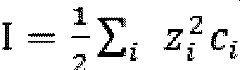
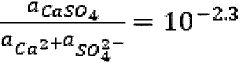
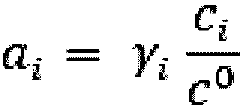
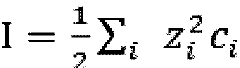
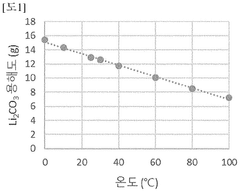
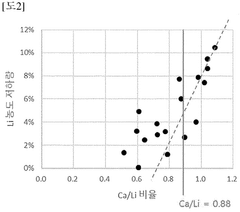
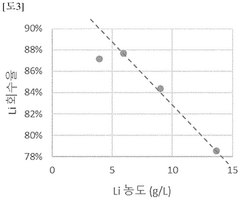
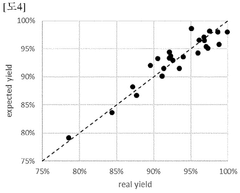
- A method for recovering lithium by quantifying process technology according to calcium concentration, involving preparing a lithium-containing solution, adding a calcium remover to precipitate calcium, and separating the precipitate to obtain a lithium-rich solution with reduced calcium content, using a recovery rate equation that considers temperature, lithium concentration, and calcium/lithium ratio.
Environmental Impact Assessment of Lithium Extraction Processes
The environmental impact of lithium extraction processes is a critical consideration in the sustainable development of lithium mining operations. Traditional lithium extraction methods, particularly from brine and hard rock sources, have significant environmental footprints that must be carefully assessed and mitigated.
Brine-based extraction, commonly used in South America's lithium triangle, involves pumping lithium-rich brine to evaporation ponds where it concentrates over months. This process consumes vast quantities of water—approximately 500,000 gallons per ton of lithium—in regions often characterized by water scarcity. The alteration of local hydrological systems can lead to decreased water availability for surrounding communities and ecosystems, potentially causing irreversible damage to fragile desert habitats.
Hard rock mining, prevalent in Australia and China, presents different environmental challenges. The extraction process requires significant energy inputs for crushing, grinding, and chemical processing of ore. Studies indicate that hard rock lithium production generates approximately 15 tons of CO2 emissions per ton of lithium carbonate equivalent (LCE), substantially higher than brine operations. Additionally, the physical disturbance of landscapes, habitat fragmentation, and potential acid mine drainage pose serious threats to biodiversity and ecosystem integrity.
Chemical processing in both extraction methods introduces risks of soil and water contamination. The use of sulfuric acid in spodumene conversion and various reagents in brine processing can lead to hazardous waste generation. Without proper management, these chemicals may leach into groundwater or surface water systems, affecting water quality far beyond the immediate mining area.
Recent technological innovations aim to reduce these environmental impacts. Direct lithium extraction (DLE) technologies promise water usage reductions of up to 70% compared to traditional methods, while also decreasing land disturbance and processing time. Similarly, closed-loop systems for chemical recovery and water recycling are being implemented to minimize waste generation and resource consumption.
Life cycle assessment (LCA) studies reveal that the environmental impact of lithium production extends beyond the extraction phase. Energy sources used throughout the process chain significantly influence the overall carbon footprint. Operations powered by renewable energy can reduce greenhouse gas emissions by up to 30%, highlighting the importance of integrated environmental management approaches.
Regulatory frameworks worldwide are evolving to address these concerns, with increasing requirements for environmental impact assessments, water management plans, and post-mining restoration commitments. Companies leading in environmental performance are implementing comprehensive monitoring systems to track material flows and identify optimization opportunities that simultaneously reduce environmental impacts and improve operational efficiency.
Brine-based extraction, commonly used in South America's lithium triangle, involves pumping lithium-rich brine to evaporation ponds where it concentrates over months. This process consumes vast quantities of water—approximately 500,000 gallons per ton of lithium—in regions often characterized by water scarcity. The alteration of local hydrological systems can lead to decreased water availability for surrounding communities and ecosystems, potentially causing irreversible damage to fragile desert habitats.
Hard rock mining, prevalent in Australia and China, presents different environmental challenges. The extraction process requires significant energy inputs for crushing, grinding, and chemical processing of ore. Studies indicate that hard rock lithium production generates approximately 15 tons of CO2 emissions per ton of lithium carbonate equivalent (LCE), substantially higher than brine operations. Additionally, the physical disturbance of landscapes, habitat fragmentation, and potential acid mine drainage pose serious threats to biodiversity and ecosystem integrity.
Chemical processing in both extraction methods introduces risks of soil and water contamination. The use of sulfuric acid in spodumene conversion and various reagents in brine processing can lead to hazardous waste generation. Without proper management, these chemicals may leach into groundwater or surface water systems, affecting water quality far beyond the immediate mining area.
Recent technological innovations aim to reduce these environmental impacts. Direct lithium extraction (DLE) technologies promise water usage reductions of up to 70% compared to traditional methods, while also decreasing land disturbance and processing time. Similarly, closed-loop systems for chemical recovery and water recycling are being implemented to minimize waste generation and resource consumption.
Life cycle assessment (LCA) studies reveal that the environmental impact of lithium production extends beyond the extraction phase. Energy sources used throughout the process chain significantly influence the overall carbon footprint. Operations powered by renewable energy can reduce greenhouse gas emissions by up to 30%, highlighting the importance of integrated environmental management approaches.
Regulatory frameworks worldwide are evolving to address these concerns, with increasing requirements for environmental impact assessments, water management plans, and post-mining restoration commitments. Companies leading in environmental performance are implementing comprehensive monitoring systems to track material flows and identify optimization opportunities that simultaneously reduce environmental impacts and improve operational efficiency.
Resource Recovery Efficiency Metrics and Benchmarks
Establishing effective resource recovery efficiency metrics is crucial for optimizing lithium mining operations. The industry currently employs several key performance indicators that quantify the effectiveness of material extraction and processing. Recovery rate, measured as the percentage of valuable lithium compounds extracted from raw ore, serves as the primary benchmark, with world-class operations achieving 80-85% recovery rates across their processing chains. Yield efficiency, which calculates the ratio of actual lithium output to theoretical maximum based on ore grade, provides insights into process optimization opportunities, with leading operations maintaining 75-80% yield efficiency.
Energy consumption metrics are equally important, typically measured in kWh per ton of lithium carbonate equivalent (LCE) produced. Best-in-class operations maintain energy consumption below 2,500 kWh/ton LCE, significantly outperforming industry averages of 3,500-4,000 kWh/ton. Water usage efficiency, particularly critical in water-stressed regions where many lithium operations are located, is measured in cubic meters of water per ton of LCE, with benchmark operations achieving ratios below 50 m³/ton through advanced recycling systems.
Chemical reagent efficiency metrics track the consumption of acids, bases, and other reagents per unit of production, with optimal operations maintaining sulfuric acid usage below 2.5 tons per ton of LCE. Waste-to-product ratios quantify the amount of tailings and waste material generated per unit of lithium product, with industry leaders achieving ratios below 20:1 through innovative processing techniques.
Time-based efficiency metrics include processing cycle time and equipment utilization rates. Advanced operations maintain equipment availability above 92% and achieve processing cycles 30% faster than industry averages. Quality-related benchmarks track impurity levels in final products, with premium-grade lithium compounds containing less than 100 ppm of critical impurities.
These benchmarks are increasingly being integrated into comprehensive material flow balance models that enable real-time monitoring and optimization. Leading operations employ digital twin technology to continuously compare actual performance against these benchmarks, identifying optimization opportunities throughout the processing chain. The implementation of these metrics has demonstrated potential for 15-25% improvements in overall resource recovery while reducing environmental impacts by similar margins.
Energy consumption metrics are equally important, typically measured in kWh per ton of lithium carbonate equivalent (LCE) produced. Best-in-class operations maintain energy consumption below 2,500 kWh/ton LCE, significantly outperforming industry averages of 3,500-4,000 kWh/ton. Water usage efficiency, particularly critical in water-stressed regions where many lithium operations are located, is measured in cubic meters of water per ton of LCE, with benchmark operations achieving ratios below 50 m³/ton through advanced recycling systems.
Chemical reagent efficiency metrics track the consumption of acids, bases, and other reagents per unit of production, with optimal operations maintaining sulfuric acid usage below 2.5 tons per ton of LCE. Waste-to-product ratios quantify the amount of tailings and waste material generated per unit of lithium product, with industry leaders achieving ratios below 20:1 through innovative processing techniques.
Time-based efficiency metrics include processing cycle time and equipment utilization rates. Advanced operations maintain equipment availability above 92% and achieve processing cycles 30% faster than industry averages. Quality-related benchmarks track impurity levels in final products, with premium-grade lithium compounds containing less than 100 ppm of critical impurities.
These benchmarks are increasingly being integrated into comprehensive material flow balance models that enable real-time monitoring and optimization. Leading operations employ digital twin technology to continuously compare actual performance against these benchmarks, identifying optimization opportunities throughout the processing chain. The implementation of these metrics has demonstrated potential for 15-25% improvements in overall resource recovery while reducing environmental impacts by similar margins.
Unlock deeper insights with Patsnap Eureka Quick Research — get a full tech report to explore trends and direct your research. Try now!
Generate Your Research Report Instantly with AI Agent
Supercharge your innovation with Patsnap Eureka AI Agent Platform!