

Radiating Element Lifetime Assurance through Predictive Maintenance
MAR 6, 20269 MIN READ
Generate Your Research Report Instantly with AI Agent
PatSnap Eureka helps you evaluate technical feasibility & market potential.
Radiating Element Technology Background and Lifetime Goals
Radiating elements, fundamental components in antenna systems and electromagnetic wave transmission technologies, have evolved significantly since the early 20th century. These critical components encompass various forms including dipole antennas, patch antennas, horn antennas, and array elements used in radar systems, telecommunications infrastructure, and satellite communications. The evolution from simple wire antennas to sophisticated phased array systems reflects decades of technological advancement driven by increasing demands for higher frequency operations, improved efficiency, and enhanced reliability.
The operational lifetime of radiating elements has become increasingly critical as modern communication systems demand higher uptime and reliability standards. Traditional reactive maintenance approaches, where components are replaced only after failure, have proven inadequate for mission-critical applications such as aerospace systems, defense radar installations, and 5G network infrastructure. The shift toward predictive maintenance methodologies represents a paradigm change in how the industry approaches component lifecycle management.
Current radiating element technologies face multiple degradation mechanisms that impact their operational lifetime. Environmental factors including temperature cycling, humidity exposure, UV radiation, and mechanical stress contribute to material fatigue and performance degradation. Electrical stress from high-power operations, impedance mismatching, and voltage standing wave ratio fluctuations further accelerate component aging. These degradation processes often manifest as gradual changes in radiation patterns, impedance characteristics, and power handling capabilities before complete failure occurs.
The primary technical goal for radiating element lifetime assurance centers on developing comprehensive predictive maintenance frameworks that can accurately forecast component degradation and optimize replacement schedules. This involves establishing reliable degradation models that correlate measurable parameters with remaining useful life predictions. Advanced monitoring systems must capture real-time performance metrics including return loss, radiation efficiency, pattern stability, and thermal characteristics to enable accurate prognostic algorithms.
Secondary objectives include developing standardized lifetime assessment methodologies that can be applied across different radiating element technologies and operational environments. This encompasses creating accelerated aging test protocols that accurately simulate long-term operational conditions, establishing degradation thresholds that trigger maintenance actions before performance falls below acceptable limits, and integrating predictive maintenance capabilities into existing system architectures without significant infrastructure modifications.
The ultimate vision involves achieving autonomous lifetime management systems where radiating elements continuously self-monitor their health status, predict their remaining operational life, and automatically schedule maintenance interventions. This approach promises to minimize unexpected failures, optimize maintenance costs, and ensure consistent system performance throughout the component lifecycle.
The operational lifetime of radiating elements has become increasingly critical as modern communication systems demand higher uptime and reliability standards. Traditional reactive maintenance approaches, where components are replaced only after failure, have proven inadequate for mission-critical applications such as aerospace systems, defense radar installations, and 5G network infrastructure. The shift toward predictive maintenance methodologies represents a paradigm change in how the industry approaches component lifecycle management.
Current radiating element technologies face multiple degradation mechanisms that impact their operational lifetime. Environmental factors including temperature cycling, humidity exposure, UV radiation, and mechanical stress contribute to material fatigue and performance degradation. Electrical stress from high-power operations, impedance mismatching, and voltage standing wave ratio fluctuations further accelerate component aging. These degradation processes often manifest as gradual changes in radiation patterns, impedance characteristics, and power handling capabilities before complete failure occurs.
The primary technical goal for radiating element lifetime assurance centers on developing comprehensive predictive maintenance frameworks that can accurately forecast component degradation and optimize replacement schedules. This involves establishing reliable degradation models that correlate measurable parameters with remaining useful life predictions. Advanced monitoring systems must capture real-time performance metrics including return loss, radiation efficiency, pattern stability, and thermal characteristics to enable accurate prognostic algorithms.
Secondary objectives include developing standardized lifetime assessment methodologies that can be applied across different radiating element technologies and operational environments. This encompasses creating accelerated aging test protocols that accurately simulate long-term operational conditions, establishing degradation thresholds that trigger maintenance actions before performance falls below acceptable limits, and integrating predictive maintenance capabilities into existing system architectures without significant infrastructure modifications.
The ultimate vision involves achieving autonomous lifetime management systems where radiating elements continuously self-monitor their health status, predict their remaining operational life, and automatically schedule maintenance interventions. This approach promises to minimize unexpected failures, optimize maintenance costs, and ensure consistent system performance throughout the component lifecycle.
Market Demand for Predictive Maintenance in RF Systems
The global RF systems market is experiencing unprecedented growth driven by the proliferation of wireless communication technologies, satellite systems, and defense applications. Modern telecommunications infrastructure relies heavily on radiating elements such as antennas, transmitters, and RF components that operate continuously under demanding conditions. The increasing complexity and density of these systems have created a critical need for advanced maintenance strategies that can prevent costly failures and ensure optimal performance.
Traditional reactive maintenance approaches in RF systems often result in unexpected downtime, service disruptions, and significant financial losses. The aerospace and defense sectors, in particular, face stringent reliability requirements where radiating element failures can compromise mission-critical operations. Commercial telecommunications operators are similarly pressured to maintain high service availability while managing operational costs effectively.
The emergence of Internet of Things technologies and smart infrastructure has accelerated the adoption of predictive maintenance solutions across various industries. RF system operators are increasingly recognizing the value proposition of transitioning from scheduled maintenance to condition-based monitoring approaches. This shift is particularly pronounced in sectors where RF equipment operates in harsh environments or remote locations where manual inspection is challenging and expensive.
Market drivers include the growing deployment of cellular networks, satellite constellations, and radar systems that require continuous operation with minimal maintenance windows. The integration of artificial intelligence and machine learning capabilities into monitoring systems has made predictive maintenance more accessible and cost-effective for organizations of varying sizes.
Regulatory compliance requirements in telecommunications and aviation industries further amplify the demand for reliable predictive maintenance solutions. Organizations must demonstrate proactive equipment management to meet safety standards and operational certifications. The increasing focus on sustainability and energy efficiency also drives interest in predictive maintenance as a means to optimize system performance and extend equipment lifecycles.
The market encompasses various stakeholder segments including telecommunications service providers, satellite operators, defense contractors, and industrial manufacturers utilizing RF technologies. Each segment presents unique requirements regarding monitoring capabilities, integration complexity, and return on investment expectations, creating diverse opportunities for specialized predictive maintenance solutions.
Traditional reactive maintenance approaches in RF systems often result in unexpected downtime, service disruptions, and significant financial losses. The aerospace and defense sectors, in particular, face stringent reliability requirements where radiating element failures can compromise mission-critical operations. Commercial telecommunications operators are similarly pressured to maintain high service availability while managing operational costs effectively.
The emergence of Internet of Things technologies and smart infrastructure has accelerated the adoption of predictive maintenance solutions across various industries. RF system operators are increasingly recognizing the value proposition of transitioning from scheduled maintenance to condition-based monitoring approaches. This shift is particularly pronounced in sectors where RF equipment operates in harsh environments or remote locations where manual inspection is challenging and expensive.
Market drivers include the growing deployment of cellular networks, satellite constellations, and radar systems that require continuous operation with minimal maintenance windows. The integration of artificial intelligence and machine learning capabilities into monitoring systems has made predictive maintenance more accessible and cost-effective for organizations of varying sizes.
Regulatory compliance requirements in telecommunications and aviation industries further amplify the demand for reliable predictive maintenance solutions. Organizations must demonstrate proactive equipment management to meet safety standards and operational certifications. The increasing focus on sustainability and energy efficiency also drives interest in predictive maintenance as a means to optimize system performance and extend equipment lifecycles.
The market encompasses various stakeholder segments including telecommunications service providers, satellite operators, defense contractors, and industrial manufacturers utilizing RF technologies. Each segment presents unique requirements regarding monitoring capabilities, integration complexity, and return on investment expectations, creating diverse opportunities for specialized predictive maintenance solutions.
Current State and Challenges of Radiating Element Degradation
Radiating elements in modern communication systems face significant degradation challenges that directly impact system reliability and performance. Current monitoring approaches predominantly rely on reactive maintenance strategies, where interventions occur only after performance degradation becomes apparent through signal quality deterioration or complete component failure. This reactive paradigm results in unexpected downtime, increased maintenance costs, and potential cascade failures across interconnected systems.
The degradation mechanisms affecting radiating elements are multifaceted and complex. Environmental factors such as temperature cycling, humidity exposure, UV radiation, and corrosive atmospheric conditions contribute to material fatigue and structural deterioration. Electrical stress from high-power operations leads to thermal cycling effects, causing expansion and contraction that weakens solder joints and connection points. Additionally, mechanical vibrations from wind loading and structural movements introduce fatigue stresses that accumulate over operational lifespans.
Current diagnostic capabilities remain limited in their ability to detect early-stage degradation patterns. Traditional measurement techniques focus on basic parameters such as return loss, gain patterns, and impedance matching, which typically show measurable changes only after significant degradation has occurred. The lack of comprehensive real-time monitoring systems means that subtle performance shifts indicating incipient failures often go undetected until critical thresholds are exceeded.
Geographic distribution of radiating element installations presents additional monitoring challenges. Many systems operate in remote or harsh environments where regular physical inspections are costly and logistically complex. Offshore installations, mountaintop repeaters, and distributed antenna systems in urban environments require specialized access procedures that limit the frequency and thoroughness of maintenance activities.
The integration of predictive maintenance technologies faces several technical barriers. Sensor integration must balance monitoring capability with system performance impact, ensuring that diagnostic equipment does not interfere with primary radiating functions. Data collection and transmission from remote locations require robust communication links and power management systems that can operate reliably in challenging environmental conditions.
Current industry practices show significant variation in maintenance approaches across different sectors. Telecommunications operators typically employ scheduled maintenance intervals based on statistical failure models, while aerospace and defense applications utilize more stringent monitoring protocols due to mission-critical requirements. However, both approaches lack the granular, real-time insights necessary for optimal predictive maintenance implementation.
The economic impact of current limitations is substantial, with unplanned outages resulting in service disruptions, revenue losses, and emergency repair costs that often exceed preventive maintenance expenses by significant margins.
The degradation mechanisms affecting radiating elements are multifaceted and complex. Environmental factors such as temperature cycling, humidity exposure, UV radiation, and corrosive atmospheric conditions contribute to material fatigue and structural deterioration. Electrical stress from high-power operations leads to thermal cycling effects, causing expansion and contraction that weakens solder joints and connection points. Additionally, mechanical vibrations from wind loading and structural movements introduce fatigue stresses that accumulate over operational lifespans.
Current diagnostic capabilities remain limited in their ability to detect early-stage degradation patterns. Traditional measurement techniques focus on basic parameters such as return loss, gain patterns, and impedance matching, which typically show measurable changes only after significant degradation has occurred. The lack of comprehensive real-time monitoring systems means that subtle performance shifts indicating incipient failures often go undetected until critical thresholds are exceeded.
Geographic distribution of radiating element installations presents additional monitoring challenges. Many systems operate in remote or harsh environments where regular physical inspections are costly and logistically complex. Offshore installations, mountaintop repeaters, and distributed antenna systems in urban environments require specialized access procedures that limit the frequency and thoroughness of maintenance activities.
The integration of predictive maintenance technologies faces several technical barriers. Sensor integration must balance monitoring capability with system performance impact, ensuring that diagnostic equipment does not interfere with primary radiating functions. Data collection and transmission from remote locations require robust communication links and power management systems that can operate reliably in challenging environmental conditions.
Current industry practices show significant variation in maintenance approaches across different sectors. Telecommunications operators typically employ scheduled maintenance intervals based on statistical failure models, while aerospace and defense applications utilize more stringent monitoring protocols due to mission-critical requirements. However, both approaches lack the granular, real-time insights necessary for optimal predictive maintenance implementation.
The economic impact of current limitations is substantial, with unplanned outages resulting in service disruptions, revenue losses, and emergency repair costs that often exceed preventive maintenance expenses by significant margins.
Existing Predictive Maintenance Solutions for RF Elements
01 Material composition and coating technologies for radiating elements
The lifetime of radiating elements can be extended through the use of specialized materials and protective coatings. Advanced materials with high thermal resistance and oxidation resistance are employed to withstand harsh operating conditions. Protective coatings, such as ceramic or metallic layers, can be applied to prevent degradation from environmental factors and thermal stress. These material innovations help maintain the structural integrity and performance of radiating elements over extended periods of operation.- Material composition and coating technologies for radiating elements: The lifetime of radiating elements can be extended through the use of specialized materials and protective coatings. Advanced materials with high thermal resistance and oxidation resistance are employed to withstand harsh operating conditions. Protective coatings, such as ceramic or metallic layers, can be applied to prevent degradation and corrosion of the radiating element surface. These material innovations help maintain the structural integrity and performance of radiating elements over extended periods of operation.
- Thermal management and heat dissipation design: Effective thermal management is critical for extending radiating element lifetime. Design approaches include optimized heat sink configurations, improved cooling systems, and thermal interface materials that enhance heat transfer. By maintaining optimal operating temperatures and preventing thermal stress, the degradation rate of radiating elements can be significantly reduced. Advanced cooling techniques such as liquid cooling or phase-change cooling may be implemented to manage high heat loads and prevent premature failure.
- Power control and operating condition optimization: Controlling the power input and optimizing operating conditions can significantly impact radiating element longevity. Techniques include implementing power modulation schemes, duty cycle control, and adaptive power management systems that adjust operating parameters based on real-time conditions. By avoiding excessive power levels and thermal cycling, mechanical and thermal stress on radiating elements can be minimized. Smart control algorithms can predict and prevent conditions that would accelerate degradation.
- Structural design and mechanical reinforcement: The physical structure and mechanical design of radiating elements play a crucial role in their operational lifetime. Reinforced structures, optimized geometries, and stress-relief features help prevent mechanical failure due to thermal expansion, vibration, or physical stress. Design considerations include the use of flexible mounting systems, shock-absorbing components, and structural elements that accommodate thermal expansion without inducing excessive stress. These mechanical improvements reduce the likelihood of cracking, warping, or other structural failures.
- Monitoring and predictive maintenance systems: Implementation of monitoring systems and predictive maintenance strategies can maximize radiating element lifetime by detecting early signs of degradation. Sensors and diagnostic systems track parameters such as temperature, electrical characteristics, and performance metrics to identify potential failures before they occur. Predictive algorithms analyze operational data to estimate remaining useful life and schedule maintenance activities. These systems enable proactive replacement or repair, preventing catastrophic failures and optimizing the overall operational efficiency.
02 Thermal management and heat dissipation systems
Effective thermal management is crucial for extending the operational lifetime of radiating elements. Heat dissipation systems, including cooling mechanisms and thermal barriers, help maintain optimal operating temperatures and prevent overheating. Advanced cooling designs incorporate heat sinks, forced air circulation, or liquid cooling systems to remove excess heat efficiently. By controlling thermal stress and temperature fluctuations, these systems reduce material fatigue and degradation, thereby significantly improving the longevity of radiating elements.Expand Specific Solutions03 Structural design optimization for durability
The structural design of radiating elements plays a vital role in determining their operational lifetime. Optimized geometries and mechanical configurations help distribute stress more evenly and reduce points of failure. Design improvements include reinforced support structures, flexible mounting systems, and stress-relief features that accommodate thermal expansion and contraction. These structural enhancements minimize mechanical wear and prevent premature failure, contributing to extended service life of the radiating components.Expand Specific Solutions04 Power control and operational parameter optimization
Controlling operational parameters such as power levels, duty cycles, and operating frequencies can significantly impact the lifetime of radiating elements. Intelligent power management systems monitor and adjust these parameters to prevent excessive stress on the components. Gradual power ramping, controlled cycling, and adaptive operation modes help reduce thermal shock and electrical stress. By optimizing these operational conditions, the degradation rate of radiating elements can be minimized, leading to improved reliability and extended operational lifetime.Expand Specific Solutions05 Monitoring and predictive maintenance systems
Implementation of monitoring systems and predictive maintenance strategies enables early detection of degradation and timely intervention to extend radiating element lifetime. Sensors and diagnostic tools continuously track performance parameters such as temperature, electrical characteristics, and structural integrity. Data analytics and machine learning algorithms can predict potential failures before they occur, allowing for preventive maintenance or component replacement. These proactive approaches help maximize the operational lifetime by addressing issues before they lead to catastrophic failure.Expand Specific Solutions
Key Players in RF Component and Predictive Analytics Industry
The radiating element lifetime assurance through predictive maintenance technology represents a mature industrial sector experiencing significant growth driven by digital transformation initiatives. The market encompasses diverse applications from nuclear power systems to precision manufacturing, with established players demonstrating varying levels of technological sophistication. Industry leaders like Siemens AG and Toshiba Corp. leverage advanced IoT and AI-driven analytics for comprehensive predictive maintenance solutions, while specialized companies such as Suzhou Nuclear Power Research Institute focus on critical infrastructure applications. The competitive landscape shows strong consolidation around companies with deep domain expertise, including Mitsubishi Electric Corp., Kawasaki Heavy Industries, and China General Nuclear Power Corp., who integrate predictive maintenance capabilities into broader industrial automation platforms. Technology maturity varies significantly, with nuclear and aerospace applications requiring the highest reliability standards, while manufacturing sectors adopt more standardized approaches through companies like Husky Injection Molding Systems and Robert Bosch GmbH.
Siemens AG
Technical Solution: Siemens has developed comprehensive predictive maintenance solutions for radiating elements through their MindSphere IoT platform and advanced analytics capabilities. Their approach integrates real-time condition monitoring sensors, machine learning algorithms, and digital twin technology to predict component failures before they occur. The system continuously monitors key parameters such as temperature, vibration, electrical characteristics, and material degradation indicators of radiating elements. By analyzing historical performance data and current operational conditions, Siemens' predictive models can forecast remaining useful life with high accuracy, enabling proactive maintenance scheduling and reducing unexpected downtime by up to 50%.
Strengths: Comprehensive industrial IoT ecosystem, proven track record in predictive maintenance across multiple industries, strong data analytics capabilities. Weaknesses: High implementation costs, complexity requiring specialized expertise for deployment and maintenance.
GE Infrastructure Technology, Inc.
Technical Solution: GE has pioneered predictive maintenance for radiating elements through their Predix industrial IoT platform and advanced analytics suite. Their comprehensive solution combines industrial-grade sensors, edge computing capabilities, and sophisticated machine learning models to monitor and predict the health of radiating components in power generation, oil & gas, and manufacturing industries. The system continuously collects data on thermal performance, electrical characteristics, mechanical stress, and environmental conditions affecting radiating elements. GE's proprietary algorithms, developed from decades of industrial experience, can predict component failures weeks or months in advance with high accuracy. The platform provides actionable insights through intuitive dashboards, automated work order generation, and integration with enterprise asset management systems, resulting in up to 40% reduction in unplanned downtime.
Strengths: Extensive industrial domain expertise, mature Predix IoT platform, proven track record in asset performance management across multiple industries. Weaknesses: Complex implementation process, high total cost of ownership, requires significant IT infrastructure investment.
Core Innovations in Radiating Element Health Monitoring
Systems and methods for predicting maintenance of intelligent electronic devices
PatentActiveUS20090312999A1
Innovation
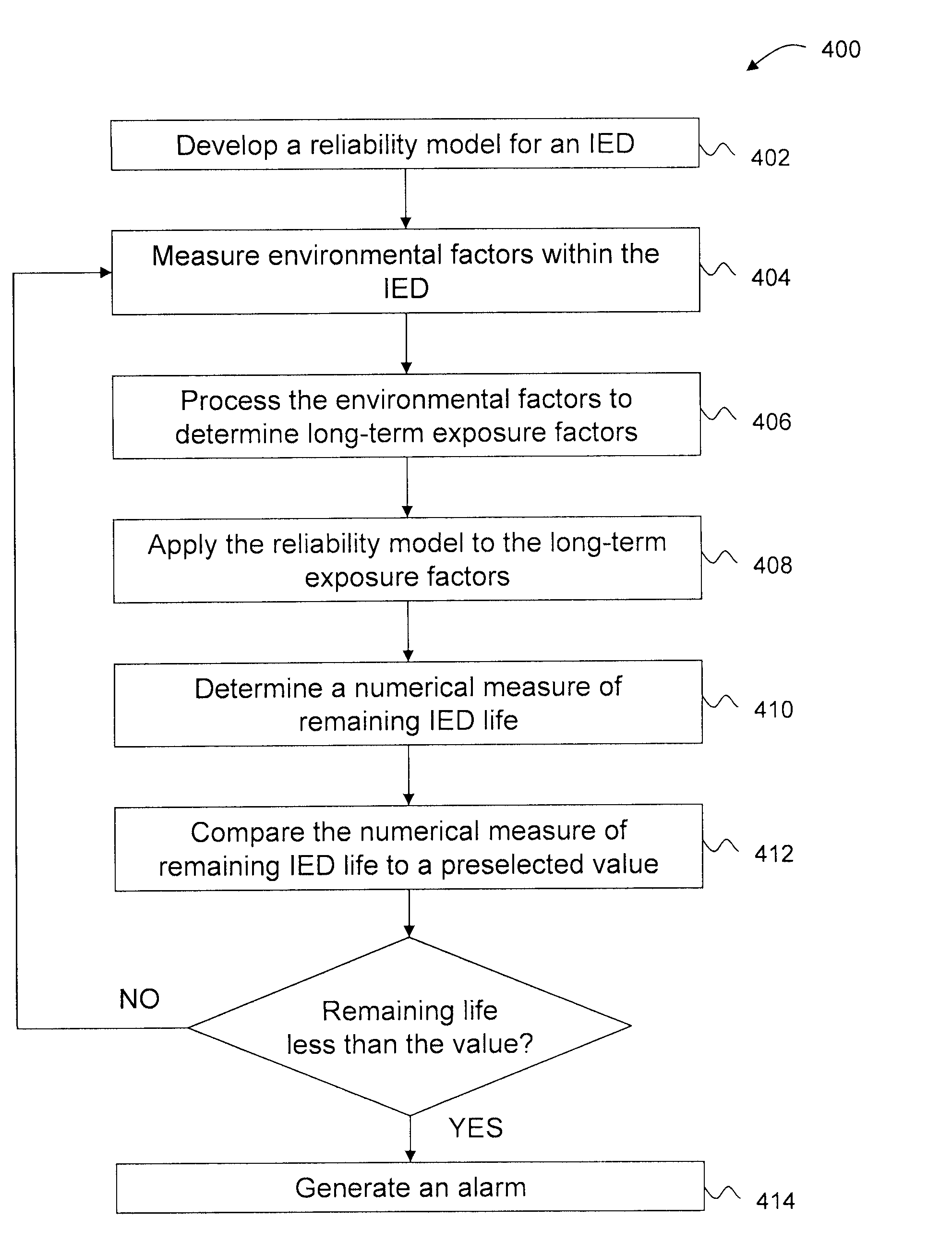
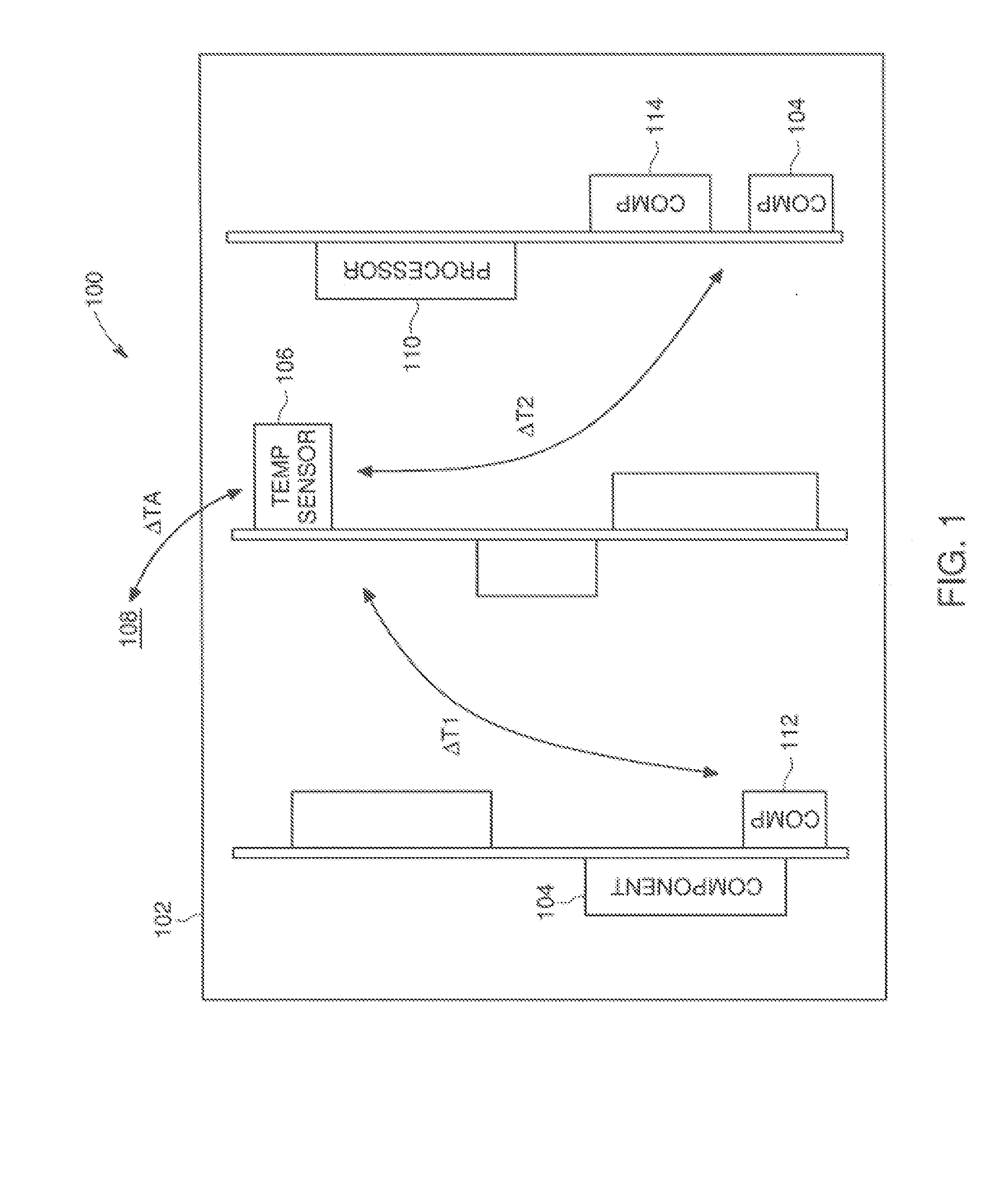
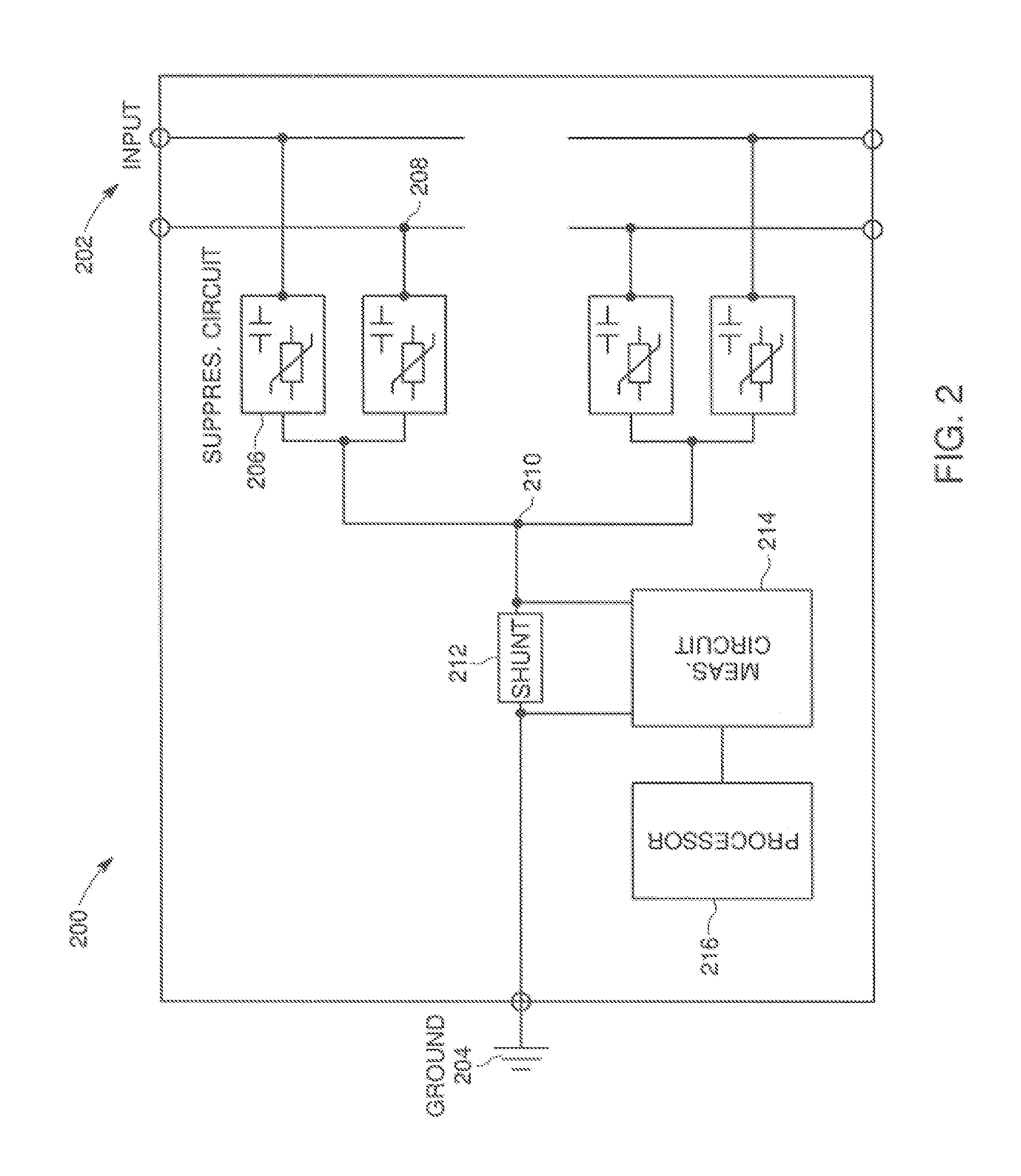
- A method and system that utilize sensors to measure environmental conditions, process data to determine long-term exposure factors, apply a reliability model to predict IED life, and generate signals for maintenance based on preselected boundary values, ensuring predictive maintenance aligned with actual device conditions.

Method of predicting lifetime of reactor structural materials and apparatus therefor
PatentActiveJP2019002803A
Innovation
- A method and apparatus for predicting the life of nuclear reactor structural materials by inputting equipment and material data, calculating current material characteristics, and displaying the time to reach life limits based on a database, incorporating factors like operating conditions and neutron dose.


Safety Standards for RF Equipment Maintenance
The safety standards governing RF equipment maintenance form a critical foundation for implementing predictive maintenance strategies in radiating element systems. International standards such as IEC 62368-1 and IEEE C95.1 establish fundamental safety requirements for RF equipment operation and maintenance procedures, defining exposure limits and safety protocols that must be maintained throughout the equipment lifecycle.
Occupational safety regulations mandate specific procedures for personnel working on RF systems, including mandatory power-down protocols, lockout/tagout procedures, and personal protective equipment requirements. These standards become particularly relevant in predictive maintenance scenarios where technicians may need to access energized equipment for real-time monitoring and data collection activities.
RF exposure compliance represents a paramount concern during maintenance operations. Standards specify maximum permissible exposure levels for different frequency ranges and establish minimum safe distances for maintenance personnel. Predictive maintenance systems must incorporate these safety boundaries into their operational protocols, ensuring that automated monitoring equipment and human operators remain within acceptable exposure limits during all maintenance activities.
Equipment-specific safety standards address the unique characteristics of different radiating element types, from cellular base station antennas to broadcast transmission systems. These standards define maintenance intervals, inspection procedures, and safety verification requirements that must be integrated into predictive maintenance algorithms to ensure compliance while optimizing equipment performance.
Documentation and certification requirements under safety standards mandate comprehensive record-keeping of all maintenance activities, safety assessments, and compliance verifications. Predictive maintenance systems must incorporate these documentation requirements into their operational frameworks, automatically generating compliance reports and maintaining audit trails that satisfy regulatory requirements.
Emergency response protocols defined in safety standards establish procedures for equipment failures, exposure incidents, and system malfunctions. These protocols must be seamlessly integrated into predictive maintenance systems to ensure rapid response capabilities when safety thresholds are exceeded or equipment anomalies are detected.
Occupational safety regulations mandate specific procedures for personnel working on RF systems, including mandatory power-down protocols, lockout/tagout procedures, and personal protective equipment requirements. These standards become particularly relevant in predictive maintenance scenarios where technicians may need to access energized equipment for real-time monitoring and data collection activities.
RF exposure compliance represents a paramount concern during maintenance operations. Standards specify maximum permissible exposure levels for different frequency ranges and establish minimum safe distances for maintenance personnel. Predictive maintenance systems must incorporate these safety boundaries into their operational protocols, ensuring that automated monitoring equipment and human operators remain within acceptable exposure limits during all maintenance activities.
Equipment-specific safety standards address the unique characteristics of different radiating element types, from cellular base station antennas to broadcast transmission systems. These standards define maintenance intervals, inspection procedures, and safety verification requirements that must be integrated into predictive maintenance algorithms to ensure compliance while optimizing equipment performance.
Documentation and certification requirements under safety standards mandate comprehensive record-keeping of all maintenance activities, safety assessments, and compliance verifications. Predictive maintenance systems must incorporate these documentation requirements into their operational frameworks, automatically generating compliance reports and maintaining audit trails that satisfy regulatory requirements.
Emergency response protocols defined in safety standards establish procedures for equipment failures, exposure incidents, and system malfunctions. These protocols must be seamlessly integrated into predictive maintenance systems to ensure rapid response capabilities when safety thresholds are exceeded or equipment anomalies are detected.
Cost-Benefit Analysis of Predictive vs Reactive Maintenance
The economic evaluation of predictive versus reactive maintenance strategies for radiating elements reveals significant disparities in both immediate costs and long-term financial implications. Initial capital expenditure for predictive maintenance systems typically ranges from $50,000 to $200,000 per installation, encompassing sensor networks, data acquisition systems, and analytical software platforms. This upfront investment contrasts sharply with reactive maintenance approaches, which require minimal initial technology investment but incur substantially higher operational costs over time.
Operational cost analysis demonstrates that predictive maintenance reduces unplanned downtime by 35-45% compared to reactive strategies. For critical radiating elements in telecommunications infrastructure, each hour of downtime can cost between $10,000 to $100,000 depending on service coverage and customer impact. The cumulative effect of reduced outages typically generates cost savings of $300,000 to $1.2 million annually for medium-scale installations.
Labor efficiency improvements represent another significant economic advantage. Predictive maintenance enables optimized workforce allocation, reducing emergency response requirements by approximately 60%. Maintenance teams can schedule interventions during planned maintenance windows, eliminating premium overtime costs and improving resource utilization. This translates to labor cost reductions of 25-30% compared to reactive approaches.
Component lifecycle extension through predictive maintenance delivers substantial capital preservation benefits. Early detection of degradation patterns allows for targeted interventions that can extend radiating element operational life by 20-35%. For high-value antenna systems costing $500,000 to $2 million, this lifecycle extension represents significant capital cost avoidance.
Return on investment calculations typically show payback periods of 18-36 months for predictive maintenance implementations. The break-even point varies based on system complexity, failure rates, and operational criticality. High-reliability applications with severe downtime penalties achieve faster payback, while less critical systems may require longer investment recovery periods.
Risk mitigation value adds another dimension to the cost-benefit equation. Predictive maintenance reduces catastrophic failure probability by 70-80%, protecting against major capital losses and reputation damage. Insurance premium reductions of 10-15% are often achievable through demonstrated reliability improvements, further enhancing the economic case for predictive strategies.
Operational cost analysis demonstrates that predictive maintenance reduces unplanned downtime by 35-45% compared to reactive strategies. For critical radiating elements in telecommunications infrastructure, each hour of downtime can cost between $10,000 to $100,000 depending on service coverage and customer impact. The cumulative effect of reduced outages typically generates cost savings of $300,000 to $1.2 million annually for medium-scale installations.
Labor efficiency improvements represent another significant economic advantage. Predictive maintenance enables optimized workforce allocation, reducing emergency response requirements by approximately 60%. Maintenance teams can schedule interventions during planned maintenance windows, eliminating premium overtime costs and improving resource utilization. This translates to labor cost reductions of 25-30% compared to reactive approaches.
Component lifecycle extension through predictive maintenance delivers substantial capital preservation benefits. Early detection of degradation patterns allows for targeted interventions that can extend radiating element operational life by 20-35%. For high-value antenna systems costing $500,000 to $2 million, this lifecycle extension represents significant capital cost avoidance.
Return on investment calculations typically show payback periods of 18-36 months for predictive maintenance implementations. The break-even point varies based on system complexity, failure rates, and operational criticality. High-reliability applications with severe downtime penalties achieve faster payback, while less critical systems may require longer investment recovery periods.
Risk mitigation value adds another dimension to the cost-benefit equation. Predictive maintenance reduces catastrophic failure probability by 70-80%, protecting against major capital losses and reputation damage. Insurance premium reductions of 10-15% are often achievable through demonstrated reliability improvements, further enhancing the economic case for predictive strategies.
Unlock deeper insights with PatSnap Eureka Quick Research — get a full tech report to explore trends and direct your research. Try now!
Generate Your Research Report Instantly with AI Agent
Supercharge your innovation with PatSnap Eureka AI Agent Platform!