

Radiating Element vs Crystal Oscillator: Synchronization Strategy
MAR 6, 20269 MIN READ
Generate Your Research Report Instantly with AI Agent
PatSnap Eureka helps you evaluate technical feasibility & market potential.
RF Synchronization Technology Background and Objectives
Radio frequency synchronization technology has emerged as a critical enabler for modern wireless communication systems, addressing the fundamental challenge of maintaining coherent signal transmission and reception across distributed network elements. The evolution from simple crystal-based timing references to sophisticated radiating element synchronization strategies reflects the increasing complexity and performance demands of contemporary RF applications.
The historical development of RF synchronization can be traced back to early radio broadcasting systems, where basic crystal oscillators provided adequate frequency stability for analog transmissions. However, the advent of digital communications, particularly in cellular networks, satellite systems, and radar applications, has necessitated unprecedented levels of timing accuracy and phase coherence. This evolution has driven the exploration of alternative synchronization approaches that leverage radiating elements as both signal transmission and timing reference components.
Crystal oscillators have traditionally served as the backbone of RF timing systems, offering excellent short-term stability and predictable aging characteristics. These devices generate highly stable reference frequencies through the piezoelectric properties of quartz crystals, enabling precise local oscillator generation and clock distribution. However, their limitations become apparent in applications requiring distributed synchronization across multiple nodes, where cumulative timing errors and environmental variations can significantly impact system performance.
The emergence of radiating element-based synchronization strategies represents a paradigm shift toward more integrated and adaptive timing solutions. This approach exploits the inherent properties of antenna elements to simultaneously perform signal transmission, reception, and timing reference functions. By utilizing the radiating elements themselves as synchronization sources, systems can achieve tighter coupling between RF signal paths and timing references, potentially reducing phase noise and improving overall synchronization accuracy.
Modern wireless systems demand synchronization precision that extends beyond traditional crystal oscillator capabilities, particularly in applications such as massive MIMO systems, distributed radar networks, and 5G/6G cellular infrastructure. The objective of contemporary RF synchronization research focuses on developing hybrid strategies that combine the stability advantages of crystal oscillators with the distributed coherence benefits of radiating element synchronization.
The primary technical objectives driving this field include achieving sub-nanosecond timing accuracy across distributed nodes, minimizing phase drift in multi-element arrays, and enabling dynamic synchronization adaptation based on environmental conditions and system requirements. These goals necessitate innovative approaches that can seamlessly integrate timing and RF signal processing functions while maintaining the reliability and cost-effectiveness essential for commercial deployment.
The historical development of RF synchronization can be traced back to early radio broadcasting systems, where basic crystal oscillators provided adequate frequency stability for analog transmissions. However, the advent of digital communications, particularly in cellular networks, satellite systems, and radar applications, has necessitated unprecedented levels of timing accuracy and phase coherence. This evolution has driven the exploration of alternative synchronization approaches that leverage radiating elements as both signal transmission and timing reference components.
Crystal oscillators have traditionally served as the backbone of RF timing systems, offering excellent short-term stability and predictable aging characteristics. These devices generate highly stable reference frequencies through the piezoelectric properties of quartz crystals, enabling precise local oscillator generation and clock distribution. However, their limitations become apparent in applications requiring distributed synchronization across multiple nodes, where cumulative timing errors and environmental variations can significantly impact system performance.
The emergence of radiating element-based synchronization strategies represents a paradigm shift toward more integrated and adaptive timing solutions. This approach exploits the inherent properties of antenna elements to simultaneously perform signal transmission, reception, and timing reference functions. By utilizing the radiating elements themselves as synchronization sources, systems can achieve tighter coupling between RF signal paths and timing references, potentially reducing phase noise and improving overall synchronization accuracy.
Modern wireless systems demand synchronization precision that extends beyond traditional crystal oscillator capabilities, particularly in applications such as massive MIMO systems, distributed radar networks, and 5G/6G cellular infrastructure. The objective of contemporary RF synchronization research focuses on developing hybrid strategies that combine the stability advantages of crystal oscillators with the distributed coherence benefits of radiating element synchronization.
The primary technical objectives driving this field include achieving sub-nanosecond timing accuracy across distributed nodes, minimizing phase drift in multi-element arrays, and enabling dynamic synchronization adaptation based on environmental conditions and system requirements. These goals necessitate innovative approaches that can seamlessly integrate timing and RF signal processing functions while maintaining the reliability and cost-effectiveness essential for commercial deployment.
Market Demand for Precision Timing Solutions
The precision timing solutions market has experienced substantial growth driven by the proliferation of advanced electronic systems requiring accurate synchronization. Modern telecommunications infrastructure, including 5G networks, relies heavily on precise timing to maintain signal integrity and minimize interference between radiating elements and reference oscillators. The increasing deployment of small cell networks and massive MIMO systems has created unprecedented demand for sophisticated timing architectures that can effectively coordinate multiple signal sources.
Industrial automation and Internet of Things applications represent another significant growth driver for precision timing technologies. Manufacturing systems increasingly depend on synchronized operations across distributed sensor networks and control systems. The challenge of maintaining coherent timing between radiating elements and crystal oscillators becomes critical in environments where electromagnetic interference can disrupt synchronization protocols. This has led to growing demand for robust timing solutions that can maintain accuracy under adverse conditions.
The automotive sector has emerged as a major consumer of precision timing solutions, particularly with the advancement of autonomous driving technologies. Vehicle-to-everything communication systems require precise synchronization between onboard radar systems, communication modules, and navigation equipment. The coordination between radiating antenna elements and local oscillators directly impacts the reliability of collision avoidance systems and real-time positioning accuracy.
Financial trading systems and data centers represent high-value market segments where timing precision directly correlates with operational performance and regulatory compliance. These applications demand synchronization strategies that can maintain nanosecond-level accuracy while managing the complex interactions between multiple radiating elements and reference clock sources. The market has shown willingness to invest significantly in advanced timing solutions that can deliver consistent performance.
Emerging applications in quantum computing and advanced scientific instrumentation are creating new market opportunities for ultra-precise timing solutions. These systems require synchronization strategies that can coordinate radiating elements with crystal oscillators at unprecedented accuracy levels, driving innovation in timing architecture design and implementation methodologies.
Industrial automation and Internet of Things applications represent another significant growth driver for precision timing technologies. Manufacturing systems increasingly depend on synchronized operations across distributed sensor networks and control systems. The challenge of maintaining coherent timing between radiating elements and crystal oscillators becomes critical in environments where electromagnetic interference can disrupt synchronization protocols. This has led to growing demand for robust timing solutions that can maintain accuracy under adverse conditions.
The automotive sector has emerged as a major consumer of precision timing solutions, particularly with the advancement of autonomous driving technologies. Vehicle-to-everything communication systems require precise synchronization between onboard radar systems, communication modules, and navigation equipment. The coordination between radiating antenna elements and local oscillators directly impacts the reliability of collision avoidance systems and real-time positioning accuracy.
Financial trading systems and data centers represent high-value market segments where timing precision directly correlates with operational performance and regulatory compliance. These applications demand synchronization strategies that can maintain nanosecond-level accuracy while managing the complex interactions between multiple radiating elements and reference clock sources. The market has shown willingness to invest significantly in advanced timing solutions that can deliver consistent performance.
Emerging applications in quantum computing and advanced scientific instrumentation are creating new market opportunities for ultra-precise timing solutions. These systems require synchronization strategies that can coordinate radiating elements with crystal oscillators at unprecedented accuracy levels, driving innovation in timing architecture design and implementation methodologies.
Current State of Radiating Element Crystal Sync Challenges
The synchronization between radiating elements and crystal oscillators represents one of the most persistent challenges in modern RF and wireless communication systems. Current implementations face significant technical barriers that limit system performance and reliability across various applications, from phased array antennas to distributed communication networks.
Phase coherence maintenance emerges as the primary technical obstacle in contemporary systems. Traditional synchronization methods struggle to maintain precise phase relationships between multiple radiating elements when driven by separate crystal oscillators. Temperature variations, aging effects, and manufacturing tolerances in crystal oscillators introduce phase drift that accumulates over time, resulting in degraded beam forming accuracy and reduced signal quality. This challenge becomes particularly acute in large-scale antenna arrays where hundreds or thousands of elements must maintain synchronization within fractions of a degree.
Frequency stability constraints present another critical limitation in existing synchronization strategies. While modern crystal oscillators achieve impressive stability specifications, the cumulative effect of multiple oscillators in distributed systems amplifies frequency deviations. The Allan variance characteristics of crystal oscillators show increasing instability over extended time periods, making long-term synchronization maintenance problematic without frequent recalibration cycles.
Timing distribution complexity significantly impacts system scalability and cost-effectiveness. Current approaches often rely on centralized reference distribution networks that become increasingly complex as system size grows. Cable length variations, signal propagation delays, and environmental factors introduce timing uncertainties that compromise synchronization accuracy. The need for precision timing distribution infrastructure adds substantial cost and complexity to large-scale implementations.
Power consumption optimization remains a substantial challenge in battery-powered and remote applications. Maintaining continuous synchronization between radiating elements and crystal oscillators requires constant monitoring and adjustment mechanisms that consume significant power. The trade-off between synchronization accuracy and power efficiency limits deployment options in energy-constrained environments.
Environmental sensitivity factors further complicate synchronization maintenance. Temperature gradients across large antenna arrays create differential effects on crystal oscillator performance, leading to spatially varying phase and frequency errors. Vibration, humidity, and electromagnetic interference introduce additional perturbations that existing compensation methods struggle to address effectively.
Integration complexity with existing communication protocols presents ongoing challenges for system designers. Legacy systems often lack the infrastructure necessary for advanced synchronization techniques, requiring costly upgrades or complete system replacements. The need for backward compatibility while implementing improved synchronization strategies creates design constraints that limit optimal performance achievement.
Phase coherence maintenance emerges as the primary technical obstacle in contemporary systems. Traditional synchronization methods struggle to maintain precise phase relationships between multiple radiating elements when driven by separate crystal oscillators. Temperature variations, aging effects, and manufacturing tolerances in crystal oscillators introduce phase drift that accumulates over time, resulting in degraded beam forming accuracy and reduced signal quality. This challenge becomes particularly acute in large-scale antenna arrays where hundreds or thousands of elements must maintain synchronization within fractions of a degree.
Frequency stability constraints present another critical limitation in existing synchronization strategies. While modern crystal oscillators achieve impressive stability specifications, the cumulative effect of multiple oscillators in distributed systems amplifies frequency deviations. The Allan variance characteristics of crystal oscillators show increasing instability over extended time periods, making long-term synchronization maintenance problematic without frequent recalibration cycles.
Timing distribution complexity significantly impacts system scalability and cost-effectiveness. Current approaches often rely on centralized reference distribution networks that become increasingly complex as system size grows. Cable length variations, signal propagation delays, and environmental factors introduce timing uncertainties that compromise synchronization accuracy. The need for precision timing distribution infrastructure adds substantial cost and complexity to large-scale implementations.
Power consumption optimization remains a substantial challenge in battery-powered and remote applications. Maintaining continuous synchronization between radiating elements and crystal oscillators requires constant monitoring and adjustment mechanisms that consume significant power. The trade-off between synchronization accuracy and power efficiency limits deployment options in energy-constrained environments.
Environmental sensitivity factors further complicate synchronization maintenance. Temperature gradients across large antenna arrays create differential effects on crystal oscillator performance, leading to spatially varying phase and frequency errors. Vibration, humidity, and electromagnetic interference introduce additional perturbations that existing compensation methods struggle to address effectively.
Integration complexity with existing communication protocols presents ongoing challenges for system designers. Legacy systems often lack the infrastructure necessary for advanced synchronization techniques, requiring costly upgrades or complete system replacements. The need for backward compatibility while implementing improved synchronization strategies creates design constraints that limit optimal performance achievement.
Existing Radiating Element Crystal Sync Solutions
01 Crystal oscillator synchronization with phase-locked loop circuits
Phase-locked loop (PLL) circuits are utilized to synchronize crystal oscillators with reference signals or other oscillators. These circuits can lock the frequency and phase of the crystal oscillator to a desired reference, enabling precise frequency control and synchronization. The PLL architecture typically includes a phase detector, loop filter, and voltage-controlled oscillator to achieve stable synchronization in various applications including communication systems and timing circuits.- Crystal oscillator synchronization with phase-locked loop circuits: Phase-locked loop (PLL) circuits are utilized to synchronize crystal oscillators with reference signals. These circuits can lock the oscillator frequency to an external reference, ensuring stable and accurate timing. The PLL architecture typically includes a phase detector, loop filter, and voltage-controlled oscillator to achieve precise frequency and phase synchronization. This approach is commonly used in communication systems and timing applications where multiple oscillators need to be synchronized.
- Temperature compensation for crystal oscillator stability: Temperature-compensated crystal oscillators (TCXO) incorporate compensation circuits to maintain frequency stability across varying temperature conditions. These circuits monitor temperature changes and apply corrections to counteract the temperature-dependent frequency drift of the crystal. Various compensation methods include analog correction circuits, digital compensation algorithms, and hybrid approaches. This technology is essential for applications requiring high frequency stability in environments with temperature fluctuations.
- Antenna radiating element design with oscillator integration: Integrated designs combine radiating antenna elements with crystal oscillator circuits on the same substrate or in close proximity. This integration reduces signal path losses, minimizes electromagnetic interference, and improves overall system performance. The radiating element can be designed to operate at frequencies directly derived from or harmonically related to the crystal oscillator frequency. Such configurations are particularly useful in compact wireless devices and RF modules.
- Frequency multiplication and division for oscillator synchronization: Frequency multiplication and division circuits enable synchronization between crystal oscillators operating at different frequencies. These circuits use digital dividers, frequency multipliers, or fractional-N synthesis techniques to generate the required output frequencies from a reference crystal oscillator. This approach allows multiple radiating elements operating at different frequencies to be synchronized to a single master oscillator, simplifying system design and reducing component count.
- Voltage-controlled oscillator synchronization with radiating elements: Voltage-controlled oscillators (VCO) can be synchronized with crystal oscillators to provide tunable frequency sources for radiating elements. The VCO frequency is controlled by an input voltage signal, which can be derived from a crystal-based reference through feedback control circuits. This configuration allows for frequency agility while maintaining the stability of a crystal reference. The synchronized VCO output can directly drive radiating elements in applications such as frequency-hopping systems and adaptive antenna arrays.
02 Temperature compensation for crystal oscillator stability
Temperature-compensated crystal oscillators (TCXO) employ various compensation techniques to maintain frequency stability across temperature variations. These methods include using temperature sensors and compensation circuits to adjust the oscillator frequency based on ambient temperature changes. The compensation mechanisms help minimize frequency drift caused by temperature fluctuations, ensuring reliable operation of the oscillator in radiating elements and communication devices.Expand Specific Solutions03 Integration of radiating elements with oscillator circuits
Radiating elements such as antennas can be directly integrated with crystal oscillator circuits to form compact transceiver modules. This integration approach reduces signal path losses and improves overall system performance by minimizing parasitic effects. The combined structure allows for efficient electromagnetic radiation while maintaining precise frequency control through the integrated oscillator, suitable for wireless communication devices and RF applications.Expand Specific Solutions04 Frequency multiplication and division for oscillator synchronization
Frequency multiplication and division techniques are employed to generate multiple synchronized frequencies from a single crystal oscillator source. These methods use digital dividers, multipliers, and frequency synthesizers to create various frequency outputs while maintaining phase coherence with the reference oscillator. This approach enables efficient frequency planning in multi-band radiating systems and reduces the number of required oscillators in complex communication equipment.Expand Specific Solutions05 Voltage-controlled oscillator tuning for radiating frequency adjustment
Voltage-controlled oscillators (VCO) provide tunable frequency generation for radiating elements by adjusting the control voltage applied to the oscillator circuit. These oscillators enable dynamic frequency adjustment and modulation capabilities essential for adaptive communication systems. The VCO-based approach allows for fine-tuning of the radiating frequency to compensate for component variations and environmental changes, improving overall system flexibility and performance.Expand Specific Solutions
Key Players in Crystal Oscillator and RF Component Industry
The radiating element versus crystal oscillator synchronization strategy represents a mature technology domain within the broader RF and timing systems market, which has reached a multi-billion dollar scale globally. The industry is in a consolidation phase, with established players like Nihon Dempa Kogyo, Kyocera, Murata Manufacturing, and Seiko Epson dominating the crystal oscillator segment through decades of manufacturing expertise. Technology maturity varies significantly across applications - while traditional crystal oscillators from companies like Daishinku and Greenray Industries offer proven stability, emerging synchronization approaches involving radiating elements are being explored by semiconductor leaders including Intel, Silicon Laboratories, and ON Semiconductor. The competitive landscape shows clear geographical clustering, with Japanese manufacturers maintaining strong positions in precision timing components, while global technology giants and Chinese universities like UESTC and Peking University drive innovation in next-generation synchronization architectures for 5G and IoT applications.
Murata Manufacturing Co. Ltd.
Technical Solution: Murata develops advanced synchronization solutions combining radiating elements with crystal oscillators through their integrated timing modules. Their approach utilizes temperature-compensated crystal oscillators (TCXO) paired with miniaturized antenna elements to achieve precise frequency synchronization in wireless applications. The company's proprietary ceramic resonator technology enables stable oscillation while their antenna expertise ensures efficient signal radiation. Their synchronization strategy involves phase-locked loop (PLL) circuits that maintain coherent timing between the crystal reference and radiating elements, particularly effective in IoT devices and wireless sensor networks where both accurate timing and reliable communication are critical.
Strengths: Industry-leading miniaturization capabilities and proven ceramic technology integration. Weaknesses: Higher cost compared to discrete component solutions and limited customization options for specialized applications.
Seiko Epson Corp.
Technical Solution: Seiko Epson implements a dual-domain synchronization strategy where crystal oscillators serve as master timing references while radiating elements are synchronized through digitally controlled phase adjustment circuits. Their quartz crystal technology provides exceptional frequency stability, typically achieving ±10ppm accuracy across temperature ranges. The synchronization mechanism employs real-time feedback loops that monitor both the crystal oscillator output and the radiating element's phase response. This approach is particularly effective in precision timing applications such as GPS receivers and telecommunications equipment where maintaining coherent phase relationships between reference timing and RF transmission is essential for system performance.
Strengths: Superior crystal oscillator precision and established quartz manufacturing expertise. Weaknesses: Complex synchronization circuitry increases power consumption and system complexity.
Core Patents in RF Element Crystal Synchronization
Circuit and method for generating a clock signal
PatentActiveUS20110156821A1
Innovation
- A circuit and method utilizing a frequency divider to set its division ratio to the integer part or integer part plus 1 of the resonant frequency of the oscillator, generating a clock signal with improved accuracy by dividing the oscillating signal.


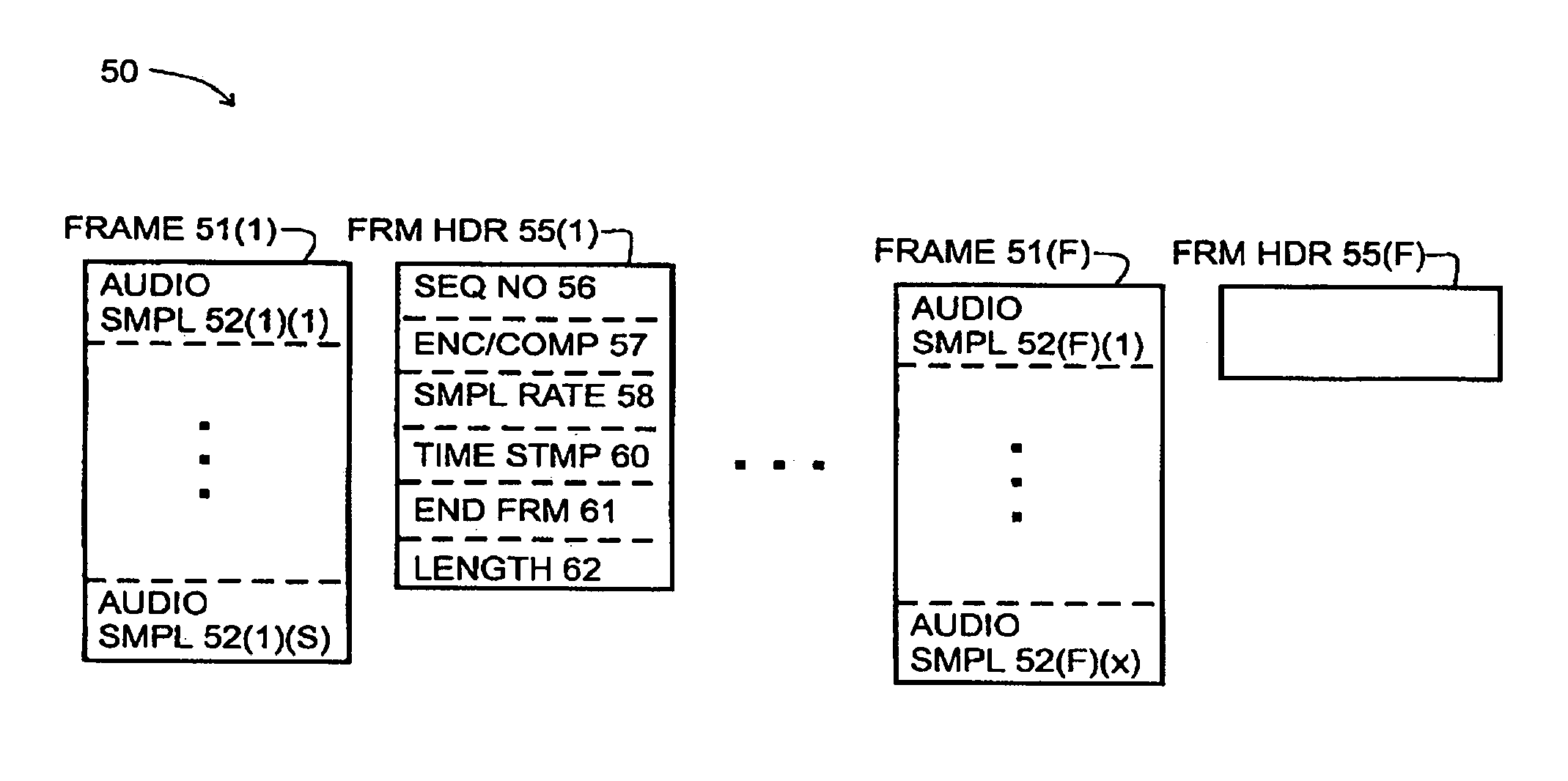
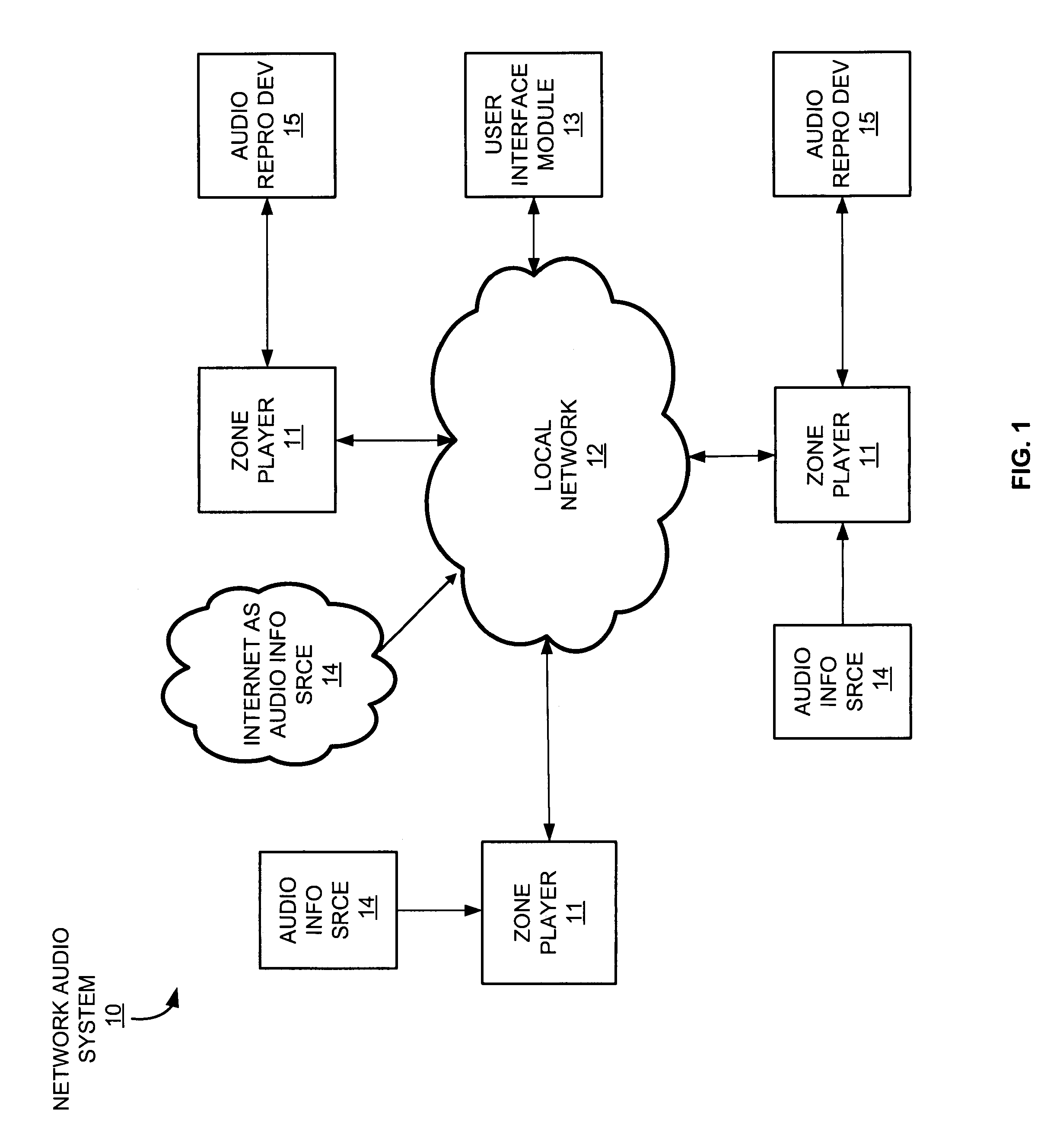
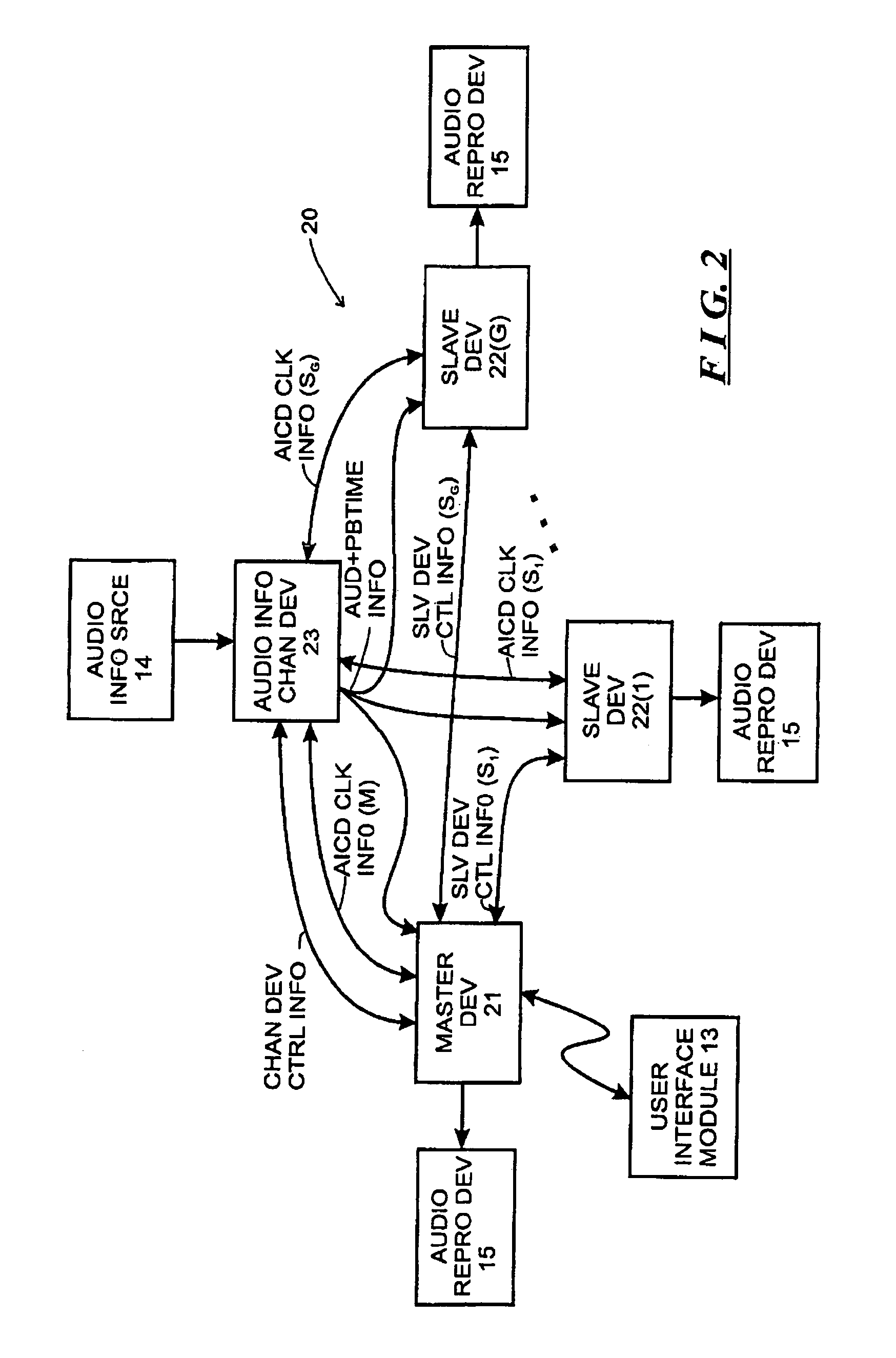
Systems and methods for synchronizing operations among a plurality of independently clocked digital data processing devices without a voltage controlled crystal oscillator
PatentInactiveUS20120029671A1
Innovation
- A distribution device maintains a clock rate and distributes tasks with time stamps to a group of execution devices, allowing them to adjust samples per frame to synchronize playback, enabling synchronization among independently clocked digital data processing devices without a voltage controlled crystal oscillator.

EMC Compliance Standards for RF Synchronization Systems
Electromagnetic compatibility (EMC) compliance represents a critical regulatory framework governing RF synchronization systems that employ radiating elements and crystal oscillators. The fundamental standards encompass FCC Part 15 in North America, ETSI EN 301 489 series in Europe, and CISPR 25 for automotive applications. These regulations establish stringent emission limits and immunity requirements that directly impact synchronization architecture design decisions.
The primary EMC challenge in RF synchronization systems stems from the inherent conflict between radiating element functionality and spurious emission control. Radiating elements, by design, emit electromagnetic energy for synchronization purposes, yet must comply with unintentional emission limits specified in regulatory frameworks. Crystal oscillators contribute additional complexity through harmonic generation and phase noise characteristics that can violate conducted and radiated emission thresholds.
Conducted emission standards typically limit spurious signals on power and signal lines to prevent interference propagation through connected infrastructure. For synchronization systems, this necessitates careful filtering design at crystal oscillator outputs and power supply interfaces. The CISPR 22 Class B limits impose particularly stringent requirements for commercial environments, demanding emission levels below 60 dBμV in the 0.15-30 MHz range.
Radiated emission compliance presents unique challenges for systems integrating both radiating elements and crystal oscillators. The intentional radiator provisions under FCC Part 15.249 allow specific emission levels within designated frequency bands, while simultaneously requiring suppression of out-of-band emissions by at least 20 dB below fundamental levels. This dual requirement necessitates sophisticated filtering and shielding strategies.
Immunity standards under IEC 61000-4 series establish minimum performance criteria during electromagnetic disturbance exposure. RF synchronization systems must maintain timing accuracy within specified tolerances when subjected to radiated field strengths up to 10 V/m across 80 MHz to 1 GHz frequency ranges. Crystal oscillator stability becomes paramount during immunity testing, as frequency pulling effects can compromise synchronization integrity.
Automotive EMC standards impose additional constraints through ISO 11452 and CISPR 25 requirements. These standards address the harsh electromagnetic environment of vehicle systems, mandating enhanced immunity levels and stricter emission limits. Synchronization systems in automotive applications must demonstrate compliance across extended temperature ranges while maintaining EMC performance under mechanical stress conditions.
The primary EMC challenge in RF synchronization systems stems from the inherent conflict between radiating element functionality and spurious emission control. Radiating elements, by design, emit electromagnetic energy for synchronization purposes, yet must comply with unintentional emission limits specified in regulatory frameworks. Crystal oscillators contribute additional complexity through harmonic generation and phase noise characteristics that can violate conducted and radiated emission thresholds.
Conducted emission standards typically limit spurious signals on power and signal lines to prevent interference propagation through connected infrastructure. For synchronization systems, this necessitates careful filtering design at crystal oscillator outputs and power supply interfaces. The CISPR 22 Class B limits impose particularly stringent requirements for commercial environments, demanding emission levels below 60 dBμV in the 0.15-30 MHz range.
Radiated emission compliance presents unique challenges for systems integrating both radiating elements and crystal oscillators. The intentional radiator provisions under FCC Part 15.249 allow specific emission levels within designated frequency bands, while simultaneously requiring suppression of out-of-band emissions by at least 20 dB below fundamental levels. This dual requirement necessitates sophisticated filtering and shielding strategies.
Immunity standards under IEC 61000-4 series establish minimum performance criteria during electromagnetic disturbance exposure. RF synchronization systems must maintain timing accuracy within specified tolerances when subjected to radiated field strengths up to 10 V/m across 80 MHz to 1 GHz frequency ranges. Crystal oscillator stability becomes paramount during immunity testing, as frequency pulling effects can compromise synchronization integrity.
Automotive EMC standards impose additional constraints through ISO 11452 and CISPR 25 requirements. These standards address the harsh electromagnetic environment of vehicle systems, mandating enhanced immunity levels and stricter emission limits. Synchronization systems in automotive applications must demonstrate compliance across extended temperature ranges while maintaining EMC performance under mechanical stress conditions.
Thermal Management in High-Precision RF Timing Applications
Thermal management represents a critical challenge in high-precision RF timing applications where radiating elements and crystal oscillators must maintain synchronization under varying temperature conditions. The fundamental issue stems from the inherent temperature sensitivity of both components, which can lead to frequency drift and phase instability that compromises synchronization accuracy.
Crystal oscillators exhibit temperature-dependent frequency variations that typically follow a parabolic curve, with frequency stability degrading as temperature deviates from the turnover point. In high-precision applications, even minute temperature fluctuations can cause frequency shifts in the parts-per-billion range, directly impacting synchronization performance with radiating elements that may operate under different thermal conditions.
Radiating elements, particularly antenna arrays and RF front-end components, generate significant heat during operation while simultaneously being sensitive to ambient temperature changes. This dual nature creates a complex thermal environment where self-heating effects interact with external temperature variations, leading to unpredictable phase shifts and impedance variations that affect synchronization stability.
The thermal coupling between crystal oscillators and radiating elements presents additional complexity in system-level thermal management. Heat generated by high-power RF components can influence nearby timing circuits, creating thermal gradients that result in asymmetric frequency drift patterns. This phenomenon is particularly problematic in compact designs where spatial constraints limit thermal isolation options.
Advanced thermal management strategies must address both steady-state and transient thermal conditions. Steady-state management focuses on maintaining consistent operating temperatures through heat sinks, thermal interface materials, and controlled airflow. However, transient thermal management becomes crucial during rapid power cycling or environmental temperature changes, where thermal time constants of different components can cause temporary synchronization loss.
Temperature compensation techniques play a vital role in maintaining synchronization accuracy. These include hardware-based solutions such as temperature-compensated crystal oscillators and software-based approaches that implement real-time frequency correction algorithms based on temperature sensor feedback. The effectiveness of these compensation methods depends heavily on accurate thermal modeling and precise temperature monitoring throughout the system.
Crystal oscillators exhibit temperature-dependent frequency variations that typically follow a parabolic curve, with frequency stability degrading as temperature deviates from the turnover point. In high-precision applications, even minute temperature fluctuations can cause frequency shifts in the parts-per-billion range, directly impacting synchronization performance with radiating elements that may operate under different thermal conditions.
Radiating elements, particularly antenna arrays and RF front-end components, generate significant heat during operation while simultaneously being sensitive to ambient temperature changes. This dual nature creates a complex thermal environment where self-heating effects interact with external temperature variations, leading to unpredictable phase shifts and impedance variations that affect synchronization stability.
The thermal coupling between crystal oscillators and radiating elements presents additional complexity in system-level thermal management. Heat generated by high-power RF components can influence nearby timing circuits, creating thermal gradients that result in asymmetric frequency drift patterns. This phenomenon is particularly problematic in compact designs where spatial constraints limit thermal isolation options.
Advanced thermal management strategies must address both steady-state and transient thermal conditions. Steady-state management focuses on maintaining consistent operating temperatures through heat sinks, thermal interface materials, and controlled airflow. However, transient thermal management becomes crucial during rapid power cycling or environmental temperature changes, where thermal time constants of different components can cause temporary synchronization loss.
Temperature compensation techniques play a vital role in maintaining synchronization accuracy. These include hardware-based solutions such as temperature-compensated crystal oscillators and software-based approaches that implement real-time frequency correction algorithms based on temperature sensor feedback. The effectiveness of these compensation methods depends heavily on accurate thermal modeling and precise temperature monitoring throughout the system.
Unlock deeper insights with PatSnap Eureka Quick Research — get a full tech report to explore trends and direct your research. Try now!
Generate Your Research Report Instantly with AI Agent
Supercharge your innovation with PatSnap Eureka AI Agent Platform!