

Oscillator Phase Stability: Best Materials for Improved Performance
MAR 13, 20269 MIN READ
Generate Your Research Report Instantly with AI Agent
PatSnap Eureka helps you evaluate technical feasibility & market potential.
Oscillator Phase Stability Background and Objectives
Oscillator phase stability represents one of the most critical performance parameters in modern electronic systems, directly impacting the accuracy and reliability of frequency references across diverse applications. The phenomenon of phase noise, characterized by random fluctuations in the oscillator's output phase, has become increasingly problematic as system requirements demand ever-higher precision and stability standards.
The historical development of oscillator technology reveals a continuous pursuit of enhanced phase stability performance. Early crystal oscillators, while revolutionary for their time, exhibited significant phase noise limitations that restricted their application scope. The introduction of temperature-compensated crystal oscillators (TCXOs) and oven-controlled crystal oscillators (OCXOs) marked significant milestones in addressing thermal stability issues, yet material-related phase noise sources remained largely unresolved.
Contemporary electronic systems impose stringent phase stability requirements that challenge conventional oscillator designs. Telecommunications infrastructure, satellite communication systems, radar applications, and precision instrumentation all demand oscillators with exceptional phase noise performance. The proliferation of 5G networks and advanced radar systems has particularly intensified these requirements, necessitating oscillators capable of maintaining phase coherence over extended periods while operating under varying environmental conditions.
Material properties fundamentally determine oscillator phase stability through multiple mechanisms including thermal expansion coefficients, elastic constants, internal friction, and crystalline defects. Traditional quartz crystals, despite their widespread adoption, exhibit inherent material limitations that manifest as phase noise at specific frequency offsets. The acoustic loss mechanisms within quartz structures contribute significantly to close-in phase noise, while surface contamination and mounting stress introduce additional instabilities.
The primary objective of this research focuses on identifying and characterizing advanced materials that can substantially improve oscillator phase stability performance beyond current quartz-based limitations. This investigation encompasses both single-crystal alternatives and composite material systems that demonstrate superior acoustic properties, reduced thermal sensitivity, and enhanced long-term stability characteristics.
Specific technical targets include achieving phase noise improvements of at least 10-20 dB across critical frequency offset ranges, particularly in the 1 Hz to 10 kHz region where most applications are most sensitive. Additionally, the research aims to identify materials capable of maintaining stable performance across extended temperature ranges while exhibiting reduced aging effects and improved shock resistance compared to conventional quartz resonators.
The historical development of oscillator technology reveals a continuous pursuit of enhanced phase stability performance. Early crystal oscillators, while revolutionary for their time, exhibited significant phase noise limitations that restricted their application scope. The introduction of temperature-compensated crystal oscillators (TCXOs) and oven-controlled crystal oscillators (OCXOs) marked significant milestones in addressing thermal stability issues, yet material-related phase noise sources remained largely unresolved.
Contemporary electronic systems impose stringent phase stability requirements that challenge conventional oscillator designs. Telecommunications infrastructure, satellite communication systems, radar applications, and precision instrumentation all demand oscillators with exceptional phase noise performance. The proliferation of 5G networks and advanced radar systems has particularly intensified these requirements, necessitating oscillators capable of maintaining phase coherence over extended periods while operating under varying environmental conditions.
Material properties fundamentally determine oscillator phase stability through multiple mechanisms including thermal expansion coefficients, elastic constants, internal friction, and crystalline defects. Traditional quartz crystals, despite their widespread adoption, exhibit inherent material limitations that manifest as phase noise at specific frequency offsets. The acoustic loss mechanisms within quartz structures contribute significantly to close-in phase noise, while surface contamination and mounting stress introduce additional instabilities.
The primary objective of this research focuses on identifying and characterizing advanced materials that can substantially improve oscillator phase stability performance beyond current quartz-based limitations. This investigation encompasses both single-crystal alternatives and composite material systems that demonstrate superior acoustic properties, reduced thermal sensitivity, and enhanced long-term stability characteristics.
Specific technical targets include achieving phase noise improvements of at least 10-20 dB across critical frequency offset ranges, particularly in the 1 Hz to 10 kHz region where most applications are most sensitive. Additionally, the research aims to identify materials capable of maintaining stable performance across extended temperature ranges while exhibiting reduced aging effects and improved shock resistance compared to conventional quartz resonators.
Market Demand for High-Stability Oscillator Applications
The telecommunications industry represents the largest market segment driving demand for high-stability oscillators, particularly with the global expansion of 5G networks and the development of 6G technologies. Base stations, small cells, and network infrastructure equipment require oscillators with exceptional phase noise performance to maintain signal integrity across increasingly complex communication protocols. The stringent timing requirements for synchronization in these networks have created substantial demand for oscillators utilizing advanced materials that can deliver superior phase stability under varying environmental conditions.
Aerospace and defense applications constitute another critical market segment where phase stability performance directly impacts mission success. Radar systems, satellite communications, electronic warfare equipment, and navigation systems demand oscillators that maintain precise frequency stability despite extreme temperature variations, vibration, and electromagnetic interference. Military specifications often require phase noise performance levels that push the boundaries of current material technologies, driving continuous innovation in oscillator design and material selection.
The precision instrumentation market has experienced significant growth driven by advances in scientific research, metrology, and test equipment applications. Atomic clocks, frequency counters, spectrum analyzers, and laboratory-grade measurement instruments require oscillators with ultra-low phase noise characteristics. Research institutions and calibration laboratories increasingly demand oscillators that can maintain long-term frequency stability while minimizing short-term phase fluctuations, creating opportunities for materials that offer enhanced thermal stability and reduced aging effects.
Emerging applications in quantum computing and quantum sensing technologies are creating new market demands for oscillators with unprecedented stability requirements. These applications require oscillators that can maintain coherence over extended periods while operating in controlled environments. The unique requirements of quantum systems are driving research into novel materials and oscillator architectures that can achieve phase stability levels previously considered unattainable.
The automotive industry's transition toward autonomous vehicles and advanced driver assistance systems has generated growing demand for high-stability oscillators in radar and lidar applications. Vehicle-mounted sensors require oscillators that maintain consistent performance across automotive temperature ranges while withstanding mechanical stress and vibration. This market segment emphasizes the need for materials that combine excellent phase stability with robust mechanical properties and cost-effectiveness for high-volume production.
Industrial automation and Internet of Things applications represent an expanding market where timing precision directly affects system performance and reliability. Manufacturing equipment, process control systems, and distributed sensor networks increasingly rely on synchronized operations that demand stable frequency references throughout extended operational periods.
Aerospace and defense applications constitute another critical market segment where phase stability performance directly impacts mission success. Radar systems, satellite communications, electronic warfare equipment, and navigation systems demand oscillators that maintain precise frequency stability despite extreme temperature variations, vibration, and electromagnetic interference. Military specifications often require phase noise performance levels that push the boundaries of current material technologies, driving continuous innovation in oscillator design and material selection.
The precision instrumentation market has experienced significant growth driven by advances in scientific research, metrology, and test equipment applications. Atomic clocks, frequency counters, spectrum analyzers, and laboratory-grade measurement instruments require oscillators with ultra-low phase noise characteristics. Research institutions and calibration laboratories increasingly demand oscillators that can maintain long-term frequency stability while minimizing short-term phase fluctuations, creating opportunities for materials that offer enhanced thermal stability and reduced aging effects.
Emerging applications in quantum computing and quantum sensing technologies are creating new market demands for oscillators with unprecedented stability requirements. These applications require oscillators that can maintain coherence over extended periods while operating in controlled environments. The unique requirements of quantum systems are driving research into novel materials and oscillator architectures that can achieve phase stability levels previously considered unattainable.
The automotive industry's transition toward autonomous vehicles and advanced driver assistance systems has generated growing demand for high-stability oscillators in radar and lidar applications. Vehicle-mounted sensors require oscillators that maintain consistent performance across automotive temperature ranges while withstanding mechanical stress and vibration. This market segment emphasizes the need for materials that combine excellent phase stability with robust mechanical properties and cost-effectiveness for high-volume production.
Industrial automation and Internet of Things applications represent an expanding market where timing precision directly affects system performance and reliability. Manufacturing equipment, process control systems, and distributed sensor networks increasingly rely on synchronized operations that demand stable frequency references throughout extended operational periods.
Current Material Limitations in Phase Stability Performance
Traditional oscillator materials face significant constraints that directly impact phase stability performance across various operating conditions. Silicon-based resonators, while widely adopted due to manufacturing maturity, exhibit substantial temperature coefficients that cause frequency drift over operational temperature ranges. The inherent material properties of silicon result in temperature-dependent elastic modulus variations, leading to phase noise degradation particularly in precision timing applications.
Quartz crystals, despite their historical dominance in frequency control applications, demonstrate fundamental limitations in achieving ultra-low phase noise requirements. The material's piezoelectric properties introduce nonlinear effects under high drive levels, while aging mechanisms cause long-term frequency instability. Additionally, quartz resonators suffer from acceleration sensitivity and vibration-induced phase perturbations that compromise performance in mobile or harsh environmental conditions.
Ceramic-based materials commonly used in oscillator substrates present thermal expansion mismatches with active components, creating mechanical stress that translates into phase instability. These materials often exhibit poor thermal conductivity, leading to temperature gradients within the oscillator structure that exacerbate phase noise characteristics. The dielectric properties of conventional ceramics also contribute to parasitic capacitances that degrade oscillator Q-factor and phase stability.
Metal alloy components in oscillator circuits face oxidation and corrosion issues that alter electrical properties over time, resulting in gradual phase drift. The thermal expansion coefficients of standard metals create dimensional changes that affect resonant frequencies and coupling mechanisms. Surface roughness and grain boundary effects in conventional metals introduce additional noise sources that limit achievable phase stability performance.
Polymer-based packaging materials commonly used in oscillator assemblies exhibit moisture absorption characteristics that cause dimensional changes and dielectric constant variations. These materials demonstrate poor long-term stability under thermal cycling, leading to mechanical stress accumulation that affects oscillator performance. The outgassing properties of standard polymers can contaminate sensitive oscillator components, further degrading phase stability over extended operational periods.
Current semiconductor materials used in oscillator active circuits show inherent 1/f noise characteristics that establish fundamental phase noise floors. The carrier mobility limitations and junction capacitance variations in conventional semiconductors restrict the achievable phase stability performance, particularly at close-in offset frequencies where flicker noise dominates the phase noise spectrum.
Quartz crystals, despite their historical dominance in frequency control applications, demonstrate fundamental limitations in achieving ultra-low phase noise requirements. The material's piezoelectric properties introduce nonlinear effects under high drive levels, while aging mechanisms cause long-term frequency instability. Additionally, quartz resonators suffer from acceleration sensitivity and vibration-induced phase perturbations that compromise performance in mobile or harsh environmental conditions.
Ceramic-based materials commonly used in oscillator substrates present thermal expansion mismatches with active components, creating mechanical stress that translates into phase instability. These materials often exhibit poor thermal conductivity, leading to temperature gradients within the oscillator structure that exacerbate phase noise characteristics. The dielectric properties of conventional ceramics also contribute to parasitic capacitances that degrade oscillator Q-factor and phase stability.
Metal alloy components in oscillator circuits face oxidation and corrosion issues that alter electrical properties over time, resulting in gradual phase drift. The thermal expansion coefficients of standard metals create dimensional changes that affect resonant frequencies and coupling mechanisms. Surface roughness and grain boundary effects in conventional metals introduce additional noise sources that limit achievable phase stability performance.
Polymer-based packaging materials commonly used in oscillator assemblies exhibit moisture absorption characteristics that cause dimensional changes and dielectric constant variations. These materials demonstrate poor long-term stability under thermal cycling, leading to mechanical stress accumulation that affects oscillator performance. The outgassing properties of standard polymers can contaminate sensitive oscillator components, further degrading phase stability over extended operational periods.
Current semiconductor materials used in oscillator active circuits show inherent 1/f noise characteristics that establish fundamental phase noise floors. The carrier mobility limitations and junction capacitance variations in conventional semiconductors restrict the achievable phase stability performance, particularly at close-in offset frequencies where flicker noise dominates the phase noise spectrum.
Existing Material Solutions for Phase Stability Enhancement
01 Temperature compensation techniques for oscillator stability
Temperature variations can significantly affect oscillator phase stability. Temperature compensation techniques involve using temperature-sensitive components or circuits to counteract frequency drift caused by temperature changes. These methods include temperature-compensated crystal oscillators (TCXO) that employ compensation networks, thermistors, or varactor diodes to maintain stable oscillation frequency across varying temperature conditions. Advanced implementations may use digital compensation algorithms or analog correction circuits to achieve improved phase stability performance.- Temperature compensation techniques for oscillator stability: Temperature variations can significantly affect oscillator phase stability. Temperature compensation techniques involve using temperature-sensitive components or circuits to counteract frequency drift caused by thermal changes. These methods include temperature-compensated crystal oscillators (TCXO) that employ compensation networks, thermistors, or varactor diodes to maintain stable oscillation frequency across varying temperature ranges. Advanced implementations may use digital compensation algorithms or analog correction circuits to achieve improved phase stability performance.
- Phase-locked loop (PLL) based stabilization: Phase-locked loops provide an effective method for improving oscillator phase stability by comparing the output phase with a reference signal and adjusting accordingly. PLL-based systems can reduce phase noise and jitter while maintaining frequency accuracy. These circuits typically include phase detectors, loop filters, and voltage-controlled oscillators working together to lock the output phase to a stable reference. Modern implementations may incorporate digital PLLs with programmable dividers and advanced filtering techniques for enhanced stability performance.
- Crystal oscillator design optimization: The physical design and circuit configuration of crystal oscillators play a crucial role in achieving phase stability. Optimization techniques include careful selection of crystal cut angles, proper load capacitance matching, and minimizing parasitic effects. Circuit designs may incorporate low-noise amplifiers, optimized feedback networks, and isolation stages to reduce external interference. Advanced designs consider mechanical mounting methods, encapsulation techniques, and aging compensation to maintain long-term phase stability.
- Voltage regulation and power supply filtering: Stable power supply voltage is essential for maintaining oscillator phase stability. Voltage regulation techniques include using low-dropout regulators, precision voltage references, and multi-stage filtering to eliminate supply noise and ripple. Power supply rejection ratio enhancement through careful circuit design helps minimize the impact of supply variations on oscillator performance. Additional measures may include separate power domains, decoupling capacitors strategically placed, and active filtering circuits to ensure clean power delivery to sensitive oscillator components.
- Noise reduction and shielding techniques: Minimizing external noise sources and electromagnetic interference is critical for oscillator phase stability. Shielding techniques involve using conductive enclosures, ground planes, and proper PCB layout to isolate the oscillator from external disturbances. Low-noise component selection, careful routing of signal traces, and impedance matching help reduce internal noise generation. Advanced implementations may include active noise cancellation, differential signaling, and isolation transformers to further enhance phase noise performance and overall stability.
02 Phase-locked loop (PLL) based stabilization
Phase-locked loops provide an effective method for improving oscillator phase stability by comparing the oscillator output with a stable reference signal and adjusting the oscillator frequency to minimize phase error. The PLL architecture typically includes a phase detector, loop filter, and voltage-controlled oscillator that work together to lock the output phase to the reference. This technique enables precise frequency control and reduces phase noise, making it suitable for applications requiring high stability. Various loop filter designs and feedback mechanisms can be implemented to optimize the phase stability characteristics.Expand Specific Solutions03 Crystal oscillator design optimization
The physical design and configuration of crystal oscillators play a crucial role in achieving phase stability. Optimization techniques include careful selection of crystal cut angles, proper mounting methods to minimize mechanical stress, and optimized drive level control to prevent frequency shifts. Circuit design considerations such as load capacitance matching, amplifier gain control, and isolation from external interference sources contribute to enhanced stability. Advanced designs may incorporate multiple crystals or resonators with specific characteristics to achieve superior phase noise performance and long-term frequency stability.Expand Specific Solutions04 Voltage regulation and power supply filtering
Stable power supply voltage is essential for maintaining oscillator phase stability, as supply voltage variations can cause frequency modulation and increased phase noise. Voltage regulation techniques employ precision voltage regulators, low-dropout regulators, or active filtering circuits to provide clean, stable power to the oscillator circuit. Additional measures include decoupling capacitors, power supply rejection enhancement circuits, and isolated power domains to minimize the impact of supply noise on oscillator performance. Proper grounding and shielding techniques further improve stability by reducing electromagnetic interference.Expand Specific Solutions05 Frequency synthesis and multiplication techniques
Frequency synthesis methods enable the generation of stable output frequencies from a reference oscillator while maintaining or improving phase stability. These techniques include direct digital synthesis, fractional-N synthesis, and harmonic multiplication approaches that can achieve low phase noise and high frequency resolution. Implementation considerations include spurious signal suppression, phase noise optimization through careful divider ratio selection, and the use of low-noise components in the synthesis chain. Advanced architectures may combine multiple synthesis techniques or employ calibration algorithms to achieve optimal phase stability across the desired frequency range.Expand Specific Solutions
Key Players in Oscillator and Advanced Materials Industry
The oscillator phase stability materials research field represents a mature yet evolving technology sector with significant market potential driven by increasing demands for precision timing in 5G, aerospace, and IoT applications. The competitive landscape spans from established semiconductor giants like Murata Manufacturing, Seiko Epson, and Kyocera Corp. who dominate crystal oscillator manufacturing, to telecommunications leaders such as Ericsson and Huawei Technologies advancing next-generation communication systems. Defense contractors including Thales SA and Raytheon Co. focus on high-precision military applications, while specialized firms like Nihon Dempa Kogyo and Statek Corp. target niche ultra-stable oscillator markets. Research institutions including California Institute of Technology and Chinese universities contribute fundamental materials science breakthroughs, indicating strong academic-industry collaboration driving innovation in advanced materials for enhanced phase stability performance.
Seiko Epson Corp.
Technical Solution: Seiko Epson has developed advanced quartz crystal oscillator technologies focusing on temperature-compensated crystal oscillators (TCXOs) and oven-controlled crystal oscillators (OCXOs) for enhanced phase stability. Their approach utilizes high-purity synthetic quartz materials with optimized crystal cuts, particularly AT-cut and SC-cut crystals, to minimize frequency drift over temperature variations. The company employs sophisticated packaging techniques using hermetic sealing with inert gas environments to prevent contamination and aging effects. Their oscillators incorporate advanced temperature compensation algorithms and utilize low-noise amplifier circuits with carefully selected materials to achieve phase noise performance below -160 dBc/Hz at 10 kHz offset for high-end applications.
Strengths: Industry-leading expertise in quartz crystal technology, excellent temperature stability performance, mature manufacturing processes. Weaknesses: Limited to quartz-based solutions, higher power consumption in OCXO designs, cost constraints for ultra-high precision applications.
Murata Manufacturing Co. Ltd.
Technical Solution: Murata has pioneered ceramic resonator technologies and advanced MEMS-based oscillators for improved phase stability. Their technical approach focuses on developing low-loss ceramic materials with high Q-factors, utilizing barium titanate and other perovskite-based compounds with precise dopant control. The company has invested heavily in MEMS oscillator technology, employing silicon-based resonant structures with specialized coatings to enhance stability and reduce phase noise. Their oscillators feature integrated temperature sensors and digital compensation circuits, achieving frequency stability better than ±10 ppm over industrial temperature ranges. Murata's packaging solutions incorporate advanced materials like low-outgassing polymers and metal-glass seals to maintain long-term stability and prevent environmental degradation of oscillator performance.
Strengths: Strong ceramic materials expertise, innovative MEMS technology, excellent miniaturization capabilities, cost-effective solutions. Weaknesses: Phase noise performance may not match highest-end quartz solutions, limited ultra-high frequency capabilities, newer MEMS technology has shorter track record.
Core Material Innovations for Oscillator Stability
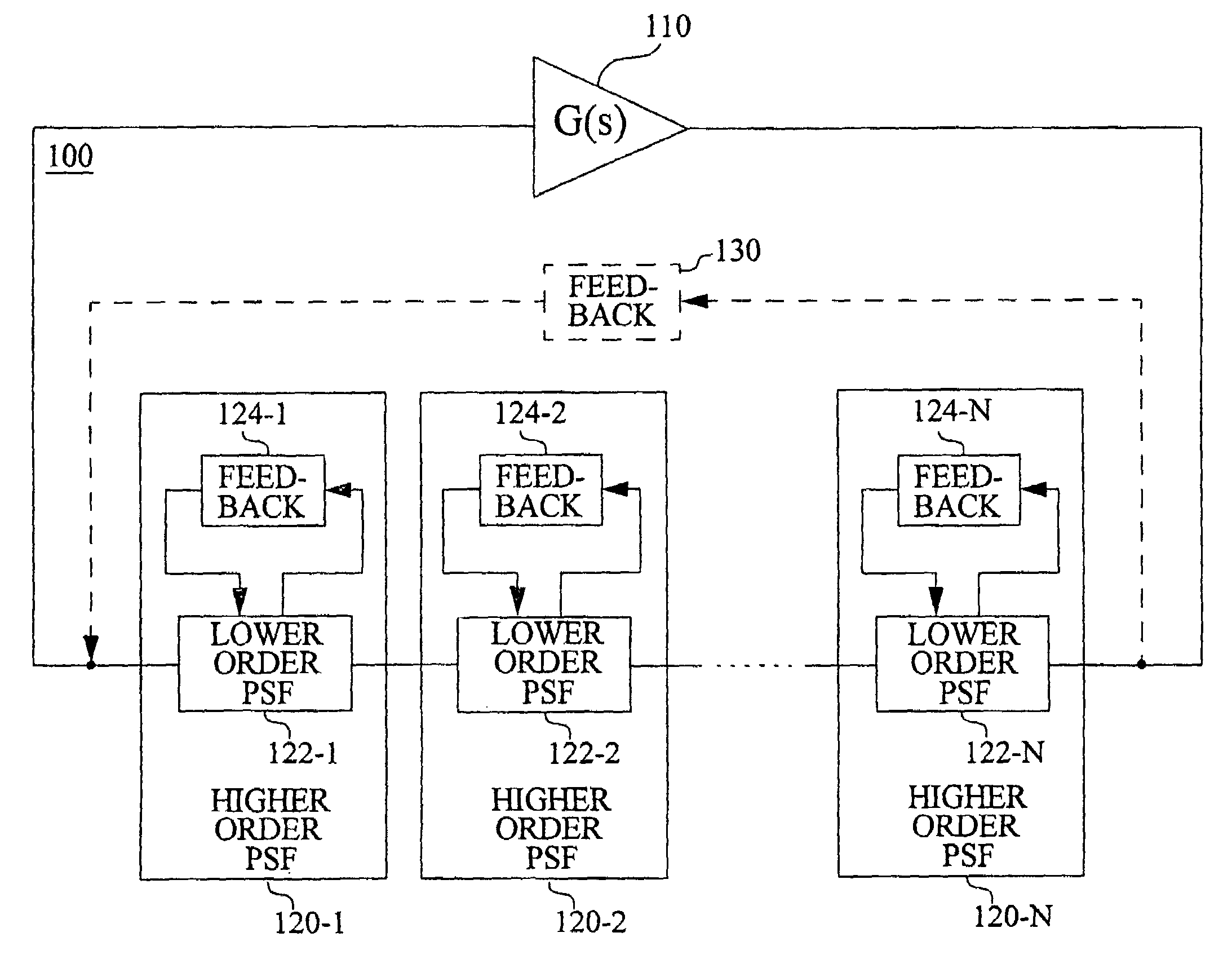
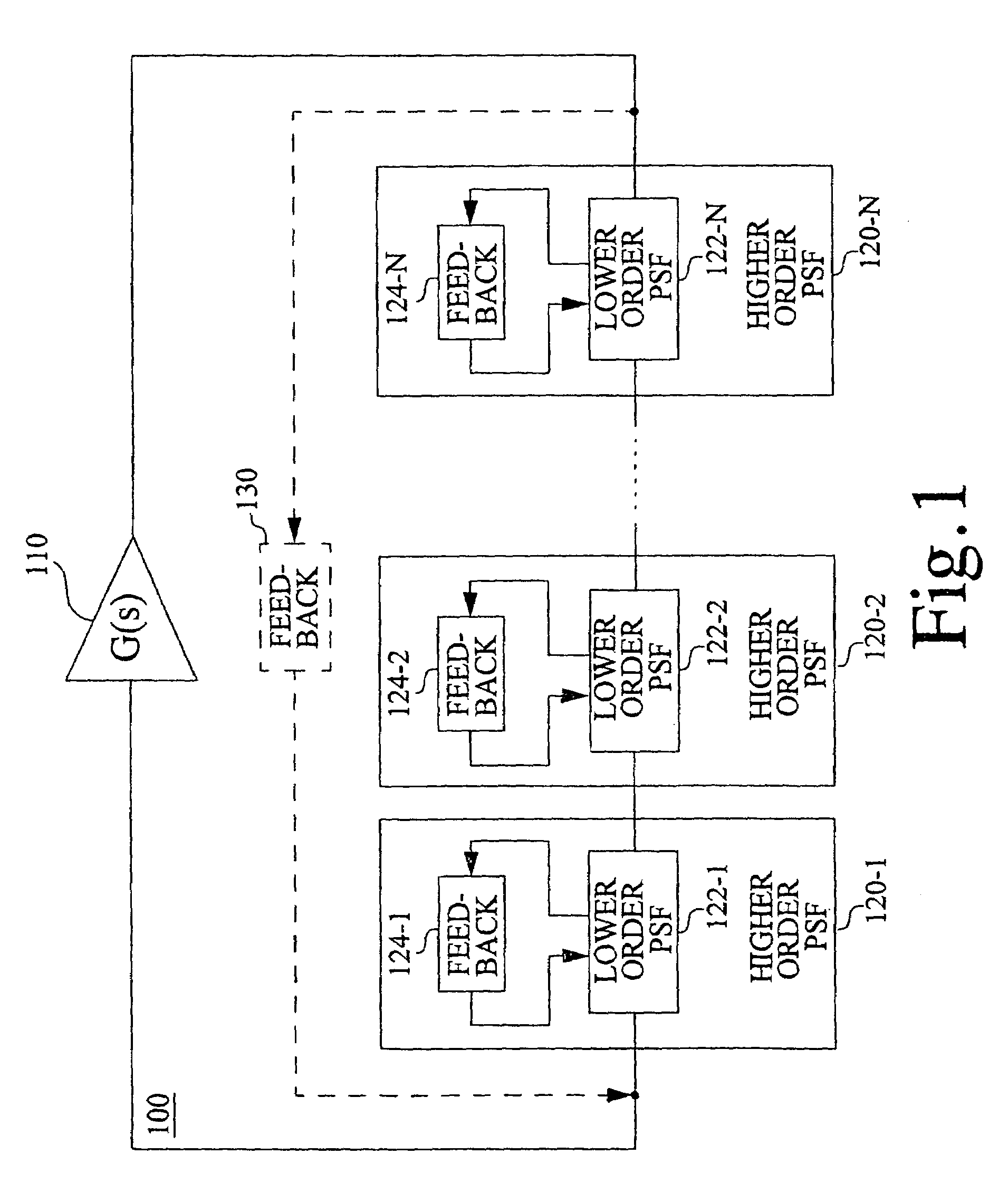
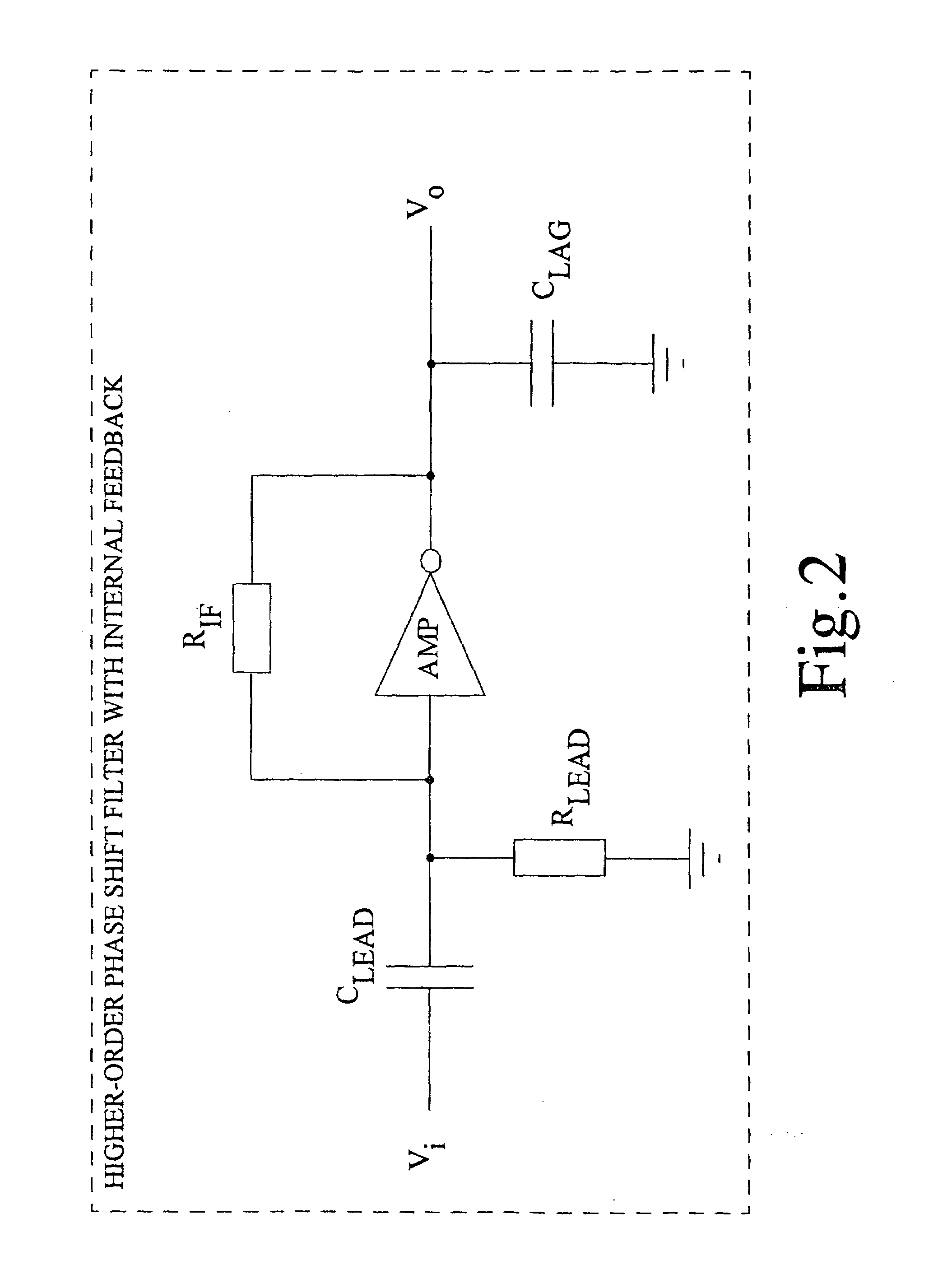
Oscillators with active higher-in-order phase shift filtering
PatentInactiveUS7053723B2
Innovation
- The introduction of a filter-order enhancing feedback loop in association with a phase shift filter, utilizing an active amplifying element and capacitive components to achieve higher-order phase shift filtering without inductive elements, thereby improving phase stability and frequency selectivity.

Multi-ring coupled ring oscillator with improved phase noise
PatentActiveUS10396807B1
Innovation
- A multiple-ring coupled ring oscillator design employing common source coupling between rings to minimize noise injection and phase noise, while tripling the number of output phases for improved phase noise performance and reduced reference spurs through capacitive coupling at common mode nodes.


Manufacturing Standards for Precision Oscillator Materials
The manufacturing of precision oscillator materials requires adherence to stringent standards that directly impact phase stability performance. These standards encompass material purity specifications, crystallographic quality requirements, and dimensional tolerances that must be maintained throughout the production process. For quartz crystals, the most critical standard involves maintaining impurity levels below 1 ppm for alkali metals and transition elements, as these contaminants significantly degrade frequency stability through temperature-dependent effects.
Surface finish quality represents another fundamental manufacturing standard, with requirements typically specifying surface roughness values below 0.1 micrometers RMS. This level of precision ensures minimal scattering losses and maintains consistent acoustic wave propagation characteristics. The polishing processes must eliminate subsurface damage while preserving the crystal's intrinsic properties, requiring specialized diamond abrasive techniques and controlled chemical-mechanical planarization.
Dimensional accuracy standards for precision oscillator materials demand tolerances within ±0.5 micrometers for thickness uniformity across the active area. This requirement becomes increasingly critical for high-frequency applications where even minor thickness variations can introduce unwanted mode coupling and frequency instabilities. Manufacturing processes must incorporate real-time thickness monitoring systems and adaptive machining controls to achieve these specifications consistently.
Temperature cycling protocols during manufacturing constitute essential standards for stress relief and defect elimination. These protocols typically involve controlled heating cycles between 200°C and 400°C with precise ramp rates not exceeding 2°C per minute. Such thermal treatments help eliminate residual stresses from machining operations while promoting uniform crystal structure throughout the material volume.
Quality assurance standards mandate comprehensive testing at multiple manufacturing stages, including X-ray diffraction analysis for crystallographic orientation verification, optical interferometry for surface quality assessment, and electrical characterization for frequency stability validation. These multi-stage verification processes ensure that only materials meeting the highest precision standards proceed to final oscillator assembly, thereby guaranteeing optimal phase stability performance in the finished devices.
Surface finish quality represents another fundamental manufacturing standard, with requirements typically specifying surface roughness values below 0.1 micrometers RMS. This level of precision ensures minimal scattering losses and maintains consistent acoustic wave propagation characteristics. The polishing processes must eliminate subsurface damage while preserving the crystal's intrinsic properties, requiring specialized diamond abrasive techniques and controlled chemical-mechanical planarization.
Dimensional accuracy standards for precision oscillator materials demand tolerances within ±0.5 micrometers for thickness uniformity across the active area. This requirement becomes increasingly critical for high-frequency applications where even minor thickness variations can introduce unwanted mode coupling and frequency instabilities. Manufacturing processes must incorporate real-time thickness monitoring systems and adaptive machining controls to achieve these specifications consistently.
Temperature cycling protocols during manufacturing constitute essential standards for stress relief and defect elimination. These protocols typically involve controlled heating cycles between 200°C and 400°C with precise ramp rates not exceeding 2°C per minute. Such thermal treatments help eliminate residual stresses from machining operations while promoting uniform crystal structure throughout the material volume.
Quality assurance standards mandate comprehensive testing at multiple manufacturing stages, including X-ray diffraction analysis for crystallographic orientation verification, optical interferometry for surface quality assessment, and electrical characterization for frequency stability validation. These multi-stage verification processes ensure that only materials meeting the highest precision standards proceed to final oscillator assembly, thereby guaranteeing optimal phase stability performance in the finished devices.
Environmental Impact of Advanced Oscillator Materials
The environmental implications of advanced oscillator materials represent a critical consideration in the development of next-generation frequency control devices. As the electronics industry increasingly prioritizes sustainability, the selection of materials for improved phase stability performance must balance technical excellence with environmental responsibility.
Traditional oscillator materials such as quartz crystals have maintained relatively low environmental impact profiles due to their abundant natural occurrence and established recycling processes. However, advanced materials being explored for superior phase stability, including synthetic diamond substrates, gallium arsenide compounds, and specialized ceramic composites, present more complex environmental challenges. These materials often require energy-intensive manufacturing processes and involve rare earth elements or toxic precursors that raise concerns about resource depletion and waste management.
The production of synthetic diamond for oscillator applications exemplifies this challenge. While offering exceptional thermal stability and low phase noise characteristics, the chemical vapor deposition processes used in diamond synthesis consume significant energy and generate carbon-containing waste streams. Similarly, compound semiconductors like gallium arsenide require careful handling of toxic arsenic compounds during manufacturing and end-of-life disposal.
Emerging bio-compatible and sustainable alternatives are gaining attention within the research community. Silicon carbide represents a promising middle ground, offering improved temperature stability compared to traditional quartz while maintaining a more favorable environmental profile than exotic compound semiconductors. Additionally, research into organic crystalline materials and hybrid organic-inorganic frameworks suggests potential pathways toward environmentally benign oscillator technologies.
The lifecycle assessment of advanced oscillator materials reveals that environmental impact extends beyond manufacturing to include transportation, operational energy consumption, and disposal considerations. Materials with superior phase stability often enable more efficient system designs, potentially offsetting their higher production environmental costs through reduced power consumption and extended operational lifespans.
Regulatory frameworks are increasingly influencing material selection decisions, with restrictions on hazardous substances and requirements for recyclability driving innovation toward greener alternatives. The development of closed-loop manufacturing processes and material recovery systems represents an essential component of sustainable oscillator technology advancement.
Traditional oscillator materials such as quartz crystals have maintained relatively low environmental impact profiles due to their abundant natural occurrence and established recycling processes. However, advanced materials being explored for superior phase stability, including synthetic diamond substrates, gallium arsenide compounds, and specialized ceramic composites, present more complex environmental challenges. These materials often require energy-intensive manufacturing processes and involve rare earth elements or toxic precursors that raise concerns about resource depletion and waste management.
The production of synthetic diamond for oscillator applications exemplifies this challenge. While offering exceptional thermal stability and low phase noise characteristics, the chemical vapor deposition processes used in diamond synthesis consume significant energy and generate carbon-containing waste streams. Similarly, compound semiconductors like gallium arsenide require careful handling of toxic arsenic compounds during manufacturing and end-of-life disposal.
Emerging bio-compatible and sustainable alternatives are gaining attention within the research community. Silicon carbide represents a promising middle ground, offering improved temperature stability compared to traditional quartz while maintaining a more favorable environmental profile than exotic compound semiconductors. Additionally, research into organic crystalline materials and hybrid organic-inorganic frameworks suggests potential pathways toward environmentally benign oscillator technologies.
The lifecycle assessment of advanced oscillator materials reveals that environmental impact extends beyond manufacturing to include transportation, operational energy consumption, and disposal considerations. Materials with superior phase stability often enable more efficient system designs, potentially offsetting their higher production environmental costs through reduced power consumption and extended operational lifespans.
Regulatory frameworks are increasingly influencing material selection decisions, with restrictions on hazardous substances and requirements for recyclability driving innovation toward greener alternatives. The development of closed-loop manufacturing processes and material recovery systems represents an essential component of sustainable oscillator technology advancement.
Unlock deeper insights with PatSnap Eureka Quick Research — get a full tech report to explore trends and direct your research. Try now!
Generate Your Research Report Instantly with AI Agent
Supercharge your innovation with PatSnap Eureka AI Agent Platform!