

Dielectric Breakdown vs Insulation Contamination
MAR 26, 20269 MIN READ
Generate Your Research Report Instantly with AI Agent
PatSnap Eureka helps you evaluate technical feasibility & market potential.
Dielectric Breakdown Background and Research Objectives
Dielectric breakdown represents one of the most critical failure mechanisms in electrical insulation systems, fundamentally limiting the performance and reliability of power equipment across various voltage levels. This phenomenon occurs when an insulating material loses its ability to prevent electrical current flow under applied electric stress, resulting in catastrophic failure that can lead to equipment damage, service interruptions, and safety hazards.
The historical development of dielectric breakdown research spans over a century, beginning with early observations of electrical discharge phenomena in gases and evolving into comprehensive studies of solid and liquid insulation systems. Initial investigations focused primarily on intrinsic breakdown mechanisms in pure materials, establishing fundamental theories such as avalanche multiplication and thermal breakdown models.
However, practical experience in power systems has consistently demonstrated that real-world insulation failures rarely occur under ideal conditions. The presence of contamination significantly alters breakdown characteristics, often reducing breakdown strength by orders of magnitude compared to pristine materials. This discrepancy between laboratory results and field performance has driven extensive research into contamination-influenced breakdown mechanisms.
Contemporary power systems face increasingly demanding operational requirements, including higher voltage levels, compact designs, and extended service life expectations. These challenges have intensified the need for deeper understanding of how various contaminants interact with electric fields to precipitate premature breakdown events. Environmental factors such as moisture ingress, particulate contamination, and chemical degradation products create complex multi-physics scenarios that traditional breakdown models struggle to predict accurately.
The primary objective of this research domain centers on establishing quantitative relationships between contamination characteristics and dielectric breakdown behavior. This includes developing predictive models that can accurately forecast insulation performance under contaminated conditions, enabling more reliable equipment design and maintenance strategies.
Secondary objectives encompass the development of advanced diagnostic techniques for early detection of contamination-induced degradation, optimization of insulation materials for enhanced contamination tolerance, and establishment of standardized testing protocols that better reflect real-world operating conditions. These research goals collectively aim to bridge the gap between theoretical understanding and practical application in power system insulation technology.
The historical development of dielectric breakdown research spans over a century, beginning with early observations of electrical discharge phenomena in gases and evolving into comprehensive studies of solid and liquid insulation systems. Initial investigations focused primarily on intrinsic breakdown mechanisms in pure materials, establishing fundamental theories such as avalanche multiplication and thermal breakdown models.
However, practical experience in power systems has consistently demonstrated that real-world insulation failures rarely occur under ideal conditions. The presence of contamination significantly alters breakdown characteristics, often reducing breakdown strength by orders of magnitude compared to pristine materials. This discrepancy between laboratory results and field performance has driven extensive research into contamination-influenced breakdown mechanisms.
Contemporary power systems face increasingly demanding operational requirements, including higher voltage levels, compact designs, and extended service life expectations. These challenges have intensified the need for deeper understanding of how various contaminants interact with electric fields to precipitate premature breakdown events. Environmental factors such as moisture ingress, particulate contamination, and chemical degradation products create complex multi-physics scenarios that traditional breakdown models struggle to predict accurately.
The primary objective of this research domain centers on establishing quantitative relationships between contamination characteristics and dielectric breakdown behavior. This includes developing predictive models that can accurately forecast insulation performance under contaminated conditions, enabling more reliable equipment design and maintenance strategies.
Secondary objectives encompass the development of advanced diagnostic techniques for early detection of contamination-induced degradation, optimization of insulation materials for enhanced contamination tolerance, and establishment of standardized testing protocols that better reflect real-world operating conditions. These research goals collectively aim to bridge the gap between theoretical understanding and practical application in power system insulation technology.
Market Demand for Enhanced Insulation Performance
The global electrical insulation market is experiencing unprecedented growth driven by the critical need for enhanced insulation performance across multiple industrial sectors. Power generation and transmission infrastructure represents the largest demand segment, where aging electrical grids worldwide require upgraded insulation systems capable of withstanding higher voltages and environmental stresses. The transition toward renewable energy sources has intensified this demand, as wind turbines, solar installations, and energy storage systems require specialized insulation materials that can maintain performance under variable operating conditions.
Industrial manufacturing sectors are increasingly demanding advanced insulation solutions to address contamination-related failures that result in costly downtime and safety hazards. Chemical processing plants, mining operations, and heavy manufacturing facilities face particular challenges where airborne contaminants, moisture, and corrosive substances compromise traditional insulation systems. These environments require insulation materials with superior resistance to degradation and enhanced dielectric strength retention over extended service periods.
The automotive industry's electrification trend has created substantial market demand for high-performance insulation materials in electric vehicle applications. Battery systems, electric motors, and charging infrastructure require insulation solutions that can maintain integrity under thermal cycling, vibration, and potential contamination exposure. This sector particularly values insulation systems that combine lightweight properties with exceptional dielectric performance and contamination resistance.
Aerospace and defense applications represent a high-value market segment demanding insulation materials capable of performing in extreme environments. Aircraft electrical systems, satellite components, and military equipment require insulation solutions that maintain performance despite exposure to altitude variations, temperature extremes, and potential contamination from various sources including fuel vapors, hydraulic fluids, and atmospheric particles.
The telecommunications and data center industries are driving demand for enhanced insulation performance in high-frequency applications. As data transmission speeds increase and equipment density grows, the need for insulation materials that maintain low dielectric losses while resisting contamination from dust, humidity, and chemical pollutants becomes increasingly critical for maintaining signal integrity and system reliability.
Market drivers include stringent regulatory requirements for electrical safety, increasing focus on equipment reliability and lifecycle costs, and growing awareness of contamination-induced failure mechanisms. End users are increasingly willing to invest in premium insulation solutions that demonstrate superior contamination resistance and extended service life, recognizing the total cost benefits of reduced maintenance and improved system availability.
Industrial manufacturing sectors are increasingly demanding advanced insulation solutions to address contamination-related failures that result in costly downtime and safety hazards. Chemical processing plants, mining operations, and heavy manufacturing facilities face particular challenges where airborne contaminants, moisture, and corrosive substances compromise traditional insulation systems. These environments require insulation materials with superior resistance to degradation and enhanced dielectric strength retention over extended service periods.
The automotive industry's electrification trend has created substantial market demand for high-performance insulation materials in electric vehicle applications. Battery systems, electric motors, and charging infrastructure require insulation solutions that can maintain integrity under thermal cycling, vibration, and potential contamination exposure. This sector particularly values insulation systems that combine lightweight properties with exceptional dielectric performance and contamination resistance.
Aerospace and defense applications represent a high-value market segment demanding insulation materials capable of performing in extreme environments. Aircraft electrical systems, satellite components, and military equipment require insulation solutions that maintain performance despite exposure to altitude variations, temperature extremes, and potential contamination from various sources including fuel vapors, hydraulic fluids, and atmospheric particles.
The telecommunications and data center industries are driving demand for enhanced insulation performance in high-frequency applications. As data transmission speeds increase and equipment density grows, the need for insulation materials that maintain low dielectric losses while resisting contamination from dust, humidity, and chemical pollutants becomes increasingly critical for maintaining signal integrity and system reliability.
Market drivers include stringent regulatory requirements for electrical safety, increasing focus on equipment reliability and lifecycle costs, and growing awareness of contamination-induced failure mechanisms. End users are increasingly willing to invest in premium insulation solutions that demonstrate superior contamination resistance and extended service life, recognizing the total cost benefits of reduced maintenance and improved system availability.
Current State of Contamination-Induced Breakdown Research
The current research landscape on contamination-induced dielectric breakdown reveals a complex interplay between various contaminant types and insulation failure mechanisms. Contemporary studies have established that surface contamination significantly reduces the breakdown voltage of electrical insulation systems, with the severity depending on contamination density, chemical composition, and environmental conditions such as humidity and temperature.
Recent investigations have focused on characterizing different contamination sources, including conductive particles, salt deposits, organic compounds, and industrial pollutants. Conductive particle contamination has emerged as a primary concern, particularly in high-voltage applications where metallic debris can create localized field enhancement leading to partial discharge initiation. Salt contamination research has demonstrated how hygroscopic deposits create conductive pathways under humid conditions, dramatically reducing surface resistivity.
Advanced diagnostic techniques have been developed to assess contamination levels and predict breakdown probability. Surface conductivity measurements, leakage current monitoring, and partial discharge analysis have become standard methodologies for evaluating insulation condition. Researchers have established correlation models between contamination severity indices and breakdown voltage reduction, enabling more accurate risk assessment protocols.
The mechanisms of contamination-induced breakdown are now better understood through multi-physics modeling approaches. Current research indicates that contamination creates non-uniform electric field distributions, leading to localized stress concentrations that initiate breakdown processes. The transition from surface flashover to bulk breakdown has been mapped for various contamination scenarios, revealing critical threshold values for different insulation materials.
Mitigation strategies under investigation include surface treatment technologies, contamination-resistant material formulations, and real-time monitoring systems. Hydrophobic coatings and nanostructured surfaces show promise in reducing contamination adhesion and maintaining insulation performance. However, significant challenges remain in developing cost-effective solutions for large-scale industrial applications and establishing standardized testing protocols that accurately reflect real-world contamination conditions.
Recent investigations have focused on characterizing different contamination sources, including conductive particles, salt deposits, organic compounds, and industrial pollutants. Conductive particle contamination has emerged as a primary concern, particularly in high-voltage applications where metallic debris can create localized field enhancement leading to partial discharge initiation. Salt contamination research has demonstrated how hygroscopic deposits create conductive pathways under humid conditions, dramatically reducing surface resistivity.
Advanced diagnostic techniques have been developed to assess contamination levels and predict breakdown probability. Surface conductivity measurements, leakage current monitoring, and partial discharge analysis have become standard methodologies for evaluating insulation condition. Researchers have established correlation models between contamination severity indices and breakdown voltage reduction, enabling more accurate risk assessment protocols.
The mechanisms of contamination-induced breakdown are now better understood through multi-physics modeling approaches. Current research indicates that contamination creates non-uniform electric field distributions, leading to localized stress concentrations that initiate breakdown processes. The transition from surface flashover to bulk breakdown has been mapped for various contamination scenarios, revealing critical threshold values for different insulation materials.
Mitigation strategies under investigation include surface treatment technologies, contamination-resistant material formulations, and real-time monitoring systems. Hydrophobic coatings and nanostructured surfaces show promise in reducing contamination adhesion and maintaining insulation performance. However, significant challenges remain in developing cost-effective solutions for large-scale industrial applications and establishing standardized testing protocols that accurately reflect real-world contamination conditions.
Existing Solutions for Contamination Mitigation
01 Insulating materials with enhanced dielectric breakdown strength
Development of insulating materials incorporating specific compositions and structures to improve dielectric breakdown voltage resistance. These materials utilize advanced polymers, ceramics, or composite structures that can withstand higher electric field strengths before breakdown occurs. The formulations focus on optimizing molecular structure and reducing defects that could serve as breakdown initiation sites.- Insulating materials with enhanced dielectric breakdown strength: Development of insulating materials incorporating specific compositions and structures to improve dielectric breakdown voltage resistance. These materials utilize advanced polymers, ceramics, or composite structures designed to withstand higher electric field strengths before breakdown occurs. The formulations focus on optimizing molecular structure and material purity to minimize weak points in the insulation system.
- Surface treatment and coating technologies for contamination resistance: Application of specialized surface treatments and protective coatings to insulating materials to prevent contamination-induced breakdown. These technologies include hydrophobic coatings, self-cleaning surfaces, and barrier layers that resist moisture, dust, and chemical contaminants. The treatments enhance the long-term reliability of insulation systems in harsh environmental conditions.
- Multi-layer insulation structures with improved breakdown characteristics: Design and fabrication of multi-layered insulation systems that provide enhanced protection against both dielectric breakdown and contamination. These structures combine different insulating materials with complementary properties, creating barriers that distribute electric stress and prevent contaminant penetration. The layered approach improves overall system reliability and extends service life.
- Testing and monitoring methods for insulation integrity: Development of diagnostic techniques and monitoring systems to assess insulation condition and predict breakdown events. These methods include electrical testing protocols, partial discharge detection, and contamination level assessment. The technologies enable early detection of insulation degradation and facilitate preventive maintenance strategies.
- Environmental protection and sealing techniques for insulation systems: Implementation of sealing methods and environmental protection strategies to maintain insulation performance under contaminated conditions. These techniques include hermetic sealing, encapsulation processes, and protective housing designs that isolate insulation from external contaminants. The approaches focus on preventing moisture ingress, particle deposition, and chemical exposure that can lead to premature breakdown.
02 Surface treatment and coating technologies for contamination resistance
Application of specialized surface treatments and protective coatings to insulating materials to prevent contamination-induced breakdown. These technologies create barriers against moisture, dust, and other contaminants that can reduce insulation performance. The treatments may include hydrophobic coatings, self-cleaning surfaces, or barrier layers that maintain insulation integrity in harsh environments.Expand Specific Solutions03 Multi-layer insulation systems with improved breakdown characteristics
Design and implementation of multi-layer insulation structures that provide enhanced protection against both dielectric breakdown and contamination. These systems combine different insulating materials with complementary properties, creating synergistic effects that improve overall performance. The layered approach allows for optimization of both electrical and environmental resistance properties.Expand Specific Solutions04 Testing and monitoring methods for insulation degradation
Development of diagnostic techniques and monitoring systems to assess insulation condition and predict breakdown events. These methods include electrical testing protocols, partial discharge detection, and contamination level assessment. The technologies enable early detection of insulation deterioration, allowing for preventive maintenance before catastrophic failure occurs.Expand Specific Solutions05 Environmental stress mitigation in insulation systems
Strategies and materials designed to protect insulation from environmental stresses that accelerate breakdown and contamination. These approaches address factors such as temperature cycling, humidity exposure, chemical attack, and mechanical stress. The solutions include stress-relief designs, environmental sealing methods, and materials with enhanced stability under adverse conditions.Expand Specific Solutions
Key Players in Insulation and Dielectric Materials
The dielectric breakdown versus insulation contamination research field represents a mature yet evolving technology landscape driven by increasing demands for electrical system reliability across power grids, semiconductors, and automotive applications. The market demonstrates substantial growth potential, particularly in renewable energy infrastructure and electric vehicle sectors, with global insulation materials markets exceeding billions annually. Technology maturity varies significantly among key players, with established giants like Mitsubishi Electric, ABB Research, Samsung Electronics, and Hitachi leading advanced research in high-voltage applications and power systems. Semiconductor specialists including Texas Instruments, Infineon Technologies, Intel, and STMicroelectronics focus on miniaturized insulation solutions for electronic devices. Automotive leaders Toyota, Hyundai Motor, and component suppliers like ROHM and Renesas Electronics drive innovation in vehicle electrification insulation challenges. Research institutions such as Institute of Electronics Chinese Academy of Sciences and Nanjing University of Aeronautics contribute fundamental breakthrough research, while materials companies like Toray Industries and Kyocera develop next-generation insulation materials with enhanced contamination resistance properties.
Mitsubishi Electric Corp.
Technical Solution: Mitsubishi Electric has developed sophisticated insulation diagnostic systems that analyze the relationship between contamination levels and dielectric breakdown voltage. Their technology employs partial discharge measurement techniques combined with surface conductivity analysis to predict breakdown probability under contaminated conditions. The company's research includes development of contamination-resistant insulation materials and coatings that maintain dielectric strength even under severe pollution conditions. Their methodology incorporates statistical analysis of breakdown data correlated with various contamination parameters including humidity, salt density, and particle composition to establish predictive models for insulation lifetime assessment.
Strengths: Advanced partial discharge analysis capabilities, strong materials science expertise, comprehensive environmental testing facilities. Weaknesses: Higher cost solutions, complex implementation requirements for smaller applications.
ABB Research Ltd.
Technical Solution: ABB has developed comprehensive dielectric breakdown testing methodologies for high-voltage equipment, focusing on the correlation between surface contamination and insulation failure mechanisms. Their research encompasses salt fog testing, pollution severity assessment using equivalent salt deposit density (ESDD) measurements, and advanced diagnostic techniques for tracking contamination-induced degradation. ABB's approach integrates real-time monitoring systems that can detect early signs of insulation deterioration due to environmental contamination, utilizing both AC and impulse voltage testing protocols to evaluate breakdown characteristics under various contamination scenarios.
Strengths: Extensive field experience with high-voltage systems, comprehensive testing standards, strong industrial application focus. Weaknesses: Limited focus on emerging nanomaterials, primarily concentrated on traditional power system applications.
Core Innovations in Breakdown Mechanism Analysis
Manufacturing and Use of Microperforated Substrates
PatentActiveUS20080047935A1
Innovation
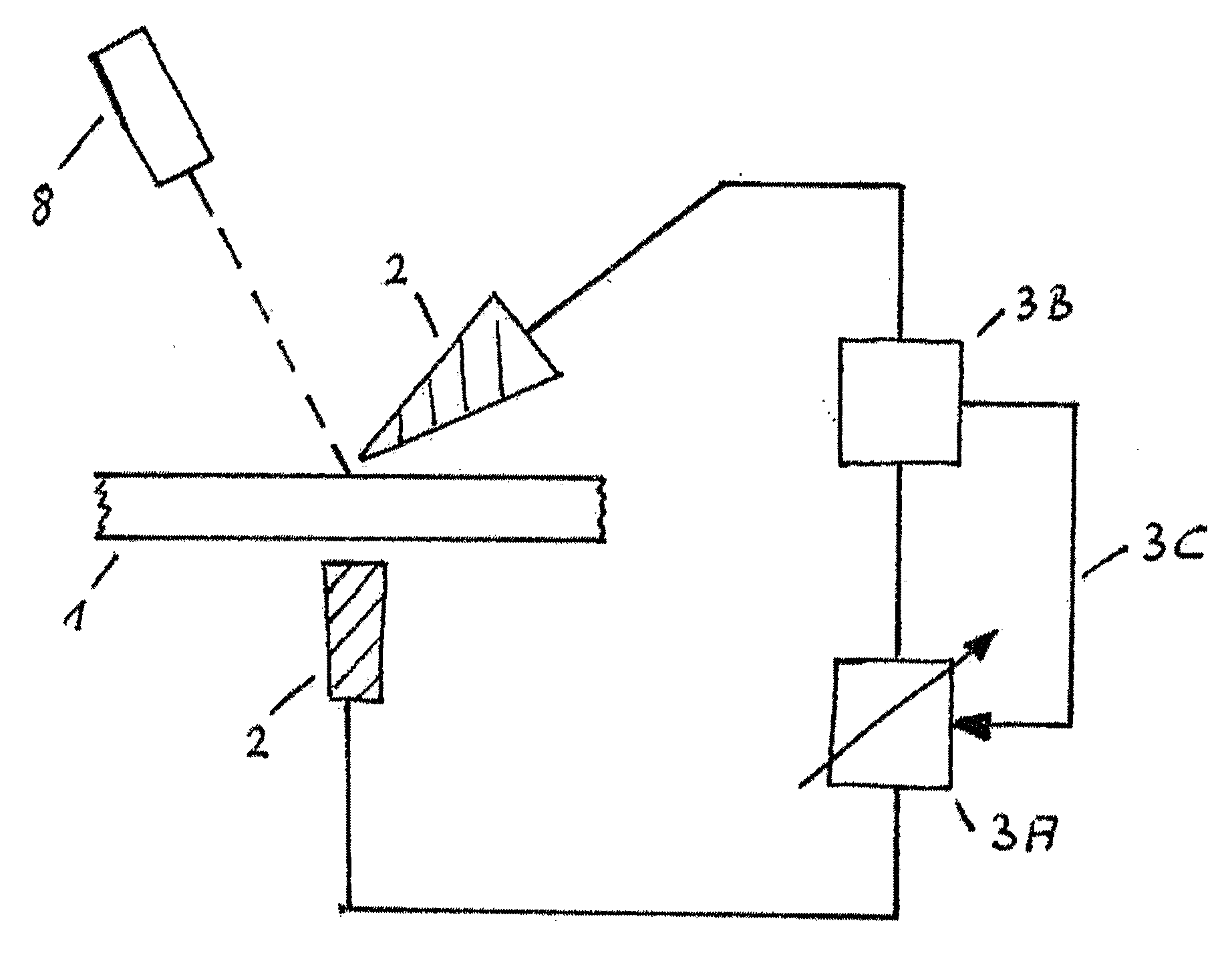
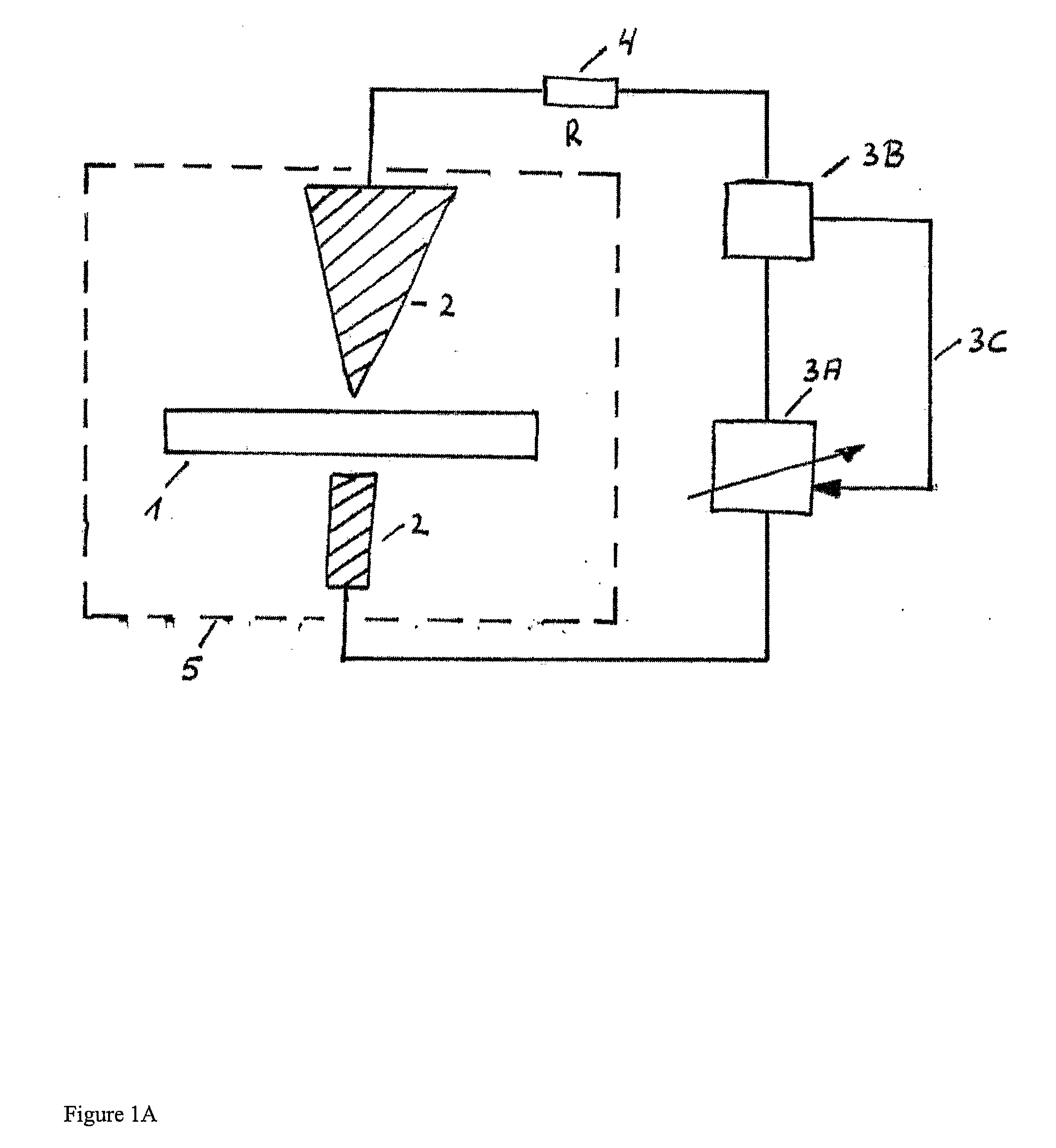
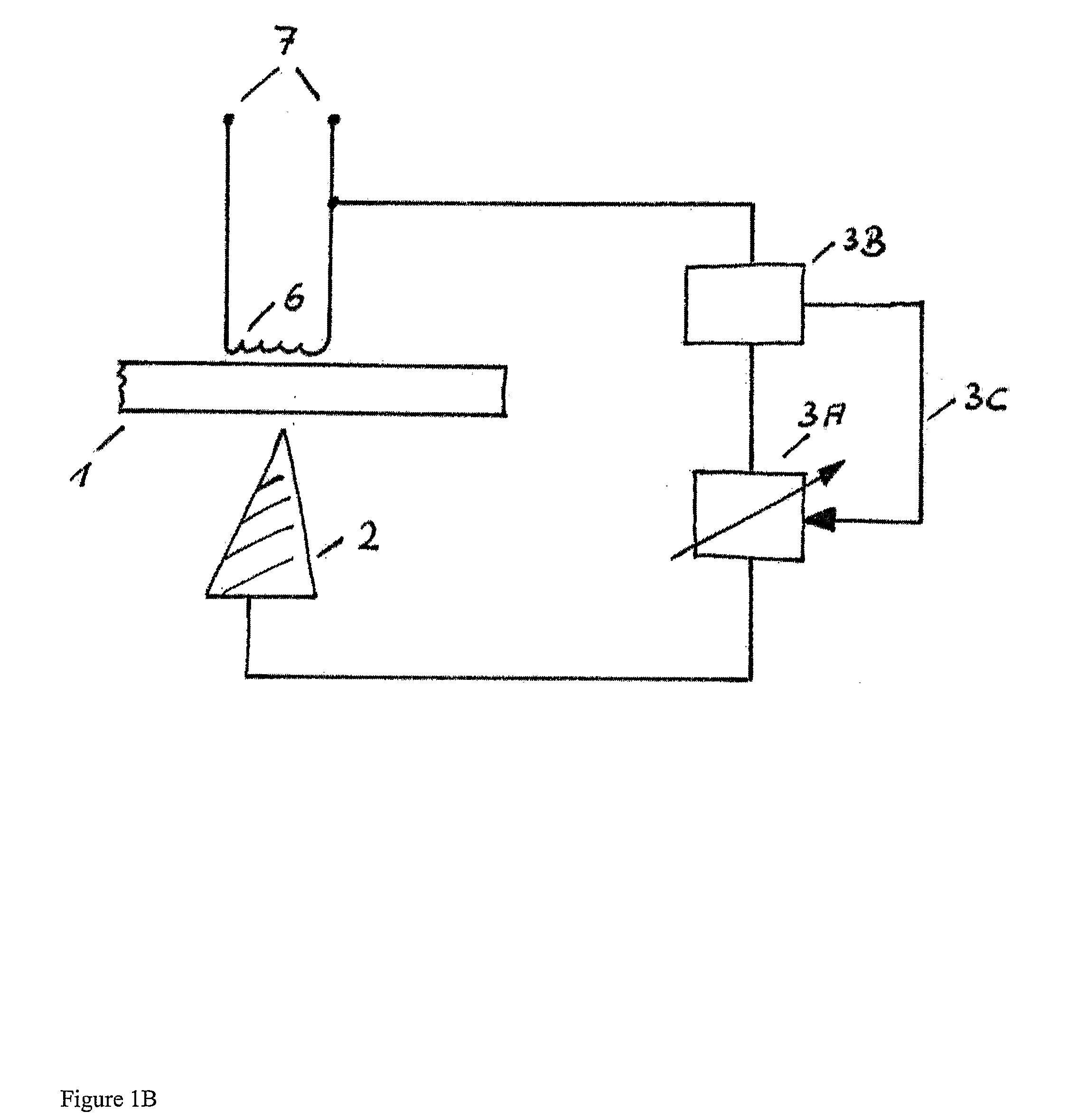
- A method involving controlled dielectric breakdown (CDEB) using a voltage supply and electronic feedback mechanisms to create precise holes in electrically insulating substrates, allowing for reproducible and cost-effective production of substrates with controlled hole diameters and aspect ratios.

Safety Standards for Electrical Insulation Systems
The development of comprehensive safety standards for electrical insulation systems has become increasingly critical as power systems evolve toward higher voltages and more complex configurations. These standards serve as the foundation for ensuring reliable operation and preventing catastrophic failures related to dielectric breakdown and insulation contamination. International organizations such as IEC, IEEE, and ASTM have established rigorous frameworks that address both material specifications and testing methodologies.
Current safety standards emphasize multi-layered protection strategies that account for various contamination scenarios. IEC 60071 series provides guidelines for insulation coordination, while IEC 60815 addresses pollution performance of high-voltage insulators. These standards establish minimum creepage distances, pollution severity classifications, and material requirements that directly correlate with contamination resistance capabilities.
The standards framework incorporates comprehensive testing protocols that simulate real-world contamination conditions. Salt fog testing per IEC 60507, tracking and erosion resistance evaluation according to IEC 60587, and pollution flashover testing under IEC 60815 provide quantitative measures for insulation performance degradation. These protocols ensure that insulation systems maintain adequate safety margins even under severe contamination exposure.
Recent updates to safety standards reflect emerging challenges in modern electrical systems. The integration of renewable energy sources, increased urbanization, and climate change effects have prompted revisions to traditional pollution classification systems. New standards now address coastal salt contamination, industrial chemical deposits, and biological contamination factors that were previously underrepresented in regulatory frameworks.
Compliance verification mechanisms within safety standards require continuous monitoring and periodic assessment of insulation system performance. Standards mandate regular inspection schedules, contamination level measurements, and predictive maintenance protocols. These requirements ensure that safety margins are maintained throughout the operational lifetime of electrical equipment, providing early warning systems for potential dielectric breakdown events caused by progressive contamination accumulation.
Current safety standards emphasize multi-layered protection strategies that account for various contamination scenarios. IEC 60071 series provides guidelines for insulation coordination, while IEC 60815 addresses pollution performance of high-voltage insulators. These standards establish minimum creepage distances, pollution severity classifications, and material requirements that directly correlate with contamination resistance capabilities.
The standards framework incorporates comprehensive testing protocols that simulate real-world contamination conditions. Salt fog testing per IEC 60507, tracking and erosion resistance evaluation according to IEC 60587, and pollution flashover testing under IEC 60815 provide quantitative measures for insulation performance degradation. These protocols ensure that insulation systems maintain adequate safety margins even under severe contamination exposure.
Recent updates to safety standards reflect emerging challenges in modern electrical systems. The integration of renewable energy sources, increased urbanization, and climate change effects have prompted revisions to traditional pollution classification systems. New standards now address coastal salt contamination, industrial chemical deposits, and biological contamination factors that were previously underrepresented in regulatory frameworks.
Compliance verification mechanisms within safety standards require continuous monitoring and periodic assessment of insulation system performance. Standards mandate regular inspection schedules, contamination level measurements, and predictive maintenance protocols. These requirements ensure that safety margins are maintained throughout the operational lifetime of electrical equipment, providing early warning systems for potential dielectric breakdown events caused by progressive contamination accumulation.
Environmental Impact of Insulation Contamination
Insulation contamination in electrical systems poses significant environmental challenges that extend far beyond immediate operational concerns. The degradation of insulating materials through contamination creates a cascade of environmental impacts that affect both local ecosystems and broader environmental sustainability goals.
Chemical pollutants released during insulation breakdown represent a primary environmental concern. When contaminated insulation materials undergo dielectric failure, they often release toxic compounds including polychlorinated biphenyls (PCBs), sulfur hexafluoride (SF6), and various organic solvents into surrounding environments. These substances can persist in soil and groundwater systems for decades, creating long-term contamination risks that require extensive remediation efforts.
The carbon footprint associated with premature equipment replacement due to contamination-induced failures significantly amplifies environmental impact. Manufacturing new electrical equipment requires substantial energy consumption and raw material extraction, while disposing of contaminated components often necessitates specialized hazardous waste treatment processes that generate additional emissions.
Ecosystem disruption occurs when contaminated insulation materials leach harmful substances into natural habitats. Aquatic environments are particularly vulnerable, as runoff from contaminated electrical installations can introduce persistent organic pollutants that bioaccumulate in food chains. Terrestrial ecosystems face similar risks when contaminated materials are improperly disposed of or when contamination spreads through groundwater migration.
Resource depletion emerges as another critical environmental consequence. Frequent replacement of contamination-damaged insulation systems accelerates consumption of finite raw materials, including rare earth elements and specialized polymers. This increased demand intensifies mining activities and chemical processing operations, further amplifying environmental degradation.
Climate change implications arise from both direct emissions during contamination events and indirect effects from increased manufacturing demands. SF6 releases from contaminated gas-insulated systems are particularly concerning, given this compound's global warming potential is approximately 25,000 times greater than carbon dioxide.
Regulatory compliance challenges create additional environmental pressures as organizations must implement increasingly stringent monitoring and remediation protocols. These requirements, while necessary for environmental protection, often result in increased energy consumption for monitoring systems and more frequent maintenance activities that generate additional waste streams.
Chemical pollutants released during insulation breakdown represent a primary environmental concern. When contaminated insulation materials undergo dielectric failure, they often release toxic compounds including polychlorinated biphenyls (PCBs), sulfur hexafluoride (SF6), and various organic solvents into surrounding environments. These substances can persist in soil and groundwater systems for decades, creating long-term contamination risks that require extensive remediation efforts.
The carbon footprint associated with premature equipment replacement due to contamination-induced failures significantly amplifies environmental impact. Manufacturing new electrical equipment requires substantial energy consumption and raw material extraction, while disposing of contaminated components often necessitates specialized hazardous waste treatment processes that generate additional emissions.
Ecosystem disruption occurs when contaminated insulation materials leach harmful substances into natural habitats. Aquatic environments are particularly vulnerable, as runoff from contaminated electrical installations can introduce persistent organic pollutants that bioaccumulate in food chains. Terrestrial ecosystems face similar risks when contaminated materials are improperly disposed of or when contamination spreads through groundwater migration.
Resource depletion emerges as another critical environmental consequence. Frequent replacement of contamination-damaged insulation systems accelerates consumption of finite raw materials, including rare earth elements and specialized polymers. This increased demand intensifies mining activities and chemical processing operations, further amplifying environmental degradation.
Climate change implications arise from both direct emissions during contamination events and indirect effects from increased manufacturing demands. SF6 releases from contaminated gas-insulated systems are particularly concerning, given this compound's global warming potential is approximately 25,000 times greater than carbon dioxide.
Regulatory compliance challenges create additional environmental pressures as organizations must implement increasingly stringent monitoring and remediation protocols. These requirements, while necessary for environmental protection, often result in increased energy consumption for monitoring systems and more frequent maintenance activities that generate additional waste streams.
Unlock deeper insights with PatSnap Eureka Quick Research — get a full tech report to explore trends and direct your research. Try now!
Generate Your Research Report Instantly with AI Agent
Supercharge your innovation with PatSnap Eureka AI Agent Platform!