Dielectric Breakdown vs Insulation System Design
MAR 26, 202610 MIN READ
Generate Your Research Report Instantly with AI Agent
PatSnap Eureka helps you evaluate technical feasibility & market potential.
Dielectric Breakdown Background and Insulation Design Goals
Dielectric breakdown represents one of the most critical failure mechanisms in electrical insulation systems, fundamentally limiting the operational voltage and reliability of electrical equipment. This phenomenon occurs when an insulating material loses its dielectric properties under excessive electric field stress, creating a conductive path that can lead to catastrophic system failure. The understanding of dielectric breakdown has evolved significantly since the early 20th century, transitioning from empirical observations to sophisticated theoretical models incorporating quantum mechanics and statistical physics.
The historical development of dielectric breakdown research can be traced through several key phases. Initial investigations in the 1920s focused on intrinsic breakdown in ideal materials, establishing the foundation for understanding electron avalanche mechanisms. The mid-century period brought recognition of thermal breakdown processes and the critical role of material impurities. Modern research has expanded to encompass partial discharge phenomena, aging mechanisms, and the complex interplay between electrical, thermal, and mechanical stresses in multi-stress environments.
Contemporary insulation system design faces unprecedented challenges driven by the global transition toward renewable energy, electric mobility, and power electronics miniaturization. The demand for higher power density, extended operational lifetimes, and enhanced reliability has pushed traditional insulation materials and design methodologies to their limits. Simultaneously, environmental regulations have necessitated the development of eco-friendly alternatives to conventional insulating fluids and materials.
The primary technical objectives in modern dielectric breakdown research encompass several interconnected domains. Fundamental understanding of breakdown initiation mechanisms at the molecular level remains a priority, particularly for emerging nanocomposite materials and hybrid insulation systems. Advanced diagnostic techniques for early breakdown prediction and condition monitoring represent another critical research frontier, enabling predictive maintenance strategies and improved system reliability.
Material innovation constitutes a central pillar of current research efforts, focusing on developing next-generation insulating materials with superior dielectric strength, thermal stability, and environmental compatibility. This includes exploration of bio-based insulating fluids, advanced polymer nanocomposites, and smart materials with self-healing capabilities. The integration of artificial intelligence and machine learning techniques for insulation design optimization and failure prediction represents an emerging paradigm shift in the field.
The ultimate goal of contemporary dielectric breakdown research is to establish a comprehensive framework that seamlessly integrates fundamental physics, advanced materials science, and intelligent design methodologies. This holistic approach aims to enable the development of insulation systems capable of meeting the demanding requirements of future electrical infrastructure while maintaining economic viability and environmental sustainability.
The historical development of dielectric breakdown research can be traced through several key phases. Initial investigations in the 1920s focused on intrinsic breakdown in ideal materials, establishing the foundation for understanding electron avalanche mechanisms. The mid-century period brought recognition of thermal breakdown processes and the critical role of material impurities. Modern research has expanded to encompass partial discharge phenomena, aging mechanisms, and the complex interplay between electrical, thermal, and mechanical stresses in multi-stress environments.
Contemporary insulation system design faces unprecedented challenges driven by the global transition toward renewable energy, electric mobility, and power electronics miniaturization. The demand for higher power density, extended operational lifetimes, and enhanced reliability has pushed traditional insulation materials and design methodologies to their limits. Simultaneously, environmental regulations have necessitated the development of eco-friendly alternatives to conventional insulating fluids and materials.
The primary technical objectives in modern dielectric breakdown research encompass several interconnected domains. Fundamental understanding of breakdown initiation mechanisms at the molecular level remains a priority, particularly for emerging nanocomposite materials and hybrid insulation systems. Advanced diagnostic techniques for early breakdown prediction and condition monitoring represent another critical research frontier, enabling predictive maintenance strategies and improved system reliability.
Material innovation constitutes a central pillar of current research efforts, focusing on developing next-generation insulating materials with superior dielectric strength, thermal stability, and environmental compatibility. This includes exploration of bio-based insulating fluids, advanced polymer nanocomposites, and smart materials with self-healing capabilities. The integration of artificial intelligence and machine learning techniques for insulation design optimization and failure prediction represents an emerging paradigm shift in the field.
The ultimate goal of contemporary dielectric breakdown research is to establish a comprehensive framework that seamlessly integrates fundamental physics, advanced materials science, and intelligent design methodologies. This holistic approach aims to enable the development of insulation systems capable of meeting the demanding requirements of future electrical infrastructure while maintaining economic viability and environmental sustainability.
Market Demand for Advanced Insulation Systems
The global electrical insulation market is experiencing unprecedented growth driven by the rapid expansion of renewable energy infrastructure, electric vehicle adoption, and smart grid modernization initiatives. Power generation facilities, particularly wind farms and solar installations, require sophisticated insulation systems capable of withstanding extreme environmental conditions while maintaining long-term reliability. The increasing voltage levels in transmission networks, with some systems operating above 800kV, create substantial demand for advanced dielectric materials that can prevent breakdown under high electrical stress.
Industrial manufacturing sectors are driving significant demand for specialized insulation solutions as automation and electrification intensify. Chemical processing plants, steel mills, and semiconductor fabrication facilities require insulation systems that can operate reliably in harsh environments with temperature fluctuations, chemical exposure, and electromagnetic interference. The miniaturization trend in electronics simultaneously demands thinner yet more effective insulation materials, pushing the boundaries of dielectric performance in compact form factors.
Electric vehicle manufacturers represent a rapidly emerging market segment with unique insulation requirements. Battery systems, motor windings, and charging infrastructure components need insulation materials that can handle high-frequency switching, thermal cycling, and mechanical vibration while maintaining safety standards. The automotive industry's shift toward higher voltage architectures, with some systems reaching 800V or beyond, necessitates advanced insulation designs that balance performance, weight, and cost considerations.
Data center expansion and telecommunications infrastructure development create substantial opportunities for advanced insulation systems. High-density server configurations generate significant heat while operating at elevated power levels, requiring insulation materials with superior thermal management properties. The deployment of 5G networks and edge computing facilities demands compact, high-performance insulation solutions that can maintain signal integrity while preventing electrical failures.
Aerospace and defense applications continue to drive demand for premium insulation technologies. Aircraft electrical systems, satellite components, and military equipment require insulation materials capable of performing reliably across extreme temperature ranges, altitude variations, and radiation exposure. These applications often justify higher material costs in exchange for enhanced reliability and performance characteristics.
The growing emphasis on sustainability and environmental compliance is reshaping market preferences toward eco-friendly insulation materials. Regulatory pressures and corporate sustainability initiatives are driving adoption of bio-based dielectrics, recyclable materials, and manufacturing processes with reduced environmental impact, creating new market opportunities for innovative insulation technologies.
Industrial manufacturing sectors are driving significant demand for specialized insulation solutions as automation and electrification intensify. Chemical processing plants, steel mills, and semiconductor fabrication facilities require insulation systems that can operate reliably in harsh environments with temperature fluctuations, chemical exposure, and electromagnetic interference. The miniaturization trend in electronics simultaneously demands thinner yet more effective insulation materials, pushing the boundaries of dielectric performance in compact form factors.
Electric vehicle manufacturers represent a rapidly emerging market segment with unique insulation requirements. Battery systems, motor windings, and charging infrastructure components need insulation materials that can handle high-frequency switching, thermal cycling, and mechanical vibration while maintaining safety standards. The automotive industry's shift toward higher voltage architectures, with some systems reaching 800V or beyond, necessitates advanced insulation designs that balance performance, weight, and cost considerations.
Data center expansion and telecommunications infrastructure development create substantial opportunities for advanced insulation systems. High-density server configurations generate significant heat while operating at elevated power levels, requiring insulation materials with superior thermal management properties. The deployment of 5G networks and edge computing facilities demands compact, high-performance insulation solutions that can maintain signal integrity while preventing electrical failures.
Aerospace and defense applications continue to drive demand for premium insulation technologies. Aircraft electrical systems, satellite components, and military equipment require insulation materials capable of performing reliably across extreme temperature ranges, altitude variations, and radiation exposure. These applications often justify higher material costs in exchange for enhanced reliability and performance characteristics.
The growing emphasis on sustainability and environmental compliance is reshaping market preferences toward eco-friendly insulation materials. Regulatory pressures and corporate sustainability initiatives are driving adoption of bio-based dielectrics, recyclable materials, and manufacturing processes with reduced environmental impact, creating new market opportunities for innovative insulation technologies.
Current Dielectric Breakdown Challenges and Design Limitations
Dielectric breakdown remains one of the most critical failure mechanisms in electrical insulation systems, presenting significant challenges that limit the performance and reliability of high-voltage equipment. The phenomenon occurs when the electric field strength exceeds the material's dielectric strength, leading to catastrophic failure and potential safety hazards. Current understanding reveals that breakdown mechanisms are highly complex, involving multiple physical processes including electron avalanche, thermal effects, and molecular degradation.
Traditional insulation design approaches face substantial limitations in predicting breakdown behavior under real-world operating conditions. Laboratory-based testing methods often fail to accurately replicate the long-term stress conditions, environmental factors, and material aging effects encountered in practical applications. This disconnect between controlled testing environments and actual service conditions creates significant uncertainty in insulation system reliability assessments.
Material heterogeneity presents another fundamental challenge in dielectric breakdown prediction. Real insulation materials contain microscopic defects, impurities, and structural variations that create localized field enhancement zones. These weak points become preferential breakdown initiation sites, making it extremely difficult to establish consistent breakdown voltage thresholds. The statistical nature of breakdown events further complicates design optimization efforts.
Multi-stress aging effects compound the complexity of insulation system design. Electrical, thermal, mechanical, and environmental stresses interact synergistically to accelerate material degradation processes. Current design methodologies struggle to account for these complex interactions, often relying on simplified aging models that may not accurately reflect actual service conditions. This limitation leads to either over-conservative designs that increase costs or under-designed systems prone to premature failure.
Partial discharge activity represents a particularly challenging aspect of dielectric breakdown prediction. While partial discharges serve as early warning indicators of insulation deterioration, their relationship to ultimate breakdown is not fully understood. The stochastic nature of partial discharge inception and propagation makes it difficult to establish reliable correlation models between discharge activity and remaining insulation life.
Scale effects pose additional constraints on current design approaches. Breakdown characteristics observed in small laboratory samples often do not translate directly to large-scale insulation systems. The increased probability of defects in larger volumes, combined with non-uniform field distributions in complex geometries, creates significant challenges in extrapolating test results to practical applications.
Temperature-dependent breakdown mechanisms further complicate insulation system design. Thermal effects can accelerate chemical degradation processes, reduce dielectric strength, and alter breakdown pathways. Current thermal models often lack the sophistication needed to accurately predict these temperature-dependent failure modes, particularly under transient thermal conditions.
Traditional insulation design approaches face substantial limitations in predicting breakdown behavior under real-world operating conditions. Laboratory-based testing methods often fail to accurately replicate the long-term stress conditions, environmental factors, and material aging effects encountered in practical applications. This disconnect between controlled testing environments and actual service conditions creates significant uncertainty in insulation system reliability assessments.
Material heterogeneity presents another fundamental challenge in dielectric breakdown prediction. Real insulation materials contain microscopic defects, impurities, and structural variations that create localized field enhancement zones. These weak points become preferential breakdown initiation sites, making it extremely difficult to establish consistent breakdown voltage thresholds. The statistical nature of breakdown events further complicates design optimization efforts.
Multi-stress aging effects compound the complexity of insulation system design. Electrical, thermal, mechanical, and environmental stresses interact synergistically to accelerate material degradation processes. Current design methodologies struggle to account for these complex interactions, often relying on simplified aging models that may not accurately reflect actual service conditions. This limitation leads to either over-conservative designs that increase costs or under-designed systems prone to premature failure.
Partial discharge activity represents a particularly challenging aspect of dielectric breakdown prediction. While partial discharges serve as early warning indicators of insulation deterioration, their relationship to ultimate breakdown is not fully understood. The stochastic nature of partial discharge inception and propagation makes it difficult to establish reliable correlation models between discharge activity and remaining insulation life.
Scale effects pose additional constraints on current design approaches. Breakdown characteristics observed in small laboratory samples often do not translate directly to large-scale insulation systems. The increased probability of defects in larger volumes, combined with non-uniform field distributions in complex geometries, creates significant challenges in extrapolating test results to practical applications.
Temperature-dependent breakdown mechanisms further complicate insulation system design. Thermal effects can accelerate chemical degradation processes, reduce dielectric strength, and alter breakdown pathways. Current thermal models often lack the sophistication needed to accurately predict these temperature-dependent failure modes, particularly under transient thermal conditions.
Existing Dielectric Breakdown Prevention Solutions
01 Insulation materials with enhanced dielectric strength
Development of advanced insulation materials that exhibit improved dielectric breakdown resistance through the use of specialized polymers, composites, or nano-fillers. These materials are designed to withstand higher electric field stress and prevent premature failure of insulation systems. The enhanced dielectric properties are achieved through material selection, processing techniques, and structural modifications that reduce defects and improve uniformity.- Insulation materials with enhanced dielectric strength: Development of advanced insulation materials that exhibit improved dielectric breakdown resistance through the use of specialized polymers, composites, or nano-fillers. These materials are designed to withstand higher electric field stress and prevent premature breakdown by improving the material's intrinsic dielectric properties and reducing defects that could initiate breakdown.
- Multi-layer insulation system design: Implementation of multi-layer insulation structures that distribute electric field stress more uniformly across different layers. This approach uses combinations of materials with varying dielectric constants and thicknesses to create barriers that prevent breakdown propagation and enhance overall system reliability under high voltage conditions.
- Partial discharge detection and monitoring systems: Integration of diagnostic systems that detect and monitor partial discharge activity within insulation systems to predict and prevent dielectric breakdown. These systems employ sensors and signal processing techniques to identify early signs of insulation degradation, enabling preventive maintenance before catastrophic failure occurs.
- Surface treatment and coating technologies: Application of specialized surface treatments and protective coatings to insulation materials to enhance their resistance to environmental factors and surface tracking that can lead to dielectric breakdown. These treatments modify surface properties to reduce moisture absorption, contamination effects, and improve corona resistance.
- Thermal management for insulation systems: Development of thermal management strategies to control temperature distribution within insulation systems, as elevated temperatures can significantly reduce dielectric strength and accelerate breakdown. These solutions include heat dissipation structures, cooling systems, and thermally conductive yet electrically insulating materials to maintain optimal operating temperatures.
02 Multi-layer insulation system design
Implementation of multi-layer insulation structures that distribute electric field stress more evenly and provide redundant protection against dielectric breakdown. These systems utilize different insulation materials in layered configurations to optimize voltage distribution and minimize weak points. The design approach considers interface compatibility, thermal expansion matching, and field grading to enhance overall system reliability.Expand Specific Solutions03 Partial discharge detection and monitoring
Methods and systems for detecting and monitoring partial discharge activity within insulation systems to predict and prevent dielectric breakdown. These techniques employ sensors, signal processing algorithms, and diagnostic tools to identify degradation patterns before catastrophic failure occurs. Early detection enables preventive maintenance and extends the service life of electrical equipment.Expand Specific Solutions04 Surface treatment and coating technologies
Application of specialized surface treatments and protective coatings to insulation materials to improve their resistance to environmental factors and electrical stress. These treatments modify surface properties to reduce moisture absorption, contamination, and surface tracking that can lead to dielectric breakdown. The coatings provide additional barriers against degradation mechanisms while maintaining electrical performance.Expand Specific Solutions05 Testing methods for dielectric breakdown evaluation
Standardized and advanced testing procedures for evaluating the dielectric breakdown characteristics of insulation systems under various stress conditions. These methods include accelerated aging tests, voltage ramping protocols, and environmental stress testing to assess insulation performance and predict service life. The testing approaches help establish quality standards and validate design improvements.Expand Specific Solutions
Key Players in Dielectric Materials and Insulation Industry
The dielectric breakdown versus insulation system design field represents a mature yet evolving technology landscape driven by increasing demands for higher voltage applications and miniaturization across power electronics, automotive, and semiconductor industries. The market demonstrates substantial growth potential, particularly in electric vehicle systems and renewable energy infrastructure, with established players like Mitsubishi Electric, Texas Instruments, Samsung Electronics, and Intel leading semiconductor integration aspects. Traditional power system companies including State Grid Corp. of China and Guangdong Power Grid focus on grid-scale applications, while specialized semiconductor manufacturers such as Infineon Technologies, ROHM, and Taiwan Semiconductor Manufacturing provide advanced materials and processing capabilities. The technology maturity varies significantly across applications, with conventional high-voltage insulation systems being well-established, while emerging wide-bandgap semiconductors and advanced dielectric materials represent cutting-edge developments requiring continued research and optimization for next-generation power conversion systems.
Mitsubishi Electric Corp.
Technical Solution: Mitsubishi Electric has developed advanced insulation system design technologies focusing on multi-layer dielectric structures for high-voltage applications. Their approach combines ceramic-polymer composite materials with optimized electric field distribution modeling to prevent dielectric breakdown. The company utilizes finite element analysis (FEA) simulation tools to predict breakdown voltage thresholds and optimize insulation thickness. Their proprietary dielectric materials feature enhanced thermal stability up to 200°C and breakdown strength exceeding 50 kV/mm. The insulation system incorporates graded permittivity structures that redistribute electric field stress concentrations, significantly improving reliability in power electronics and industrial equipment applications.
Strengths: Proven track record in high-voltage power systems, advanced simulation capabilities, robust thermal performance. Weaknesses: Higher material costs, complex manufacturing processes requiring specialized equipment.
Texas Instruments Incorporated
Technical Solution: Texas Instruments employs sophisticated gate oxide engineering and multi-layer dielectric stacks in semiconductor devices to address dielectric breakdown challenges. Their insulation system design utilizes high-k dielectric materials combined with interfacial layer optimization to achieve breakdown voltages exceeding 10 MV/cm. The company implements advanced process control techniques including atomic layer deposition (ALD) for precise thickness control and defect minimization. Their approach includes comprehensive reliability testing protocols with time-dependent dielectric breakdown (TDDB) analysis and statistical modeling to predict long-term performance. TI's insulation systems feature engineered stress relief structures and optimized doping profiles to enhance breakdown resistance in integrated circuits.
Strengths: Industry-leading semiconductor expertise, advanced manufacturing processes, comprehensive reliability testing methodologies. Weaknesses: Limited to semiconductor applications, requires expensive fabrication facilities and specialized materials.
Core Innovations in Dielectric Strength Enhancement
Manufacturing and Use of Microperforated Substrates
PatentActiveUS20080047935A1
Innovation
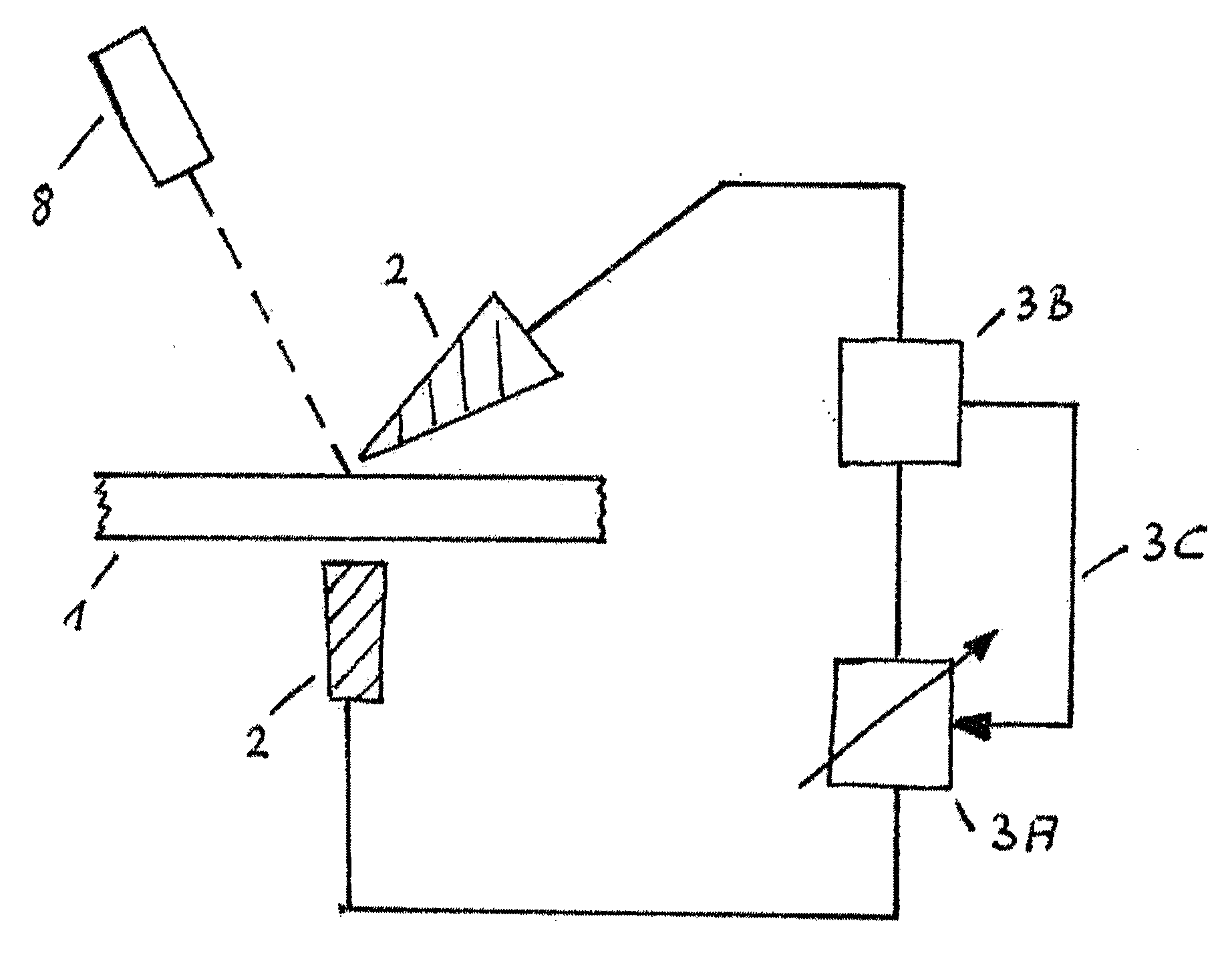
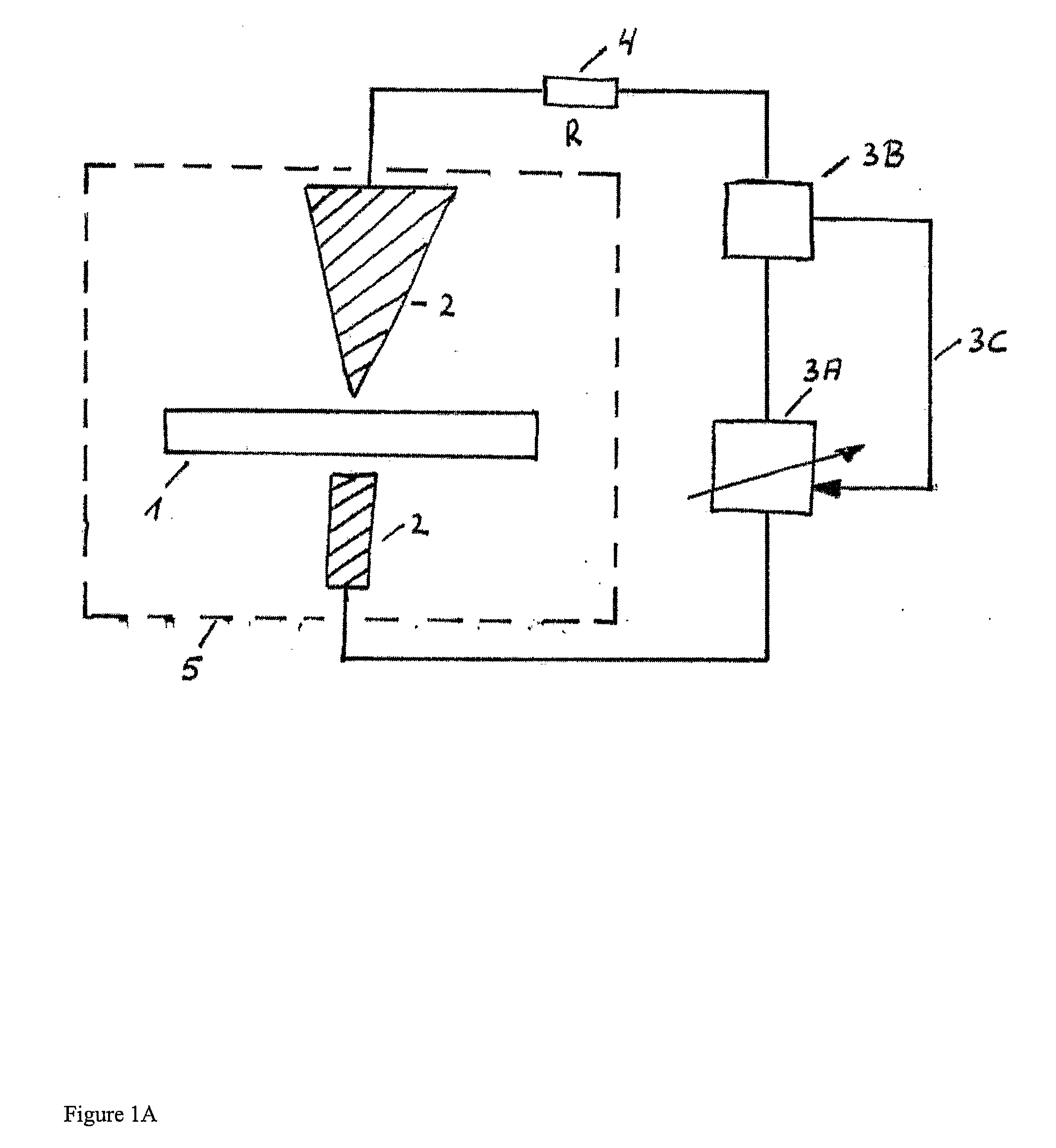
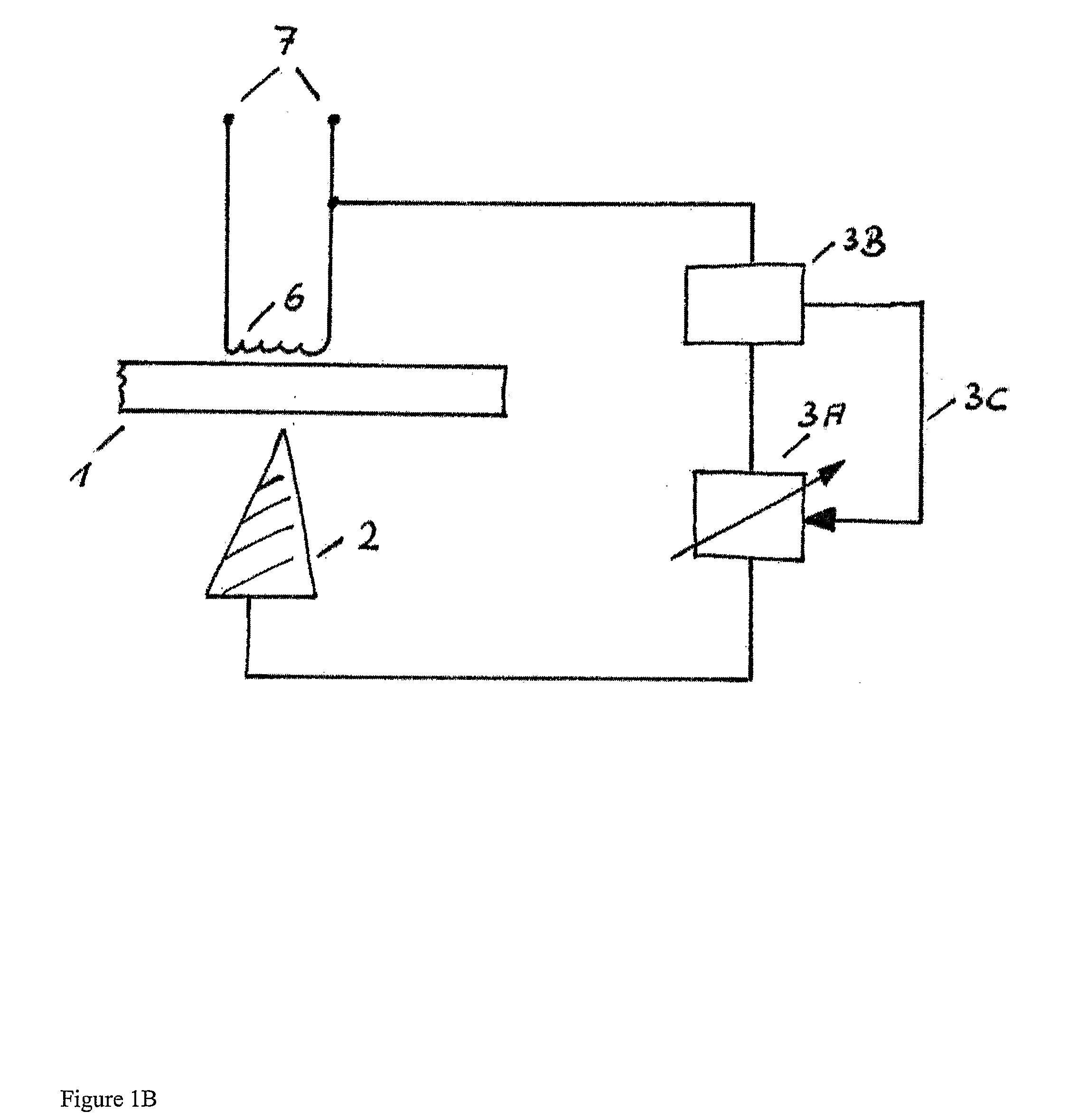
- A method involving controlled dielectric breakdown (CDEB) using a voltage supply and electronic feedback mechanisms to create precise holes in electrically insulating substrates, allowing for reproducible and cost-effective production of substrates with controlled hole diameters and aspect ratios.

Patent
Innovation
- No patent content provided for analysis - unable to identify specific innovation points in dielectric breakdown or insulation system design.
- Cannot extract technical solutions without access to patent claims and detailed description of the insulation system architecture.
- Missing technical specifications prevent evaluation of dielectric strength improvements and breakdown mitigation approaches.
Safety Standards for Electrical Insulation Systems
Safety standards for electrical insulation systems represent a critical framework that governs the design, testing, and implementation of dielectric materials and configurations across various industrial applications. These standards establish minimum performance requirements, testing methodologies, and qualification criteria that ensure electrical equipment operates safely under specified conditions while preventing catastrophic dielectric breakdown events.
The International Electrotechnical Commission (IEC) serves as the primary global authority for insulation system standards, with IEC 60085 defining thermal evaluation and classification of electrical insulation materials. This standard establishes temperature classes ranging from 90°C to 250°C, providing fundamental guidelines for material selection based on thermal endurance characteristics. Additionally, IEC 61857 series addresses insulation systems for rotating electrical machines, while IEC 60664 focuses on insulation coordination for equipment within low-voltage systems.
IEEE standards complement IEC frameworks, particularly IEEE 1553 for insulation systems in rotating machines and IEEE 43 for insulation resistance testing. These standards emphasize the relationship between dielectric strength, partial discharge inception voltage, and long-term reliability under operational stress conditions. The standards mandate specific test procedures including thermal aging, humidity exposure, and electrical stress evaluation to validate insulation system performance.
Regional standards such as NEMA MW 1000 in North America and EN 50347 in Europe provide additional requirements tailored to specific market conditions and regulatory environments. These standards often incorporate more stringent safety margins and testing protocols, particularly for high-voltage applications where dielectric breakdown consequences are severe.
Modern safety standards increasingly emphasize predictive maintenance approaches, requiring insulation systems to incorporate diagnostic capabilities for early detection of degradation. This includes specifications for partial discharge monitoring systems, dielectric loss factor measurements, and polarization index testing protocols that enable condition-based maintenance strategies.
The evolution toward smart grid technologies has prompted development of new standard categories addressing digital insulation monitoring systems and real-time dielectric health assessment. These emerging standards integrate traditional electrical safety requirements with advanced sensing technologies, establishing protocols for continuous insulation system surveillance and automated fault detection mechanisms that prevent unexpected dielectric failures.
The International Electrotechnical Commission (IEC) serves as the primary global authority for insulation system standards, with IEC 60085 defining thermal evaluation and classification of electrical insulation materials. This standard establishes temperature classes ranging from 90°C to 250°C, providing fundamental guidelines for material selection based on thermal endurance characteristics. Additionally, IEC 61857 series addresses insulation systems for rotating electrical machines, while IEC 60664 focuses on insulation coordination for equipment within low-voltage systems.
IEEE standards complement IEC frameworks, particularly IEEE 1553 for insulation systems in rotating machines and IEEE 43 for insulation resistance testing. These standards emphasize the relationship between dielectric strength, partial discharge inception voltage, and long-term reliability under operational stress conditions. The standards mandate specific test procedures including thermal aging, humidity exposure, and electrical stress evaluation to validate insulation system performance.
Regional standards such as NEMA MW 1000 in North America and EN 50347 in Europe provide additional requirements tailored to specific market conditions and regulatory environments. These standards often incorporate more stringent safety margins and testing protocols, particularly for high-voltage applications where dielectric breakdown consequences are severe.
Modern safety standards increasingly emphasize predictive maintenance approaches, requiring insulation systems to incorporate diagnostic capabilities for early detection of degradation. This includes specifications for partial discharge monitoring systems, dielectric loss factor measurements, and polarization index testing protocols that enable condition-based maintenance strategies.
The evolution toward smart grid technologies has prompted development of new standard categories addressing digital insulation monitoring systems and real-time dielectric health assessment. These emerging standards integrate traditional electrical safety requirements with advanced sensing technologies, establishing protocols for continuous insulation system surveillance and automated fault detection mechanisms that prevent unexpected dielectric failures.
Environmental Impact of Dielectric Materials
The environmental impact of dielectric materials has become a critical consideration in modern insulation system design, particularly as global sustainability initiatives drive stricter environmental regulations and corporate responsibility standards. Traditional dielectric materials, including sulfur hexafluoride (SF6), polychlorinated biphenyls (PCBs), and various petroleum-based polymers, pose significant environmental challenges throughout their lifecycle from production to disposal.
SF6, widely used in high-voltage switchgear and gas-insulated substations, represents one of the most potent greenhouse gases with a global warming potential approximately 23,500 times greater than carbon dioxide. Its atmospheric lifetime exceeds 3,000 years, making even small leakages environmentally significant. The European Union's F-Gas Regulation and similar international frameworks are progressively restricting SF6 usage, compelling the industry to seek alternative solutions.
Polymer-based dielectric materials present complex environmental challenges related to microplastic pollution, non-biodegradability, and toxic byproduct formation during manufacturing and incineration processes. Cross-linked polyethylene (XLPE) and ethylene propylene rubber (EPR), commonly used in cable insulation, require energy-intensive production processes and generate persistent waste streams that challenge conventional recycling methods.
The manufacturing phase of dielectric materials typically involves significant carbon emissions, water consumption, and chemical waste generation. Perfluorinated compounds used in specialized applications raise concerns about bioaccumulation and persistence in environmental systems. Additionally, mining operations for raw materials like mica and ceramic components contribute to habitat disruption and soil contamination.
Emerging bio-based dielectric materials derived from natural polymers, cellulose, and plant oils offer promising alternatives with reduced environmental footprints. These materials demonstrate comparable dielectric properties while providing biodegradability and renewable sourcing advantages. However, their long-term performance under extreme electrical stress conditions requires further validation.
End-of-life management presents ongoing challenges, as traditional disposal methods including landfilling and incineration fail to address the persistent nature of synthetic dielectrics. Advanced recycling technologies, including chemical depolymerization and material recovery processes, are being developed to create circular economy solutions for dielectric waste streams.
SF6, widely used in high-voltage switchgear and gas-insulated substations, represents one of the most potent greenhouse gases with a global warming potential approximately 23,500 times greater than carbon dioxide. Its atmospheric lifetime exceeds 3,000 years, making even small leakages environmentally significant. The European Union's F-Gas Regulation and similar international frameworks are progressively restricting SF6 usage, compelling the industry to seek alternative solutions.
Polymer-based dielectric materials present complex environmental challenges related to microplastic pollution, non-biodegradability, and toxic byproduct formation during manufacturing and incineration processes. Cross-linked polyethylene (XLPE) and ethylene propylene rubber (EPR), commonly used in cable insulation, require energy-intensive production processes and generate persistent waste streams that challenge conventional recycling methods.
The manufacturing phase of dielectric materials typically involves significant carbon emissions, water consumption, and chemical waste generation. Perfluorinated compounds used in specialized applications raise concerns about bioaccumulation and persistence in environmental systems. Additionally, mining operations for raw materials like mica and ceramic components contribute to habitat disruption and soil contamination.
Emerging bio-based dielectric materials derived from natural polymers, cellulose, and plant oils offer promising alternatives with reduced environmental footprints. These materials demonstrate comparable dielectric properties while providing biodegradability and renewable sourcing advantages. However, their long-term performance under extreme electrical stress conditions requires further validation.
End-of-life management presents ongoing challenges, as traditional disposal methods including landfilling and incineration fail to address the persistent nature of synthetic dielectrics. Advanced recycling technologies, including chemical depolymerization and material recovery processes, are being developed to create circular economy solutions for dielectric waste streams.
Unlock deeper insights with PatSnap Eureka Quick Research — get a full tech report to explore trends and direct your research. Try now!
Generate Your Research Report Instantly with AI Agent
Supercharge your innovation with PatSnap Eureka AI Agent Platform!