
Dielectric Breakdown vs Material Processing Conditions
MAR 26, 20269 MIN READ
Generate Your Research Report Instantly with AI Agent
Patsnap Eureka helps you evaluate technical feasibility & market potential.
Dielectric Breakdown Research Background and Objectives
Dielectric breakdown represents a critical failure mechanism in electrical insulation systems, occurring when an insulating material loses its ability to prevent electrical current flow under high electric field stress. This phenomenon has become increasingly significant as modern electronic devices demand higher power densities, miniaturization, and enhanced performance reliability across diverse operating environments.
The fundamental understanding of dielectric breakdown mechanisms has evolved substantially since the early 20th century, progressing from simple empirical observations to sophisticated theoretical models encompassing electronic, thermal, and mechanical failure modes. Contemporary research focuses on the intricate relationship between material processing conditions and breakdown characteristics, recognizing that manufacturing parameters significantly influence the final dielectric performance of insulating materials.
Material processing conditions encompass a broad spectrum of variables including temperature profiles during synthesis, pressure conditions, atmospheric composition, cooling rates, and post-processing treatments. These parameters directly affect material microstructure, defect density, molecular orientation, and interfacial properties, all of which play crucial roles in determining breakdown strength and reliability. Understanding these correlations is essential for optimizing manufacturing processes to achieve superior dielectric performance.
The primary objective of this research domain is to establish quantitative relationships between specific processing parameters and resulting dielectric breakdown characteristics. This includes developing predictive models that can guide material selection and processing optimization for various applications. Key goals encompass identifying critical processing windows that maximize breakdown strength while maintaining other essential material properties such as thermal stability and mechanical integrity.
Advanced characterization techniques and computational modeling approaches are increasingly employed to unravel the complex interactions between processing conditions and breakdown behavior. These methodologies enable researchers to probe material properties at multiple length scales, from molecular-level defects to macroscopic performance metrics, providing comprehensive insights into failure mechanisms.
The ultimate technological objective involves developing processing protocols that can consistently produce dielectric materials with tailored breakdown characteristics for specific applications, ranging from high-voltage power systems to miniaturized electronic components. This research directly supports the advancement of next-generation electrical systems requiring enhanced reliability and performance under extreme operating conditions.
The fundamental understanding of dielectric breakdown mechanisms has evolved substantially since the early 20th century, progressing from simple empirical observations to sophisticated theoretical models encompassing electronic, thermal, and mechanical failure modes. Contemporary research focuses on the intricate relationship between material processing conditions and breakdown characteristics, recognizing that manufacturing parameters significantly influence the final dielectric performance of insulating materials.
Material processing conditions encompass a broad spectrum of variables including temperature profiles during synthesis, pressure conditions, atmospheric composition, cooling rates, and post-processing treatments. These parameters directly affect material microstructure, defect density, molecular orientation, and interfacial properties, all of which play crucial roles in determining breakdown strength and reliability. Understanding these correlations is essential for optimizing manufacturing processes to achieve superior dielectric performance.
The primary objective of this research domain is to establish quantitative relationships between specific processing parameters and resulting dielectric breakdown characteristics. This includes developing predictive models that can guide material selection and processing optimization for various applications. Key goals encompass identifying critical processing windows that maximize breakdown strength while maintaining other essential material properties such as thermal stability and mechanical integrity.
Advanced characterization techniques and computational modeling approaches are increasingly employed to unravel the complex interactions between processing conditions and breakdown behavior. These methodologies enable researchers to probe material properties at multiple length scales, from molecular-level defects to macroscopic performance metrics, providing comprehensive insights into failure mechanisms.
The ultimate technological objective involves developing processing protocols that can consistently produce dielectric materials with tailored breakdown characteristics for specific applications, ranging from high-voltage power systems to miniaturized electronic components. This research directly supports the advancement of next-generation electrical systems requiring enhanced reliability and performance under extreme operating conditions.
Market Demand for High-Performance Dielectric Materials
The global electronics industry's relentless pursuit of miniaturization and enhanced performance has created unprecedented demand for high-performance dielectric materials. As electronic devices become increasingly compact while requiring higher power densities and operating frequencies, traditional dielectric materials face significant limitations in preventing breakdown phenomena. This technological pressure has intensified the need for advanced dielectric solutions that can withstand extreme electrical stress while maintaining stable performance characteristics.
Power electronics represents one of the most demanding market segments for high-performance dielectrics. Electric vehicle powertrains, renewable energy inverters, and industrial motor drives require dielectric materials capable of operating under high voltage conditions without compromising reliability. The automotive electrification trend has particularly accelerated demand for dielectric materials that can function effectively in harsh thermal and electrical environments while meeting stringent safety requirements.
The semiconductor packaging industry constitutes another critical market driver for advanced dielectric materials. As chip architectures evolve toward three-dimensional integration and higher transistor densities, packaging materials must provide superior electrical isolation while managing thermal dissipation. The emergence of wide bandgap semiconductors like silicon carbide and gallium nitride has further elevated performance requirements, as these devices operate at higher voltages and temperatures than conventional silicon-based components.
Telecommunications infrastructure modernization, particularly the deployment of fifth-generation wireless networks, has created substantial demand for low-loss dielectric materials. High-frequency applications require materials with exceptional dielectric properties to minimize signal attenuation and maintain signal integrity across complex transmission paths. The proliferation of millimeter-wave frequencies in telecommunications has made material selection increasingly critical for system performance.
Energy storage systems represent an emerging market segment with stringent dielectric performance requirements. Grid-scale energy storage installations and portable energy systems demand materials that can withstand repeated charge-discharge cycles while maintaining electrical isolation integrity. The growing emphasis on renewable energy integration has amplified the importance of reliable dielectric materials in power conversion and storage applications.
Market demand extends beyond traditional electronics into specialized applications including aerospace systems, medical devices, and industrial automation equipment. These sectors require dielectric materials with proven reliability under extreme operating conditions, driving continuous innovation in material processing techniques and quality control methodologies.
Power electronics represents one of the most demanding market segments for high-performance dielectrics. Electric vehicle powertrains, renewable energy inverters, and industrial motor drives require dielectric materials capable of operating under high voltage conditions without compromising reliability. The automotive electrification trend has particularly accelerated demand for dielectric materials that can function effectively in harsh thermal and electrical environments while meeting stringent safety requirements.
The semiconductor packaging industry constitutes another critical market driver for advanced dielectric materials. As chip architectures evolve toward three-dimensional integration and higher transistor densities, packaging materials must provide superior electrical isolation while managing thermal dissipation. The emergence of wide bandgap semiconductors like silicon carbide and gallium nitride has further elevated performance requirements, as these devices operate at higher voltages and temperatures than conventional silicon-based components.
Telecommunications infrastructure modernization, particularly the deployment of fifth-generation wireless networks, has created substantial demand for low-loss dielectric materials. High-frequency applications require materials with exceptional dielectric properties to minimize signal attenuation and maintain signal integrity across complex transmission paths. The proliferation of millimeter-wave frequencies in telecommunications has made material selection increasingly critical for system performance.
Energy storage systems represent an emerging market segment with stringent dielectric performance requirements. Grid-scale energy storage installations and portable energy systems demand materials that can withstand repeated charge-discharge cycles while maintaining electrical isolation integrity. The growing emphasis on renewable energy integration has amplified the importance of reliable dielectric materials in power conversion and storage applications.
Market demand extends beyond traditional electronics into specialized applications including aerospace systems, medical devices, and industrial automation equipment. These sectors require dielectric materials with proven reliability under extreme operating conditions, driving continuous innovation in material processing techniques and quality control methodologies.
Current Dielectric Breakdown Challenges in Material Processing
Dielectric breakdown in material processing represents one of the most critical failure mechanisms limiting the performance and reliability of electronic devices and systems. The phenomenon occurs when an insulating material loses its dielectric properties under excessive electric field stress, leading to permanent damage and device failure. Current manufacturing processes face unprecedented challenges as the demand for miniaturization and higher performance drives operating voltages and electric field strengths to critical thresholds.
The primary challenge stems from the inherent variability in material properties introduced during processing. Traditional manufacturing techniques often result in non-uniform microstructures, defect distributions, and compositional variations that create localized weak points susceptible to breakdown. These processing-induced imperfections include grain boundaries, voids, impurities, and residual stresses that significantly reduce the effective breakdown strength compared to theoretical predictions.
Thermal processing conditions present another major obstacle, as temperature gradients and cooling rates directly influence crystalline structure formation and defect density. Rapid thermal cycling during fabrication can introduce thermal stresses that propagate as microcracks, creating preferential breakdown paths. The challenge is compounded by the difficulty in achieving uniform temperature distribution across large substrates, particularly in high-volume manufacturing environments.
Interface quality between different dielectric layers has emerged as a critical bottleneck in multilayer device architectures. Processing-induced interface roughness, contamination, and chemical interdiffusion create charge accumulation sites that initiate breakdown at significantly lower field strengths than bulk material limits. The challenge intensifies with increasing layer count and decreasing individual layer thickness in advanced device structures.
Contamination control during processing remains a persistent challenge, as even trace amounts of ionic impurities can dramatically reduce breakdown voltage through enhanced conductivity and localized field enhancement. Traditional cleaning and deposition processes struggle to maintain the ultra-high purity levels required for next-generation dielectric applications, particularly in humid or chemically reactive environments.
The temporal aspect of breakdown presents additional complexity, as time-dependent degradation mechanisms such as charge injection, trap generation, and electrochemical reactions gradually weaken the dielectric over operational lifetime. Processing conditions that appear acceptable under short-term testing may prove inadequate for long-term reliability requirements, necessitating accelerated aging protocols that accurately predict field performance.
The primary challenge stems from the inherent variability in material properties introduced during processing. Traditional manufacturing techniques often result in non-uniform microstructures, defect distributions, and compositional variations that create localized weak points susceptible to breakdown. These processing-induced imperfections include grain boundaries, voids, impurities, and residual stresses that significantly reduce the effective breakdown strength compared to theoretical predictions.
Thermal processing conditions present another major obstacle, as temperature gradients and cooling rates directly influence crystalline structure formation and defect density. Rapid thermal cycling during fabrication can introduce thermal stresses that propagate as microcracks, creating preferential breakdown paths. The challenge is compounded by the difficulty in achieving uniform temperature distribution across large substrates, particularly in high-volume manufacturing environments.
Interface quality between different dielectric layers has emerged as a critical bottleneck in multilayer device architectures. Processing-induced interface roughness, contamination, and chemical interdiffusion create charge accumulation sites that initiate breakdown at significantly lower field strengths than bulk material limits. The challenge intensifies with increasing layer count and decreasing individual layer thickness in advanced device structures.
Contamination control during processing remains a persistent challenge, as even trace amounts of ionic impurities can dramatically reduce breakdown voltage through enhanced conductivity and localized field enhancement. Traditional cleaning and deposition processes struggle to maintain the ultra-high purity levels required for next-generation dielectric applications, particularly in humid or chemically reactive environments.
The temporal aspect of breakdown presents additional complexity, as time-dependent degradation mechanisms such as charge injection, trap generation, and electrochemical reactions gradually weaken the dielectric over operational lifetime. Processing conditions that appear acceptable under short-term testing may prove inadequate for long-term reliability requirements, necessitating accelerated aging protocols that accurately predict field performance.
Current Processing Methods for Dielectric Breakdown Prevention
01 High dielectric constant materials for breakdown resistance
Development of dielectric materials with high dielectric constants to improve breakdown voltage characteristics. These materials are designed to withstand higher electric field strengths before experiencing dielectric breakdown. The formulations focus on optimizing the molecular structure and composition to enhance the dielectric properties and thermal stability of the materials.- High dielectric constant materials for breakdown resistance: Development of dielectric materials with high dielectric constants to improve breakdown voltage characteristics. These materials are designed to withstand higher electric field strengths before experiencing dielectric breakdown. The formulations focus on optimizing the molecular structure and composition to enhance the dielectric properties and thermal stability, thereby increasing the breakdown threshold and reliability of electronic components.
- Composite dielectric materials with enhanced breakdown strength: Composite dielectric materials combining multiple components to achieve superior breakdown resistance. These composites typically incorporate inorganic fillers, polymers, or ceramic materials to create synergistic effects that improve dielectric strength. The combination of materials helps to distribute electric field stress more uniformly and prevent localized breakdown, resulting in enhanced overall performance and longevity.
- Thin film dielectric layers for microelectronic applications: Development of thin film dielectric materials specifically designed for microelectronic devices where breakdown prevention is critical. These thin films are engineered to maintain high breakdown voltage while minimizing thickness, which is essential for miniaturization. The materials are optimized for uniform deposition, low defect density, and stable performance under various operating conditions to prevent premature breakdown.
- Self-healing dielectric materials: Innovative dielectric materials with self-healing capabilities that can recover from minor breakdown events. These materials contain special additives or structural features that enable them to repair localized damage caused by electrical stress. The self-healing mechanism helps to extend the service life of dielectric components by preventing the propagation of breakdown channels and maintaining insulation integrity over time.
- Testing and characterization methods for dielectric breakdown: Advanced testing methodologies and characterization techniques for evaluating dielectric breakdown properties. These methods include accelerated aging tests, partial discharge measurements, and breakdown voltage testing under various environmental conditions. The techniques help to predict material performance, identify weak points in dielectric systems, and establish reliability standards for different applications.
02 Composite dielectric materials with enhanced breakdown strength
Composite dielectric materials combining multiple components to achieve superior breakdown resistance. These composites typically incorporate inorganic fillers or nanoparticles into polymer matrices to improve the overall dielectric breakdown strength. The synergistic effect of different materials helps to distribute electric field stress more uniformly and prevent localized breakdown.Expand Specific Solutions03 Surface treatment and coating methods for dielectric breakdown prevention
Techniques for applying protective coatings or surface treatments to dielectric materials to prevent breakdown. These methods include plasma treatment, chemical vapor deposition, and application of barrier layers that enhance the surface properties of dielectric materials. The treatments help to eliminate surface defects and improve resistance to electrical stress and environmental factors.Expand Specific Solutions04 Testing and measurement methods for dielectric breakdown characteristics
Methods and apparatus for evaluating dielectric breakdown properties of materials under various conditions. These testing procedures involve applying controlled electrical stress to samples and measuring breakdown voltage, partial discharge, and other relevant parameters. The techniques enable accurate characterization of dielectric materials and prediction of their performance in practical applications.Expand Specific Solutions05 Multilayer dielectric structures for improved breakdown performance
Design and fabrication of multilayer dielectric structures that provide enhanced breakdown resistance through strategic layering of materials with different properties. These structures utilize alternating layers of materials with varying dielectric constants and breakdown strengths to create barriers against electrical breakdown propagation. The multilayer approach allows for optimization of both electrical performance and mechanical properties.Expand Specific Solutions
Key Players in Dielectric Materials and Processing Industry
The dielectric breakdown versus material processing conditions research field represents a mature yet rapidly evolving technological landscape driven by increasing demands for advanced electronic devices and energy storage systems. The market spans multiple billion-dollar sectors including semiconductors, energy storage, and power electronics, with significant growth potential in emerging applications. Technology maturity varies considerably across different material systems and applications. Leading semiconductor equipment manufacturers like Applied Materials, Tokyo Electron, and Axcelis Technologies have established sophisticated processing capabilities, while companies such as Intel, Samsung Electronics, and GlobalFoundries demonstrate advanced implementation in production environments. Research institutions including Shanghai Institute of Ceramics and Xi'an Jiaotong University contribute fundamental understanding, while specialized firms like Capacitor Sciences and NGK Insulators focus on specific applications. The competitive landscape shows a clear division between established players with mature technologies and emerging companies developing next-generation solutions, indicating both market stability and innovation opportunities.
Intel Corp.
Technical Solution: Intel has pioneered high-k dielectric integration methodologies focusing on hafnium-based materials for advanced logic nodes. Their research demonstrates that post-deposition annealing temperatures between 400-600°C optimize the crystalline structure while minimizing interface trap density. Intel's approach involves systematic study of dopant incorporation effects on breakdown characteristics, particularly examining how nitrogen incorporation during processing affects long-term reliability. They have developed proprietary stress testing protocols that correlate accelerated aging conditions with real-world operational parameters. Their findings show that controlled oxygen vacancy management during thermal processing can improve breakdown field strength by up to 25% while maintaining low leakage current density below 10^-8 A/cm².
Strengths: Deep expertise in advanced node integration and extensive reliability databases. Weaknesses: Focus primarily on logic applications may limit broader material exploration.
Samsung Electronics Co., Ltd.
Technical Solution: Samsung has developed comprehensive dielectric breakdown characterization methodologies for both memory and display applications. Their research focuses on correlating rapid thermal processing (RTP) conditions with breakdown statistics, utilizing Weibull analysis to predict failure modes. Samsung's innovative approach involves multi-step annealing processes where initial low-temperature treatments (250-350°C) are followed by high-temperature consolidation steps. They have established that processing atmosphere composition, particularly oxygen partial pressure control, directly influences defect formation and subsequent breakdown behavior. Their studies demonstrate that optimized processing sequences can achieve breakdown field strengths exceeding 8 MV/cm for silicon dioxide films while maintaining processing throughput requirements for high-volume manufacturing environments.
Strengths: Extensive manufacturing experience and strong integration capabilities across multiple product lines. Weaknesses: Proprietary nature of processes may limit academic collaboration and knowledge sharing.
Core Innovations in Processing-Breakdown Relationship Studies
Capacitor and method of production thereof
PatentActiveUS20190341188A1
Innovation
- A capacitor design featuring flat, parallel electrodes with a dielectric layer composed of molecular material Dp-(Core)-Hq, where Core is a polarizable conductive anisometric core with conjugated π-systems and insulating substituents, forming conductive stacks with insulating sublayers to enhance dielectric permittivity and withstand electric fields.


Manufacturing and Use of Microperforated Substrates
PatentActiveUS20080047935A1
Innovation
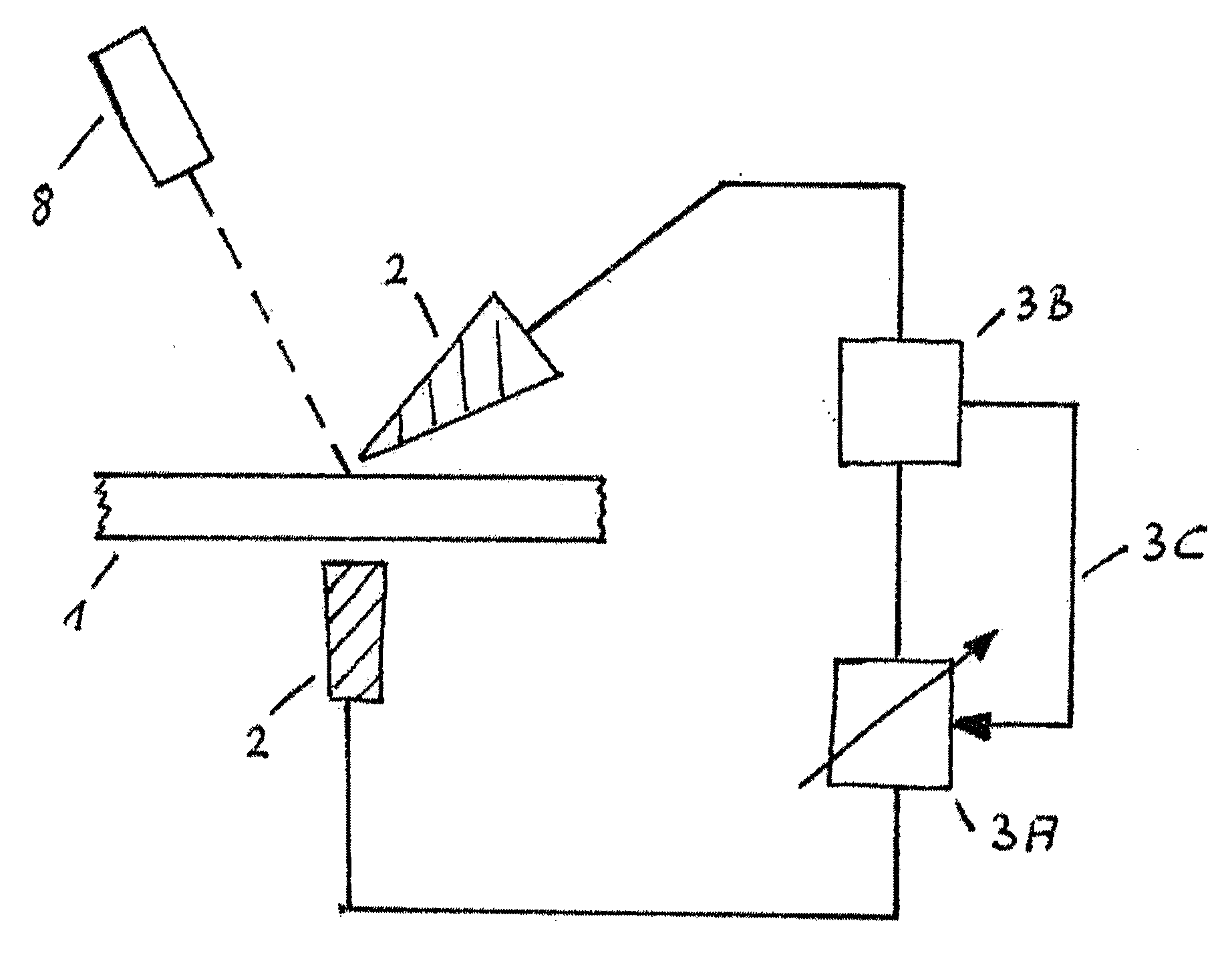
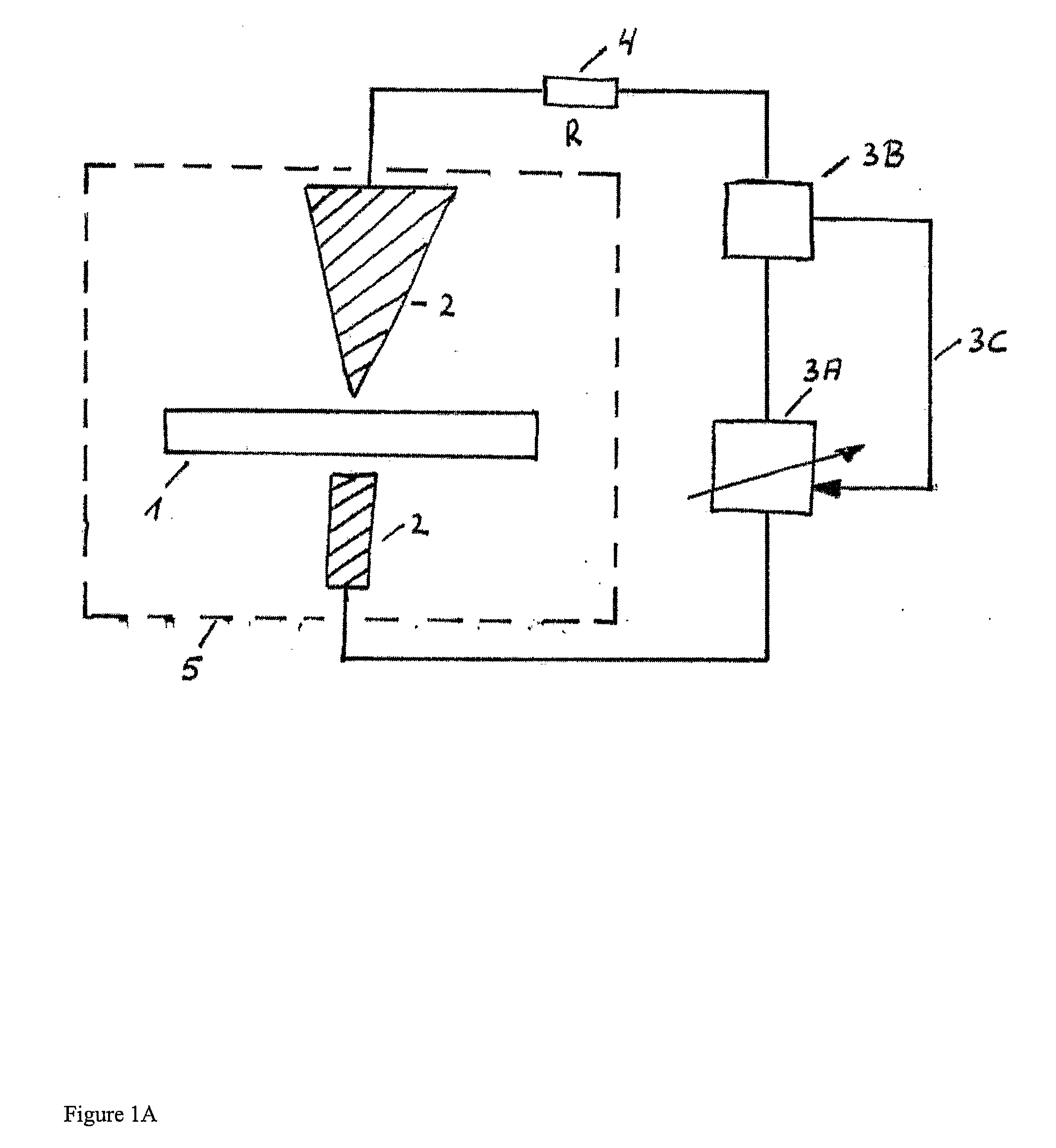
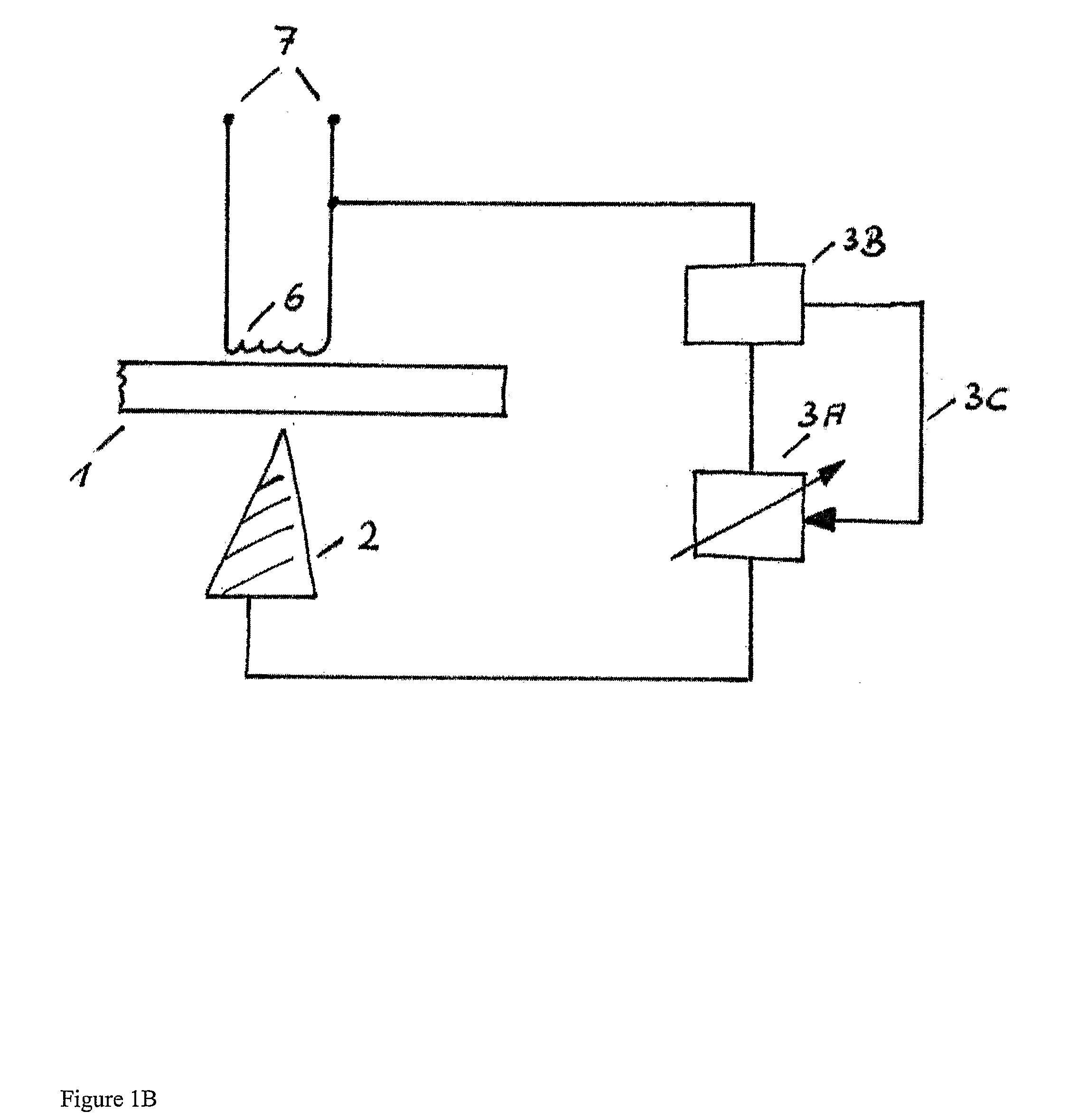
- A method involving controlled dielectric breakdown (CDEB) using a voltage supply and electronic feedback mechanisms to create precise holes in electrically insulating substrates, allowing for reproducible and cost-effective production of substrates with controlled hole diameters and aspect ratios.

Safety Standards for High-Voltage Dielectric Applications
High-voltage dielectric applications require stringent safety standards to prevent catastrophic failures and ensure operational reliability. The relationship between dielectric breakdown and material processing conditions directly impacts the development and implementation of these safety protocols. International standards such as IEC 60243, ASTM D149, and IEEE 930 establish fundamental testing methodologies for dielectric strength evaluation, while specialized standards like IEC 61934 address specific high-voltage applications including power transformers, cables, and capacitors.
Material processing parameters significantly influence the safety margin requirements defined in these standards. For instance, IEC 60505 specifies that insulation systems must demonstrate consistent performance under various environmental conditions, which directly correlates with processing-induced material properties. The standard mandates minimum breakdown voltage thresholds that account for processing variations, typically requiring safety factors of 2-3 times the operating voltage to compensate for potential material inconsistencies.
Temperature-dependent safety requirements are particularly critical, as processing conditions affect thermal stability and long-term aging characteristics. IEEE 98 establishes temperature classification systems that must consider how processing parameters influence thermal endurance. Materials processed under suboptimal conditions may exhibit accelerated degradation, necessitating more conservative temperature derating factors in safety calculations.
Moisture sensitivity standards, including IEC 60068-2-78, address how processing-induced porosity and surface characteristics affect dielectric performance under humid conditions. Processing parameters that create microscopic voids or surface irregularities can significantly reduce moisture resistance, requiring enhanced environmental protection measures and modified safety protocols.
Quality assurance standards such as IEC 60505 mandate statistical approaches to safety validation, recognizing that processing variations create performance distributions rather than fixed values. These standards require extensive testing across processing parameter ranges to establish reliable safety margins. The statistical nature of dielectric breakdown necessitates probabilistic safety assessments that account for processing-induced variability.
Emerging safety standards are increasingly incorporating real-time monitoring requirements, recognizing that processing-related defects may not manifest immediately but can develop over time. Standards like IEC 61934 now include provisions for continuous condition monitoring systems that can detect early signs of dielectric degradation related to processing anomalies, enabling proactive safety interventions before catastrophic failure occurs.
Material processing parameters significantly influence the safety margin requirements defined in these standards. For instance, IEC 60505 specifies that insulation systems must demonstrate consistent performance under various environmental conditions, which directly correlates with processing-induced material properties. The standard mandates minimum breakdown voltage thresholds that account for processing variations, typically requiring safety factors of 2-3 times the operating voltage to compensate for potential material inconsistencies.
Temperature-dependent safety requirements are particularly critical, as processing conditions affect thermal stability and long-term aging characteristics. IEEE 98 establishes temperature classification systems that must consider how processing parameters influence thermal endurance. Materials processed under suboptimal conditions may exhibit accelerated degradation, necessitating more conservative temperature derating factors in safety calculations.
Moisture sensitivity standards, including IEC 60068-2-78, address how processing-induced porosity and surface characteristics affect dielectric performance under humid conditions. Processing parameters that create microscopic voids or surface irregularities can significantly reduce moisture resistance, requiring enhanced environmental protection measures and modified safety protocols.
Quality assurance standards such as IEC 60505 mandate statistical approaches to safety validation, recognizing that processing variations create performance distributions rather than fixed values. These standards require extensive testing across processing parameter ranges to establish reliable safety margins. The statistical nature of dielectric breakdown necessitates probabilistic safety assessments that account for processing-induced variability.
Emerging safety standards are increasingly incorporating real-time monitoring requirements, recognizing that processing-related defects may not manifest immediately but can develop over time. Standards like IEC 61934 now include provisions for continuous condition monitoring systems that can detect early signs of dielectric degradation related to processing anomalies, enabling proactive safety interventions before catastrophic failure occurs.
Environmental Impact of Dielectric Material Processing
The environmental implications of dielectric material processing have become increasingly significant as the electronics industry expands globally. Manufacturing processes for dielectric materials typically involve energy-intensive procedures, chemical treatments, and specialized equipment that contribute to carbon emissions and resource consumption. The production of ceramic dielectrics, polymer films, and composite materials requires high-temperature sintering, chemical vapor deposition, and solvent-based processing, all of which generate greenhouse gases and potentially hazardous byproducts.
Chemical waste management represents a critical environmental challenge in dielectric material processing. Many fabrication processes utilize organic solvents, acids, and metal precursors that require careful handling and disposal. The etching and cleaning steps in semiconductor dielectric processing generate fluorinated compounds and other persistent pollutants that can accumulate in environmental systems. Advanced treatment technologies, including plasma-based decomposition and catalytic oxidation, are being implemented to minimize these emissions.
Energy consumption patterns in dielectric processing vary significantly based on material type and processing conditions. High-temperature ceramic processing can consume 15-25% more energy compared to polymer-based alternatives, while achieving superior electrical performance. The trade-off between processing energy requirements and material longevity creates complex environmental calculations that manufacturers must consider in their sustainability assessments.
Water usage and contamination present additional environmental concerns, particularly in wet chemical processing and cooling systems. Semiconductor dielectric fabrication facilities typically consume substantial quantities of ultrapure water, with treatment and recycling systems becoming essential for environmental compliance. Emerging closed-loop water systems and dry processing alternatives are reducing water consumption by 40-60% in modern facilities.
Sustainable processing approaches are emerging through green chemistry initiatives and alternative manufacturing methods. Low-temperature processing techniques, bio-based precursors, and additive manufacturing are reducing environmental footprints while maintaining material performance standards. Life cycle assessments increasingly guide material selection and processing optimization, balancing electrical properties with environmental impact considerations throughout the product lifecycle.
Chemical waste management represents a critical environmental challenge in dielectric material processing. Many fabrication processes utilize organic solvents, acids, and metal precursors that require careful handling and disposal. The etching and cleaning steps in semiconductor dielectric processing generate fluorinated compounds and other persistent pollutants that can accumulate in environmental systems. Advanced treatment technologies, including plasma-based decomposition and catalytic oxidation, are being implemented to minimize these emissions.
Energy consumption patterns in dielectric processing vary significantly based on material type and processing conditions. High-temperature ceramic processing can consume 15-25% more energy compared to polymer-based alternatives, while achieving superior electrical performance. The trade-off between processing energy requirements and material longevity creates complex environmental calculations that manufacturers must consider in their sustainability assessments.
Water usage and contamination present additional environmental concerns, particularly in wet chemical processing and cooling systems. Semiconductor dielectric fabrication facilities typically consume substantial quantities of ultrapure water, with treatment and recycling systems becoming essential for environmental compliance. Emerging closed-loop water systems and dry processing alternatives are reducing water consumption by 40-60% in modern facilities.
Sustainable processing approaches are emerging through green chemistry initiatives and alternative manufacturing methods. Low-temperature processing techniques, bio-based precursors, and additive manufacturing are reducing environmental footprints while maintaining material performance standards. Life cycle assessments increasingly guide material selection and processing optimization, balancing electrical properties with environmental impact considerations throughout the product lifecycle.
Unlock deeper insights with Patsnap Eureka Quick Research — get a full tech report to explore trends and direct your research. Try now!
Generate Your Research Report Instantly with AI Agent
Supercharge your innovation with Patsnap Eureka AI Agent Platform!