Enhance Logic Chip Interface in Human-Machine Interactions
APR 2, 20269 MIN READ
Generate Your Research Report Instantly with AI Agent
PatSnap Eureka helps you evaluate technical feasibility & market potential.
Logic Chip Interface Enhancement Background and Objectives
The evolution of human-machine interaction has reached a critical juncture where traditional interface paradigms are increasingly inadequate for emerging computational demands. Logic chip interfaces, serving as the fundamental bridge between human cognitive processes and digital systems, have historically relied on conventional input-output mechanisms that create significant bottlenecks in data processing and response times. These limitations become particularly pronounced in applications requiring real-time decision-making, complex data visualization, and intuitive user experiences.
Current interface architectures face substantial challenges in bandwidth optimization, latency reduction, and cognitive load management. The exponential growth in data complexity and user expectations has exposed the inherent limitations of existing logic chip interface designs, particularly in scenarios involving artificial intelligence, augmented reality, and autonomous systems. These systems demand unprecedented levels of seamless integration between human intuition and machine precision.
The technological landscape has witnessed remarkable advances in neuromorphic computing, brain-computer interfaces, and adaptive algorithms, creating new opportunities for revolutionary interface enhancement approaches. Recent breakthroughs in quantum computing and edge processing have opened pathways for developing more sophisticated logic chip architectures that can better accommodate human cognitive patterns and behavioral preferences.
The primary objective of this research initiative centers on developing next-generation logic chip interface technologies that fundamentally transform human-machine interaction paradigms. This involves creating adaptive interface architectures capable of learning user preferences, predicting interaction patterns, and optimizing data flow in real-time scenarios.
Key technical objectives include achieving sub-millisecond response times, implementing intelligent context-aware processing capabilities, and establishing robust error correction mechanisms that enhance overall system reliability. The research aims to develop scalable interface solutions that can seamlessly integrate across diverse hardware platforms while maintaining consistent performance standards.
Strategic goals encompass establishing new industry benchmarks for interface efficiency, creating intellectual property portfolios that secure competitive advantages, and positioning the organization as a leader in next-generation human-machine interface technologies. The research will focus on developing commercially viable solutions that address current market gaps while anticipating future technological requirements.
Current interface architectures face substantial challenges in bandwidth optimization, latency reduction, and cognitive load management. The exponential growth in data complexity and user expectations has exposed the inherent limitations of existing logic chip interface designs, particularly in scenarios involving artificial intelligence, augmented reality, and autonomous systems. These systems demand unprecedented levels of seamless integration between human intuition and machine precision.
The technological landscape has witnessed remarkable advances in neuromorphic computing, brain-computer interfaces, and adaptive algorithms, creating new opportunities for revolutionary interface enhancement approaches. Recent breakthroughs in quantum computing and edge processing have opened pathways for developing more sophisticated logic chip architectures that can better accommodate human cognitive patterns and behavioral preferences.
The primary objective of this research initiative centers on developing next-generation logic chip interface technologies that fundamentally transform human-machine interaction paradigms. This involves creating adaptive interface architectures capable of learning user preferences, predicting interaction patterns, and optimizing data flow in real-time scenarios.
Key technical objectives include achieving sub-millisecond response times, implementing intelligent context-aware processing capabilities, and establishing robust error correction mechanisms that enhance overall system reliability. The research aims to develop scalable interface solutions that can seamlessly integrate across diverse hardware platforms while maintaining consistent performance standards.
Strategic goals encompass establishing new industry benchmarks for interface efficiency, creating intellectual property portfolios that secure competitive advantages, and positioning the organization as a leader in next-generation human-machine interface technologies. The research will focus on developing commercially viable solutions that address current market gaps while anticipating future technological requirements.
Market Demand for Advanced Human-Machine Interface Solutions
The global market for advanced human-machine interface solutions is experiencing unprecedented growth driven by the convergence of artificial intelligence, Internet of Things, and edge computing technologies. Traditional interface paradigms are rapidly becoming inadequate for handling the complexity and speed requirements of modern interactive systems, creating substantial demand for enhanced logic chip interfaces that can process multi-modal inputs with minimal latency.
Consumer electronics represents the largest market segment, with smartphones, tablets, and wearable devices requiring increasingly sophisticated touch, gesture, and voice recognition capabilities. The automotive industry has emerged as a critical growth driver, particularly with the advancement of autonomous vehicles and advanced driver assistance systems that demand real-time processing of sensor data and intuitive user interactions. Smart home ecosystems and industrial automation applications are also generating significant demand for more responsive and intelligent interface solutions.
Healthcare and medical device markets are witnessing accelerated adoption of advanced human-machine interfaces, particularly in surgical robotics, patient monitoring systems, and assistive technologies. The COVID-19 pandemic has further amplified the need for contactless interaction methods, driving innovation in gesture recognition and voice-controlled interfaces across multiple sectors.
Enterprise and professional applications constitute another substantial market segment, with virtual and augmented reality systems requiring ultra-low latency interfaces for immersive experiences. Gaming and entertainment industries are pushing the boundaries of interface responsiveness, demanding logic chips capable of processing complex input patterns with microsecond precision.
The market demand is characterized by several key requirements: reduced power consumption for battery-operated devices, enhanced security features for biometric authentication, improved accuracy in noisy environments, and seamless integration with existing hardware architectures. Edge computing trends are driving the need for local processing capabilities, reducing dependence on cloud-based solutions and enabling real-time decision making at the device level.
Emerging applications in brain-computer interfaces and neural prosthetics represent nascent but potentially transformative market opportunities, requiring specialized logic chip designs capable of interpreting biological signals and translating them into digital commands with unprecedented precision and reliability.
Consumer electronics represents the largest market segment, with smartphones, tablets, and wearable devices requiring increasingly sophisticated touch, gesture, and voice recognition capabilities. The automotive industry has emerged as a critical growth driver, particularly with the advancement of autonomous vehicles and advanced driver assistance systems that demand real-time processing of sensor data and intuitive user interactions. Smart home ecosystems and industrial automation applications are also generating significant demand for more responsive and intelligent interface solutions.
Healthcare and medical device markets are witnessing accelerated adoption of advanced human-machine interfaces, particularly in surgical robotics, patient monitoring systems, and assistive technologies. The COVID-19 pandemic has further amplified the need for contactless interaction methods, driving innovation in gesture recognition and voice-controlled interfaces across multiple sectors.
Enterprise and professional applications constitute another substantial market segment, with virtual and augmented reality systems requiring ultra-low latency interfaces for immersive experiences. Gaming and entertainment industries are pushing the boundaries of interface responsiveness, demanding logic chips capable of processing complex input patterns with microsecond precision.
The market demand is characterized by several key requirements: reduced power consumption for battery-operated devices, enhanced security features for biometric authentication, improved accuracy in noisy environments, and seamless integration with existing hardware architectures. Edge computing trends are driving the need for local processing capabilities, reducing dependence on cloud-based solutions and enabling real-time decision making at the device level.
Emerging applications in brain-computer interfaces and neural prosthetics represent nascent but potentially transformative market opportunities, requiring specialized logic chip designs capable of interpreting biological signals and translating them into digital commands with unprecedented precision and reliability.
Current State and Challenges of Logic Chip Interface Technology
Logic chip interface technology in human-machine interactions has reached a critical juncture where traditional approaches are encountering significant limitations. Current interface architectures primarily rely on conventional input/output protocols such as SPI, I2C, and UART, which were originally designed for basic device communication rather than sophisticated human-machine interaction scenarios. These legacy protocols struggle to handle the complex, multi-modal data streams required for advanced HMI applications, creating bottlenecks in real-time processing and response capabilities.
The global landscape of logic chip interface development shows considerable variation in technological advancement and implementation strategies. Leading technology hubs in Silicon Valley, Shenzhen, and Tel Aviv have made substantial progress in developing specialized interface controllers and adaptive communication protocols. However, significant disparities exist between regions, with emerging markets still heavily dependent on older interface standards that limit their ability to implement cutting-edge HMI solutions.
One of the most pressing challenges facing the industry is the latency issue inherent in current interface designs. Traditional chip interfaces introduce delays ranging from microseconds to milliseconds, which becomes problematic when dealing with gesture recognition, voice processing, or haptic feedback systems that require near-instantaneous response times. This latency challenge is compounded by the increasing complexity of data processing requirements as HMI systems incorporate artificial intelligence and machine learning capabilities.
Power consumption represents another critical constraint limiting the advancement of logic chip interfaces. Current interface implementations often require substantial power overhead to maintain high-speed communication channels and process complex interaction data. This power inefficiency becomes particularly problematic in mobile and wearable devices where battery life is paramount, forcing designers to compromise between interface performance and energy consumption.
The scalability challenge poses additional complications as modern HMI systems demand support for multiple simultaneous interaction modalities. Existing interface architectures struggle to efficiently manage concurrent data streams from touchscreens, cameras, microphones, and sensors while maintaining system stability and performance. This limitation restricts the development of truly integrated and seamless human-machine interaction experiences.
Security vulnerabilities in current logic chip interfaces present growing concerns as HMI systems become more prevalent in critical applications. Many existing interface protocols lack robust encryption and authentication mechanisms, making them susceptible to unauthorized access and data manipulation. This security gap becomes increasingly problematic as HMI systems handle sensitive user data and control critical system functions.
The standardization fragmentation across different manufacturers and application domains further complicates the current technological landscape. The absence of unified interface standards results in compatibility issues, increased development costs, and limited interoperability between different HMI components and systems.
The global landscape of logic chip interface development shows considerable variation in technological advancement and implementation strategies. Leading technology hubs in Silicon Valley, Shenzhen, and Tel Aviv have made substantial progress in developing specialized interface controllers and adaptive communication protocols. However, significant disparities exist between regions, with emerging markets still heavily dependent on older interface standards that limit their ability to implement cutting-edge HMI solutions.
One of the most pressing challenges facing the industry is the latency issue inherent in current interface designs. Traditional chip interfaces introduce delays ranging from microseconds to milliseconds, which becomes problematic when dealing with gesture recognition, voice processing, or haptic feedback systems that require near-instantaneous response times. This latency challenge is compounded by the increasing complexity of data processing requirements as HMI systems incorporate artificial intelligence and machine learning capabilities.
Power consumption represents another critical constraint limiting the advancement of logic chip interfaces. Current interface implementations often require substantial power overhead to maintain high-speed communication channels and process complex interaction data. This power inefficiency becomes particularly problematic in mobile and wearable devices where battery life is paramount, forcing designers to compromise between interface performance and energy consumption.
The scalability challenge poses additional complications as modern HMI systems demand support for multiple simultaneous interaction modalities. Existing interface architectures struggle to efficiently manage concurrent data streams from touchscreens, cameras, microphones, and sensors while maintaining system stability and performance. This limitation restricts the development of truly integrated and seamless human-machine interaction experiences.
Security vulnerabilities in current logic chip interfaces present growing concerns as HMI systems become more prevalent in critical applications. Many existing interface protocols lack robust encryption and authentication mechanisms, making them susceptible to unauthorized access and data manipulation. This security gap becomes increasingly problematic as HMI systems handle sensitive user data and control critical system functions.
The standardization fragmentation across different manufacturers and application domains further complicates the current technological landscape. The absence of unified interface standards results in compatibility issues, increased development costs, and limited interoperability between different HMI components and systems.
Existing Logic Chip Interface Enhancement Solutions
01 High-speed interface signal integrity optimization
Techniques for improving signal integrity in high-speed logic chip interfaces include impedance matching, differential signaling, and termination schemes. These methods reduce signal reflection, crosstalk, and electromagnetic interference to enhance data transmission quality. Advanced circuit design and layout optimization ensure reliable communication at higher frequencies and data rates.- High-speed interface signaling and transmission techniques: Logic chip interfaces can achieve improved performance through advanced signaling methods and transmission techniques. These include differential signaling, signal conditioning, impedance matching, and optimized routing to reduce signal degradation. Enhanced transmission protocols and encoding schemes help maintain signal integrity at high data rates, reducing bit error rates and improving overall interface throughput.
- Interface timing optimization and clock management: Performance of logic chip interfaces can be enhanced through precise timing control and clock distribution strategies. This includes clock synchronization techniques, phase-locked loops, delay compensation mechanisms, and timing margin optimization. Proper clock management reduces timing violations, minimizes skew, and enables higher operating frequencies for improved data transfer rates.
- Power management and signal integrity enhancement: Interface performance can be improved by implementing power-efficient designs while maintaining signal quality. Techniques include voltage regulation, power gating, dynamic voltage scaling, and noise reduction methods. These approaches minimize power consumption without compromising signal integrity, reduce electromagnetic interference, and enable reliable high-speed communication between logic chips.
- Multi-lane and parallel interface architectures: Performance enhancement can be achieved through parallel data transmission using multiple lanes or channels. This architecture increases aggregate bandwidth by distributing data across several physical connections simultaneously. Lane alignment, skew compensation, and load balancing techniques ensure synchronized operation and maximize throughput for high-performance computing applications.
- Adaptive equalization and compensation techniques: Interface performance can be optimized through adaptive signal processing methods that compensate for channel impairments. These techniques include decision feedback equalization, continuous-time linear equalization, and adaptive filtering to counteract inter-symbol interference and frequency-dependent losses. Such methods enable reliable communication over longer distances and at higher data rates.
02 Interface bandwidth and throughput enhancement
Methods to increase interface bandwidth include parallel data transmission, multi-lane architectures, and advanced encoding schemes. These approaches enable higher data throughput by utilizing multiple channels simultaneously or optimizing data encoding efficiency. Performance improvements are achieved through architectural innovations that maximize data transfer rates while maintaining signal quality.Expand Specific Solutions03 Power consumption reduction in interface circuits
Power-efficient interface designs employ voltage scaling, dynamic power management, and low-power circuit topologies. These techniques minimize energy consumption during data transmission while maintaining performance requirements. Adaptive power control mechanisms adjust operating parameters based on workload demands to optimize power efficiency across different operating conditions.Expand Specific Solutions04 Interface timing and synchronization mechanisms
Precise timing control and synchronization methods ensure reliable data transfer between logic chips. Techniques include clock recovery circuits, phase-locked loops, and delay compensation mechanisms. These solutions address timing skew, jitter, and clock domain crossing issues to maintain data integrity and interface stability across varying operating conditions.Expand Specific Solutions05 Interface testing and performance monitoring
Built-in self-test mechanisms and performance monitoring circuits enable real-time evaluation of interface functionality. These features include eye diagram analysis, bit error rate testing, and signal quality measurements. Diagnostic capabilities facilitate identification of performance degradation and support adaptive calibration to maintain optimal interface operation throughout the product lifecycle.Expand Specific Solutions
Key Players in Logic Chip and HMI Industry
The research on enhancing logic chip interfaces in human-machine interactions represents a rapidly evolving technological landscape currently in the growth stage of industry development. The market demonstrates substantial scale potential, driven by increasing demand for intuitive computing interfaces across consumer electronics, automotive, and industrial applications. Technology maturity varies significantly among key players, with established semiconductor giants like Intel, Samsung Electronics, and ARM Limited leading in foundational chip architecture and interface protocols. Meanwhile, companies such as Huawei, Tencent, and SenseTime are advancing AI-driven interface solutions, while specialized firms like Razer focus on gaming-specific implementations. Research institutions including Beihang University and Zhejiang University contribute fundamental research, while industrial leaders like Siemens and Boeing integrate these technologies into complex systems. The competitive landscape shows a convergence of traditional semiconductor expertise with emerging AI capabilities, indicating a maturing but still rapidly innovating sector.
Huawei Technologies Co., Ltd.
Technical Solution: Huawei has developed the Kirin chipset series with dedicated neural processing units (NPUs) specifically designed for enhanced human-machine interface applications. Their approach integrates advanced AI acceleration capabilities directly into the logic chip architecture, enabling real-time processing of multimodal inputs including voice, touch, and visual gestures. The company's HiSilicon division has created specialized interface controllers that support ultra-low latency communication protocols, achieving response times under 1ms for critical human-machine interactions. Their technology stack includes proprietary algorithms for predictive input processing and adaptive interface optimization based on user behavior patterns. Huawei's solution emphasizes edge computing capabilities to minimize dependency on cloud processing for interface operations.
Strengths: Integrated AI processing capabilities, low-latency response times, comprehensive multimodal input support. Weaknesses: Limited global market access due to regulatory restrictions, dependency on proprietary ecosystem.
Intel Corp.
Technical Solution: Intel has developed advanced interface technologies including Thunderbolt 4 and USB4 controllers that enable high-speed data transfer up to 40Gbps for human-machine interactions. Their latest processors integrate AI acceleration units and dedicated neural processing units (NPUs) to enhance real-time processing of user inputs. Intel's approach focuses on low-latency communication protocols and hardware-software co-design to optimize the interface between logic chips and human interaction devices. They have implemented advanced power management techniques that reduce interface latency by up to 30% while maintaining energy efficiency. Their platform supports multiple concurrent interface protocols and provides seamless integration with various input modalities including touch, voice, and gesture recognition systems.
Strengths: Industry-leading processor architecture with integrated AI capabilities, extensive ecosystem support, proven scalability. Weaknesses: Higher power consumption compared to specialized chips, complex integration requirements.
Core Innovations in Logic Chip Interface Design
Apparatus and method for verifying a logic function of a semiconductor chip
PatentInactiveEP1202193A3
Innovation
- An emulator system comprising a processing engine and a target interface engine, where the processing engine executes a software algorithm in a high-level programming language, and the target interface engine generates and monitors pin signals, with mechanisms to synchronize software variables and pin signals, reducing communication delays and enabling efficient debugging.


Human machine interface device and interface integration method thereof
PatentInactiveUS8948888B2
Innovation
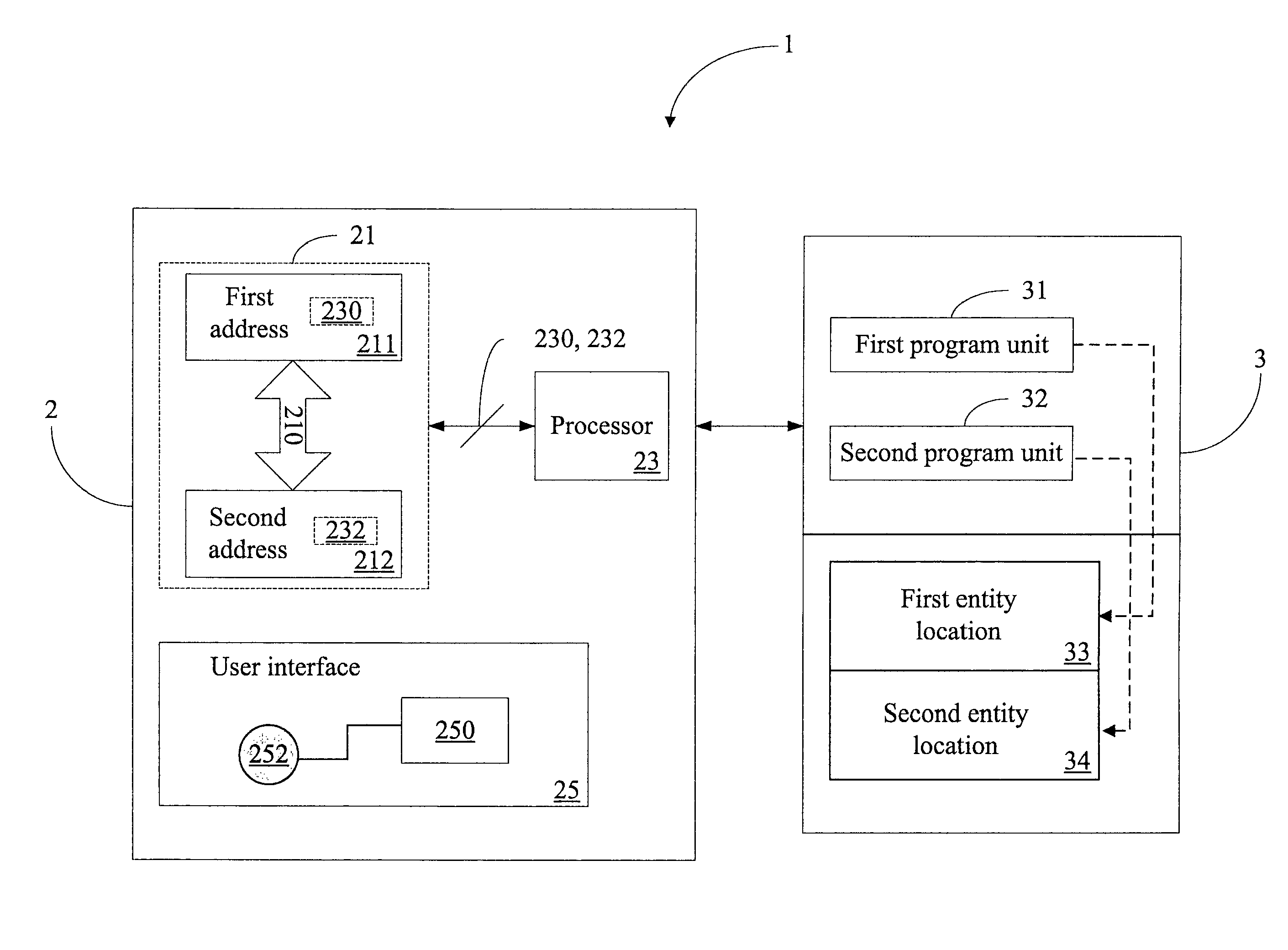
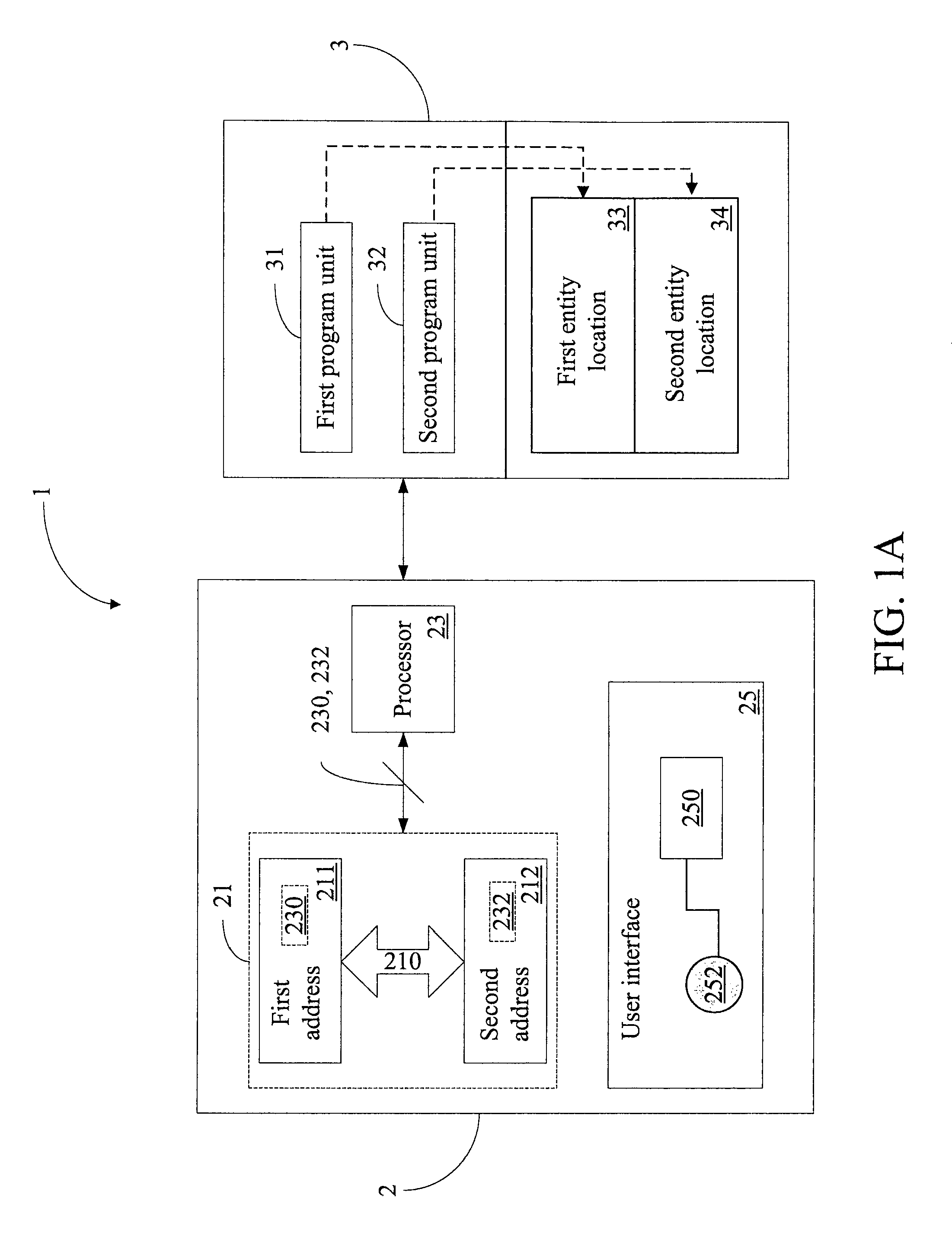
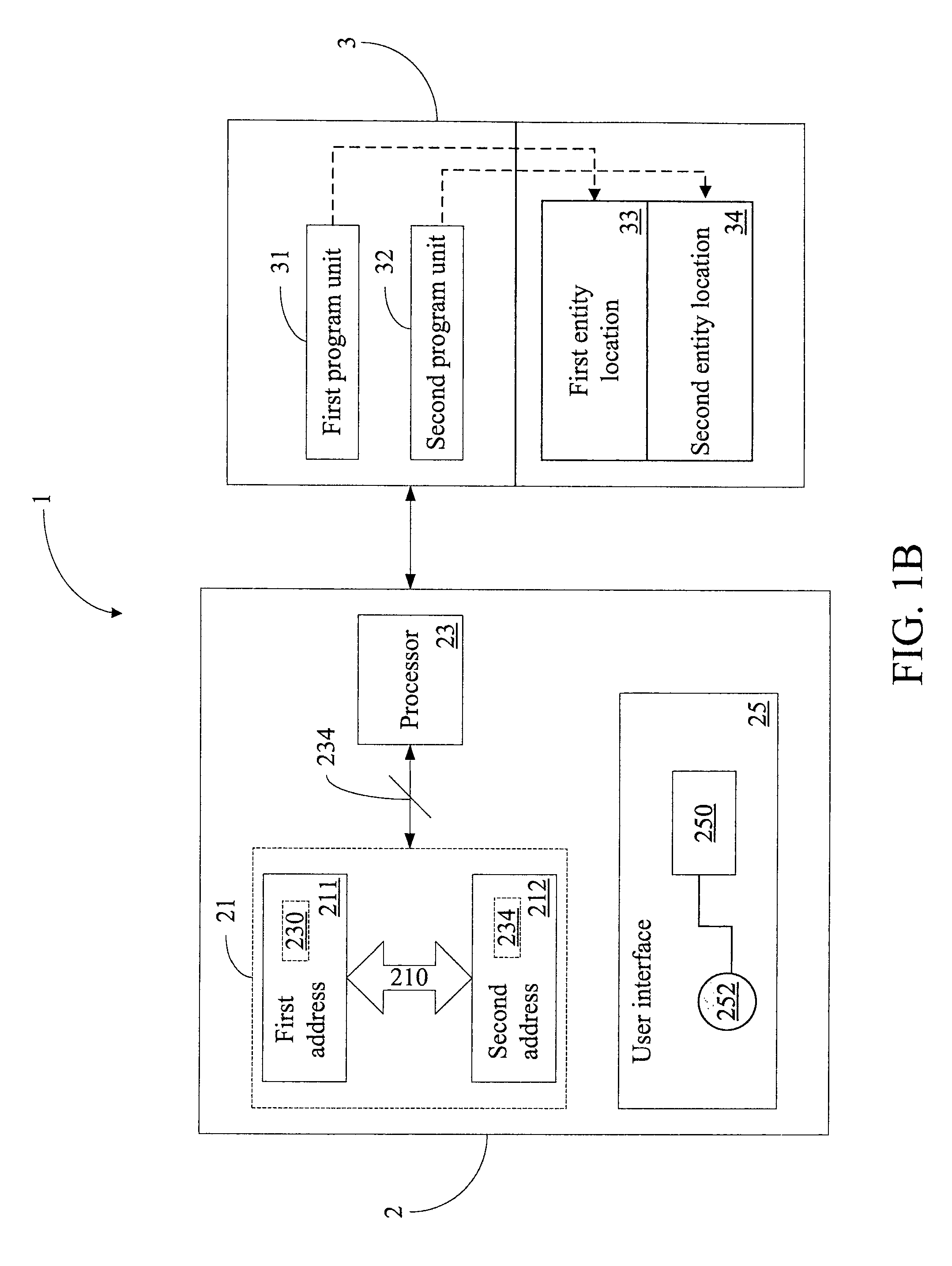
- An interface integration method and device that uses an interface-oriented mechanism to establish a correspondence relation between HMI device variables and PLC program units by declaring operation variables, storing them in memory addresses, and defining common variables to simplify the correspondence, allowing for flexible modification of variables without complex redefinition processes.

Standardization and Compatibility Requirements for HMI Chips
The standardization of human-machine interface (HMI) chips represents a critical foundation for ensuring seamless integration and interoperability across diverse computing platforms and applications. Current industry efforts focus on establishing unified communication protocols, pin configurations, and electrical specifications that enable HMI chips to function consistently across different hardware ecosystems. Major standardization bodies including IEEE, ISO, and industry consortiums are actively developing comprehensive frameworks that address both hardware-level compatibility and software interface requirements.
Compatibility requirements for HMI chips encompass multiple technical dimensions, including voltage levels, signal timing specifications, and data transmission protocols. The establishment of standardized Application Programming Interfaces (APIs) ensures that software developers can create applications that function reliably across different HMI chip implementations. These standards must accommodate varying performance requirements while maintaining backward compatibility with existing systems, particularly in industrial and automotive applications where legacy system integration remains crucial.
Cross-platform compatibility challenges arise from the diverse range of operating systems, hardware architectures, and application environments where HMI chips operate. Standardization efforts must address compatibility across ARM, x86, and RISC-V processor architectures, while ensuring consistent behavior in real-time operating systems, embedded Linux distributions, and traditional desktop environments. The development of hardware abstraction layers and standardized driver interfaces becomes essential for achieving this broad compatibility.
Certification and compliance frameworks play a vital role in ensuring HMI chip adherence to established standards. Industry certification programs validate chip performance against standardized benchmarks, electromagnetic compatibility requirements, and safety standards. These certification processes help manufacturers demonstrate compliance with international standards while providing system integrators with confidence in component reliability and interoperability.
Future standardization initiatives must address emerging requirements including enhanced security protocols, power efficiency standards, and support for advanced interaction modalities such as gesture recognition and haptic feedback. The evolution toward more sophisticated human-machine interactions necessitates flexible standardization approaches that can accommodate rapid technological advancement while maintaining essential compatibility requirements across the expanding ecosystem of connected devices and intelligent systems.
Compatibility requirements for HMI chips encompass multiple technical dimensions, including voltage levels, signal timing specifications, and data transmission protocols. The establishment of standardized Application Programming Interfaces (APIs) ensures that software developers can create applications that function reliably across different HMI chip implementations. These standards must accommodate varying performance requirements while maintaining backward compatibility with existing systems, particularly in industrial and automotive applications where legacy system integration remains crucial.
Cross-platform compatibility challenges arise from the diverse range of operating systems, hardware architectures, and application environments where HMI chips operate. Standardization efforts must address compatibility across ARM, x86, and RISC-V processor architectures, while ensuring consistent behavior in real-time operating systems, embedded Linux distributions, and traditional desktop environments. The development of hardware abstraction layers and standardized driver interfaces becomes essential for achieving this broad compatibility.
Certification and compliance frameworks play a vital role in ensuring HMI chip adherence to established standards. Industry certification programs validate chip performance against standardized benchmarks, electromagnetic compatibility requirements, and safety standards. These certification processes help manufacturers demonstrate compliance with international standards while providing system integrators with confidence in component reliability and interoperability.
Future standardization initiatives must address emerging requirements including enhanced security protocols, power efficiency standards, and support for advanced interaction modalities such as gesture recognition and haptic feedback. The evolution toward more sophisticated human-machine interactions necessitates flexible standardization approaches that can accommodate rapid technological advancement while maintaining essential compatibility requirements across the expanding ecosystem of connected devices and intelligent systems.
Security and Privacy Considerations in HMI Logic Systems
Security and privacy considerations represent critical challenges in the development and deployment of enhanced logic chip interfaces for human-machine interactions. As these systems become increasingly sophisticated and ubiquitous, they handle vast amounts of sensitive user data, including biometric information, behavioral patterns, and personal preferences, making them attractive targets for malicious actors.
The primary security vulnerabilities in HMI logic systems stem from multiple attack vectors. Hardware-level threats include side-channel attacks that exploit electromagnetic emissions or power consumption patterns to extract sensitive information from logic chips. Firmware vulnerabilities can be exploited through reverse engineering or injection attacks, while software-level threats encompass traditional cybersecurity risks such as buffer overflows, privilege escalation, and remote code execution. The real-time nature of HMI systems adds complexity, as security measures must not compromise system responsiveness or user experience.
Privacy concerns in HMI logic systems are multifaceted and evolving. Continuous data collection through sensors and input devices creates comprehensive user profiles that may reveal intimate details about individuals' habits, health conditions, and personal relationships. The challenge lies in implementing privacy-by-design principles while maintaining system functionality. Data minimization strategies must balance the need for personalization with privacy protection, ensuring that only necessary information is collected and processed.
Emerging regulatory frameworks, including GDPR, CCPA, and sector-specific standards, impose stringent requirements on HMI system developers. Compliance necessitates implementing robust data governance mechanisms, user consent management systems, and transparent data processing practices. The global nature of technology deployment requires adherence to multiple regulatory regimes simultaneously, creating complex compliance landscapes.
Technical solutions for addressing security and privacy challenges include hardware security modules, secure enclaves, and cryptographic protocols specifically designed for resource-constrained environments. Homomorphic encryption and differential privacy techniques show promise for enabling computation on encrypted data while preserving user privacy. However, these solutions often introduce computational overhead and implementation complexity that must be carefully managed in real-time HMI applications.
The future of secure HMI systems will likely depend on developing lightweight security protocols, advancing trusted execution environments, and establishing industry-wide security standards that balance protection with usability and performance requirements.
The primary security vulnerabilities in HMI logic systems stem from multiple attack vectors. Hardware-level threats include side-channel attacks that exploit electromagnetic emissions or power consumption patterns to extract sensitive information from logic chips. Firmware vulnerabilities can be exploited through reverse engineering or injection attacks, while software-level threats encompass traditional cybersecurity risks such as buffer overflows, privilege escalation, and remote code execution. The real-time nature of HMI systems adds complexity, as security measures must not compromise system responsiveness or user experience.
Privacy concerns in HMI logic systems are multifaceted and evolving. Continuous data collection through sensors and input devices creates comprehensive user profiles that may reveal intimate details about individuals' habits, health conditions, and personal relationships. The challenge lies in implementing privacy-by-design principles while maintaining system functionality. Data minimization strategies must balance the need for personalization with privacy protection, ensuring that only necessary information is collected and processed.
Emerging regulatory frameworks, including GDPR, CCPA, and sector-specific standards, impose stringent requirements on HMI system developers. Compliance necessitates implementing robust data governance mechanisms, user consent management systems, and transparent data processing practices. The global nature of technology deployment requires adherence to multiple regulatory regimes simultaneously, creating complex compliance landscapes.
Technical solutions for addressing security and privacy challenges include hardware security modules, secure enclaves, and cryptographic protocols specifically designed for resource-constrained environments. Homomorphic encryption and differential privacy techniques show promise for enabling computation on encrypted data while preserving user privacy. However, these solutions often introduce computational overhead and implementation complexity that must be carefully managed in real-time HMI applications.
The future of secure HMI systems will likely depend on developing lightweight security protocols, advancing trusted execution environments, and establishing industry-wide security standards that balance protection with usability and performance requirements.
Unlock deeper insights with PatSnap Eureka Quick Research — get a full tech report to explore trends and direct your research. Try now!
Generate Your Research Report Instantly with AI Agent
Supercharge your innovation with PatSnap Eureka AI Agent Platform!