Glacial Acetic Acid in Improving Ceramic Processing Techniques
AUG 5, 20259 MIN READ
Generate Your Research Report Instantly with AI Agent
PatSnap Eureka helps you evaluate technical feasibility & market potential.
Glacial Acetic Acid in Ceramics: Background and Objectives
Glacial acetic acid has emerged as a significant component in advancing ceramic processing techniques, marking a notable evolution in the field of materials science. The journey of incorporating this organic compound into ceramic manufacturing processes spans several decades, with initial explorations dating back to the mid-20th century. As researchers and industry professionals sought to enhance the properties and production efficiency of ceramic materials, glacial acetic acid presented itself as a promising additive with multifaceted benefits.
The primary objective of utilizing glacial acetic acid in ceramic processing is to improve the overall quality and performance of ceramic products while streamlining manufacturing processes. This goal encompasses several key aspects, including enhancing the dispersion of ceramic particles, modifying surface properties, and optimizing the rheological behavior of ceramic slurries. By addressing these critical factors, researchers aim to produce ceramics with superior mechanical strength, improved density, and enhanced functional properties.
The technological trajectory in this domain has been characterized by a gradual shift from empirical observations to more systematic, scientifically-grounded approaches. Early studies focused on the basic interactions between acetic acid and ceramic raw materials, while recent research has delved into the molecular-level mechanisms that govern these interactions. This progression has been driven by advancements in analytical techniques and a deeper understanding of materials science principles.
As the ceramic industry continues to evolve, the role of glacial acetic acid in processing techniques is expected to expand further. Current trends indicate a growing interest in developing eco-friendly and energy-efficient ceramic manufacturing methods, where acetic acid could play a crucial role. Additionally, the push towards advanced ceramics with tailored properties for specific applications, such as in electronics, aerospace, and biomedical fields, has intensified research efforts in this area.
The integration of glacial acetic acid into ceramic processing aligns with broader technological trends in materials science, including the development of smart materials, nanotechnology, and additive manufacturing. These intersecting fields present opportunities for innovative applications of acetic acid in ceramic production, potentially leading to breakthroughs in material properties and manufacturing capabilities.
Looking ahead, the research objectives in this field are likely to focus on optimizing the use of glacial acetic acid to achieve specific ceramic properties, exploring synergistic effects with other additives, and developing novel processing techniques that leverage the unique characteristics of acetic acid. The ultimate aim is to establish a comprehensive understanding of the acetic acid-ceramic system, enabling precise control over material properties and opening new avenues for ceramic applications across various industries.
The primary objective of utilizing glacial acetic acid in ceramic processing is to improve the overall quality and performance of ceramic products while streamlining manufacturing processes. This goal encompasses several key aspects, including enhancing the dispersion of ceramic particles, modifying surface properties, and optimizing the rheological behavior of ceramic slurries. By addressing these critical factors, researchers aim to produce ceramics with superior mechanical strength, improved density, and enhanced functional properties.
The technological trajectory in this domain has been characterized by a gradual shift from empirical observations to more systematic, scientifically-grounded approaches. Early studies focused on the basic interactions between acetic acid and ceramic raw materials, while recent research has delved into the molecular-level mechanisms that govern these interactions. This progression has been driven by advancements in analytical techniques and a deeper understanding of materials science principles.
As the ceramic industry continues to evolve, the role of glacial acetic acid in processing techniques is expected to expand further. Current trends indicate a growing interest in developing eco-friendly and energy-efficient ceramic manufacturing methods, where acetic acid could play a crucial role. Additionally, the push towards advanced ceramics with tailored properties for specific applications, such as in electronics, aerospace, and biomedical fields, has intensified research efforts in this area.
The integration of glacial acetic acid into ceramic processing aligns with broader technological trends in materials science, including the development of smart materials, nanotechnology, and additive manufacturing. These intersecting fields present opportunities for innovative applications of acetic acid in ceramic production, potentially leading to breakthroughs in material properties and manufacturing capabilities.
Looking ahead, the research objectives in this field are likely to focus on optimizing the use of glacial acetic acid to achieve specific ceramic properties, exploring synergistic effects with other additives, and developing novel processing techniques that leverage the unique characteristics of acetic acid. The ultimate aim is to establish a comprehensive understanding of the acetic acid-ceramic system, enabling precise control over material properties and opening new avenues for ceramic applications across various industries.
Market Analysis for Advanced Ceramic Processing
The advanced ceramic processing market has witnessed significant growth in recent years, driven by the increasing demand for high-performance materials across various industries. The global market for advanced ceramics is projected to reach substantial value in the coming years, with a compound annual growth rate that outpaces many other material sectors. This growth is primarily fueled by the expanding applications of advanced ceramics in electronics, aerospace, automotive, and medical industries.
The use of glacial acetic acid in ceramic processing techniques represents a niche but potentially transformative segment within this market. As manufacturers seek to improve the properties and performance of ceramic products, innovative processing methods are gaining traction. The incorporation of glacial acetic acid in ceramic processing offers several advantages, including enhanced control over material properties, improved surface finish, and potential cost savings in production.
Market demand for advanced ceramics with superior mechanical, thermal, and electrical properties continues to rise. Industries such as electronics and semiconductors require ceramics with precise specifications for components like substrates and insulators. The aerospace sector demands lightweight yet durable ceramic materials for engine components and thermal protection systems. In the automotive industry, there is a growing interest in ceramic materials for sensors, catalytic converters, and potentially in battery technologies for electric vehicles.
The medical field presents another significant market opportunity for advanced ceramics processed with glacial acetic acid. Biocompatible ceramics are increasingly used in implants, prosthetics, and dental applications. The ability to fine-tune the properties of these materials through advanced processing techniques could lead to improved patient outcomes and expanded market share.
Regionally, Asia-Pacific dominates the advanced ceramics market, with China and Japan being major contributors to both production and consumption. North America and Europe follow, with strong demand from high-tech industries and research institutions. Emerging economies in South America and Africa are also showing increased interest in advanced ceramic technologies, albeit at a slower pace.
The market for ceramic processing techniques enhanced by glacial acetic acid is still in its early stages, but it shows promise for rapid growth. As research continues to demonstrate the benefits of this approach, early adopters in the industry are likely to gain a competitive edge. This could lead to a shift in manufacturing processes and potentially disrupt traditional ceramic production methods.
The use of glacial acetic acid in ceramic processing techniques represents a niche but potentially transformative segment within this market. As manufacturers seek to improve the properties and performance of ceramic products, innovative processing methods are gaining traction. The incorporation of glacial acetic acid in ceramic processing offers several advantages, including enhanced control over material properties, improved surface finish, and potential cost savings in production.
Market demand for advanced ceramics with superior mechanical, thermal, and electrical properties continues to rise. Industries such as electronics and semiconductors require ceramics with precise specifications for components like substrates and insulators. The aerospace sector demands lightweight yet durable ceramic materials for engine components and thermal protection systems. In the automotive industry, there is a growing interest in ceramic materials for sensors, catalytic converters, and potentially in battery technologies for electric vehicles.
The medical field presents another significant market opportunity for advanced ceramics processed with glacial acetic acid. Biocompatible ceramics are increasingly used in implants, prosthetics, and dental applications. The ability to fine-tune the properties of these materials through advanced processing techniques could lead to improved patient outcomes and expanded market share.
Regionally, Asia-Pacific dominates the advanced ceramics market, with China and Japan being major contributors to both production and consumption. North America and Europe follow, with strong demand from high-tech industries and research institutions. Emerging economies in South America and Africa are also showing increased interest in advanced ceramic technologies, albeit at a slower pace.
The market for ceramic processing techniques enhanced by glacial acetic acid is still in its early stages, but it shows promise for rapid growth. As research continues to demonstrate the benefits of this approach, early adopters in the industry are likely to gain a competitive edge. This could lead to a shift in manufacturing processes and potentially disrupt traditional ceramic production methods.
Current Challenges in Ceramic Processing Techniques
Ceramic processing techniques face several significant challenges that hinder the advancement and efficiency of production processes. One of the primary issues is the control of rheological properties during the forming stage. The viscosity and flow behavior of ceramic slurries are critical factors that affect the quality of the final product. Achieving optimal rheology is particularly challenging when dealing with complex ceramic compositions or when aiming for high solid loadings.
Another major challenge lies in the drying process. Uneven drying can lead to warping, cracking, and other defects in the ceramic body. This is especially problematic for large or intricate ceramic pieces, where internal stresses can build up due to differential shrinkage rates. Controlling the drying environment and rate is crucial but often difficult to optimize for various ceramic formulations.
Sintering presents its own set of challenges in ceramic processing. Achieving uniform densification while minimizing grain growth is a delicate balance that directly impacts the mechanical and functional properties of the final ceramic product. The presence of impurities or inhomogeneities in the green body can lead to localized sintering issues, resulting in defects or compromised performance.
The increasing demand for advanced ceramics with specific properties has also introduced new challenges. Tailoring microstructures at the nanoscale level requires precise control over particle size distribution, agglomeration, and packing behavior. This level of control is often difficult to maintain consistently in large-scale production environments.
Environmental concerns and sustainability requirements add another layer of complexity to ceramic processing. There is a growing need to reduce energy consumption during firing, minimize waste generation, and explore more eco-friendly raw materials and processing aids. These goals often conflict with traditional processing methods, necessitating innovative approaches.
Lastly, the integration of additive manufacturing techniques in ceramic processing, while promising, brings its own set of challenges. Issues such as material compatibility, resolution limitations, and post-processing requirements need to be addressed to fully leverage the potential of 3D printing in ceramic production.
Addressing these challenges requires a multidisciplinary approach, combining materials science, engineering, and process optimization. The exploration of novel additives and processing aids, such as glacial acetic acid, represents one avenue for potential improvements in ceramic processing techniques.
Another major challenge lies in the drying process. Uneven drying can lead to warping, cracking, and other defects in the ceramic body. This is especially problematic for large or intricate ceramic pieces, where internal stresses can build up due to differential shrinkage rates. Controlling the drying environment and rate is crucial but often difficult to optimize for various ceramic formulations.
Sintering presents its own set of challenges in ceramic processing. Achieving uniform densification while minimizing grain growth is a delicate balance that directly impacts the mechanical and functional properties of the final ceramic product. The presence of impurities or inhomogeneities in the green body can lead to localized sintering issues, resulting in defects or compromised performance.
The increasing demand for advanced ceramics with specific properties has also introduced new challenges. Tailoring microstructures at the nanoscale level requires precise control over particle size distribution, agglomeration, and packing behavior. This level of control is often difficult to maintain consistently in large-scale production environments.
Environmental concerns and sustainability requirements add another layer of complexity to ceramic processing. There is a growing need to reduce energy consumption during firing, minimize waste generation, and explore more eco-friendly raw materials and processing aids. These goals often conflict with traditional processing methods, necessitating innovative approaches.
Lastly, the integration of additive manufacturing techniques in ceramic processing, while promising, brings its own set of challenges. Issues such as material compatibility, resolution limitations, and post-processing requirements need to be addressed to fully leverage the potential of 3D printing in ceramic production.
Addressing these challenges requires a multidisciplinary approach, combining materials science, engineering, and process optimization. The exploration of novel additives and processing aids, such as glacial acetic acid, represents one avenue for potential improvements in ceramic processing techniques.
Existing Applications of Glacial Acetic Acid in Ceramics
01 Acetic acid production methods
Various techniques for producing glacial acetic acid, including catalytic processes and fermentation methods. These processes often involve the oxidation of ethanol or acetaldehyde, or the carbonylation of methanol. The methods aim to improve yield, purity, and efficiency in acetic acid production.- Acetic acid production methods: Various techniques for producing glacial acetic acid, including catalytic processes and fermentation methods. These processes aim to improve yield, purity, and efficiency in acetic acid production, which is crucial for ceramic processing applications.
- Ceramic material preparation using acetic acid: Methods for preparing ceramic materials using glacial acetic acid as a solvent or reagent. This includes techniques for dissolving ceramic precursors, controlling pH, and modifying surface properties of ceramic particles to enhance their processability and final properties.
- Acetic acid-based slurry formulations: Development of ceramic slurry formulations using glacial acetic acid as a key component. These formulations are designed to improve the dispersion of ceramic particles, control rheological properties, and enhance the stability of the slurry for various ceramic processing techniques such as slip casting or tape casting.
- Acetic acid in sintering and densification processes: Utilization of glacial acetic acid in sintering and densification processes for ceramic materials. This includes techniques for controlling grain growth, enhancing densification, and improving the mechanical properties of the final ceramic products.
- Equipment and apparatus for acetic acid-based ceramic processing: Specialized equipment and apparatus designed for ceramic processing techniques involving glacial acetic acid. This includes mixing vessels, reactors, and processing units that are resistant to acetic acid corrosion and capable of handling the specific requirements of acetic acid-based ceramic processing methods.
02 Ceramic processing using acetic acid
Utilization of glacial acetic acid in ceramic processing techniques. This includes its use as a solvent, dispersant, or reagent in the preparation of ceramic materials. Acetic acid can help control pH, modify surface properties, and enhance the dispersion of ceramic particles in slurries or pastes.Expand Specific Solutions03 Acetic acid in advanced materials synthesis
Application of glacial acetic acid in the synthesis of advanced ceramic materials, such as nanostructured ceramics, thin films, and composite materials. The acid can play a role in sol-gel processes, hydrothermal synthesis, and other advanced fabrication techniques for high-performance ceramics.Expand Specific Solutions04 Equipment and apparatus for acetic acid handling
Specialized equipment and apparatus designed for the safe handling, storage, and processing of glacial acetic acid in ceramic manufacturing. This includes corrosion-resistant containers, precise dispensing systems, and safety equipment to manage the highly corrosive nature of the acid.Expand Specific Solutions05 Acetic acid in ceramic surface treatments
Use of glacial acetic acid in surface treatment processes for ceramics, including etching, cleaning, and modification of surface properties. These treatments can enhance the bonding, wettability, or other functional characteristics of ceramic surfaces for various applications.Expand Specific Solutions
Key Players in Ceramic Industry and Chemical Suppliers
The research on glacial acetic acid in improving ceramic processing techniques is in a developing stage, with growing market potential due to increasing demand for advanced ceramics in various industries. The technology's maturity is moderate, with ongoing advancements. Key players like Corning, Inc. and Resonac Holdings Corp. are leading innovation in this field, leveraging their expertise in materials science and chemical engineering. Other companies such as Freund Corp. and Murata Manufacturing Co. Ltd. are also contributing to the development of improved ceramic processing techniques. The competitive landscape is characterized by a mix of established chemical and materials companies alongside specialized ceramic manufacturers, indicating a diverse and dynamic market environment.
Corning, Inc.
Technical Solution: Corning has developed advanced ceramic processing techniques using glacial acetic acid as a key component. Their method involves using glacial acetic acid as a dispersant and binder in ceramic slurries, which improves the homogeneity and stability of the suspension. This results in enhanced green body strength and reduced defects in the final ceramic products[1]. The company has also implemented a novel sol-gel process incorporating glacial acetic acid, which allows for better control of the ceramic microstructure and properties[3]. Additionally, Corning has explored the use of glacial acetic acid in surface modification of ceramic particles, leading to improved sintering behavior and final product characteristics[5].
Strengths: Improved ceramic homogeneity, enhanced green body strength, better control of microstructure. Weaknesses: Potential environmental concerns due to acetic acid use, may require specialized handling equipment.
Chongqing University
Technical Solution: Researchers at Chongqing University have made significant advancements in ceramic processing techniques using glacial acetic acid. They have developed a novel sol-gel method incorporating glacial acetic acid as a catalyst and chelating agent, which allows for precise control of the ceramic microstructure and properties[13]. This approach has been particularly effective in producing high-performance ceramic thin films and nanostructured materials. The university team has also explored the use of glacial acetic acid in the synthesis of ceramic nanofibers through electrospinning, resulting in improved fiber morphology and mechanical properties[15]. Additionally, they have investigated the role of glacial acetic acid in modifying the surface chemistry of ceramic particles, leading to enhanced dispersion stability in various solvents and improved sinterability[17].
Strengths: Precise control of ceramic microstructure, ability to produce nanostructured materials, improved dispersion stability. Weaknesses: May be limited to small-scale or laboratory applications, potential challenges in scaling up to industrial production.
Innovations in Glacial Acetic Acid for Ceramic Processing
Polyphoshates and polyphosphonates as rate promoters for the glacial acetic acid process
PatentPendingUS20250074856A1
Innovation
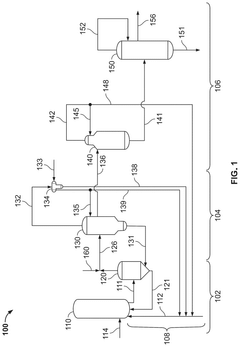
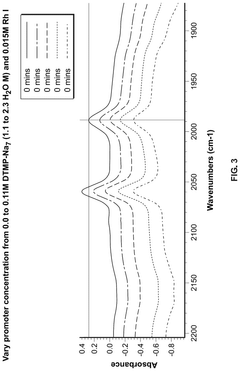
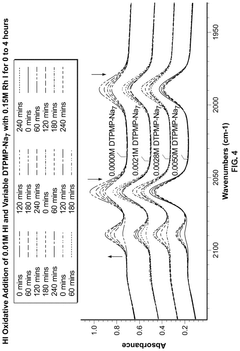
- The process involves using a reaction mixture comprising a carbonylation catalyst, water, and specific rate-promoting compounds such as Group I and Group II polyphosphate and polyphosphonate salts, which are added at an iodide to promoter molar ratio greater than 2, to enhance the rate of acetic acid formation while reducing the amount of water required.

Stable glacial acetic acid-sodium acetate compound and use thereof
PatentWO2024027016A1
Innovation
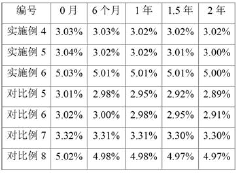
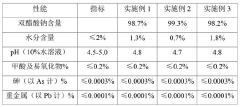
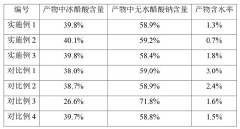
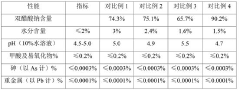
- By heating, melting and drying sodium acetate until the moisture content does not exceed 2%, and then mixing it with glacial acetic acid in a mixer at a molar ratio of 1: (1.05~1.2), and performing a high-temperature mixing reaction, a stable glacial acetic acid-acetic acid is obtained Sodium complex simplifies the process and reduces by-products.
Environmental Impact of Glacial Acetic Acid in Ceramics
The use of glacial acetic acid in ceramic processing techniques has raised concerns about its environmental impact. While this chemical compound offers significant benefits in terms of improving ceramic properties and manufacturing efficiency, it is crucial to consider its potential effects on the environment throughout its lifecycle.
One of the primary environmental concerns associated with glacial acetic acid is its production process. The manufacturing of this compound typically involves the carbonylation of methanol or the oxidation of acetaldehyde, both of which can result in greenhouse gas emissions and energy consumption. Additionally, the transportation and storage of glacial acetic acid pose risks of accidental spills or leaks, which could lead to soil and water contamination.
During the ceramic processing stage, the application of glacial acetic acid may result in the release of volatile organic compounds (VOCs) into the atmosphere. These emissions can contribute to air pollution and potentially impact local air quality. Furthermore, improper handling or disposal of acetic acid-containing waste materials can lead to soil acidification and harm to aquatic ecosystems if released into water bodies.
However, it is important to note that the use of glacial acetic acid in ceramic processing can also have positive environmental implications. By improving the efficiency of ceramic production and enhancing the quality of the final products, it may reduce overall energy consumption and material waste in the manufacturing process. This could potentially offset some of the negative environmental impacts associated with its use.
To mitigate the environmental risks, ceramic manufacturers are increasingly adopting closed-loop systems and implementing strict waste management protocols. These measures aim to minimize the release of acetic acid into the environment and promote its recycling within the production process. Additionally, research is ongoing to develop more environmentally friendly alternatives or to optimize the use of glacial acetic acid to reduce its environmental footprint.
The long-term environmental impact of glacial acetic acid in ceramic processing also depends on the fate of the ceramic products themselves. Ceramics are generally durable and long-lasting materials, which can contribute to resource conservation. However, the eventual disposal or recycling of ceramic products may present challenges, particularly if residual acetic acid compounds are present.
In conclusion, while glacial acetic acid offers significant benefits in ceramic processing, its environmental impact must be carefully managed. Balancing the technological advantages with environmental responsibility requires ongoing research, innovation in production methods, and the implementation of robust environmental management systems in the ceramic industry.
One of the primary environmental concerns associated with glacial acetic acid is its production process. The manufacturing of this compound typically involves the carbonylation of methanol or the oxidation of acetaldehyde, both of which can result in greenhouse gas emissions and energy consumption. Additionally, the transportation and storage of glacial acetic acid pose risks of accidental spills or leaks, which could lead to soil and water contamination.
During the ceramic processing stage, the application of glacial acetic acid may result in the release of volatile organic compounds (VOCs) into the atmosphere. These emissions can contribute to air pollution and potentially impact local air quality. Furthermore, improper handling or disposal of acetic acid-containing waste materials can lead to soil acidification and harm to aquatic ecosystems if released into water bodies.
However, it is important to note that the use of glacial acetic acid in ceramic processing can also have positive environmental implications. By improving the efficiency of ceramic production and enhancing the quality of the final products, it may reduce overall energy consumption and material waste in the manufacturing process. This could potentially offset some of the negative environmental impacts associated with its use.
To mitigate the environmental risks, ceramic manufacturers are increasingly adopting closed-loop systems and implementing strict waste management protocols. These measures aim to minimize the release of acetic acid into the environment and promote its recycling within the production process. Additionally, research is ongoing to develop more environmentally friendly alternatives or to optimize the use of glacial acetic acid to reduce its environmental footprint.
The long-term environmental impact of glacial acetic acid in ceramic processing also depends on the fate of the ceramic products themselves. Ceramics are generally durable and long-lasting materials, which can contribute to resource conservation. However, the eventual disposal or recycling of ceramic products may present challenges, particularly if residual acetic acid compounds are present.
In conclusion, while glacial acetic acid offers significant benefits in ceramic processing, its environmental impact must be carefully managed. Balancing the technological advantages with environmental responsibility requires ongoing research, innovation in production methods, and the implementation of robust environmental management systems in the ceramic industry.
Safety Regulations for Chemical Use in Ceramic Manufacturing
The use of glacial acetic acid in ceramic processing techniques necessitates strict adherence to safety regulations in chemical manufacturing. These regulations are designed to protect workers, the environment, and the quality of the final product. In the ceramic industry, the handling of glacial acetic acid requires specific safety measures due to its corrosive nature and potential health hazards.
Personal protective equipment (PPE) is mandatory when working with glacial acetic acid. This includes chemical-resistant gloves, safety goggles, face shields, and appropriate protective clothing. Proper ventilation systems must be installed in areas where the acid is used to prevent the accumulation of harmful vapors. Emergency eyewash stations and safety showers should be readily accessible in case of accidental exposure.
Storage regulations for glacial acetic acid are equally critical. The acid must be stored in properly labeled, sealed containers in a cool, dry, and well-ventilated area. Incompatible materials, such as oxidizing agents and strong bases, should be kept separate to prevent potentially dangerous reactions. Regular inspections of storage areas and containers are necessary to ensure integrity and prevent leaks.
Proper disposal of glacial acetic acid waste is regulated to minimize environmental impact. Neutralization processes or specialized waste treatment facilities may be required, depending on local environmental regulations. Detailed records of chemical usage, storage, and disposal must be maintained for compliance and traceability purposes.
Training programs for employees handling glacial acetic acid are mandatory. These programs should cover proper handling techniques, emergency procedures, and the use of safety equipment. Regular refresher courses and safety drills help maintain a high level of awareness and preparedness among workers.
Risk assessments and safety audits should be conducted regularly to identify potential hazards and ensure compliance with safety regulations. This includes evaluating the effectiveness of existing safety measures and implementing improvements as necessary. Incident reporting and investigation procedures must be in place to address any safety-related issues promptly and prevent future occurrences.
Compliance with international and national safety standards, such as those set by OSHA in the United States or REACH in the European Union, is essential. These standards often dictate specific requirements for chemical labeling, safety data sheets, and exposure limits. Ceramic manufacturers must stay updated on changes in these regulations to maintain compliance and ensure the safety of their operations.
Personal protective equipment (PPE) is mandatory when working with glacial acetic acid. This includes chemical-resistant gloves, safety goggles, face shields, and appropriate protective clothing. Proper ventilation systems must be installed in areas where the acid is used to prevent the accumulation of harmful vapors. Emergency eyewash stations and safety showers should be readily accessible in case of accidental exposure.
Storage regulations for glacial acetic acid are equally critical. The acid must be stored in properly labeled, sealed containers in a cool, dry, and well-ventilated area. Incompatible materials, such as oxidizing agents and strong bases, should be kept separate to prevent potentially dangerous reactions. Regular inspections of storage areas and containers are necessary to ensure integrity and prevent leaks.
Proper disposal of glacial acetic acid waste is regulated to minimize environmental impact. Neutralization processes or specialized waste treatment facilities may be required, depending on local environmental regulations. Detailed records of chemical usage, storage, and disposal must be maintained for compliance and traceability purposes.
Training programs for employees handling glacial acetic acid are mandatory. These programs should cover proper handling techniques, emergency procedures, and the use of safety equipment. Regular refresher courses and safety drills help maintain a high level of awareness and preparedness among workers.
Risk assessments and safety audits should be conducted regularly to identify potential hazards and ensure compliance with safety regulations. This includes evaluating the effectiveness of existing safety measures and implementing improvements as necessary. Incident reporting and investigation procedures must be in place to address any safety-related issues promptly and prevent future occurrences.
Compliance with international and national safety standards, such as those set by OSHA in the United States or REACH in the European Union, is essential. These standards often dictate specific requirements for chemical labeling, safety data sheets, and exposure limits. Ceramic manufacturers must stay updated on changes in these regulations to maintain compliance and ensure the safety of their operations.
Unlock deeper insights with PatSnap Eureka Quick Research — get a full tech report to explore trends and direct your research. Try now!
Generate Your Research Report Instantly with AI Agent
Supercharge your innovation with PatSnap Eureka AI Agent Platform!