
Microcontroller Battery Life Vs Performance Trade-Off
FEB 25, 20269 MIN READ
Generate Your Research Report Instantly with AI Agent
Patsnap Eureka helps you evaluate technical feasibility & market potential.
MCU Battery Life vs Performance Background and Objectives
The evolution of microcontroller technology has been fundamentally shaped by the perpetual tension between computational performance and energy efficiency. Since the introduction of the first microcontrollers in the 1970s, this trade-off has become increasingly critical as applications have expanded from simple control systems to complex IoT devices, wearable electronics, and battery-powered sensor networks. The miniaturization of electronic systems and the proliferation of portable devices have intensified the demand for solutions that can deliver substantial processing capabilities while maintaining extended operational lifespans on limited power sources.
Modern microcontroller applications span diverse domains including industrial automation, automotive systems, medical devices, smart home technologies, and environmental monitoring networks. Each application category presents unique requirements for the balance between processing power and energy consumption. Industrial sensors may prioritize longevity over performance, operating for years on a single battery, while real-time control systems demand immediate response capabilities that may necessitate higher power consumption.
The fundamental challenge lies in the inherent physics of semiconductor operation, where increased processing speed typically correlates with higher power consumption. Dynamic power consumption scales quadratically with operating frequency and supply voltage, creating a complex optimization landscape. Advanced power management techniques, including dynamic voltage and frequency scaling, sleep modes, and architectural innovations, have emerged as critical enablers for achieving optimal trade-offs.
Contemporary market demands require microcontrollers to support increasingly sophisticated algorithms, wireless communication protocols, and real-time processing while maintaining battery life measured in months or years rather than days. This has driven the development of ultra-low-power architectures, energy harvesting integration, and intelligent power management systems that can dynamically adapt to application requirements.
The primary objective of this research focuses on establishing comprehensive methodologies for quantifying and optimizing the battery life versus performance trade-off in microcontroller systems. This includes developing predictive models for power consumption under various operational scenarios, identifying architectural features that provide optimal efficiency ratios, and creating design guidelines for application-specific optimization strategies that can inform both hardware selection and software implementation decisions.
Modern microcontroller applications span diverse domains including industrial automation, automotive systems, medical devices, smart home technologies, and environmental monitoring networks. Each application category presents unique requirements for the balance between processing power and energy consumption. Industrial sensors may prioritize longevity over performance, operating for years on a single battery, while real-time control systems demand immediate response capabilities that may necessitate higher power consumption.
The fundamental challenge lies in the inherent physics of semiconductor operation, where increased processing speed typically correlates with higher power consumption. Dynamic power consumption scales quadratically with operating frequency and supply voltage, creating a complex optimization landscape. Advanced power management techniques, including dynamic voltage and frequency scaling, sleep modes, and architectural innovations, have emerged as critical enablers for achieving optimal trade-offs.
Contemporary market demands require microcontrollers to support increasingly sophisticated algorithms, wireless communication protocols, and real-time processing while maintaining battery life measured in months or years rather than days. This has driven the development of ultra-low-power architectures, energy harvesting integration, and intelligent power management systems that can dynamically adapt to application requirements.
The primary objective of this research focuses on establishing comprehensive methodologies for quantifying and optimizing the battery life versus performance trade-off in microcontroller systems. This includes developing predictive models for power consumption under various operational scenarios, identifying architectural features that provide optimal efficiency ratios, and creating design guidelines for application-specific optimization strategies that can inform both hardware selection and software implementation decisions.
Market Demand for Energy-Efficient Microcontroller Solutions
The global microcontroller market is experiencing unprecedented growth driven by the proliferation of Internet of Things devices, wearable technology, and battery-powered embedded systems. This expansion has created substantial demand for energy-efficient microcontroller solutions that can deliver optimal performance while maximizing battery life. Industries ranging from healthcare monitoring to smart agriculture are seeking microcontrollers that can operate for extended periods without frequent battery replacements or recharging cycles.
Consumer electronics manufacturers face increasing pressure to develop products with longer operational lifespans while maintaining competitive performance levels. Wearable fitness trackers, smartwatches, and medical monitoring devices require microcontrollers capable of continuous operation for weeks or months on a single charge. Similarly, industrial IoT sensors deployed in remote locations demand ultra-low power consumption to minimize maintenance costs and ensure reliable data collection over extended periods.
The automotive sector presents another significant market opportunity, particularly with the rise of electric vehicles and advanced driver assistance systems. Automotive manufacturers require microcontrollers that can efficiently manage power distribution while supporting real-time processing demands. These applications necessitate sophisticated power management capabilities that can dynamically adjust performance based on operational requirements.
Smart home and building automation systems represent rapidly expanding market segments where energy efficiency directly impacts operational costs and environmental sustainability. Smart thermostats, security systems, and environmental sensors must balance computational capabilities with power conservation to meet consumer expectations for maintenance-free operation.
Emerging applications in edge computing and artificial intelligence at the device level are creating new performance requirements while maintaining strict power constraints. Machine learning inference at the edge demands processing capabilities that traditional ultra-low power microcontrollers cannot provide, yet battery life remains a critical consideration for portable and remote applications.
The market demand extends beyond hardware specifications to include comprehensive development ecosystems that enable engineers to optimize the battery life versus performance trade-off during the design phase. Software tools, power profiling capabilities, and adaptive power management frameworks are becoming essential components of microcontroller solutions that address real-world deployment challenges in energy-constrained environments.
Consumer electronics manufacturers face increasing pressure to develop products with longer operational lifespans while maintaining competitive performance levels. Wearable fitness trackers, smartwatches, and medical monitoring devices require microcontrollers capable of continuous operation for weeks or months on a single charge. Similarly, industrial IoT sensors deployed in remote locations demand ultra-low power consumption to minimize maintenance costs and ensure reliable data collection over extended periods.
The automotive sector presents another significant market opportunity, particularly with the rise of electric vehicles and advanced driver assistance systems. Automotive manufacturers require microcontrollers that can efficiently manage power distribution while supporting real-time processing demands. These applications necessitate sophisticated power management capabilities that can dynamically adjust performance based on operational requirements.
Smart home and building automation systems represent rapidly expanding market segments where energy efficiency directly impacts operational costs and environmental sustainability. Smart thermostats, security systems, and environmental sensors must balance computational capabilities with power conservation to meet consumer expectations for maintenance-free operation.
Emerging applications in edge computing and artificial intelligence at the device level are creating new performance requirements while maintaining strict power constraints. Machine learning inference at the edge demands processing capabilities that traditional ultra-low power microcontrollers cannot provide, yet battery life remains a critical consideration for portable and remote applications.
The market demand extends beyond hardware specifications to include comprehensive development ecosystems that enable engineers to optimize the battery life versus performance trade-off during the design phase. Software tools, power profiling capabilities, and adaptive power management frameworks are becoming essential components of microcontroller solutions that address real-world deployment challenges in energy-constrained environments.
Current MCU Power Management Challenges and Constraints
Modern microcontroller power management faces unprecedented challenges as IoT devices proliferate and battery-powered applications demand longer operational lifespans. The fundamental constraint lies in the inherent trade-off between computational performance and energy consumption, where increased processing capabilities directly correlate with higher power draw, creating a complex optimization problem for embedded system designers.
Traditional power management approaches struggle with dynamic workload variations common in contemporary applications. Static power optimization techniques, while effective for predictable tasks, fail to address the fluctuating computational demands of sensor fusion, wireless communication protocols, and real-time data processing. This mismatch results in either over-provisioned systems that waste energy during low-activity periods or under-powered configurations that cannot handle peak performance requirements.
Clock frequency scaling presents significant technical limitations in achieving optimal power-performance balance. While dynamic voltage and frequency scaling (DVFS) offers theoretical benefits, practical implementations face constraints from voltage regulator efficiency curves, switching overhead penalties, and minimum operating voltage thresholds. These factors create dead zones where frequency reduction does not translate to proportional power savings, limiting the effectiveness of traditional scaling approaches.
Sleep mode transitions introduce substantial complexity in real-world applications. Wake-up latencies from deep sleep states can range from microseconds to milliseconds, creating timing constraints that force designers to choose between responsiveness and energy efficiency. Additionally, peripheral state preservation during sleep modes requires careful consideration of memory retention power consumption and context switching overhead.
Thermal management constraints further complicate power optimization strategies. High-performance operation generates heat that can trigger thermal throttling, creating unpredictable performance degradation patterns. This thermal behavior interacts with battery discharge characteristics, as elevated temperatures accelerate battery aging and reduce effective capacity, creating a cascading effect on system longevity.
Battery chemistry limitations impose additional constraints on power management design. Lithium-ion batteries exhibit non-linear discharge curves and capacity degradation over charge cycles, making accurate remaining runtime predictions challenging. Peak current draw limitations can cause voltage sag during high-performance bursts, potentially triggering system resets or forcing conservative power budgeting that underutilizes available energy.
Traditional power management approaches struggle with dynamic workload variations common in contemporary applications. Static power optimization techniques, while effective for predictable tasks, fail to address the fluctuating computational demands of sensor fusion, wireless communication protocols, and real-time data processing. This mismatch results in either over-provisioned systems that waste energy during low-activity periods or under-powered configurations that cannot handle peak performance requirements.
Clock frequency scaling presents significant technical limitations in achieving optimal power-performance balance. While dynamic voltage and frequency scaling (DVFS) offers theoretical benefits, practical implementations face constraints from voltage regulator efficiency curves, switching overhead penalties, and minimum operating voltage thresholds. These factors create dead zones where frequency reduction does not translate to proportional power savings, limiting the effectiveness of traditional scaling approaches.
Sleep mode transitions introduce substantial complexity in real-world applications. Wake-up latencies from deep sleep states can range from microseconds to milliseconds, creating timing constraints that force designers to choose between responsiveness and energy efficiency. Additionally, peripheral state preservation during sleep modes requires careful consideration of memory retention power consumption and context switching overhead.
Thermal management constraints further complicate power optimization strategies. High-performance operation generates heat that can trigger thermal throttling, creating unpredictable performance degradation patterns. This thermal behavior interacts with battery discharge characteristics, as elevated temperatures accelerate battery aging and reduce effective capacity, creating a cascading effect on system longevity.
Battery chemistry limitations impose additional constraints on power management design. Lithium-ion batteries exhibit non-linear discharge curves and capacity degradation over charge cycles, making accurate remaining runtime predictions challenging. Peak current draw limitations can cause voltage sag during high-performance bursts, potentially triggering system resets or forcing conservative power budgeting that underutilizes available energy.
Existing Power Optimization Solutions for MCUs
01 Power management and sleep mode optimization
Microcontrollers can extend battery life through advanced power management techniques including sleep modes, low-power states, and dynamic power scaling. These methods reduce current consumption during idle periods by shutting down unused peripherals and clock domains. Wake-up mechanisms can be triggered by specific events or timers, allowing the microcontroller to remain in low-power states for extended periods while maintaining responsiveness to critical operations.- Power management and sleep mode optimization: Microcontrollers can extend battery life through advanced power management techniques including sleep modes, low-power states, and dynamic power scaling. These methods reduce current consumption during idle periods by shutting down unused peripherals and clock domains. Wake-up mechanisms allow the microcontroller to quickly resume operation when needed while minimizing energy waste during standby periods.
- Battery monitoring and management systems: Integrated battery monitoring circuits enable microcontrollers to track battery voltage, current, temperature, and state of charge. These systems provide accurate battery life estimation and implement protection mechanisms against overcharge, over-discharge, and thermal issues. Real-time monitoring allows for adaptive performance adjustments based on remaining battery capacity.
- Clock frequency and voltage scaling: Dynamic adjustment of operating frequency and supply voltage allows microcontrollers to balance performance requirements with power consumption. Lower clock speeds and reduced voltage levels during less demanding tasks significantly decrease power draw. Adaptive scaling techniques automatically adjust these parameters based on workload requirements to optimize battery efficiency.
- Energy harvesting and power source switching: Microcontroller systems can incorporate energy harvesting capabilities from sources such as solar, thermal, or kinetic energy to supplement or recharge batteries. Intelligent power source switching mechanisms allow seamless transition between multiple power sources including primary batteries, rechargeable batteries, and harvested energy. These approaches extend overall system operational lifetime.
- Peripheral and communication protocol optimization: Efficient management of peripheral devices and communication interfaces reduces unnecessary power consumption in microcontroller systems. Selective activation of sensors, displays, and communication modules only when required minimizes idle power draw. Optimized communication protocols with reduced duty cycles and burst transmission modes further enhance battery performance while maintaining system functionality.
02 Battery monitoring and management systems
Integration of battery monitoring circuits with microcontrollers enables real-time tracking of battery voltage, current, temperature, and state of charge. These systems can implement intelligent charging algorithms, predict remaining battery life, and trigger alerts when battery levels reach critical thresholds. Advanced implementations include fuel gauge functionality and adaptive power management based on battery health and usage patterns.Expand Specific Solutions03 Clock frequency and voltage scaling
Dynamic adjustment of microcontroller operating frequency and supply voltage based on computational demands allows for significant power savings. Lower clock frequencies and reduced voltage levels during less demanding tasks decrease power consumption while maintaining adequate performance. This technique involves sophisticated algorithms that balance processing requirements with energy efficiency, often incorporating multiple voltage domains and frequency dividers.Expand Specific Solutions04 Peripheral and resource management
Selective activation and deactivation of microcontroller peripherals such as communication interfaces, analog-to-digital converters, and timers based on application needs reduces unnecessary power consumption. This approach includes intelligent scheduling of peripheral operations, bus arbitration optimization, and memory access pattern optimization. Resource management strategies ensure that only essential components remain active during operation.Expand Specific Solutions05 Energy harvesting and alternative power sources
Integration of energy harvesting capabilities with microcontroller systems enables extended operation through supplementary power sources such as solar cells, piezoelectric generators, or thermal energy converters. These systems include power conditioning circuits, energy storage management, and intelligent switching between primary battery and harvested energy sources. This approach is particularly valuable for remote or embedded applications where battery replacement is impractical.Expand Specific Solutions
Key Players in MCU and Power Management Industry
The microcontroller battery life versus performance trade-off represents a mature market in its optimization phase, driven by IoT expansion and mobile device proliferation. The global microcontroller market, valued at approximately $20 billion, shows steady growth with increasing demand for energy-efficient solutions. Technology maturity varies significantly across market players. Semiconductor specialists like Texas Instruments, Atmel Corp., and Cypress Semiconductor lead in advanced low-power architectures and power management innovations. Major consumer electronics manufacturers including Apple, Samsung Electronics, and LG Electronics drive integration demands through their device ecosystems. Automotive leaders such as AUDI AG, Hyundai Motor, and China FAW push automotive-grade efficiency requirements. Technology giants like IBM and Hitachi contribute through enterprise-level solutions, while companies like Micropelt explore emerging energy harvesting technologies. The competitive landscape reflects a mature industry with established players focusing on incremental improvements in power efficiency, processing capabilities, and specialized applications across consumer, automotive, and industrial segments.
Apple, Inc.
Technical Solution: Apple develops custom silicon with sophisticated power management units that dynamically balance performance and battery life through machine learning algorithms. Their approach includes heterogeneous computing architectures with high-performance and efficiency cores, allowing workload distribution based on power requirements. The company implements advanced sleep states, intelligent background app refresh management, and thermal-aware performance scaling. Their custom PMU designs feature multiple voltage domains and can achieve millisecond-level transitions between power states while maintaining system responsiveness for critical tasks.
Strengths: Advanced custom silicon design, AI-driven power optimization, seamless user experience during power transitions. Weaknesses: Proprietary solutions limit broader market applicability, high development costs for custom silicon approaches.
Samsung Electronics Co., Ltd.
Technical Solution: Samsung develops microcontroller solutions with integrated power management featuring multi-level power gating, clock gating, and dynamic frequency scaling. Their approach includes intelligent power islands that can be independently controlled, allowing selective shutdown of unused functional blocks. The company implements adaptive body biasing techniques to optimize leakage current based on operating conditions. Their solutions feature real-time power monitoring with feedback control systems that automatically adjust performance parameters to meet specified battery life targets while maintaining minimum required system performance levels.
Strengths: Comprehensive power island architecture, real-time adaptive optimization, strong integration with battery management systems. Weaknesses: Complex implementation requiring sophisticated software support, potential reliability concerns with frequent power state transitions.
Core Innovations in MCU Energy Efficiency Technologies
Method and apparatus for power consumption optimization for integrated circuits
PatentInactiveUS7551985B1
Innovation
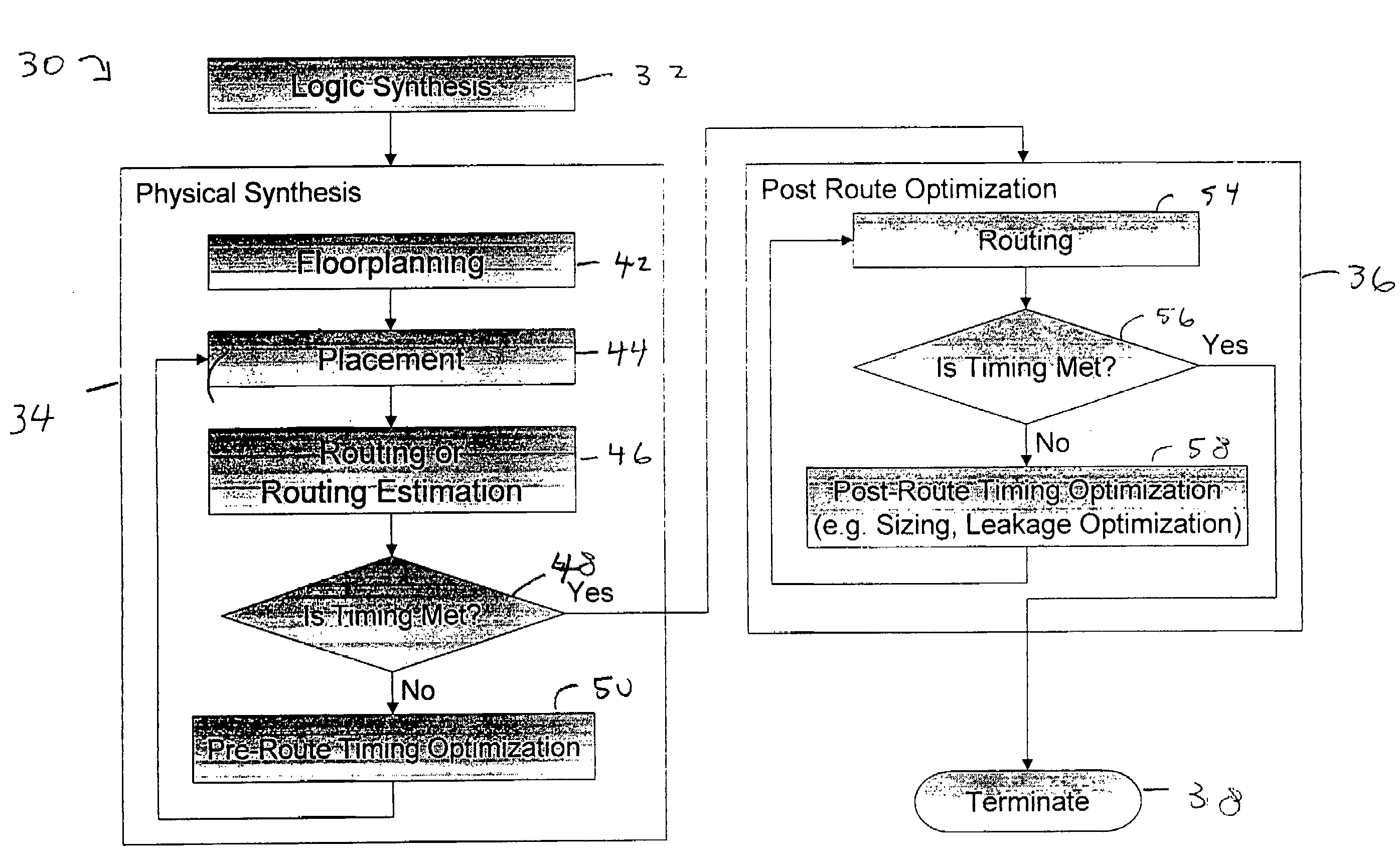
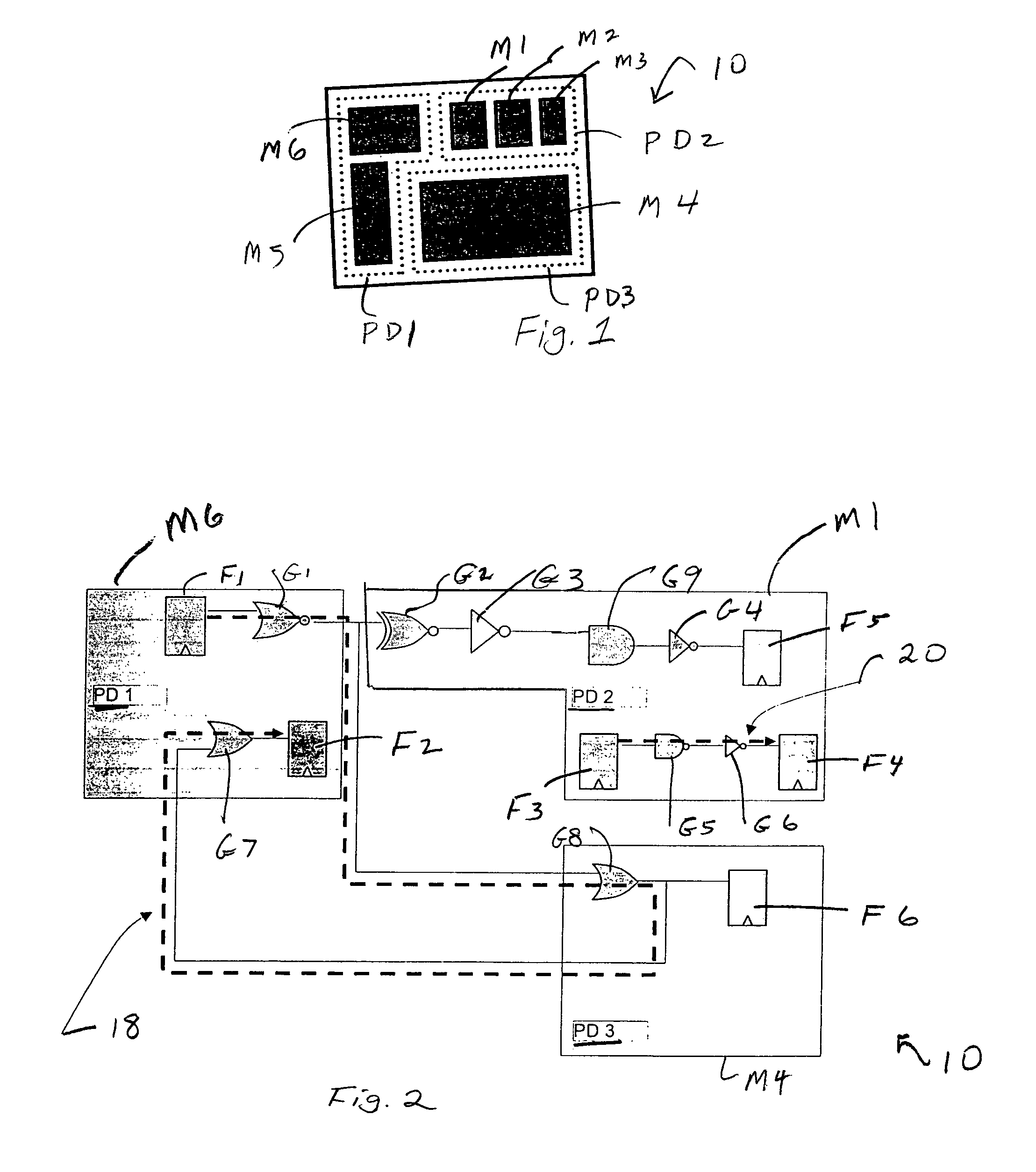
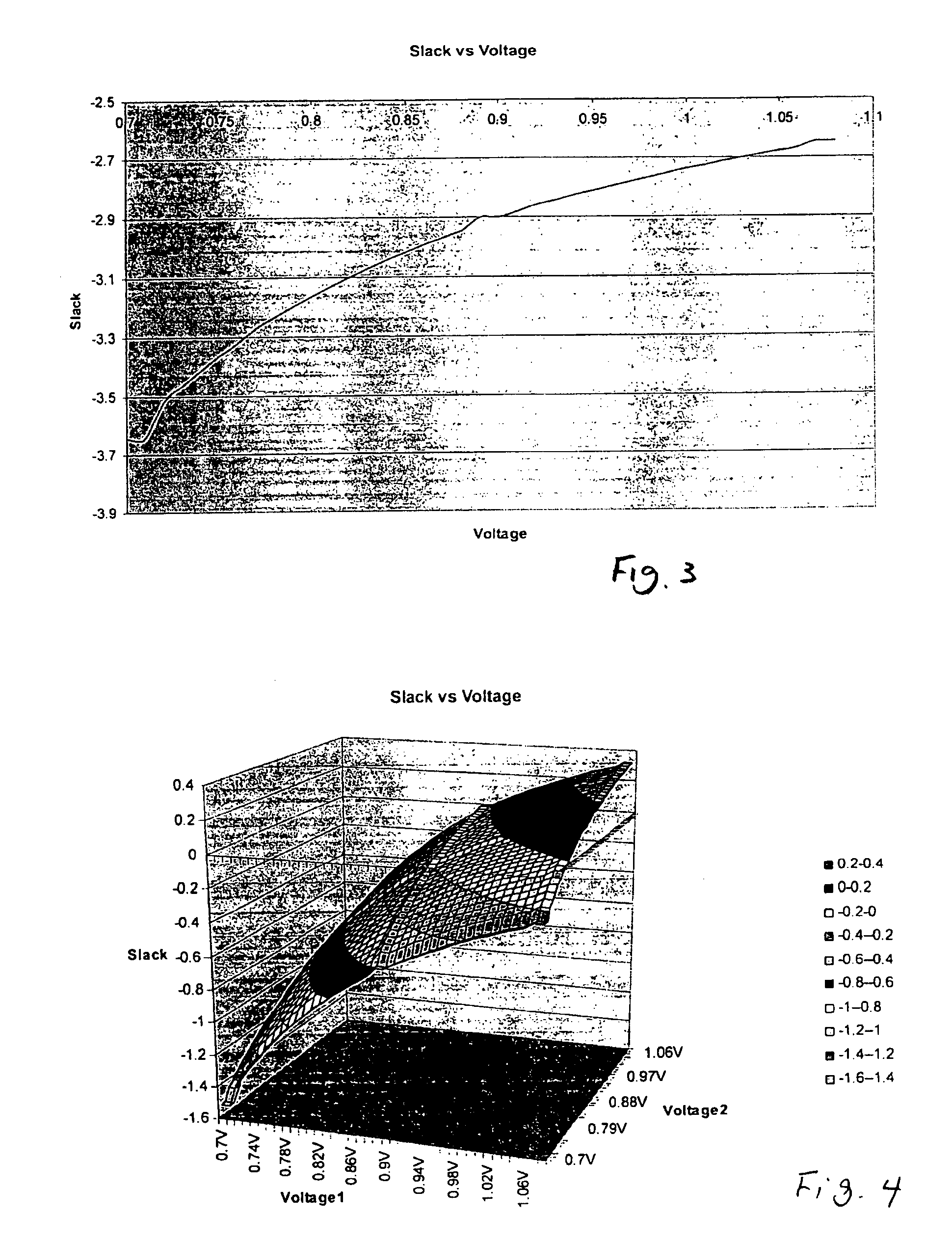
- A method and apparatus for assigning voltages to power domains in integrated circuit designs to minimize power consumption while meeting timing requirements, using linear programming to optimize voltage levels across internal and external paths, allowing for finer-grain power and performance tradeoffs.

Shared connectivity manager (SCM) operates in low power and high performance mode
PatentPendingUS20250093935A1
Innovation
- A system and method where a high-performance MCU and a low-performance MCU share a program, such as a connectivity manager, with the low-performance MCU handling initial tasks and waking up the high-performance MCU when needed, allowing the high-performance MCU to execute tasks at higher speeds while conserving power.


Energy Efficiency Standards for Electronic Devices
Energy efficiency standards for electronic devices have become increasingly critical in the microcontroller ecosystem, driven by global sustainability initiatives and regulatory frameworks. The IEEE 1621 standard for office equipment, ENERGY STAR specifications, and the European Union's Ecodesign Directive establish baseline requirements that directly impact microcontroller-based systems. These standards typically mandate specific power consumption thresholds during active, idle, and sleep modes, creating a regulatory foundation that influences design decisions in the battery life versus performance trade-off.
The International Electrotechnical Commission (IEC) 62430 standard provides comprehensive guidelines for environmentally conscious design of electrical products, emphasizing energy efficiency throughout the product lifecycle. For microcontroller applications, this translates to mandatory consideration of power management architectures, dynamic voltage scaling capabilities, and sleep mode effectiveness. Compliance with these standards often requires sophisticated power profiling and measurement methodologies that can accurately capture the complex power consumption patterns inherent in modern microcontroller operations.
Regional variations in energy efficiency requirements create additional complexity for global microcontroller deployments. The California Energy Commission's Title 20 regulations impose stricter requirements than federal standards, while emerging markets are rapidly adopting similar frameworks. These regulatory differences necessitate adaptive power management strategies that can dynamically adjust performance parameters to meet local compliance requirements while maintaining acceptable user experience levels.
Industry-specific standards further refine energy efficiency requirements for specialized applications. The ASHRAE 90.1 standard influences building automation systems, while automotive ISO 26262 incorporates energy efficiency considerations into functional safety requirements. Medical device regulations under IEC 60601 series mandate specific power consumption profiles that directly impact battery life calculations in portable medical equipment utilizing microcontrollers.
Emerging standards focus on lifecycle energy assessment and carbon footprint reduction, extending beyond operational efficiency to manufacturing and disposal phases. The ISO 14040 series for lifecycle assessment increasingly influences microcontroller selection criteria, as organizations seek to minimize total environmental impact rather than solely optimizing operational power consumption.
The International Electrotechnical Commission (IEC) 62430 standard provides comprehensive guidelines for environmentally conscious design of electrical products, emphasizing energy efficiency throughout the product lifecycle. For microcontroller applications, this translates to mandatory consideration of power management architectures, dynamic voltage scaling capabilities, and sleep mode effectiveness. Compliance with these standards often requires sophisticated power profiling and measurement methodologies that can accurately capture the complex power consumption patterns inherent in modern microcontroller operations.
Regional variations in energy efficiency requirements create additional complexity for global microcontroller deployments. The California Energy Commission's Title 20 regulations impose stricter requirements than federal standards, while emerging markets are rapidly adopting similar frameworks. These regulatory differences necessitate adaptive power management strategies that can dynamically adjust performance parameters to meet local compliance requirements while maintaining acceptable user experience levels.
Industry-specific standards further refine energy efficiency requirements for specialized applications. The ASHRAE 90.1 standard influences building automation systems, while automotive ISO 26262 incorporates energy efficiency considerations into functional safety requirements. Medical device regulations under IEC 60601 series mandate specific power consumption profiles that directly impact battery life calculations in portable medical equipment utilizing microcontrollers.
Emerging standards focus on lifecycle energy assessment and carbon footprint reduction, extending beyond operational efficiency to manufacturing and disposal phases. The ISO 14040 series for lifecycle assessment increasingly influences microcontroller selection criteria, as organizations seek to minimize total environmental impact rather than solely optimizing operational power consumption.
Thermal Management Considerations in MCU Design
Thermal management represents a critical design consideration in microcontroller applications where battery life and performance optimization intersect. Heat generation directly impacts both power consumption and system reliability, creating a complex relationship that requires careful engineering balance. Excessive thermal buildup can trigger protective throttling mechanisms, reducing performance while simultaneously increasing power draw through inefficient operation.
Power dissipation in microcontrollers follows a quadratic relationship with operating frequency and voltage, making thermal considerations paramount in high-performance applications. Dynamic voltage and frequency scaling (DVFS) techniques have emerged as primary thermal management strategies, allowing systems to adjust operating parameters based on thermal feedback. These approaches enable sustained performance while preventing thermal runaway conditions that could compromise battery longevity.
Package selection significantly influences thermal performance characteristics. Advanced packaging technologies such as chip-scale packages (CSP) and wafer-level chip-scale packages (WLCSP) offer improved thermal conductivity compared to traditional plastic packages. However, these solutions often require additional thermal interface materials and heat spreading techniques, adding complexity to low-power designs where every milliwatt matters.
Junction temperature monitoring has become increasingly sophisticated, with many modern microcontrollers incorporating on-die temperature sensors for real-time thermal feedback. These sensors enable predictive thermal management algorithms that can preemptively reduce power consumption before critical temperature thresholds are reached. Such proactive approaches help maintain consistent performance while extending battery operational periods.
Thermal design considerations extend beyond the silicon level to encompass board-level heat dissipation strategies. Copper pour techniques, thermal vias, and strategic component placement all contribute to effective heat management in battery-powered systems. The challenge lies in implementing these solutions within the constraints of portable device form factors where space and weight limitations are paramount.
Ambient temperature variations present additional complexity in battery-powered applications. Temperature coefficients affect both battery capacity and microcontroller efficiency, requiring adaptive algorithms that account for environmental conditions. Advanced thermal management systems now incorporate ambient temperature sensing to optimize the performance-power trade-off across varying operational environments.
Power dissipation in microcontrollers follows a quadratic relationship with operating frequency and voltage, making thermal considerations paramount in high-performance applications. Dynamic voltage and frequency scaling (DVFS) techniques have emerged as primary thermal management strategies, allowing systems to adjust operating parameters based on thermal feedback. These approaches enable sustained performance while preventing thermal runaway conditions that could compromise battery longevity.
Package selection significantly influences thermal performance characteristics. Advanced packaging technologies such as chip-scale packages (CSP) and wafer-level chip-scale packages (WLCSP) offer improved thermal conductivity compared to traditional plastic packages. However, these solutions often require additional thermal interface materials and heat spreading techniques, adding complexity to low-power designs where every milliwatt matters.
Junction temperature monitoring has become increasingly sophisticated, with many modern microcontrollers incorporating on-die temperature sensors for real-time thermal feedback. These sensors enable predictive thermal management algorithms that can preemptively reduce power consumption before critical temperature thresholds are reached. Such proactive approaches help maintain consistent performance while extending battery operational periods.
Thermal design considerations extend beyond the silicon level to encompass board-level heat dissipation strategies. Copper pour techniques, thermal vias, and strategic component placement all contribute to effective heat management in battery-powered systems. The challenge lies in implementing these solutions within the constraints of portable device form factors where space and weight limitations are paramount.
Ambient temperature variations present additional complexity in battery-powered applications. Temperature coefficients affect both battery capacity and microcontroller efficiency, requiring adaptive algorithms that account for environmental conditions. Advanced thermal management systems now incorporate ambient temperature sensing to optimize the performance-power trade-off across varying operational environments.
Unlock deeper insights with Patsnap Eureka Quick Research — get a full tech report to explore trends and direct your research. Try now!
Generate Your Research Report Instantly with AI Agent
Supercharge your innovation with Patsnap Eureka AI Agent Platform!