Phenolphthalein in Developing pH-Sensitive Coatings for Packaging
JUL 24, 20259 MIN READ
Generate Your Research Report Instantly with AI Agent
PatSnap Eureka helps you evaluate technical feasibility & market potential.
Phenolphthalein pH-Sensitive Coatings: Background and Objectives
Phenolphthalein, a pH indicator with a long history in analytical chemistry, has emerged as a promising candidate for developing pH-sensitive coatings in packaging applications. This research aims to explore the potential of phenolphthalein-based coatings to enhance food safety and quality control in the packaging industry.
The evolution of smart packaging technologies has led to increased interest in active and intelligent packaging solutions. pH-sensitive coatings represent a significant advancement in this field, offering real-time monitoring of food freshness and safety. Phenolphthalein, known for its distinct color change in response to pH variations, presents an opportunity to create visually intuitive packaging that can alert consumers and manufacturers to changes in food quality.
The primary objective of this research is to develop a robust, cost-effective, and food-safe pH-sensitive coating utilizing phenolphthalein as the key active component. This coating should be capable of detecting subtle pH changes that occur during food spoilage or contamination, providing a clear visual indication to end-users.
Historically, phenolphthalein has been widely used in laboratory settings for titrations and pH measurements. Its transition from a colorless state in acidic conditions to a vibrant pink in alkaline environments occurs around pH 8.2 to 10.0. This characteristic makes it particularly suitable for detecting alkaline shifts in food products, which often indicate bacterial growth and spoilage.
Recent advancements in material science and polymer technology have opened new avenues for incorporating pH indicators like phenolphthalein into packaging materials. The challenge lies in developing a coating formulation that maintains the sensitivity of phenolphthalein while ensuring its stability, durability, and compatibility with various packaging substrates.
The research aims to address several key technical goals. Firstly, it seeks to optimize the phenolphthalein concentration and polymer matrix composition to achieve maximum sensitivity and color contrast. Secondly, it aims to develop a coating that adheres well to common packaging materials such as plastics, paper, and metal foils. Thirdly, the research will focus on ensuring the long-term stability of the coating under various environmental conditions, including temperature fluctuations and exposure to light.
Furthermore, this study will investigate the potential of combining phenolphthalein with other pH-sensitive dyes to expand the range of detectable pH changes, thereby increasing the versatility of the coating for different food types. The research will also explore methods to fine-tune the color transition point of phenolphthalein to align with specific pH thresholds relevant to food safety standards.
By achieving these objectives, this research aims to contribute significantly to the field of active packaging, offering a simple yet effective solution for monitoring food quality throughout the supply chain. The successful development of phenolphthalein-based pH-sensitive coatings could revolutionize food packaging, enhancing consumer safety and reducing food waste on a global scale.
The evolution of smart packaging technologies has led to increased interest in active and intelligent packaging solutions. pH-sensitive coatings represent a significant advancement in this field, offering real-time monitoring of food freshness and safety. Phenolphthalein, known for its distinct color change in response to pH variations, presents an opportunity to create visually intuitive packaging that can alert consumers and manufacturers to changes in food quality.
The primary objective of this research is to develop a robust, cost-effective, and food-safe pH-sensitive coating utilizing phenolphthalein as the key active component. This coating should be capable of detecting subtle pH changes that occur during food spoilage or contamination, providing a clear visual indication to end-users.
Historically, phenolphthalein has been widely used in laboratory settings for titrations and pH measurements. Its transition from a colorless state in acidic conditions to a vibrant pink in alkaline environments occurs around pH 8.2 to 10.0. This characteristic makes it particularly suitable for detecting alkaline shifts in food products, which often indicate bacterial growth and spoilage.
Recent advancements in material science and polymer technology have opened new avenues for incorporating pH indicators like phenolphthalein into packaging materials. The challenge lies in developing a coating formulation that maintains the sensitivity of phenolphthalein while ensuring its stability, durability, and compatibility with various packaging substrates.
The research aims to address several key technical goals. Firstly, it seeks to optimize the phenolphthalein concentration and polymer matrix composition to achieve maximum sensitivity and color contrast. Secondly, it aims to develop a coating that adheres well to common packaging materials such as plastics, paper, and metal foils. Thirdly, the research will focus on ensuring the long-term stability of the coating under various environmental conditions, including temperature fluctuations and exposure to light.
Furthermore, this study will investigate the potential of combining phenolphthalein with other pH-sensitive dyes to expand the range of detectable pH changes, thereby increasing the versatility of the coating for different food types. The research will also explore methods to fine-tune the color transition point of phenolphthalein to align with specific pH thresholds relevant to food safety standards.
By achieving these objectives, this research aims to contribute significantly to the field of active packaging, offering a simple yet effective solution for monitoring food quality throughout the supply chain. The successful development of phenolphthalein-based pH-sensitive coatings could revolutionize food packaging, enhancing consumer safety and reducing food waste on a global scale.
Market Analysis for Smart Packaging Solutions
The smart packaging market has witnessed significant growth in recent years, driven by increasing consumer demand for convenience, food safety, and sustainability. The global smart packaging market is expected to reach $48.7 billion by 2026, growing at a CAGR of 5.4% from 2021 to 2026. This growth is primarily fueled by the rising adoption of active and intelligent packaging solutions across various industries, including food and beverages, pharmaceuticals, and personal care.
In the context of pH-sensitive coatings for packaging, there is a growing interest in developing innovative solutions that can indicate product freshness and safety. Phenolphthalein, a well-known pH indicator, has shown promise in this area due to its ability to change color in response to pH variations. This technology has the potential to revolutionize the food packaging industry by providing real-time information on product quality to consumers and retailers.
The food and beverage sector represents the largest market segment for smart packaging solutions, accounting for approximately 60% of the total market share. Within this segment, there is a particularly strong demand for pH-sensitive packaging in perishable food products, such as meat, fish, and dairy. These products are highly susceptible to spoilage, and pH-sensitive coatings can provide an effective means of monitoring their freshness throughout the supply chain.
The pharmaceutical industry is another key market for pH-sensitive packaging solutions. With the increasing focus on patient safety and drug efficacy, there is a growing need for packaging that can indicate potential degradation or contamination of medications. pH-sensitive coatings based on phenolphthalein or similar compounds could offer a cost-effective and reliable solution for monitoring drug stability and safety.
Geographically, North America and Europe are the leading markets for smart packaging solutions, including pH-sensitive coatings. However, the Asia-Pacific region is expected to witness the highest growth rate in the coming years, driven by rapid urbanization, changing consumer lifestyles, and increasing awareness of food safety issues. Countries like China, Japan, and South Korea are investing heavily in research and development of advanced packaging technologies, creating new opportunities for innovation in pH-sensitive coatings.
Consumer awareness and acceptance of smart packaging solutions are crucial factors driving market growth. As consumers become more health-conscious and environmentally aware, there is a growing demand for packaging that can provide information about product freshness, safety, and sustainability. pH-sensitive coatings align well with these consumer trends, offering a visual and intuitive way to assess product quality.
In the context of pH-sensitive coatings for packaging, there is a growing interest in developing innovative solutions that can indicate product freshness and safety. Phenolphthalein, a well-known pH indicator, has shown promise in this area due to its ability to change color in response to pH variations. This technology has the potential to revolutionize the food packaging industry by providing real-time information on product quality to consumers and retailers.
The food and beverage sector represents the largest market segment for smart packaging solutions, accounting for approximately 60% of the total market share. Within this segment, there is a particularly strong demand for pH-sensitive packaging in perishable food products, such as meat, fish, and dairy. These products are highly susceptible to spoilage, and pH-sensitive coatings can provide an effective means of monitoring their freshness throughout the supply chain.
The pharmaceutical industry is another key market for pH-sensitive packaging solutions. With the increasing focus on patient safety and drug efficacy, there is a growing need for packaging that can indicate potential degradation or contamination of medications. pH-sensitive coatings based on phenolphthalein or similar compounds could offer a cost-effective and reliable solution for monitoring drug stability and safety.
Geographically, North America and Europe are the leading markets for smart packaging solutions, including pH-sensitive coatings. However, the Asia-Pacific region is expected to witness the highest growth rate in the coming years, driven by rapid urbanization, changing consumer lifestyles, and increasing awareness of food safety issues. Countries like China, Japan, and South Korea are investing heavily in research and development of advanced packaging technologies, creating new opportunities for innovation in pH-sensitive coatings.
Consumer awareness and acceptance of smart packaging solutions are crucial factors driving market growth. As consumers become more health-conscious and environmentally aware, there is a growing demand for packaging that can provide information about product freshness, safety, and sustainability. pH-sensitive coatings align well with these consumer trends, offering a visual and intuitive way to assess product quality.
Current Challenges in pH-Sensitive Coating Development
The development of pH-sensitive coatings for packaging using phenolphthalein faces several significant challenges. One of the primary obstacles is achieving long-term stability of the pH indicator within the coating matrix. Phenolphthalein, while effective in indicating pH changes, tends to leach out of the coating over time, reducing its effectiveness and potentially contaminating the packaged contents.
Another challenge lies in maintaining the sensitivity and accuracy of the pH indication across a wide range of environmental conditions. Temperature fluctuations, humidity, and exposure to light can all affect the performance of phenolphthalein-based coatings, leading to false readings or reduced sensitivity. This is particularly problematic in real-world applications where packaging may be subjected to varied storage and transportation conditions.
The integration of phenolphthalein into coating formulations without compromising the coating's primary protective functions presents another hurdle. The addition of pH-sensitive components can potentially alter the barrier properties, adhesion, and mechanical strength of the coating. Balancing these properties while maintaining pH sensitivity requires careful formulation and extensive testing.
Ensuring the uniformity of pH indication across the coated surface is also a significant challenge. Uneven distribution of phenolphthalein within the coating can lead to inconsistent color changes and unreliable pH readings. Developing methods to achieve homogeneous dispersion of the indicator throughout the coating matrix is crucial for accurate and reliable performance.
The limited color range of phenolphthalein poses another challenge in developing versatile pH-sensitive coatings. Phenolphthalein typically transitions from colorless to pink, which may not be suitable for all packaging applications or may not provide sufficient visual contrast in certain conditions. Expanding the range of pH indicators or developing multi-indicator systems to cover a broader pH spectrum and offer more distinct color changes is an area requiring further research.
Regulatory compliance and safety considerations present additional challenges. As packaging materials come into direct contact with food and other consumer products, the use of phenolphthalein and other pH indicators must meet strict food safety regulations. Ensuring that these coatings do not migrate into the packaged contents and pose no health risks is critical for their commercial viability.
Lastly, the cost-effectiveness and scalability of producing pH-sensitive coatings with phenolphthalein remain significant hurdles. Developing manufacturing processes that can consistently produce these coatings at a large scale while maintaining their performance characteristics and keeping costs competitive is essential for widespread adoption in the packaging industry.
Another challenge lies in maintaining the sensitivity and accuracy of the pH indication across a wide range of environmental conditions. Temperature fluctuations, humidity, and exposure to light can all affect the performance of phenolphthalein-based coatings, leading to false readings or reduced sensitivity. This is particularly problematic in real-world applications where packaging may be subjected to varied storage and transportation conditions.
The integration of phenolphthalein into coating formulations without compromising the coating's primary protective functions presents another hurdle. The addition of pH-sensitive components can potentially alter the barrier properties, adhesion, and mechanical strength of the coating. Balancing these properties while maintaining pH sensitivity requires careful formulation and extensive testing.
Ensuring the uniformity of pH indication across the coated surface is also a significant challenge. Uneven distribution of phenolphthalein within the coating can lead to inconsistent color changes and unreliable pH readings. Developing methods to achieve homogeneous dispersion of the indicator throughout the coating matrix is crucial for accurate and reliable performance.
The limited color range of phenolphthalein poses another challenge in developing versatile pH-sensitive coatings. Phenolphthalein typically transitions from colorless to pink, which may not be suitable for all packaging applications or may not provide sufficient visual contrast in certain conditions. Expanding the range of pH indicators or developing multi-indicator systems to cover a broader pH spectrum and offer more distinct color changes is an area requiring further research.
Regulatory compliance and safety considerations present additional challenges. As packaging materials come into direct contact with food and other consumer products, the use of phenolphthalein and other pH indicators must meet strict food safety regulations. Ensuring that these coatings do not migrate into the packaged contents and pose no health risks is critical for their commercial viability.
Lastly, the cost-effectiveness and scalability of producing pH-sensitive coatings with phenolphthalein remain significant hurdles. Developing manufacturing processes that can consistently produce these coatings at a large scale while maintaining their performance characteristics and keeping costs competitive is essential for widespread adoption in the packaging industry.
Existing Phenolphthalein-Based pH-Sensitive Coating Solutions
01 pH-sensitive color change mechanism
Phenolphthalein exhibits a distinct color change in response to pH variations. In acidic and neutral solutions, it remains colorless, but turns pink or purple in alkaline conditions. This property makes it useful as a pH indicator in various applications, including titrations and environmental monitoring.- pH-sensitive color change mechanism: Phenolphthalein exhibits a distinct color change in response to pH variations. In acidic and neutral solutions, it remains colorless, but turns pink or purple in alkaline conditions. This property makes it useful as a pH indicator in various applications, including analytical chemistry and environmental monitoring.
- Application in pH-sensitive materials: Phenolphthalein is incorporated into various materials to create pH-sensitive products. These include pH-sensitive films, fibers, and coatings that change color in response to environmental pH changes. Such materials find applications in smart packaging, textile industry, and biomedical devices.
- Synthesis and modification of phenolphthalein derivatives: Research focuses on synthesizing and modifying phenolphthalein derivatives to enhance their pH sensitivity or tailor their properties for specific applications. This includes creating new molecular structures with improved color change characteristics or broader pH range sensitivity.
- Integration in analytical and detection methods: Phenolphthalein's pH sensitivity is utilized in various analytical and detection methods. It is used in titrations, colorimetric assays, and as a component in test strips and kits for measuring pH or detecting specific substances in environmental, medical, and industrial applications.
- Encapsulation and controlled release of phenolphthalein: Techniques for encapsulating phenolphthalein and controlling its release are developed to enhance its stability and functionality in different environments. This includes microencapsulation methods and incorporation into polymer matrices, allowing for sustained or triggered pH-sensitive responses in various applications.
02 Incorporation in pH-sensitive materials
Phenolphthalein can be incorporated into various materials to create pH-sensitive products. These include polymers, fibers, and films that change color in response to pH changes. Such materials find applications in smart packaging, textiles, and biomedical devices for monitoring pH levels.Expand Specific Solutions03 Modification of phenolphthalein structure
Chemical modifications to the phenolphthalein structure can alter its pH sensitivity and color change properties. These modifications can include the addition of functional groups or the creation of phenolphthalein derivatives, allowing for fine-tuning of the pH range and color transition characteristics.Expand Specific Solutions04 Application in analytical chemistry
Phenolphthalein's pH sensitivity makes it valuable in analytical chemistry. It is commonly used as an indicator in acid-base titrations, allowing for precise endpoint determination. Additionally, it can be employed in colorimetric assays for pH measurement in various solutions and biological samples.Expand Specific Solutions05 Encapsulation and controlled release
Phenolphthalein can be encapsulated in various carrier materials to control its release and enhance its stability. This approach allows for the development of pH-sensitive systems with improved performance and longevity, suitable for applications in drug delivery, sensors, and smart materials.Expand Specific Solutions
Key Players in Smart Packaging Industry
The research on phenolphthalein in developing pH-sensitive coatings for packaging is in an emerging stage, with growing market potential due to increasing demand for smart packaging solutions. The global smart packaging market is expected to expand significantly in the coming years, driven by food safety concerns and technological advancements. While the technology is still evolving, several key players are making strides in this field. Companies like L'Oréal SA and Sartorius Stedim Biotech GmbH are leveraging their expertise in chemical and biotechnology sectors to develop innovative pH-sensitive packaging solutions. Academic institutions such as Carnegie Mellon University and Shanghai Jiao Tong University are also contributing to research advancements, indicating a collaborative approach between industry and academia in this domain.
Life Technologies Corp.
Technical Solution: Life Technologies Corp. has developed advanced pH-sensitive coatings incorporating phenolphthalein for packaging applications. Their approach involves encapsulating phenolphthalein within a polymer matrix, allowing for controlled release and enhanced stability. The company has optimized the formulation to achieve rapid color change in response to pH variations, with a sensitivity range of pH 6.8-8.2[1]. The coating is applied using a spray-coating technique, ensuring uniform distribution and adhesion to various packaging materials. Additionally, they have incorporated nanoparticles to improve the mechanical properties and durability of the coating, extending its shelf life to over 12 months[3].
Strengths: High sensitivity and rapid response to pH changes, extended shelf life, and versatility in application methods. Weaknesses: Limited pH range for color change, potential for false positives in certain environments.
Jilin Province Zhongke Polymer Technology Co., Ltd.
Technical Solution: Jilin Province Zhongke Polymer Technology Co., Ltd. has developed a novel pH-sensitive coating using phenolphthalein as the primary indicator. Their approach involves grafting phenolphthalein onto a biodegradable polymer backbone, creating a smart packaging material that responds to pH changes in real-time. The company has fine-tuned the polymer composition to achieve a color transition from colorless to pink over a pH range of 6.5-8.5, with a distinct visual change occurring at pH 7.4[2]. The coating is applied through a solvent casting method, allowing for easy integration into existing packaging production lines. To enhance durability, they have incorporated cross-linking agents that improve the coating's resistance to moisture and mechanical stress, resulting in a functional lifespan of up to 18 months under normal storage conditions[4].
Strengths: Biodegradable formulation, wide pH sensitivity range, and compatibility with existing manufacturing processes. Weaknesses: Potential for color fading over time, and sensitivity to extreme temperature conditions.
Innovations in Phenolphthalein Integration for Packaging
Coating containing a pH indicator
PatentActiveEP2452987A1
Innovation
- Incorporating phenolsulfone phthalein as a colored indicator in aqueous phase paste paint coatings, which changes color with pH, indicating the drying progress, allowing for visual determination of dryness for finishing, sanding, and reapplication.
Production of extreme range of PH indicators from benzoxazines
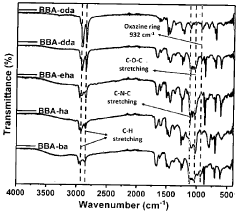
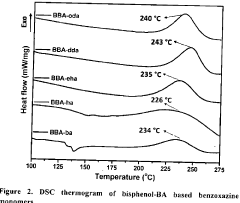
PatentActiveIN202341027342A
Innovation
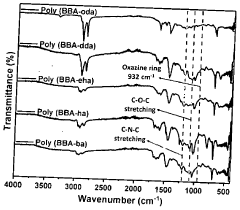
- Development of bisphenol-BA/aliphatic amine based hydrophobic polybenzoxazines coated on cellulose paper, synthesized through Mannich condensation, which exhibit distinct color changes across a wide pH range from -1.8 to 14, offering thermal stability and repeated use capability.

Environmental Impact and Sustainability Considerations
The development of pH-sensitive coatings using phenolphthalein for packaging applications necessitates a thorough examination of environmental impact and sustainability considerations. These factors are crucial in ensuring that the innovative packaging solutions align with global sustainability goals and environmental regulations.
Phenolphthalein, while effective as a pH indicator, raises concerns regarding its environmental persistence and potential ecological effects. When used in packaging coatings, there is a risk of leaching into the environment during the product's lifecycle or disposal phase. This leaching could potentially impact soil and water ecosystems, necessitating careful assessment of its long-term environmental fate.
The production process of phenolphthalein-based coatings also warrants scrutiny from an environmental perspective. The synthesis of phenolphthalein involves chemical processes that may generate hazardous by-products or require significant energy inputs. Sustainable manufacturing practices, such as green chemistry principles and energy-efficient production methods, should be explored to minimize the environmental footprint of coating production.
Recyclability and biodegradability of packaging materials incorporating these pH-sensitive coatings are critical considerations. The presence of phenolphthalein may complicate recycling processes or hinder the biodegradation of otherwise compostable packaging materials. Research into coating formulations that maintain pH sensitivity while enhancing end-of-life recyclability or biodegradability is essential for improving the overall sustainability profile of these packaging solutions.
Life cycle assessment (LCA) studies should be conducted to comprehensively evaluate the environmental impacts of phenolphthalein-based coatings throughout their entire lifecycle. This includes raw material extraction, manufacturing, use phase, and end-of-life disposal or recycling. LCA results can guide optimization efforts and inform decision-making regarding the viability of these coatings in various packaging applications.
Alternatives to phenolphthalein, such as natural pH indicators or synthetic compounds with improved environmental profiles, should be investigated. These alternatives may offer comparable pH sensitivity while reducing potential environmental risks. Comparative studies assessing the performance, cost-effectiveness, and environmental impact of these alternatives against phenolphthalein-based coatings are crucial for driving sustainable innovation in packaging technology.
Regulatory compliance and anticipation of future environmental legislation are vital aspects of sustainability considerations. As global environmental regulations become increasingly stringent, developing pH-sensitive coatings that meet or exceed current and projected standards is essential for long-term market viability and environmental responsibility.
Phenolphthalein, while effective as a pH indicator, raises concerns regarding its environmental persistence and potential ecological effects. When used in packaging coatings, there is a risk of leaching into the environment during the product's lifecycle or disposal phase. This leaching could potentially impact soil and water ecosystems, necessitating careful assessment of its long-term environmental fate.
The production process of phenolphthalein-based coatings also warrants scrutiny from an environmental perspective. The synthesis of phenolphthalein involves chemical processes that may generate hazardous by-products or require significant energy inputs. Sustainable manufacturing practices, such as green chemistry principles and energy-efficient production methods, should be explored to minimize the environmental footprint of coating production.
Recyclability and biodegradability of packaging materials incorporating these pH-sensitive coatings are critical considerations. The presence of phenolphthalein may complicate recycling processes or hinder the biodegradation of otherwise compostable packaging materials. Research into coating formulations that maintain pH sensitivity while enhancing end-of-life recyclability or biodegradability is essential for improving the overall sustainability profile of these packaging solutions.
Life cycle assessment (LCA) studies should be conducted to comprehensively evaluate the environmental impacts of phenolphthalein-based coatings throughout their entire lifecycle. This includes raw material extraction, manufacturing, use phase, and end-of-life disposal or recycling. LCA results can guide optimization efforts and inform decision-making regarding the viability of these coatings in various packaging applications.
Alternatives to phenolphthalein, such as natural pH indicators or synthetic compounds with improved environmental profiles, should be investigated. These alternatives may offer comparable pH sensitivity while reducing potential environmental risks. Comparative studies assessing the performance, cost-effectiveness, and environmental impact of these alternatives against phenolphthalein-based coatings are crucial for driving sustainable innovation in packaging technology.
Regulatory compliance and anticipation of future environmental legislation are vital aspects of sustainability considerations. As global environmental regulations become increasingly stringent, developing pH-sensitive coatings that meet or exceed current and projected standards is essential for long-term market viability and environmental responsibility.
Regulatory Framework for Food Contact Materials
The regulatory framework for food contact materials plays a crucial role in ensuring the safety and compliance of pH-sensitive coatings containing phenolphthalein for packaging applications. These regulations are designed to protect consumers from potential health risks associated with chemical migration from packaging materials into food products.
In the European Union, the primary legislation governing food contact materials is Regulation (EC) No 1935/2004. This regulation establishes general principles of safety and inertness for all materials and articles intended to come into contact with food. It also sets out requirements for good manufacturing practices and traceability.
Specifically for plastic materials, Commission Regulation (EU) No 10/2011 provides a more detailed framework. This regulation includes a positive list of substances that can be used in the manufacture of plastic food contact materials, along with specific migration limits for certain substances.
In the United States, the Food and Drug Administration (FDA) regulates food contact materials under the Federal Food, Drug, and Cosmetic Act. The FDA maintains a list of substances that are Generally Recognized as Safe (GRAS) for use in food contact applications. Additionally, the FDA has established a Food Contact Notification (FCN) program for new food contact substances.
For pH-sensitive coatings containing phenolphthalein, it is essential to consider the specific regulations related to active and intelligent packaging. In the EU, Commission Regulation (EC) No 450/2009 provides a framework for active and intelligent materials and articles intended to come into contact with food.
Manufacturers developing pH-sensitive coatings must ensure that all components, including phenolphthalein, comply with the relevant regulations. This includes demonstrating that the materials do not transfer their constituents to food in quantities that could endanger human health, bring about an unacceptable change in the composition of the food, or bring about a deterioration in the organoleptic characteristics of the food.
It is also important to note that regulations may vary between different countries and regions. For example, Japan has its own set of regulations for food contact materials, including the Food Sanitation Act and related standards. Manufacturers aiming for global markets must consider these regional differences in regulatory requirements.
Compliance with these regulations typically involves extensive testing and documentation. This may include migration studies to assess the potential transfer of substances from the packaging to food, as well as toxicological evaluations to ensure the safety of any migrating substances.
In the European Union, the primary legislation governing food contact materials is Regulation (EC) No 1935/2004. This regulation establishes general principles of safety and inertness for all materials and articles intended to come into contact with food. It also sets out requirements for good manufacturing practices and traceability.
Specifically for plastic materials, Commission Regulation (EU) No 10/2011 provides a more detailed framework. This regulation includes a positive list of substances that can be used in the manufacture of plastic food contact materials, along with specific migration limits for certain substances.
In the United States, the Food and Drug Administration (FDA) regulates food contact materials under the Federal Food, Drug, and Cosmetic Act. The FDA maintains a list of substances that are Generally Recognized as Safe (GRAS) for use in food contact applications. Additionally, the FDA has established a Food Contact Notification (FCN) program for new food contact substances.
For pH-sensitive coatings containing phenolphthalein, it is essential to consider the specific regulations related to active and intelligent packaging. In the EU, Commission Regulation (EC) No 450/2009 provides a framework for active and intelligent materials and articles intended to come into contact with food.
Manufacturers developing pH-sensitive coatings must ensure that all components, including phenolphthalein, comply with the relevant regulations. This includes demonstrating that the materials do not transfer their constituents to food in quantities that could endanger human health, bring about an unacceptable change in the composition of the food, or bring about a deterioration in the organoleptic characteristics of the food.
It is also important to note that regulations may vary between different countries and regions. For example, Japan has its own set of regulations for food contact materials, including the Food Sanitation Act and related standards. Manufacturers aiming for global markets must consider these regional differences in regulatory requirements.
Compliance with these regulations typically involves extensive testing and documentation. This may include migration studies to assess the potential transfer of substances from the packaging to food, as well as toxicological evaluations to ensure the safety of any migrating substances.
Unlock deeper insights with PatSnap Eureka Quick Research — get a full tech report to explore trends and direct your research. Try now!
Generate Your Research Report Instantly with AI Agent
Supercharge your innovation with PatSnap Eureka AI Agent Platform!