

Spatial Computing for Collaborative Design Systems
MAR 17, 20269 MIN READ
Generate Your Research Report Instantly with AI Agent
PatSnap Eureka helps you evaluate technical feasibility & market potential.
Spatial Computing in Collaborative Design Background and Objectives
Spatial computing represents a paradigm shift in human-computer interaction, fundamentally transforming how users perceive, interact with, and manipulate digital information within three-dimensional environments. This technology seamlessly blends physical and digital worlds by enabling computers to understand and respond to spatial relationships, creating immersive experiences that extend beyond traditional screen-based interfaces. The evolution from two-dimensional displays to spatial computing environments has opened unprecedented opportunities for collaborative design applications.
The historical development of spatial computing traces back to early virtual reality research in the 1960s, progressing through augmented reality innovations in the 1990s, and culminating in today's mixed reality platforms. Key technological milestones include the introduction of depth-sensing cameras, advanced tracking systems, and real-time 3D rendering capabilities. Recent breakthroughs in computer vision, machine learning, and haptic feedback have accelerated the maturation of spatial computing technologies, making them increasingly viable for professional design workflows.
Contemporary collaborative design processes face significant challenges in traditional digital environments, particularly regarding spatial awareness, real-time interaction, and intuitive manipulation of three-dimensional objects. Conventional design tools often limit collaboration to sequential workflows or compromise spatial understanding through flat screen representations. These limitations become particularly pronounced in complex design scenarios involving architecture, product development, and engineering projects where spatial relationships are critical.
The primary objective of integrating spatial computing into collaborative design systems is to create intuitive, immersive environments where multiple users can simultaneously interact with three-dimensional design elements in real-time. This technology aims to eliminate the cognitive overhead associated with translating spatial concepts through traditional interfaces, enabling designers to work more naturally and efficiently. Key goals include enhancing spatial understanding, improving communication between team members, and accelerating the iterative design process.
Technical objectives encompass developing robust tracking systems for multi-user environments, implementing low-latency synchronization protocols for real-time collaboration, and creating intuitive gesture-based interaction paradigms. The technology must support seamless integration with existing design workflows while providing superior spatial awareness and manipulation capabilities compared to conventional tools.
Strategic objectives focus on establishing spatial computing as a transformative force in collaborative design, potentially revolutionizing industries ranging from architecture and automotive design to entertainment and manufacturing. The ultimate goal is to create design environments that feel as natural and intuitive as physical collaboration while providing the flexibility and precision advantages of digital tools.
The historical development of spatial computing traces back to early virtual reality research in the 1960s, progressing through augmented reality innovations in the 1990s, and culminating in today's mixed reality platforms. Key technological milestones include the introduction of depth-sensing cameras, advanced tracking systems, and real-time 3D rendering capabilities. Recent breakthroughs in computer vision, machine learning, and haptic feedback have accelerated the maturation of spatial computing technologies, making them increasingly viable for professional design workflows.
Contemporary collaborative design processes face significant challenges in traditional digital environments, particularly regarding spatial awareness, real-time interaction, and intuitive manipulation of three-dimensional objects. Conventional design tools often limit collaboration to sequential workflows or compromise spatial understanding through flat screen representations. These limitations become particularly pronounced in complex design scenarios involving architecture, product development, and engineering projects where spatial relationships are critical.
The primary objective of integrating spatial computing into collaborative design systems is to create intuitive, immersive environments where multiple users can simultaneously interact with three-dimensional design elements in real-time. This technology aims to eliminate the cognitive overhead associated with translating spatial concepts through traditional interfaces, enabling designers to work more naturally and efficiently. Key goals include enhancing spatial understanding, improving communication between team members, and accelerating the iterative design process.
Technical objectives encompass developing robust tracking systems for multi-user environments, implementing low-latency synchronization protocols for real-time collaboration, and creating intuitive gesture-based interaction paradigms. The technology must support seamless integration with existing design workflows while providing superior spatial awareness and manipulation capabilities compared to conventional tools.
Strategic objectives focus on establishing spatial computing as a transformative force in collaborative design, potentially revolutionizing industries ranging from architecture and automotive design to entertainment and manufacturing. The ultimate goal is to create design environments that feel as natural and intuitive as physical collaboration while providing the flexibility and precision advantages of digital tools.
Market Demand for Spatial Computing Collaborative Design Solutions
The market demand for spatial computing collaborative design solutions is experiencing unprecedented growth driven by the digital transformation of design workflows across multiple industries. Traditional design processes, which rely heavily on 2D interfaces and sequential collaboration methods, are increasingly inadequate for handling complex, multi-dimensional projects that require real-time interaction among distributed teams. This fundamental shift has created a substantial market opportunity for spatial computing technologies that can bridge the gap between physical and digital design environments.
Architecture, engineering, and construction industries represent the largest demand segment for these solutions. Design firms are actively seeking platforms that enable architects and engineers to visualize building information models in three-dimensional space while collaborating simultaneously on design modifications. The complexity of modern construction projects, combined with the need for stakeholder engagement across geographical boundaries, has made spatial computing an essential tool rather than a luxury enhancement.
Manufacturing and product development sectors constitute another significant demand driver. Companies developing complex products such as automotive components, aerospace systems, and consumer electronics require collaborative design environments where multiple specialists can examine and modify 3D models simultaneously. The ability to conduct virtual design reviews, perform spatial analysis, and iterate on designs in real-time has become critical for maintaining competitive advantage in rapidly evolving markets.
The entertainment and media industry has emerged as an early adopter, with animation studios, game developers, and film production companies investing heavily in spatial computing collaborative platforms. These organizations require tools that support creative collaboration on 3D assets, virtual environments, and interactive experiences, driving demand for specialized design solutions that can handle large-scale creative projects.
Healthcare and medical device development represent a growing market segment where spatial computing collaborative design solutions are gaining traction. Medical professionals and device manufacturers need platforms for collaborative surgical planning, medical device prototyping, and anatomical visualization that support multi-user interaction in three-dimensional space.
The demand is further amplified by the increasing adoption of remote and hybrid work models, which have highlighted the limitations of traditional design collaboration tools. Organizations are actively seeking solutions that can replicate the benefits of in-person design sessions while supporting distributed teams working across different time zones and locations.
Architecture, engineering, and construction industries represent the largest demand segment for these solutions. Design firms are actively seeking platforms that enable architects and engineers to visualize building information models in three-dimensional space while collaborating simultaneously on design modifications. The complexity of modern construction projects, combined with the need for stakeholder engagement across geographical boundaries, has made spatial computing an essential tool rather than a luxury enhancement.
Manufacturing and product development sectors constitute another significant demand driver. Companies developing complex products such as automotive components, aerospace systems, and consumer electronics require collaborative design environments where multiple specialists can examine and modify 3D models simultaneously. The ability to conduct virtual design reviews, perform spatial analysis, and iterate on designs in real-time has become critical for maintaining competitive advantage in rapidly evolving markets.
The entertainment and media industry has emerged as an early adopter, with animation studios, game developers, and film production companies investing heavily in spatial computing collaborative platforms. These organizations require tools that support creative collaboration on 3D assets, virtual environments, and interactive experiences, driving demand for specialized design solutions that can handle large-scale creative projects.
Healthcare and medical device development represent a growing market segment where spatial computing collaborative design solutions are gaining traction. Medical professionals and device manufacturers need platforms for collaborative surgical planning, medical device prototyping, and anatomical visualization that support multi-user interaction in three-dimensional space.
The demand is further amplified by the increasing adoption of remote and hybrid work models, which have highlighted the limitations of traditional design collaboration tools. Organizations are actively seeking solutions that can replicate the benefits of in-person design sessions while supporting distributed teams working across different time zones and locations.
Current State and Challenges of Spatial Computing Design Systems
Spatial computing for collaborative design systems represents a rapidly evolving technological landscape that merges physical and digital environments to enable immersive, multi-user design experiences. Current implementations primarily leverage augmented reality (AR), virtual reality (VR), and mixed reality (MR) technologies to create shared virtual workspaces where distributed teams can collaborate on complex design projects in real-time.
The technology has achieved significant maturity in hardware platforms, with devices like Microsoft HoLens, Magic Leap, and Meta Quest series providing increasingly sophisticated spatial tracking and rendering capabilities. Leading software platforms including Unity's AR Foundation, Unreal Engine's VR framework, and specialized tools like Gravity Sketch and Horizon Workrooms have established foundational infrastructure for collaborative spatial design applications.
Despite technological advances, several critical challenges persist in current spatial computing design systems. Latency remains a fundamental barrier, as real-time synchronization across multiple users requires sub-20 millisecond response times to maintain natural interaction flows. Network bandwidth limitations significantly impact the quality of shared 3D content, particularly when transmitting high-fidelity models and complex geometric data across distributed teams.
User interface paradigms present another substantial challenge, as traditional 2D interaction models translate poorly to three-dimensional collaborative spaces. Current systems struggle with intuitive gesture recognition, precise object manipulation, and effective information hierarchy presentation in spatial environments. The lack of standardized interaction protocols across different platforms creates fragmented user experiences and limits cross-platform collaboration capabilities.
Technical interoperability issues compound these challenges, as existing design tools often operate in isolated ecosystems with limited data exchange capabilities. File format compatibility, version control in spatial environments, and seamless integration with traditional CAD workflows remain significant obstacles for enterprise adoption.
Scalability concerns also affect current implementations, as most systems support limited concurrent users due to computational and bandwidth constraints. Performance degradation becomes pronounced when handling complex assemblies or large-scale architectural models in collaborative sessions, restricting practical applications to relatively simple design scenarios.
Human factors present additional complexity, including motion sickness, eye strain, and cognitive overload during extended collaborative sessions. Current ergonomic limitations of head-mounted displays and haptic devices further constrain productive collaboration duration and user adoption rates in professional design environments.
The technology has achieved significant maturity in hardware platforms, with devices like Microsoft HoLens, Magic Leap, and Meta Quest series providing increasingly sophisticated spatial tracking and rendering capabilities. Leading software platforms including Unity's AR Foundation, Unreal Engine's VR framework, and specialized tools like Gravity Sketch and Horizon Workrooms have established foundational infrastructure for collaborative spatial design applications.
Despite technological advances, several critical challenges persist in current spatial computing design systems. Latency remains a fundamental barrier, as real-time synchronization across multiple users requires sub-20 millisecond response times to maintain natural interaction flows. Network bandwidth limitations significantly impact the quality of shared 3D content, particularly when transmitting high-fidelity models and complex geometric data across distributed teams.
User interface paradigms present another substantial challenge, as traditional 2D interaction models translate poorly to three-dimensional collaborative spaces. Current systems struggle with intuitive gesture recognition, precise object manipulation, and effective information hierarchy presentation in spatial environments. The lack of standardized interaction protocols across different platforms creates fragmented user experiences and limits cross-platform collaboration capabilities.
Technical interoperability issues compound these challenges, as existing design tools often operate in isolated ecosystems with limited data exchange capabilities. File format compatibility, version control in spatial environments, and seamless integration with traditional CAD workflows remain significant obstacles for enterprise adoption.
Scalability concerns also affect current implementations, as most systems support limited concurrent users due to computational and bandwidth constraints. Performance degradation becomes pronounced when handling complex assemblies or large-scale architectural models in collaborative sessions, restricting practical applications to relatively simple design scenarios.
Human factors present additional complexity, including motion sickness, eye strain, and cognitive overload during extended collaborative sessions. Current ergonomic limitations of head-mounted displays and haptic devices further constrain productive collaboration duration and user adoption rates in professional design environments.
Existing Spatial Computing Solutions for Collaborative Design
01 Augmented reality and virtual reality display systems
Spatial computing technologies utilize advanced display systems that integrate augmented reality (AR) and virtual reality (VR) capabilities to create immersive three-dimensional environments. These systems employ head-mounted displays, optical components, and rendering techniques to overlay digital content onto the physical world or create fully virtual spaces. The technology enables users to interact with digital objects in a spatially aware manner, providing depth perception and realistic visual experiences through sophisticated projection and tracking mechanisms.- Augmented reality and virtual reality display systems: Spatial computing technologies utilize advanced display systems that enable users to interact with digital content overlaid on or integrated with the physical environment. These systems employ head-mounted displays, optical components, and rendering techniques to create immersive three-dimensional visual experiences. The technology focuses on presenting virtual objects in a manner that appears natural and spatially coherent with the real world, enhancing user perception and interaction capabilities.
- Spatial tracking and positioning technologies: Accurate determination of position and orientation in three-dimensional space is fundamental to spatial computing applications. These technologies employ various sensors, cameras, and algorithms to track user movements, device positions, and environmental features in real-time. The systems enable precise mapping of physical spaces and maintain spatial relationships between virtual and real-world objects, supporting seamless interaction and navigation within mixed reality environments.
- Gesture recognition and input methods: Spatial computing platforms incorporate advanced input mechanisms that allow users to interact with digital content through natural gestures and movements. These systems utilize computer vision, depth sensing, and machine learning algorithms to recognize and interpret hand gestures, body movements, and other physical actions. The technology enables intuitive control interfaces that eliminate the need for traditional input devices, creating more immersive and accessible user experiences.
- Spatial audio and sound field rendering: Three-dimensional audio technologies enhance spatial computing experiences by creating realistic soundscapes that correspond to virtual and physical environments. These systems employ sophisticated audio processing techniques to simulate how sound propagates through space, including directional cues, distance attenuation, and environmental reflections. The technology enables users to perceive audio sources as originating from specific locations in three-dimensional space, improving immersion and spatial awareness.
- Environmental understanding and scene reconstruction: Spatial computing systems incorporate capabilities to analyze and understand physical environments through sensor data processing and computational methods. These technologies create digital representations of real-world spaces, identifying surfaces, objects, and spatial relationships. The systems enable applications to interact intelligently with the environment, supporting features such as occlusion handling, physics simulation, and context-aware content placement that respects the geometry and characteristics of physical spaces.
02 Spatial tracking and positioning technologies
Advanced tracking systems enable precise determination of user position and orientation within three-dimensional space. These technologies employ various sensors, cameras, and computational methods to continuously monitor movement and spatial relationships. The systems utilize simultaneous localization and mapping techniques, inertial measurement units, and optical tracking to provide accurate real-time positioning data, enabling responsive and accurate spatial interactions in computing environments.Expand Specific Solutions03 Gesture recognition and spatial input interfaces
Spatial computing systems incorporate sophisticated input methods that recognize and interpret human gestures, hand movements, and body positions as control mechanisms. These interfaces use computer vision, depth sensing, and machine learning algorithms to translate physical movements into digital commands. The technology enables natural and intuitive interaction with virtual objects and environments without requiring traditional input devices, enhancing user experience through direct spatial manipulation.Expand Specific Solutions04 Three-dimensional mapping and environmental understanding
Spatial computing platforms employ advanced mapping technologies to create detailed three-dimensional representations of physical environments. These systems use depth sensors, photogrammetry, and computational algorithms to scan, reconstruct, and understand spatial layouts. The technology enables devices to recognize surfaces, objects, and spatial boundaries, facilitating accurate placement of virtual content and enabling context-aware applications that respond to real-world geometry and environmental conditions.Expand Specific Solutions05 Spatial audio and multi-sensory integration
Spatial computing experiences are enhanced through three-dimensional audio systems that provide directional and positional sound cues corresponding to virtual object locations. These technologies simulate realistic acoustic environments by processing audio signals based on spatial positioning, head orientation, and environmental characteristics. Integration of multiple sensory modalities including haptic feedback creates comprehensive immersive experiences, where audio, visual, and tactile elements work together to provide coherent spatial perception.Expand Specific Solutions
Key Players in Spatial Computing and Design Software Industry
The spatial computing for collaborative design systems market is experiencing rapid growth as organizations increasingly adopt immersive technologies for remote collaboration and digital transformation. The industry is transitioning from early adoption to mainstream implementation, driven by advances in AR/VR hardware and cloud computing infrastructure. Market size is expanding significantly, particularly in architecture, engineering, and manufacturing sectors. Technology maturity varies considerably among key players: established software giants like Microsoft Technology Licensing LLC, Google LLC, and Autodesk Inc. offer mature platforms with robust integration capabilities, while Unity Technologies SF and PTC Inc. provide specialized development tools. Traditional enterprise companies including IBM and Siemens Corp. are integrating spatial computing into existing workflows. Academic institutions such as Cornell University, USC, and various Chinese universities are advancing fundamental research. Emerging players like Bluescape Buyer LLC focus on niche collaborative solutions, indicating a competitive landscape with both established leaders and innovative newcomers driving technological advancement.
Google LLC
Technical Solution: Google has developed ARCore platform and Project Starline for spatial computing applications in collaborative design. Their approach focuses on computer vision-based tracking and cloud-anchored shared AR experiences that enable teams to collaborate on 3D designs across different locations. The technology leverages machine learning for spatial understanding and real-time rendering of collaborative design elements, with integration into Google Workspace for seamless workflow management and cross-platform compatibility.
Strengths: Strong AI/ML capabilities and extensive cloud infrastructure with broad platform support. Weaknesses: Limited dedicated hardware offerings and fragmented AR ecosystem across Android devices.
PTC, Inc.
Technical Solution: PTC offers Vuforia spatial computing platform specifically designed for industrial collaborative design and manufacturing applications. Their solution combines augmented reality with IoT data integration to create immersive collaborative design environments where teams can visualize and modify 3D models with real-world context. The platform supports multi-user collaboration with spatial anchoring and tracking capabilities, enabling designers to work together on complex industrial projects with real-time data overlay and simulation capabilities.
Strengths: Strong focus on industrial applications with robust IoT integration and proven enterprise deployment experience. Weaknesses: Limited consumer market presence and higher complexity for non-industrial use cases.
Core Technologies in Spatial Computing Design Systems
Rule-driven collaborative interactive spatial layout automatic design method
PatentActiveCN111241619A
Innovation
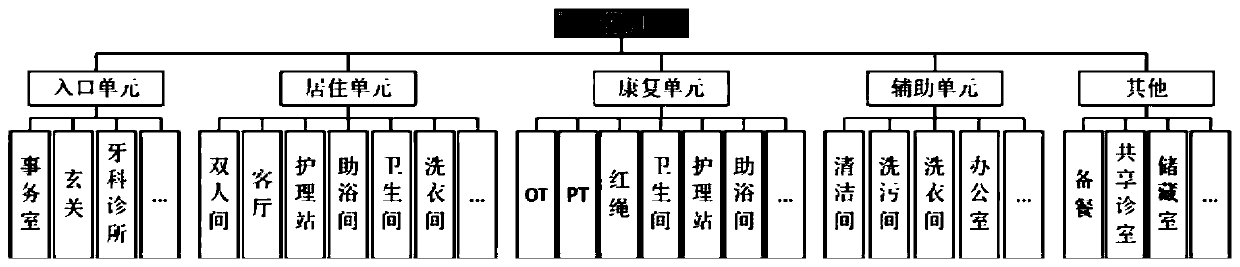
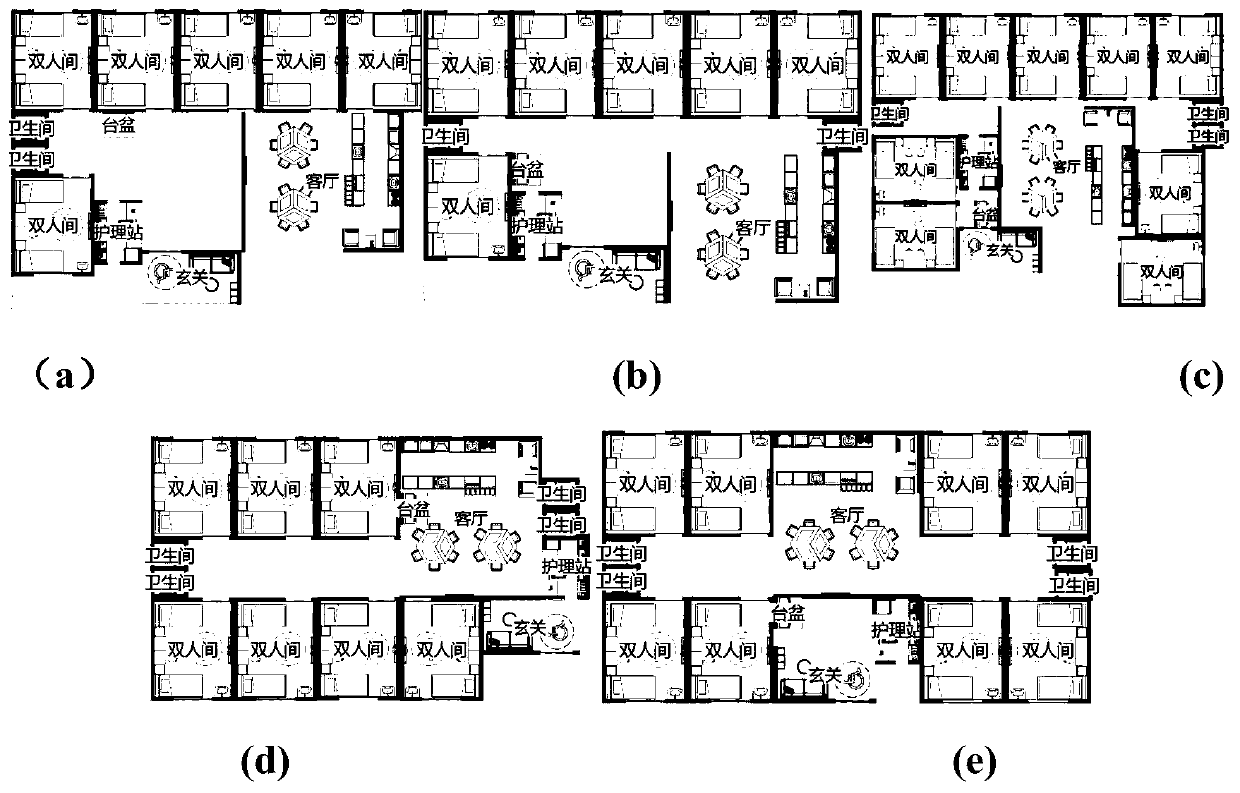
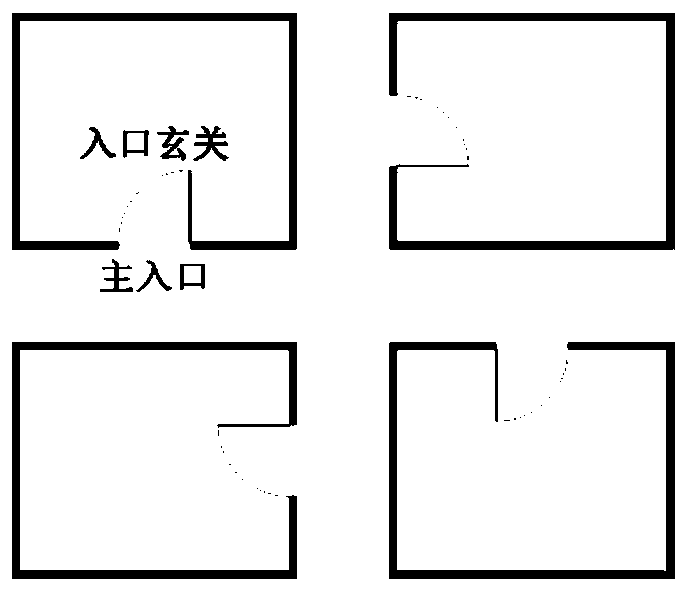
- Adopting a rule-driven collaborative interactive space layout automatic design method, by integrating human intelligence, algorithms and prior knowledge, a design prior knowledge base and module tool library are established, using matrix structures to describe functional modules and spatial characteristics, combined with multi-rule driven The iterative traversal algorithm generates design solutions, and through human-machine collaborative optimization, the usability and effectiveness of the design solutions are improved.

Privacy and Security Considerations in Spatial Design Systems
Privacy and security considerations represent critical challenges in spatial computing collaborative design systems, where multiple users simultaneously interact with shared virtual environments containing sensitive design data. The immersive nature of spatial computing platforms creates unique vulnerabilities that traditional security frameworks struggle to address effectively.
Data protection in spatial design environments requires multi-layered approaches to safeguard intellectual property and user information. Design assets, including 3D models, proprietary algorithms, and collaborative annotations, must be encrypted both in transit and at rest. Real-time collaboration demands secure communication protocols that maintain data integrity while enabling seamless interaction between distributed team members. Biometric data collection through eye tracking, gesture recognition, and spatial positioning sensors introduces additional privacy concerns requiring strict access controls and anonymization techniques.
Authentication mechanisms in spatial systems face complexity due to the immersive user experience requirements. Traditional password-based systems prove inadequate for hands-free environments, necessitating biometric authentication methods such as iris scanning, voice recognition, or behavioral pattern analysis. Multi-factor authentication protocols must balance security robustness with user experience fluidity to prevent workflow disruption during collaborative sessions.
Access control frameworks must accommodate dynamic permission structures reflecting real-world design team hierarchies and project phases. Role-based access control systems require granular permissions for different design elements, allowing selective visibility and editing rights based on user credentials and project requirements. Temporal access controls ensure that sensitive design information remains protected throughout project lifecycles, with automatic permission revocation upon project completion or team member departure.
Network security poses significant challenges in distributed spatial computing environments where low-latency requirements conflict with comprehensive security scanning. Virtual private network implementations must minimize latency while maintaining robust encryption standards. Edge computing architectures introduce additional attack vectors requiring specialized security monitoring and threat detection systems tailored for spatial computing infrastructures.
Regulatory compliance considerations encompass data sovereignty requirements, particularly for international collaborative projects involving cross-border data transfers. GDPR, CCPA, and industry-specific regulations impose strict requirements on data handling, user consent mechanisms, and breach notification procedures that spatial design systems must integrate seamlessly into their operational frameworks.
Data protection in spatial design environments requires multi-layered approaches to safeguard intellectual property and user information. Design assets, including 3D models, proprietary algorithms, and collaborative annotations, must be encrypted both in transit and at rest. Real-time collaboration demands secure communication protocols that maintain data integrity while enabling seamless interaction between distributed team members. Biometric data collection through eye tracking, gesture recognition, and spatial positioning sensors introduces additional privacy concerns requiring strict access controls and anonymization techniques.
Authentication mechanisms in spatial systems face complexity due to the immersive user experience requirements. Traditional password-based systems prove inadequate for hands-free environments, necessitating biometric authentication methods such as iris scanning, voice recognition, or behavioral pattern analysis. Multi-factor authentication protocols must balance security robustness with user experience fluidity to prevent workflow disruption during collaborative sessions.
Access control frameworks must accommodate dynamic permission structures reflecting real-world design team hierarchies and project phases. Role-based access control systems require granular permissions for different design elements, allowing selective visibility and editing rights based on user credentials and project requirements. Temporal access controls ensure that sensitive design information remains protected throughout project lifecycles, with automatic permission revocation upon project completion or team member departure.
Network security poses significant challenges in distributed spatial computing environments where low-latency requirements conflict with comprehensive security scanning. Virtual private network implementations must minimize latency while maintaining robust encryption standards. Edge computing architectures introduce additional attack vectors requiring specialized security monitoring and threat detection systems tailored for spatial computing infrastructures.
Regulatory compliance considerations encompass data sovereignty requirements, particularly for international collaborative projects involving cross-border data transfers. GDPR, CCPA, and industry-specific regulations impose strict requirements on data handling, user consent mechanisms, and breach notification procedures that spatial design systems must integrate seamlessly into their operational frameworks.
Standardization and Interoperability in Spatial Computing Platforms
The standardization and interoperability of spatial computing platforms represent critical foundations for enabling seamless collaborative design workflows across diverse technological ecosystems. Current spatial computing environments often operate as isolated silos, with proprietary data formats, communication protocols, and interaction paradigms that hinder cross-platform collaboration and limit the scalability of design solutions.
Establishing unified standards for spatial data representation, coordinate systems, and object manipulation protocols is essential for creating truly interoperable collaborative design environments. Industry initiatives such as the OpenXR specification have begun addressing hardware abstraction layers, while emerging standards like USD (Universal Scene Description) provide frameworks for 3D content interchange. However, significant gaps remain in standardizing collaborative interaction patterns, real-time synchronization protocols, and cross-platform user experience consistency.
The complexity of achieving interoperability extends beyond technical specifications to encompass semantic understanding of design intent, version control mechanisms, and conflict resolution strategies when multiple users simultaneously modify shared spatial content. Current approaches often rely on proprietary APIs and custom integration layers, creating fragmented ecosystems that increase development costs and limit adoption scalability.
Cloud-based standardization efforts are emerging as potential solutions, with platforms attempting to provide unified APIs for spatial computing services. These initiatives focus on abstracting hardware differences, standardizing gesture recognition, and creating common frameworks for spatial anchoring and persistence. However, challenges persist in balancing performance optimization with cross-platform compatibility, particularly when dealing with latency-sensitive collaborative interactions.
Future standardization efforts must address not only technical interoperability but also user experience consistency, ensuring that collaborative design workflows remain intuitive and efficient regardless of the underlying spatial computing platform. This requires coordinated industry collaboration to establish comprehensive standards that encompass data formats, interaction models, security protocols, and quality assurance frameworks for spatial collaborative environments.
Establishing unified standards for spatial data representation, coordinate systems, and object manipulation protocols is essential for creating truly interoperable collaborative design environments. Industry initiatives such as the OpenXR specification have begun addressing hardware abstraction layers, while emerging standards like USD (Universal Scene Description) provide frameworks for 3D content interchange. However, significant gaps remain in standardizing collaborative interaction patterns, real-time synchronization protocols, and cross-platform user experience consistency.
The complexity of achieving interoperability extends beyond technical specifications to encompass semantic understanding of design intent, version control mechanisms, and conflict resolution strategies when multiple users simultaneously modify shared spatial content. Current approaches often rely on proprietary APIs and custom integration layers, creating fragmented ecosystems that increase development costs and limit adoption scalability.
Cloud-based standardization efforts are emerging as potential solutions, with platforms attempting to provide unified APIs for spatial computing services. These initiatives focus on abstracting hardware differences, standardizing gesture recognition, and creating common frameworks for spatial anchoring and persistence. However, challenges persist in balancing performance optimization with cross-platform compatibility, particularly when dealing with latency-sensitive collaborative interactions.
Future standardization efforts must address not only technical interoperability but also user experience consistency, ensuring that collaborative design workflows remain intuitive and efficient regardless of the underlying spatial computing platform. This requires coordinated industry collaboration to establish comprehensive standards that encompass data formats, interaction models, security protocols, and quality assurance frameworks for spatial collaborative environments.
Unlock deeper insights with PatSnap Eureka Quick Research — get a full tech report to explore trends and direct your research. Try now!
Generate Your Research Report Instantly with AI Agent
Supercharge your innovation with PatSnap Eureka AI Agent Platform!