Steering Wheel Customization: User-Specific Options
JUL 18, 20259 MIN READ
Generate Your Research Report Instantly with AI Agent
Patsnap Eureka helps you evaluate technical feasibility & market potential.
Steering Wheel Customization Background and Objectives
Steering wheel customization has evolved significantly over the past few decades, driven by advancements in automotive technology and changing consumer preferences. Initially, steering wheels were purely functional components, designed for basic vehicle control. However, as vehicles became more sophisticated and driver expectations increased, steering wheels transformed into multifunctional interfaces that integrate various controls and features.
The evolution of steering wheel customization can be traced through several key phases. In the 1980s and 1990s, luxury automakers began offering leather-wrapped steering wheels as premium options. The early 2000s saw the introduction of basic audio and cruise control buttons on steering wheels. By the 2010s, steering wheels had become complex command centers, incorporating controls for infotainment systems, driver assistance features, and even voice recognition.
Today, steering wheel customization has reached new heights, with a focus on personalization and user-specific options. This shift is driven by the increasing demand for tailored driving experiences and the recognition that drivers have diverse preferences and needs. The current trend in steering wheel customization aims to enhance both functionality and comfort while reflecting individual driver preferences.
The primary objective of research on steering wheel customization with user-specific options is to develop innovative solutions that can adapt to individual drivers' needs and preferences. This includes exploring adjustable ergonomics, customizable control layouts, and personalized feedback systems. The goal is to create steering wheels that can be tailored to each driver's unique requirements, improving comfort, safety, and overall driving experience.
Another key objective is to integrate advanced technologies into customizable steering wheels. This involves researching the incorporation of haptic feedback, touch-sensitive surfaces, and even biometric sensors. These technologies aim to provide more intuitive and responsive interactions between the driver and the vehicle, enhancing both control and safety.
Furthermore, the research seeks to address the challenges of mass customization in automotive manufacturing. This includes developing modular steering wheel designs that can be easily customized during production or even after the vehicle has been sold. The aim is to create cost-effective and scalable solutions that can be implemented across various vehicle models and price points.
As we look to the future, the objectives of steering wheel customization research extend to anticipating and accommodating emerging trends in automotive technology. This includes preparing for the integration of autonomous driving features and exploring how steering wheel design might evolve in semi-autonomous and fully autonomous vehicles. The ultimate goal is to ensure that steering wheel customization remains relevant and valuable in the rapidly changing landscape of automotive technology.
The evolution of steering wheel customization can be traced through several key phases. In the 1980s and 1990s, luxury automakers began offering leather-wrapped steering wheels as premium options. The early 2000s saw the introduction of basic audio and cruise control buttons on steering wheels. By the 2010s, steering wheels had become complex command centers, incorporating controls for infotainment systems, driver assistance features, and even voice recognition.
Today, steering wheel customization has reached new heights, with a focus on personalization and user-specific options. This shift is driven by the increasing demand for tailored driving experiences and the recognition that drivers have diverse preferences and needs. The current trend in steering wheel customization aims to enhance both functionality and comfort while reflecting individual driver preferences.
The primary objective of research on steering wheel customization with user-specific options is to develop innovative solutions that can adapt to individual drivers' needs and preferences. This includes exploring adjustable ergonomics, customizable control layouts, and personalized feedback systems. The goal is to create steering wheels that can be tailored to each driver's unique requirements, improving comfort, safety, and overall driving experience.
Another key objective is to integrate advanced technologies into customizable steering wheels. This involves researching the incorporation of haptic feedback, touch-sensitive surfaces, and even biometric sensors. These technologies aim to provide more intuitive and responsive interactions between the driver and the vehicle, enhancing both control and safety.
Furthermore, the research seeks to address the challenges of mass customization in automotive manufacturing. This includes developing modular steering wheel designs that can be easily customized during production or even after the vehicle has been sold. The aim is to create cost-effective and scalable solutions that can be implemented across various vehicle models and price points.
As we look to the future, the objectives of steering wheel customization research extend to anticipating and accommodating emerging trends in automotive technology. This includes preparing for the integration of autonomous driving features and exploring how steering wheel design might evolve in semi-autonomous and fully autonomous vehicles. The ultimate goal is to ensure that steering wheel customization remains relevant and valuable in the rapidly changing landscape of automotive technology.
Market Analysis for Personalized Steering Wheels
The market for personalized steering wheels has been experiencing significant growth in recent years, driven by increasing consumer demand for customization and unique driving experiences. This trend is particularly evident in the luxury and high-performance vehicle segments, where drivers are willing to pay a premium for bespoke features that reflect their individual preferences and style.
The global automotive steering wheel market was valued at approximately $30 billion in 2021 and is projected to reach $40 billion by 2026, with a compound annual growth rate (CAGR) of around 5%. Within this market, the personalized steering wheel segment is expected to grow at an even faster rate, potentially reaching a CAGR of 7-8% over the same period.
Several factors are contributing to the rising demand for customized steering wheels. Firstly, advancements in manufacturing technologies, such as 3D printing and advanced materials, have made it more feasible and cost-effective to produce small batches of customized products. This has enabled automakers and aftermarket suppliers to offer a wider range of personalization options without significantly impacting production costs.
Secondly, the increasing focus on driver experience and comfort has led to a greater emphasis on ergonomic design and personalized features. Drivers are seeking steering wheels that not only look unique but also provide enhanced grip, comfort, and functionality tailored to their specific needs and preferences.
The market for personalized steering wheels can be segmented into several categories based on customization options. These include materials (leather, wood, carbon fiber, alcantara), shape and size, integrated controls and technologies, color and finish, and special features such as heating or cooling functions. Each of these segments presents unique opportunities for growth and innovation.
Geographically, North America and Europe currently dominate the market for personalized steering wheels, accounting for over 60% of the global market share. However, the Asia-Pacific region is expected to witness the fastest growth in the coming years, driven by rising disposable incomes and an increasing appetite for luxury vehicles in countries like China and India.
Key players in the personalized steering wheel market include both established automotive suppliers and specialized aftermarket companies. Major OEMs are also increasingly offering in-house customization options for their high-end models, recognizing the potential for increased revenue and brand differentiation.
Looking ahead, the market for personalized steering wheels is expected to continue its growth trajectory, fueled by ongoing technological advancements and evolving consumer preferences. The integration of advanced driver assistance systems (ADAS) and autonomous driving technologies into steering wheels presents both challenges and opportunities for customization, potentially opening up new avenues for personalization in terms of user interfaces and control systems.
The global automotive steering wheel market was valued at approximately $30 billion in 2021 and is projected to reach $40 billion by 2026, with a compound annual growth rate (CAGR) of around 5%. Within this market, the personalized steering wheel segment is expected to grow at an even faster rate, potentially reaching a CAGR of 7-8% over the same period.
Several factors are contributing to the rising demand for customized steering wheels. Firstly, advancements in manufacturing technologies, such as 3D printing and advanced materials, have made it more feasible and cost-effective to produce small batches of customized products. This has enabled automakers and aftermarket suppliers to offer a wider range of personalization options without significantly impacting production costs.
Secondly, the increasing focus on driver experience and comfort has led to a greater emphasis on ergonomic design and personalized features. Drivers are seeking steering wheels that not only look unique but also provide enhanced grip, comfort, and functionality tailored to their specific needs and preferences.
The market for personalized steering wheels can be segmented into several categories based on customization options. These include materials (leather, wood, carbon fiber, alcantara), shape and size, integrated controls and technologies, color and finish, and special features such as heating or cooling functions. Each of these segments presents unique opportunities for growth and innovation.
Geographically, North America and Europe currently dominate the market for personalized steering wheels, accounting for over 60% of the global market share. However, the Asia-Pacific region is expected to witness the fastest growth in the coming years, driven by rising disposable incomes and an increasing appetite for luxury vehicles in countries like China and India.
Key players in the personalized steering wheel market include both established automotive suppliers and specialized aftermarket companies. Major OEMs are also increasingly offering in-house customization options for their high-end models, recognizing the potential for increased revenue and brand differentiation.
Looking ahead, the market for personalized steering wheels is expected to continue its growth trajectory, fueled by ongoing technological advancements and evolving consumer preferences. The integration of advanced driver assistance systems (ADAS) and autonomous driving technologies into steering wheels presents both challenges and opportunities for customization, potentially opening up new avenues for personalization in terms of user interfaces and control systems.
Current Challenges in Steering Wheel Customization
The customization of steering wheels with user-specific options presents several significant challenges in the current automotive industry. One of the primary obstacles is balancing personalization with safety standards. While drivers desire unique features and designs, manufacturers must ensure that all customizations comply with stringent safety regulations, which can limit the extent of personalization options available.
Another challenge lies in the integration of advanced technologies into customized steering wheels. As vehicles become more technologically sophisticated, steering wheels are increasingly expected to incorporate various controls and displays. This integration must be seamless and intuitive, regardless of the customization choices made by users. Achieving this balance between functionality and personalization is a complex task that requires careful design considerations.
Cost-effectiveness is also a major hurdle in steering wheel customization. Mass production techniques have long been the norm in the automotive industry, allowing for economies of scale. However, offering user-specific options often requires more specialized manufacturing processes, which can significantly increase production costs. Manufacturers must find innovative ways to offer customization without substantially raising the overall vehicle price.
The durability and longevity of customized steering wheels pose another challenge. Different materials and designs chosen by users may have varying wear characteristics and lifespans. Ensuring that all customization options maintain the same level of quality and durability throughout the vehicle's life cycle is crucial but challenging.
Ergonomics and user comfort present additional complexities. While personal preferences vary, steering wheels must still adhere to ergonomic principles to ensure safe and comfortable driving experiences. Balancing individual desires with optimal ergonomic design is a delicate task that requires extensive research and testing.
Furthermore, the challenge of scalability in production is significant. Offering a wide range of customization options while maintaining efficient production lines and inventory management is a logistical challenge. Manufacturers need to develop flexible production systems that can accommodate various customization requests without compromising production speed or quality.
Lastly, the environmental impact of customization must be considered. With increasing focus on sustainability in the automotive industry, manufacturers face the challenge of offering personalization options that do not significantly increase the carbon footprint of vehicle production. This involves careful selection of materials and optimization of manufacturing processes to minimize waste and energy consumption.
Another challenge lies in the integration of advanced technologies into customized steering wheels. As vehicles become more technologically sophisticated, steering wheels are increasingly expected to incorporate various controls and displays. This integration must be seamless and intuitive, regardless of the customization choices made by users. Achieving this balance between functionality and personalization is a complex task that requires careful design considerations.
Cost-effectiveness is also a major hurdle in steering wheel customization. Mass production techniques have long been the norm in the automotive industry, allowing for economies of scale. However, offering user-specific options often requires more specialized manufacturing processes, which can significantly increase production costs. Manufacturers must find innovative ways to offer customization without substantially raising the overall vehicle price.
The durability and longevity of customized steering wheels pose another challenge. Different materials and designs chosen by users may have varying wear characteristics and lifespans. Ensuring that all customization options maintain the same level of quality and durability throughout the vehicle's life cycle is crucial but challenging.
Ergonomics and user comfort present additional complexities. While personal preferences vary, steering wheels must still adhere to ergonomic principles to ensure safe and comfortable driving experiences. Balancing individual desires with optimal ergonomic design is a delicate task that requires extensive research and testing.
Furthermore, the challenge of scalability in production is significant. Offering a wide range of customization options while maintaining efficient production lines and inventory management is a logistical challenge. Manufacturers need to develop flexible production systems that can accommodate various customization requests without compromising production speed or quality.
Lastly, the environmental impact of customization must be considered. With increasing focus on sustainability in the automotive industry, manufacturers face the challenge of offering personalization options that do not significantly increase the carbon footprint of vehicle production. This involves careful selection of materials and optimization of manufacturing processes to minimize waste and energy consumption.
Existing Customization Options and Technologies
01 Adjustable steering wheel design
Customizable steering wheels that can be adjusted for tilt, reach, and height to accommodate different drivers' preferences and ergonomic needs. These designs improve comfort and driving experience by allowing users to find their optimal steering position.- Customizable steering wheel controls: Steering wheels can be customized with programmable buttons and controls, allowing drivers to personalize their driving experience. These controls can be configured to operate various vehicle functions, such as audio systems, climate control, or advanced driver assistance features.
- Adjustable steering wheel design: Steering wheels can be designed with adjustable features to accommodate different driver preferences and ergonomics. This includes telescoping and tilting mechanisms, as well as adjustable grips and padding for improved comfort and control.
- Integrated display and touch interfaces: Modern steering wheel customization includes the integration of display screens and touch-sensitive interfaces directly into the wheel. These features provide drivers with easy access to vehicle information and controls without taking their hands off the wheel.
- Steering wheel material and aesthetic customization: Customization options for steering wheels include various materials, colors, and finishes to match personal preferences and vehicle interiors. This can involve leather wrapping, wood or carbon fiber accents, and custom stitching patterns.
- Biometric and sensor integration: Advanced steering wheel customization incorporates biometric sensors and haptic feedback systems. These features can monitor driver alertness, provide personalized feedback, and enhance the overall driving experience through responsive tactile sensations.
02 Modular steering wheel components
Steering wheels with interchangeable parts or modules that allow for easy customization. This includes removable grips, buttons, or panels that can be swapped out to change the wheel's appearance or functionality according to user preferences.Expand Specific Solutions03 Integrated control systems
Steering wheels equipped with customizable control interfaces, such as touchscreens, buttons, or gesture recognition systems. These allow drivers to personalize their access to various vehicle functions and infotainment systems directly from the steering wheel.Expand Specific Solutions04 Personalized grip and material options
Customization options for steering wheel grips, including various materials (leather, suede, wood, carbon fiber) and textures. This allows drivers to choose the most comfortable and aesthetically pleasing grip for their steering wheel.Expand Specific Solutions05 Smart steering wheel technology
Integration of advanced technologies into steering wheels, such as biometric sensors, haptic feedback systems, or adaptive interfaces. These features allow for personalized driving experiences and can adjust based on individual driver profiles or preferences.Expand Specific Solutions
Key Players in Automotive Customization Industry
The steering wheel customization market is in a growth phase, driven by increasing demand for personalized vehicle interiors. The market size is expanding as automakers and suppliers recognize the potential for differentiation and enhanced user experience. Technologically, the field is advancing rapidly, with companies like BMW, Porsche, and Volkswagen leading innovation in user-specific options. ThyssenKrupp Presta and Preh GmbH are developing advanced electronic steering systems and controls, while tech giants like LG Electronics and Panasonic are integrating smart features. Emerging players like NIO and Polestar are pushing boundaries in electric vehicle interfaces, indicating a shift towards more sophisticated, customizable steering solutions across the automotive industry.
Bayerische Motoren Werke AG
Technical Solution: BMW has developed an advanced steering wheel customization system that incorporates user-specific options. Their technology utilizes a combination of haptic feedback, touch-sensitive surfaces, and adaptive controls. The steering wheel features customizable touch-sensitive panels that can be programmed to control various vehicle functions based on user preferences[1]. Additionally, BMW has implemented a biometric authentication system that recognizes individual drivers and automatically adjusts the steering wheel settings to their saved preferences[2]. The company has also integrated gesture control technology, allowing drivers to perform certain actions without taking their hands off the wheel[3]. BMW's system also includes a dynamic display integrated into the steering wheel, providing real-time information and customizable interfaces[4].
Strengths: Highly personalized user experience, advanced biometric authentication, and seamless integration with vehicle systems. Weaknesses: Potentially complex user interface, higher production costs, and possible over-reliance on technology.
Dr. Ing. h.c. F. Porsche AG
Technical Solution: Porsche has developed a sophisticated steering wheel customization system that focuses on both performance and luxury. Their technology incorporates a modular design approach, allowing for easy customization of steering wheel components[1]. The system includes interchangeable grip materials, such as leather, Alcantara, or carbon fiber, to suit individual preferences[2]. Porsche has also implemented an advanced haptic feedback system that provides customizable tactile responses for different driving modes and conditions[3]. The steering wheel features integrated touch-sensitive controls with user-programmable functions, allowing drivers to access their most frequently used features without removing their hands from the wheel[4]. Additionally, Porsche has developed a weight optimization system that allows users to adjust the steering wheel's mass distribution for improved handling and feel[5].
Strengths: High-end materials and craftsmanship, performance-oriented customization options, and integration with vehicle dynamics. Weaknesses: Potentially high cost, complexity in manufacturing, and limited appeal to non-performance-oriented drivers.
Innovative Materials and Manufacturing Processes
Custom steering wheels
PatentInactiveUS20070227292A1
Innovation
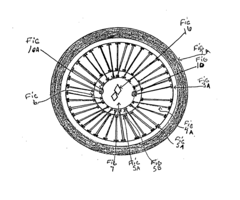
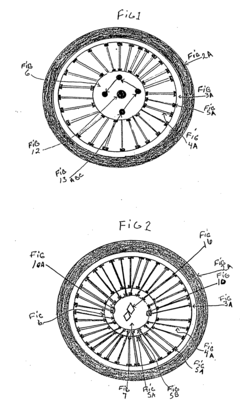
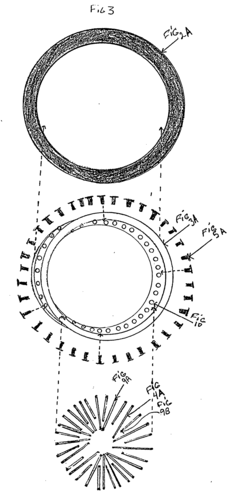
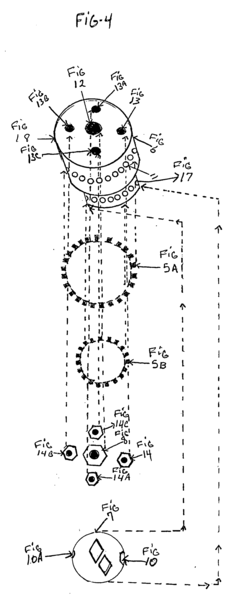
- A custom steering wheel design featuring a hub, rim, and 72-100 spokes made from a metal alloy, where the hub core and base body are molded together with the spokes, eliminating the need for a separate skeleton, and allowing for integration of a reinforcing insert for gas bag module support, using a pressureless injection method with an aluminum alloy material.
Configurable touch screen LCD steering wheel controls
PatentActiveUS20160004383A1
Innovation
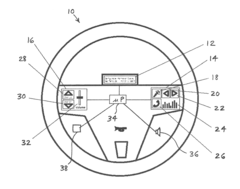
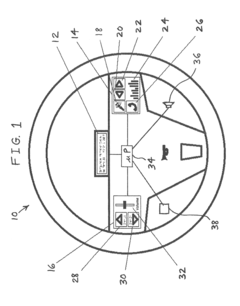
- Integration of back-lit liquid crystal display (LCD) screens with touch screens on the steering wheel, enabling user-configurable controls and information widgets, allowing drivers to customize and conveniently locate controls and information directly on the wheel.
Safety Regulations and Compliance for Custom Steering Wheels
Safety regulations and compliance play a crucial role in the development and implementation of custom steering wheels with user-specific options. As automotive manufacturers explore innovative ways to personalize the driving experience, they must navigate a complex landscape of safety standards and regulatory requirements.
The primary concern for custom steering wheels is ensuring that they meet or exceed the safety standards set by regulatory bodies such as the National Highway Traffic Safety Administration (NHTSA) in the United States and the European New Car Assessment Programme (Euro NCAP) in Europe. These organizations establish guidelines for steering wheel design, including impact protection, airbag deployment, and overall structural integrity.
One of the key challenges in customizing steering wheels is maintaining the effectiveness of airbag systems. Airbags are designed to work in conjunction with the steering wheel's shape and structure, and any modifications must not compromise their deployment or performance. Manufacturers must conduct extensive testing to ensure that custom steering wheels maintain the same level of safety as standard designs.
Material selection is another critical aspect of compliance. Custom steering wheels must use materials that meet specific strength and durability requirements to withstand the forces involved in a collision. Additionally, these materials must not pose additional risks to occupants in the event of an accident, such as splintering or producing sharp edges upon impact.
Ergonomics and human factors also fall under the purview of safety regulations. Custom steering wheels must adhere to guidelines regarding grip, diameter, and spoke design to ensure that drivers can maintain proper control of the vehicle. This includes considerations for different hand sizes and grip strengths, as well as the placement of controls on the steering wheel.
The integration of advanced driver assistance systems (ADAS) and other electronic features into steering wheels adds another layer of complexity to compliance efforts. Manufacturers must ensure that any customization options do not interfere with the functionality of these systems, which are often critical to vehicle safety.
Regulatory bodies also require extensive documentation and testing procedures for custom steering wheel designs. This includes crash testing, durability assessments, and electromagnetic compatibility tests for integrated electronic components. Manufacturers must maintain detailed records of these tests and be prepared to provide them to regulatory agencies upon request.
As the automotive industry moves towards greater personalization, there is an ongoing dialogue between manufacturers and regulatory bodies to establish guidelines that balance innovation with safety. This may lead to the development of new standards specifically addressing customizable vehicle components, including steering wheels.
The primary concern for custom steering wheels is ensuring that they meet or exceed the safety standards set by regulatory bodies such as the National Highway Traffic Safety Administration (NHTSA) in the United States and the European New Car Assessment Programme (Euro NCAP) in Europe. These organizations establish guidelines for steering wheel design, including impact protection, airbag deployment, and overall structural integrity.
One of the key challenges in customizing steering wheels is maintaining the effectiveness of airbag systems. Airbags are designed to work in conjunction with the steering wheel's shape and structure, and any modifications must not compromise their deployment or performance. Manufacturers must conduct extensive testing to ensure that custom steering wheels maintain the same level of safety as standard designs.
Material selection is another critical aspect of compliance. Custom steering wheels must use materials that meet specific strength and durability requirements to withstand the forces involved in a collision. Additionally, these materials must not pose additional risks to occupants in the event of an accident, such as splintering or producing sharp edges upon impact.
Ergonomics and human factors also fall under the purview of safety regulations. Custom steering wheels must adhere to guidelines regarding grip, diameter, and spoke design to ensure that drivers can maintain proper control of the vehicle. This includes considerations for different hand sizes and grip strengths, as well as the placement of controls on the steering wheel.
The integration of advanced driver assistance systems (ADAS) and other electronic features into steering wheels adds another layer of complexity to compliance efforts. Manufacturers must ensure that any customization options do not interfere with the functionality of these systems, which are often critical to vehicle safety.
Regulatory bodies also require extensive documentation and testing procedures for custom steering wheel designs. This includes crash testing, durability assessments, and electromagnetic compatibility tests for integrated electronic components. Manufacturers must maintain detailed records of these tests and be prepared to provide them to regulatory agencies upon request.
As the automotive industry moves towards greater personalization, there is an ongoing dialogue between manufacturers and regulatory bodies to establish guidelines that balance innovation with safety. This may lead to the development of new standards specifically addressing customizable vehicle components, including steering wheels.
User Experience and Ergonomic Considerations
User experience and ergonomic considerations play a crucial role in steering wheel customization with user-specific options. The steering wheel serves as the primary interface between the driver and the vehicle, making it essential to prioritize comfort, safety, and usability in its design.
Ergonomic factors such as grip, size, and shape significantly impact driver comfort and control. Customizable options should allow users to adjust these parameters to suit their individual preferences and physical characteristics. For instance, drivers with smaller hands may prefer a thinner wheel rim, while those with larger hands might opt for a thicker grip. The ability to modify the wheel's diameter can also enhance comfort for drivers of different heights and arm lengths.
The positioning of controls on the steering wheel is another critical aspect of user experience. Customizable button layouts can cater to individual preferences and driving styles. Some drivers may prioritize easy access to audio controls, while others might prefer quick access to cruise control or voice command functions. Allowing users to rearrange or program these controls can significantly enhance their driving experience and reduce distractions.
Tactile feedback is an important consideration in steering wheel design. Customizable options for surface textures, materials, and even haptic feedback can provide users with a more personalized and responsive driving experience. For example, some drivers may prefer a leather-wrapped wheel for a luxurious feel, while others might opt for a textured grip for better control in various weather conditions.
The weight and resistance of the steering wheel are also crucial factors in user experience. Customizable power steering settings can allow drivers to adjust the level of assistance to their liking, providing a more engaging driving experience for enthusiasts or easier maneuverability for those who prefer lighter steering.
Visual customization options, such as adjustable ambient lighting or display screens integrated into the steering wheel, can further enhance the user experience. These features not only allow for personalization but can also improve visibility and reduce eye strain during night driving.
Considering the diverse needs of drivers with physical limitations or disabilities, steering wheel customization can play a vital role in improving accessibility. Options such as adaptive controls, one-handed operation modes, or integration with assistive technologies can make driving more inclusive and safer for a broader range of users.
In developing customizable steering wheel solutions, it is essential to conduct extensive user testing and gather feedback from diverse groups of drivers. This approach ensures that the customization options truly meet the needs and preferences of a wide range of users, ultimately leading to improved safety, comfort, and satisfaction in the driving experience.
Ergonomic factors such as grip, size, and shape significantly impact driver comfort and control. Customizable options should allow users to adjust these parameters to suit their individual preferences and physical characteristics. For instance, drivers with smaller hands may prefer a thinner wheel rim, while those with larger hands might opt for a thicker grip. The ability to modify the wheel's diameter can also enhance comfort for drivers of different heights and arm lengths.
The positioning of controls on the steering wheel is another critical aspect of user experience. Customizable button layouts can cater to individual preferences and driving styles. Some drivers may prioritize easy access to audio controls, while others might prefer quick access to cruise control or voice command functions. Allowing users to rearrange or program these controls can significantly enhance their driving experience and reduce distractions.
Tactile feedback is an important consideration in steering wheel design. Customizable options for surface textures, materials, and even haptic feedback can provide users with a more personalized and responsive driving experience. For example, some drivers may prefer a leather-wrapped wheel for a luxurious feel, while others might opt for a textured grip for better control in various weather conditions.
The weight and resistance of the steering wheel are also crucial factors in user experience. Customizable power steering settings can allow drivers to adjust the level of assistance to their liking, providing a more engaging driving experience for enthusiasts or easier maneuverability for those who prefer lighter steering.
Visual customization options, such as adjustable ambient lighting or display screens integrated into the steering wheel, can further enhance the user experience. These features not only allow for personalization but can also improve visibility and reduce eye strain during night driving.
Considering the diverse needs of drivers with physical limitations or disabilities, steering wheel customization can play a vital role in improving accessibility. Options such as adaptive controls, one-handed operation modes, or integration with assistive technologies can make driving more inclusive and safer for a broader range of users.
In developing customizable steering wheel solutions, it is essential to conduct extensive user testing and gather feedback from diverse groups of drivers. This approach ensures that the customization options truly meet the needs and preferences of a wide range of users, ultimately leading to improved safety, comfort, and satisfaction in the driving experience.
Unlock deeper insights with Patsnap Eureka Quick Research — get a full tech report to explore trends and direct your research. Try now!
Generate Your Research Report Instantly with AI Agent
Supercharge your innovation with Patsnap Eureka AI Agent Platform!