Ultrafiltration Systems Based on UHMWPE Structures
AUG 6, 20259 MIN READ
Generate Your Research Report Instantly with AI Agent
PatSnap Eureka helps you evaluate technical feasibility & market potential.
UHMWPE UF Background
Ultrafiltration (UF) systems based on Ultra-High Molecular Weight Polyethylene (UHMWPE) structures represent a significant advancement in membrane technology. UHMWPE, a linear polyethylene with an exceptionally high molecular weight, typically ranging from 3.5 to 7.5 million g/mol, has garnered considerable attention in the field of filtration due to its unique properties.
The development of UHMWPE-based UF systems can be traced back to the early 2000s when researchers began exploring alternatives to conventional polymeric membranes. The primary motivation was to overcome limitations such as low mechanical strength, poor chemical resistance, and inadequate fouling resistance that plagued traditional materials like polysulfone and polyethersulfone.
UHMWPE's exceptional characteristics, including high tensile strength, excellent abrasion resistance, and superior chemical inertness, make it an ideal candidate for UF applications. These properties enable the creation of membranes that can withstand harsh operating conditions while maintaining consistent performance over extended periods.
The evolution of UHMWPE UF technology has been marked by several key milestones. Initially, researchers focused on developing methods to fabricate porous UHMWPE structures suitable for filtration. This led to the introduction of various techniques such as thermally induced phase separation (TIPS) and stretching-induced pore formation.
As the technology progressed, efforts shifted towards enhancing the hydrophilicity of UHMWPE membranes, which are inherently hydrophobic. This was crucial for improving water flux and reducing membrane fouling. Researchers explored various surface modification techniques, including plasma treatment, grafting, and the incorporation of hydrophilic nanoparticles.
Recent years have seen a surge in research aimed at optimizing the pore structure and distribution of UHMWPE UF membranes. Advanced fabrication methods, such as electrospinning and 3D printing, have enabled greater control over membrane morphology, leading to improved selectivity and permeability.
The application of UHMWPE UF systems has expanded across various industries, including water treatment, food and beverage processing, and biotechnology. Their ability to effectively remove suspended solids, bacteria, and high-molecular-weight compounds while maintaining high flux rates has made them particularly valuable in these sectors.
As environmental concerns and water scarcity issues continue to grow globally, the demand for efficient and durable UF systems is expected to rise. UHMWPE-based membranes are well-positioned to address these challenges, offering a promising solution for sustainable water treatment and purification processes.
The development of UHMWPE-based UF systems can be traced back to the early 2000s when researchers began exploring alternatives to conventional polymeric membranes. The primary motivation was to overcome limitations such as low mechanical strength, poor chemical resistance, and inadequate fouling resistance that plagued traditional materials like polysulfone and polyethersulfone.
UHMWPE's exceptional characteristics, including high tensile strength, excellent abrasion resistance, and superior chemical inertness, make it an ideal candidate for UF applications. These properties enable the creation of membranes that can withstand harsh operating conditions while maintaining consistent performance over extended periods.
The evolution of UHMWPE UF technology has been marked by several key milestones. Initially, researchers focused on developing methods to fabricate porous UHMWPE structures suitable for filtration. This led to the introduction of various techniques such as thermally induced phase separation (TIPS) and stretching-induced pore formation.
As the technology progressed, efforts shifted towards enhancing the hydrophilicity of UHMWPE membranes, which are inherently hydrophobic. This was crucial for improving water flux and reducing membrane fouling. Researchers explored various surface modification techniques, including plasma treatment, grafting, and the incorporation of hydrophilic nanoparticles.
Recent years have seen a surge in research aimed at optimizing the pore structure and distribution of UHMWPE UF membranes. Advanced fabrication methods, such as electrospinning and 3D printing, have enabled greater control over membrane morphology, leading to improved selectivity and permeability.
The application of UHMWPE UF systems has expanded across various industries, including water treatment, food and beverage processing, and biotechnology. Their ability to effectively remove suspended solids, bacteria, and high-molecular-weight compounds while maintaining high flux rates has made them particularly valuable in these sectors.
As environmental concerns and water scarcity issues continue to grow globally, the demand for efficient and durable UF systems is expected to rise. UHMWPE-based membranes are well-positioned to address these challenges, offering a promising solution for sustainable water treatment and purification processes.
Market Analysis
The market for ultrafiltration systems based on Ultra-High Molecular Weight Polyethylene (UHMWPE) structures is experiencing significant growth, driven by increasing demand for advanced water and wastewater treatment solutions across various industries. The global ultrafiltration market, which includes UHMWPE-based systems, is projected to expand at a compound annual growth rate of 7.2% from 2021 to 2028, reaching a market value of $3.7 billion by the end of the forecast period.
UHMWPE-based ultrafiltration systems are gaining traction due to their superior mechanical properties, chemical resistance, and durability compared to traditional membrane materials. These systems find applications in diverse sectors, including municipal water treatment, industrial process water, food and beverage processing, pharmaceuticals, and biotechnology. The municipal water treatment segment currently holds the largest market share, accounting for approximately 35% of the total market revenue.
The industrial process water segment is expected to witness the fastest growth rate in the coming years, driven by stringent environmental regulations and the need for water conservation in manufacturing processes. Industries such as oil and gas, chemicals, and textiles are increasingly adopting UHMWPE-based ultrafiltration systems to meet their water treatment requirements and reduce their environmental footprint.
Geographically, Asia Pacific is emerging as the fastest-growing market for UHMWPE-based ultrafiltration systems, with China and India leading the regional growth. The rapid industrialization, urbanization, and growing awareness about water quality in these countries are driving the demand for advanced water treatment technologies. North America and Europe continue to be significant markets, with a focus on upgrading existing water infrastructure and implementing more efficient treatment solutions.
The market is characterized by intense competition among key players, including Dow Chemical Company, Toray Industries, Koch Membrane Systems, and Pentair. These companies are investing heavily in research and development to enhance the performance and efficiency of UHMWPE-based ultrafiltration membranes. Collaborations between membrane manufacturers and water treatment solution providers are becoming increasingly common, aiming to offer integrated systems that meet specific customer requirements.
Despite the positive market outlook, challenges such as high initial investment costs and the need for skilled operators may hinder the widespread adoption of UHMWPE-based ultrafiltration systems, particularly in developing regions. However, ongoing technological advancements and the development of cost-effective manufacturing processes are expected to address these challenges and further drive market growth in the coming years.
UHMWPE-based ultrafiltration systems are gaining traction due to their superior mechanical properties, chemical resistance, and durability compared to traditional membrane materials. These systems find applications in diverse sectors, including municipal water treatment, industrial process water, food and beverage processing, pharmaceuticals, and biotechnology. The municipal water treatment segment currently holds the largest market share, accounting for approximately 35% of the total market revenue.
The industrial process water segment is expected to witness the fastest growth rate in the coming years, driven by stringent environmental regulations and the need for water conservation in manufacturing processes. Industries such as oil and gas, chemicals, and textiles are increasingly adopting UHMWPE-based ultrafiltration systems to meet their water treatment requirements and reduce their environmental footprint.
Geographically, Asia Pacific is emerging as the fastest-growing market for UHMWPE-based ultrafiltration systems, with China and India leading the regional growth. The rapid industrialization, urbanization, and growing awareness about water quality in these countries are driving the demand for advanced water treatment technologies. North America and Europe continue to be significant markets, with a focus on upgrading existing water infrastructure and implementing more efficient treatment solutions.
The market is characterized by intense competition among key players, including Dow Chemical Company, Toray Industries, Koch Membrane Systems, and Pentair. These companies are investing heavily in research and development to enhance the performance and efficiency of UHMWPE-based ultrafiltration membranes. Collaborations between membrane manufacturers and water treatment solution providers are becoming increasingly common, aiming to offer integrated systems that meet specific customer requirements.
Despite the positive market outlook, challenges such as high initial investment costs and the need for skilled operators may hinder the widespread adoption of UHMWPE-based ultrafiltration systems, particularly in developing regions. However, ongoing technological advancements and the development of cost-effective manufacturing processes are expected to address these challenges and further drive market growth in the coming years.
Technical Challenges
The development of ultrafiltration systems based on Ultra-High Molecular Weight Polyethylene (UHMWPE) structures faces several significant technical challenges. One of the primary obstacles is the optimization of membrane pore size and distribution. UHMWPE, while offering excellent mechanical properties and chemical resistance, presents difficulties in achieving consistent and controlled pore formation. The challenge lies in developing manufacturing processes that can produce membranes with uniform pore sizes at the nanoscale level, crucial for effective ultrafiltration performance.
Another major hurdle is the inherent hydrophobicity of UHMWPE. This characteristic can lead to membrane fouling, reducing filtration efficiency and system longevity. Researchers are grappling with methods to modify the surface properties of UHMWPE membranes to enhance hydrophilicity without compromising the material's structural integrity or filtration capabilities. Various surface modification techniques, such as plasma treatment or chemical grafting, are being explored, but each comes with its own set of challenges in terms of scalability and long-term stability.
The mechanical strength of UHMWPE membranes, while generally high, can be compromised during the pore formation process. Balancing the need for high porosity with maintaining structural integrity is a delicate task. Engineers are working on innovative membrane designs and support structures to enhance the mechanical robustness of these ultrafiltration systems, particularly under high-pressure operations.
Thermal management is another significant challenge in UHMWPE-based ultrafiltration systems. The material's low thermal conductivity can lead to heat buildup during operation, potentially affecting filtration performance and membrane longevity. Developing effective heat dissipation mechanisms without compromising the system's compact design or increasing energy consumption remains a complex engineering problem.
The integration of UHMWPE membranes into existing ultrafiltration systems poses compatibility issues. Adapting current system designs to accommodate the unique properties of UHMWPE membranes, such as their flexibility and chemical resistance, requires significant re-engineering of system components and operational parameters. This challenge extends to ensuring the long-term chemical compatibility of UHMWPE with various process fluids and cleaning agents used in industrial applications.
Lastly, the scale-up of UHMWPE membrane production for commercial ultrafiltration applications presents considerable challenges. Current laboratory-scale production methods often struggle to maintain consistency and quality when scaled to industrial levels. Developing cost-effective, large-scale manufacturing processes that can produce high-quality UHMWPE membranes with consistent properties is crucial for the widespread adoption of this technology in ultrafiltration systems.
Another major hurdle is the inherent hydrophobicity of UHMWPE. This characteristic can lead to membrane fouling, reducing filtration efficiency and system longevity. Researchers are grappling with methods to modify the surface properties of UHMWPE membranes to enhance hydrophilicity without compromising the material's structural integrity or filtration capabilities. Various surface modification techniques, such as plasma treatment or chemical grafting, are being explored, but each comes with its own set of challenges in terms of scalability and long-term stability.
The mechanical strength of UHMWPE membranes, while generally high, can be compromised during the pore formation process. Balancing the need for high porosity with maintaining structural integrity is a delicate task. Engineers are working on innovative membrane designs and support structures to enhance the mechanical robustness of these ultrafiltration systems, particularly under high-pressure operations.
Thermal management is another significant challenge in UHMWPE-based ultrafiltration systems. The material's low thermal conductivity can lead to heat buildup during operation, potentially affecting filtration performance and membrane longevity. Developing effective heat dissipation mechanisms without compromising the system's compact design or increasing energy consumption remains a complex engineering problem.
The integration of UHMWPE membranes into existing ultrafiltration systems poses compatibility issues. Adapting current system designs to accommodate the unique properties of UHMWPE membranes, such as their flexibility and chemical resistance, requires significant re-engineering of system components and operational parameters. This challenge extends to ensuring the long-term chemical compatibility of UHMWPE with various process fluids and cleaning agents used in industrial applications.
Lastly, the scale-up of UHMWPE membrane production for commercial ultrafiltration applications presents considerable challenges. Current laboratory-scale production methods often struggle to maintain consistency and quality when scaled to industrial levels. Developing cost-effective, large-scale manufacturing processes that can produce high-quality UHMWPE membranes with consistent properties is crucial for the widespread adoption of this technology in ultrafiltration systems.
Current UF Solutions
01 UHMWPE-based membrane structures for ultrafiltration
Ultra-high molecular weight polyethylene (UHMWPE) is used to create membrane structures for ultrafiltration systems. These membranes offer high mechanical strength, chemical resistance, and excellent filtration properties, making them suitable for various applications in water treatment and industrial processes.- UHMWPE-based membrane structures for ultrafiltration: Ultrafiltration systems utilize membranes made from ultra-high molecular weight polyethylene (UHMWPE) due to its excellent mechanical properties and chemical resistance. These membranes are designed with specific pore sizes and structures to effectively separate particles and molecules based on size during the filtration process.
- Modification techniques for UHMWPE membranes: Various modification techniques are employed to enhance the performance of UHMWPE membranes in ultrafiltration systems. These may include surface treatments, blending with other polymers, or incorporating functional additives to improve properties such as hydrophilicity, fouling resistance, and selectivity.
- UHMWPE-based composite membranes: Composite membranes incorporating UHMWPE as a key component are developed for ultrafiltration applications. These membranes combine the advantages of UHMWPE with other materials to achieve improved filtration performance, durability, and specific functionalities tailored for different separation requirements.
- Fabrication methods for UHMWPE ultrafiltration membranes: Various fabrication methods are employed to produce UHMWPE-based membranes for ultrafiltration systems. These may include phase inversion, electrospinning, or melt extrusion techniques, each offering unique advantages in terms of membrane structure, porosity, and performance characteristics.
- Application-specific UHMWPE ultrafiltration systems: UHMWPE-based ultrafiltration systems are designed and optimized for specific applications across various industries. These may include water treatment, food and beverage processing, pharmaceutical manufacturing, or industrial wastewater treatment, with each system tailored to meet the unique separation requirements of the target application.
02 Fabrication methods for UHMWPE ultrafiltration membranes
Various techniques are employed to fabricate UHMWPE-based ultrafiltration membranes, including gel spinning, phase inversion, and stretching processes. These methods allow for the creation of membranes with controlled pore size, porosity, and surface properties, optimizing their performance in ultrafiltration applications.Expand Specific Solutions03 Surface modification of UHMWPE membranes
Surface modification techniques are applied to UHMWPE ultrafiltration membranes to enhance their hydrophilicity, fouling resistance, and overall performance. These modifications can include plasma treatment, grafting of hydrophilic polymers, or the incorporation of nanoparticles to improve the membrane's properties and extend its lifespan.Expand Specific Solutions04 UHMWPE-based composite membranes for enhanced ultrafiltration
Composite membranes incorporating UHMWPE and other materials are developed to combine the advantages of different components. These composites can offer improved mechanical properties, chemical resistance, and filtration performance compared to single-material membranes, expanding their applicability in challenging ultrafiltration scenarios.Expand Specific Solutions05 Ultrafiltration system design and optimization using UHMWPE membranes
The design and optimization of ultrafiltration systems utilizing UHMWPE-based membranes are crucial for maximizing efficiency and performance. This includes considerations such as membrane module configuration, flow patterns, cleaning protocols, and process integration to achieve optimal separation and purification results in various industrial and environmental applications.Expand Specific Solutions
Industry Players
The research on ultrafiltration systems based on UHMWPE structures is in a developing stage, with growing market potential due to increasing demand for advanced water treatment solutions. The technology is progressing towards maturity, with key players like EMD Millipore Corp., Evoqua Water Technologies LLC, and 3M Innovative Properties Co. leading innovation. Academic institutions such as Beijing University of Chemical Technology and The Hong Kong University of Science & Technology are contributing to research advancements. The market is characterized by a mix of established companies and emerging players, indicating a competitive landscape with opportunities for technological breakthroughs and market expansion in various industrial and environmental applications.
EMD Millipore Corp.
Technical Solution: EMD Millipore Corp. has developed advanced ultrafiltration systems based on UHMWPE structures. Their technology utilizes a unique cross-flow filtration design that incorporates UHMWPE membranes with precisely controlled pore sizes. This allows for efficient separation of particles and molecules based on size, with high flux rates and minimal fouling. The company has implemented a proprietary surface modification technique to enhance the hydrophilicity of the UHMWPE membranes, improving their performance in aqueous environments[1]. Additionally, EMD Millipore has integrated their UHMWPE-based ultrafiltration systems with automated cleaning and backwashing mechanisms, significantly extending the operational lifespan of the membranes[2].
Strengths: High flux rates, excellent fouling resistance, and long operational lifespan. Weaknesses: Potentially higher initial costs compared to conventional membrane materials.
Evoqua Water Technologies LLC
Technical Solution: Evoqua Water Technologies LLC has pioneered a novel approach to UHMWPE-based ultrafiltration systems. Their technology incorporates a dual-layer UHMWPE membrane structure, with a finely porous top layer supported by a more open bottom layer. This design optimizes both selectivity and permeability. Evoqua has also developed a proprietary UHMWPE blend that incorporates nanoparticles to enhance membrane stability and resistance to chemical degradation[3]. The company's ultrafiltration systems feature a modular design, allowing for easy scalability and customization to meet specific industrial needs. Furthermore, Evoqua has implemented advanced process control algorithms to optimize filtration parameters in real-time, maximizing efficiency and minimizing energy consumption[4].
Strengths: Highly customizable, excellent chemical resistance, and energy-efficient operation. Weaknesses: May require specialized maintenance due to the complex membrane structure.
Key UHMWPE Innovations
Method for continuously producing ultra-high molecular weight polyethylene by using slurry polymerization
PatentPendingUS20240092948A1
Innovation
- A continuous process using 2-6 ethylene slurry polymerization reaction tanks connected in series, where polymerization temperatures, pressures, and gas phase compositions are controlled within specific ranges to ensure consistent conditions across tanks, allowing for full catalyst activity and precise control of molecular weight, resulting in ultra-high viscosity-average molecular weight polyethylene with low metal and ash content.
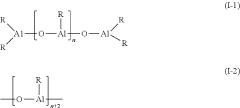
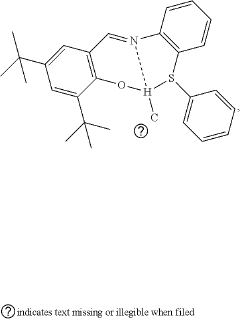
Ultra-high molecular weight polyethylene and preparation method therefor
PatentPendingEP4286420A1
Innovation
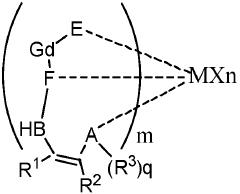
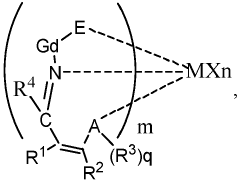
- The use of a supported non-metallocene catalyst system with an alkane or mixed alkane solvent in the ethylene slurry polymerization process, in the absence of hydrogen gas, to produce UHMWPE with low metal element content and high mechanical properties, allowing for stable polymerization and simplified post-treatment.
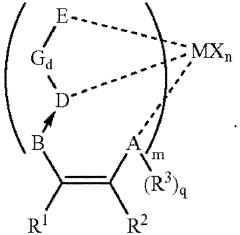
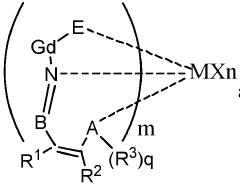
Environmental Impact
Ultrafiltration systems based on Ultra-High Molecular Weight Polyethylene (UHMWPE) structures have significant environmental implications, both positive and negative. These systems offer a promising solution for water treatment and purification, contributing to sustainable water management practices. The use of UHMWPE in ultrafiltration membranes provides excellent chemical resistance and mechanical strength, leading to longer operational lifespans and reduced replacement frequency. This durability translates to decreased waste generation and resource consumption associated with membrane production and disposal.
The energy efficiency of UHMWPE-based ultrafiltration systems is another crucial environmental consideration. These systems typically require less energy for operation compared to conventional water treatment methods, such as reverse osmosis. The reduced energy demand contributes to lower greenhouse gas emissions and a smaller carbon footprint for water treatment facilities. Additionally, the high flux rates achievable with UHMWPE membranes allow for more efficient water processing, potentially reducing the overall environmental impact of water treatment operations.
However, the production of UHMWPE itself raises some environmental concerns. The polymer is derived from petrochemical sources, which are non-renewable and associated with various environmental issues in extraction and processing. The manufacturing process of UHMWPE membranes may involve the use of solvents and other chemicals, potentially leading to air and water pollution if not properly managed. End-of-life disposal of UHMWPE membranes also presents challenges, as the material is not biodegradable and can persist in the environment for extended periods.
On the positive side, UHMWPE-based ultrafiltration systems can play a crucial role in addressing water scarcity and improving water quality. By effectively removing contaminants, including microplastics, these systems contribute to the preservation of aquatic ecosystems and reduce the environmental burden of water pollution. The ability to treat and reuse wastewater also helps conserve freshwater resources, mitigating the strain on natural water bodies and supporting sustainable water management practices.
The scalability of UHMWPE ultrafiltration systems allows for their application in various settings, from small-scale point-of-use systems to large industrial installations. This versatility enables widespread adoption of more environmentally friendly water treatment solutions across different sectors. As research in this field progresses, there is potential for further improvements in membrane design and manufacturing processes, which could enhance the environmental benefits while minimizing negative impacts.
In conclusion, while UHMWPE-based ultrafiltration systems offer significant environmental advantages in terms of water treatment efficiency and resource conservation, careful consideration must be given to the entire lifecycle of these systems. Ongoing research and development efforts should focus on improving the sustainability of UHMWPE production, enhancing membrane performance, and developing eco-friendly disposal or recycling methods for end-of-life membranes. Balancing these factors will be crucial in maximizing the positive environmental impact of this technology while minimizing its potential drawbacks.
The energy efficiency of UHMWPE-based ultrafiltration systems is another crucial environmental consideration. These systems typically require less energy for operation compared to conventional water treatment methods, such as reverse osmosis. The reduced energy demand contributes to lower greenhouse gas emissions and a smaller carbon footprint for water treatment facilities. Additionally, the high flux rates achievable with UHMWPE membranes allow for more efficient water processing, potentially reducing the overall environmental impact of water treatment operations.
However, the production of UHMWPE itself raises some environmental concerns. The polymer is derived from petrochemical sources, which are non-renewable and associated with various environmental issues in extraction and processing. The manufacturing process of UHMWPE membranes may involve the use of solvents and other chemicals, potentially leading to air and water pollution if not properly managed. End-of-life disposal of UHMWPE membranes also presents challenges, as the material is not biodegradable and can persist in the environment for extended periods.
On the positive side, UHMWPE-based ultrafiltration systems can play a crucial role in addressing water scarcity and improving water quality. By effectively removing contaminants, including microplastics, these systems contribute to the preservation of aquatic ecosystems and reduce the environmental burden of water pollution. The ability to treat and reuse wastewater also helps conserve freshwater resources, mitigating the strain on natural water bodies and supporting sustainable water management practices.
The scalability of UHMWPE ultrafiltration systems allows for their application in various settings, from small-scale point-of-use systems to large industrial installations. This versatility enables widespread adoption of more environmentally friendly water treatment solutions across different sectors. As research in this field progresses, there is potential for further improvements in membrane design and manufacturing processes, which could enhance the environmental benefits while minimizing negative impacts.
In conclusion, while UHMWPE-based ultrafiltration systems offer significant environmental advantages in terms of water treatment efficiency and resource conservation, careful consideration must be given to the entire lifecycle of these systems. Ongoing research and development efforts should focus on improving the sustainability of UHMWPE production, enhancing membrane performance, and developing eco-friendly disposal or recycling methods for end-of-life membranes. Balancing these factors will be crucial in maximizing the positive environmental impact of this technology while minimizing its potential drawbacks.
Scalability Prospects
The scalability prospects for ultrafiltration systems based on UHMWPE structures are promising, with several key factors contributing to their potential for large-scale implementation. One of the primary advantages of UHMWPE-based systems is their inherent modularity, allowing for easy expansion and adaptation to varying capacity requirements. This modular design enables facilities to incrementally increase their filtration capacity by adding additional membrane modules, without the need for significant infrastructure overhauls.
The high mechanical strength and chemical resistance of UHMWPE membranes contribute to their longevity and durability, which is crucial for maintaining consistent performance in large-scale operations. This durability translates to reduced maintenance requirements and longer operational lifespans, making UHMWPE-based systems more economically viable for large-scale applications. Additionally, the material's resistance to fouling and its ability to withstand harsh cleaning processes further enhance its suitability for scaled-up operations.
From a manufacturing perspective, UHMWPE membranes can be produced using established techniques such as thermally induced phase separation (TIPS) or stretching methods. These processes are amenable to large-scale production, potentially reducing costs as production volumes increase. The scalability of membrane production is a critical factor in ensuring a steady supply for growing ultrafiltration system deployments.
The versatility of UHMWPE-based ultrafiltration systems also contributes to their scalability prospects. These systems can be adapted for various applications, including water treatment, food and beverage processing, and pharmaceutical manufacturing. This adaptability allows for economies of scale in production and broader market penetration, driving further advancements and cost reductions.
However, challenges remain in scaling up UHMWPE-based ultrafiltration systems. One significant hurdle is optimizing the membrane structure and surface properties to maintain high flux rates and selectivity at larger scales. Research into novel membrane fabrication techniques and surface modifications is ongoing to address these challenges. Additionally, the development of more efficient module designs and flow distribution systems will be crucial for maximizing the performance of large-scale UHMWPE ultrafiltration installations.
As environmental regulations become more stringent and water scarcity issues intensify globally, the demand for efficient and scalable ultrafiltration solutions is expected to grow. UHMWPE-based systems are well-positioned to meet this demand, provided that ongoing research and development efforts continue to improve their performance and cost-effectiveness at scale. The future scalability of these systems will likely depend on advancements in membrane technology, process optimization, and the ability to integrate with other treatment technologies in comprehensive water management solutions.
The high mechanical strength and chemical resistance of UHMWPE membranes contribute to their longevity and durability, which is crucial for maintaining consistent performance in large-scale operations. This durability translates to reduced maintenance requirements and longer operational lifespans, making UHMWPE-based systems more economically viable for large-scale applications. Additionally, the material's resistance to fouling and its ability to withstand harsh cleaning processes further enhance its suitability for scaled-up operations.
From a manufacturing perspective, UHMWPE membranes can be produced using established techniques such as thermally induced phase separation (TIPS) or stretching methods. These processes are amenable to large-scale production, potentially reducing costs as production volumes increase. The scalability of membrane production is a critical factor in ensuring a steady supply for growing ultrafiltration system deployments.
The versatility of UHMWPE-based ultrafiltration systems also contributes to their scalability prospects. These systems can be adapted for various applications, including water treatment, food and beverage processing, and pharmaceutical manufacturing. This adaptability allows for economies of scale in production and broader market penetration, driving further advancements and cost reductions.
However, challenges remain in scaling up UHMWPE-based ultrafiltration systems. One significant hurdle is optimizing the membrane structure and surface properties to maintain high flux rates and selectivity at larger scales. Research into novel membrane fabrication techniques and surface modifications is ongoing to address these challenges. Additionally, the development of more efficient module designs and flow distribution systems will be crucial for maximizing the performance of large-scale UHMWPE ultrafiltration installations.
As environmental regulations become more stringent and water scarcity issues intensify globally, the demand for efficient and scalable ultrafiltration solutions is expected to grow. UHMWPE-based systems are well-positioned to meet this demand, provided that ongoing research and development efforts continue to improve their performance and cost-effectiveness at scale. The future scalability of these systems will likely depend on advancements in membrane technology, process optimization, and the ability to integrate with other treatment technologies in comprehensive water management solutions.
Unlock deeper insights with PatSnap Eureka Quick Research — get a full tech report to explore trends and direct your research. Try now!
Generate Your Research Report Instantly with AI Agent
Supercharge your innovation with PatSnap Eureka AI Agent Platform!