RISC vs CISC: Cost-Effectiveness for Cloud Services
MAR 26, 20269 MIN READ
Generate Your Research Report Instantly with AI Agent
Patsnap Eureka helps you evaluate technical feasibility & market potential.
RISC vs CISC Architecture Evolution and Cloud Computing Goals
The evolution of RISC and CISC architectures represents one of the most significant paradigm shifts in computer processor design, fundamentally reshaping how computational tasks are executed and optimized. RISC (Reduced Instruction Set Computer) architecture emerged in the 1980s as a revolutionary approach that challenged the prevailing CISC (Complex Instruction Set Computer) philosophy, which had dominated processor design since the early days of computing.
CISC architectures, exemplified by Intel's x86 family, were originally designed to bridge the gap between high-level programming languages and machine code through complex, multi-cycle instructions. These processors featured extensive instruction sets with variable-length instructions capable of performing multiple operations in a single command. The philosophy centered on reducing the semantic gap between software and hardware, enabling more efficient memory utilization when storage was expensive and limited.
In contrast, RISC architecture adopted a fundamentally different approach, emphasizing simplicity and execution efficiency. Pioneered by companies like ARM and IBM, RISC processors utilize fixed-length instructions, simplified addressing modes, and load-store architectures. This design philosophy prioritizes instruction-level parallelism and pipeline efficiency, enabling higher clock frequencies and more predictable execution patterns.
The architectural evolution has been driven by changing computational demands and technological constraints. Early computing environments favored CISC's code density and complex instruction capabilities due to memory limitations. However, as memory became more affordable and parallel processing gained prominence, RISC's advantages in power efficiency and scalability became increasingly apparent.
Cloud computing has fundamentally altered the performance and efficiency requirements for processor architectures. Modern cloud services demand massive scalability, energy efficiency, and cost optimization across distributed computing environments. These requirements have shifted the focus from raw computational power to performance-per-watt ratios and total cost of ownership considerations.
The cloud computing paradigm emphasizes workload diversity, ranging from lightweight microservices to intensive data processing tasks. This diversity requires processors that can efficiently handle varying computational loads while maintaining consistent performance characteristics. Additionally, cloud providers must optimize for operational costs, including power consumption, cooling requirements, and hardware acquisition expenses.
Contemporary cloud architectures increasingly favor processors that offer superior energy efficiency and thermal management capabilities. The ability to pack more computational capacity into smaller physical footprints while minimizing power consumption has become a critical competitive advantage for cloud service providers seeking to optimize their infrastructure investments and operational expenses.
CISC architectures, exemplified by Intel's x86 family, were originally designed to bridge the gap between high-level programming languages and machine code through complex, multi-cycle instructions. These processors featured extensive instruction sets with variable-length instructions capable of performing multiple operations in a single command. The philosophy centered on reducing the semantic gap between software and hardware, enabling more efficient memory utilization when storage was expensive and limited.
In contrast, RISC architecture adopted a fundamentally different approach, emphasizing simplicity and execution efficiency. Pioneered by companies like ARM and IBM, RISC processors utilize fixed-length instructions, simplified addressing modes, and load-store architectures. This design philosophy prioritizes instruction-level parallelism and pipeline efficiency, enabling higher clock frequencies and more predictable execution patterns.
The architectural evolution has been driven by changing computational demands and technological constraints. Early computing environments favored CISC's code density and complex instruction capabilities due to memory limitations. However, as memory became more affordable and parallel processing gained prominence, RISC's advantages in power efficiency and scalability became increasingly apparent.
Cloud computing has fundamentally altered the performance and efficiency requirements for processor architectures. Modern cloud services demand massive scalability, energy efficiency, and cost optimization across distributed computing environments. These requirements have shifted the focus from raw computational power to performance-per-watt ratios and total cost of ownership considerations.
The cloud computing paradigm emphasizes workload diversity, ranging from lightweight microservices to intensive data processing tasks. This diversity requires processors that can efficiently handle varying computational loads while maintaining consistent performance characteristics. Additionally, cloud providers must optimize for operational costs, including power consumption, cooling requirements, and hardware acquisition expenses.
Contemporary cloud architectures increasingly favor processors that offer superior energy efficiency and thermal management capabilities. The ability to pack more computational capacity into smaller physical footprints while minimizing power consumption has become a critical competitive advantage for cloud service providers seeking to optimize their infrastructure investments and operational expenses.
Market Demand for Cost-Effective Cloud Infrastructure Solutions
The global cloud services market continues to experience unprecedented growth, driven by digital transformation initiatives across industries and the accelerated adoption of remote work models. Organizations are increasingly migrating their workloads to cloud platforms, creating substantial demand for infrastructure solutions that can deliver optimal performance while maintaining cost efficiency. This shift has intensified focus on the underlying processor architectures that power cloud data centers.
Enterprise customers are becoming more sophisticated in their cloud procurement decisions, moving beyond simple performance metrics to evaluate total cost of ownership. The demand for cost-effective solutions has prompted cloud service providers to reassess their infrastructure strategies, particularly regarding processor architecture choices. Organizations seek platforms that can handle diverse workloads efficiently while minimizing operational expenses and energy consumption.
The rise of containerization and microservices architectures has created new requirements for cloud infrastructure. These modern application deployment models favor processors that can efficiently handle numerous lightweight, parallel workloads. This trend has sparked renewed interest in RISC-based processors, which traditionally excel in power efficiency and can offer superior performance-per-watt ratios compared to traditional CISC architectures.
Hyperscale cloud providers are driving significant demand for custom silicon solutions optimized for specific workloads. The success of ARM-based instances in major cloud platforms demonstrates market acceptance of alternative architectures when they deliver tangible cost benefits. This has encouraged broader adoption of RISC processors in cloud environments, particularly for workloads that can benefit from their architectural advantages.
Cost pressures from competitive cloud pricing models have intensified the search for infrastructure optimizations. Cloud providers must balance performance requirements with operational costs, including power consumption, cooling, and data center space utilization. RISC processors often provide advantages in these areas, making them increasingly attractive for cost-conscious cloud deployments.
The growing emphasis on sustainability and environmental responsibility has added another dimension to infrastructure decision-making. Organizations are seeking solutions that reduce carbon footprints while maintaining performance standards. Energy-efficient processor architectures align with these environmental goals while simultaneously reducing operational costs, creating a compelling value proposition for cloud infrastructure investments.
Enterprise customers are becoming more sophisticated in their cloud procurement decisions, moving beyond simple performance metrics to evaluate total cost of ownership. The demand for cost-effective solutions has prompted cloud service providers to reassess their infrastructure strategies, particularly regarding processor architecture choices. Organizations seek platforms that can handle diverse workloads efficiently while minimizing operational expenses and energy consumption.
The rise of containerization and microservices architectures has created new requirements for cloud infrastructure. These modern application deployment models favor processors that can efficiently handle numerous lightweight, parallel workloads. This trend has sparked renewed interest in RISC-based processors, which traditionally excel in power efficiency and can offer superior performance-per-watt ratios compared to traditional CISC architectures.
Hyperscale cloud providers are driving significant demand for custom silicon solutions optimized for specific workloads. The success of ARM-based instances in major cloud platforms demonstrates market acceptance of alternative architectures when they deliver tangible cost benefits. This has encouraged broader adoption of RISC processors in cloud environments, particularly for workloads that can benefit from their architectural advantages.
Cost pressures from competitive cloud pricing models have intensified the search for infrastructure optimizations. Cloud providers must balance performance requirements with operational costs, including power consumption, cooling, and data center space utilization. RISC processors often provide advantages in these areas, making them increasingly attractive for cost-conscious cloud deployments.
The growing emphasis on sustainability and environmental responsibility has added another dimension to infrastructure decision-making. Organizations are seeking solutions that reduce carbon footprints while maintaining performance standards. Energy-efficient processor architectures align with these environmental goals while simultaneously reducing operational costs, creating a compelling value proposition for cloud infrastructure investments.
Current State of RISC and CISC in Cloud Service Deployments
The cloud computing landscape has witnessed a significant architectural shift in recent years, with RISC-based processors gaining substantial traction alongside traditional CISC architectures. Currently, x86-64 CISC processors from Intel and AMD continue to dominate enterprise cloud deployments, powering approximately 85% of public cloud infrastructure. These processors maintain their stronghold due to established software ecosystems, comprehensive virtualization support, and decades of optimization for enterprise workloads.
However, ARM-based RISC processors have emerged as formidable competitors, particularly following Amazon Web Services' introduction of Graviton processors in 2018. AWS Graviton3 instances now represent nearly 15% of new EC2 deployments, demonstrating remarkable adoption rates. Google Cloud's Tau T2A instances powered by Ampere Altra ARM processors and Microsoft Azure's ARM-based virtual machines further validate the growing acceptance of RISC architectures in cloud environments.
The deployment patterns reveal distinct use case preferences. CISC processors remain dominant in legacy enterprise applications, database-intensive workloads, and scenarios requiring extensive x86 compatibility. Financial services, ERP systems, and traditional enterprise software stacks continue to favor Intel Xeon and AMD EPYC processors due to their robust single-threaded performance and mature ecosystem support.
Conversely, RISC deployments excel in cloud-native applications, containerized microservices, and web-scale workloads. Content delivery networks, web servers, and distributed computing frameworks demonstrate superior cost-performance ratios on ARM-based instances. The energy efficiency advantages of RISC architectures have made them particularly attractive for hyperscale cloud providers seeking to optimize operational costs and sustainability metrics.
Geographic deployment patterns show North American and European cloud regions maintaining higher CISC adoption rates, while Asia-Pacific regions demonstrate more aggressive RISC implementation. This disparity reflects varying regulatory requirements, application portfolios, and cost optimization priorities across different markets.
The current state indicates a transitional period where both architectures coexist, with RISC processors gaining momentum in specific workload categories while CISC maintains dominance in traditional enterprise computing scenarios.
However, ARM-based RISC processors have emerged as formidable competitors, particularly following Amazon Web Services' introduction of Graviton processors in 2018. AWS Graviton3 instances now represent nearly 15% of new EC2 deployments, demonstrating remarkable adoption rates. Google Cloud's Tau T2A instances powered by Ampere Altra ARM processors and Microsoft Azure's ARM-based virtual machines further validate the growing acceptance of RISC architectures in cloud environments.
The deployment patterns reveal distinct use case preferences. CISC processors remain dominant in legacy enterprise applications, database-intensive workloads, and scenarios requiring extensive x86 compatibility. Financial services, ERP systems, and traditional enterprise software stacks continue to favor Intel Xeon and AMD EPYC processors due to their robust single-threaded performance and mature ecosystem support.
Conversely, RISC deployments excel in cloud-native applications, containerized microservices, and web-scale workloads. Content delivery networks, web servers, and distributed computing frameworks demonstrate superior cost-performance ratios on ARM-based instances. The energy efficiency advantages of RISC architectures have made them particularly attractive for hyperscale cloud providers seeking to optimize operational costs and sustainability metrics.
Geographic deployment patterns show North American and European cloud regions maintaining higher CISC adoption rates, while Asia-Pacific regions demonstrate more aggressive RISC implementation. This disparity reflects varying regulatory requirements, application portfolios, and cost optimization priorities across different markets.
The current state indicates a transitional period where both architectures coexist, with RISC processors gaining momentum in specific workload categories while CISC maintains dominance in traditional enterprise computing scenarios.
Existing RISC and CISC Solutions for Cloud Workloads
01 RISC architecture with simplified instruction set for cost reduction
RISC processors utilize a reduced instruction set architecture that simplifies hardware design and manufacturing. This approach reduces chip complexity, lowers production costs, and decreases power consumption. The simplified instruction set allows for faster execution cycles and more efficient use of silicon area, making RISC processors more cost-effective for high-volume production and embedded applications.- RISC architecture with simplified instruction set for cost reduction: RISC processors utilize a reduced instruction set architecture that simplifies hardware design and manufacturing. This approach reduces chip complexity, lowers production costs, and decreases power consumption. The simplified instruction set allows for faster execution cycles and more efficient use of silicon area, making RISC processors more cost-effective for high-volume production and embedded applications.
- CISC instruction decoding and execution optimization: CISC architectures employ complex instruction decoding mechanisms that can execute multiple operations in a single instruction. This approach reduces memory requirements and code size, which can lower overall system costs. Advanced decoding units and microcode implementations allow CISC processors to maintain backward compatibility while improving performance, making them cost-effective for applications requiring extensive software libraries.
- Hybrid architecture combining RISC and CISC features: Modern processor designs integrate both RISC and CISC characteristics to optimize cost-effectiveness. These hybrid architectures translate complex instructions into simpler micro-operations internally, combining the benefits of both approaches. This design strategy reduces development costs, improves performance per watt, and allows manufacturers to leverage existing software ecosystems while maintaining competitive pricing.
- Pipeline and parallel processing for improved cost-performance ratio: Both RISC and CISC architectures implement pipelining and parallel execution techniques to enhance cost-effectiveness. These methods increase instruction throughput without proportionally increasing hardware costs. Efficient pipeline designs reduce the number of clock cycles per instruction, improving performance while maintaining reasonable manufacturing costs and power efficiency.
- Power efficiency and thermal management for total cost of ownership: Cost-effectiveness analysis includes power consumption and cooling requirements, which significantly impact total ownership costs. Advanced power management techniques, dynamic voltage scaling, and thermal optimization reduce operational expenses. These features are particularly important in data centers and mobile devices where energy costs and battery life directly affect the economic viability of processor architectures.
02 CISC architecture with complex instruction execution optimization
CISC processors implement complex instruction sets that can execute multiple operations in a single instruction. This architecture reduces the number of instructions needed for program execution and can lower memory requirements. The approach optimizes code density and can reduce overall system costs by minimizing memory usage, though it may require more complex hardware implementation and decoding logic.Expand Specific Solutions03 Hybrid RISC-CISC architecture for balanced cost-performance
Hybrid processor designs combine elements of both RISC and CISC architectures to achieve optimal cost-effectiveness. These processors use RISC-like execution cores with CISC-compatible instruction sets, translating complex instructions into simpler micro-operations. This approach provides backward compatibility while maintaining the efficiency benefits of RISC design, offering a cost-effective solution for general-purpose computing applications.Expand Specific Solutions04 Manufacturing and fabrication cost optimization techniques
Various manufacturing approaches focus on reducing production costs for both RISC and CISC processors. These include optimized die size reduction, improved yield rates, and advanced packaging technologies. Design methodologies that minimize transistor count while maintaining performance help reduce manufacturing costs. Process technology improvements and economies of scale in production further contribute to overall cost-effectiveness.Expand Specific Solutions05 Power efficiency and total cost of ownership considerations
Cost-effectiveness analysis extends beyond initial hardware costs to include power consumption and operational expenses. RISC architectures typically offer better power efficiency due to simpler instruction execution, reducing long-term operational costs. Design techniques focus on dynamic power management, clock gating, and voltage scaling to minimize energy consumption. These factors significantly impact total cost of ownership in data centers, mobile devices, and embedded systems.Expand Specific Solutions
Key Players in Cloud Processor and Architecture Market
The RISC vs CISC cost-effectiveness debate for cloud services represents a mature technology landscape experiencing significant transformation driven by cloud computing demands. The market has reached substantial scale, with global cloud infrastructure spending exceeding hundreds of billions annually, creating intense pressure for architectural optimization. Technology maturity varies significantly across players, with established giants like Microsoft, IBM, and Oracle leveraging decades of CISC-based enterprise solutions, while companies like Huawei, Alibaba, and Futurewei Technologies are increasingly investing in RISC-based architectures for cloud-native applications. The competitive landscape shows traditional enterprise vendors defending CISC investments while cloud-first companies and telecommunications providers like NEC, ZTE, and Telefónica are exploring RISC alternatives for better power efficiency and cost optimization in large-scale deployments.
Huawei Technologies Co., Ltd.
Technical Solution: Huawei's Kunpeng RISC processors based on ARM architecture provide cost-effective solutions for cloud services through optimized performance per dollar metrics. Their Kunpeng 920 processors deliver competitive performance while consuming 30% less power than equivalent CISC solutions, reducing operational costs significantly. Huawei Cloud integrates both RISC and CISC architectures in their infrastructure, with intelligent scheduling systems that automatically select the most cost-effective processor type based on workload characteristics. The company's GaussDB database and other cloud services are specifically optimized for ARM RISC architecture, achieving 25% better price-performance ratios compared to traditional x86-based deployments.
Strengths: Excellent power efficiency, competitive pricing, optimized software stack for RISC architecture. Weaknesses: Geopolitical restrictions limit market reach, smaller ecosystem compared to established x86 platforms.
Oracle International Corp.
Technical Solution: Oracle's cloud infrastructure strategy emphasizes RISC architecture advantages through their partnership with ARM and custom silicon initiatives. Oracle Cloud Infrastructure (OCI) offers Ampere Altra ARM-based instances that provide predictable performance and 40% better price-performance for cloud-native applications compared to traditional CISC systems. Their Autonomous Database services are optimized for both RISC and CISC architectures, with intelligent query optimization that leverages RISC processors' efficiency for analytical workloads while maintaining CISC compatibility for transactional systems. Oracle's approach focuses on workload-specific processor selection, achieving optimal cost-effectiveness through architectural diversity and automated resource management across their cloud platform.
Strengths: Strong database optimization for both architectures, predictable performance characteristics, excellent price-performance ratios. Weaknesses: Limited market share in cloud services, higher complexity in multi-architecture management.
Core Innovations in Energy-Efficient Cloud Processors
GPU-based (Graphic Processing Unit) computer system
PatentActiveCN104360979A
Innovation
- A computer system based on a graphics processor is designed, which uses a graphics processor unit, a memory unit, a storage controller unit, a display output unit, an input/output expansion unit and a system expansion unit, which are connected through a system bus. The graphics processor component serves as The core provides power, clock and reset signals, includes heat sinking, and supports a wide range of computing applications, including scientific computing, fluid simulation, and commercial applications.

Energy efficient processing device
PatentInactiveUS20090228686A1
Innovation
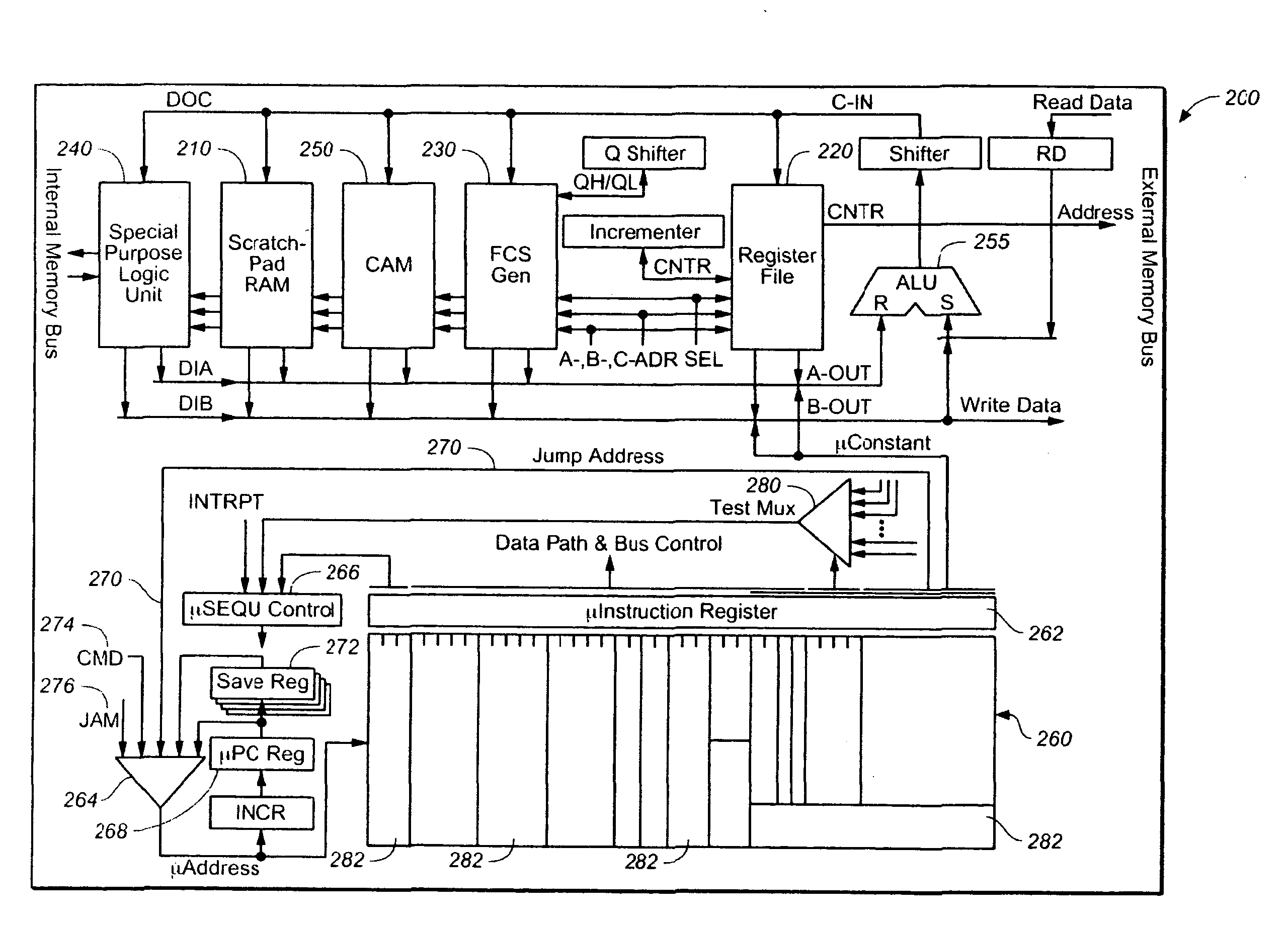
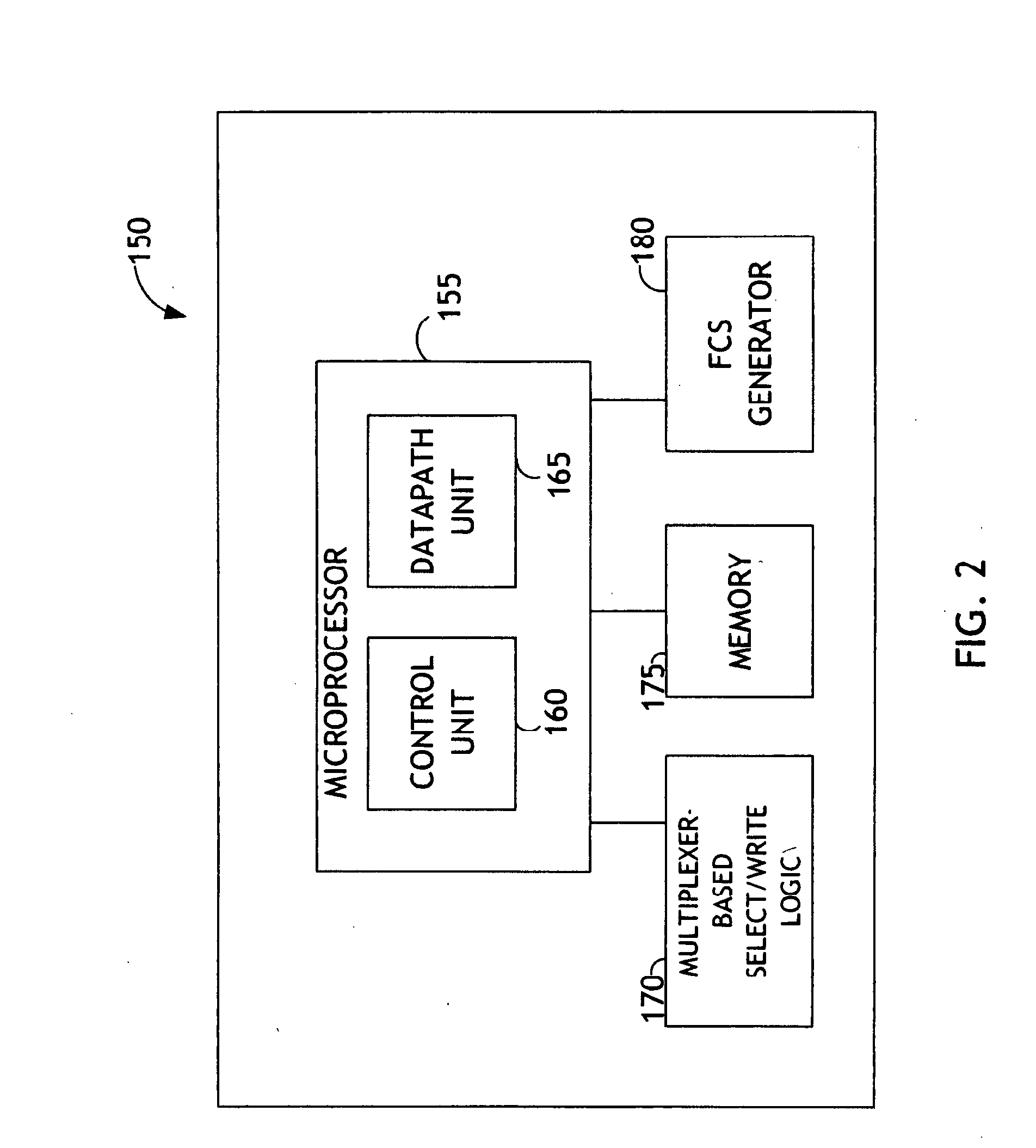
- A network processor with a microcoded architecture employing non-opcode-oriented, fully decoded microcode instructions that do not require an instruction decoder, utilizing a programmable microsequencer for state management and control, and a data manipulation subsystem controlled by fully decoded microinstructions, resulting in reduced power consumption and compact size.

Total Cost of Ownership Analysis for Cloud Architectures
The Total Cost of Ownership (TCO) analysis for cloud architectures reveals significant differences between RISC and CISC-based systems across multiple cost dimensions. Hardware acquisition costs represent the most visible component, where RISC processors typically demonstrate lower unit costs due to simplified manufacturing processes and reduced silicon complexity. However, CISC processors often provide higher performance density per unit, potentially requiring fewer physical servers to achieve equivalent computational capacity.
Operational expenditures constitute the largest portion of cloud TCO, with power consumption being a critical differentiator. RISC architectures generally exhibit superior power efficiency, translating to reduced electricity costs and cooling requirements in data center environments. ARM-based processors can achieve 2-3x better performance per watt compared to traditional x86 CISC processors, resulting in substantial operational savings over the typical 3-5 year hardware lifecycle.
Software licensing costs present a complex TCO factor, as many enterprise software vendors employ per-core or per-socket pricing models. RISC processors with higher core counts may incur increased licensing fees despite lower hardware costs. Conversely, the growing ecosystem of open-source and cloud-native applications optimized for RISC architectures can offset these licensing premiums through reduced software acquisition costs.
Infrastructure scaling costs differ significantly between architectures. RISC-based systems often require horizontal scaling approaches, potentially increasing network and storage infrastructure investments. CISC systems may achieve better vertical scaling efficiency, reducing the complexity and cost of interconnect infrastructure while maintaining performance requirements.
Maintenance and support costs vary based on architectural maturity and vendor ecosystem development. Established CISC platforms benefit from extensive support networks and standardized maintenance procedures, while emerging RISC solutions may require specialized expertise and potentially higher support costs during initial deployment phases.
The amortization period significantly impacts TCO calculations, with RISC architectures typically demonstrating improved cost-effectiveness over extended operational timeframes due to lower ongoing operational expenses, despite potentially higher initial integration and migration costs.
Operational expenditures constitute the largest portion of cloud TCO, with power consumption being a critical differentiator. RISC architectures generally exhibit superior power efficiency, translating to reduced electricity costs and cooling requirements in data center environments. ARM-based processors can achieve 2-3x better performance per watt compared to traditional x86 CISC processors, resulting in substantial operational savings over the typical 3-5 year hardware lifecycle.
Software licensing costs present a complex TCO factor, as many enterprise software vendors employ per-core or per-socket pricing models. RISC processors with higher core counts may incur increased licensing fees despite lower hardware costs. Conversely, the growing ecosystem of open-source and cloud-native applications optimized for RISC architectures can offset these licensing premiums through reduced software acquisition costs.
Infrastructure scaling costs differ significantly between architectures. RISC-based systems often require horizontal scaling approaches, potentially increasing network and storage infrastructure investments. CISC systems may achieve better vertical scaling efficiency, reducing the complexity and cost of interconnect infrastructure while maintaining performance requirements.
Maintenance and support costs vary based on architectural maturity and vendor ecosystem development. Established CISC platforms benefit from extensive support networks and standardized maintenance procedures, while emerging RISC solutions may require specialized expertise and potentially higher support costs during initial deployment phases.
The amortization period significantly impacts TCO calculations, with RISC architectures typically demonstrating improved cost-effectiveness over extended operational timeframes due to lower ongoing operational expenses, despite potentially higher initial integration and migration costs.
Environmental Impact and Sustainability of Cloud Processors
The environmental implications of processor architecture choices in cloud computing have become increasingly critical as data centers consume approximately 1% of global electricity. RISC and CISC processors exhibit distinct environmental footprints throughout their lifecycle, from manufacturing to operational deployment and eventual disposal.
RISC processors demonstrate superior energy efficiency due to their simplified instruction sets and streamlined execution pipelines. ARM-based processors, exemplifying RISC architecture, typically consume 20-40% less power than equivalent CISC processors while maintaining comparable performance levels. This efficiency translates directly into reduced carbon emissions from cloud operations, particularly significant given the massive scale of modern data centers.
Manufacturing sustainability presents another crucial consideration. RISC processors generally require fewer transistors and simpler fabrication processes, resulting in lower material consumption and reduced manufacturing energy requirements. The smaller die sizes typical of RISC designs enable higher yields per wafer, minimizing semiconductor waste and associated environmental costs.
Thermal management requirements differ substantially between architectures. CISC processors' higher power density necessitates more intensive cooling systems, increasing both direct energy consumption and indirect environmental impact through refrigerant usage. RISC processors' lower thermal output enables more efficient cooling strategies, including passive cooling in certain applications, significantly reducing overall data center environmental footprint.
Lifecycle sustainability analysis reveals RISC processors' advantages in longevity and adaptability. Their modular design philosophy facilitates easier upgrades and modifications, extending operational lifespans and reducing electronic waste generation. CISC processors, while offering backward compatibility benefits, often require complete replacement cycles due to their monolithic architecture approach.
Cloud service providers increasingly prioritize renewable energy integration, making processor efficiency paramount for sustainability goals. RISC architectures' lower power requirements enable better alignment with intermittent renewable sources, supporting grid stability and reducing reliance on fossil fuel backup generation during peak demand periods.
The emerging focus on carbon accounting in cloud services positions RISC processors favorably for future environmental regulations. Their inherently lower power consumption provides cloud providers with competitive advantages in meeting increasingly stringent sustainability requirements while maintaining service quality and cost-effectiveness for enterprise customers.
RISC processors demonstrate superior energy efficiency due to their simplified instruction sets and streamlined execution pipelines. ARM-based processors, exemplifying RISC architecture, typically consume 20-40% less power than equivalent CISC processors while maintaining comparable performance levels. This efficiency translates directly into reduced carbon emissions from cloud operations, particularly significant given the massive scale of modern data centers.
Manufacturing sustainability presents another crucial consideration. RISC processors generally require fewer transistors and simpler fabrication processes, resulting in lower material consumption and reduced manufacturing energy requirements. The smaller die sizes typical of RISC designs enable higher yields per wafer, minimizing semiconductor waste and associated environmental costs.
Thermal management requirements differ substantially between architectures. CISC processors' higher power density necessitates more intensive cooling systems, increasing both direct energy consumption and indirect environmental impact through refrigerant usage. RISC processors' lower thermal output enables more efficient cooling strategies, including passive cooling in certain applications, significantly reducing overall data center environmental footprint.
Lifecycle sustainability analysis reveals RISC processors' advantages in longevity and adaptability. Their modular design philosophy facilitates easier upgrades and modifications, extending operational lifespans and reducing electronic waste generation. CISC processors, while offering backward compatibility benefits, often require complete replacement cycles due to their monolithic architecture approach.
Cloud service providers increasingly prioritize renewable energy integration, making processor efficiency paramount for sustainability goals. RISC architectures' lower power requirements enable better alignment with intermittent renewable sources, supporting grid stability and reducing reliance on fossil fuel backup generation during peak demand periods.
The emerging focus on carbon accounting in cloud services positions RISC processors favorably for future environmental regulations. Their inherently lower power consumption provides cloud providers with competitive advantages in meeting increasingly stringent sustainability requirements while maintaining service quality and cost-effectiveness for enterprise customers.
Unlock deeper insights with Patsnap Eureka Quick Research — get a full tech report to explore trends and direct your research. Try now!
Generate Your Research Report Instantly with AI Agent
Supercharge your innovation with Patsnap Eureka AI Agent Platform!