

Steering Wheel Developments: Reducing Driver Fatigue
JUL 18, 20259 MIN READ
Generate Your Research Report Instantly with AI Agent
PatSnap Eureka helps you evaluate technical feasibility & market potential.
Steering Wheel Evolution and Fatigue Reduction Goals
The steering wheel has undergone significant evolution since its inception in the automotive industry. Initially designed as a simple control mechanism, it has transformed into a sophisticated interface between driver and vehicle. The early 20th century saw the introduction of power steering, which marked a pivotal moment in reducing physical strain on drivers during long journeys. As vehicles became more complex, the steering wheel incorporated additional controls, such as horn buttons, cruise control, and audio system management.
In recent decades, the focus has shifted towards ergonomics and driver comfort. Adjustable steering columns became standard, allowing drivers to customize their position for optimal comfort and control. The integration of airbags into steering wheels in the 1980s significantly enhanced safety but also presented new design challenges in maintaining comfort and functionality.
The current technological landscape has ushered in a new era of steering wheel development, with a primary focus on reducing driver fatigue. This goal aligns with the broader automotive industry trends of improving safety, enhancing driver experience, and paving the way for semi-autonomous and autonomous driving systems. Advanced materials and smart technologies are being incorporated to create steering wheels that can monitor driver alertness, provide haptic feedback, and even adjust their shape or resistance based on driving conditions.
Key objectives in modern steering wheel development include minimizing physical strain through improved ergonomics, reducing cognitive load by optimizing control layouts, and enhancing sensory feedback to maintain driver engagement without inducing fatigue. Innovations such as heated steering wheels for comfort in cold climates and cooled steering wheels for hot environments are becoming more common, addressing environmental factors that contribute to driver fatigue.
Another significant goal is the integration of health monitoring capabilities into steering wheels. By embedding sensors that can detect heart rate, grip strength, and even stress levels, manufacturers aim to create systems that can alert drivers to potential fatigue or health issues before they become critical. This proactive approach to driver well-being represents a paradigm shift in how we view the role of steering wheels in vehicle safety and operation.
As we move towards an era of increased vehicle automation, the steering wheel's evolution is also focused on adaptability. Concepts for retractable or transformable steering wheels are being explored, which can change their form or function based on the level of autonomous operation, ensuring that drivers remain engaged when necessary while allowing for more relaxed postures during autonomous modes.
In recent decades, the focus has shifted towards ergonomics and driver comfort. Adjustable steering columns became standard, allowing drivers to customize their position for optimal comfort and control. The integration of airbags into steering wheels in the 1980s significantly enhanced safety but also presented new design challenges in maintaining comfort and functionality.
The current technological landscape has ushered in a new era of steering wheel development, with a primary focus on reducing driver fatigue. This goal aligns with the broader automotive industry trends of improving safety, enhancing driver experience, and paving the way for semi-autonomous and autonomous driving systems. Advanced materials and smart technologies are being incorporated to create steering wheels that can monitor driver alertness, provide haptic feedback, and even adjust their shape or resistance based on driving conditions.
Key objectives in modern steering wheel development include minimizing physical strain through improved ergonomics, reducing cognitive load by optimizing control layouts, and enhancing sensory feedback to maintain driver engagement without inducing fatigue. Innovations such as heated steering wheels for comfort in cold climates and cooled steering wheels for hot environments are becoming more common, addressing environmental factors that contribute to driver fatigue.
Another significant goal is the integration of health monitoring capabilities into steering wheels. By embedding sensors that can detect heart rate, grip strength, and even stress levels, manufacturers aim to create systems that can alert drivers to potential fatigue or health issues before they become critical. This proactive approach to driver well-being represents a paradigm shift in how we view the role of steering wheels in vehicle safety and operation.
As we move towards an era of increased vehicle automation, the steering wheel's evolution is also focused on adaptability. Concepts for retractable or transformable steering wheels are being explored, which can change their form or function based on the level of autonomous operation, ensuring that drivers remain engaged when necessary while allowing for more relaxed postures during autonomous modes.
Market Demand for Advanced Steering Systems
The market demand for advanced steering systems has been steadily increasing in recent years, driven by a growing emphasis on driver safety, comfort, and vehicle performance. As automotive technology continues to evolve, consumers are increasingly seeking vehicles equipped with sophisticated steering systems that can reduce driver fatigue and enhance overall driving experience.
One of the primary factors fueling this demand is the rising awareness of the dangers associated with driver fatigue. Long hours behind the wheel, especially for commercial drivers and frequent travelers, can lead to decreased alertness and slower reaction times, potentially resulting in accidents. Advanced steering systems that can alleviate driver fatigue are therefore becoming a crucial selling point for both passenger and commercial vehicles.
The integration of electronic power steering (EPS) systems has been a significant development in this field. EPS systems offer numerous advantages over traditional hydraulic power steering, including improved fuel efficiency, reduced maintenance requirements, and enhanced steering feel. These systems can be programmed to adapt to different driving conditions, providing lighter steering at low speeds for easy maneuverability and firmer steering at high speeds for improved stability.
Another key driver of market demand is the increasing focus on autonomous and semi-autonomous driving technologies. Advanced steering systems play a critical role in these technologies, enabling features such as lane-keeping assist, automated parking, and adaptive steering ratios. As vehicles become more automated, the steering system's ability to interface with other vehicle systems and respond to various inputs becomes increasingly important.
The commercial vehicle sector represents a significant portion of the market demand for advanced steering systems. Fleet operators are particularly interested in technologies that can reduce driver fatigue and improve safety, as these directly impact their operational efficiency and bottom line. Systems that can provide haptic feedback, adjust steering effort based on vehicle speed and load, and integrate with telematics systems are highly sought after in this segment.
Consumer preferences for more comfortable and effortless driving experiences are also contributing to the market demand. Features such as variable-ratio steering, which adjusts the steering response based on vehicle speed and driver input, are becoming more common in luxury vehicles and are gradually making their way into mid-range models. This trend is expected to continue as consumers become more aware of and accustomed to these advanced features.
The global push for improved vehicle safety standards is another significant factor driving the demand for advanced steering systems. Regulatory bodies in various countries are implementing stricter safety requirements, which often necessitate the adoption of more sophisticated steering technologies. This regulatory pressure is compelling automotive manufacturers to invest in and develop advanced steering systems as standard features across their vehicle lineups.
One of the primary factors fueling this demand is the rising awareness of the dangers associated with driver fatigue. Long hours behind the wheel, especially for commercial drivers and frequent travelers, can lead to decreased alertness and slower reaction times, potentially resulting in accidents. Advanced steering systems that can alleviate driver fatigue are therefore becoming a crucial selling point for both passenger and commercial vehicles.
The integration of electronic power steering (EPS) systems has been a significant development in this field. EPS systems offer numerous advantages over traditional hydraulic power steering, including improved fuel efficiency, reduced maintenance requirements, and enhanced steering feel. These systems can be programmed to adapt to different driving conditions, providing lighter steering at low speeds for easy maneuverability and firmer steering at high speeds for improved stability.
Another key driver of market demand is the increasing focus on autonomous and semi-autonomous driving technologies. Advanced steering systems play a critical role in these technologies, enabling features such as lane-keeping assist, automated parking, and adaptive steering ratios. As vehicles become more automated, the steering system's ability to interface with other vehicle systems and respond to various inputs becomes increasingly important.
The commercial vehicle sector represents a significant portion of the market demand for advanced steering systems. Fleet operators are particularly interested in technologies that can reduce driver fatigue and improve safety, as these directly impact their operational efficiency and bottom line. Systems that can provide haptic feedback, adjust steering effort based on vehicle speed and load, and integrate with telematics systems are highly sought after in this segment.
Consumer preferences for more comfortable and effortless driving experiences are also contributing to the market demand. Features such as variable-ratio steering, which adjusts the steering response based on vehicle speed and driver input, are becoming more common in luxury vehicles and are gradually making their way into mid-range models. This trend is expected to continue as consumers become more aware of and accustomed to these advanced features.
The global push for improved vehicle safety standards is another significant factor driving the demand for advanced steering systems. Regulatory bodies in various countries are implementing stricter safety requirements, which often necessitate the adoption of more sophisticated steering technologies. This regulatory pressure is compelling automotive manufacturers to invest in and develop advanced steering systems as standard features across their vehicle lineups.
Current Challenges in Steering Wheel Design
Steering wheel design faces several significant challenges in the quest to reduce driver fatigue. One of the primary issues is the need for optimal ergonomics. Traditional steering wheel designs often fail to accommodate the diverse range of driver body types and postures, leading to discomfort and increased fatigue during extended driving periods. Designers must balance the need for a universal fit with the desire for personalized comfort, a task that becomes increasingly complex as driver demographics continue to diversify.
Another critical challenge lies in the integration of advanced technologies without compromising the steering wheel's primary function. As vehicles become more technologically sophisticated, there is a growing demand for steering wheels to incorporate various controls and displays. However, the addition of these features can lead to cognitive overload and distraction, potentially increasing driver fatigue rather than reducing it. Striking the right balance between functionality and simplicity remains a significant hurdle for designers.
The materials used in steering wheel construction also present ongoing challenges. While traditional materials like leather and plastic are well-established, they may not offer the optimal combination of grip, temperature regulation, and tactile feedback needed to minimize fatigue. Innovative materials that can adapt to different environmental conditions and driver preferences are being explored, but their durability, cost-effectiveness, and mass production viability remain concerns.
Weight reduction is another area of focus in steering wheel design. Lighter steering wheels can contribute to overall vehicle weight reduction and improved fuel efficiency. However, reducing weight while maintaining structural integrity and incorporating necessary technologies is a complex engineering challenge. Designers must carefully consider material choices and structural designs to achieve the desired weight reduction without compromising safety or functionality.
The increasing prevalence of driver assistance systems and the gradual shift towards autonomous vehicles introduce new challenges in steering wheel design. These systems often require the integration of sensors and feedback mechanisms within the steering wheel, adding complexity to its design and potentially altering the driver's tactile experience. Designers must find ways to seamlessly incorporate these technologies while maintaining a natural and intuitive driving experience that minimizes fatigue.
Lastly, the challenge of customization and adaptability in steering wheel design is becoming more prominent. As drivers become accustomed to personalized experiences in other aspects of their lives, there is a growing expectation for steering wheels that can adapt to individual preferences. This includes adjustable shapes, grip textures, and even dynamic feedback systems. However, implementing such customization features while adhering to safety standards and maintaining cost-effectiveness presents significant engineering and manufacturing challenges.
Another critical challenge lies in the integration of advanced technologies without compromising the steering wheel's primary function. As vehicles become more technologically sophisticated, there is a growing demand for steering wheels to incorporate various controls and displays. However, the addition of these features can lead to cognitive overload and distraction, potentially increasing driver fatigue rather than reducing it. Striking the right balance between functionality and simplicity remains a significant hurdle for designers.
The materials used in steering wheel construction also present ongoing challenges. While traditional materials like leather and plastic are well-established, they may not offer the optimal combination of grip, temperature regulation, and tactile feedback needed to minimize fatigue. Innovative materials that can adapt to different environmental conditions and driver preferences are being explored, but their durability, cost-effectiveness, and mass production viability remain concerns.
Weight reduction is another area of focus in steering wheel design. Lighter steering wheels can contribute to overall vehicle weight reduction and improved fuel efficiency. However, reducing weight while maintaining structural integrity and incorporating necessary technologies is a complex engineering challenge. Designers must carefully consider material choices and structural designs to achieve the desired weight reduction without compromising safety or functionality.
The increasing prevalence of driver assistance systems and the gradual shift towards autonomous vehicles introduce new challenges in steering wheel design. These systems often require the integration of sensors and feedback mechanisms within the steering wheel, adding complexity to its design and potentially altering the driver's tactile experience. Designers must find ways to seamlessly incorporate these technologies while maintaining a natural and intuitive driving experience that minimizes fatigue.
Lastly, the challenge of customization and adaptability in steering wheel design is becoming more prominent. As drivers become accustomed to personalized experiences in other aspects of their lives, there is a growing expectation for steering wheels that can adapt to individual preferences. This includes adjustable shapes, grip textures, and even dynamic feedback systems. However, implementing such customization features while adhering to safety standards and maintaining cost-effectiveness presents significant engineering and manufacturing challenges.
Existing Fatigue Reduction Solutions
01 Driver fatigue detection systems
Advanced systems are being developed to detect driver fatigue using various sensors and algorithms. These systems monitor driver behavior, eye movements, and physiological signals to identify signs of drowsiness or inattention. When fatigue is detected, the system can alert the driver through visual, auditory, or haptic warnings, potentially preventing accidents caused by drowsy driving.- Steering wheel-based driver fatigue detection systems: These systems use sensors integrated into the steering wheel to monitor driver behavior and physiological signals. They can detect changes in grip pressure, steering patterns, and even biometric data like heart rate or skin conductivity to assess driver fatigue levels. When signs of fatigue are detected, the system can alert the driver or trigger other safety measures.
- Computer vision and AI-based driver monitoring: Advanced camera systems and artificial intelligence algorithms are used to analyze the driver's facial expressions, eye movements, and head position. These systems can detect signs of drowsiness or distraction, such as frequent blinking, nodding, or looking away from the road. When fatigue is detected, the system can issue warnings or activate driver assistance features.
- Haptic feedback and steering wheel vibration alerts: This technology involves incorporating vibration motors or other haptic feedback mechanisms into the steering wheel. When driver fatigue is detected through various sensors, the system can provide tactile alerts by vibrating the steering wheel. This serves as a non-intrusive way to alert the driver and encourage them to take a break or refocus on driving.
- Integrated driver fatigue management systems: These comprehensive systems combine multiple technologies to monitor driver fatigue and implement preventive measures. They may include steering wheel sensors, eye-tracking cameras, vehicle performance monitoring, and even environmental sensors. The system can provide graduated responses, from subtle alerts to more active interventions like adjusting climate control or suggesting rest stops.
- Adaptive steering systems for fatigue mitigation: These advanced steering systems can adjust their characteristics based on detected driver fatigue levels. They may alter the steering feel, assist level, or even implement corrective steering inputs to compensate for driver fatigue. Some systems can also integrate with lane-keeping assist or other driver assistance features to enhance safety when fatigue is detected.
02 Steering wheel-based fatigue monitoring
Innovative technologies are being integrated into steering wheels to monitor driver fatigue. These include sensors that can detect changes in grip pressure, steering patterns, or even measure biometric data such as heart rate and skin conductivity. By analyzing these inputs, the system can assess the driver's alertness level and provide appropriate interventions.Expand Specific Solutions03 Adaptive steering systems for fatigue mitigation
Adaptive steering systems are being developed to assist drivers experiencing fatigue. These systems can adjust steering sensitivity, provide corrective steering inputs, or even take partial control of the vehicle when signs of driver fatigue are detected. The goal is to enhance safety by compensating for reduced driver performance due to tiredness.Expand Specific Solutions04 AI and machine learning for fatigue prediction
Artificial intelligence and machine learning algorithms are being employed to predict and prevent driver fatigue. These systems analyze patterns in driving behavior, environmental factors, and historical data to anticipate when a driver is likely to become fatigued. Predictive alerts and personalized recommendations can then be provided to help drivers manage their alertness levels more effectively.Expand Specific Solutions05 Integration with vehicle safety systems
Driver fatigue detection systems are being integrated with other vehicle safety features to create a comprehensive approach to preventing fatigue-related accidents. This includes coordination with lane departure warning systems, adaptive cruise control, and emergency braking systems. When fatigue is detected, these integrated systems can work together to enhance overall vehicle safety and potentially take autonomous actions if the driver becomes unresponsive.Expand Specific Solutions
Key Players in Automotive Steering Industry
The steering wheel development market, focusing on reducing driver fatigue, is in a growth phase with increasing market size due to rising concerns about driver safety and comfort. The technology is maturing rapidly, with major automotive players investing heavily in research and development. Companies like Ford Global Technologies, BMW, and Hyundai Motor Co. are at the forefront, leveraging their extensive automotive expertise to innovate in this space. Emerging players such as ZF Automotive Safety Germany and Joyson Safety Systems are also making significant contributions, particularly in advanced safety systems integration. The competitive landscape is diverse, with traditional automakers, automotive suppliers, and technology firms all vying for market share in this increasingly important segment of vehicle design and safety.
Ford Global Technologies LLC
Technical Solution: Ford has developed a multi-faceted approach to reducing driver fatigue through steering wheel innovations. Their system incorporates a lightweight, carbon fiber reinforced polymer steering wheel that reduces physical strain during long drives[7]. The wheel features embedded micro-massagers that provide periodic stimulation to the driver's hands, promoting blood circulation and reducing muscle fatigue[8]. Ford has also implemented an advanced lane-keeping assist system that works in conjunction with the steering wheel, providing gentle corrective steering inputs to maintain lane position without causing driver over-reliance[9]. Additionally, the steering wheel is equipped with a driver attention monitor that uses capacitive touch sensors to detect the driver's grip strength and frequency of minor steering adjustments, alerting the driver when signs of fatigue are detected[10].
Strengths: Comprehensive fatigue reduction strategy combining physical comfort and driver assistance features. Weaknesses: Potential for information overload with multiple simultaneous systems.
Bayerische Motoren Werke AG
Technical Solution: BMW has introduced an innovative steering wheel design to combat driver fatigue. Their system features a shape-shifting steering wheel that can change its form to provide optimal grip and comfort for different driving scenarios[2]. The wheel incorporates micro-actuators that can alter the contours of the grip areas, adapting to the driver's hand position and driving style. BMW has also integrated advanced haptic feedback systems that provide subtle, directional cues to the driver, reducing the cognitive load and physical strain during navigation[4]. The steering wheel is equipped with biometric sensors that monitor the driver's vital signs and adjust the steering assistance and vehicle dynamics accordingly to maintain alertness[6].
Strengths: Highly personalized and adaptive system that responds to individual driver needs. Weaknesses: Potentially high cost and complexity of the shape-shifting mechanism.
Innovative Steering Wheel Materials and Ergonomics
Vehicle steering wheel
PatentActiveUS20160338632A1
Innovation
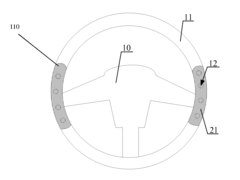
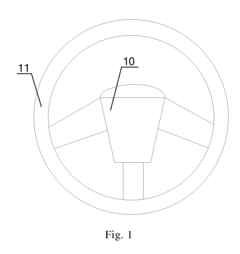
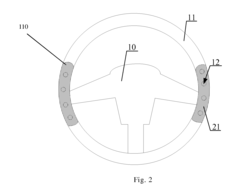
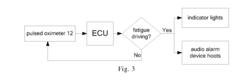
- A vehicle steering wheel equipped with oximeters in the handheld areas connected to a control device and alarm system, which monitors oxyhemoglobin saturation levels to detect fatigue and triggers an alarm if the driver is fatigued, prompting the driver to take rest breaks.
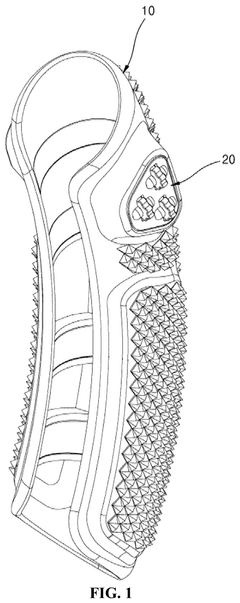
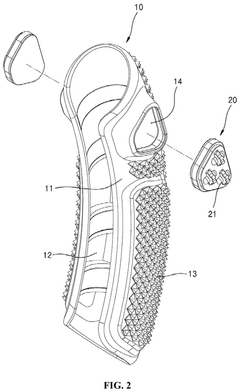
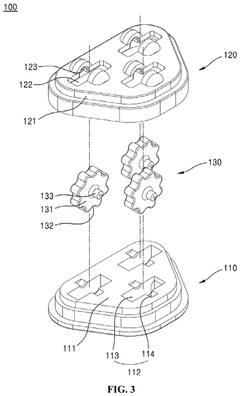
Steering wheel grip assembly for automobiles
PatentPendingUS20250128753A1
Innovation
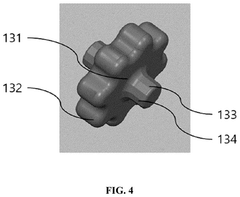
- A steering wheel grip assembly that includes a grip body with body protrusions for acupressure and a fidget mounted on the grip body, allowing users to operate the fidget with their fingers while driving, thereby preventing drowsiness and improving concentration.
Safety Regulations for Steering Systems
Safety regulations for steering systems play a crucial role in ensuring the well-being of drivers and passengers on the road. These regulations are designed to minimize the risk of accidents and reduce driver fatigue, which is a significant concern in the automotive industry. The development of steering wheel technologies must adhere to strict safety standards set by various regulatory bodies worldwide.
In the United States, the National Highway Traffic Safety Administration (NHTSA) is responsible for establishing and enforcing safety standards for steering systems. The Federal Motor Vehicle Safety Standards (FMVSS) include specific requirements for steering control systems, such as FMVSS 203 and 204, which address impact protection for drivers from the steering control system and steering control rearward displacement, respectively.
The European Union has its own set of regulations, known as the United Nations Economic Commission for Europe (UNECE) regulations. Regulation No. 79 specifically deals with steering equipment and its uniform provisions concerning the approval of vehicles with regard to steering equipment. This regulation covers various aspects of steering systems, including their construction, performance, and durability.
One of the key areas of focus in steering system safety regulations is the prevention of sudden steering system failure. Manufacturers are required to implement fail-safe mechanisms and redundant systems to ensure that drivers maintain control of the vehicle even in the event of a component failure. This includes requirements for steering effort, steering ratio, and the ability to maintain a straight-line trajectory under various driving conditions.
Ergonomic considerations are also an essential part of steering system safety regulations. These regulations aim to reduce driver fatigue by ensuring that steering wheels are designed with proper dimensions, grip, and positioning. The regulations often specify maximum steering effort requirements to prevent excessive physical strain on the driver during prolonged periods of operation.
As advanced driver assistance systems (ADAS) and autonomous driving technologies continue to evolve, safety regulations for steering systems are adapting to address new challenges. For instance, regulations are being developed to ensure the safe interaction between human drivers and automated steering functions, such as lane-keeping assist and automated parking systems.
Compliance with these safety regulations is mandatory for vehicle manufacturers, and non-compliance can result in severe penalties, including recalls and fines. As such, automotive companies invest significant resources in research and development to ensure their steering systems meet or exceed these stringent safety standards while also focusing on innovations to reduce driver fatigue and enhance overall driving experience.
In the United States, the National Highway Traffic Safety Administration (NHTSA) is responsible for establishing and enforcing safety standards for steering systems. The Federal Motor Vehicle Safety Standards (FMVSS) include specific requirements for steering control systems, such as FMVSS 203 and 204, which address impact protection for drivers from the steering control system and steering control rearward displacement, respectively.
The European Union has its own set of regulations, known as the United Nations Economic Commission for Europe (UNECE) regulations. Regulation No. 79 specifically deals with steering equipment and its uniform provisions concerning the approval of vehicles with regard to steering equipment. This regulation covers various aspects of steering systems, including their construction, performance, and durability.
One of the key areas of focus in steering system safety regulations is the prevention of sudden steering system failure. Manufacturers are required to implement fail-safe mechanisms and redundant systems to ensure that drivers maintain control of the vehicle even in the event of a component failure. This includes requirements for steering effort, steering ratio, and the ability to maintain a straight-line trajectory under various driving conditions.
Ergonomic considerations are also an essential part of steering system safety regulations. These regulations aim to reduce driver fatigue by ensuring that steering wheels are designed with proper dimensions, grip, and positioning. The regulations often specify maximum steering effort requirements to prevent excessive physical strain on the driver during prolonged periods of operation.
As advanced driver assistance systems (ADAS) and autonomous driving technologies continue to evolve, safety regulations for steering systems are adapting to address new challenges. For instance, regulations are being developed to ensure the safe interaction between human drivers and automated steering functions, such as lane-keeping assist and automated parking systems.
Compliance with these safety regulations is mandatory for vehicle manufacturers, and non-compliance can result in severe penalties, including recalls and fines. As such, automotive companies invest significant resources in research and development to ensure their steering systems meet or exceed these stringent safety standards while also focusing on innovations to reduce driver fatigue and enhance overall driving experience.
Human-Machine Interface in Steering Wheels
The human-machine interface (HMI) in steering wheels has undergone significant evolution to address driver fatigue and enhance overall driving experience. Modern steering wheels incorporate a range of technologies designed to reduce physical strain and cognitive load on drivers during extended periods of operation.
One key development in steering wheel HMI is the integration of haptic feedback systems. These systems use vibrations or subtle movements to convey important information to the driver without requiring visual attention. For instance, lane departure warnings can be communicated through steering wheel vibrations, allowing drivers to maintain focus on the road while receiving critical safety alerts.
Touch-sensitive controls embedded within the steering wheel surface have become increasingly prevalent. These controls enable drivers to manage various vehicle functions, such as audio systems, cruise control, and phone calls, without removing their hands from the wheel. The placement and design of these controls are carefully optimized to minimize driver distraction and promote intuitive operation.
Advanced steering wheels now feature customizable displays integrated directly into the wheel's center. These displays can present a wide array of information, including navigation directions, vehicle status, and driver assistance system alerts. The ability to personalize the information shown on these displays allows drivers to prioritize the most relevant data for their specific needs, reducing cognitive overload.
Ergonomic design principles play a crucial role in modern steering wheel HMI. Manufacturers are focusing on optimizing grip comfort, wheel diameter, and spoke placement to reduce physical fatigue during long drives. Some steering wheels incorporate adjustable heating and cooling functions to maintain optimal hand comfort in various weather conditions.
Voice control integration has become a standard feature in many steering wheel designs. Microphones and voice recognition systems built into the steering column or wheel itself allow drivers to issue commands and control vehicle functions without manual input. This hands-free operation significantly reduces the need for drivers to take their eyes off the road or hands off the wheel.
Biometric sensors embedded in steering wheels are an emerging technology aimed at monitoring driver health and alertness. These sensors can detect heart rate, skin conductivity, and grip pressure, providing valuable data on driver fatigue levels. When combined with AI algorithms, this information can be used to trigger alerts or even initiate semi-autonomous driving modes when fatigue is detected.
As vehicle automation continues to advance, steering wheel HMI is evolving to support the transition between manual and autonomous driving modes. Adaptive steering wheels that can retract or change shape during autonomous operation are being developed, offering a more flexible and comfortable cabin environment when manual control is not required.
One key development in steering wheel HMI is the integration of haptic feedback systems. These systems use vibrations or subtle movements to convey important information to the driver without requiring visual attention. For instance, lane departure warnings can be communicated through steering wheel vibrations, allowing drivers to maintain focus on the road while receiving critical safety alerts.
Touch-sensitive controls embedded within the steering wheel surface have become increasingly prevalent. These controls enable drivers to manage various vehicle functions, such as audio systems, cruise control, and phone calls, without removing their hands from the wheel. The placement and design of these controls are carefully optimized to minimize driver distraction and promote intuitive operation.
Advanced steering wheels now feature customizable displays integrated directly into the wheel's center. These displays can present a wide array of information, including navigation directions, vehicle status, and driver assistance system alerts. The ability to personalize the information shown on these displays allows drivers to prioritize the most relevant data for their specific needs, reducing cognitive overload.
Ergonomic design principles play a crucial role in modern steering wheel HMI. Manufacturers are focusing on optimizing grip comfort, wheel diameter, and spoke placement to reduce physical fatigue during long drives. Some steering wheels incorporate adjustable heating and cooling functions to maintain optimal hand comfort in various weather conditions.
Voice control integration has become a standard feature in many steering wheel designs. Microphones and voice recognition systems built into the steering column or wheel itself allow drivers to issue commands and control vehicle functions without manual input. This hands-free operation significantly reduces the need for drivers to take their eyes off the road or hands off the wheel.
Biometric sensors embedded in steering wheels are an emerging technology aimed at monitoring driver health and alertness. These sensors can detect heart rate, skin conductivity, and grip pressure, providing valuable data on driver fatigue levels. When combined with AI algorithms, this information can be used to trigger alerts or even initiate semi-autonomous driving modes when fatigue is detected.
As vehicle automation continues to advance, steering wheel HMI is evolving to support the transition between manual and autonomous driving modes. Adaptive steering wheels that can retract or change shape during autonomous operation are being developed, offering a more flexible and comfortable cabin environment when manual control is not required.
Unlock deeper insights with PatSnap Eureka Quick Research — get a full tech report to explore trends and direct your research. Try now!
Generate Your Research Report Instantly with AI Agent
Supercharge your innovation with PatSnap Eureka AI Agent Platform!