Thermal Management in Electronics: Graph-Constrained Reasoning
MAR 17, 20269 MIN READ
Generate Your Research Report Instantly with AI Agent
Patsnap Eureka helps you evaluate technical feasibility & market potential.
Thermal Management Background and Electronic Cooling Goals
Thermal management in electronics has evolved from a secondary design consideration to a critical engineering discipline that fundamentally determines device performance, reliability, and longevity. The exponential growth in computational power, driven by Moore's Law and the increasing demand for high-performance electronic systems, has created unprecedented thermal challenges that require sophisticated solutions beyond traditional cooling approaches.
The historical trajectory of electronic thermal management began with simple passive cooling methods in early vacuum tube systems, progressed through basic heat sink designs for early semiconductors, and has now reached advanced multi-physics optimization problems involving complex heat transfer mechanisms. Modern electronic devices generate heat densities that can exceed 100 W/cm², comparable to nuclear reactor cores, necessitating innovative thermal solutions that integrate seamlessly with electrical and mechanical design constraints.
Contemporary electronic systems face thermal challenges across multiple scales, from nanoscale hotspots in advanced semiconductor nodes to system-level thermal management in data centers and electric vehicles. The miniaturization trend has intensified thermal gradients, while increasing power densities have made thermal runaway and reliability degradation primary failure mechanisms. These challenges are compounded by the need for lightweight, compact designs that limit available space for traditional cooling solutions.
The primary goal of modern electronic cooling is to maintain junction temperatures below critical thresholds while optimizing system performance, energy efficiency, and cost-effectiveness. This involves managing both steady-state thermal loads and transient thermal events that can cause localized overheating. Advanced thermal management systems must achieve uniform temperature distributions, minimize thermal resistance paths, and provide rapid thermal response to dynamic loading conditions.
Graph-constrained reasoning represents an emerging paradigm that addresses thermal management through systematic optimization of heat flow networks, treating thermal systems as interconnected graphs where nodes represent thermal masses and edges represent thermal resistances. This approach enables comprehensive analysis of complex thermal interactions, identification of critical heat transfer bottlenecks, and optimization of cooling strategies through mathematical frameworks that consider multiple design constraints simultaneously.
The integration of artificial intelligence and machine learning techniques with graph-based thermal modeling has opened new possibilities for predictive thermal management, real-time optimization, and adaptive cooling strategies that respond dynamically to changing operational conditions and environmental factors.
The historical trajectory of electronic thermal management began with simple passive cooling methods in early vacuum tube systems, progressed through basic heat sink designs for early semiconductors, and has now reached advanced multi-physics optimization problems involving complex heat transfer mechanisms. Modern electronic devices generate heat densities that can exceed 100 W/cm², comparable to nuclear reactor cores, necessitating innovative thermal solutions that integrate seamlessly with electrical and mechanical design constraints.
Contemporary electronic systems face thermal challenges across multiple scales, from nanoscale hotspots in advanced semiconductor nodes to system-level thermal management in data centers and electric vehicles. The miniaturization trend has intensified thermal gradients, while increasing power densities have made thermal runaway and reliability degradation primary failure mechanisms. These challenges are compounded by the need for lightweight, compact designs that limit available space for traditional cooling solutions.
The primary goal of modern electronic cooling is to maintain junction temperatures below critical thresholds while optimizing system performance, energy efficiency, and cost-effectiveness. This involves managing both steady-state thermal loads and transient thermal events that can cause localized overheating. Advanced thermal management systems must achieve uniform temperature distributions, minimize thermal resistance paths, and provide rapid thermal response to dynamic loading conditions.
Graph-constrained reasoning represents an emerging paradigm that addresses thermal management through systematic optimization of heat flow networks, treating thermal systems as interconnected graphs where nodes represent thermal masses and edges represent thermal resistances. This approach enables comprehensive analysis of complex thermal interactions, identification of critical heat transfer bottlenecks, and optimization of cooling strategies through mathematical frameworks that consider multiple design constraints simultaneously.
The integration of artificial intelligence and machine learning techniques with graph-based thermal modeling has opened new possibilities for predictive thermal management, real-time optimization, and adaptive cooling strategies that respond dynamically to changing operational conditions and environmental factors.
Market Demand for Advanced Electronic Thermal Solutions
The global electronics industry faces unprecedented thermal management challenges as device miniaturization accelerates while performance demands continue escalating. Modern electronic systems generate increasingly concentrated heat loads that traditional cooling methods struggle to address effectively. This thermal bottleneck has become a critical limiting factor for next-generation technologies including artificial intelligence processors, 5G infrastructure, electric vehicle power electronics, and high-performance computing systems.
Data centers represent one of the most demanding segments for advanced thermal solutions, driven by the exponential growth in cloud computing and machine learning workloads. These facilities require sophisticated cooling architectures capable of handling dense server configurations while maintaining energy efficiency standards. The integration of graph-constrained reasoning approaches offers promising pathways for optimizing thermal distribution across complex electronic layouts.
Consumer electronics markets demonstrate strong demand for innovative thermal management as smartphones, tablets, and laptops incorporate more powerful processors within increasingly compact form factors. Manufacturers seek solutions that enable sustained high-performance operation without compromising user experience through excessive heat generation or thermal throttling. Advanced materials and intelligent thermal control systems have become essential differentiators in competitive consumer markets.
Automotive electronics present rapidly expanding opportunities as electric vehicles and autonomous driving systems require robust thermal management for power inverters, battery management systems, and computing platforms. These applications demand solutions capable of operating reliably across extreme temperature ranges while meeting stringent safety and durability requirements.
Industrial and aerospace sectors drive demand for specialized thermal management solutions that can withstand harsh operating environments while maintaining precise temperature control. These applications often require custom-engineered approaches that leverage advanced modeling techniques to optimize thermal performance within strict weight and space constraints.
The convergence of artificial intelligence with thermal management creates new market opportunities for intelligent cooling systems that can dynamically adapt to changing thermal loads. Graph-constrained reasoning methodologies enable more sophisticated optimization of thermal pathways and cooling resource allocation, addressing the growing complexity of modern electronic thermal challenges across diverse application domains.
Data centers represent one of the most demanding segments for advanced thermal solutions, driven by the exponential growth in cloud computing and machine learning workloads. These facilities require sophisticated cooling architectures capable of handling dense server configurations while maintaining energy efficiency standards. The integration of graph-constrained reasoning approaches offers promising pathways for optimizing thermal distribution across complex electronic layouts.
Consumer electronics markets demonstrate strong demand for innovative thermal management as smartphones, tablets, and laptops incorporate more powerful processors within increasingly compact form factors. Manufacturers seek solutions that enable sustained high-performance operation without compromising user experience through excessive heat generation or thermal throttling. Advanced materials and intelligent thermal control systems have become essential differentiators in competitive consumer markets.
Automotive electronics present rapidly expanding opportunities as electric vehicles and autonomous driving systems require robust thermal management for power inverters, battery management systems, and computing platforms. These applications demand solutions capable of operating reliably across extreme temperature ranges while meeting stringent safety and durability requirements.
Industrial and aerospace sectors drive demand for specialized thermal management solutions that can withstand harsh operating environments while maintaining precise temperature control. These applications often require custom-engineered approaches that leverage advanced modeling techniques to optimize thermal performance within strict weight and space constraints.
The convergence of artificial intelligence with thermal management creates new market opportunities for intelligent cooling systems that can dynamically adapt to changing thermal loads. Graph-constrained reasoning methodologies enable more sophisticated optimization of thermal pathways and cooling resource allocation, addressing the growing complexity of modern electronic thermal challenges across diverse application domains.
Current Thermal Challenges in High-Performance Electronics
High-performance electronics face unprecedented thermal challenges as device miniaturization continues while computational demands exponentially increase. Modern processors, graphics processing units, and system-on-chip designs generate heat densities exceeding 100 W/cm², creating localized hotspots that can reach temperatures above 85°C during peak operation. These thermal concentrations pose significant risks to device reliability, performance stability, and operational lifespan.
Power density scaling has outpaced traditional cooling solutions, creating a fundamental mismatch between heat generation and dissipation capabilities. Advanced semiconductor nodes below 7nm exhibit increased leakage currents and power consumption per unit area, while three-dimensional chip architectures compound thermal management complexity by restricting heat flow paths and creating internal thermal barriers.
Thermal cycling and gradient-induced mechanical stress represent critical failure mechanisms in contemporary electronic systems. Repeated expansion and contraction cycles cause solder joint fatigue, wire bond degradation, and package delamination. Temperature variations across chip surfaces create differential thermal expansion, leading to mechanical stress concentrations that compromise interconnect integrity and substrate reliability.
Multi-core processors and heterogeneous computing architectures introduce dynamic thermal hotspot migration, where computational workloads shift between processing units, creating transient thermal patterns that traditional cooling systems struggle to address effectively. This temporal and spatial variability in heat generation requires adaptive thermal management strategies capable of responding to rapidly changing thermal landscapes.
Emerging technologies such as gallium nitride power devices and silicon carbide semiconductors operate at higher temperatures and power densities, pushing conventional thermal interface materials and heat sink designs beyond their operational limits. These wide-bandgap semiconductors demand innovative cooling approaches that can handle junction temperatures exceeding 150°C while maintaining thermal resistance below 0.1 K/W.
System-level thermal interactions between multiple heat-generating components create complex thermal coupling effects, where individual component temperatures influence neighboring devices through shared thermal pathways. This interdependency necessitates holistic thermal design approaches that consider entire system thermal behavior rather than isolated component-level solutions.
Power density scaling has outpaced traditional cooling solutions, creating a fundamental mismatch between heat generation and dissipation capabilities. Advanced semiconductor nodes below 7nm exhibit increased leakage currents and power consumption per unit area, while three-dimensional chip architectures compound thermal management complexity by restricting heat flow paths and creating internal thermal barriers.
Thermal cycling and gradient-induced mechanical stress represent critical failure mechanisms in contemporary electronic systems. Repeated expansion and contraction cycles cause solder joint fatigue, wire bond degradation, and package delamination. Temperature variations across chip surfaces create differential thermal expansion, leading to mechanical stress concentrations that compromise interconnect integrity and substrate reliability.
Multi-core processors and heterogeneous computing architectures introduce dynamic thermal hotspot migration, where computational workloads shift between processing units, creating transient thermal patterns that traditional cooling systems struggle to address effectively. This temporal and spatial variability in heat generation requires adaptive thermal management strategies capable of responding to rapidly changing thermal landscapes.
Emerging technologies such as gallium nitride power devices and silicon carbide semiconductors operate at higher temperatures and power densities, pushing conventional thermal interface materials and heat sink designs beyond their operational limits. These wide-bandgap semiconductors demand innovative cooling approaches that can handle junction temperatures exceeding 150°C while maintaining thermal resistance below 0.1 K/W.
System-level thermal interactions between multiple heat-generating components create complex thermal coupling effects, where individual component temperatures influence neighboring devices through shared thermal pathways. This interdependency necessitates holistic thermal design approaches that consider entire system thermal behavior rather than isolated component-level solutions.
Existing Graph-Constrained Thermal Reasoning Solutions
01 Active thermal management systems with cooling circuits
Thermal management systems utilize active cooling circuits with refrigerants or coolants to regulate temperature. These systems typically include compressors, condensers, evaporators, and control valves that work together to transfer heat away from critical components. The cooling circuits can be designed with multiple loops or zones to provide targeted temperature control for different areas or components requiring specific thermal conditions.- Active thermal management systems with cooling circuits: Thermal management systems utilize active cooling circuits with refrigerants or coolants to regulate temperature in various applications. These systems typically include compressors, heat exchangers, and control valves that work together to maintain optimal operating temperatures. The cooling circuits can be designed with multiple loops to handle different thermal zones and provide precise temperature control across different components or areas.
- Phase change materials for thermal regulation: Phase change materials are incorporated into thermal management systems to absorb or release heat during phase transitions, providing passive temperature stabilization. These materials can maintain temperatures within specific ranges by storing thermal energy during heating and releasing it during cooling cycles. The integration of phase change materials helps reduce energy consumption and improves overall thermal efficiency in temperature-sensitive applications.
- Smart temperature control with sensors and feedback systems: Advanced thermal management incorporates intelligent control systems with multiple temperature sensors and feedback mechanisms to enable real-time monitoring and adjustment. These systems use algorithms to predict thermal behavior and automatically adjust cooling or heating parameters based on operational conditions. The integration of smart controls allows for optimized energy efficiency while maintaining precise temperature requirements across different operating scenarios.
- Heat dissipation structures and thermal interface materials: Thermal management solutions employ specialized heat dissipation structures such as heat sinks, heat pipes, and vapor chambers combined with high-performance thermal interface materials. These components facilitate efficient heat transfer from heat-generating sources to cooling systems or ambient environment. The design optimization of these structures includes considerations for material selection, surface area enhancement, and thermal conductivity to maximize heat removal capabilities.
- Liquid cooling systems with flow management: Liquid-based thermal management systems utilize controlled fluid flow through channels or cold plates to efficiently remove heat from critical components. These systems incorporate pumps, flow distributors, and manifolds to ensure uniform coolant distribution and optimal heat transfer rates. The liquid cooling approach provides superior thermal performance compared to air cooling and enables compact designs for high-power-density applications.
02 Phase change materials for thermal regulation
Phase change materials are incorporated into thermal management systems to absorb or release heat during phase transitions, providing passive temperature stabilization. These materials can maintain components within optimal temperature ranges by storing excess heat during high-temperature periods and releasing it during cooler periods. The integration of phase change materials helps reduce energy consumption while maintaining consistent thermal performance.Expand Specific Solutions03 Heat pipe and vapor chamber technologies
Heat pipes and vapor chambers provide efficient heat transfer through evaporation and condensation cycles of working fluids. These passive thermal management solutions offer high thermal conductivity and can transport heat over distances with minimal temperature gradients. The technology is particularly effective for spreading heat from concentrated sources to larger dissipation areas, enabling compact and lightweight thermal management designs.Expand Specific Solutions04 Intelligent temperature control with sensors and feedback systems
Advanced thermal management incorporates temperature sensors, controllers, and feedback mechanisms to enable real-time monitoring and adaptive temperature regulation. These systems use algorithms to predict thermal loads and adjust cooling or heating parameters dynamically based on operational conditions. The intelligent control approach optimizes energy efficiency while preventing thermal runaway and ensuring components operate within safe temperature limits.Expand Specific Solutions05 Thermal interface materials and heat dissipation structures
Thermal interface materials enhance heat transfer between components and heat sinks by filling microscopic gaps and reducing thermal resistance. These materials include thermal greases, pads, and adhesives with high thermal conductivity. Combined with optimized heat sink designs featuring fins, pins, or other surface enhancement structures, these solutions maximize heat dissipation to ambient environments through conduction and convection.Expand Specific Solutions
Key Players in Electronic Thermal Management Industry
The thermal management in electronics sector represents a mature yet rapidly evolving market driven by increasing power densities and miniaturization demands. The industry is experiencing significant growth, with market expansion fueled by AI, 5G, and high-performance computing applications. Technology maturity varies across segments, with established players like Intel Corp., Qualcomm, and Advanced Micro Devices leading semiconductor thermal solutions, while companies such as Gentherm and NeoGraf Solutions specialize in advanced materials. Traditional tech giants including IBM, Hewlett Packard Enterprise, and Microsoft Technology Licensing are developing sophisticated cooling architectures. The competitive landscape spans from aerospace applications with Airbus Operations to automotive thermal management by Federal-Mogul Valvetrain. Academic institutions like Tsinghua University and Southeast University contribute fundamental research, while emerging graph-constrained reasoning approaches represent the cutting-edge intersection of AI and thermal optimization, positioning this field at the forefront of next-generation electronics design.
Intel Corp.
Technical Solution: Intel has developed advanced thermal management solutions incorporating graph-constrained reasoning algorithms for processor thermal optimization. Their approach utilizes machine learning models that analyze thermal distribution patterns across chip architectures, enabling predictive thermal control mechanisms. The system employs graph neural networks to model heat flow relationships between different processor components, allowing for dynamic thermal throttling and power management decisions. Intel's thermal management framework integrates real-time temperature monitoring with constraint-based optimization algorithms to maintain optimal performance while preventing thermal violations. Their solution demonstrates significant improvements in thermal efficiency and system reliability across various computing workloads.
Strengths: Industry-leading processor expertise, extensive thermal modeling capabilities, strong integration with hardware design. Weaknesses: Solutions primarily focused on Intel architectures, limited cross-platform compatibility.
Microsoft Technology Licensing LLC
Technical Solution: Microsoft has implemented thermal management solutions incorporating graph-constrained reasoning for cloud computing infrastructure and edge devices. Their approach leverages machine learning algorithms to optimize thermal performance across distributed computing systems, including Azure data centers and Surface device products. The system employs graph neural networks to model thermal relationships between computing nodes and cooling infrastructure, enabling predictive thermal management and automated load balancing. Microsoft's solution includes intelligent workload distribution algorithms that consider thermal constraints when scheduling computational tasks across server farms. Their thermal management platform integrates with cloud orchestration systems to optimize both performance and energy efficiency while maintaining strict thermal safety requirements for large-scale computing operations.
Strengths: Cloud infrastructure expertise, strong software integration capabilities, comprehensive data analytics platform. Weaknesses: Limited hardware manufacturing experience, dependency on third-party hardware partners for implementation.
Core Innovations in Graph-Based Thermal Analysis
Thermal management method and electronic system with thermal management mechanism
PatentWO2015188784A1
Innovation
- Selective device adjustment approach that controls temperature by adjusting only a few devices rather than the entire system, minimizing performance degradation.
- Cross-device parameter correlation mechanism that uses device parameters from first devices to intelligently adjust operating parameters of second devices within the GPU module.
- Integrated thermal management architecture that combines parameter acquisition, processing, and adjustment functions specifically designed for graphic processing modules.


Thermal interposer for thermal management of semiconductor devices
PatentInactiveUS20050280128A1
Innovation
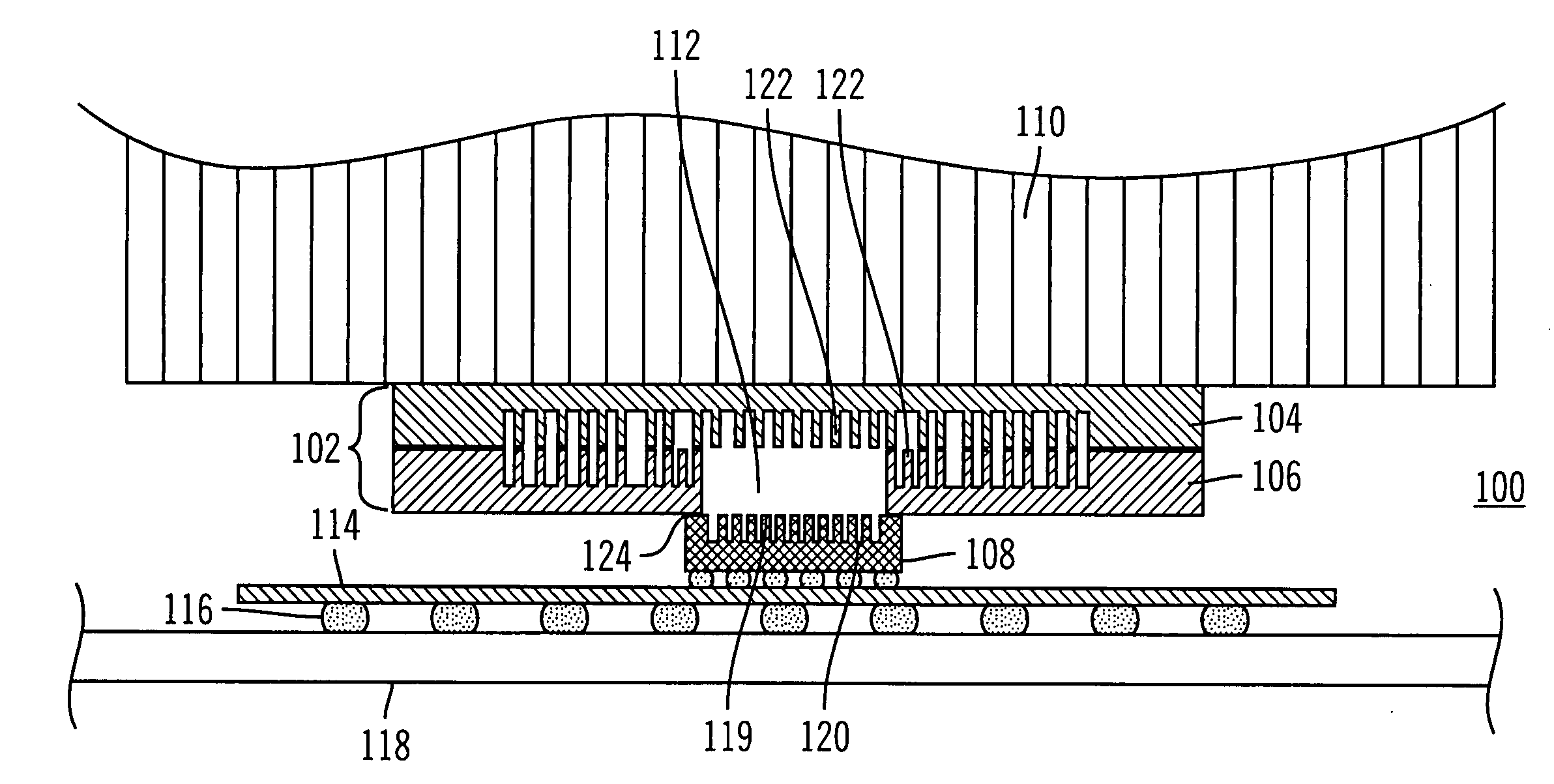
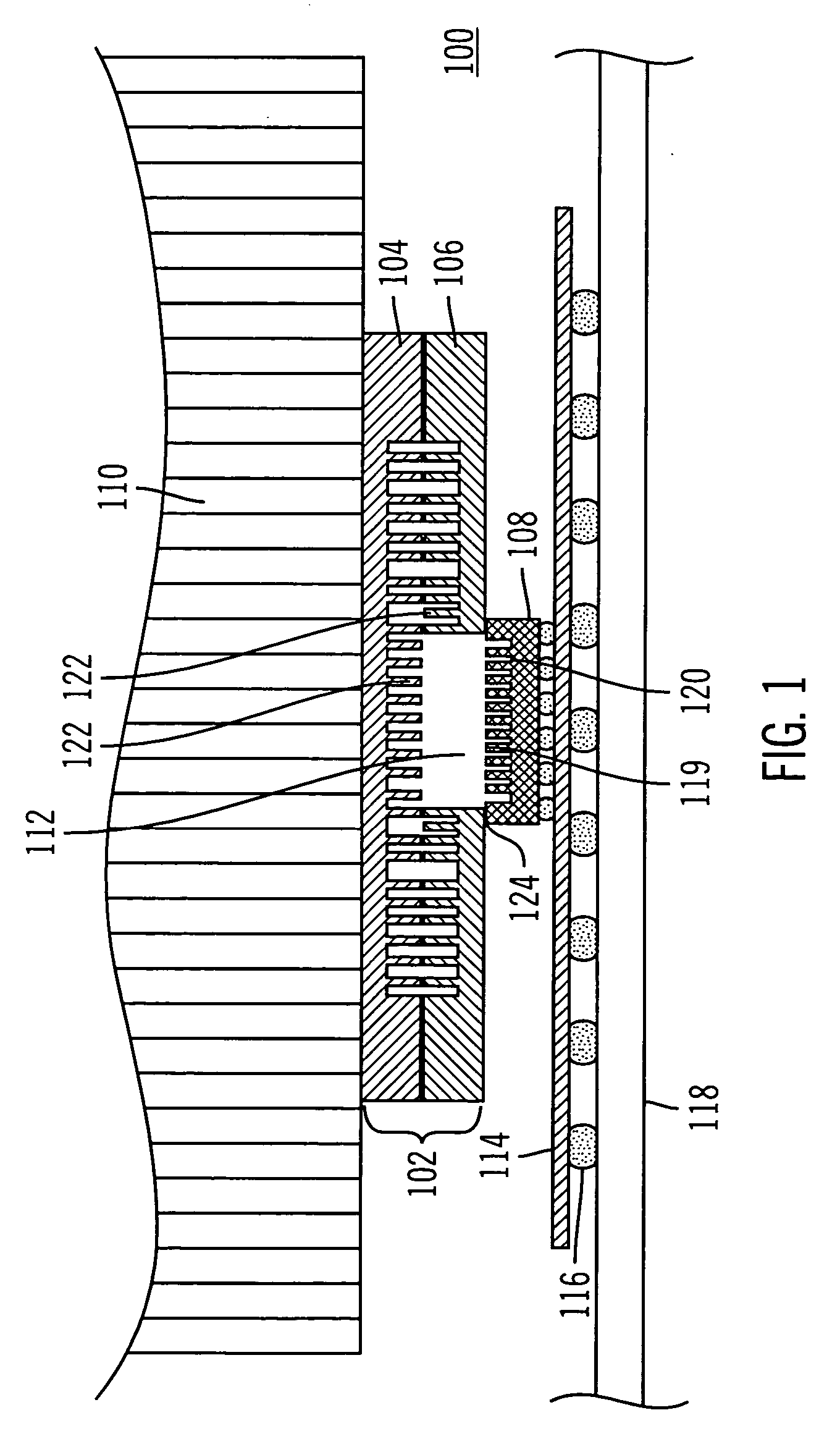
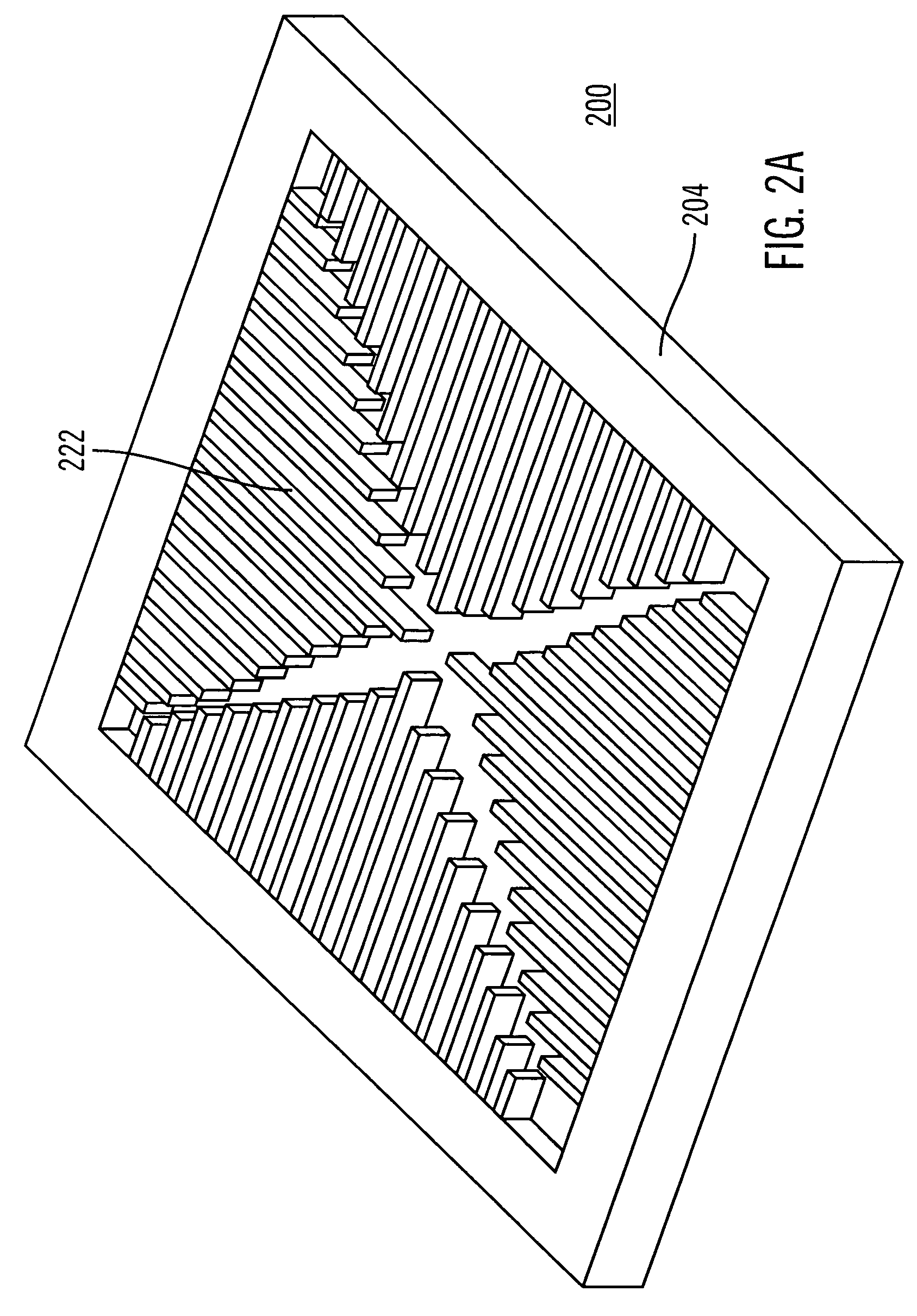
- The development of thermal interposers with vapor chambers formed by plates of materials with matched thermal expansion coefficients, featuring wick structures such as grooves and graphite foam, allowing direct attachment to semiconductor devices and efficient heat transfer through vaporization and condensation of a working fluid, reducing thermal resistance and accommodating differential expansion.

Energy Efficiency Standards for Electronic Devices
Energy efficiency standards for electronic devices have become increasingly critical as thermal management challenges intensify with advancing semiconductor technologies. Current regulatory frameworks primarily focus on power consumption metrics, but emerging standards are beginning to incorporate thermal performance criteria that directly impact device longevity and energy efficiency. The integration of graph-constrained reasoning approaches in thermal management systems presents new opportunities for meeting and exceeding these evolving standards.
International standards organizations, including IEEE, IEC, and ENERGY STAR, are developing comprehensive guidelines that address thermal-aware energy efficiency. These standards recognize that effective thermal management directly correlates with reduced energy consumption, as overheated components require additional cooling power and operate at suboptimal efficiency levels. Graph-constrained reasoning methodologies offer promising pathways to achieve compliance with these stringent requirements by optimizing heat dissipation patterns and thermal distribution across electronic systems.
The European Union's Ecodesign Directive and similar regulations in Asia-Pacific regions are establishing mandatory thermal efficiency benchmarks for consumer electronics, data center equipment, and automotive electronic systems. These standards mandate specific thermal resistance values, maximum junction temperatures, and cooling efficiency ratios. Graph-based thermal modeling enables manufacturers to predict and optimize these parameters during the design phase, ensuring compliance while minimizing energy overhead.
Emerging standards also emphasize dynamic thermal management capabilities, requiring devices to adapt their thermal behavior based on operational conditions and environmental factors. Graph-constrained reasoning algorithms excel in this domain by providing real-time optimization of thermal pathways and heat distribution strategies. This adaptive approach not only ensures regulatory compliance but also extends device lifespan and reduces overall system energy consumption.
Future energy efficiency standards are expected to incorporate machine learning-based thermal management requirements, where graph neural networks and constrained optimization techniques will become essential tools for achieving certification. These advanced standards will likely mandate predictive thermal control capabilities and autonomous thermal optimization features that can only be effectively implemented through sophisticated graph-based reasoning systems.
International standards organizations, including IEEE, IEC, and ENERGY STAR, are developing comprehensive guidelines that address thermal-aware energy efficiency. These standards recognize that effective thermal management directly correlates with reduced energy consumption, as overheated components require additional cooling power and operate at suboptimal efficiency levels. Graph-constrained reasoning methodologies offer promising pathways to achieve compliance with these stringent requirements by optimizing heat dissipation patterns and thermal distribution across electronic systems.
The European Union's Ecodesign Directive and similar regulations in Asia-Pacific regions are establishing mandatory thermal efficiency benchmarks for consumer electronics, data center equipment, and automotive electronic systems. These standards mandate specific thermal resistance values, maximum junction temperatures, and cooling efficiency ratios. Graph-based thermal modeling enables manufacturers to predict and optimize these parameters during the design phase, ensuring compliance while minimizing energy overhead.
Emerging standards also emphasize dynamic thermal management capabilities, requiring devices to adapt their thermal behavior based on operational conditions and environmental factors. Graph-constrained reasoning algorithms excel in this domain by providing real-time optimization of thermal pathways and heat distribution strategies. This adaptive approach not only ensures regulatory compliance but also extends device lifespan and reduces overall system energy consumption.
Future energy efficiency standards are expected to incorporate machine learning-based thermal management requirements, where graph neural networks and constrained optimization techniques will become essential tools for achieving certification. These advanced standards will likely mandate predictive thermal control capabilities and autonomous thermal optimization features that can only be effectively implemented through sophisticated graph-based reasoning systems.
Sustainability Impact of Advanced Thermal Management
Advanced thermal management technologies in electronics are fundamentally reshaping the sustainability landscape of the technology industry. The integration of graph-constrained reasoning approaches enables more precise thermal optimization, leading to significant reductions in energy consumption and material waste. These sophisticated thermal control systems can decrease overall power requirements by 15-30% compared to conventional cooling methods, directly translating to lower carbon footprints for electronic devices throughout their operational lifecycle.
The environmental benefits extend beyond energy efficiency improvements. Graph-based thermal management systems enable the development of more compact electronic designs by optimizing heat distribution patterns, reducing the physical footprint of devices and minimizing material consumption during manufacturing. This optimization capability supports the circular economy principles by extending device lifespan through better thermal stress management, reducing the frequency of replacements and associated electronic waste generation.
Manufacturing sustainability receives substantial benefits from advanced thermal management implementations. The precise thermal control enabled by graph-constrained reasoning reduces the need for oversized cooling components, leading to material savings in heat sinks, thermal interface materials, and cooling fans. Additionally, improved thermal predictability allows manufacturers to optimize production processes, reducing energy consumption during fabrication and testing phases.
The lifecycle assessment of electronics incorporating advanced thermal management reveals compelling sustainability advantages. Enhanced thermal regulation prevents premature component degradation, extending operational lifespans by 20-40% in critical applications. This longevity directly reduces the environmental impact associated with frequent device replacements, including mining of rare earth materials, manufacturing emissions, and end-of-life disposal challenges.
Furthermore, the scalability of graph-constrained thermal management solutions presents opportunities for broader sustainability impact across data centers and industrial electronics. The technology's ability to optimize thermal performance at system level enables more efficient resource utilization, supporting global efforts toward carbon neutrality in the technology sector while maintaining performance standards essential for modern electronic applications.
The environmental benefits extend beyond energy efficiency improvements. Graph-based thermal management systems enable the development of more compact electronic designs by optimizing heat distribution patterns, reducing the physical footprint of devices and minimizing material consumption during manufacturing. This optimization capability supports the circular economy principles by extending device lifespan through better thermal stress management, reducing the frequency of replacements and associated electronic waste generation.
Manufacturing sustainability receives substantial benefits from advanced thermal management implementations. The precise thermal control enabled by graph-constrained reasoning reduces the need for oversized cooling components, leading to material savings in heat sinks, thermal interface materials, and cooling fans. Additionally, improved thermal predictability allows manufacturers to optimize production processes, reducing energy consumption during fabrication and testing phases.
The lifecycle assessment of electronics incorporating advanced thermal management reveals compelling sustainability advantages. Enhanced thermal regulation prevents premature component degradation, extending operational lifespans by 20-40% in critical applications. This longevity directly reduces the environmental impact associated with frequent device replacements, including mining of rare earth materials, manufacturing emissions, and end-of-life disposal challenges.
Furthermore, the scalability of graph-constrained thermal management solutions presents opportunities for broader sustainability impact across data centers and industrial electronics. The technology's ability to optimize thermal performance at system level enables more efficient resource utilization, supporting global efforts toward carbon neutrality in the technology sector while maintaining performance standards essential for modern electronic applications.
Unlock deeper insights with Patsnap Eureka Quick Research — get a full tech report to explore trends and direct your research. Try now!
Generate Your Research Report Instantly with AI Agent
Supercharge your innovation with Patsnap Eureka AI Agent Platform!