UHMWPE's Function in Improved Water Purification Systems
AUG 6, 202510 MIN READ
Generate Your Research Report Instantly with AI Agent
PatSnap Eureka helps you evaluate technical feasibility & market potential.
UHMWPE in Water Purification: Background and Objectives
Ultra-high-molecular-weight polyethylene (UHMWPE) has emerged as a promising material in the field of water purification, offering unique properties that address longstanding challenges in filtration technology. The evolution of water treatment systems has been driven by the increasing global demand for clean water, coupled with the need for more efficient and sustainable purification methods.
UHMWPE's journey in water purification began in the late 20th century, with initial applications focusing on its use in membrane filtration. The material's exceptional mechanical strength, chemical resistance, and low friction coefficient made it an attractive option for developing robust filtration systems. As research progressed, scientists and engineers recognized UHMWPE's potential to revolutionize water treatment processes, particularly in addressing issues related to membrane fouling and durability.
The primary objective of incorporating UHMWPE into water purification systems is to enhance overall performance and longevity. Specifically, researchers aim to leverage UHMWPE's unique properties to develop membranes with improved flux rates, higher selectivity, and increased resistance to chemical and biological fouling. These advancements are crucial in addressing the limitations of conventional filtration materials, such as cellulose acetate and polyamide.
Another key goal is to explore UHMWPE's potential in creating more energy-efficient purification systems. The material's low surface energy and smooth texture can potentially reduce the energy required for water transport across membranes, leading to more sustainable and cost-effective treatment processes. This aligns with the growing emphasis on developing environmentally friendly water purification technologies.
Researchers are also investigating UHMWPE's role in developing multi-functional membranes. By combining UHMWPE with other materials or modifying its surface properties, scientists aim to create membranes capable of simultaneous filtration, disinfection, and contaminant removal. This holistic approach to water purification could significantly simplify treatment processes and reduce the overall footprint of purification systems.
The integration of UHMWPE into water purification technologies is expected to have far-reaching implications for both municipal water treatment and point-of-use systems. As global water scarcity becomes an increasingly pressing issue, the development of more efficient and durable purification methods using UHMWPE could play a crucial role in ensuring access to clean water for populations worldwide.
UHMWPE's journey in water purification began in the late 20th century, with initial applications focusing on its use in membrane filtration. The material's exceptional mechanical strength, chemical resistance, and low friction coefficient made it an attractive option for developing robust filtration systems. As research progressed, scientists and engineers recognized UHMWPE's potential to revolutionize water treatment processes, particularly in addressing issues related to membrane fouling and durability.
The primary objective of incorporating UHMWPE into water purification systems is to enhance overall performance and longevity. Specifically, researchers aim to leverage UHMWPE's unique properties to develop membranes with improved flux rates, higher selectivity, and increased resistance to chemical and biological fouling. These advancements are crucial in addressing the limitations of conventional filtration materials, such as cellulose acetate and polyamide.
Another key goal is to explore UHMWPE's potential in creating more energy-efficient purification systems. The material's low surface energy and smooth texture can potentially reduce the energy required for water transport across membranes, leading to more sustainable and cost-effective treatment processes. This aligns with the growing emphasis on developing environmentally friendly water purification technologies.
Researchers are also investigating UHMWPE's role in developing multi-functional membranes. By combining UHMWPE with other materials or modifying its surface properties, scientists aim to create membranes capable of simultaneous filtration, disinfection, and contaminant removal. This holistic approach to water purification could significantly simplify treatment processes and reduce the overall footprint of purification systems.
The integration of UHMWPE into water purification technologies is expected to have far-reaching implications for both municipal water treatment and point-of-use systems. As global water scarcity becomes an increasingly pressing issue, the development of more efficient and durable purification methods using UHMWPE could play a crucial role in ensuring access to clean water for populations worldwide.
Market Analysis for Advanced Water Purification Technologies
The global market for advanced water purification technologies has been experiencing significant growth in recent years, driven by increasing water scarcity, stricter environmental regulations, and growing awareness of water quality issues. The integration of Ultra-High Molecular Weight Polyethylene (UHMWPE) in water purification systems represents a promising development in this sector, offering enhanced performance and durability.
The demand for efficient water purification solutions is rising across various industries, including municipal water treatment, industrial processes, and residential applications. UHMWPE's unique properties, such as high chemical resistance, low friction, and excellent wear resistance, make it particularly suitable for membrane-based filtration systems. This has led to increased interest from both manufacturers and end-users in incorporating UHMWPE into their water purification technologies.
Market research indicates that the global water purification market is expected to continue its upward trajectory, with a compound annual growth rate (CAGR) projected to remain strong over the next five years. The Asia-Pacific region, in particular, is anticipated to witness the highest growth rate due to rapid industrialization, urbanization, and increasing government initiatives for clean water access.
The industrial sector remains a key driver for advanced water purification technologies, with stringent regulations on wastewater discharge compelling companies to invest in more effective treatment solutions. UHMWPE-based systems are gaining traction in this segment due to their ability to handle harsh chemical environments and high-pressure operations, which are common in industrial water treatment processes.
In the municipal water treatment sector, there is a growing trend towards the adoption of membrane-based technologies, where UHMWPE plays a crucial role. The material's resistance to fouling and its long operational life make it an attractive option for large-scale water purification plants seeking to reduce maintenance costs and improve efficiency.
The residential water purification market is also showing interest in UHMWPE-based systems, particularly in regions with poor water quality or limited access to clean water. Consumers are increasingly willing to invest in advanced purification technologies that offer superior performance and longevity, creating opportunities for UHMWPE-enhanced products in this segment.
However, the market for UHMWPE in water purification faces some challenges. The relatively higher initial cost of UHMWPE-based systems compared to traditional materials may slow adoption in price-sensitive markets. Additionally, the need for specialized manufacturing processes and potential supply chain constraints could impact market growth.
Despite these challenges, the overall market outlook for UHMWPE in water purification remains positive. Ongoing research and development efforts are focused on improving the material's properties and reducing production costs, which is expected to further drive market expansion and technological innovation in the coming years.
The demand for efficient water purification solutions is rising across various industries, including municipal water treatment, industrial processes, and residential applications. UHMWPE's unique properties, such as high chemical resistance, low friction, and excellent wear resistance, make it particularly suitable for membrane-based filtration systems. This has led to increased interest from both manufacturers and end-users in incorporating UHMWPE into their water purification technologies.
Market research indicates that the global water purification market is expected to continue its upward trajectory, with a compound annual growth rate (CAGR) projected to remain strong over the next five years. The Asia-Pacific region, in particular, is anticipated to witness the highest growth rate due to rapid industrialization, urbanization, and increasing government initiatives for clean water access.
The industrial sector remains a key driver for advanced water purification technologies, with stringent regulations on wastewater discharge compelling companies to invest in more effective treatment solutions. UHMWPE-based systems are gaining traction in this segment due to their ability to handle harsh chemical environments and high-pressure operations, which are common in industrial water treatment processes.
In the municipal water treatment sector, there is a growing trend towards the adoption of membrane-based technologies, where UHMWPE plays a crucial role. The material's resistance to fouling and its long operational life make it an attractive option for large-scale water purification plants seeking to reduce maintenance costs and improve efficiency.
The residential water purification market is also showing interest in UHMWPE-based systems, particularly in regions with poor water quality or limited access to clean water. Consumers are increasingly willing to invest in advanced purification technologies that offer superior performance and longevity, creating opportunities for UHMWPE-enhanced products in this segment.
However, the market for UHMWPE in water purification faces some challenges. The relatively higher initial cost of UHMWPE-based systems compared to traditional materials may slow adoption in price-sensitive markets. Additionally, the need for specialized manufacturing processes and potential supply chain constraints could impact market growth.
Despite these challenges, the overall market outlook for UHMWPE in water purification remains positive. Ongoing research and development efforts are focused on improving the material's properties and reducing production costs, which is expected to further drive market expansion and technological innovation in the coming years.
Current UHMWPE Applications and Challenges in Water Treatment
Ultra-high molecular weight polyethylene (UHMWPE) has emerged as a promising material in water purification systems, offering unique properties that address several challenges in water treatment processes. Currently, UHMWPE is primarily utilized in membrane filtration applications, where its high mechanical strength, chemical resistance, and low fouling characteristics make it an ideal choice for producing durable and efficient filtration membranes.
In reverse osmosis (RO) systems, UHMWPE-based membranes have shown excellent performance in removing dissolved solids, contaminants, and even microorganisms from water. The material's inherent hydrophobicity contributes to its fouling resistance, reducing the frequency of membrane cleaning and replacement. This property is particularly valuable in industrial and municipal water treatment facilities, where membrane fouling is a persistent issue that impacts operational efficiency and costs.
UHMWPE is also being explored for use in advanced oxidation processes (AOPs) as a support material for catalysts. Its chemical stability allows it to withstand the harsh oxidative environment typical in AOPs, while its high surface area provides an excellent substrate for catalyst immobilization. This application shows promise in the degradation of recalcitrant organic pollutants that are difficult to remove through conventional treatment methods.
Despite its advantages, UHMWPE faces several challenges in water treatment applications. One significant hurdle is the material's inherent hydrophobicity, which, while beneficial for fouling resistance, can limit water flux through the membrane. Researchers are actively working on surface modification techniques to impart hydrophilic properties to UHMWPE membranes without compromising their structural integrity or fouling resistance.
Another challenge lies in the fabrication of UHMWPE membranes with consistent pore size and distribution. The material's high molecular weight and viscosity make it difficult to process using conventional membrane fabrication techniques. Innovative manufacturing methods, such as thermally induced phase separation (TIPS) and electrospinning, are being developed to overcome these limitations and produce UHMWPE membranes with optimized pore structures.
The long-term stability of UHMWPE in water treatment environments is also an area of ongoing research. While the material exhibits excellent chemical resistance, prolonged exposure to chlorine and other oxidizing agents used in water treatment can potentially degrade its performance over time. Developing strategies to enhance the material's resistance to oxidative degradation is crucial for ensuring the longevity of UHMWPE-based water purification systems.
As water scarcity and quality issues continue to grow globally, the demand for more efficient and sustainable water treatment technologies is increasing. UHMWPE's unique properties position it as a valuable material in addressing these challenges, but overcoming the current limitations will be key to unlocking its full potential in water purification applications.
In reverse osmosis (RO) systems, UHMWPE-based membranes have shown excellent performance in removing dissolved solids, contaminants, and even microorganisms from water. The material's inherent hydrophobicity contributes to its fouling resistance, reducing the frequency of membrane cleaning and replacement. This property is particularly valuable in industrial and municipal water treatment facilities, where membrane fouling is a persistent issue that impacts operational efficiency and costs.
UHMWPE is also being explored for use in advanced oxidation processes (AOPs) as a support material for catalysts. Its chemical stability allows it to withstand the harsh oxidative environment typical in AOPs, while its high surface area provides an excellent substrate for catalyst immobilization. This application shows promise in the degradation of recalcitrant organic pollutants that are difficult to remove through conventional treatment methods.
Despite its advantages, UHMWPE faces several challenges in water treatment applications. One significant hurdle is the material's inherent hydrophobicity, which, while beneficial for fouling resistance, can limit water flux through the membrane. Researchers are actively working on surface modification techniques to impart hydrophilic properties to UHMWPE membranes without compromising their structural integrity or fouling resistance.
Another challenge lies in the fabrication of UHMWPE membranes with consistent pore size and distribution. The material's high molecular weight and viscosity make it difficult to process using conventional membrane fabrication techniques. Innovative manufacturing methods, such as thermally induced phase separation (TIPS) and electrospinning, are being developed to overcome these limitations and produce UHMWPE membranes with optimized pore structures.
The long-term stability of UHMWPE in water treatment environments is also an area of ongoing research. While the material exhibits excellent chemical resistance, prolonged exposure to chlorine and other oxidizing agents used in water treatment can potentially degrade its performance over time. Developing strategies to enhance the material's resistance to oxidative degradation is crucial for ensuring the longevity of UHMWPE-based water purification systems.
As water scarcity and quality issues continue to grow globally, the demand for more efficient and sustainable water treatment technologies is increasing. UHMWPE's unique properties position it as a valuable material in addressing these challenges, but overcoming the current limitations will be key to unlocking its full potential in water purification applications.
Existing UHMWPE-based Water Purification Solutions
01 UHMWPE membrane for water purification
Ultra-High Molecular Weight Polyethylene (UHMWPE) is used to create membranes for water purification. These membranes have high mechanical strength, chemical resistance, and excellent filtration properties, making them effective for removing contaminants from water.- UHMWPE membrane for water purification: Ultra-High Molecular Weight Polyethylene (UHMWPE) can be used to create membranes for water purification. These membranes offer high mechanical strength, chemical resistance, and excellent filtration properties, making them suitable for various water treatment applications.
- UHMWPE fiber-based filtration materials: UHMWPE fibers can be utilized to develop advanced filtration materials for water purification. These fibers can be processed into various forms such as non-woven fabrics or composite structures, providing efficient removal of contaminants from water.
- UHMWPE-based composite membranes: Composite membranes incorporating UHMWPE can be developed for enhanced water purification performance. These composites may combine UHMWPE with other materials to improve filtration efficiency, fouling resistance, and overall membrane durability.
- Surface modification of UHMWPE for water treatment: Surface modification techniques can be applied to UHMWPE materials to enhance their water purification properties. These modifications may improve hydrophilicity, anti-fouling characteristics, or introduce specific functional groups for targeted contaminant removal.
- UHMWPE-based water purification systems: Complete water purification systems can be designed using UHMWPE components. These systems may incorporate UHMWPE membranes, filters, or other elements to provide efficient and durable water treatment solutions for various applications, including industrial and municipal water treatment.
02 UHMWPE fiber-based filtration materials
UHMWPE fibers are utilized to develop advanced filtration materials for water treatment. These fibers can be processed into various forms such as non-woven fabrics or composite structures, offering high performance in removing particulates and microorganisms from water.Expand Specific Solutions03 UHMWPE-based composite membranes
Composite membranes incorporating UHMWPE are developed for enhanced water purification. These composites combine the properties of UHMWPE with other materials to improve filtration efficiency, durability, and resistance to fouling.Expand Specific Solutions04 Surface modification of UHMWPE for water treatment
Surface modification techniques are applied to UHMWPE materials to enhance their performance in water purification applications. These modifications can improve hydrophilicity, reduce fouling, or introduce specific functional groups for targeted contaminant removal.Expand Specific Solutions05 UHMWPE-based water purification systems
Complete water purification systems utilizing UHMWPE components are developed. These systems integrate UHMWPE membranes or fibers with other purification technologies to provide comprehensive water treatment solutions for various applications.Expand Specific Solutions
Key Players in UHMWPE and Water Purification Industries
The UHMWPE water purification technology market is in a growth phase, with increasing demand for advanced filtration solutions driving innovation and competition. The market size is expanding rapidly, fueled by growing concerns over water quality and scarcity. Technologically, the field is advancing quickly, with companies like Evoqua Water Technologies and Organo Corp. leading in developing high-performance UHMWPE-based filtration systems. Academic institutions such as Jiangsu University and The Hong Kong University of Science & Technology are contributing to research and development, pushing the boundaries of UHMWPE applications in water treatment. Major industrial players like 3M Innovative Properties Co. and Samsung Electronics Co., Ltd. are also investing in this technology, indicating its potential for widespread adoption across various sectors.
3M Innovative Properties Co.
Technical Solution: 3M Innovative Properties Co. has pioneered the use of UHMWPE in water purification systems through their proprietary Nanofiber Technology. This approach involves creating ultra-thin UHMWPE fibers with diameters in the nanometer range, which are then woven into highly effective filtration membranes[2]. The nanofiber structure provides an exceptionally high surface area to volume ratio, enabling superior contaminant capture while maintaining high flow rates. 3M's UHMWPE membranes are particularly effective in removing submicron particles, bacteria, and even some viruses from water[4]. The company has also developed a unique surface modification technique that enhances the hydrophilicity of UHMWPE, improving its performance in aqueous environments[6].
Strengths: Extremely high filtration efficiency, low pressure drop, and excellent mechanical strength. Weaknesses: Complex manufacturing process may lead to higher production costs, and potential limitations in treating certain chemical contaminants.
EMD Millipore Corp.
Technical Solution: EMD Millipore Corp. has developed a novel UHMWPE-based membrane technology for water purification systems, focusing on the pharmaceutical and biotechnology industries. Their approach involves creating a composite membrane structure that combines UHMWPE with other advanced materials to achieve superior filtration performance[7]. The company's technology utilizes a unique cross-linking process that enhances the mechanical and chemical stability of UHMWPE membranes, making them particularly suitable for challenging purification tasks in pharmaceutical manufacturing[9]. EMD Millipore's UHMWPE membranes are designed to remove a wide range of contaminants, including endotoxins, proteins, and other biomolecules, while maintaining high flow rates and low protein binding[11].
Strengths: Exceptional purity of filtered water, high throughput, and excellent compatibility with pharmaceutical processes. Weaknesses: Specialized nature may limit broader applicability, and potentially higher costs for non-pharmaceutical applications.
Innovative UHMWPE Modifications for Enhanced Filtration
Method for continuously producing ultra-high molecular weight polyethylene by using slurry polymerization
PatentPendingUS20240092948A1
Innovation
- A continuous process using 2-6 ethylene slurry polymerization reaction tanks connected in series, where polymerization temperatures, pressures, and gas phase compositions are controlled within specific ranges to ensure consistent conditions across tanks, allowing for full catalyst activity and precise control of molecular weight, resulting in ultra-high viscosity-average molecular weight polyethylene with low metal and ash content.
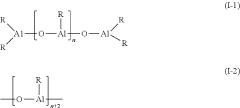
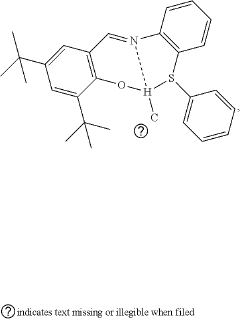
Ultra-high molecular weight polyethylene powder having improved swelling performance
PatentWO2021228735A1
Innovation
- Developing a UHMWPE powder with a BET specific surface area of at least 0.50 m2/g, prepared via slurry polymerization, allows for a gel solution with a desired swelling ratio to be achieved at moderate temperatures within a reduced swelling period, enhancing solvent absorption and reducing polymer degradation.
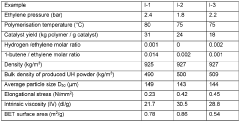
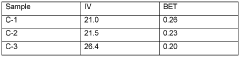

Environmental Impact of UHMWPE in Water Treatment
The environmental impact of Ultra-High Molecular Weight Polyethylene (UHMWPE) in water treatment systems is a critical consideration as this material gains prominence in advanced water purification technologies. UHMWPE's unique properties, including its high molecular weight and exceptional chemical resistance, contribute to its effectiveness in water treatment applications while also raising important environmental questions.
In terms of durability and longevity, UHMWPE membranes and components in water treatment systems demonstrate superior resistance to degradation compared to conventional materials. This extended lifespan reduces the frequency of replacements, thereby minimizing waste generation and the environmental footprint associated with manufacturing and disposal of water treatment equipment. The material's resistance to chemical attack also means fewer chemical treatments are required for maintenance, reducing the release of potentially harmful substances into the environment.
However, the production of UHMWPE itself involves energy-intensive processes and the use of petrochemical resources. This aspect of its lifecycle presents environmental challenges, particularly in terms of carbon footprint and resource depletion. Manufacturers and researchers are actively exploring more sustainable production methods and the potential use of bio-based precursors to mitigate these concerns.
In water treatment applications, UHMWPE's non-toxic nature is a significant environmental advantage. Unlike some traditional materials used in water purification, UHMWPE does not leach harmful substances into the treated water, ensuring a higher quality of effluent and reduced environmental contamination. This characteristic is particularly crucial in sensitive ecosystems and in applications where treated water is returned to natural water bodies.
The material's efficiency in filtration and separation processes also contributes to its positive environmental impact. UHMWPE-based membranes and filters can achieve higher removal rates of contaminants, including microplastics and emerging pollutants, leading to cleaner water outputs. This efficiency can result in reduced energy consumption in treatment plants and lower volumes of chemical additives required in the purification process.
End-of-life considerations for UHMWPE in water treatment systems present both challenges and opportunities. While the material's durability is an asset during its operational life, it poses recycling difficulties due to its high molecular weight and cross-linked structure. Current research is focused on developing effective recycling methods for UHMWPE, including mechanical recycling and chemical decomposition techniques, to close the loop on its lifecycle and minimize environmental impact.
In the context of global water scarcity and increasing water pollution, the role of UHMWPE in enabling more efficient and effective water treatment technologies cannot be overstated. Its ability to contribute to the production of high-quality potable water and the treatment of industrial wastewater has indirect environmental benefits, supporting conservation efforts and reducing the strain on freshwater resources.
In terms of durability and longevity, UHMWPE membranes and components in water treatment systems demonstrate superior resistance to degradation compared to conventional materials. This extended lifespan reduces the frequency of replacements, thereby minimizing waste generation and the environmental footprint associated with manufacturing and disposal of water treatment equipment. The material's resistance to chemical attack also means fewer chemical treatments are required for maintenance, reducing the release of potentially harmful substances into the environment.
However, the production of UHMWPE itself involves energy-intensive processes and the use of petrochemical resources. This aspect of its lifecycle presents environmental challenges, particularly in terms of carbon footprint and resource depletion. Manufacturers and researchers are actively exploring more sustainable production methods and the potential use of bio-based precursors to mitigate these concerns.
In water treatment applications, UHMWPE's non-toxic nature is a significant environmental advantage. Unlike some traditional materials used in water purification, UHMWPE does not leach harmful substances into the treated water, ensuring a higher quality of effluent and reduced environmental contamination. This characteristic is particularly crucial in sensitive ecosystems and in applications where treated water is returned to natural water bodies.
The material's efficiency in filtration and separation processes also contributes to its positive environmental impact. UHMWPE-based membranes and filters can achieve higher removal rates of contaminants, including microplastics and emerging pollutants, leading to cleaner water outputs. This efficiency can result in reduced energy consumption in treatment plants and lower volumes of chemical additives required in the purification process.
End-of-life considerations for UHMWPE in water treatment systems present both challenges and opportunities. While the material's durability is an asset during its operational life, it poses recycling difficulties due to its high molecular weight and cross-linked structure. Current research is focused on developing effective recycling methods for UHMWPE, including mechanical recycling and chemical decomposition techniques, to close the loop on its lifecycle and minimize environmental impact.
In the context of global water scarcity and increasing water pollution, the role of UHMWPE in enabling more efficient and effective water treatment technologies cannot be overstated. Its ability to contribute to the production of high-quality potable water and the treatment of industrial wastewater has indirect environmental benefits, supporting conservation efforts and reducing the strain on freshwater resources.
Cost-Benefit Analysis of UHMWPE in Water Purification Systems
The implementation of Ultra-High Molecular Weight Polyethylene (UHMWPE) in water purification systems presents a complex cost-benefit scenario that requires careful analysis. Initial investment costs for UHMWPE-based systems are typically higher than traditional filtration methods due to the advanced material properties and manufacturing processes involved. However, these upfront expenses are often offset by long-term operational benefits and improved system performance.
UHMWPE membranes demonstrate superior durability and resistance to fouling compared to conventional materials, leading to extended operational lifespans and reduced maintenance requirements. This longevity translates to lower replacement costs and decreased downtime for system maintenance, contributing to overall cost savings over time. Additionally, the enhanced filtration efficiency of UHMWPE membranes can result in improved water quality, potentially reducing the need for additional treatment steps and associated chemical costs.
Energy consumption is another critical factor in the cost-benefit analysis. UHMWPE-based systems often exhibit lower energy requirements due to their high porosity and excellent flow characteristics. This reduction in energy consumption not only decreases operational costs but also aligns with sustainability goals, potentially qualifying facilities for environmental incentives or certifications.
The scalability of UHMWPE technology is an important consideration for cost-effectiveness. While smaller-scale applications may face challenges in justifying the initial investment, larger water treatment facilities can leverage economies of scale to maximize the benefits of UHMWPE implementation. As production volumes increase and manufacturing processes improve, the cost of UHMWPE materials is expected to decrease, further enhancing the economic viability of these systems.
From a public health perspective, the superior filtration capabilities of UHMWPE membranes can lead to improved water quality and reduced health risks. This improvement may result in indirect economic benefits through decreased healthcare costs and increased public trust in water supply systems. Furthermore, the ability of UHMWPE membranes to effectively remove emerging contaminants positions them as a future-proof solution, potentially avoiding costly system upgrades to meet evolving water quality standards.
Environmental considerations also play a role in the cost-benefit analysis. The longer lifespan and reduced chemical usage associated with UHMWPE systems contribute to a lower environmental footprint. This aspect can be particularly valuable in regions with strict environmental regulations or in applications where sustainability is a key priority.
In conclusion, while the initial costs of implementing UHMWPE in water purification systems may be higher, the long-term benefits in terms of operational efficiency, reduced maintenance, energy savings, and improved water quality present a compelling case for its adoption. As technology advances and production scales up, the cost-benefit ratio is expected to improve further, making UHMWPE an increasingly attractive option for water treatment facilities seeking to enhance their performance and sustainability.
UHMWPE membranes demonstrate superior durability and resistance to fouling compared to conventional materials, leading to extended operational lifespans and reduced maintenance requirements. This longevity translates to lower replacement costs and decreased downtime for system maintenance, contributing to overall cost savings over time. Additionally, the enhanced filtration efficiency of UHMWPE membranes can result in improved water quality, potentially reducing the need for additional treatment steps and associated chemical costs.
Energy consumption is another critical factor in the cost-benefit analysis. UHMWPE-based systems often exhibit lower energy requirements due to their high porosity and excellent flow characteristics. This reduction in energy consumption not only decreases operational costs but also aligns with sustainability goals, potentially qualifying facilities for environmental incentives or certifications.
The scalability of UHMWPE technology is an important consideration for cost-effectiveness. While smaller-scale applications may face challenges in justifying the initial investment, larger water treatment facilities can leverage economies of scale to maximize the benefits of UHMWPE implementation. As production volumes increase and manufacturing processes improve, the cost of UHMWPE materials is expected to decrease, further enhancing the economic viability of these systems.
From a public health perspective, the superior filtration capabilities of UHMWPE membranes can lead to improved water quality and reduced health risks. This improvement may result in indirect economic benefits through decreased healthcare costs and increased public trust in water supply systems. Furthermore, the ability of UHMWPE membranes to effectively remove emerging contaminants positions them as a future-proof solution, potentially avoiding costly system upgrades to meet evolving water quality standards.
Environmental considerations also play a role in the cost-benefit analysis. The longer lifespan and reduced chemical usage associated with UHMWPE systems contribute to a lower environmental footprint. This aspect can be particularly valuable in regions with strict environmental regulations or in applications where sustainability is a key priority.
In conclusion, while the initial costs of implementing UHMWPE in water purification systems may be higher, the long-term benefits in terms of operational efficiency, reduced maintenance, energy savings, and improved water quality present a compelling case for its adoption. As technology advances and production scales up, the cost-benefit ratio is expected to improve further, making UHMWPE an increasingly attractive option for water treatment facilities seeking to enhance their performance and sustainability.
Unlock deeper insights with PatSnap Eureka Quick Research — get a full tech report to explore trends and direct your research. Try now!
Generate Your Research Report Instantly with AI Agent
Supercharge your innovation with PatSnap Eureka AI Agent Platform!