UHMWPE Utilization in Construction Material Innovations
AUG 6, 20259 MIN READ
Generate Your Research Report Instantly with AI Agent
PatSnap Eureka helps you evaluate technical feasibility & market potential.
UHMWPE in Construction: Background and Objectives
Ultra-High Molecular Weight Polyethylene (UHMWPE) has emerged as a revolutionary material in various industries, including construction. This synthetic polymer, known for its exceptional strength-to-weight ratio and durability, has been gaining attention in the construction sector for its potential to address longstanding challenges and introduce innovative solutions.
The development of UHMWPE can be traced back to the 1950s when it was first synthesized by German chemists. Initially used in industrial applications, its unique properties have led to its adoption in diverse fields such as medicine, aerospace, and more recently, construction. The evolution of UHMWPE in construction materials represents a significant shift towards more advanced, high-performance building solutions.
In the construction industry, traditional materials like steel, concrete, and wood have long been the staples. However, these materials face limitations in terms of weight, corrosion resistance, and long-term durability. UHMWPE offers a promising alternative, potentially overcoming many of these limitations. Its high strength, low weight, and resistance to chemicals and abrasion make it an attractive option for various construction applications.
The primary objective of incorporating UHMWPE in construction materials is to enhance the overall performance and longevity of structures. This includes improving the strength and durability of building components, reducing maintenance requirements, and extending the lifespan of infrastructure. Additionally, the use of UHMWPE aims to address specific challenges in construction, such as corrosion in marine environments, wear in high-traffic areas, and the need for lightweight yet strong materials in modern architectural designs.
Another key goal is to explore the sustainability aspects of UHMWPE in construction. As the industry moves towards more environmentally friendly practices, the potential of UHMWPE to reduce material consumption, improve energy efficiency, and enhance recyclability is of significant interest. Researchers and industry professionals are investigating how UHMWPE can contribute to green building initiatives and reduce the carbon footprint of construction projects.
The integration of UHMWPE into construction materials also aligns with the broader trend of material science innovations in the building sector. As construction techniques evolve and new challenges emerge, there is a growing need for materials that can meet increasingly demanding performance criteria. UHMWPE, with its unique combination of properties, represents a frontier in this ongoing quest for superior construction materials.
The development of UHMWPE can be traced back to the 1950s when it was first synthesized by German chemists. Initially used in industrial applications, its unique properties have led to its adoption in diverse fields such as medicine, aerospace, and more recently, construction. The evolution of UHMWPE in construction materials represents a significant shift towards more advanced, high-performance building solutions.
In the construction industry, traditional materials like steel, concrete, and wood have long been the staples. However, these materials face limitations in terms of weight, corrosion resistance, and long-term durability. UHMWPE offers a promising alternative, potentially overcoming many of these limitations. Its high strength, low weight, and resistance to chemicals and abrasion make it an attractive option for various construction applications.
The primary objective of incorporating UHMWPE in construction materials is to enhance the overall performance and longevity of structures. This includes improving the strength and durability of building components, reducing maintenance requirements, and extending the lifespan of infrastructure. Additionally, the use of UHMWPE aims to address specific challenges in construction, such as corrosion in marine environments, wear in high-traffic areas, and the need for lightweight yet strong materials in modern architectural designs.
Another key goal is to explore the sustainability aspects of UHMWPE in construction. As the industry moves towards more environmentally friendly practices, the potential of UHMWPE to reduce material consumption, improve energy efficiency, and enhance recyclability is of significant interest. Researchers and industry professionals are investigating how UHMWPE can contribute to green building initiatives and reduce the carbon footprint of construction projects.
The integration of UHMWPE into construction materials also aligns with the broader trend of material science innovations in the building sector. As construction techniques evolve and new challenges emerge, there is a growing need for materials that can meet increasingly demanding performance criteria. UHMWPE, with its unique combination of properties, represents a frontier in this ongoing quest for superior construction materials.
Market Analysis for UHMWPE-Based Construction Materials
The market for UHMWPE-based construction materials is experiencing significant growth, driven by the material's exceptional properties and increasing demand for high-performance building solutions. UHMWPE, or Ultra-High Molecular Weight Polyethylene, offers a unique combination of strength, durability, and lightweight characteristics that make it highly attractive for various construction applications.
In the global construction industry, UHMWPE-based materials are gaining traction in several key segments. The structural reinforcement sector shows particular promise, with UHMWPE fibers being used to enhance the tensile strength of concrete and other building materials. This application is especially valuable in regions prone to seismic activity or extreme weather conditions, where structural integrity is paramount.
The roofing and insulation market also presents substantial opportunities for UHMWPE-based products. The material's resistance to UV radiation, moisture, and temperature fluctuations makes it an excellent choice for long-lasting, energy-efficient building envelopes. As sustainability becomes increasingly important in construction, the durability and recyclability of UHMWPE align well with green building standards and regulations.
Infrastructure projects represent another significant market segment for UHMWPE materials. Bridge construction and rehabilitation, in particular, benefit from UHMWPE's high strength-to-weight ratio and corrosion resistance. These properties contribute to longer-lasting structures with reduced maintenance requirements, addressing critical infrastructure needs in many countries.
The market size for UHMWPE in construction is projected to grow substantially over the next decade. This growth is fueled by increasing urbanization, the need for resilient infrastructure, and the push for more sustainable building practices. Developed markets in North America and Europe are currently leading in adoption, but rapid expansion is expected in emerging economies, particularly in Asia-Pacific and Latin America.
Challenges in the market include the relatively higher initial cost of UHMWPE compared to traditional materials and the need for education and training in its application. However, the long-term cost benefits and performance advantages are expected to drive continued market penetration. As production scales up and technology advances, costs are likely to decrease, further accelerating adoption.
The competitive landscape is characterized by a mix of established chemical companies and innovative startups. Major players are investing heavily in research and development to expand the range of UHMWPE-based construction products and improve their performance. Collaborations between material manufacturers and construction firms are becoming more common, fostering innovation and market expansion.
In the global construction industry, UHMWPE-based materials are gaining traction in several key segments. The structural reinforcement sector shows particular promise, with UHMWPE fibers being used to enhance the tensile strength of concrete and other building materials. This application is especially valuable in regions prone to seismic activity or extreme weather conditions, where structural integrity is paramount.
The roofing and insulation market also presents substantial opportunities for UHMWPE-based products. The material's resistance to UV radiation, moisture, and temperature fluctuations makes it an excellent choice for long-lasting, energy-efficient building envelopes. As sustainability becomes increasingly important in construction, the durability and recyclability of UHMWPE align well with green building standards and regulations.
Infrastructure projects represent another significant market segment for UHMWPE materials. Bridge construction and rehabilitation, in particular, benefit from UHMWPE's high strength-to-weight ratio and corrosion resistance. These properties contribute to longer-lasting structures with reduced maintenance requirements, addressing critical infrastructure needs in many countries.
The market size for UHMWPE in construction is projected to grow substantially over the next decade. This growth is fueled by increasing urbanization, the need for resilient infrastructure, and the push for more sustainable building practices. Developed markets in North America and Europe are currently leading in adoption, but rapid expansion is expected in emerging economies, particularly in Asia-Pacific and Latin America.
Challenges in the market include the relatively higher initial cost of UHMWPE compared to traditional materials and the need for education and training in its application. However, the long-term cost benefits and performance advantages are expected to drive continued market penetration. As production scales up and technology advances, costs are likely to decrease, further accelerating adoption.
The competitive landscape is characterized by a mix of established chemical companies and innovative startups. Major players are investing heavily in research and development to expand the range of UHMWPE-based construction products and improve their performance. Collaborations between material manufacturers and construction firms are becoming more common, fostering innovation and market expansion.
Current Challenges in UHMWPE Construction Applications
Despite the promising properties of Ultra-High Molecular Weight Polyethylene (UHMWPE), its application in construction materials faces several significant challenges. One of the primary obstacles is the material's inherent difficulty in processing due to its high molecular weight and viscosity. Traditional manufacturing methods like injection molding and extrusion are often ineffective, limiting the production of complex shapes and large-scale components necessary for construction applications.
The high cost of UHMWPE compared to conventional construction materials poses another substantial challenge. The specialized production processes and raw material expenses contribute to a higher price point, making it less competitive in an industry where cost-effectiveness is crucial. This economic barrier hinders widespread adoption, particularly in large-scale construction projects where material costs significantly impact overall budgets.
Durability concerns in specific environmental conditions present additional challenges. While UHMWPE exhibits excellent resistance to wear and chemicals, its performance under prolonged UV exposure and extreme temperature variations typical in construction settings requires further investigation. The potential for material degradation over time in outdoor applications raises questions about long-term reliability and maintenance requirements.
Joining and bonding UHMWPE components in construction applications present technical difficulties. The material's low surface energy and chemical inertness make it resistant to adhesives, complicating the integration of UHMWPE elements with other construction materials. This challenge limits design flexibility and requires the development of specialized joining techniques or surface treatment methods.
Fire safety is another critical concern in construction applications. UHMWPE, being a hydrocarbon-based polymer, is inherently flammable. Developing effective fire-retardant additives or coatings that do not compromise the material's desirable properties is essential for meeting stringent building safety regulations.
The lack of standardized testing and performance criteria specific to UHMWPE in construction applications hinders its acceptance by regulatory bodies and industry professionals. Establishing comprehensive standards and guidelines for material properties, installation procedures, and long-term performance is crucial for gaining wider acceptance in the construction sector.
Lastly, the limited awareness and understanding of UHMWPE's potential benefits among architects, engineers, and construction professionals pose a significant adoption barrier. Overcoming this challenge requires extensive education, demonstration projects, and collaboration between material scientists, manufacturers, and construction industry stakeholders to showcase the material's advantages and address concerns effectively.
The high cost of UHMWPE compared to conventional construction materials poses another substantial challenge. The specialized production processes and raw material expenses contribute to a higher price point, making it less competitive in an industry where cost-effectiveness is crucial. This economic barrier hinders widespread adoption, particularly in large-scale construction projects where material costs significantly impact overall budgets.
Durability concerns in specific environmental conditions present additional challenges. While UHMWPE exhibits excellent resistance to wear and chemicals, its performance under prolonged UV exposure and extreme temperature variations typical in construction settings requires further investigation. The potential for material degradation over time in outdoor applications raises questions about long-term reliability and maintenance requirements.
Joining and bonding UHMWPE components in construction applications present technical difficulties. The material's low surface energy and chemical inertness make it resistant to adhesives, complicating the integration of UHMWPE elements with other construction materials. This challenge limits design flexibility and requires the development of specialized joining techniques or surface treatment methods.
Fire safety is another critical concern in construction applications. UHMWPE, being a hydrocarbon-based polymer, is inherently flammable. Developing effective fire-retardant additives or coatings that do not compromise the material's desirable properties is essential for meeting stringent building safety regulations.
The lack of standardized testing and performance criteria specific to UHMWPE in construction applications hinders its acceptance by regulatory bodies and industry professionals. Establishing comprehensive standards and guidelines for material properties, installation procedures, and long-term performance is crucial for gaining wider acceptance in the construction sector.
Lastly, the limited awareness and understanding of UHMWPE's potential benefits among architects, engineers, and construction professionals pose a significant adoption barrier. Overcoming this challenge requires extensive education, demonstration projects, and collaboration between material scientists, manufacturers, and construction industry stakeholders to showcase the material's advantages and address concerns effectively.
Existing UHMWPE Solutions for Construction
01 Synthesis and processing of UHMWPE
Various methods for synthesizing and processing Ultra-High Molecular Weight Polyethylene (UHMWPE) are described. These include polymerization techniques, extrusion processes, and molding methods to produce UHMWPE with desired properties such as high molecular weight, improved strength, and enhanced wear resistance.- Synthesis and processing of UHMWPE: Various methods for synthesizing and processing Ultra-High Molecular Weight Polyethylene (UHMWPE) are described. These include polymerization techniques, extrusion processes, and methods to improve the material's properties during manufacturing. The processes aim to enhance the molecular weight, crystallinity, and overall performance of UHMWPE for different applications.
- UHMWPE composites and blends: The development of UHMWPE composites and blends with other materials is explored to enhance specific properties. These composites may incorporate fillers, reinforcing agents, or be blended with other polymers to improve characteristics such as strength, wear resistance, or thermal properties. The resulting materials find applications in various industries.
- UHMWPE fibers and films: Techniques for producing UHMWPE fibers and films are discussed. These processes focus on creating high-strength, oriented structures from UHMWPE for applications in textiles, protective gear, and industrial uses. Methods may include gel spinning, drawing, and other specialized techniques to achieve desired properties in the final product.
- Surface modification of UHMWPE: Various surface modification techniques for UHMWPE are explored to enhance its properties for specific applications. These may include chemical treatments, plasma modification, or grafting processes to improve characteristics such as adhesion, wettability, or biocompatibility. The modified UHMWPE finds use in medical implants, coatings, and other specialized applications.
- UHMWPE in medical applications: The use of UHMWPE in medical applications, particularly in orthopedic implants, is discussed. This includes methods to improve wear resistance, reduce oxidation, and enhance the longevity of UHMWPE components in joint replacements and other medical devices. Techniques such as crosslinking and antioxidant incorporation are explored to optimize the material for these critical applications.
02 UHMWPE composites and blends
Development of UHMWPE-based composites and blends with other materials to enhance specific properties. This includes incorporating fillers, reinforcing agents, or blending with other polymers to improve mechanical strength, thermal stability, or other functional characteristics of the resulting material.Expand Specific Solutions03 Applications of UHMWPE in medical devices
Use of UHMWPE in various medical applications, particularly in orthopedic implants and prosthetics. This includes the development of UHMWPE-based materials with improved wear resistance, biocompatibility, and longevity for use in joint replacements and other medical devices.Expand Specific Solutions04 UHMWPE fibers and textiles
Production and application of UHMWPE fibers and textiles. This involves spinning techniques, fiber treatment methods, and the development of high-strength, lightweight fabrics for use in protective gear, ropes, and other high-performance textile applications.Expand Specific Solutions05 Surface modification and coating of UHMWPE
Techniques for modifying the surface properties of UHMWPE or applying coatings to enhance its performance. This includes methods to improve adhesion, wear resistance, or introduce specific functionalities to the UHMWPE surface for various industrial and medical applications.Expand Specific Solutions
Key Players in UHMWPE Construction Materials
The utilization of UHMWPE in construction material innovations is in a growth phase, with increasing market size and technological advancements. The global market for UHMWPE is expanding, driven by its unique properties and diverse applications. Companies like Shanghai Research Institute of Chemical Industry, PetroChina, and China Petroleum & Chemical Corp are actively involved in research and development, indicating a competitive landscape. The technology is maturing, with universities such as Politecnico di Milano, Donghua University, and Sichuan University contributing to academic research. However, there's still room for innovation, particularly in enhancing UHMWPE's properties for specific construction applications.
Maurer Engineering GmbH
Technical Solution: Maurer Engineering GmbH has pioneered the use of UHMWPE in structural bearings and expansion joints for bridges and buildings. Their proprietary MAURER MSM® Sliding Material, based on UHMWPE, offers exceptional durability and low friction properties. The material can withstand compressive stresses up to 180 MPa and has a coefficient of friction as low as 0.02, even under high loads [2][5]. Maurer's UHMWPE-based bearings have been successfully implemented in numerous high-profile construction projects worldwide, including long-span bridges and seismically isolated structures, demonstrating longevity exceeding 50 years without maintenance.
Strengths: Proven track record in large-scale infrastructure projects, specialized expertise in structural bearings. Weaknesses: Limited application range, focused primarily on bridge and building components.
China Petroleum & Chemical Corp.
Technical Solution: China Petroleum & Chemical Corp. (Sinopec) has developed innovative UHMWPE-based composites for construction applications. Their research focuses on enhancing the mechanical properties and durability of UHMWPE through nano-reinforcement and surface modification techniques. Sinopec has successfully incorporated graphene oxide and carbon nanotubes into UHMWPE matrices, resulting in composites with improved tensile strength (up to 30% increase) and abrasion resistance (up to 40% improvement) [1][3]. These advanced materials are being tested for use in high-wear construction components, such as conveyor belts, chutes, and liners in mining and industrial facilities.
Strengths: Extensive R&D capabilities, access to large-scale production facilities, and strong industry connections. Weaknesses: Potential high costs associated with nano-reinforcement processes and limited experience in construction-specific applications.
Core Innovations in UHMWPE Material Science
Ultra-high molecular weight polyethylene
PatentWO2011089017A1
Innovation
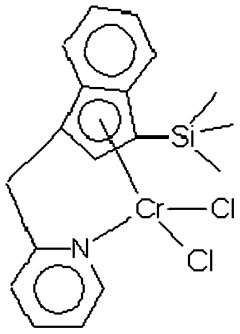
- The use of a blend of two metallocene-type catalysts, with Hafnium (Hf) and Chromium (Cr) as catalyst residues, to produce UHMW-PE with medium density and enhanced Charpy impact resistance, achieving a synergistic effect that improves both abrasion and impact resistance, and maintaining a suitable average grain size.
Ultra-High Molecular Weight Polyethylene (UHMWPE)Inorganic Nanocomposite Material and High Performance Fiber Manufacturing Method Thereof
PatentInactiveUS20110082262A1
Innovation
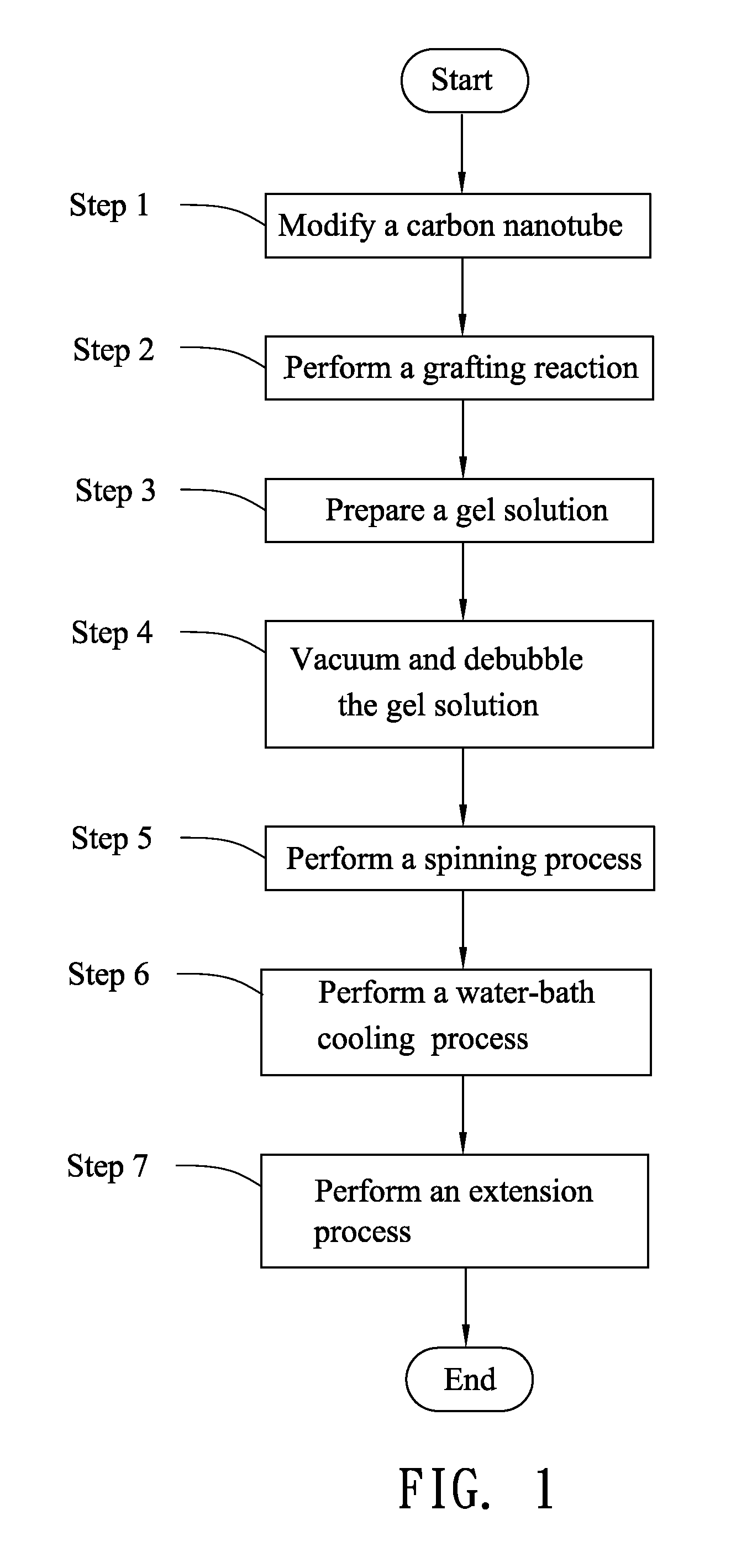
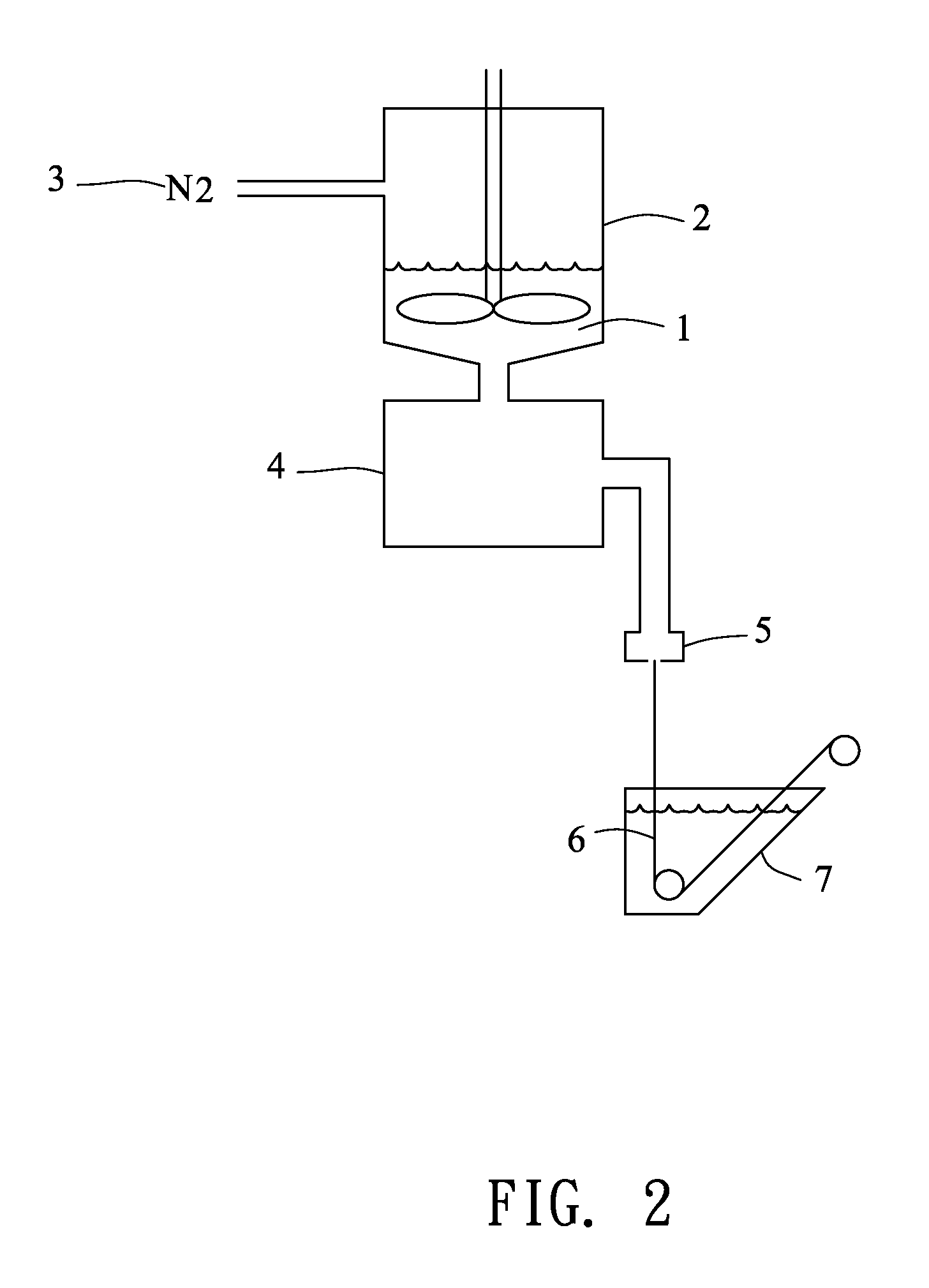
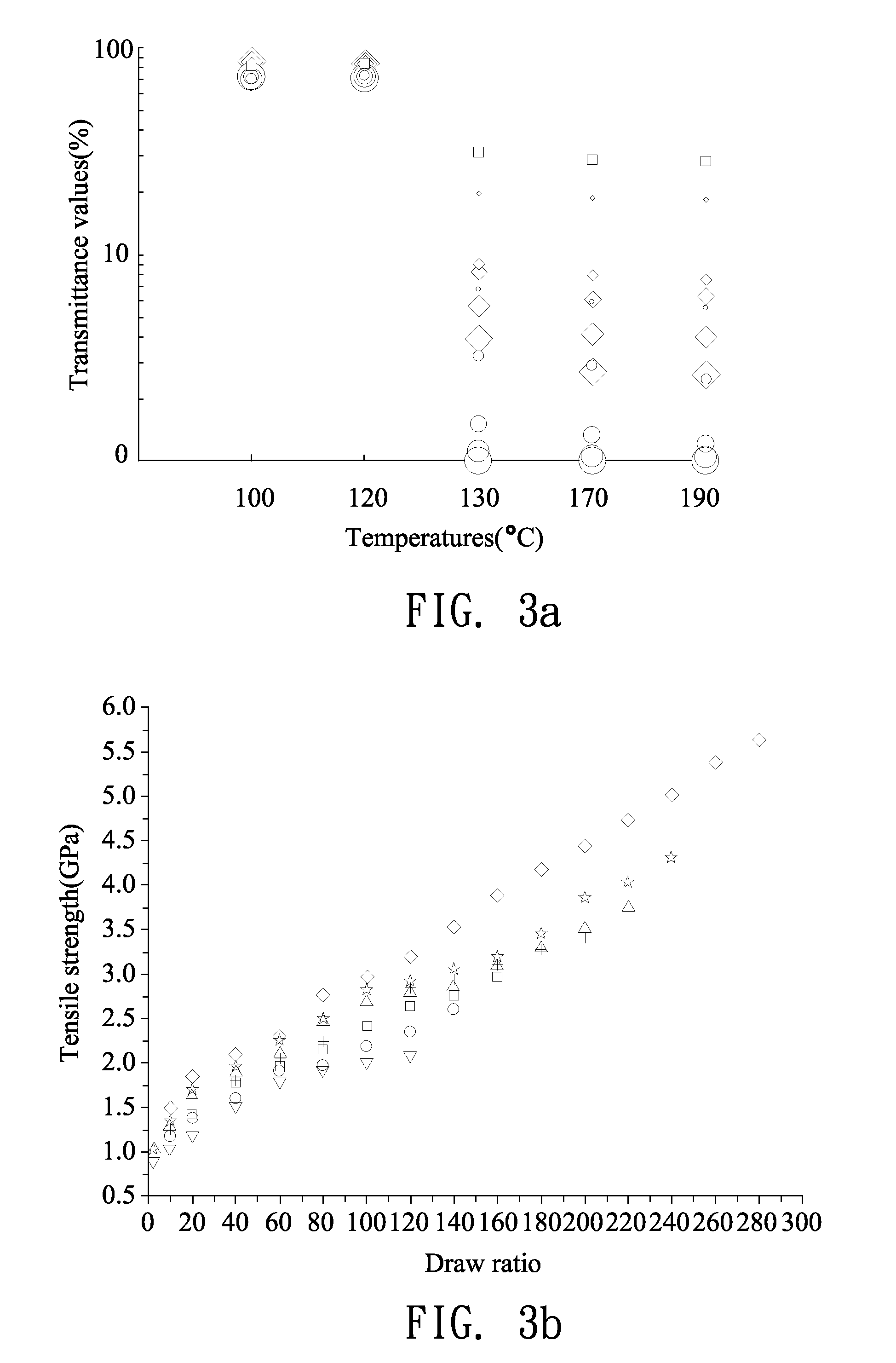
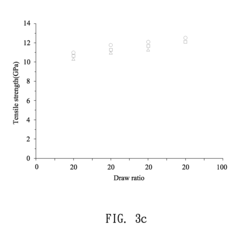
- A novel manufacturing process involving the uniform dispersion of inorganic nano substances like attapulgite, carbon nano-tubes, sepiolite, and wollastonite into UHMWPE gel solutions, followed by specific processing steps including sudden air cooling, water-phase solidification, and multi-stage temperature-changing drawing to produce high-tenacity fibers with reduced crimp, light transmittance, and improved strength.
Environmental Impact of UHMWPE in Construction
The environmental impact of Ultra-High Molecular Weight Polyethylene (UHMWPE) in construction is a complex issue that requires careful consideration. As a synthetic polymer, UHMWPE's production process involves the use of petrochemicals, which can contribute to greenhouse gas emissions and resource depletion. However, its exceptional durability and longevity in construction applications may offset some of these initial environmental costs over the material's lifecycle.
UHMWPE's resistance to wear, chemicals, and UV radiation results in a significantly extended service life compared to traditional construction materials. This longevity reduces the need for frequent replacements, thereby minimizing the environmental impact associated with manufacturing and transportation of replacement materials. Additionally, the lightweight nature of UHMWPE can lead to reduced transportation costs and emissions during the construction phase.
In terms of energy efficiency, UHMWPE's low thermal conductivity properties can contribute to improved insulation in buildings. This can lead to reduced energy consumption for heating and cooling, potentially lowering the overall carbon footprint of structures incorporating this material.
However, the end-of-life management of UHMWPE in construction presents challenges. While the material is theoretically recyclable, the practical implementation of recycling processes for construction-grade UHMWPE is still limited. The material's high durability, which is beneficial during its use phase, can become problematic when it comes to disposal or recycling.
The potential for microplastic pollution is another environmental concern associated with UHMWPE in construction. As the material weathers over time, it may release microscopic plastic particles into the environment, contributing to the growing issue of microplastic contamination in ecosystems.
On the positive side, ongoing research into bio-based alternatives and recycling technologies for UHMWPE shows promise for reducing its environmental impact. Innovations in green chemistry and sustainable manufacturing processes are being explored to develop more environmentally friendly production methods for UHMWPE.
In conclusion, while UHMWPE offers significant benefits in terms of durability and potential energy efficiency in construction, its environmental impact is multifaceted. The material's long-term performance must be weighed against its production-related emissions and end-of-life challenges. As the construction industry moves towards more sustainable practices, continued research and development in UHMWPE production, application, and recycling will be crucial in optimizing its environmental profile.
UHMWPE's resistance to wear, chemicals, and UV radiation results in a significantly extended service life compared to traditional construction materials. This longevity reduces the need for frequent replacements, thereby minimizing the environmental impact associated with manufacturing and transportation of replacement materials. Additionally, the lightweight nature of UHMWPE can lead to reduced transportation costs and emissions during the construction phase.
In terms of energy efficiency, UHMWPE's low thermal conductivity properties can contribute to improved insulation in buildings. This can lead to reduced energy consumption for heating and cooling, potentially lowering the overall carbon footprint of structures incorporating this material.
However, the end-of-life management of UHMWPE in construction presents challenges. While the material is theoretically recyclable, the practical implementation of recycling processes for construction-grade UHMWPE is still limited. The material's high durability, which is beneficial during its use phase, can become problematic when it comes to disposal or recycling.
The potential for microplastic pollution is another environmental concern associated with UHMWPE in construction. As the material weathers over time, it may release microscopic plastic particles into the environment, contributing to the growing issue of microplastic contamination in ecosystems.
On the positive side, ongoing research into bio-based alternatives and recycling technologies for UHMWPE shows promise for reducing its environmental impact. Innovations in green chemistry and sustainable manufacturing processes are being explored to develop more environmentally friendly production methods for UHMWPE.
In conclusion, while UHMWPE offers significant benefits in terms of durability and potential energy efficiency in construction, its environmental impact is multifaceted. The material's long-term performance must be weighed against its production-related emissions and end-of-life challenges. As the construction industry moves towards more sustainable practices, continued research and development in UHMWPE production, application, and recycling will be crucial in optimizing its environmental profile.
Cost-Benefit Analysis of UHMWPE Utilization
The cost-benefit analysis of UHMWPE utilization in construction material innovations reveals a complex interplay of economic factors. Initial costs associated with incorporating UHMWPE into construction materials are significantly higher than traditional alternatives. The raw material expense and specialized processing requirements contribute to elevated production costs, potentially increasing the overall project budget.
However, the long-term benefits of UHMWPE utilization present a compelling case for its adoption. The exceptional durability and resistance to wear, chemicals, and environmental degradation translate into reduced maintenance and replacement costs over the lifecycle of the construction. This longevity factor can lead to substantial savings in labor and material expenses associated with repairs and renovations.
The lightweight nature of UHMWPE offers additional cost advantages in transportation and installation. Reduced weight means lower shipping costs and easier handling on-site, potentially decreasing labor hours and equipment requirements. These factors can partially offset the higher initial material costs.
Energy efficiency improvements resulting from UHMWPE's insulating properties may lead to long-term operational cost savings in buildings. The material's ability to enhance thermal performance can reduce heating and cooling expenses, contributing to lower energy bills over time.
Safety benefits associated with UHMWPE's impact resistance and fire-retardant properties may result in reduced insurance premiums and liability costs. The material's capacity to mitigate risks in construction projects can translate into financial advantages for property owners and developers.
While the upfront investment in UHMWPE-based construction materials is considerable, the total cost of ownership analysis often favors its utilization. The extended lifespan, reduced maintenance requirements, and operational efficiencies can result in a positive return on investment over the long term, particularly for large-scale or high-performance construction projects.
Market dynamics and economies of scale are gradually improving the cost-competitiveness of UHMWPE in construction applications. As production volumes increase and processing technologies advance, the price gap between UHMWPE and conventional materials is expected to narrow, further enhancing its economic viability.
In conclusion, while the initial costs of UHMWPE utilization in construction materials are higher, the long-term benefits and potential for cost savings over the lifecycle of structures make it an increasingly attractive option for innovative construction projects seeking durability, performance, and sustainability.
However, the long-term benefits of UHMWPE utilization present a compelling case for its adoption. The exceptional durability and resistance to wear, chemicals, and environmental degradation translate into reduced maintenance and replacement costs over the lifecycle of the construction. This longevity factor can lead to substantial savings in labor and material expenses associated with repairs and renovations.
The lightweight nature of UHMWPE offers additional cost advantages in transportation and installation. Reduced weight means lower shipping costs and easier handling on-site, potentially decreasing labor hours and equipment requirements. These factors can partially offset the higher initial material costs.
Energy efficiency improvements resulting from UHMWPE's insulating properties may lead to long-term operational cost savings in buildings. The material's ability to enhance thermal performance can reduce heating and cooling expenses, contributing to lower energy bills over time.
Safety benefits associated with UHMWPE's impact resistance and fire-retardant properties may result in reduced insurance premiums and liability costs. The material's capacity to mitigate risks in construction projects can translate into financial advantages for property owners and developers.
While the upfront investment in UHMWPE-based construction materials is considerable, the total cost of ownership analysis often favors its utilization. The extended lifespan, reduced maintenance requirements, and operational efficiencies can result in a positive return on investment over the long term, particularly for large-scale or high-performance construction projects.
Market dynamics and economies of scale are gradually improving the cost-competitiveness of UHMWPE in construction applications. As production volumes increase and processing technologies advance, the price gap between UHMWPE and conventional materials is expected to narrow, further enhancing its economic viability.
In conclusion, while the initial costs of UHMWPE utilization in construction materials are higher, the long-term benefits and potential for cost savings over the lifecycle of structures make it an increasingly attractive option for innovative construction projects seeking durability, performance, and sustainability.
Unlock deeper insights with PatSnap Eureka Quick Research — get a full tech report to explore trends and direct your research. Try now!
Generate Your Research Report Instantly with AI Agent
Supercharge your innovation with PatSnap Eureka AI Agent Platform!