Utilize Microcontroller for Dynamic Power Management in Data Centers
FEB 25, 20269 MIN READ
Generate Your Research Report Instantly with AI Agent
PatSnap Eureka helps you evaluate technical feasibility & market potential.
Microcontroller Power Management Background and Objectives
The exponential growth of digital infrastructure has positioned data centers as critical backbone components of modern computing ecosystems. These facilities consume approximately 1-2% of global electricity, with power consumption doubling every four years alongside increasing computational demands. Traditional static power management approaches have proven inadequate for addressing the dynamic nature of modern workloads, creating an urgent need for intelligent, adaptive power control systems.
Microcontroller-based dynamic power management represents a paradigm shift from conventional fixed-threshold power control to intelligent, real-time adaptive systems. This approach leverages embedded microcontrollers to continuously monitor system parameters, analyze power consumption patterns, and implement granular control strategies across multiple infrastructure components. The evolution from basic power distribution units to sophisticated microcontroller-driven systems reflects the industry's recognition that effective power management requires both computational intelligence and rapid response capabilities.
Historical development in this field began with simple voltage regulation modules in the early 2000s, progressing through programmable power supplies in the 2010s, to today's AI-enhanced microcontroller systems. The integration of advanced sensing technologies, machine learning algorithms, and high-speed communication protocols has enabled unprecedented levels of power optimization precision. Modern implementations can achieve microsecond-level response times while managing thousands of individual power domains simultaneously.
The primary technical objective centers on developing microcontroller architectures capable of real-time power optimization across heterogeneous data center environments. This encompasses dynamic voltage and frequency scaling, intelligent load balancing, predictive power allocation, and automated thermal management. Secondary objectives include achieving sub-millisecond response latency, maintaining 99.99% system availability during power transitions, and enabling seamless integration with existing infrastructure management systems.
Energy efficiency targets focus on achieving 15-25% reduction in overall power consumption while maintaining performance levels. The technology aims to optimize power usage effectiveness ratios, reduce cooling requirements through intelligent thermal management, and enable more efficient utilization of renewable energy sources through predictive load scheduling and grid-responsive power management strategies.
Microcontroller-based dynamic power management represents a paradigm shift from conventional fixed-threshold power control to intelligent, real-time adaptive systems. This approach leverages embedded microcontrollers to continuously monitor system parameters, analyze power consumption patterns, and implement granular control strategies across multiple infrastructure components. The evolution from basic power distribution units to sophisticated microcontroller-driven systems reflects the industry's recognition that effective power management requires both computational intelligence and rapid response capabilities.
Historical development in this field began with simple voltage regulation modules in the early 2000s, progressing through programmable power supplies in the 2010s, to today's AI-enhanced microcontroller systems. The integration of advanced sensing technologies, machine learning algorithms, and high-speed communication protocols has enabled unprecedented levels of power optimization precision. Modern implementations can achieve microsecond-level response times while managing thousands of individual power domains simultaneously.
The primary technical objective centers on developing microcontroller architectures capable of real-time power optimization across heterogeneous data center environments. This encompasses dynamic voltage and frequency scaling, intelligent load balancing, predictive power allocation, and automated thermal management. Secondary objectives include achieving sub-millisecond response latency, maintaining 99.99% system availability during power transitions, and enabling seamless integration with existing infrastructure management systems.
Energy efficiency targets focus on achieving 15-25% reduction in overall power consumption while maintaining performance levels. The technology aims to optimize power usage effectiveness ratios, reduce cooling requirements through intelligent thermal management, and enable more efficient utilization of renewable energy sources through predictive load scheduling and grid-responsive power management strategies.
Data Center Energy Efficiency Market Demand Analysis
The global data center energy efficiency market is experiencing unprecedented growth driven by escalating operational costs and environmental sustainability mandates. Data centers currently consume approximately 1-3% of global electricity, with power consumption doubling every four years as digital transformation accelerates across industries. This exponential growth has created urgent demand for innovative power management solutions that can optimize energy utilization without compromising performance.
Enterprise organizations are increasingly prioritizing energy efficiency as operational expenditures for electricity represent 20-30% of total data center costs. The rising electricity prices globally, coupled with carbon emission regulations, have transformed energy efficiency from a cost optimization initiative into a business-critical requirement. Organizations face mounting pressure from stakeholders, regulatory bodies, and sustainability commitments to reduce their carbon footprint while maintaining service reliability.
The market demand for dynamic power management solutions is particularly strong in hyperscale data centers, cloud service providers, and enterprise facilities. These operators require granular control over power consumption at the server, rack, and facility levels to maximize efficiency during varying workload conditions. Traditional static power management approaches are proving inadequate for modern data center environments that experience significant load fluctuations throughout operational cycles.
Microcontroller-based dynamic power management systems address critical market needs by enabling real-time power optimization, predictive load balancing, and automated resource allocation. The demand for such solutions is intensified by the proliferation of edge computing, artificial intelligence workloads, and high-performance computing applications that require sophisticated power management capabilities.
Regulatory frameworks including the EU Energy Efficiency Directive and various national carbon reduction targets are creating compliance-driven demand for advanced power management technologies. Organizations must demonstrate measurable improvements in Power Usage Effectiveness (PUE) and implement monitoring systems that provide detailed energy consumption analytics.
The market opportunity extends beyond traditional data centers to include telecommunications infrastructure, manufacturing facilities with embedded computing systems, and distributed edge computing deployments. These diverse applications require scalable, cost-effective power management solutions that can adapt to different operational environments and performance requirements.
Enterprise organizations are increasingly prioritizing energy efficiency as operational expenditures for electricity represent 20-30% of total data center costs. The rising electricity prices globally, coupled with carbon emission regulations, have transformed energy efficiency from a cost optimization initiative into a business-critical requirement. Organizations face mounting pressure from stakeholders, regulatory bodies, and sustainability commitments to reduce their carbon footprint while maintaining service reliability.
The market demand for dynamic power management solutions is particularly strong in hyperscale data centers, cloud service providers, and enterprise facilities. These operators require granular control over power consumption at the server, rack, and facility levels to maximize efficiency during varying workload conditions. Traditional static power management approaches are proving inadequate for modern data center environments that experience significant load fluctuations throughout operational cycles.
Microcontroller-based dynamic power management systems address critical market needs by enabling real-time power optimization, predictive load balancing, and automated resource allocation. The demand for such solutions is intensified by the proliferation of edge computing, artificial intelligence workloads, and high-performance computing applications that require sophisticated power management capabilities.
Regulatory frameworks including the EU Energy Efficiency Directive and various national carbon reduction targets are creating compliance-driven demand for advanced power management technologies. Organizations must demonstrate measurable improvements in Power Usage Effectiveness (PUE) and implement monitoring systems that provide detailed energy consumption analytics.
The market opportunity extends beyond traditional data centers to include telecommunications infrastructure, manufacturing facilities with embedded computing systems, and distributed edge computing deployments. These diverse applications require scalable, cost-effective power management solutions that can adapt to different operational environments and performance requirements.
Current Dynamic Power Management Challenges in Data Centers
Data centers face unprecedented challenges in managing power consumption as computational demands continue to escalate. Traditional static power management approaches prove inadequate for handling the dynamic workload variations that characterize modern cloud computing environments. The inability to respond rapidly to changing computational requirements results in significant energy waste and operational inefficiencies.
Current power management systems struggle with granular control over individual server components and subsystems. Most existing solutions operate at the rack or facility level, lacking the precision needed to optimize power consumption at the component level. This coarse-grained approach leads to substantial energy losses, as servers often operate at fixed power states regardless of actual computational demands.
Thermal management represents another critical challenge in contemporary data center operations. Inadequate dynamic power control creates hotspots and uneven temperature distributions across server racks. These thermal irregularities force cooling systems to operate at maximum capacity continuously, resulting in excessive energy consumption and reduced equipment lifespan. The lack of real-time thermal response capabilities further exacerbates these issues.
Workload prediction and resource allocation present significant technical hurdles for data center operators. Current systems often rely on historical data and static algorithms that cannot adapt to sudden traffic spikes or unexpected computational demands. This limitation results in either over-provisioning resources, leading to energy waste, or under-provisioning, causing performance degradation and service interruptions.
Integration complexity poses substantial barriers to implementing effective dynamic power management solutions. Legacy infrastructure systems often lack the necessary interfaces and communication protocols required for real-time power optimization. The heterogeneous nature of data center equipment from multiple vendors creates compatibility issues that hinder comprehensive power management implementation.
Scalability concerns emerge as data centers expand their computational capacity. Traditional centralized power management architectures become bottlenecks when managing thousands of servers simultaneously. The communication overhead and processing delays associated with centralized systems limit their effectiveness in large-scale deployments, necessitating more distributed and intelligent approaches.
Real-time monitoring and control capabilities remain insufficient in most current implementations. The lack of high-frequency data collection and analysis prevents operators from making informed decisions about power allocation and optimization. Without adequate real-time visibility into power consumption patterns, data centers cannot achieve optimal energy efficiency or respond effectively to changing operational conditions.
Current power management systems struggle with granular control over individual server components and subsystems. Most existing solutions operate at the rack or facility level, lacking the precision needed to optimize power consumption at the component level. This coarse-grained approach leads to substantial energy losses, as servers often operate at fixed power states regardless of actual computational demands.
Thermal management represents another critical challenge in contemporary data center operations. Inadequate dynamic power control creates hotspots and uneven temperature distributions across server racks. These thermal irregularities force cooling systems to operate at maximum capacity continuously, resulting in excessive energy consumption and reduced equipment lifespan. The lack of real-time thermal response capabilities further exacerbates these issues.
Workload prediction and resource allocation present significant technical hurdles for data center operators. Current systems often rely on historical data and static algorithms that cannot adapt to sudden traffic spikes or unexpected computational demands. This limitation results in either over-provisioning resources, leading to energy waste, or under-provisioning, causing performance degradation and service interruptions.
Integration complexity poses substantial barriers to implementing effective dynamic power management solutions. Legacy infrastructure systems often lack the necessary interfaces and communication protocols required for real-time power optimization. The heterogeneous nature of data center equipment from multiple vendors creates compatibility issues that hinder comprehensive power management implementation.
Scalability concerns emerge as data centers expand their computational capacity. Traditional centralized power management architectures become bottlenecks when managing thousands of servers simultaneously. The communication overhead and processing delays associated with centralized systems limit their effectiveness in large-scale deployments, necessitating more distributed and intelligent approaches.
Real-time monitoring and control capabilities remain insufficient in most current implementations. The lack of high-frequency data collection and analysis prevents operators from making informed decisions about power allocation and optimization. Without adequate real-time visibility into power consumption patterns, data centers cannot achieve optimal energy efficiency or respond effectively to changing operational conditions.
Existing Microcontroller Power Management Architectures
01 Dynamic voltage and frequency scaling techniques
Power management in microcontrollers can be achieved through dynamic voltage and frequency scaling (DVFS) techniques. These methods adjust the operating voltage and clock frequency based on workload requirements, reducing power consumption during low-activity periods while maintaining performance during high-demand operations. The system monitors processing needs and automatically transitions between different power states to optimize energy efficiency.- Dynamic voltage and frequency scaling techniques: Power management in microcontrollers can be achieved through dynamic voltage and frequency scaling (DVFS) techniques. These methods adjust the operating voltage and clock frequency based on workload requirements, reducing power consumption during low-activity periods while maintaining performance during high-demand operations. The microcontroller monitors system activity and automatically transitions between different power states to optimize energy efficiency.
- Sleep mode and low-power state management: Microcontrollers implement various sleep modes and low-power states to minimize energy consumption during idle periods. These states include deep sleep, standby, and hibernation modes, each offering different levels of power reduction and wake-up latency. The system can automatically enter these states based on predefined conditions and wake up through interrupts or timers, significantly extending battery life in portable applications.
- Power domain isolation and gating: Advanced power management utilizes power domain isolation and clock gating techniques to selectively disable unused circuit blocks. This approach allows independent control of different functional units within the microcontroller, shutting down power to inactive peripherals while keeping essential components operational. The technique reduces leakage current and dynamic power consumption by preventing unnecessary switching activity in idle circuits.
- Intelligent power supply regulation and monitoring: Microcontroller power management systems incorporate intelligent voltage regulators and monitoring circuits that continuously track power consumption and battery status. These systems provide real-time feedback on energy usage, implement adaptive power supply control, and can trigger alerts or protective actions when power conditions fall outside acceptable ranges. The regulation circuits ensure stable operation across varying load conditions while maximizing efficiency.
- Peripheral and interface power optimization: Power management extends to peripheral devices and communication interfaces connected to the microcontroller. Techniques include selective activation of I/O pins, dynamic adjustment of communication speeds, and coordinated power control of external components. The system manages power distribution to sensors, displays, and other peripherals based on usage patterns, ensuring that only necessary components consume power at any given time.
02 Sleep mode and low-power state management
Microcontrollers can implement various sleep modes and low-power states to minimize energy consumption during idle periods. These modes include deep sleep, standby, and hibernation states where different components are selectively powered down. Wake-up mechanisms are configured to respond to specific events or interrupts, allowing the system to quickly resume normal operation when needed while conserving power during inactive periods.Expand Specific Solutions03 Power domain partitioning and isolation
Advanced power management involves dividing the microcontroller into separate power domains that can be independently controlled. This architecture allows selective powering of different functional blocks based on operational requirements. Power gating techniques are employed to completely disconnect unused circuits from the power supply, eliminating leakage current and reducing overall power consumption in complex microcontroller systems.Expand Specific Solutions04 Intelligent power supply switching and regulation
Microcontroller power management systems incorporate intelligent switching between multiple power sources and advanced voltage regulation circuits. These systems can seamlessly transition between battery power, external supplies, and energy harvesting sources. Adaptive regulation techniques maintain stable operating voltages while minimizing conversion losses, and include features such as load detection, automatic source selection, and efficient DC-DC conversion.Expand Specific Solutions05 Clock gating and peripheral power control
Efficient power management is achieved through selective clock gating and peripheral power control mechanisms. The microcontroller can disable clock signals to inactive modules and power down unused peripherals, significantly reducing dynamic power consumption. Fine-grained control allows individual peripheral blocks to be enabled or disabled based on application requirements, with automated power sequencing ensuring proper startup and shutdown procedures.Expand Specific Solutions
Major Players in Data Center Power Management Solutions
The dynamic power management in data centers using microcontrollers represents a rapidly evolving sector within the broader data center infrastructure market, which is experiencing robust growth driven by cloud computing expansion and AI workload demands. The industry is transitioning from traditional static power allocation to intelligent, adaptive systems that optimize energy consumption in real-time. Technology maturity varies significantly across market participants, with established players like Intel Corp., Microsoft Technology Licensing LLC, and Hewlett Packard Enterprise Development LP leading in advanced microcontroller integration and power management algorithms. Specialized companies such as Cato Digital Inc. and Zonit Structured Solutions LLC are pioneering software-defined power solutions, while traditional infrastructure providers including Huawei Technologies, Dell Products LP, and Fujitsu Ltd. are integrating these capabilities into comprehensive data center platforms, indicating a competitive landscape where both innovation-focused startups and established technology giants are actively developing next-generation power management solutions.
Intel Corp.
Technical Solution: Intel develops advanced microcontroller-based power management solutions for data centers through their Intel Node Manager and Data Center Manager technologies. Their approach utilizes embedded microcontrollers within server platforms to monitor real-time power consumption, thermal conditions, and workload demands. The system employs predictive algorithms running on dedicated microcontrollers to dynamically adjust CPU frequencies, memory states, and peripheral device power modes based on instantaneous demand patterns. Intel's solution integrates hardware-level power capping capabilities with software-defined policies, enabling granular control over power distribution across server racks and cooling systems.
Strengths: Industry-leading processor integration, comprehensive ecosystem support, proven scalability across enterprise deployments. Weaknesses: Higher implementation costs, vendor lock-in concerns, complexity in mixed-vendor environments.
Microsoft Technology Licensing LLC
Technical Solution: Microsoft implements microcontroller-driven power management through their Azure infrastructure optimization platform, utilizing distributed embedded controllers across data center facilities. Their solution employs ARM-based microcontrollers that continuously monitor server utilization metrics, ambient temperature variations, and network traffic patterns to orchestrate dynamic power scaling decisions. The system integrates machine learning algorithms running on edge microcontrollers to predict workload fluctuations and preemptively adjust power allocation to computing resources, storage systems, and cooling infrastructure. Microsoft's approach emphasizes cloud-native integration with real-time telemetry collection and automated response mechanisms for optimal energy efficiency.
Strengths: Cloud-scale deployment experience, AI-driven optimization capabilities, seamless integration with Microsoft ecosystem. Weaknesses: Limited hardware vendor diversity, dependency on proprietary cloud services, potential latency in cross-platform implementations.
Core Microcontroller Innovations for Dynamic Power Control
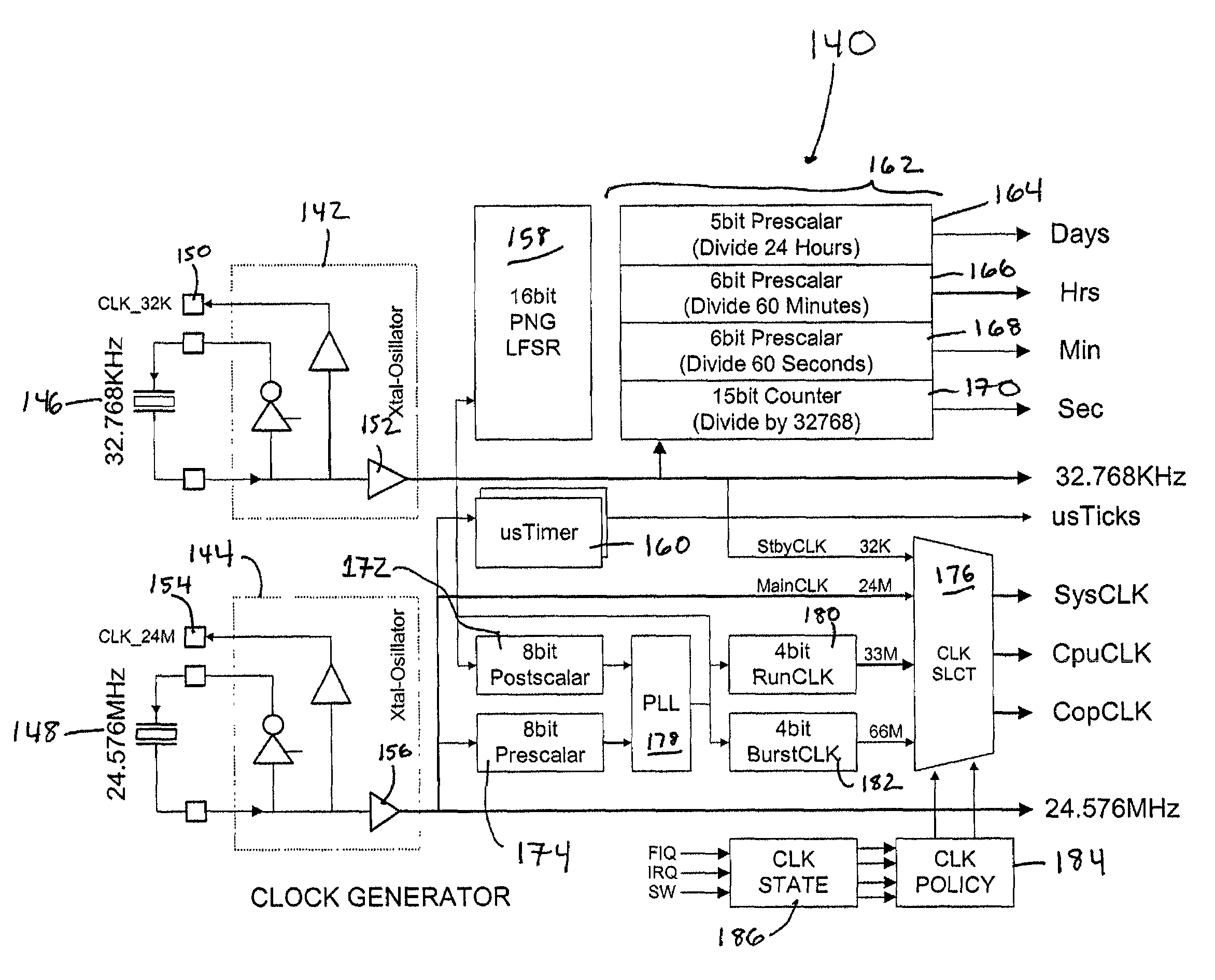
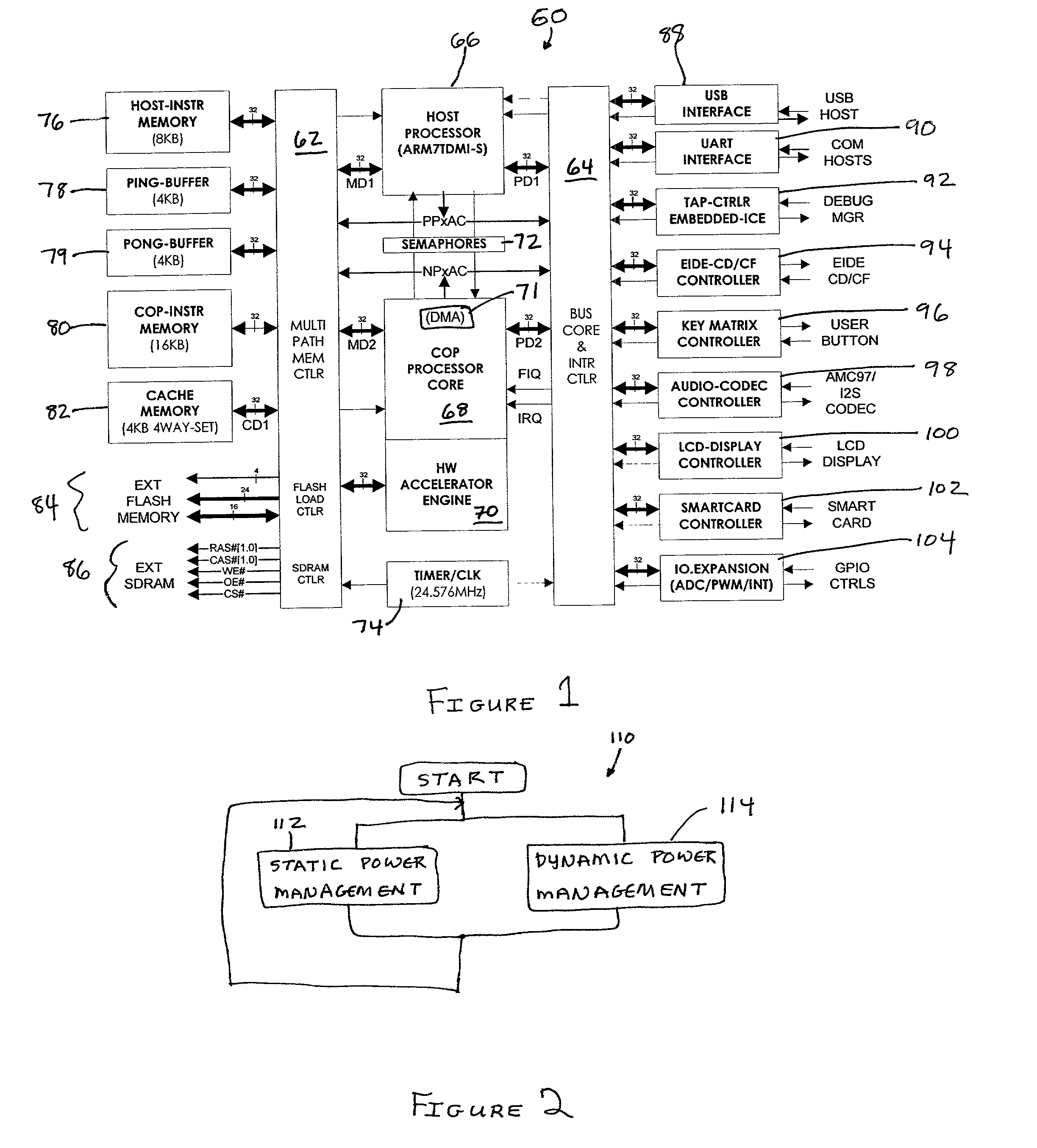
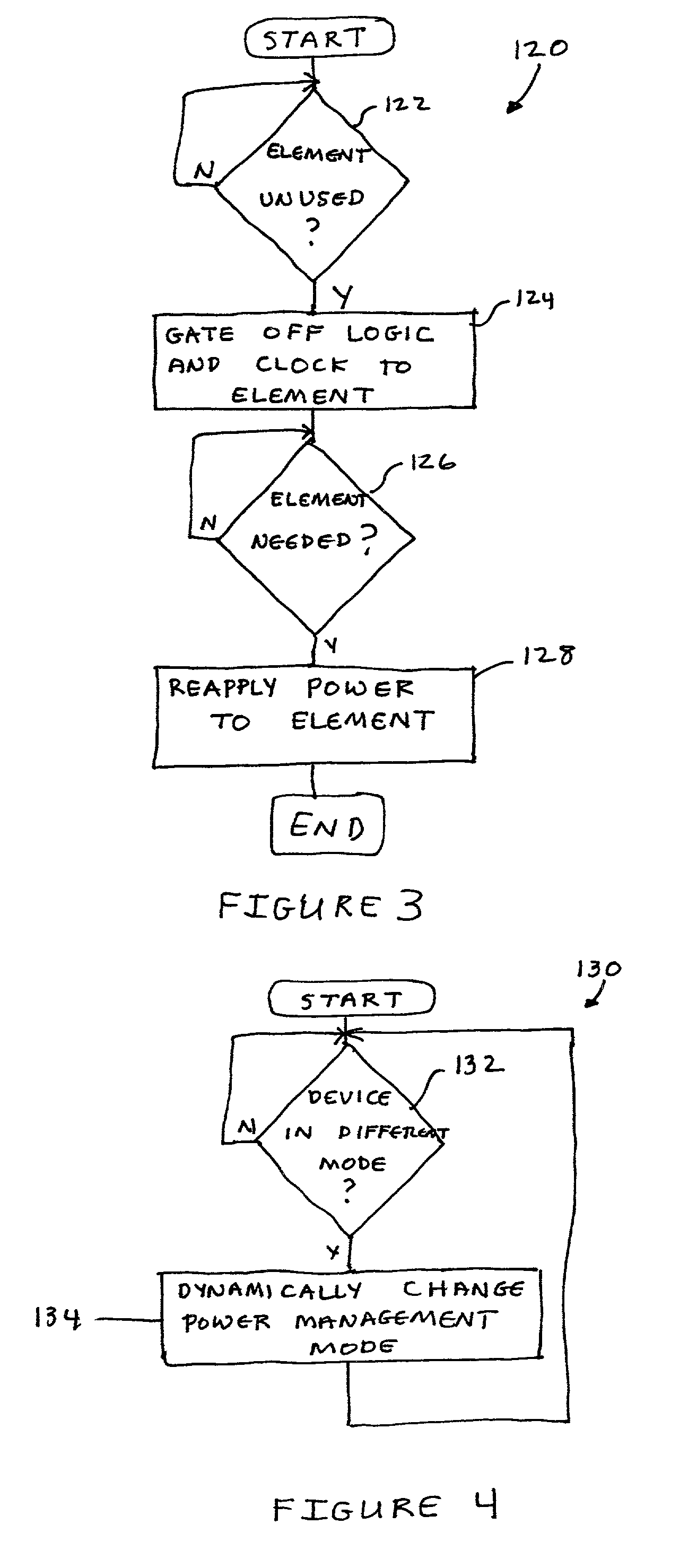
Dynamic power management of devices in computer system by selecting clock generator output based on a current state and programmable policies
PatentInactiveUS6990594B2
Innovation
- A power management system that combines static and dynamic power controls, featuring asynchronous buffers, scaleable device clock domains, and a flexible clock generator with a software programmable phase-locked loop (PLL) and programmable clock policies to dynamically adjust clock frequencies based on task requirements, allowing for rapid power conservation and performance boosting.

Method and device for dynamically adjusting output power of equipment
PatentActiveCN113821071B
Innovation
- By introducing at least two sub-power modules into the power module of the data server, the working status of the sub-power modules is dynamically adjusted based on current real-time power and historical power data to ensure that only the required power modules are started to match the actual power demand.


Energy Efficiency Regulations and Standards Compliance
The implementation of microcontroller-based dynamic power management systems in data centers must align with an increasingly complex landscape of energy efficiency regulations and standards. These regulatory frameworks are designed to reduce environmental impact, promote sustainable computing practices, and establish minimum performance benchmarks for energy consumption in large-scale computing facilities.
At the international level, the ISO 50001 Energy Management Systems standard provides a comprehensive framework for organizations to develop policies for more efficient use of energy. Data centers implementing microcontroller-based power management solutions must demonstrate systematic approaches to achieving continual improvement in energy performance. The standard requires establishments to monitor, measure, and analyze energy consumption patterns, making microcontroller systems particularly valuable for their real-time monitoring and adaptive control capabilities.
The European Union's Energy Efficiency Directive 2012/27/EU, recently updated through the Energy Efficiency Directive 2023/1791, mandates significant energy savings targets for member states. Data centers operating within EU jurisdictions must comply with specific energy efficiency requirements, including mandatory energy audits and implementation of cost-effective energy efficiency measures. Microcontroller-based dynamic power management systems can serve as key enabling technologies to meet these compliance requirements through automated optimization of server workloads and cooling systems.
In the United States, the ENERGY STAR program for data centers establishes performance metrics and certification requirements. The program's Power Usage Effectiveness (PUE) benchmarks require facilities to maintain specific ratios between total facility energy consumption and IT equipment energy consumption. Microcontroller systems can continuously monitor and adjust power distribution to maintain optimal PUE ratios while ensuring compliance with ENERGY STAR certification requirements.
The ASHRAE standards, particularly ASHRAE 90.1 and ASHRAE 90.4, provide detailed technical specifications for energy-efficient building design and data center operations. These standards establish requirements for power distribution systems, cooling efficiency, and monitoring capabilities that directly impact microcontroller implementation strategies. Compliance requires sophisticated control algorithms capable of maintaining environmental conditions within specified parameters while minimizing energy consumption.
Emerging regulations such as the EU's Corporate Sustainability Reporting Directive (CSRD) are introducing mandatory sustainability reporting requirements that will affect data center operators. Microcontroller-based power management systems must incorporate comprehensive data logging and reporting capabilities to support compliance with these evolving transparency requirements, ensuring accurate measurement and documentation of energy efficiency improvements and carbon footprint reductions.
At the international level, the ISO 50001 Energy Management Systems standard provides a comprehensive framework for organizations to develop policies for more efficient use of energy. Data centers implementing microcontroller-based power management solutions must demonstrate systematic approaches to achieving continual improvement in energy performance. The standard requires establishments to monitor, measure, and analyze energy consumption patterns, making microcontroller systems particularly valuable for their real-time monitoring and adaptive control capabilities.
The European Union's Energy Efficiency Directive 2012/27/EU, recently updated through the Energy Efficiency Directive 2023/1791, mandates significant energy savings targets for member states. Data centers operating within EU jurisdictions must comply with specific energy efficiency requirements, including mandatory energy audits and implementation of cost-effective energy efficiency measures. Microcontroller-based dynamic power management systems can serve as key enabling technologies to meet these compliance requirements through automated optimization of server workloads and cooling systems.
In the United States, the ENERGY STAR program for data centers establishes performance metrics and certification requirements. The program's Power Usage Effectiveness (PUE) benchmarks require facilities to maintain specific ratios between total facility energy consumption and IT equipment energy consumption. Microcontroller systems can continuously monitor and adjust power distribution to maintain optimal PUE ratios while ensuring compliance with ENERGY STAR certification requirements.
The ASHRAE standards, particularly ASHRAE 90.1 and ASHRAE 90.4, provide detailed technical specifications for energy-efficient building design and data center operations. These standards establish requirements for power distribution systems, cooling efficiency, and monitoring capabilities that directly impact microcontroller implementation strategies. Compliance requires sophisticated control algorithms capable of maintaining environmental conditions within specified parameters while minimizing energy consumption.
Emerging regulations such as the EU's Corporate Sustainability Reporting Directive (CSRD) are introducing mandatory sustainability reporting requirements that will affect data center operators. Microcontroller-based power management systems must incorporate comprehensive data logging and reporting capabilities to support compliance with these evolving transparency requirements, ensuring accurate measurement and documentation of energy efficiency improvements and carbon footprint reductions.
Environmental Impact and Sustainability Considerations
The implementation of microcontroller-based dynamic power management systems in data centers presents significant opportunities for environmental impact reduction and enhanced sustainability. These systems directly address the growing concern over data center energy consumption, which currently accounts for approximately 1-2% of global electricity usage and generates substantial carbon emissions equivalent to the aviation industry.
Dynamic power management through microcontrollers enables real-time optimization of energy consumption by intelligently adjusting server performance states, cooling systems, and power distribution based on actual workload demands. This approach can reduce overall energy consumption by 15-30% compared to traditional static power management methods, translating to substantial reductions in greenhouse gas emissions and environmental footprint.
The carbon footprint reduction potential is particularly noteworthy when considering the lifecycle impact. Microcontroller-based systems optimize not only operational energy consumption but also extend hardware lifespan through intelligent thermal management and workload distribution. This reduces the frequency of hardware replacement cycles, thereby minimizing electronic waste generation and the environmental costs associated with manufacturing new equipment.
Water consumption represents another critical sustainability consideration, as data centers require extensive cooling systems that often rely on water-based solutions. Advanced microcontroller systems can optimize cooling efficiency by coordinating between air-based and liquid cooling systems, potentially reducing water usage by 20-40% through precise temperature monitoring and predictive cooling algorithms.
The integration of renewable energy sources becomes more feasible with sophisticated power management systems. Microcontrollers can dynamically adjust data center operations to align with renewable energy availability patterns, such as solar or wind power generation cycles. This capability supports grid stability while maximizing the utilization of clean energy sources.
Furthermore, these systems contribute to circular economy principles by enabling more efficient resource utilization and supporting the development of energy-as-a-service models. The granular monitoring and control capabilities provided by microcontroller networks facilitate better understanding of energy consumption patterns, enabling data center operators to implement more sustainable operational practices and meet increasingly stringent environmental regulations and corporate sustainability commitments.
Dynamic power management through microcontrollers enables real-time optimization of energy consumption by intelligently adjusting server performance states, cooling systems, and power distribution based on actual workload demands. This approach can reduce overall energy consumption by 15-30% compared to traditional static power management methods, translating to substantial reductions in greenhouse gas emissions and environmental footprint.
The carbon footprint reduction potential is particularly noteworthy when considering the lifecycle impact. Microcontroller-based systems optimize not only operational energy consumption but also extend hardware lifespan through intelligent thermal management and workload distribution. This reduces the frequency of hardware replacement cycles, thereby minimizing electronic waste generation and the environmental costs associated with manufacturing new equipment.
Water consumption represents another critical sustainability consideration, as data centers require extensive cooling systems that often rely on water-based solutions. Advanced microcontroller systems can optimize cooling efficiency by coordinating between air-based and liquid cooling systems, potentially reducing water usage by 20-40% through precise temperature monitoring and predictive cooling algorithms.
The integration of renewable energy sources becomes more feasible with sophisticated power management systems. Microcontrollers can dynamically adjust data center operations to align with renewable energy availability patterns, such as solar or wind power generation cycles. This capability supports grid stability while maximizing the utilization of clean energy sources.
Furthermore, these systems contribute to circular economy principles by enabling more efficient resource utilization and supporting the development of energy-as-a-service models. The granular monitoring and control capabilities provided by microcontroller networks facilitate better understanding of energy consumption patterns, enabling data center operators to implement more sustainable operational practices and meet increasingly stringent environmental regulations and corporate sustainability commitments.
Unlock deeper insights with PatSnap Eureka Quick Research — get a full tech report to explore trends and direct your research. Try now!
Generate Your Research Report Instantly with AI Agent
Supercharge your innovation with PatSnap Eureka AI Agent Platform!