

Device and method for selectivity controlling result write back
A selective, pre-coded technology, applied in the direction of micro-control devices, etc., can solve the problem of program loop waste, no longer available, etc.
Patent Information
- Authority / Receiving Office
- CN · China
- Current Assignee / Owner
- Publication Date
- 2003-04-30
- Estimated Expiration
- Not applicable · inactive patent
Smart Images
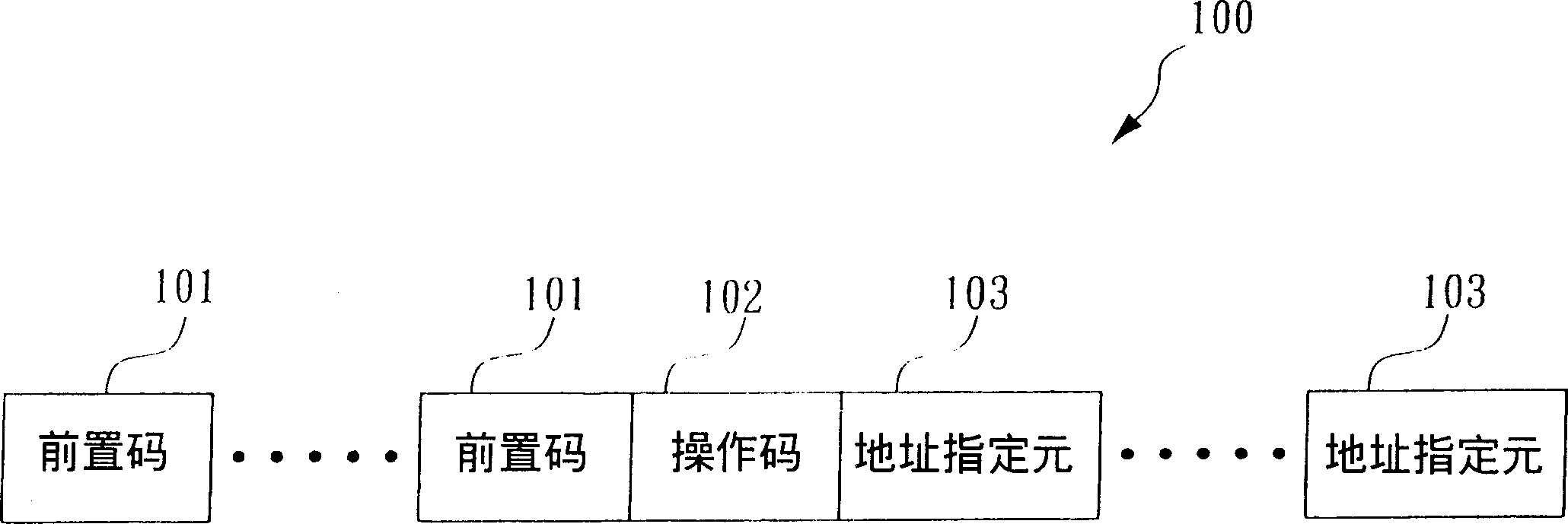
Figure 1 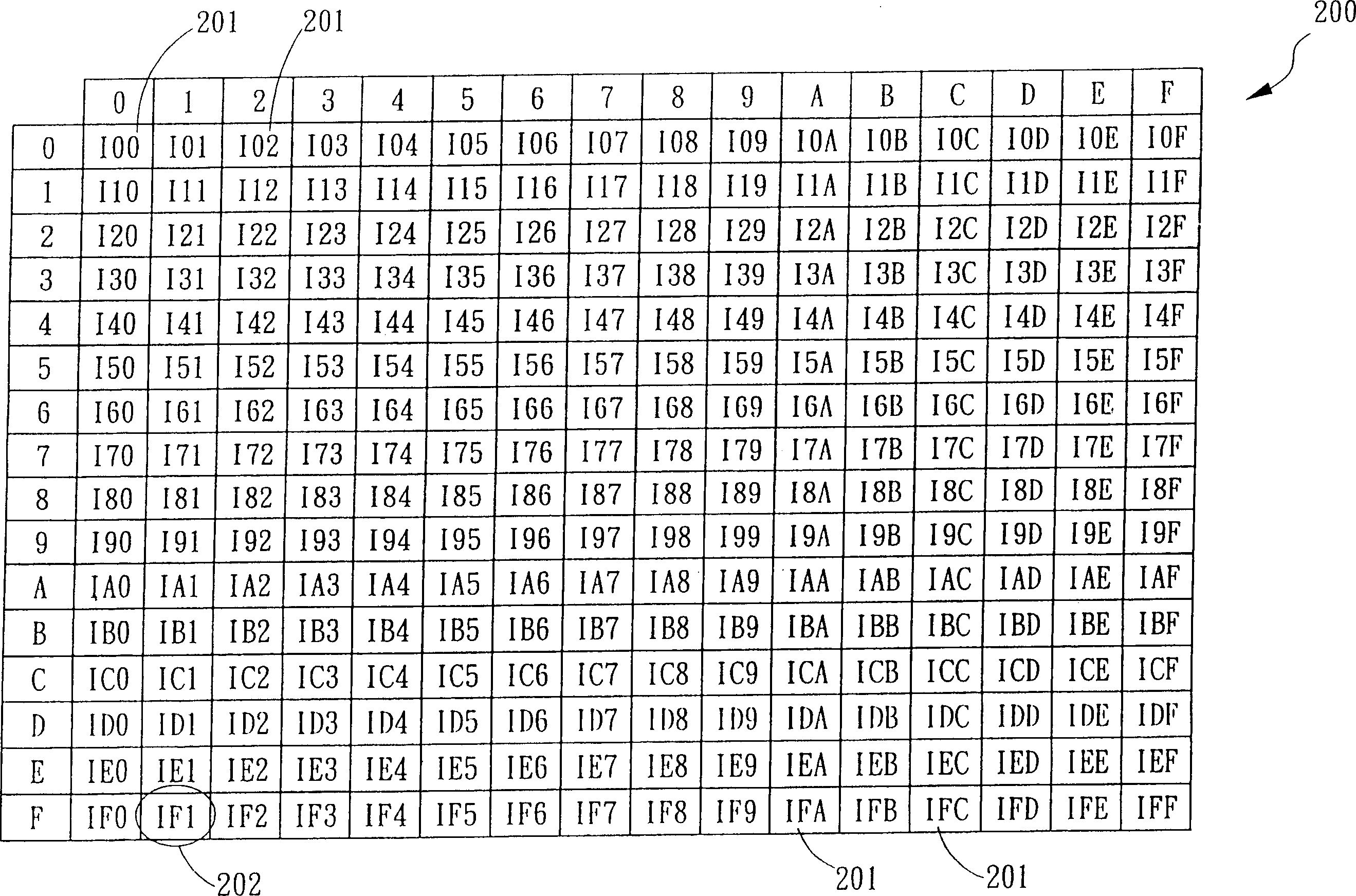
Figure 2 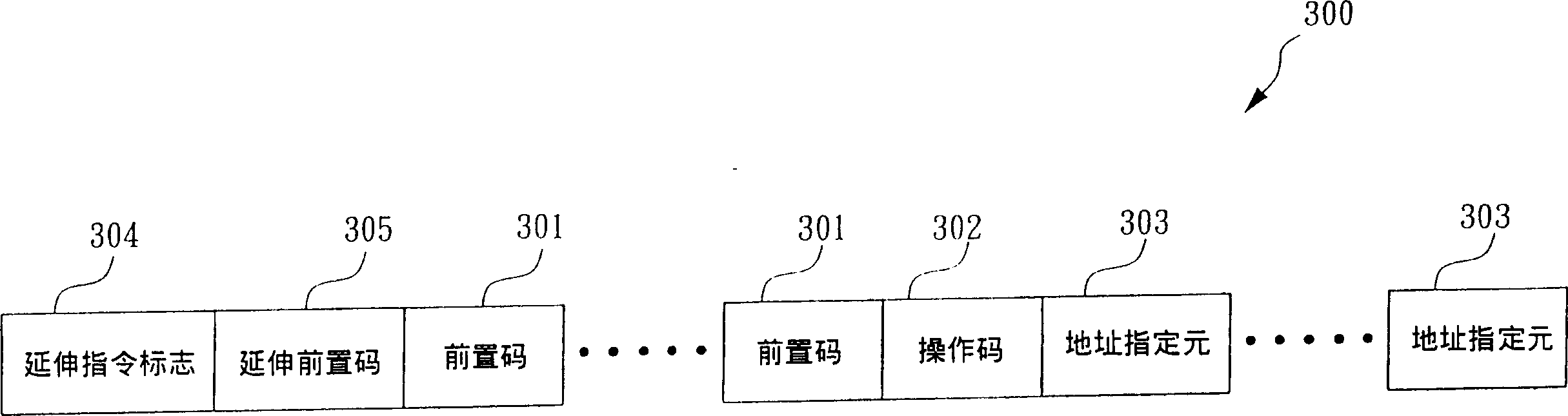
Figure 3
Abstract
Description
[0001] Comparison with Related Inventions
[0002] This invention claims priority based on the following U.S. Invention Application: Docket No. 60 / 369688 , the date of application is April 2, 2002, and the title of the patent is "Apparatus and Method for Selectively Controlling Result Write-back".
[0003] TW SERIAL NUMBER DOCKET NUMBER patent name 91116957 CNTR: 2176 Device and method for extending microprocessor instruction set 91116958 CNTR: 2186 Device and method for executing conditional instructions 91116956 CNTR: 2188 means for selectively controlling condition code write-back and method 91116959 CNTR: 2189 Mechanism to increase the number of registers in a microprocessor
[0004] The present invention relates to the field of microelectronics, in particular to a technology capable of incorporating selective result write-back contr...
Examples
Embodiment Construction
[0069] The following description is provided in the light of a specific embodiment and its prerequisites to enable those of ordinary skill in the art to utilize the invention. However, various modifications to this preferred embodiment will be apparent to those skilled in the art, and the general principles discussed herein can be applied to other embodiments as well. Therefore, the present invention is not limited to the specific embodiments shown and described herein, but is to be accorded the widest scope consistent with the principles and novel features disclosed herein.
[0070] The previous article has made a background discussion on how to expand its structural features in today's microprocessors to exceed the capabilities of related instruction sets. In view of this, in figure 1 and figure 2 , an example of a related technique will be discussed. The discussion here highlights the constant dilemma that microprocessor designers face when, on the one hand, they want ...