
Method for realizing p2p-based remote video education
A remote video, audio and video technology, applied in the network field, can solve the problems of limiting the scale and scope of software operations, rising operating costs, inconvenience, etc., and achieve the effects of reducing software maintenance costs, reducing server pressure, and reducing usage costs
Patent Information
- Authority / Receiving Office
- CN · China
- Patent Type
- Applications(China)
- Current Assignee / Owner
- Publication Date
- 2012-01-11
- Estimated Expiration
- Not applicable · inactive patent
Smart Images
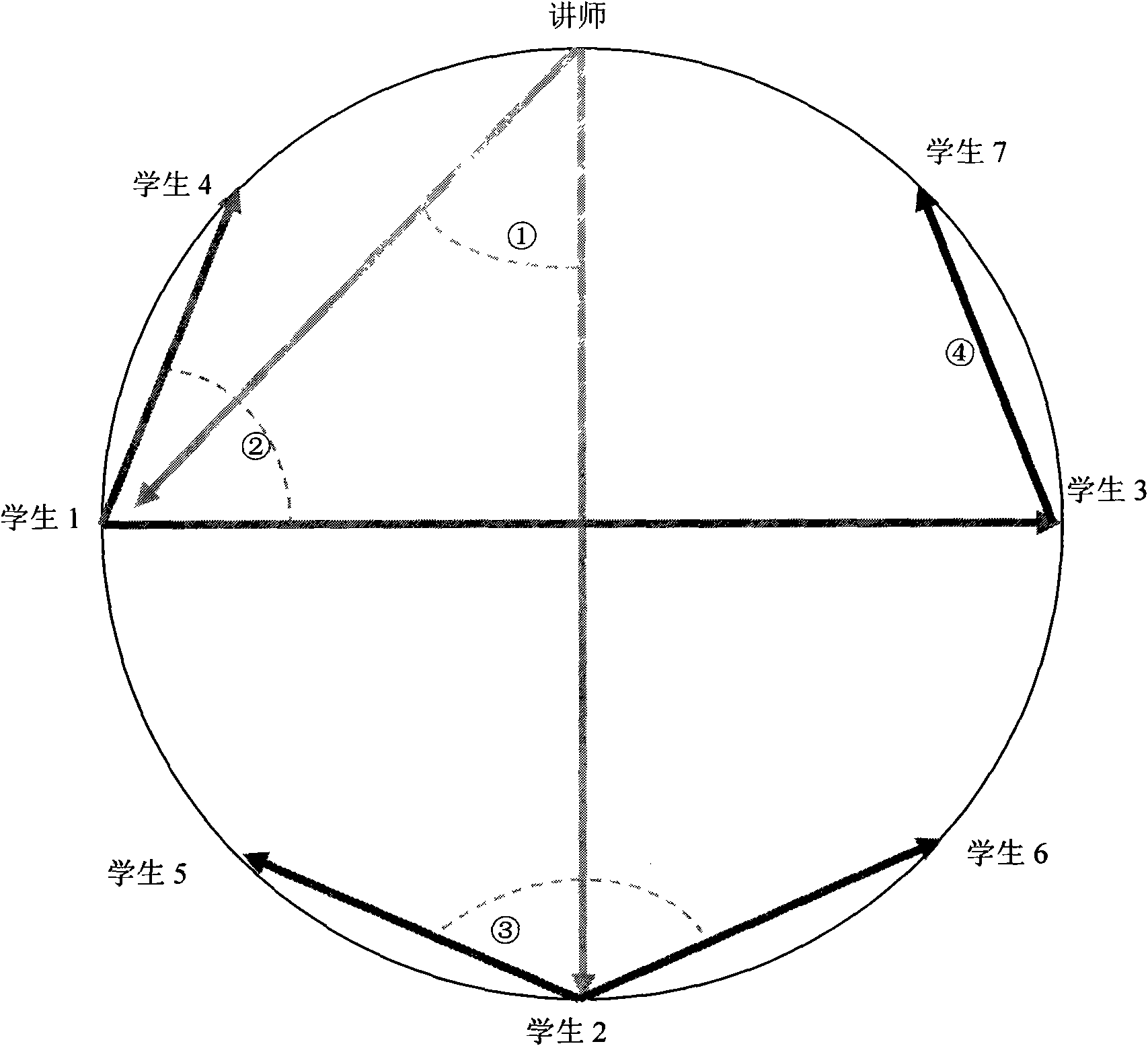
Figure 1 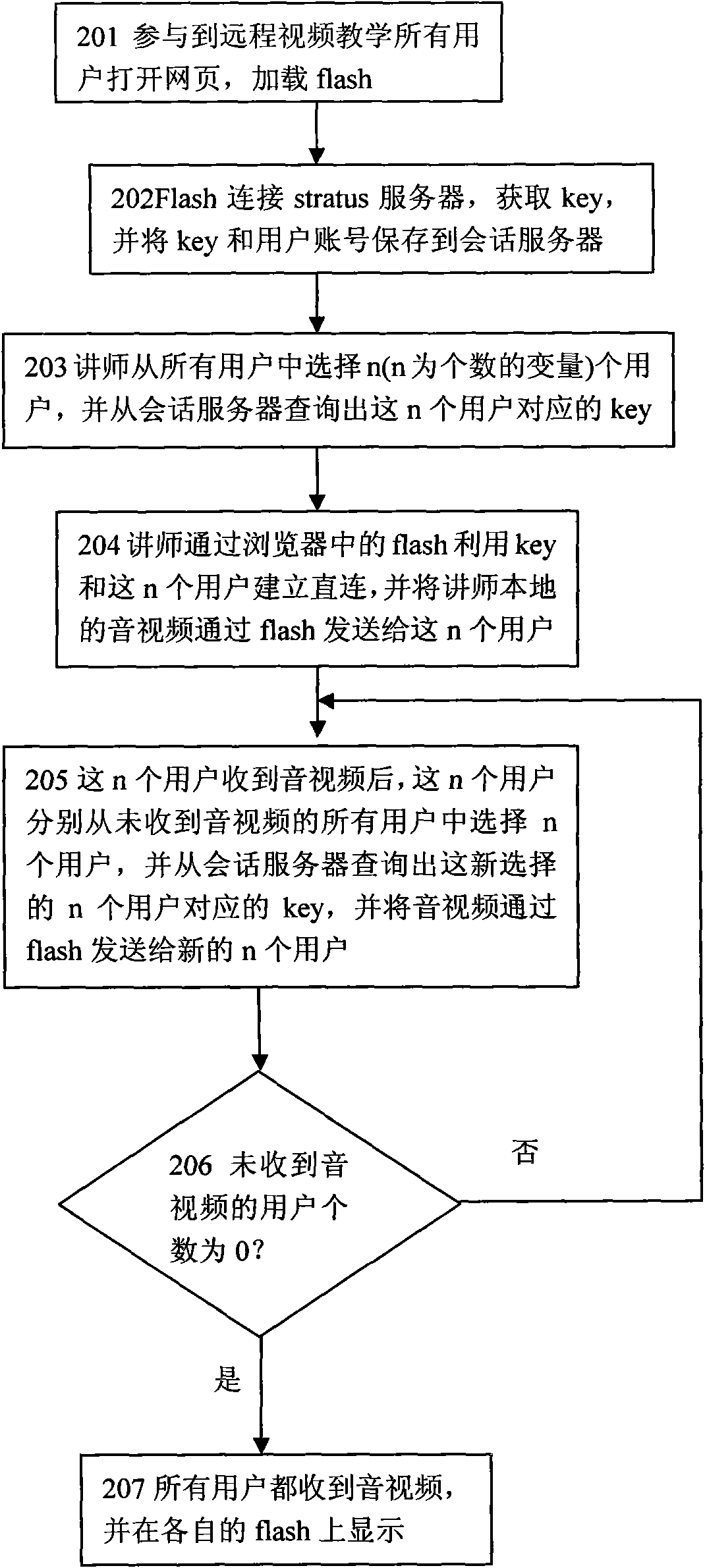
Figure 2 
Figure 3
Abstract
Description
technical field
[0001] The invention belongs to the field of network technology, and in particular relates to a method for realizing remote video education based on p2p. Background technique
[0002] The development of Internet technology enables us to realize instant messaging, chat with friends, negotiate with partners and so on without leaving home. At present, based on the instant messaging tools that need to be downloaded and installed, such as MSN, QQ, and Netease Bubbles, they have been deeply loved by everyone. They provide a new way for people to communicate and exchange information. Another important way of information exchange. With the help of these tools, users can realize single-person or multi-person video, hold online video conferences, conduct online distance education, and greatly reduce the cost of communication between people and improve efficiency.
[0003] But, use above-mentioned instant messenger user and must download and install corresponding clie...
Examples
Embodiment Construction
[0027] The present invention will be described in detail below with reference to the accompanying drawings and examples. It should be noted that, in the case of no conflict, the embodiments in the present application and the features in the embodiments can be combined with each other.
[0028] A method for remote video education based on p2p implemented on a webpage, comprising the following steps:
[0029] 1) The user opens the web page, loads a flash, connects the flash to the stratus server, obtains the key, and saves the key and the user's account to the session server;
[0030] 2) All users participating in the teaching are saved to an array variable p;
[0031] 3) The flash on the lecturer's browser acquires n (n is a variable and less than the length of the array) users a in the array variable (for the convenience of description, here a is set as the alias of these n users);
[0032] 4) Find and obtain the key corresponding to a from the session server, and initiate a...